
Modular Shelving System: What to Compare
Before buying a modular shelving system, compare load, size, adjustability, and materials to build a layout that fits your room.

If you have ever felt frustrated by shelving that does not quite fit your space, cannot grow with your collection, or looks outdated the moment your decor changes, a modular shelving system might be exactly what your home needs. In 2026, modular shelving has become one of the most popular home organization solutions across the United States, and for good reason. It is flexible, scalable, and surprisingly easy to style. Whether you are tackling a cluttered living room, a chaotic home office, or an overflowing bedroom closet, the right modular shelving system gives you total control over how you store and display your belongings.
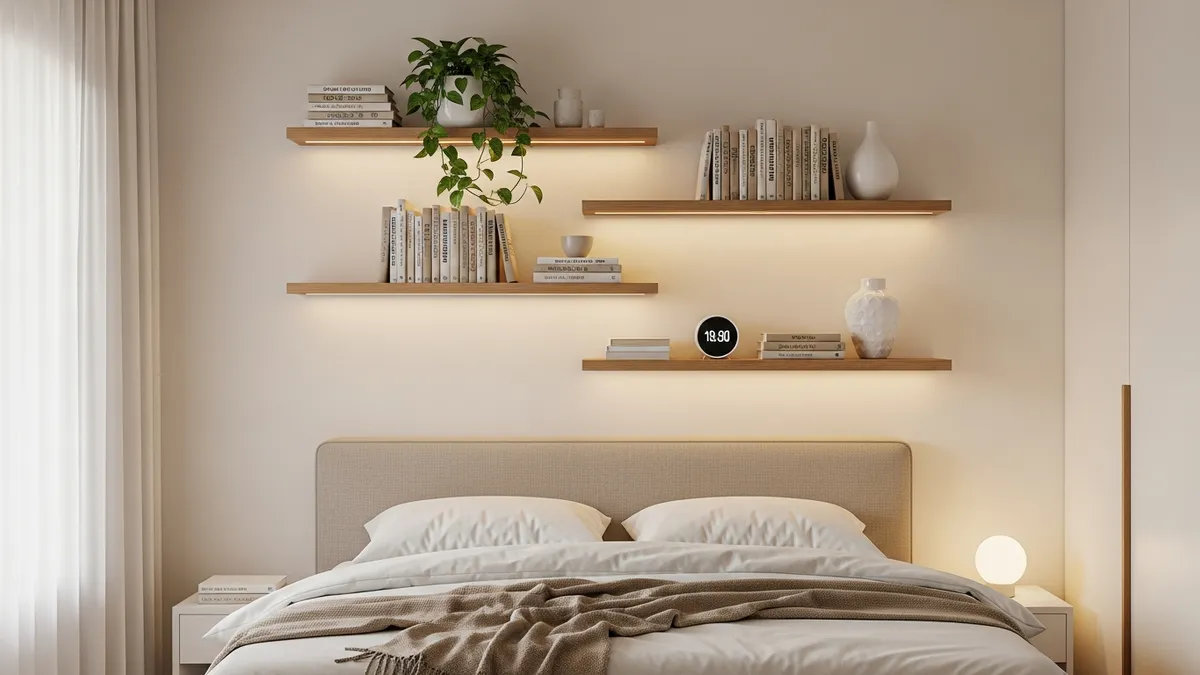
What Is a Modular Shelving System and Why Does It Matter?
A modular shelving system is a type of storage furniture made up of individual units, panels, or components that can be arranged, combined, and reconfigured in countless ways. Unlike traditional built-in shelves or standard bookcases, modular systems are designed to adapt to your specific space and storage needs. You can add more units over time, swap out components, or completely rearrange the layout whenever your life changes.
According to Houzz's shelving ideas, the appeal of modular furniture lies in its ability to grow and shift alongside your household, which makes it a smart long-term investment rather than a one-time purchase. Instead of buying a new bookcase every time you move or redecorate, a modular system travels with you and adapts to new floor plans and new priorities.
Here is why a modular shelving system stands out from standard shelving options:
- Flexibility: Rearrange, expand, or reduce units based on your current needs
- Scalability: Start with two or three cubes and add more as your storage demands grow
- Versatility: Works in virtually every room, from the living room and bedroom to the garage and home office
- Aesthetic variety: Available in materials ranging from solid wood and engineered wood to metal and acrylic, in dozens of finishes
- Cost efficiency: Buy only what you need now and invest in more pieces later
If you are just getting started with home organization, check out our complete home organizer guide for a broader overview of the products and strategies that make a real difference.
Types of Modular Shelving Systems to Know Before You Buy
Not all modular shelving systems are built the same way. Understanding the major types will help you choose the right one for your space, your budget, and your storage goals.
Cube Storage Units
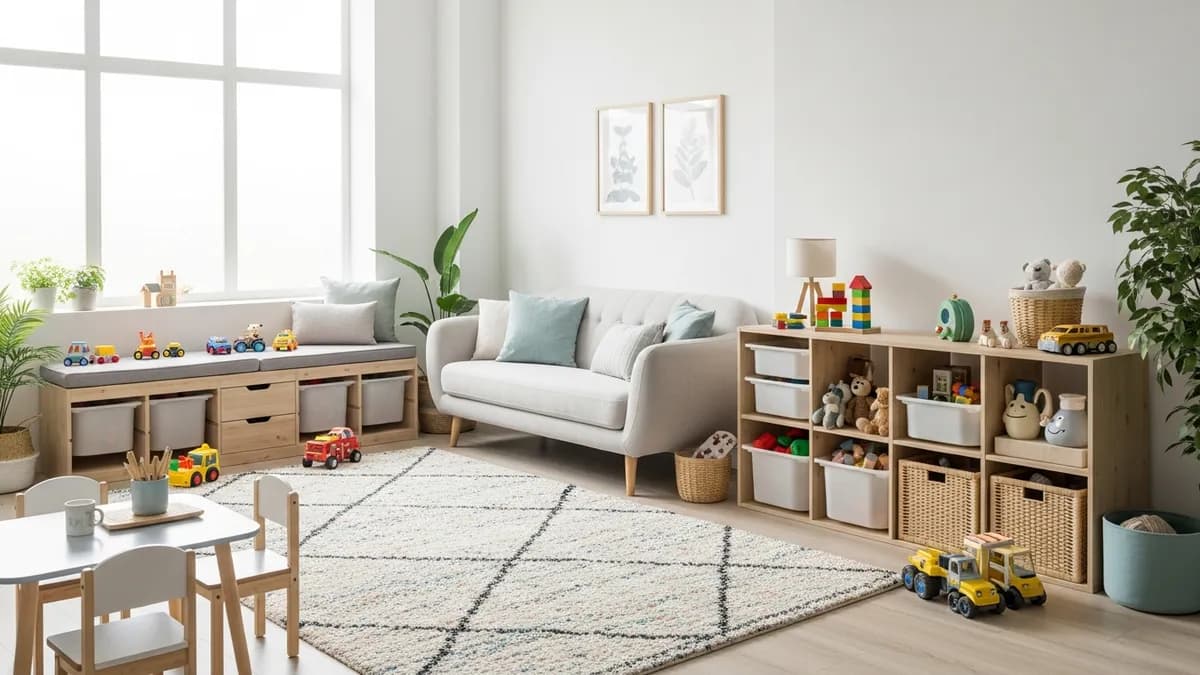
Cube shelving is probably the most recognizable form of modular shelving in the US market. Each cube is a self-contained square or rectangular compartment that stacks and connects with other cubes. You can arrange them in a grid pattern, in an L-shape, or in a staggered layout for a more creative look. Many cube systems are compatible with fabric or wooden drawer inserts, making them ideal for living rooms, kids rooms, and bedroom closets.
Open Shelf Panel Systems
Panel systems use vertical uprights and horizontal shelves that slot or clip together. This style offers the most flexibility in terms of shelf spacing, and it is a popular choice for home offices and garage storage. Most panel systems are made from steel or powder-coated metal, which makes them sturdy enough to hold heavier items like binders, tools, or small appliances.
Freestanding Tower Units
These are tall, narrow modular shelving units that stack vertically. They are a great solution for tight spaces because they take up a minimal footprint while maximizing vertical storage. Freestanding towers work beautifully in bathrooms, laundry rooms, and entryways.
Wall-Mounted Modular Shelves
Wall-mounted systems attach directly to the wall and can include a mix of open shelves, closed cabinets, and hanging rods. Because they are anchored to the wall, they free up floor space entirely, which is a major advantage in smaller rooms. If you are interested in more wall-based storage ideas, our article on storage shelving ideas has plenty of inspiration.
Combination Units
Combination modular systems mix open shelving with closed doors, drawers, and cabinets. These are popular for living rooms and media walls because they let you display some items while hiding others. They offer a polished, built-in look without the cost and permanence of custom cabinetry.
How to Choose the Right Modular Shelving System for Your Home
Choosing a modular shelving system is not just about picking a color you like. There are several practical factors to consider before you invest.
Measure Your Space First
Before you browse any product, grab a tape measure. Note the width, height, and depth of the wall or floor area where you plan to install the shelving. Pay attention to obstacles like outlets, light switches, baseboards, and vents. For wall-mounted systems, you also need to locate your wall studs to ensure safe anchoring.
Consider the Weight Load
Every shelving system has a weight rating per shelf. If you plan to store heavy items like textbooks, cast iron cookware, or power tools, you need a system with a higher load capacity. Metal and solid wood systems generally handle heavier loads than particleboard or hollow-core units. Always check the manufacturer's weight limits before loading up your shelves.
Match the Material to the Room
- Living room: Go for wood, veneer, or MDF finishes in white, walnut, or oak for a warm, polished look
- Home office: Metal or powder-coated steel systems offer durability and a clean, professional aesthetic
- Kitchen or pantry: Look for moisture-resistant materials and easy-to-clean surfaces
- Garage: Heavy-duty metal wire or steel shelving holds up best against temperature fluctuations and heavy loads
- Bedroom: Softer wood tones or painted finishes complement bedroom decor and blend easily with existing furniture
Think About Future Expansion
One of the biggest advantages of a modular shelving system is the ability to expand it. Before you buy, confirm that replacement units and add-on components are readily available. Some brands discontinue product lines, which can leave you with an incomplete set down the road. Sticking with established brands or retailers with a wide accessory range is generally the safer bet.
Freestanding vs. Wall-Mounted
Freestanding modular shelving requires no tools or wall anchors to set up, which makes it a renter-friendly choice. Wall-mounted systems require installation but offer a more secure, permanent look and free up valuable floor space. If you are renting your home, always check your lease before drilling into walls.
For more ideas on organizing specific rooms, take a look at our home storage ideas roundup, which covers solutions for every room in the house.
Room-by-Room Ideas for Using a Modular Shelving System
A modular shelving system is not a one-room solution. Here is how to make the most of it throughout your entire home.
Living Room
The living room is where modular shelving truly shines. A combination wall unit can serve as your media center, library, and display area all in one. Use open shelves for books, artwork, and plants, and hide clutter like cables, games, and remote controls behind closed cabinet doors. Styling tip: vary the height of objects on each shelf and leave some shelves partially open to prevent a crowded look.
For blanket and toy storage in the living room, check out our guides on blanket storage ideas for living room and toy storage ideas for living room.
Home Office
A well-configured modular system transforms a home office from chaotic to productive. A tall panel system along one wall can hold binders, reference books, equipment, and even a small filing system. Add a few fabric bins or drawer inserts to keep small supplies corralled. Position the shelving unit to create a visual backdrop for video calls, which is an added bonus in 2026's remote-work culture.
Bedroom
In the bedroom, a modular shelving system can supplement or even replace a traditional dresser. Use deep cube units for folded clothes, shallow shelves for accessories and books, and a hanging rod insert for jackets or frequently worn pieces. A floor-to-ceiling modular unit beside the bed also makes a stylish and functional alternative to a traditional nightstand and bookcase.
If your bedroom storage feels overwhelming, our bedroom storage solutions article has step-by-step guidance.
Kitchen and Pantry
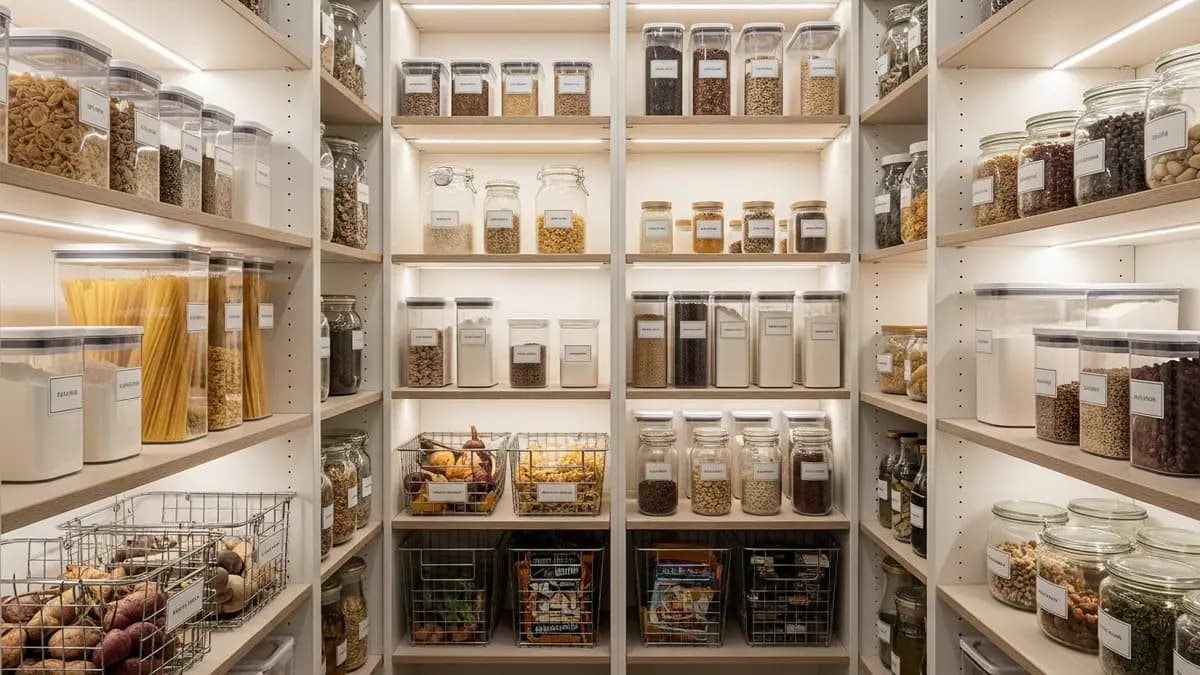
A freestanding modular shelving unit in a pantry or kitchen corner is one of the easiest ways to dramatically increase your food storage capacity. Pair it with airtight food storage containers and clear labels so everything is visible and easy to grab. Adjustable shelves are particularly useful here because canned goods, cereal boxes, and small appliances all have very different heights.
Garage
For the garage, a heavy-duty metal modular shelving system is a game changer. Use it to store tools, sports equipment, seasonal decor, and automotive supplies in a way that keeps the floor clear and everything accessible. If your garage feels like a lost cause, our best garage storage solutions guide walks you through the whole process.
Styling Your Modular Shelving System: Tips That Actually Work
A modular shelving system does not just need to be functional; it should look great too. Here are some tried-and-true styling tips.
Use the Rule of Three
Group objects in sets of three for a naturally pleasing arrangement. A small plant, a framed photo, and a decorative object clustered together looks intentional rather than random.
Vary Heights and Textures
Mix tall items with short ones, and combine hard surfaces like books and ceramic objects with soft textures like woven baskets and fabric bins. This contrast keeps the eye moving and prevents visual monotony.
Keep a Consistent Color Palette
Pick two or three accent colors and repeat them across multiple shelves. This creates cohesion without making the display look uniform or boring. Architectural Digest often recommends using the 60-30-10 rule: 60% neutral tones, 30% a secondary color, and 10% an accent color.
Balance Open and Closed Storage
Not everything needs to be on display. Use closed-door units or decorative baskets to hide items you use frequently but do not want to look at, like charging cables, extra linens, or office supplies. This balance between open and closed storage is what gives professional interiors their uncluttered, curated look.
Do Not Overcrowd the Shelves
One of the most common mistakes people make is filling every inch of available shelf space. Leaving some breathing room between objects makes each item stand out and makes the whole display feel more considered and intentional.
For more inspiration on how to style wall shelving beautifully, Houzz has an extensive gallery of real-home examples that can help you visualize different configurations and aesthetics.
Installation Tips for a Safe and Sturdy Modular Shelving System
Even the best modular shelving system can become a hazard if it is not installed correctly. Here are some key safety and installation guidelines.
- Locate wall studs before mounting: Use a stud finder and always anchor wall-mounted systems into studs rather than just drywall. Most studs in US homes are spaced 16 inches apart.
- Use the right hardware: Always use the screws, anchors, and brackets included with your shelving system. Substituting hardware can compromise the structural integrity of the unit.
- Check for level: Use a bubble level or a smartphone level app to make sure your shelves are perfectly horizontal before tightening all the fasteners.
- Anchor freestanding units to the wall: Even freestanding modular systems should be secured to the wall with an anti-tip strap if they are over 30 inches tall, especially in homes with children or pets.
- Distribute weight evenly: Place heavier items on the lower shelves and lighter items higher up. This lowers the center of gravity and reduces the risk of tipping.
- Do not exceed the weight rating: Check the per-shelf weight limit and respect it. Overloading shelves causes bowing, joint failure, and potential collapse.
- Reassemble on a flat surface: When setting up freestanding modular units, lay the pieces out on a flat floor before standing them upright. This makes alignment much easier and reduces the risk of wobbling.
What to Look For When Comparing Modular Shelving Systems in 2026
The best modular shelving system is the one that fits your actual life, not just your Pinterest board. Think about how you truly use your space before committing to a configuration.
When you are comparing options, keep these criteria in mind:
Material Quality
Solid wood and metal systems are more durable than particleboard or MDF, but they also cost more. Particleboard units are fine for lightweight items like books and decor, but they are not a good choice for heavy loads or humid environments like bathrooms.
Adjustability
Look for systems with adjustable shelf heights. Fixed-height shelves are limiting, especially in a pantry or home office where item sizes vary widely. Adjustable shelves give you the flexibility to reconfigure without buying new components.
Finish and Durability
Powder-coated metal resists scratches and rust. Lacquered or veneered wood surfaces are easier to wipe clean than raw wood. If you have young kids or pets, prioritize surfaces that are scuff-resistant and easy to maintain.
Brand Support and Availability of Add-Ons
Before you commit to a system, check whether the brand sells additional units, compatible bins, drawer inserts, and hanging accessories. A system that cannot be expanded is just a regular shelf.
Assembly Ease
Read customer reviews specifically about the assembly experience. Some modular systems are genuinely easy to put together with minimal tools, while others have confusing instructions or parts that do not align well. Look for systems with cam-lock or clip-in connections, which are typically easier to assemble than screw-and-nut systems.
For more comprehensive home storage product guidance, browse the Sesoris collections or visit our best sellers page to see what fellow home organizers are loving right now.
Related Products from Sesoris
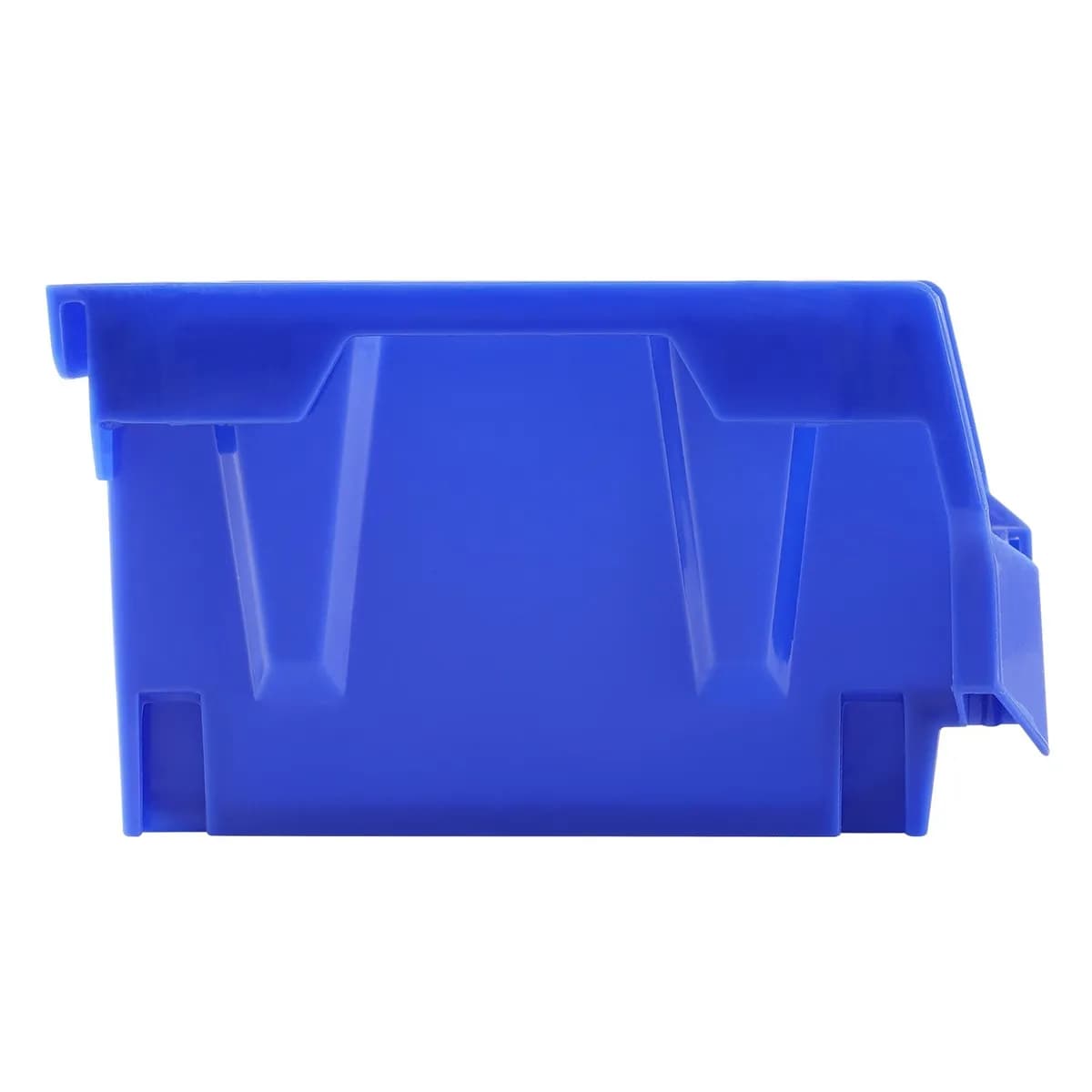
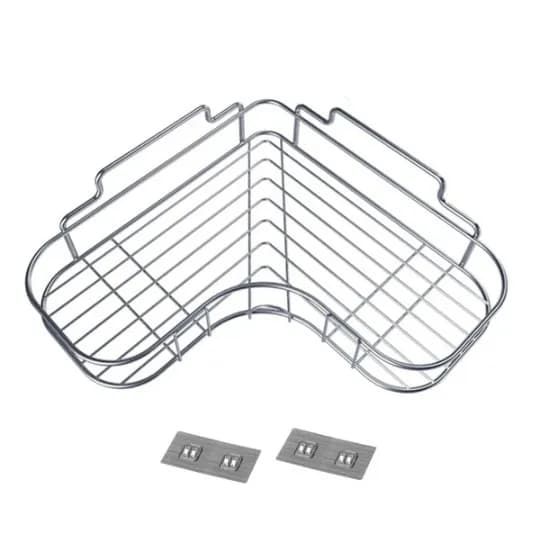
If you want to turn this guide into a real setup, start with Stackable Storage Bins, 24 Pack and Pull-Out Cabinet Organizer, 17 in. Wide. For broader options, browse the Home & Decor collection so the article journey does not stop at reading only.
Our practical rule: choose one product that solves the main clutter problem first, then add supporting organizers only when the daily workflow is already clear. This keeps the shopping path useful, not pushy.
FAQ: Frequently Asked Questions About Modular Shelving Systems
Q: What is the difference between a modular shelving system and a regular bookcase?
A regular bookcase is a single, fixed unit with set dimensions and a predetermined number of shelves. A modular shelving system is made of individual components that can be combined, stacked, or rearranged in different configurations. Modular systems are far more flexible and can grow with your storage needs over time.
Q: Can a modular shelving system hold heavy items like textbooks or tools?
Yes, but it depends on the material and construction of the specific system. Metal and solid wood modular systems are rated for heavier loads, while particleboard cube units are better suited for lighter items. Always check the manufacturer's weight rating per shelf before loading it up.
Q: Are modular shelving systems good for renters?
Freestanding modular shelving systems are excellent for renters because they require no wall drilling. Wall-mounted systems do require hardware installation, so check your lease first. Freestanding units can be completely taken apart and reassembled in your next home.
Q: How much does a modular shelving system cost in the US?
Prices vary widely depending on the material, brand, and size of the system. Basic particleboard cube units can start at a relatively affordable price point, while solid wood or metal panel systems represent a larger investment. Shopping at Sesoris or established home goods retailers gives you access to a range of options at different price points.
Q: How do I prevent a tall modular shelving system from tipping over?
Always use the anti-tip hardware that comes with the unit, or purchase a universal anti-tip strap. Anchor the top of the unit to a wall stud using the strap. This is especially important in homes with children or pets.
Q: Can I mix and match units from different brands?
In most cases, no. Modular systems from different brands rarely use the same dimensions, connector types, or finishes. It is best to stick with one brand or product line to ensure a consistent look and compatible components.
Q: What rooms benefit most from a modular shelving system?
Living rooms, home offices, bedrooms, garages, and pantries all benefit enormously from modular shelving. Because the systems are so adaptable, they work in virtually any room where you need organized, accessible storage.
Conclusion
A modular shelving system is one of the smartest home organization investments you can make in 2026. It grows with you, adapts to your space, suits every room in the house, and looks great while doing it. Whether you are starting small with a few cube units in a home office or going big with a floor-to-ceiling living room wall installation, modular shelving gives you a level of control and flexibility that traditional furniture simply cannot match. The key is to measure carefully, choose the right material for each room, plan for future expansion, and style your shelves with intention. Once you experience the difference a well-organized, thoughtfully configured modular system makes, you will wonder how you ever lived without one. Ready to start building your perfect storage setup? Explore the full range of home organization solutions at Sesoris and find the products that help you truly live more organized.
Liked this guide?
Get new organizing guides and the occasional new product by email. No spam, unsubscribe anytime.
Related articles
Explore more articles
- Decluttering Home Decor: The Complete 2026 Guide to a Beautiful, Clutter-Free Home
- 35+ Best Floating Shelf Ideas to Transform Every Room in Your Home in 2026
- 30+ Best Small Walk In Closet Ideas to Maximize Every Inch of Your Space in 2026
- 20+ Best Tiny Kitchen Layout Ideas to Maximize Every Inch in 2026
- Mail Organization Ideas for Paper Clutter
- 25+ Best Entryway Closet Organization Ideas to Transform Your Home's First Impression in 2026
- Suitcase Packing Tips: The Ultimate 2026 Guide to Stress-Free Travel
- 30+ Best Kids Bedroom Storage Ideas to Create a Fun, Tidy Space in 2026