
Garage Organization Systems: The Complete 2026 Guide to a Clutter-Free Garage
Discover the best garage organization systems in 2026. Transform your cluttered garage into a clean, functional space with these expert tips and product picks.

If your garage has become a dumping ground for everything that doesn't have a home inside the house, you're definitely not alone. The good news? Investing in the right garage organization systems can completely transform that chaotic space into one of the most functional rooms in your home. Whether you're storing power tools, sports gear, holiday decorations, or lawn equipment, the right system makes it easy to find what you need, protect your belongings, and even reclaim room for your car. In this complete 2026 guide, I'm breaking down everything you need to know about garage organization systems, from wall-mounted setups to overhead storage and everything in between.
Table of Contents
- The 5 Core Types of Garage Organization Systems
- How to Plan Your Garage Organization System
- Best Systems for Specific Needs
- Top Features to Look For
- Budget Guide
- FAQ: Frequently Asked Questions
Why Garage Organization Systems Matter in 2026
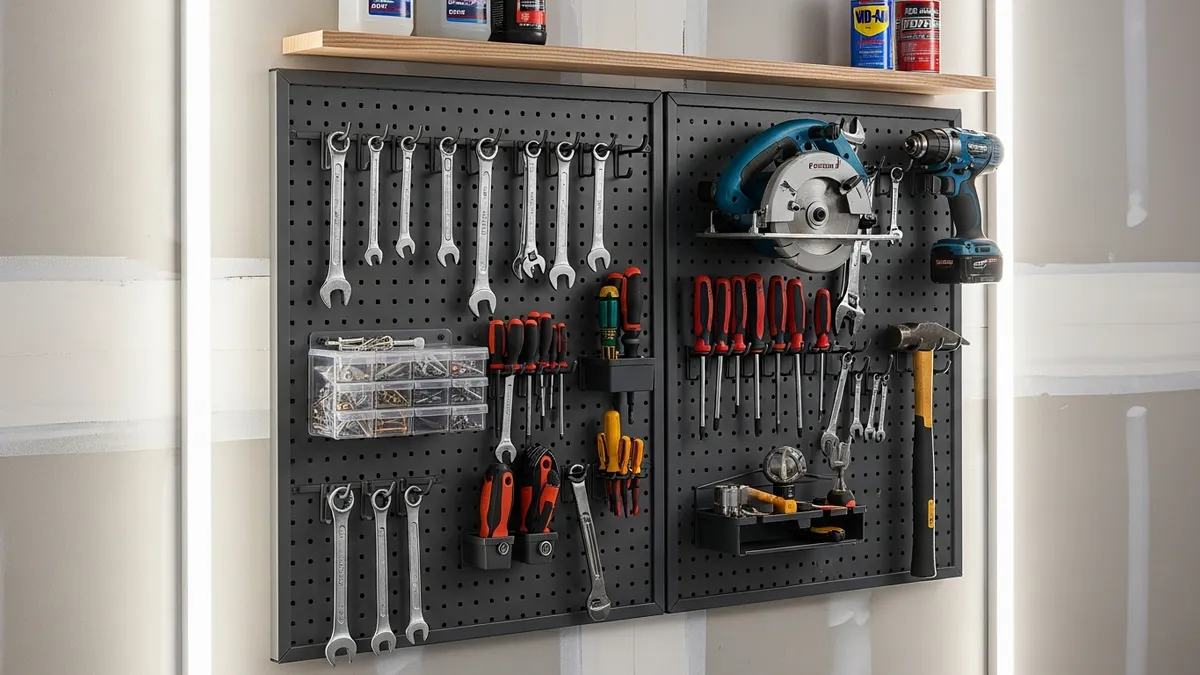
The average two-car garage in the US is roughly 20 feet by 20 feet, giving you about 400 square feet of potential storage and workspace. This Old House's garage-organization guide compares shelving, cabinets, and pegboard-backed systems that can move storage off the floor. That's a practical way to make every square foot count while keeping frequently used items accessible.
Beyond convenience, organized garages also improve home safety. Loose tools, unsecured chemicals, and unstable stacks of boxes all create hazards. A proper system keeps sharp items out of reach, chemicals stored correctly, and pathways clear.
Here's what a solid garage organization system helps you achieve:
- Protect expensive tools and equipment from damage
- Reduce the time you spend searching for items
- Create safe, clear pathways and work areas
- Increase the perceived value and appeal of your home
- Actually park your car inside again
The 5 Core Types of Garage Organization Systems
Not every garage is the same, and not every organization system will work for every space. Here's a breakdown of the five main types of systems you'll encounter in 2026, along with who each one suits best.
1. Wall-Mounted Shelving Systems
Wall-mounted shelving is the backbone of most great garages. By getting storage off the floor and onto the walls, you immediately free up square footage for vehicles, workbenches, and movement. Most systems use a track-and-bracket design, letting you adjust shelf height as your needs change.
Best for: Homeowners who want a flexible, long-term solution that can grow with them.
What to look for:
- Weight capacity per shelf (look for at least 200 to 300 pounds per shelf for heavy items)
- Material (powder-coated steel lasts much longer than standard wire in a garage environment)
- Adjustability (slotted wall tracks let you reposition shelves without drilling new holes)
- Depth (16 inches is a standard and versatile depth for most storage bins)
2. Pegboard and Slatwall Systems
Pegboard has been a garage staple for decades, and it's still one of the most cost-effective ways to organize hand tools, cords, and accessories. Slatwall takes the same concept and upgrades it with a more polished look and heavier-duty hook options.
Best for: Tool collectors, DIY enthusiasts, and anyone who wants tools visible and within arm's reach.
Key tips:
- Mount pegboard at least half an inch away from the wall so hooks can seat properly
- Use a mix of hooks, bins, and shelves to accommodate different tool shapes
- Slatwall panels can hold significantly more weight than standard pegboard
3. Overhead Ceiling Storage Racks
Overhead racks are a game-changer for garages with high ceilings. Mounted directly to ceiling joists, these platforms typically hold storage bins, seasonal decorations, camping gear, and other items you don't reach for every day.
Best for: Garages with at least 8-foot ceilings and plenty of seasonal items to store.
Safety reminders:
- Always anchor into actual ceiling joists, never just drywall
- Check the weight rating before loading (most residential units hold between 250 and 600 pounds)
- Leave at least 12 inches of clearance above your car's roofline
4. Freestanding Cabinet Systems
Garage cabinets give you the cleanest, most finished look of any storage option. They conceal clutter behind closed doors and protect sensitive items like paints, lubricants, and electrical equipment from dust and temperature swings.
Best for: Homeowners who want a polished, showroom-style garage or who store chemicals and sensitive equipment.
What to consider:
- Steel cabinets are the most durable option in a garage environment
- Look for lockable doors if you have young children
- Modular systems let you add more units over time as your storage needs grow
- Make sure the base is moisture-resistant or elevate cabinets slightly off concrete
5. Modular Bin and Rack Systems
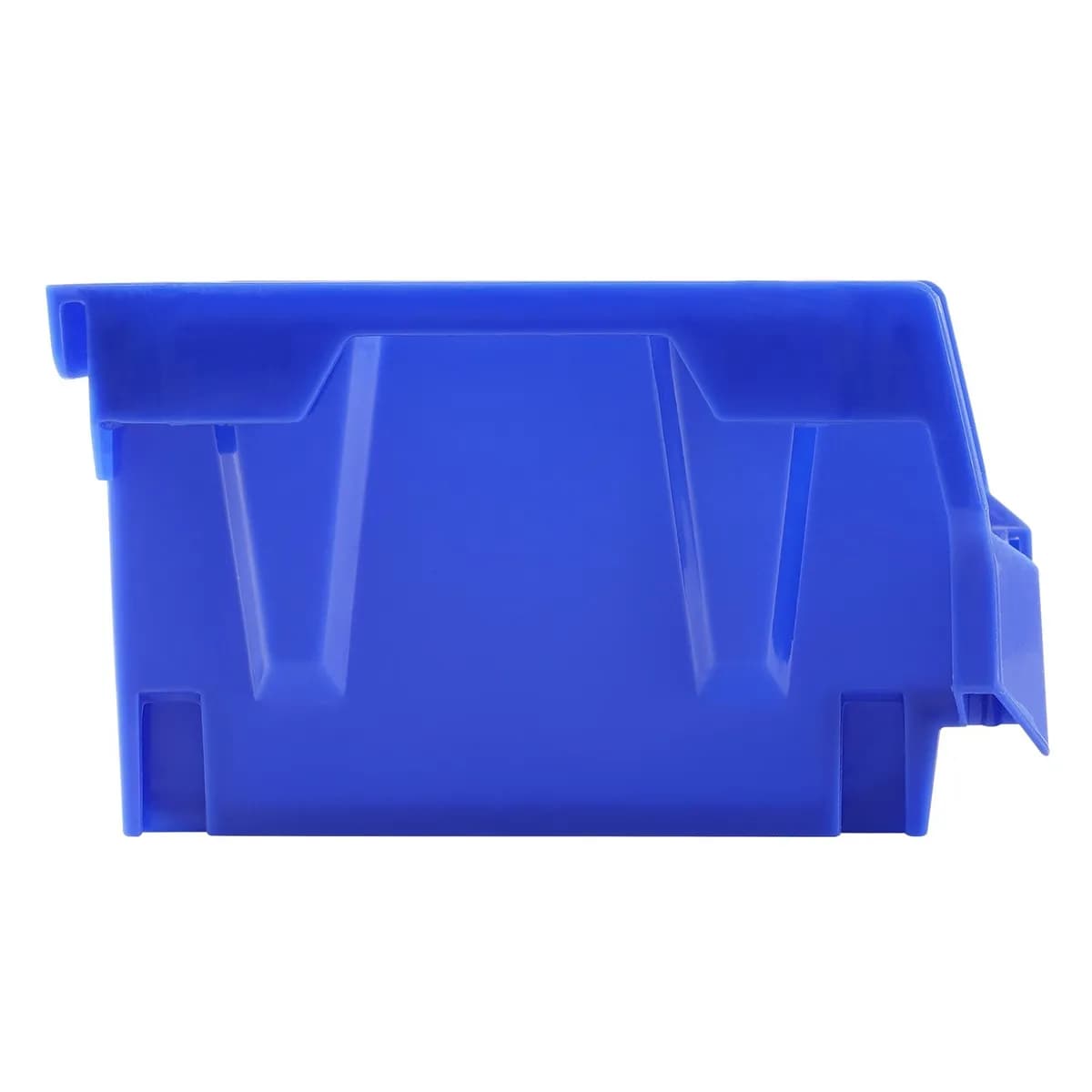
Freestanding shelving units loaded with labeled storage bins are one of the most affordable and versatile approaches to garage organization. You can pick up units at big-box stores, load them with clearly labeled bins, and completely transform a garage in a single weekend.
Best for: Budget-conscious homeowners or renters who want a flexible system they can take with them.
Pro tips:
- Use clear bins whenever possible so you can see contents at a glance
- Label every single bin, both on the front and the top
- Group bins by category: automotive, gardening, seasonal, sports, etc.
- Stack heavier bins on lower shelves to prevent tip-overs
How to Plan Your Garage Organization System from Scratch
Before you buy a single shelf bracket or storage bin, it pays to spend time planning. A little upfront thinking saves you a lot of money and frustration down the road. Here's the process I recommend for any homeowner tackling their garage in 2026.
Step 1: Declutter First
No organization system can fix a garage that's full of things you don't need. Go through everything and sort items into four categories: keep, donate, sell, and trash. Be ruthless. If you haven't touched it in two years, you probably don't need it. Check out our full guide on how to declutter your garage for a detailed step-by-step process.
Step 2: Measure Your Space
Measure your garage dimensions carefully, including ceiling height, the location of outlets and light switches, and the size of the garage door opening. Note any obstructions like water heaters, HVAC equipment, and windows. These measurements will guide every purchase decision.
Step 3: Define Your Zones
Divide your garage into functional zones based on how you actually use the space. Common zones include:
- Tool and workshop zone (workbench, pegboard, power tools)
- Automotive zone (car care products, tire inflator, floor jack)
- Garden and lawn zone (rakes, shovels, fertilizer, hoses)
- Sports and recreation zone (bikes, balls, helmets, camping gear)
- Seasonal storage zone (holiday decorations, winter gear)
- General household overflow zone (bulk paper goods, extra storage containers)
Step 4: Assign Systems to Zones
Once your zones are mapped out, assign the right storage system to each one. For example, your tool zone might get a pegboard wall plus a workbench with drawers. Your seasonal zone might work best with overhead ceiling racks. Your sports zone might benefit from a combination of wall hooks and open shelving for bins.
Step 5: Install, Load, and Label
Work through one zone at a time. Install your wall systems and overhead racks before you start filling shelves. Once hardware is in place, load bins and shelves thoughtfully, placing frequently accessed items at easy reach height and rarely used items up high or in overhead storage. Label everything clearly.
Pro tip: Spend a little extra on a quality label maker or print custom labels. Clear, consistent labeling is what separates a system that lasts years from one that falls apart in months.
Best Garage Organization Systems for Specific Needs
Different households have very different garage needs. Here's how to tailor a garage organization system to your specific situation.
For the DIY Enthusiast
If you love building and fixing things, your garage is your workshop. Prioritize a heavy-duty workbench with drawers or cabinets underneath, a slatwall or pegboard system above the workbench for frequently used hand tools, and strong shelving for power tools and hardware bins. A French cleat wall system is an excellent choice here since it's fully customizable and can hold virtually any tool configuration.
For the Family with Kids
Sports gear, bikes, scooters, and outdoor toys are the main challenge here. Wall-mounted bike hooks free up a huge amount of floor space. Ball storage racks or bags mounted to the wall keep balls organized without taking shelf space. For chemicals and sharp tools, always use lockable cabinets positioned well out of children's reach.
For the Car Enthusiast
If protecting and maintaining your vehicle is the priority, focus on keeping the floor clear. Overhead storage for seasonal tires, wall-mounted cabinets for car care products, and a dedicated zone for your jack, stands, and compressor will make a big difference. Epoxy floor coating also protects concrete and makes cleanup easy.
For the Small Garage
In a single-car or smaller garage, vertical space is everything. Maximize every inch of wall height with floor-to-ceiling shelving, use overhead racks aggressively, and keep the floor completely clear except for your vehicle. Houzz's garage organization guide shows how shelving, storage bins, and wall-mounted rails can be combined across different budgets.
Top Features to Look for in a Garage Organization System
Shopping for garage organization products in 2026 means navigating a huge range of options at every price point. Here are the features worth paying attention to.
Durability and Material Quality
Garages are tough environments. Temperature swings, humidity, and general roughness mean you need materials built to last. Powder-coated steel shelving and hardware resists rust and chipping far better than bare metal or cheap plastic. For bins and containers, look for high-density polyethylene (HDPE) plastic that won't crack in cold weather.
Weight Capacity
Always check weight ratings before buying. A shelf that looks heavy-duty might only be rated for 100 pounds per shelf, which fills up quickly with tools and equipment. For a serious garage, look for shelving rated at 200 to 500 pounds per shelf, and overhead racks rated for at least 400 pounds total.
Adjustability
Your storage needs will change over time. Systems with adjustable shelves, repositionable hooks, and modular components give you the flexibility to adapt without buying all new hardware. Track-based wall systems are especially good for this.
Ease of Installation
Some systems require professional installation, while others are designed for weekend DIY setup. Be honest about your skill level and available time. Many of the best wall-mounted systems today come with detailed instructions and all necessary hardware.
Aesthetic Finish
This might seem like a luxury consideration for a garage, but a clean, consistent look actually encourages you to keep the space organized over the long term. Matching cabinet finishes, uniform bin colors, and clean label designs all contribute to a garage you'll actually want to maintain.
Budget Guide: What to Expect to Spend
Garage organization systems range from very affordable DIY solutions to premium custom installations. Here's a general breakdown to help you plan:
- Budget tier (US$100 to US$500): Freestanding wire shelving units, basic pegboard kits, plastic storage bins, wall hooks. Great starting point for renters or those new to garage organization.
- Mid-range tier (US$500 to US$2,000): Steel wall-mounted shelving systems, slatwall panels with accessories, overhead ceiling racks, basic steel cabinet sets. Best value for most homeowners.
- Premium tier (US$2,000 and up): Full modular cabinet systems, custom-built shelving, epoxy floor coating, professional installation. Ideal for car enthusiasts or those who want a showroom-quality result.
Keep in mind that you don't have to do everything at once. Many homeowners start with one zone and expand their system over time as budget allows. Starting with a solid wall-mounted shelving system and overhead storage usually delivers the biggest impact for the cost.
Maintenance Tips to Keep Your Garage Organization System Working
Even the best garage organization system needs a little upkeep to stay effective. Here's how to keep it running smoothly all year long.
- Do a quarterly purge. Set a reminder every three months to go through your garage and remove anything that's crept in and doesn't belong. It only takes about 30 minutes and prevents major clutter from building up.
- Return items to their zones immediately. The biggest threat to any organization system is the habit of setting things down wherever is convenient. Get everyone in the household into the habit of returning items to their designated zone every single time.
- Check hardware annually. Inspect wall anchors, shelf brackets, and overhead rack connections once a year. Tighten any loose fasteners and replace anything showing signs of wear or rust.
- Adjust your system as needed. Life changes and so do your storage needs. Don't be afraid to reorganize zones, add new shelving, or swap out bins as your household's needs evolve.
- Clean shelves and bins seasonally. Wipe down shelving units and sweep out bins when you do your seasonal organization refresh. This also gives you a chance to check for pests, moisture damage, or items that have shifted.
For more general home organization inspiration, Good Housekeeping's garage storage guide offers practical ideas for pegboards, labeled bins, workspaces, and vertical storage.
Related Products from Sesoris
If you want to turn this guide into a real setup, start with Stackable Storage Bins, 24 Pack and Pull-Out Cabinet Organizer, 17 in. Wide. For broader options, browse the Home & Decor collection so the article journey does not stop at reading only.
Our practical rule: choose one product that solves the main clutter problem first, then add supporting organizers only when the daily workflow is already clear. This keeps the shopping path useful, not pushy.
FAQ: Frequently Asked Questions About Garage Organization Systems
Q: What is the best garage organization system for a two-car garage?
For a two-car garage, a combination approach works best. Use wall-mounted shelving along the back and side walls to maximize vertical storage, install an overhead ceiling rack for seasonal and rarely accessed items, and use a pegboard or slatwall section near your workbench for tools. This setup keeps the floor clear for both vehicles while providing ample organized storage.
Q: How do I start organizing my garage if it's completely overwhelmed with stuff?
Start by decluttering before you buy or install anything. Remove everything from the garage, sort into keep, donate, sell, and trash piles, and only bring back what you genuinely use and need. Then measure your space, define your zones, and choose systems that fit your actual storage needs. Our declutter garage guide walks through this process step by step.
Q: Are overhead garage storage racks safe?
Yes, when properly installed. The key is always anchoring into actual ceiling joists rather than just drywall, staying within the weight rating of the specific rack you buy, and leaving adequate clearance above your vehicle. If you're not confident in your ceiling's structure, consult a professional installer before mounting anything overhead.
Q: Can I install a garage organization system myself?
Most systems sold today are designed for DIY installation and come with detailed instructions. Wall-mounted shelving, pegboard, and freestanding units are especially beginner-friendly. Overhead ceiling racks require a bit more care to install safely, but are still manageable for a confident DIYer with the right tools.
Q: What should I store in overhead garage storage vs. wall shelving?
Overhead storage is best for items you access infrequently, such as seasonal decorations, camping gear, extra luggage, or sports equipment used only part of the year. Wall shelving is better for items you reach for regularly, like tools, automotive supplies, and garden equipment, since it keeps them at a convenient height.
Q: How do I keep my garage organization system from falling apart over time?
The secret is making the system easy to use. If putting something away requires too many steps, people won't do it. Keep zones clearly labeled, make sure every item has an obvious home, and do a quick quarterly check to return things to their proper places and remove anything that shouldn't be there.
Conclusion: Build the Garage Organization System That Works for You
A well-planned garage organization system is one of the highest-impact home improvement projects you can tackle in 2026. It transforms a stressful, chaotic space into a room that genuinely works for you and your family, whether that means finally parking your car inside, having a functional workshop, or simply being able to find things without digging through piles of boxes. The right approach combines the right systems for your specific needs, a clear zone plan, consistent labeling, and a little regular maintenance to keep things running smoothly.
Ready to take the next step? Browse the full range of home organization products at Sesoris to find storage bins, labels, shelving accessories, and household essentials that support your garage transformation. You can also explore our best sellers and new arrivals for the latest products that our community loves. At Sesoris, we believe a more organized home starts one space at a time, and the garage is one of the best places to begin.
Liked this guide?
Get new organizing guides and the occasional new product by email. No spam, unsubscribe anytime.
Related articles
Explore more articles
- 35+ DIY Closet Organization Ideas That Transform Your Storage Space in 2026
- Dish Rack Above Sink: Ultimate Guide to Kitchen Space Organization
- Kitchen Spice Rack Guide: Best Organization Solutions 2026
- Essential Cleaning Supplies Organization: Transform Your Home Storage System in 2026
- 30+ Walk-In Closet Organization Ideas to Transform Your Dream Wardrobe Space in 2026
- Best Garage Storage Solutions: Practical Guide
- Freezable Food Storage Containers: Ultimate Guide to Safe Freezer Organization in 2026
- Best Airtight Storage Containers for Pet Food: Keep Your Pet's Food Fresh in 2026