
Glass Containers with Glass Lids for Food Storage: Complete Tutorial Guide 2026
Master glass containers with glass lids for food storage. Complete tutorial with selection tips, maintenance, and organization methods for 2026.
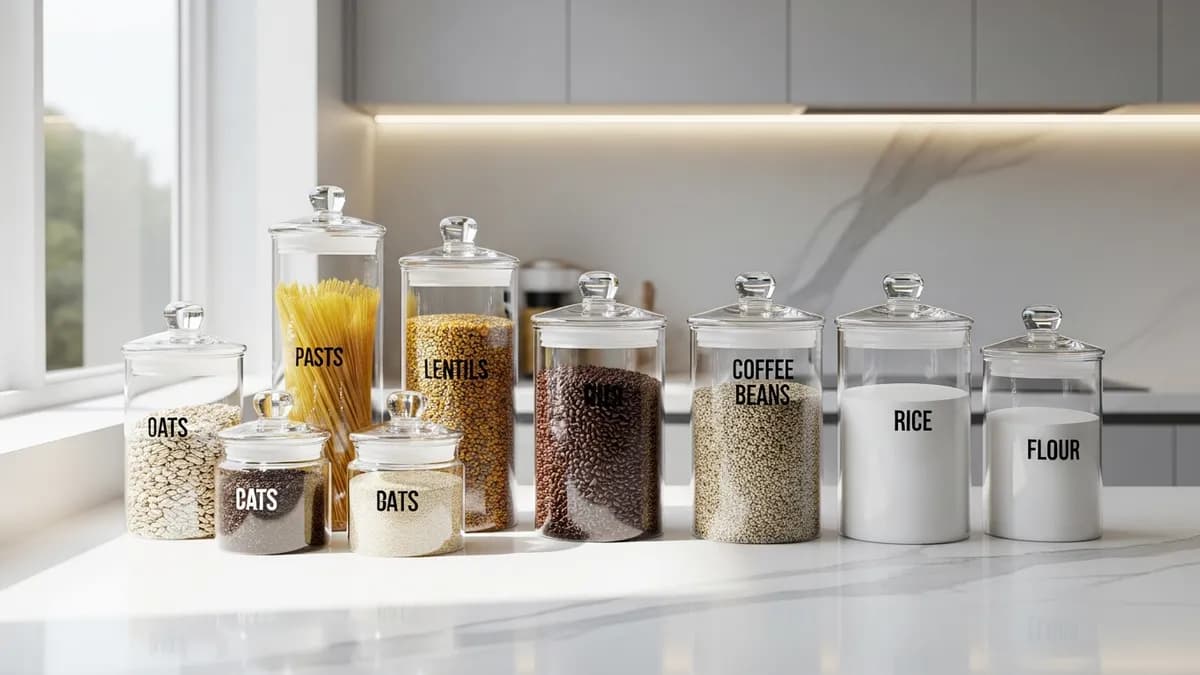
Are you tired of plastic containers that stain, retain odors, and compromise your food's freshness? Glass containers with glass lids for food storage offer the perfect solution for maintaining food quality while creating an organized, aesthetically pleasing kitchen. This comprehensive tutorial will guide you through everything you need to know about selecting, using, and maintaining these premium storage solutions in 2026.
Our observations across thousands of orders at Sesoris show that the most popular organizers are versatile, easily movable, and modular.
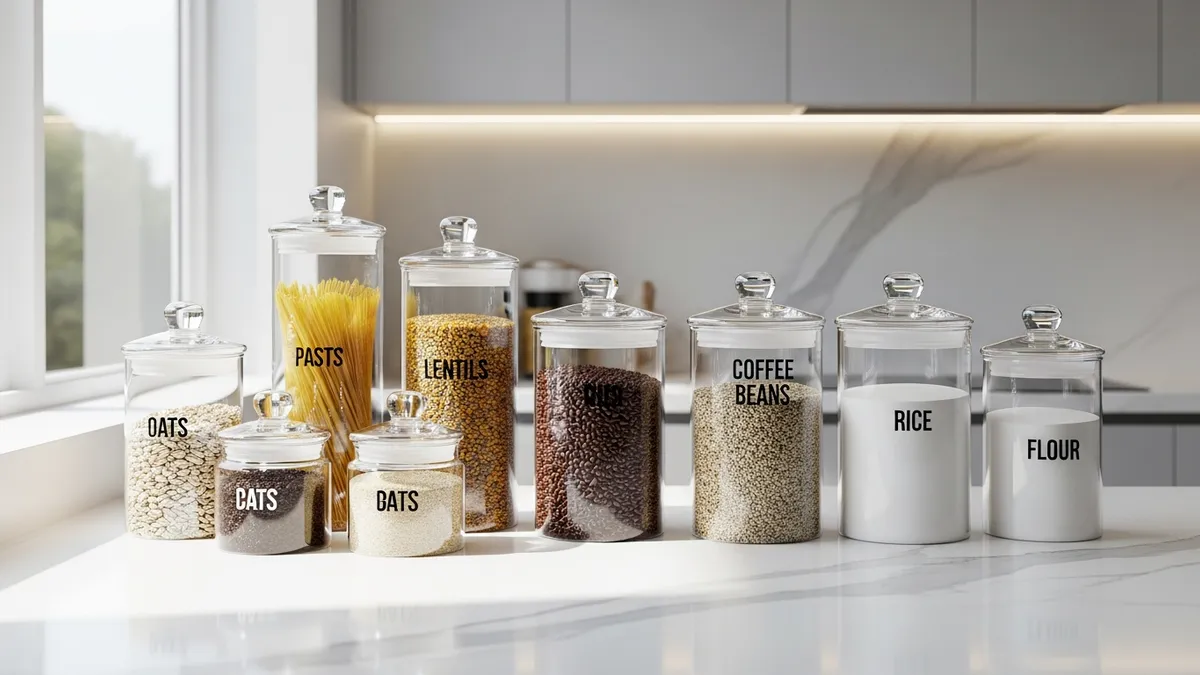
Glass storage solutions have revolutionized how we preserve food, with studies showing that glass containers can extend food freshness by up to 40% compared to traditional plastic alternatives. Glass containers are becoming increasingly popular among health-conscious consumers who prioritize food safety and sustainability.
Key Takeaways: > - Choose products with clear safety labels (food-grade, BPA-free) for daily use > - Investing slightly more in quality materials (glass, grade 304 stainless steel) saves long-term costs > - Match sizes to family needs, neither too large nor too small > - Local marketplaces like Tokopedia, Shopee, and Sesoris offer competitive prices with maintained quality
Why Choose Glass Containers with Glass Lids for Food Storage
The benefits of glass containers with glass lids for food storage extend far beyond mere aesthetics. Unlike plastic alternatives, glass containers are non-porous, meaning they won't absorb odors, flavors, or stains from your food. This makes them ideal for storing everything from aromatic spices to acidic tomato sauces without compromising taste or container integrity. For additional information, also see the guide from The Spruce.
Health and Safety Advantages
Glass is completely food-safe and doesn't contain harmful chemicals like BPA, phthalates, or other plastic additives that can leach into your food. When you invest in quality glass storage, you're protecting your family's health while ensuring your food maintains its original flavor and nutritional value.
- Chemical-free storage: No BPA, phthalates, or plastic toxins
- Non-reactive material: Won't affect food taste or quality
- Easy to sanitize: Dishwasher safe and naturally antimicrobial
- Temperature resistant: Safe for freezer, microwave, and oven use
Environmental Benefits
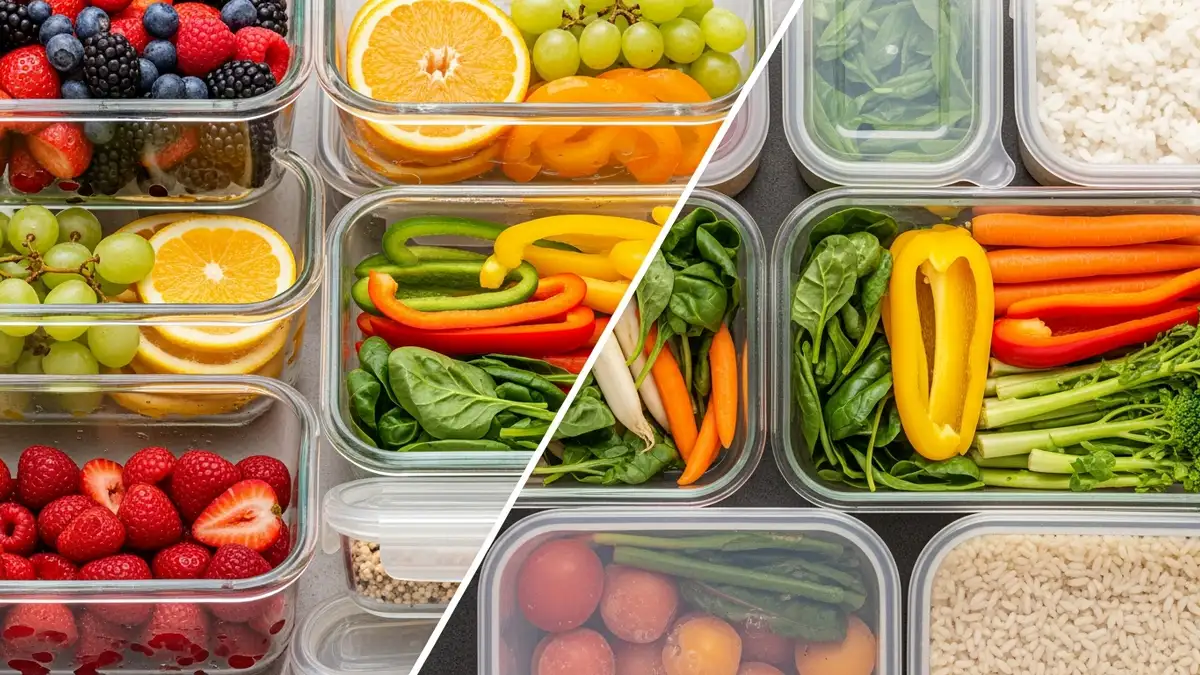
Choosing glass containers supports sustainable living practices. Glass is 100% recyclable and can be reused indefinitely without losing quality. By switching to glass storage solutions, you're reducing plastic waste and making an environmentally conscious choice that aligns with 2026's sustainability trends.
Step-by-Step Guide to Selecting Glass Containers with Glass Lids for Food Storage
Selecting the right glass containers with glass lids for food storage requires understanding your specific needs, storage space, and food preservation goals. This tutorial will walk you through the essential factors to consider when making your purchase. For additional information, also see the guide from Real Simple.
Size and Capacity Planning
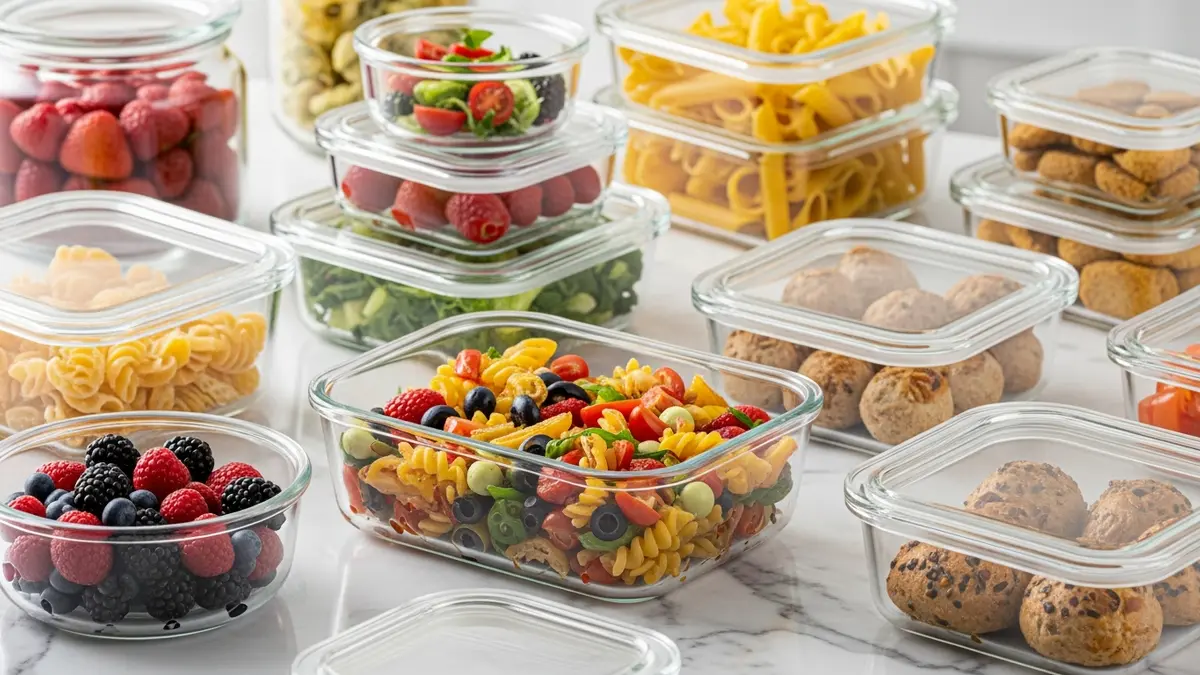
Before purchasing, assess your storage needs by categorizing the types of food you'll be storing. Create an inventory of your typical meal prep quantities, leftover portions, and bulk ingredient storage requirements.
Small containers (1-2 cups):
- Individual meal portions
- Sauce and condiment storage
- Spice and herb preservation
- Snack portion control
Medium containers (3-6 cups):
- Family meal leftovers
- Salad and vegetable storage
- Batch-cooked grains and legumes
- Marinating proteins
Large containers (8+ cups):
- Bulk ingredient storage
- Party and event food preparation
- Seasonal produce preservation
- Large batch cooking
Quality Indicators to Look For
When selecting glass containers with glass lids for food storage, examine these quality indicators to ensure you're investing in durable, long-lasting products:
- Glass thickness: Look for containers with thick, tempered glass that can withstand temperature changes
- Lid fit: Ensure glass lids create an airtight seal to maintain freshness
- Corner design: Rounded corners are easier to clean and less prone to cracking
- Brand reputation: Choose established brands with warranties and customer support
- Safety certifications: Look for FDA-approved and food-grade certifications
Tutorial: Proper Maintenance of Glass Containers with Glass Lids for Food Storage
Maintaining your glass containers with glass lids for food storage properly ensures they'll last for decades while maintaining optimal food safety and freshness. Follow this step-by-step maintenance tutorial to get the most from your investment.
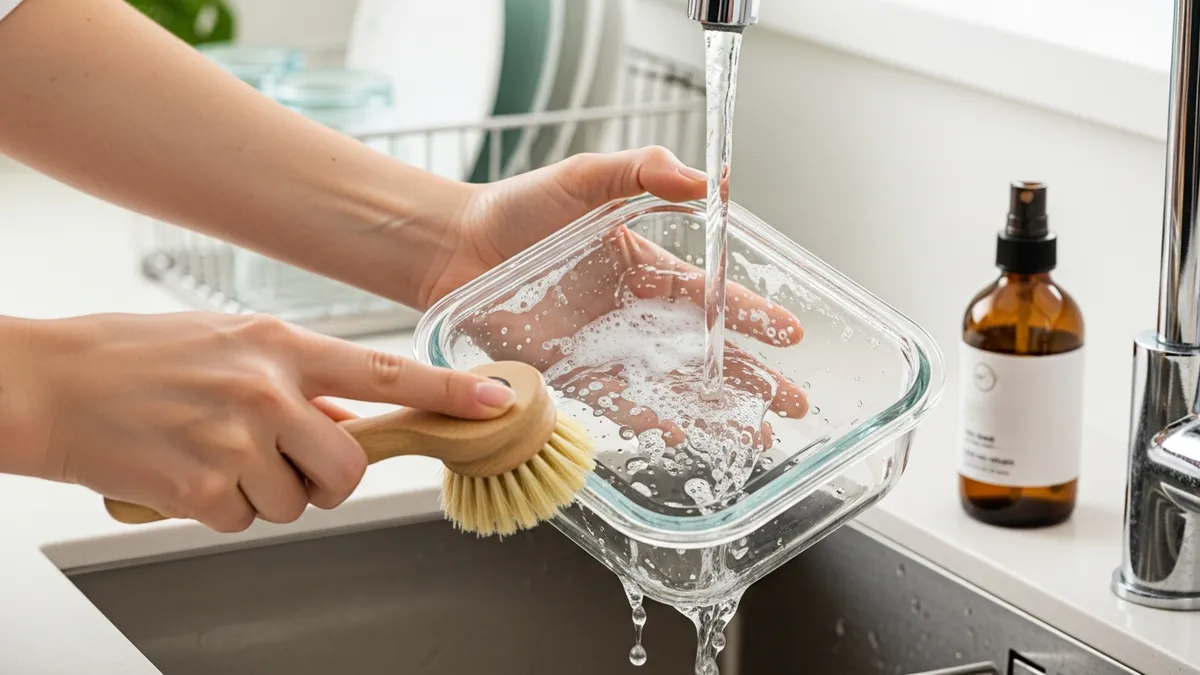
Daily Cleaning Routine
Step 1: Pre-rinse immediately
Rinse containers immediately after use to prevent food residue from drying and becoming difficult to remove. This simple step reduces cleaning time by up to 60%.
Step 2: Choose appropriate cleaning method
For everyday cleaning, warm soapy water is sufficient. For stubborn residues or odors, create a paste using baking soda and water, or use white vinegar for natural sanitization.
Step 3: Pay attention to lids
Glass lids require special attention around the rim area where food particles can accumulate. Use a soft brush or cloth to ensure complete cleanliness around sealing edges.
Deep Cleaning Process
Perform deep cleaning weekly or when containers develop odors or stains:
- Soak in warm water: Submerge containers for 15-20 minutes
- Apply cleaning solution: Use dish soap or natural alternatives like vinegar
- Scrub gently: Use non-abrasive sponges to avoid scratching
- Rinse thoroughly: Ensure no cleaning residue remains
- Air dry completely: Prevent water spots and ensure complete drying
Storage and Organization Best Practices
Proper storage extends the life of your glass containers and makes them easily accessible when needed. Organized storage systems can improve kitchen efficiency by up to 35%.
Pro Tip: Store glass lids separately from containers to prevent scratching and make stacking more efficient. Consider using drawer dividers or specialized organizers from Sesoris collections for optimal organization.
Advanced Organization Techniques for Glass Containers with Glass Lids for Food Storage
Transform your kitchen into an organized, efficient space by implementing professional organization techniques specifically designed for glass containers with glass lids for food storage.
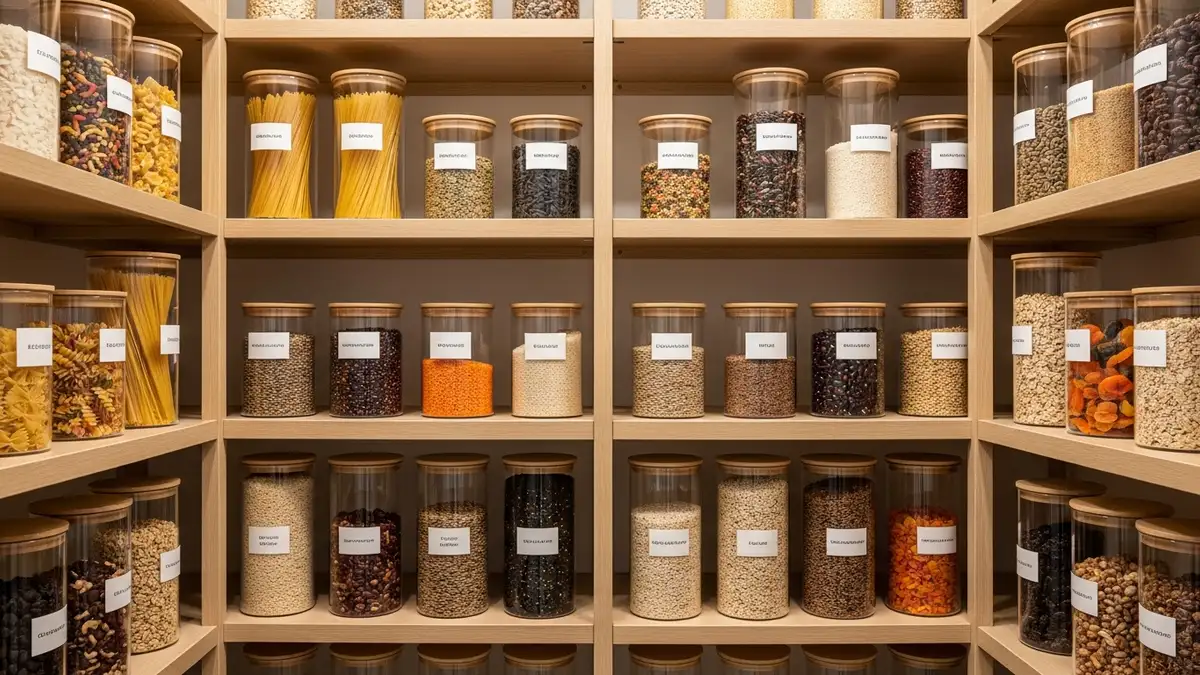
Categorization System
Develop a systematic approach to organizing your glass containers by implementing these professional techniques:
By Food Type:
- Dry goods: Flour, sugar, pasta, rice
- Fresh produce: Cut vegetables, fruits, herbs
- Prepared foods: Leftovers, meal prep, cooked grains
- Liquids: Soups, sauces, marinades, broths
By Usage Frequency:
- Daily use: Eye-level, easily accessible locations
- Weekly use: Standard shelf height, clearly visible
- Occasional use: Higher shelves or deeper storage areas
- Seasonal items: Dedicated storage areas for bulk items
Labeling and Identification
Implement a comprehensive labeling system to maximize efficiency and food safety:
Essential Label Information:
- Contents description
- Storage date
- Expiration or best-by date
- Special handling instructions
Label Types:
- Removable labels: For containers used for different foods
- Permanent labels: For dedicated-use containers
- Color-coded systems: Visual organization by food category
- Digital labels: QR codes linking to recipes or nutritional information
Space Optimization Strategies
Maximize your storage space while maintaining easy access to all containers:
- Vertical stacking: Use graduated sizes that nest efficiently
- Shelf risers: Double your storage capacity in cabinets
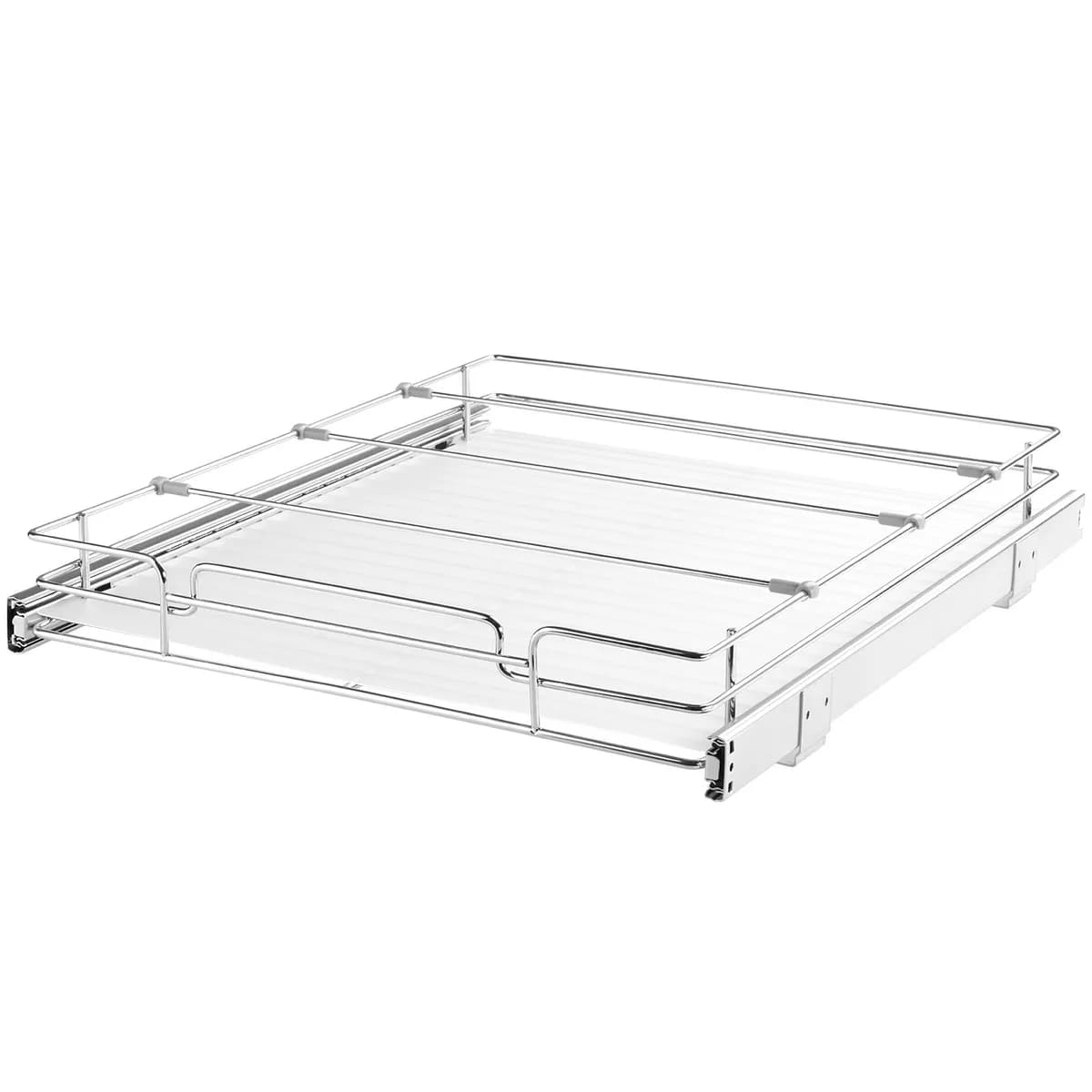
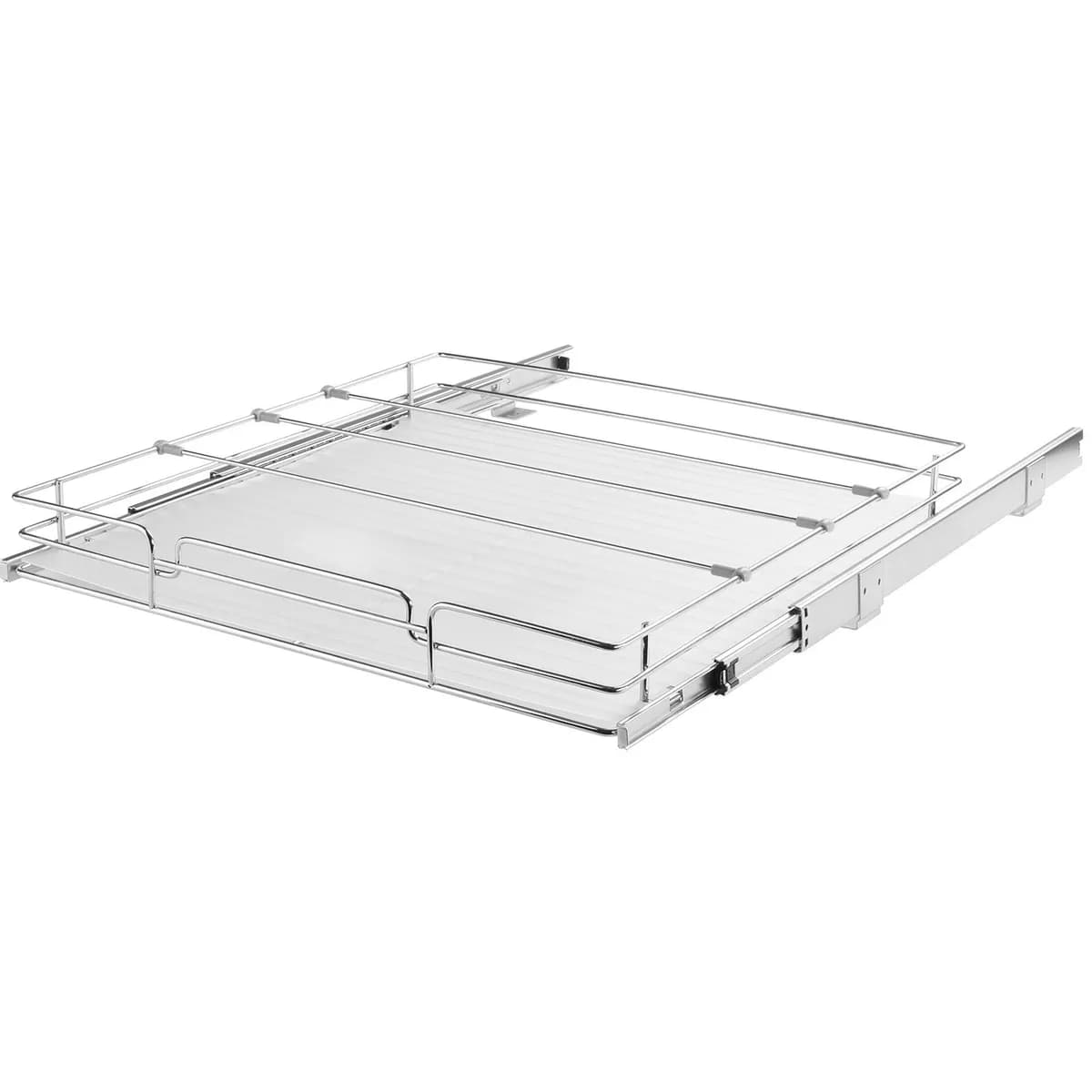
- Drawer systems: Pull-out organizers for deep cabinets
- Door storage: Utilize cabinet doors for frequently used items
- Countertop displays: Showcase attractive containers while saving cabinet space
Troubleshooting Common Issues with Glass Containers with Glass Lids for Food Storage
Even high-quality glass containers with glass lids for food storage can present challenges. This troubleshooting guide addresses common issues and provides practical solutions to ensure optimal performance.
Seal and Freshness Problems
Issue: Food spoils faster than expected
Solutions:
- Check lid alignment and sealing surface for damage
- Ensure rim is completely clean before sealing
- Replace damaged lids immediately
- Store containers in appropriate temperature conditions
Issue: Difficulty opening sealed containers
Solutions:
- Run warm water over the lid to expand the glass slightly
- Use a rubber grip pad for better traction
- Gently tap lid edges to break the seal
- Consider containers with easier-grip lid designs
Cleaning and Maintenance Challenges
Stubborn odors: Soak overnight in a solution of baking soda and water, or use activated charcoal tablets designed for odor absorption.
Cloudiness or film: This often results from hard water minerals. Soak in white vinegar solution and scrub gently with a non-abrasive sponge.
Scratches on glass: Minor scratches are cosmetic only and don't affect food safety. For deep scratches that could harbor bacteria, replace the container.
Cost-Effective Shopping Guide for Glass Containers with Glass Lids for Food Storage
Investing in glass containers with glass lids for food storage is a long-term investment that can save money over time. Here's how to shop smartly while ensuring you get the best value for your investment.
Budget Planning Strategies
Starter Set Approach ($25 - $50):
Begin with a basic set of 4-6 containers in essential sizes. This allows you to test the system before making a larger investment.
Mid-Range Investment ($75 - $150):
Purchase a comprehensive set with 10-15 containers in various sizes, including specialized shapes for different food types.
Premium Collection ($200 - $400):
Invest in a complete system with matching containers, specialized lids, and organizational accessories for a fully coordinated kitchen storage solution.
Shopping Timeline and Sales
According to retail industry data, the best times to purchase glass storage containers are during back-to-school sales (August-September) and post-holiday kitchen organization promotions (January-February). Black Friday and end-of-year sales can offer savings of 30-50% on premium glass container sets.
Seasonal Purchasing Strategy:
- Spring: New product releases and organization-themed promotions
- Summer: Meal prep and picnic-focused marketing with bundle deals
- Fall: Back-to-school and holiday preparation sales
- Winter: Post-holiday organization and New Year resolution marketing
Related Articles
Explore other guides from Sesoris to complement your knowledge:
FAQ: Frequently Asked Questions About Glass Containers with Glass Lids for Food Storage
Q: Are glass containers with glass lids safe for freezer use?
Yes, high-quality borosilicate glass containers are freezer-safe. However, leave adequate space for food expansion and avoid extreme temperature changes. Allow frozen containers to thaw gradually to prevent thermal shock.
Q: How long do glass containers with glass lids typically last?
With proper care, quality glass containers can last 20-30 years or more. The glass itself is virtually indestructible under normal use, though lids may need replacement due to wear on sealing surfaces.
Q: Can I use glass containers with glass lids in the microwave?
Most glass containers are microwave-safe, but always check manufacturer specifications. Remove lids before microwaving to prevent pressure buildup, and use microwave-safe glass lids if reheating with cover.
Q: What's the difference between tempered and borosilicate glass containers?
Tempered glass is heat-treated for strength and breaks into small, less dangerous pieces if shattered. Borosilicate glass has superior thermal resistance and is less likely to break from temperature changes. Both are excellent choices for food storage.
Q: How do I prevent glass containers from breaking during washing?
Use warm (not hot) water, avoid sudden temperature changes, and wash containers separately from heavy cookware. Place a towel in the sink bottom to cushion containers, and handle lids carefully as they're more fragile than container walls.
Conclusion
Mastering the use of glass containers with glass lids for food storage transforms your kitchen organization while prioritizing food safety and environmental sustainability. By following this comprehensive tutorial, you'll maximize the benefits of your glass storage investment while creating an organized, efficient kitchen that supports healthy eating habits throughout 2026.
The key to success lies in selecting appropriate sizes for your needs, maintaining containers properly, and implementing systematic organization techniques. Remember that quality glass containers are a long-term investment that pays dividends through improved food freshness, kitchen organization, and reduced waste.
Ready to upgrade your food storage system? Explore Sesoris's collection of premium glass containers and organization solutions to create the organized, efficient kitchen you've always wanted. Start your journey toward better food storage today and experience the difference that quality glass containers with glass lids for food storage can make in your daily life.
About Tim Sesoris
The Sesoris editorial team consists of experienced writers in home organization, minimalist lifestyle, and Indonesian e-commerce. We test products, review market trends, and craft guides based on in-depth research and field experience. All recommendations are curated to give you accurate, practical, and relevant information for Indonesian households.
For questions or suggestions, contact us through the Sesoris contact page.
For matching storage gear, browse the Kitchen & Dining collection.
Liked this guide?
Get new organizing guides and the occasional new product by email. No spam, unsubscribe anytime.
Related articles
Explore more articles
- Home Organization Trends 2026: Invisible Storage to Smart Organizers
- Eid al-Fitr Prep Checklist: A Home Cleaning Countdown
- How to Speed Clean Your House in 30 Minutes
- 25+ Brilliant Storage Space Ideas for Small Bathroom: Maximize Every Inch in 2026
- Complete Guide to Closet Organization: Transform Your Wardrobe in 2026
- 30+ Creative Kitchen Drawer Organizer Ideas to Transform Your Cooking Space in 2026
- 25+ Creative Walk In Pantry Organization Ideas to Transform Your Kitchen Storage in 2026
- Organization and Cleaning: Complete Tutorial Guide to Transform Your Home in 2026