
Zero Waste Kitchen: A Practical Guide
A zero waste kitchen is not about turning your kitchen into a gallery of matching glass jars that look great in photos. The real point is more down to earth: reducing what ends up in the trash, from the plastic grocery bags piling up in a drawer, to the wilted vegetables you never got around to cooking, the used cooking oil poured down the sink, and yesterday's rice tossed out. In a small house or studio apartment, the obstacle is not motivation, it is space and time. This guide covers steps you can actually follow in a compact kitchen: shopping without single-use plastic, choosing refillable containers, storing produce so it does not wilt in three days, using up scraps, and composting without attracting flies on the balcony.
Table of Contents
- Start with What Is in Your Trash, Not with Buying Jars - Shopping Without Single-Use Packaging - Refillable Containers: What to Buy, What to Skip - Storing Produce So It Does Not Wilt in Three Days - Turning Scraps into Your Next Meal - Composting at Home or in an Apartment Without the Smell - Frequently Asked Questions - Conclusion
Start with What Is in Your Trash, Not with Buying Jars
Before buying any gear, spend a week paying attention to what goes into your kitchen trash most often. The pattern is usually obvious: a pile of plastic grocery bags, clear produce bags, foam meat trays, and vegetables rotting in the crisper drawer because they were forgotten.
That pattern determines your first move, not whatever is trending on social media. If plastic bags dominate, prioritize reusable shopping bags. If it is rotting produce, prioritize how you store it. Many people fail because they rush out and buy 20 matching jars while their shopping habits stay exactly the same.
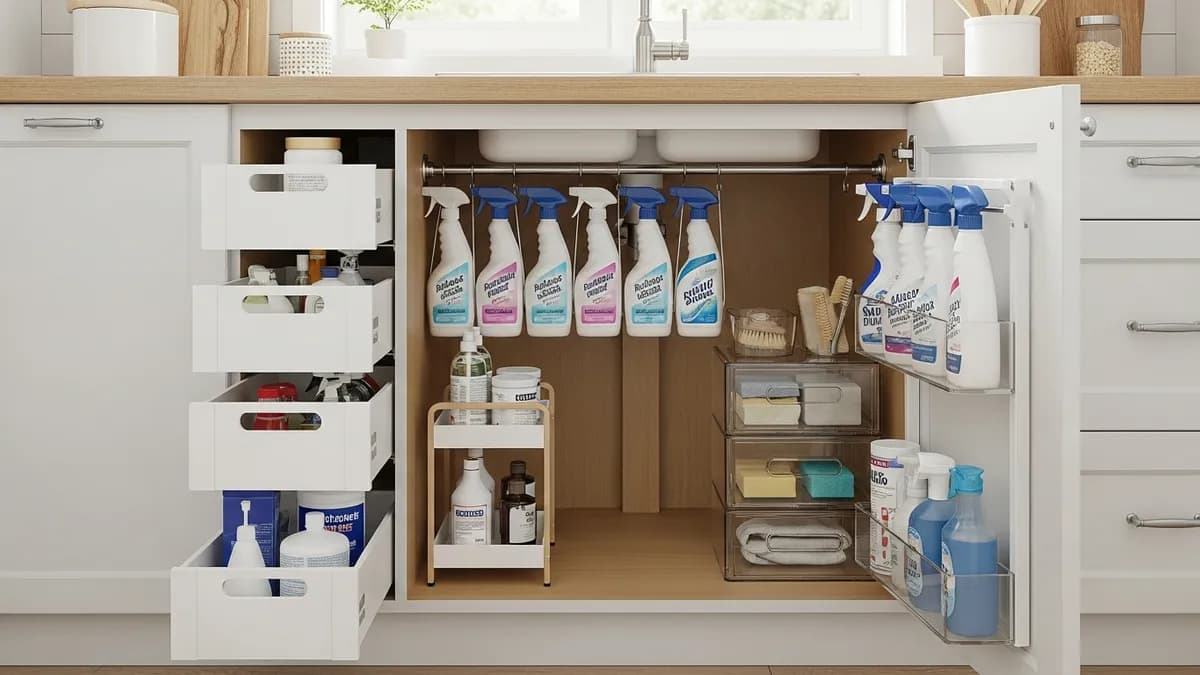
Set up two small sorting bins under the sink: one for food scraps, one for clean plastics headed to recycling. Bins in the 3 to 4 gallon range are enough for a household of three or four. If the bins are out of arm's reach, the system will be abandoned within a week.
Shopping Without Single-Use Packaging
Farmers markets and bulk stores are far friendlier to zero waste shopping than conventional supermarkets, because most goods are sold loose. The key is bringing your own gear and mentioning it before anything gets weighed, not after. A line as simple as "straight into my container, please" usually does the trick, and most vendors do not mind since it saves their packaging too.
The minimum kit: one large cloth or foldable shopping bag (a budget-friendly buy), three to five mesh bags for fruits and vegetables, and one lidded container for tofu, fish, or meat that would otherwise come wrapped in layers of plastic. For dried spices, nuts, and bulk snacks, the Mesh Zipper Pouches Set is practical because it is lightweight, lets you see the contents, and dries quickly after washing.
For pantry staples, look for bulk stores that sell rice, sugar, flour, and oil by weight. Refill shops in larger cities also carry dish soap and laundry detergent refills that often cost less than buying a new bottle.
Quick tip: Keep your foldable shopping bag in your car or work bag, not in a kitchen drawer. The most common reason people still come home with plastic bags is that the reusable one got left at home.
Refillable Containers: What to Buy, What to Skip
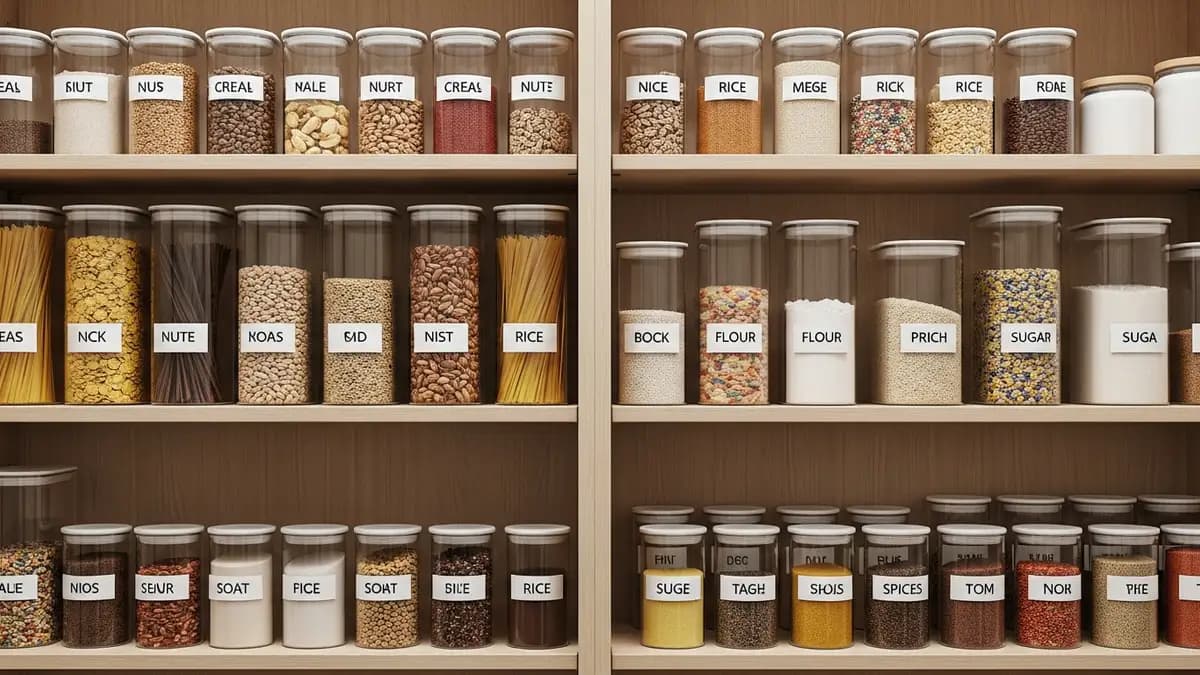
Refillable containers work not because they are pretty, but because they let you see what is left. Rice in a sack folded into a corner gets forgotten, while rice in a clear container that is down to a quarter gets noticed right away. Six to eight airtight containers are plenty: rice, sugar, flour, coffee or tea, dry snacks, and peeled garlic.
Not everything has to be new. Jam jars, glass sauce bottles, holiday cookie tins, and food-grade plastic tubs from ice cream can serve for years as long as they are washed and completely dry before refilling. Label them with masking tape and a marker, noting the contents plus the refill date, so older stock gets used first.
The classic small-kitchen problem is unused vertical space. Spice bottles lined up behind the stove stay hidden, and you end up buying coriander for the fourth time. A tiered rack solves this, and the options are covered in this 3-tier spice rack review. For backup stock on upper shelves, like shopping bags and refill bottles, Foldable Storage Bins help because they collapse flat when empty. Measure the interior height of your shelf before buying containers, because a 10-inch jar will not fit on a shelf with 9 inches of clearance.
Storing Produce So It Does Not Wilt in Three Days
The biggest source of food waste at home is usually not plate scraps, but produce that wilts before you get to cook it. The cause is almost always the same: vegetables go into the fridge still sealed in the plastic bag they came in, moisture gets trapped, and the leaves rot from the base.
Do not wash leafy greens like spinach, kale, or bok choy before storing them. Remove any yellowing parts, wrap the greens in a paper towel or clean cloth to absorb condensation, then place them in a lidded container in the crisper drawer. Stored this way, greens last five to seven days instead of two. Carrots and radishes keep longer if you cut the tops off first, since the greens keep pulling water out of the root.
Some items actually spoil faster in the fridge. Potatoes, onions, garlic, raw tomatoes, and bananas do better in a ventilated basket in a dark, dry spot at room temperature. Never store potatoes with onions, because gases from the onions make potatoes sprout faster. Chili peppers last longer with the stems removed, stored dry in a container lined with a paper towel, or frozen whole for a monthly stash.
Arrange the fridge with older items in front and newer ones in back, and keep one bin labeled "cook soon" for ingredients with a day left. The full fridge zoning system is in our fridge organizer guide, and you will notice the effect on how much food gets tossed each week.
Turning Scraps into Your Next Meal
Plenty of parts you would normally toss still have cooking value. Broccoli stems, carrot peels, green onion ends, chicken bones, and shrimp shells can all collect in one container in the freezer. Once it is full, simmer everything for 40 to 60 minutes, strain, and freeze the stock in ice cube trays.
Leftover rice is safest when cooled quickly, moved to an airtight container, and used the next day for fried rice or porridge. Bread going stale can be toasted into croutons or blitzed into breadcrumbs. Vegetable pulp left over from juicing can go into soups or muffins, and the water from rinsing rice can be used to water your houseplants.
Used cooking oil has its own rule: never pour it down the sink. The fat solidifies inside the pipes and invites clogs that cost far more to fix than the hassle of collecting it. Strain the oil once it cools, store it in a tightly capped plastic bottle, then drop it off at a cooking oil recycling point so it can be turned into biodiesel.
The most effective way to cut food waste is still meal planning. Shop for three to four days, not two weeks, and cook portions you will actually finish. If you like freezing ready-made portions, the containers and freezing rules are covered in our beginner's guide to meal prep containers.
Composting at Home or in an Apartment Without the Smell
Food scraps usually fill more than half of a kitchen trash can. If you have a small yard, the cheapest option is an in-ground scrap digester: a perforated 4-inch PVC pipe buried about 3 feet deep, with a lid you open to drop in vegetable scraps. It costs very little to set up and doubles as a drainage aid during the rainy season.
For an apartment or a rental without a yard, use a lidded 5 to 8 gallon bucket on the balcony or in a utility area. The secret is the balance of materials: for every one part wet vegetable scraps, add two parts dry material such as torn-up cardboard, dry leaves, or sawdust. Chop the scraps small, drain off excess liquid, and stir the contents every two to three days.
What can go in the composter: fruit and vegetable scraps, coffee grounds and tea leaves, crushed eggshells, and paper without colored ink. What should stay out: meat, bones, oil, and dairy, because those are the main triggers for foul odors and maggots. If you still want to compost cooked leftovers, use the bokashi method with a sealed bucket and bokashi bran, which ferments the waste without oxygen.
Finished compost is ready in six to ten weeks: crumbly texture, dark brown color, and an earthy smell like soil after rain. If composting is not an option, say in a rental with no balcony, drop your food scraps off with a community garden or a municipal compost program, which often accept them for free.
Quick tip: If the composter starts to smell sharp, stop adding vegetable scraps for three days, stir all the way to the bottom, then mix in a handful or two of torn cardboard. A bad smell almost always means the pile is too wet, not that the compost has failed.
Frequently Asked Questions
Q: Does a zero waste kitchen make groceries more expensive?
There is a modest upfront cost for shopping bags, mesh bags, and a few containers. After that, costs actually drop, because buying in bulk is cheaper per pound and far less food gets thrown away.
Q: What if a vendor refuses to weigh food directly into my container?
Mention it before anything is weighed, and hand over the container empty and dry. If they still decline because the scale cannot be zeroed out, accept the food in a mesh bag and transfer it yourself at home.
Q: Will an apartment composter attract flies and smell bad?
No, as long as the bucket seals tightly, greasy leftovers stay out, and you add dry material every time you add wet scraps. Always cover each layer of scraps with cardboard or dry leaves so flies cannot lay eggs on the surface.
Q: Which items are worth buying first on a tight budget?
Prioritize a foldable shopping bag and three mesh produce bags, since those cut off the biggest waste source: plastic coming in from outside the house. Jars can come later, and some can be replaced by containers you already own.
Q: Where do I take used cooking oil if there is no drop-off point nearby?
Collect it in a capped plastic bottle, then look for a recycling center or community program that accepts cooking oil. If there truly is none, mix the cooled oil with sand or coffee grounds, seal it well, and put it in the regular trash so it does not pollute the water system.
Q: My family will not sort waste, what should I do?
Make sorting as simple as possible, just two bins, with big clear labels. These systems usually fail not because people are lazy, but because the bins are far from the sink or there are too many categories to think about.
Conclusion
A zero waste kitchen sticks when it starts with habits, not with buying gear. Watch what goes into your trash for a week, fix your shopping routine so plastic bags stop entering the house, improve how you store produce, then close the loop with composting or a local compost drop-off.
Start with one thing this week: put a foldable shopping bag in your car or work bag, and wrap leafy greens in a paper towel before they go in the fridge. If those two habits survive a month, then add refill containers and a composter. A low-waste kitchen is not the result of a big renovation, but of small decisions repeated every day.
Weekly Home Tips
Get home organization ideas, product picks, and exclusive deals delivered weekly.
No spam. Unsubscribe anytime.

Explore More Articles
- Storage Racks for Items: Complete Guide to Home Organization Solutions 2026
- Organization and Cleaning Services vs DIY: Complete Guide to Home Organization Solutions in 2026
- Steel Wire Dish Racks: Strong and Economical Kitchen Storage Solutions
- Stove Rack Storage: Organize Your Cooking Area for Maximum Efficiency
- Entryway Wall Organization: 15 Smart Ideas to Transform Your Home's First Impression in 2026
- Complete Guide to Home Office Organization for Maximum Productivity in 2026
- Essential Cleaning Supplies Organization: Transform Your Home Storage System in 2026
- Best Organizer Travel Bags: Ultimate Guide to Smart Packing in 2026