
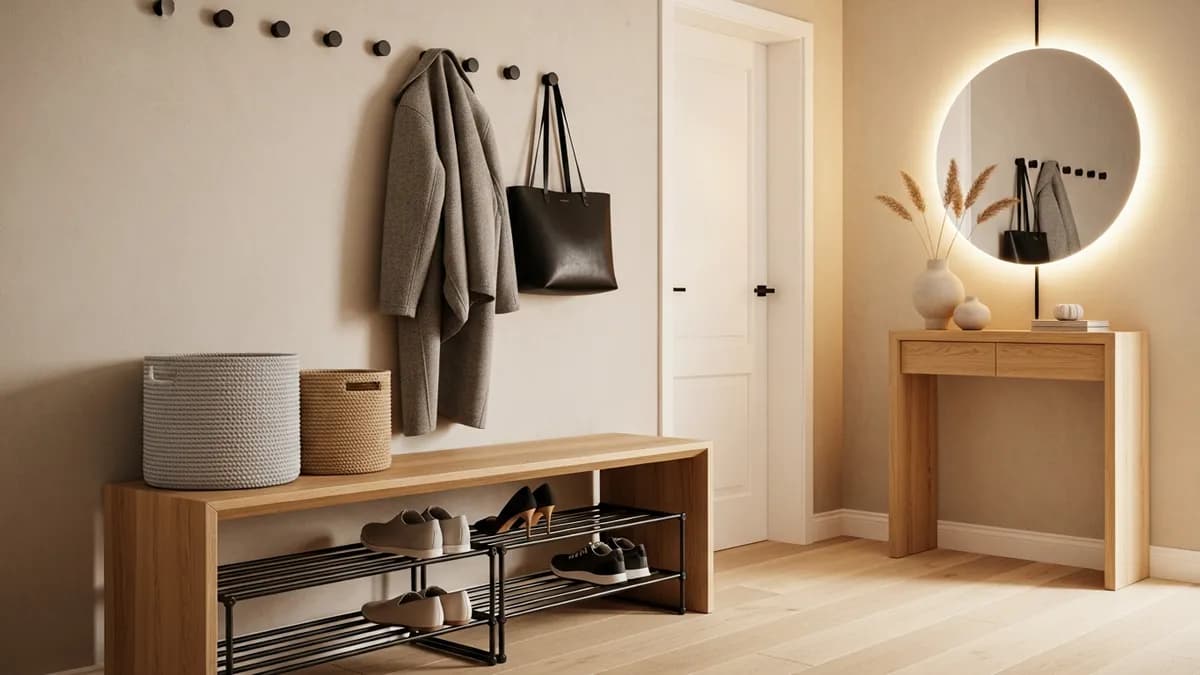
25+ Best Entryway Organization Ideas to Transform Your Home's First Impression in 2026
Your entryway is the very first thing you, and every guest, sees when walking into your home. Yet it's also one of the most neglected spaces when it comes to organization. Clutter of shoes, bags, keys, and mail piling up right at the front door can make even the most beautiful home feel chaotic. The good news? With the right entryway organization ideas, you can transform this small but mighty space into a functional, welcoming, and stylish zone that sets the tone for your entire home. Whether you're working with a spacious foyer or a tiny apartment hallway, this guide has everything you need to get started in 2026.
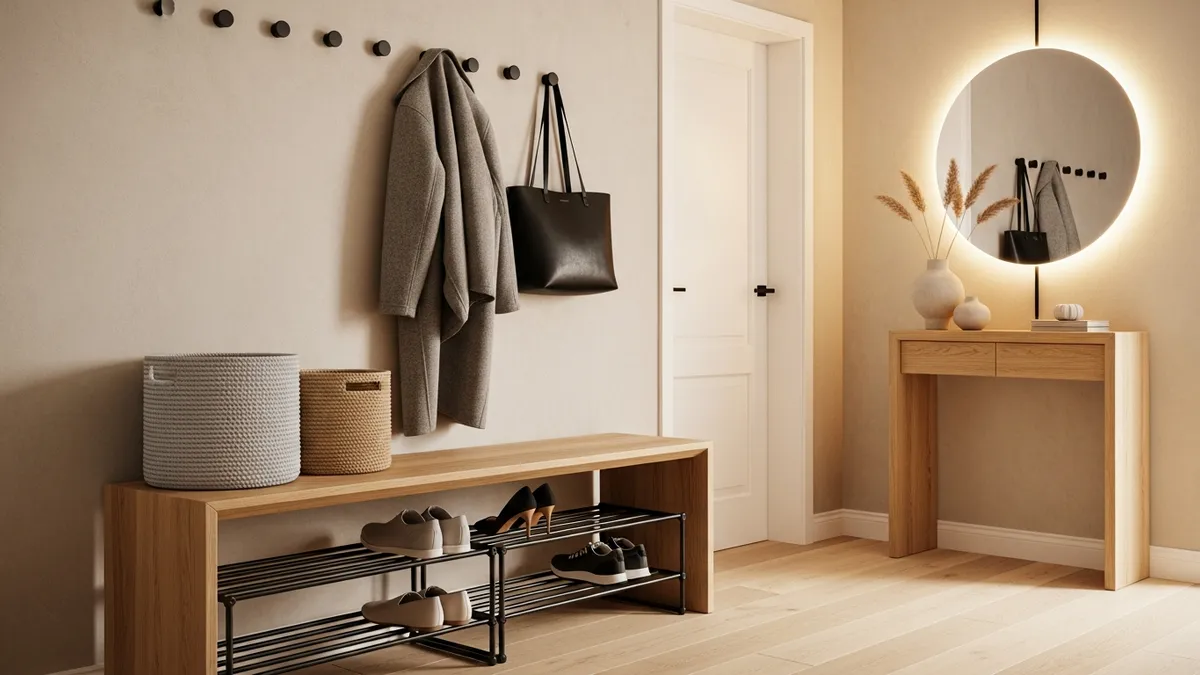
Why Entryway Organization Ideas Matter More Than You Think
Studies show that a cluttered entryway can increase daily stress levels and cost you valuable time, the average person spends about 2.5 days per year looking for misplaced items like keys, bags, and shoes. A well-organized entryway eliminates that frustration instantly. According to The Spruce, the entryway is the most-used transition zone in any home, making it the single highest-impact area to organize first.
Beyond the practical benefits, a tidy entryway also creates a powerful first impression. Whether you're hosting friends, welcoming family, or just coming home after a long day, stepping into an organized space immediately lifts your mood. Research has even linked organized living spaces to a 40% reduction in household stress among regular home organizers.
The challenge most people face is that entryways are often small, oddly shaped, or completely open, with no walls, closets, or obvious storage. But that's exactly what makes this list of entryway organization ideas so exciting: there are smart, creative, and affordable solutions for every type of space.
The 5 Essential Zones of a Well-Organized Entryway
Before diving into specific entryway organization ideas, it helps to think of your entryway as having five functional zones. Every great entryway addresses most, if not all, of these areas:
1. The Drop Zone
This is where everything lands the moment you walk in the door: keys, bags, sunglasses, wallets, and mail. A dedicated drop zone prevents these items from spreading throughout the house. A small wall-mounted organizer with hooks and a tray starting at $12.99 can solve 80% of daily entryway chaos.
2. The Coat & Bag Station
Coats, jackets, backpacks, and tote bags need a dedicated home right at the door. Wall-mounted coat hooks, a freestanding coat rack, or a small closet rod are all excellent options. Look for systems that hold at least 4–6 hooks to accommodate the whole family.
3. The Shoe Storage Area
Shoes are the number-one source of entryway clutter in most homes. A proper shoe storage solution, whether it's a slim cabinet, open rack, or bench with hidden storage, is non-negotiable. Explore our roundup of entrance shoe storage ideas for more inspiration.
4. The Shelf or Surface Area
A small console table, floating shelf, or ledge gives you a surface for decorative items, a bowl for keys, outgoing mail, and everyday essentials. This zone adds both function and style to your entryway.
5. The Seasonal Storage Zone
Umbrellas, gloves, hats, and scarves need accessible but not permanent storage. A basket, small bin, or cubby near the door keeps seasonal items contained without taking over the space.
25+ Creative Entryway Organization Ideas for Every Home Style
Now let's get into the actual ideas. We've organized these from the simplest DIY-friendly solutions to more complete built-in systems, so you can pick what works for your budget and space.
Wall-Mounted Solutions (Best for Small Entryways)
1. Install a multi-hook wall panel. A pegboard or slatted wood panel with S-hooks can hold coats, bags, umbrellas, and even small baskets, all for under $30. This is one of the most versatile entryway organization ideas available today.
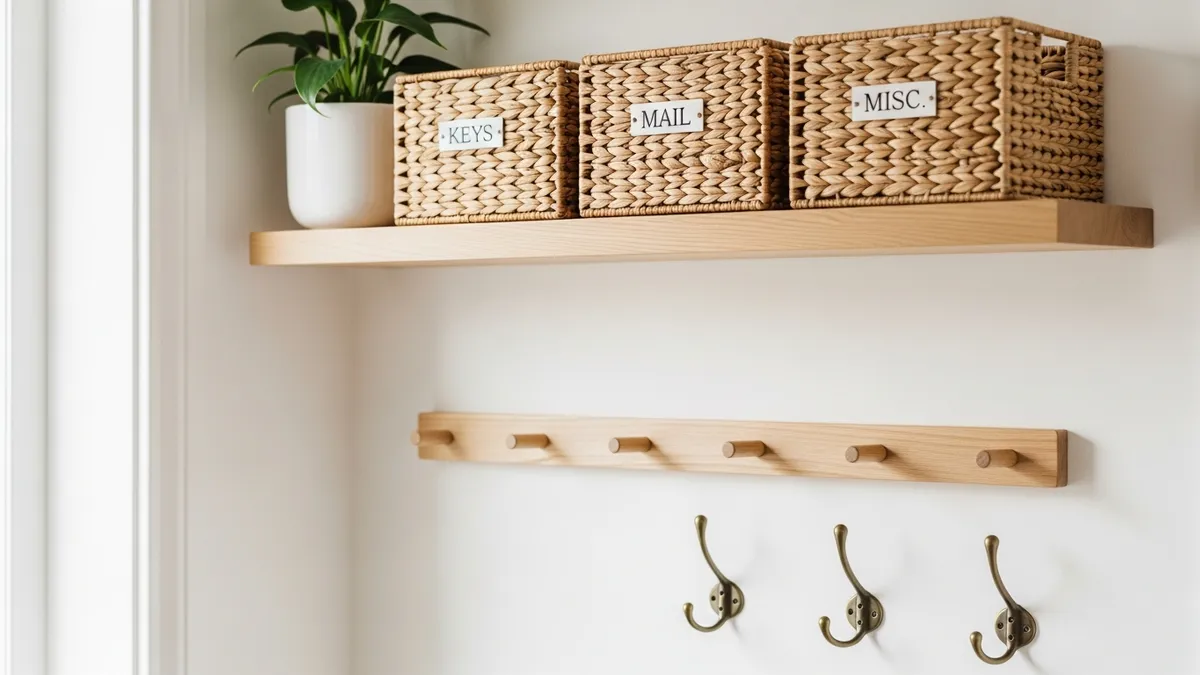
2. Add floating shelves above a console table. Layer two or three floating shelves at different heights to create vertical storage. Use the top shelf for décor, the middle for baskets and bins, and the bottom for everyday grab-and-go items.
3. Mount a mail organizer with a key hook. A wall-mounted mail sorter with integrated key hooks keeps two of the most commonly lost items in one spot. Models with a small dry-erase board for notes start at $18.99.
4. Use a mirror with built-in storage. Entryway mirrors with hidden compartments or side hooks are a brilliant two-in-one solution. You get a functional mirror for last-minute checks plus hooks for keys and bags, starting around $45.
5. Try a narrow wall-mounted shoe rack. For apartments and tight hallways, a wall-mounted tilted shoe rack keeps footwear off the floor without eating into precious floor space. These typically hold 6–12 pairs per unit.
Bench & Seat Storage Ideas
6. Add a storage bench with lift-top lid. An entryway bench with hidden storage inside is one of the most popular entryway organization ideas in 2026. Store seasonal accessories, extra shoes, or sports gear inside while having a comfortable spot to sit and put on shoes.
7. Choose a bench with open cubbies. Open-cubby benches let you grab shoes quickly without opening lids. Add a labeled fabric bin to each cubby for each family member, baskets in neutral tones starting at $9.99 each work perfectly.
8. Use a wooden crate bench DIY. Stack two wooden crates on their sides, secure them together, add a cushion on top, and you have an instant storage bench for under $40 total. A hugely popular budget-friendly entryway idea.
9. Layer a bench with a basket underneath. Even without built-in storage, placing a wicker or wire basket under any bench gives you an easy spot for shoes, bags, or sports equipment.
Shoe Storage Entryway Ideas
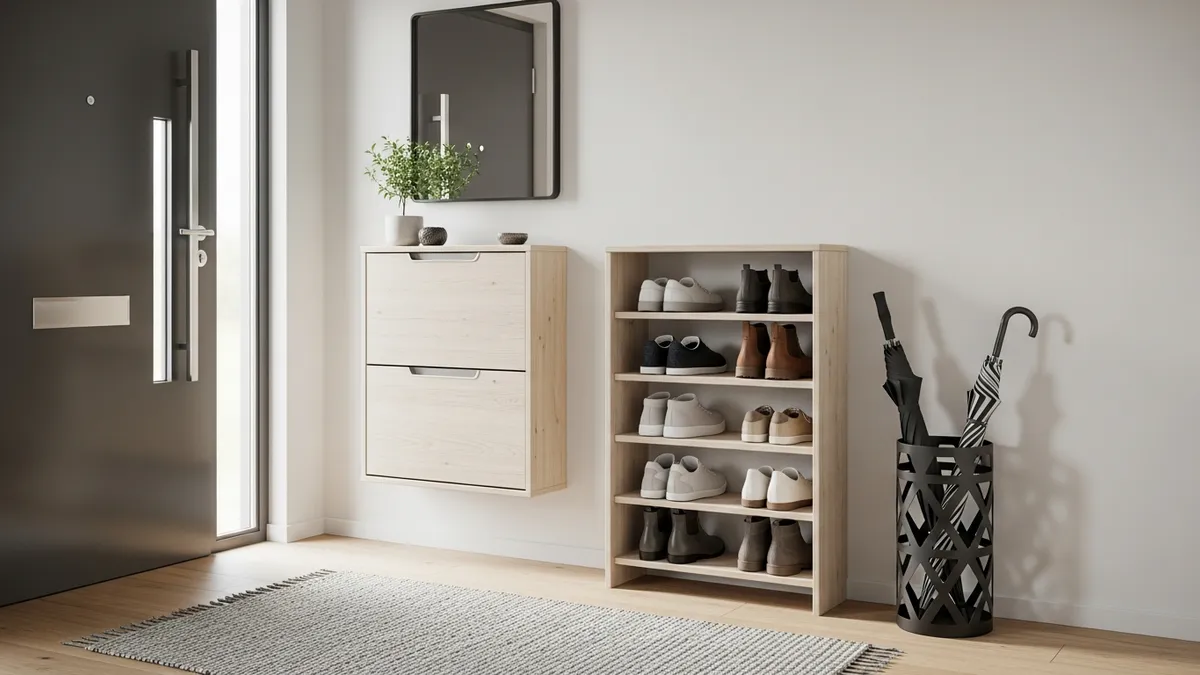
10. Invest in a slim shoe cabinet. A tall, narrow shoe cabinet with doors is one of the cleanest-looking entryway solutions. It hides up to 20 pairs of shoes while looking like a piece of furniture. Prices range from $59–$149 depending on material and capacity.
11. Use an over-the-door shoe organizer. If you have a closet door near your entryway, an over-the-door organizer can store 24–36 pairs without taking up any floor space. A fantastic solution for renters.
12. Try a tiered shoe rack. A 3-tier metal or bamboo shoe rack holds 9–12 pairs and is one of the most affordable entryway shoe storage options, starting at just $19.99.
13. Add a shoe tray near the door. A simple waterproof tray keeps wet, muddy shoes contained right at the entry point, protecting your floors and making cleanup effortless. Especially useful in rainy climates.
14. Build a DIY shoe cubby wall. For families with lots of footwear, install individual cubbies or repurpose wine crates as shoe cubbies mounted on the wall. Each person gets their own space, which dramatically reduces clutter.
Console Table & Surface Organization
15. Place a decorative tray on your console table. A simple catchall tray corrals keys, wallets, sunglasses, and AirPods in one contained spot. This is the easiest and most budget-friendly of all entryway organization ideas, trays start at $8.99.
16. Add a small drawer unit beneath the console. A two- or three-drawer unit placed under a console table gives hidden storage for mail, pens, coupons, and other small items that tend to pile up.
17. Use a console table with built-in shelves. Tables with lower shelves give you extra display or storage space for baskets, bins, and books without adding extra furniture.
18. Style a charging station on the surface. A small multi-port USB charging hub keeps phones and devices charged right at the door so you never forget them. Pair it with a cable organizer box to keep cords tidy.
Basket & Bin Organization
19. Use labeled fabric storage bins for each family member. Assign one bin per person for hats, gloves, and scarves. Label each bin clearly with names or initials to eliminate the "whose stuff is this?" question entirely.
20. Place a large wicker basket for umbrellas. A tall wicker or rattan basket near the door is both stylish and functional, perfect for umbrellas, walking sticks, or rolled-up yoga mats.
21. Add a small basket for outgoing mail. Designate one small basket or tray specifically for mail that needs to leave the house. This simple habit prevents mail from spreading across every flat surface.
22. Use stacking bins for seasonal gear. Stackable plastic bins or fabric cubes let you swap out seasonal accessories (summer hats vs. winter scarves) easily without creating clutter.
Smart & Multipurpose Entryway Solutions
23. Install a pegboard command center. A full pegboard wall system with hooks, shelves, and bins creates the ultimate entryway command center. You can customize the layout entirely and reconfigure it as your needs change.
24. Add a small chalkboard or whiteboard. A small chalkboard near the door is perfect for family messages, shopping lists, reminders, or tracking who's home and who's out. It keeps important info in one visible spot.
25. Use a multifunctional hall tree. A hall tree combines a mirror, coat hooks, a bench seat, and shoe storage all in one piece of furniture. For entryways with enough space, this is the ultimate all-in-one entryway organization solution. Prices start around $89.
26. Add a small charging drawer. Some modern console tables and hall trees come with built-in USB ports and wire management. For a smart, tech-forward entryway in 2026, this is a game-changer.
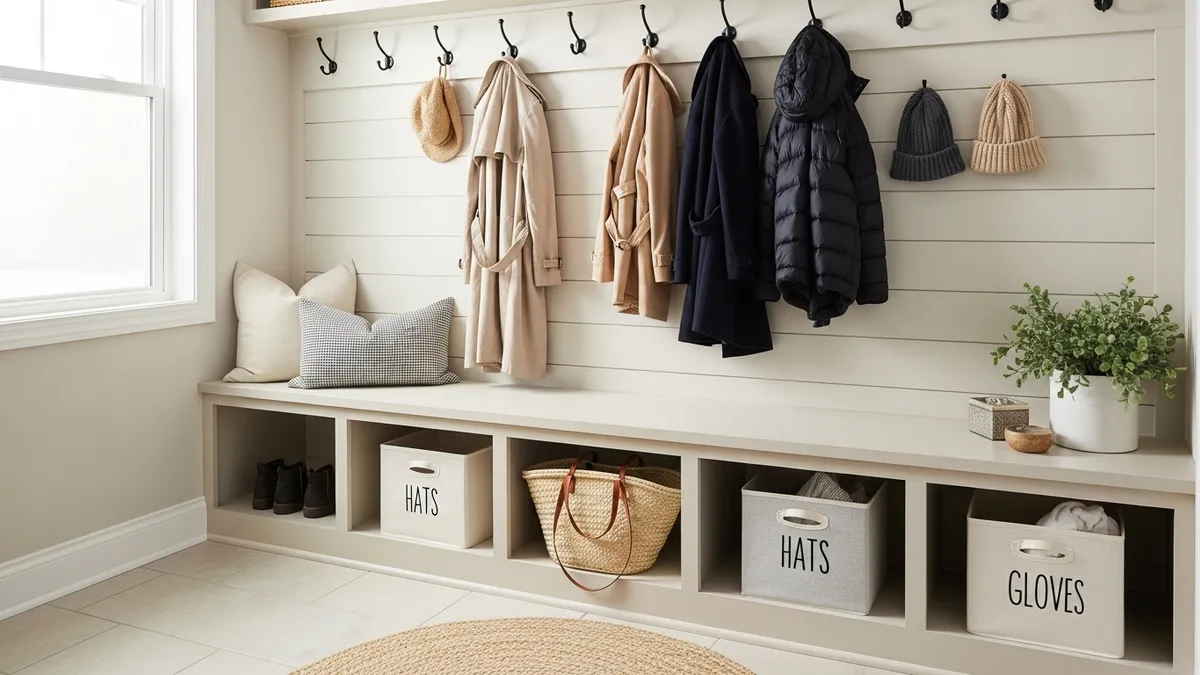
Best Entryway Organization Ideas for Small Spaces
Not everyone has the luxury of a large foyer. If you're working with a tiny apartment hallway or an open-plan space without a defined entry, these entryway organization ideas are designed specifically with small spaces in mind.
According to Houzz, the most-searched entryway feature in small homes is vertical wall storage, and for good reason. When floor space is limited, going up is the smartest strategy.
- Use vertical space aggressively. Mount hooks, shelves, and organizers from floor to ceiling to maximize every inch of wall space without cluttering the floor.
- Choose furniture with legs. Furniture raised on legs makes a small entryway feel more open and airy compared to pieces that sit flush with the floor.
- Keep color consistent. A single-color palette (whites, light grays, or natural woods) makes a small entryway feel larger and more cohesive.
- Limit décor to one or two pieces. In a small entryway, less is definitely more. Choose one statement mirror and one plant rather than filling every surface.
- Use mirrors to create depth. A well-placed mirror visually doubles the size of a small entryway while serving a practical purpose.
- Invest in a slim hall tree. Look for hall trees under 12 inches deep, these are designed specifically for narrow hallways and pack enormous functionality into a small footprint.
- Mount a fold-down bench. A Murphy-style fold-down bench gives you a seating surface when you need it and folds flat against the wall when you don't. These start at around $55 and are ideal for the smallest entryways.
For even more inspiration, check out our full guide on ideas for shoe storage in entryway which covers solutions for tight spaces in detail.
How to Maintain Your Entryway Organization Long-Term
Setting up great entryway organization ideas is the first step, but keeping it organized is what really matters. Here are proven habits that make your entryway stay tidy week after week:
- Do a 2-minute daily reset. Every evening, spend just two minutes returning items to their designated spots. This single habit prevents clutter from building up over time.
- Enforce the "one in, one out" rule for shoes. For every new pair of shoes added to the entryway rack, one old pair goes to the closet or donation box.
- Process mail immediately. Sort mail as soon as it enters the house, toss junk mail, file bills, and place items that need action in your outgoing basket. Never let mail pile up on the console table.
- Reassign zones seasonally. Every three months, reassess what needs to live in the entryway. Swap out winter coats for summer jackets, and rotate seasonal accessories.
- Label everything. Labels are the single most powerful organizational tool in any home. When every item has a clearly labeled home, everyone in the household knows exactly where things go.
- Do a monthly declutter. Once a month, spend 10 minutes pulling everything out of entryway storage and decluttering. Donate items you haven't used, discard trash, and reorganize what remains.
"A well-organized entryway isn't just about tidiness, it's about creating a transition ritual that helps you mentally shift from the outside world to the peace of your home.", Home organization expert insight, 2026
You can also get inspiration for building broader home organizational systems from our home decluttering tips guide and our complete article on how to organize your home.
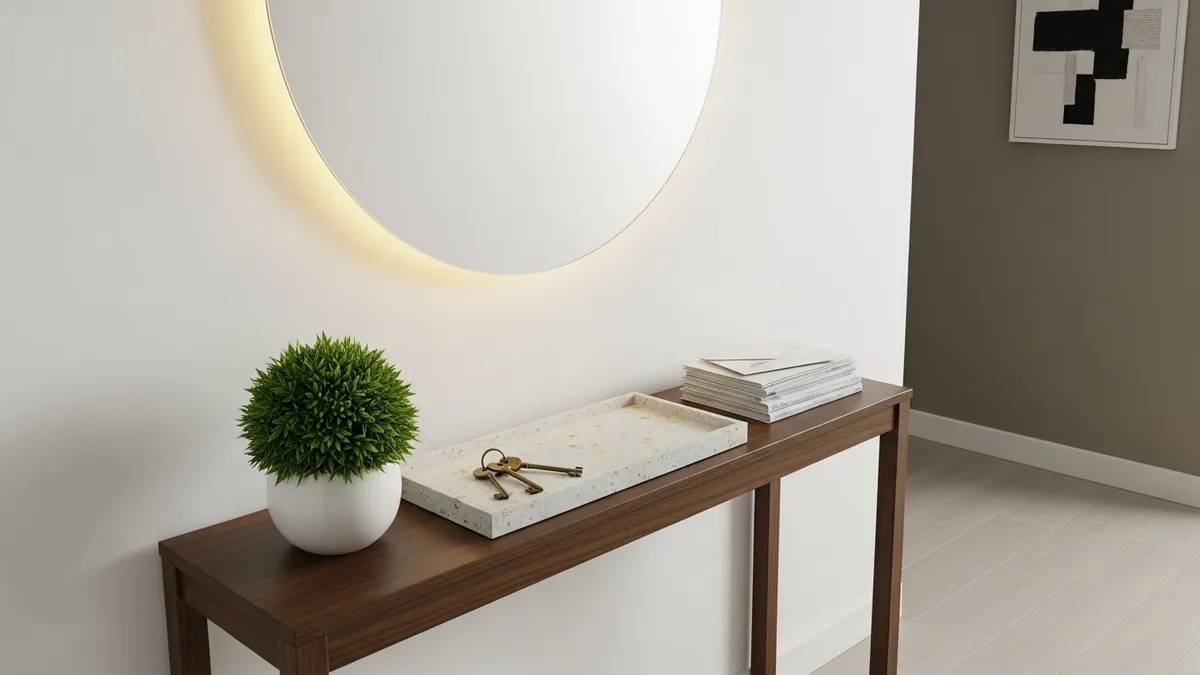
Top Entryway Organization Products Worth Buying in 2026
If you're ready to invest in your entryway, here's a breakdown of the most impactful product categories and what to look for in 2026:
Wall-Mounted Hook Panels
Look for panels with 5+ hooks, a small shelf, and a key tray. Metal and solid wood options are the most durable. Budget range: $15–$45.
Storage Benches
Choose benches with a weight capacity of at least 250 lbs and internal storage of 20+ liters. Upholstered tops add comfort; easy-clean fabric is a must for entryways. Price range: $49–$199.
Shoe Cabinets
For families, a shoe cabinet with 3–4 adjustable shelves holding 20+ pairs is ideal. Look for ventilated backs to prevent odor buildup. Price range: $59–$149.
Woven Storage Baskets
Natural seagrass, rattan, or jute baskets add warmth while keeping items contained. A set of three nesting baskets starts at $24.99 and works beautifully for seasonal accessory storage.
Console Tables with Storage
A narrow console table (under 14 inches deep) with at least one lower shelf is the sweet spot for most entryways. Look for easy-assembly options with a metal frame or solid wood legs for durability. Price range: $45–$189.
You can browse all available home organization products at Sesoris, or check out our new arrivals for the latest entryway organization additions in 2026.
Entryway Organization Ideas by Home Style
Different interior styles call for different approaches to organization. Here's how to match your entryway organization to your home's aesthetic:
Minimalist & Scandinavian
Focus on clean lines, light woods, and a strictly limited number of items visible at any time. Choose wall hooks in matte black or brushed brass, a simple light wood bench, and one or two natural fiber baskets. Everything else goes behind closed doors.
Farmhouse & Rustic
Lean into shiplap-style wall panels, galvanized metal hooks, wooden crates for shoe storage, and a chalkboard for messages. Wicker baskets, mason jar organizers, and vintage-style coat racks all feel at home here.
Modern & Industrial
Go for metal pegboards, powder-coated steel hooks, concrete or resin trays for keys, and slim black metal shelving. Exposed hardware and geometric shapes define this look.
Traditional & Classic
A classic hall tree in dark wood, monogrammed baskets, framed mirrors, and elegant console tables with turned legs create a timeless, polished entryway. Brass or antique bronze hardware completes the look.
Bohemian & Eclectic
Mix materials freely, rattan baskets, macramé wall hangings, colorful printed storage bins, and mismatched hooks all contribute to a rich, layered entryway that feels personal and curated.
According to Good Housekeeping, the most popular entryway aesthetic in 2026 continues to be "warm minimalism", combining the cleanliness of minimalist design with natural materials and cozy textures.
Common Entryway Organization Mistakes to Avoid
Even with the best intentions, many people make the same organizational errors. Avoid these pitfalls to ensure your entryway stays functional long-term.
- Buying products before measuring: Always measure your space and items before purchasing furniture or storage solutions, what looks good online may not fit your reality
- Too much open storage: Open shelves and hooks look great when styled, but they require discipline. If your household tends toward clutter, opt for enclosed cabinets and lidded bins
- Not enough hooks: Underestimating hook capacity is the #1 entryway mistake. A household of four should have a minimum of 8–12 accessible hooks
- Ignoring the floor: The floor directly inside your door collects the most dirt. Add a quality doormat on the outside AND inside, plus a shoe tray to catch wet footwear
- No seasonal rotation system: Keeping summer and winter gear in the entryway simultaneously creates instant overwhelm. Rotate seasonal items to a secondary storage location
- Forgetting lighting: Poor lighting makes any space feel smaller and more chaotic. Add a simple plug-in sconce or battery-powered light if your entryway lacks natural light
- Setting it up for a perfect household: Organize for your real life, not an idealized version. If your kids drop backpacks on the floor, put hooks at their level and a designated basket for bags
Budget Breakdown: What a Great Entryway Organization Setup Actually Costs in 2026
One of the biggest misconceptions about getting organized is that it requires a large budget. Here's a realistic cost breakdown for different budget levels:
Budget Tier ($20–$50): A set of wall hooks ($9.99–$14.99), a basic 3-tier shoe rack ($15.99–$19.99), and a decorative key tray ($8.99). That's everything you need for a functional, organized entryway on a tight budget.
Mid-Range Tier ($50–$150): Add a slim shoe cabinet with a bench top ($49.99–$79.99), a wall-mounted floating shelf with mirror ($29.99–$49.99), and a set of woven baskets ($24.99). This creates a polished, layered look that feels intentional and styled.
Premium Tier ($150–$300+): A hall tree or full console table setup ($99.99–$199.99), premium hooks and hardware ($25–$50), and a coordinated set of labeled containers ($30–$50). At this level, you're creating a fully curated, magazine-worthy entryway.
The most important thing isn't how much you spend, it's that every item you choose has a specific job to do. Purposeful organization always beats expensive decoration.
Check out our Best Sellers and New Arrivals for curated picks across all budget ranges that work perfectly for entryway organization.
FAQ: Frequently Asked Questions About Entryway Organization Ideas
Q: What is the most important entryway organization idea for a small space?
The single most impactful change you can make in a small entryway is to go vertical. Mount wall hooks, floating shelves, and organizers up the wall rather than using floor space. A slim wall-mounted shoe rack and a multi-hook panel can transform even the tiniest hallway without taking up any floor space at all.
Q: How do I keep my entryway organized with kids?
Assign every child their own hook, cubby, and shoe space, ideally at their height so they can reach it easily. Use picture labels (not just text) for young children so they can identify their zone independently. A family command center with a small whiteboard also helps manage school schedules, permission slips, and reminders.
Q: What should always be stored in the entryway?
The entryway should store items you need every single day: keys, shoes, bags, coats, and umbrellas. It should also have a spot for outgoing mail and any items that need to leave the house. Everything else, seasonal gear, sports equipment, extra shoes, should be stored elsewhere and rotated into the entryway only when needed.
Q: How do I organize an entryway without a closet?
If you don't have a closet near your front door, focus on wall-mounted solutions. A pegboard or slatted wall panel with hooks, shelves, and baskets can replicate most of what a closet provides. Pair it with a storage bench for shoes and hidden storage, and a slim console table for a surface, and you'll have a fully functional entryway without any built-in closet space.
Q: What's the best way to store shoes in an entryway?
The best approach depends on how many pairs you need to store. For 1–4 pairs, a simple shoe tray does the job. For 5–12 pairs, a tiered shoe rack or storage bench with cubbies works well. For families with 20+ pairs, a slim shoe cabinet with doors is the most organized and visually clean solution. See our complete guide to shoe storage ideas for entryway for detailed recommendations.
Q: How much should I budget for entryway organization?
You can create a highly functional entryway for as little as $50–$100 using wall hooks, a simple shoe rack, and a few baskets. A mid-range setup with a storage bench, wall organizer, and console table typically runs $150–$350. Full built-in systems or high-end hall trees can cost $500+ but offer the most storage and the most polished look.
Conclusion: Start Your Entryway Transformation Today
A well-organized entryway doesn't happen by accident, it's the result of intentional choices about storage, habits, and design. With the right entryway organization ideas, even the smallest, most awkward front hall can become a functional, beautiful, and stress-free zone that welcomes you home every single day in 2026.
Whether you start with a simple $9.99 catchall tray on your console table or go all-in on a full hall tree and built-in cubby system, every step toward a more organized entryway is a step toward a calmer, more enjoyable home. The most important thing is to start, because even small changes deliver immediate, noticeable results.
Ready to find the perfect products to bring your entryway organization ideas to life? Explore our full range of home organization solutions at Sesoris, browse our best sellers for proven customer favorites, or discover the latest arrivals in our new arrivals collection. At Sesoris, we believe every home deserves to be beautifully organized, and it all starts at the front door.
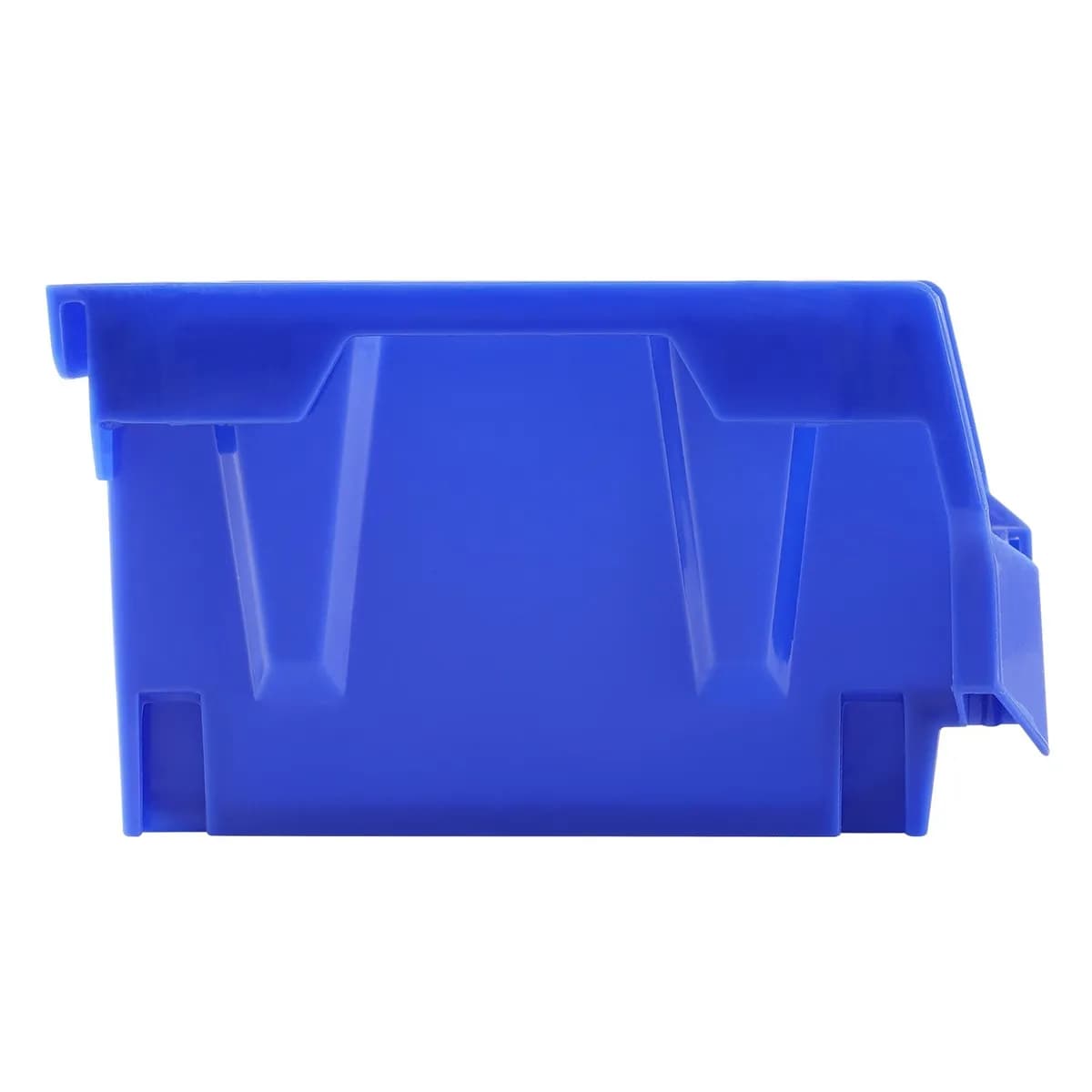
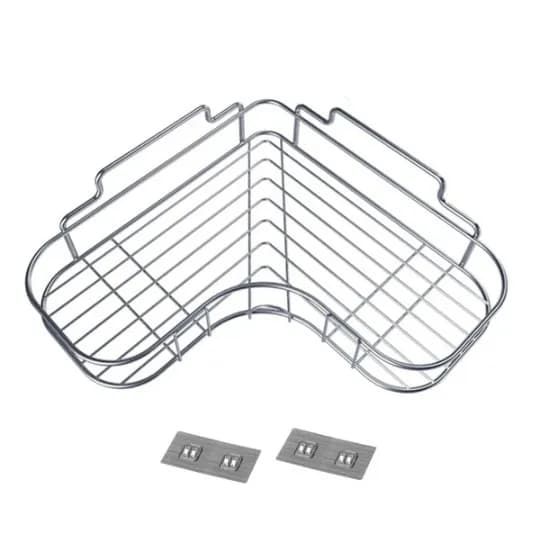
A slim Stackable Storage Bins, 24 Pack plus a Over-the-Door Pantry Organizer, 8 Tier solve the two biggest entryway pain points.
Weekly Home Tips
Get home organization ideas, product picks, and exclusive deals delivered weekly.
No spam. Unsubscribe anytime.
Explore More Articles
- Pyrex Food Storage Containers: The Complete 2026 Guide to Safe, Durable Kitchen Organization
- Glass Containers for Food Storage: The Complete 2026 Review & Buying Guide
- 30+ Best Organization Closet Ideas to Transform Your Storage Space in 2026
- 25+ Best Under Stairs Closet Storage Ideas to Transform Dead Space in 2026
- DIY Shelf Brackets: Complete 2026 Guide to Building Strong, Stylish Shelves on Any Budget
- 30+ Best Pantry Cabinet Ideas to Transform Your Kitchen Storage in 2026
- Purse Storage Ideas for Small Spaces
- Kitchen Organization Dish Rack Alternatives: 10 Smart Solutions for a Tidier Kitchen in 2026