
How to Organize a Small House: Complete 2026 Guide
Learn how to organize a small house with practical tips, room zoning, and smart storage solutions. Even a tiny home can stay tidy, open, and comfortable.
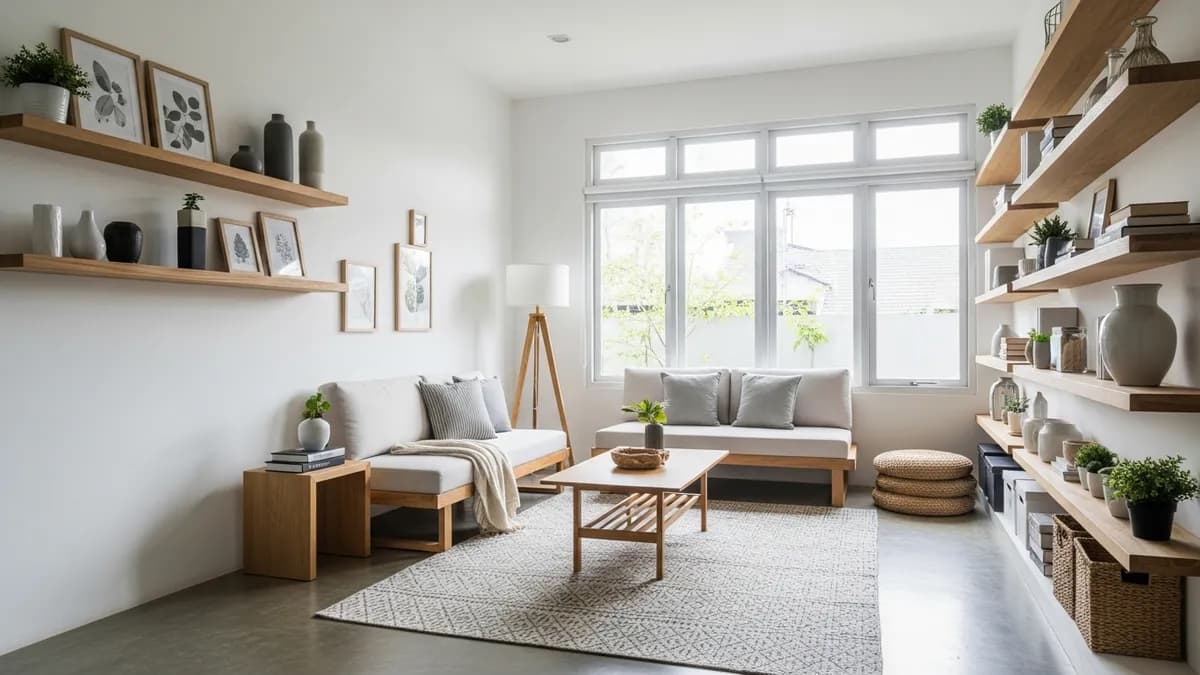
Living in a small house doesn't mean living with chaos and no room to move. Millions of people live in compact homes, from starter houses and studio apartments to modest rentals, and the question that comes up most often is: how to organize a small house so it stays comfortable, functional, and never feels cramped? This article answers that question thoroughly. I'll share practical strategies, from making the most of every corner and choosing the right furniture to the storage products that genuinely help keep a home tidy day after day.
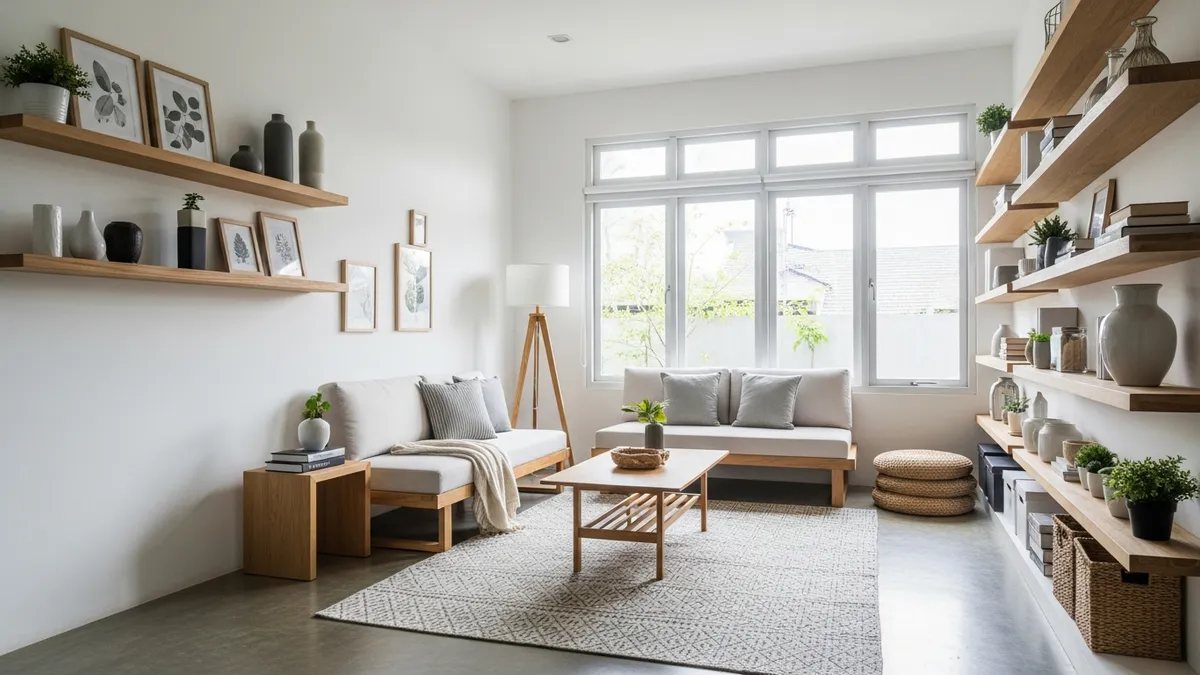
Why Does Organizing a Small House Matter?
An organized home isn't just about aesthetics. According to The Spruce, a neat, well-ordered space has been shown to reduce stress, improve focus, and make people more productive in their daily routines. In a small house, this effect is amplified, because every item that's out of place is instantly visible and instantly annoying.
On top of that, a well-organized home indirectly makes the space feel larger than its actual footprint. That's not magic; it's the result of smart arrangement that squeezes value out of every available inch.
Here are some concrete reasons why organizing a small house deserves to be a priority:
- It saves time, because everything is easy to find and nothing requires a search party
- It cuts duplicate purchases, because you know exactly what you already own
- It creates a calmer atmosphere and keeps your mind from feeling overwhelmed
- It makes cleaning easier, because there are no piles of stuff in the way
- It makes guests comfortable and the house look well cared for
Step One: Declutter Before You Organize
The biggest mistake people make when learning how to organize a small house is buying storage products right away without decluttering first (the process of sorting out and letting go of things you don't need). The result: cabinets and shelves full of useless stuff, just stored more neatly.
Run the decluttering process first with this approach:
- Gather everything from one area, say the closet or a kitchen shelf, and lay it out on the floor or an open surface
- Sort into three groups: items used regularly, items rarely used, and items never used
- Decide firmly: rarely used items can go into less accessible storage, while never-used items get donated, sold, or tossed
- Don't keep things out of guilt: that instinct is the single biggest burden in a small house
- Work in stages, room by room or category by category, so you don't burn out
"Before you buy a single new organizer, get rid of one thing that no longer serves you. That's the golden rule of living more organized in a small home."
Once decluttering is done, you'll see clearly how much space you actually have and which storage products you genuinely need.
How to Organize a Small House: The Zoning Strategy
One of the master keys to how to organize a small house is creating clear zones for each activity. In a large house, these zones form naturally through the number of rooms. In a small house, you have to create them deliberately.
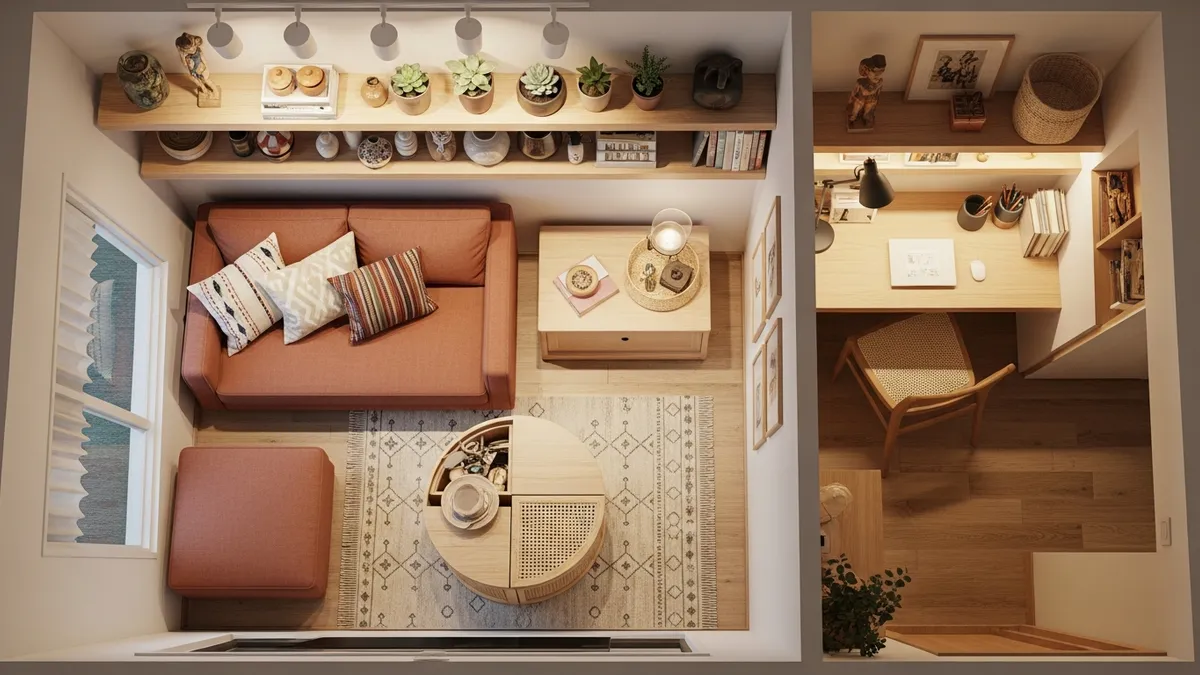
Activity Zones vs. Storage Zones
Draw a firm line between areas used for living and areas used for storing. In the living room, for example, the sofa and coffee table are the activity zone, while the wall shelves and the drawers under the table are the storage zone.
One Place, One Purpose
Every object in the house should have one fixed home. When you're done using it, it goes back there. The concept is simple, but it's remarkably effective at keeping a small house tidy over the long haul.
Use Your Vertical Space
In a small house, the floor is your most valuable real estate. Instead of parking things on the floor, look up. Wall shelves, hanging cabinets, and over-the-door storage are smart solutions that get overlooked all the time. See the full inspiration roundup in 35 Creative Wall Book Shelf Ideas to Transform Your Home Library in 2026.
Room-by-Room Tips for Organizing a Small House
With the core strategy in place, let's get specific room by room. Each area of the house has its own challenges and its own solutions.
Living Room: Multifunction Is the Key
In a small house, the living room often doubles as a dining room, home office, or even a kids' play area. Here's how to organize it:
- Choose a sofa with hidden storage underneath for blankets, spare pillows, or kids' toys
- Use floating wall shelves to display decor while holding books or small items without touching the floor
- A coffee table with drawers or a lower shelf is perfect for TV remotes, magazines, or chargers
- Resist overfurnishing; keep only pieces that truly earn their space
- Use attractive baskets or storage boxes to hide small odds and ends
For a deeper dive into living room storage, visit 25 Brilliant Living Room Storage Ideas to Transform Your Space in 2026.
Small Kitchen: Maximize Every Inch
The kitchen is the most challenging room to organize, especially in a compact home. Kitchen gear multiplies quickly and comes in every size imaginable.
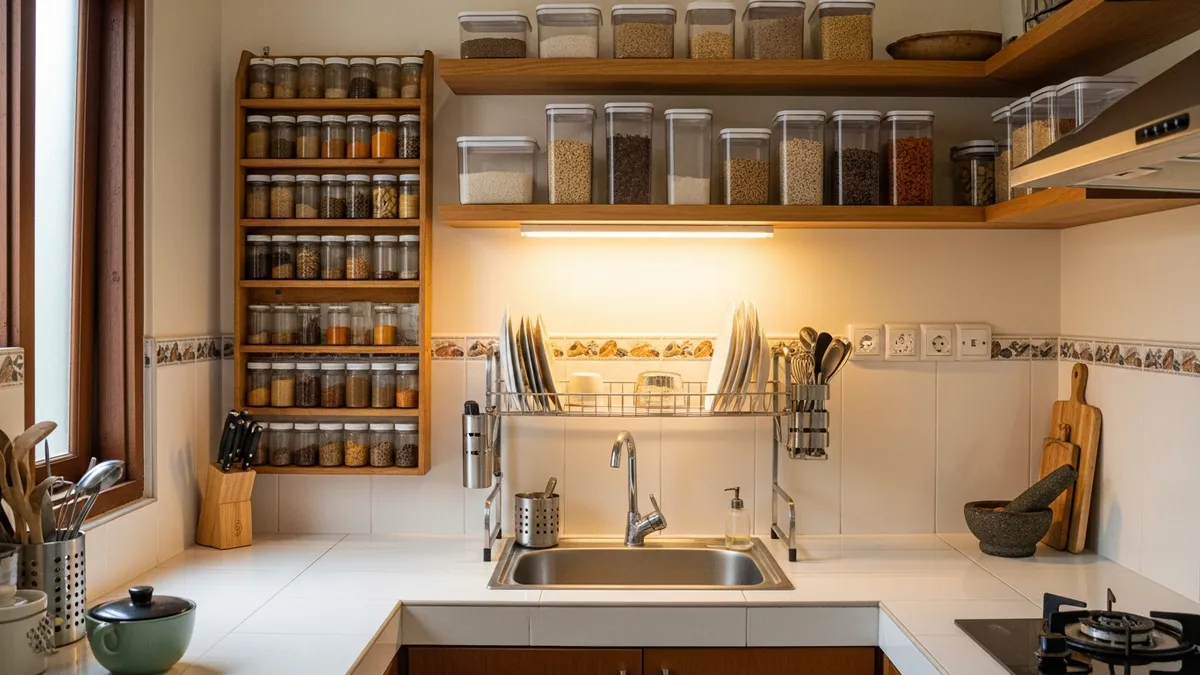
Here's the strategy for organizing a small kitchen:
- Use a wall-mounted spice rack to move spice bottles off the counter and onto the wall, instantly freeing counter space. Find recommendations in the Kitchen Spice Rack Guide: Best Organization Solutions 2026
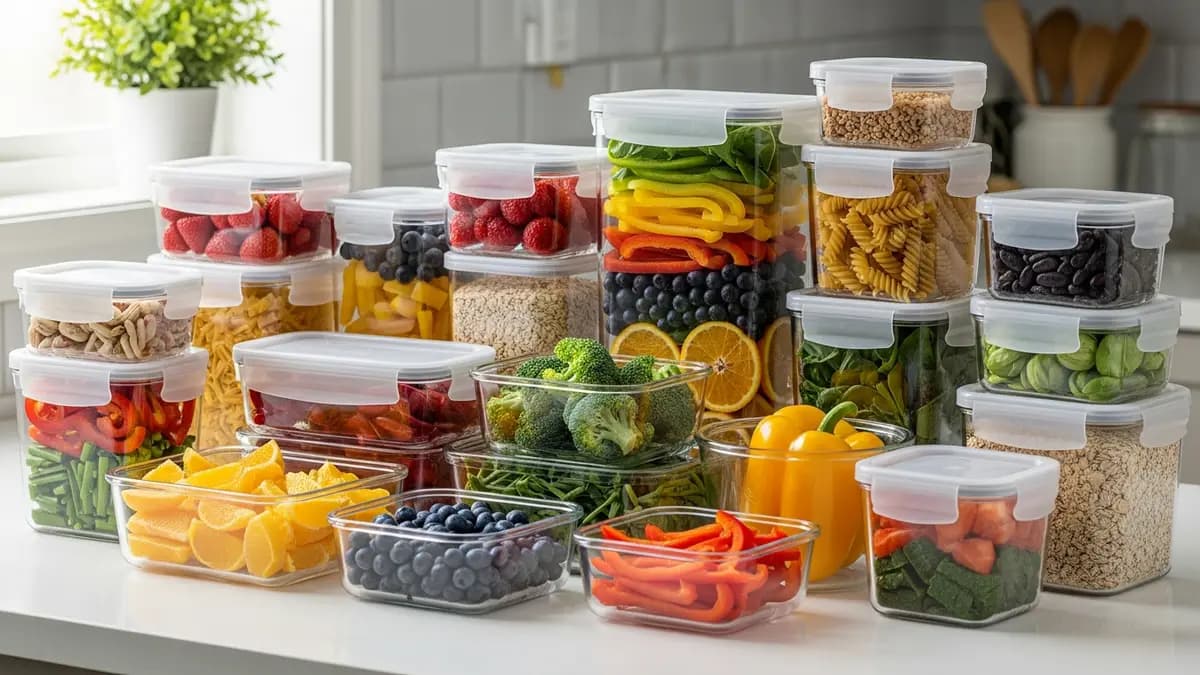
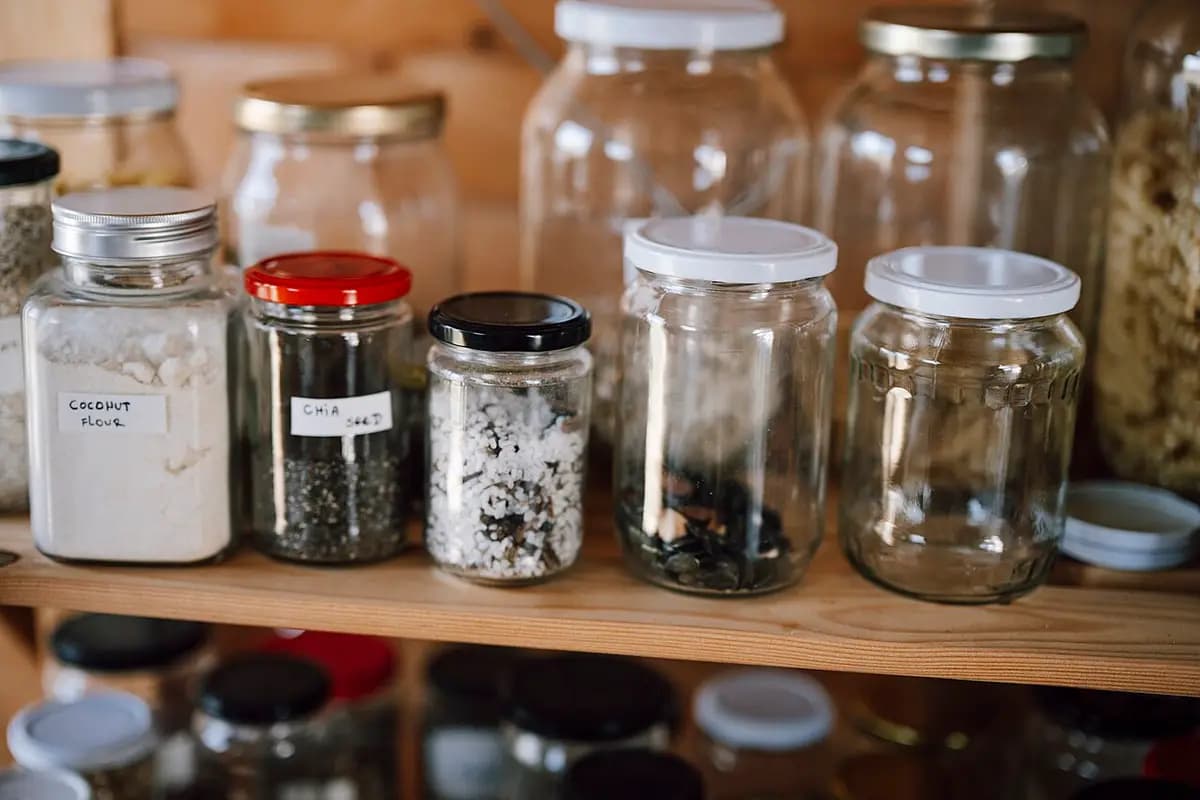
- Store dry goods in matching airtight containers. Beyond keeping food fresh longer, the uniform look makes kitchen shelves dramatically neater
- Use a dish rack above or beside the sink to save counter space and speed up drying
- Use the inside of cabinet doors by adding small racks for plastic bags, pot lids, or dish soap
- Apply the FIFO principle (First In, First Out): whatever went in first gets used first, so nothing expires forgotten in a cabinet corner
For a complete small-kitchen playbook, read How to Organize a Small Apartment Kitchen.
Bedroom: Every Inch Has to Work
In a small bedroom, the top priority is keeping the bed and walking paths clear. Whatever space remains has to work hard as storage.
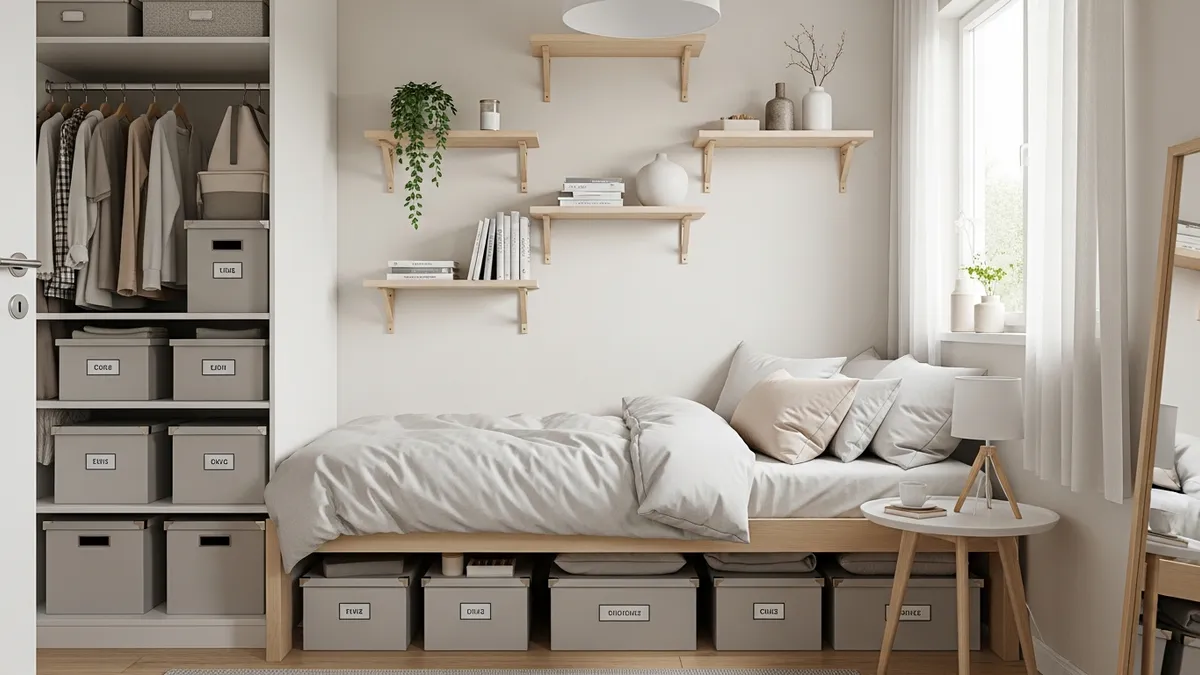
- Use the space under the bed with rolling under-bed storage boxes for spare sheets, seasonal clothes, or rarely used items
- A wardrobe with mirrored doors creates the illusion of a bigger room while doubling as your everyday mirror
- Mount wall shelves above the headboard instead of a nightstand that eats floor space
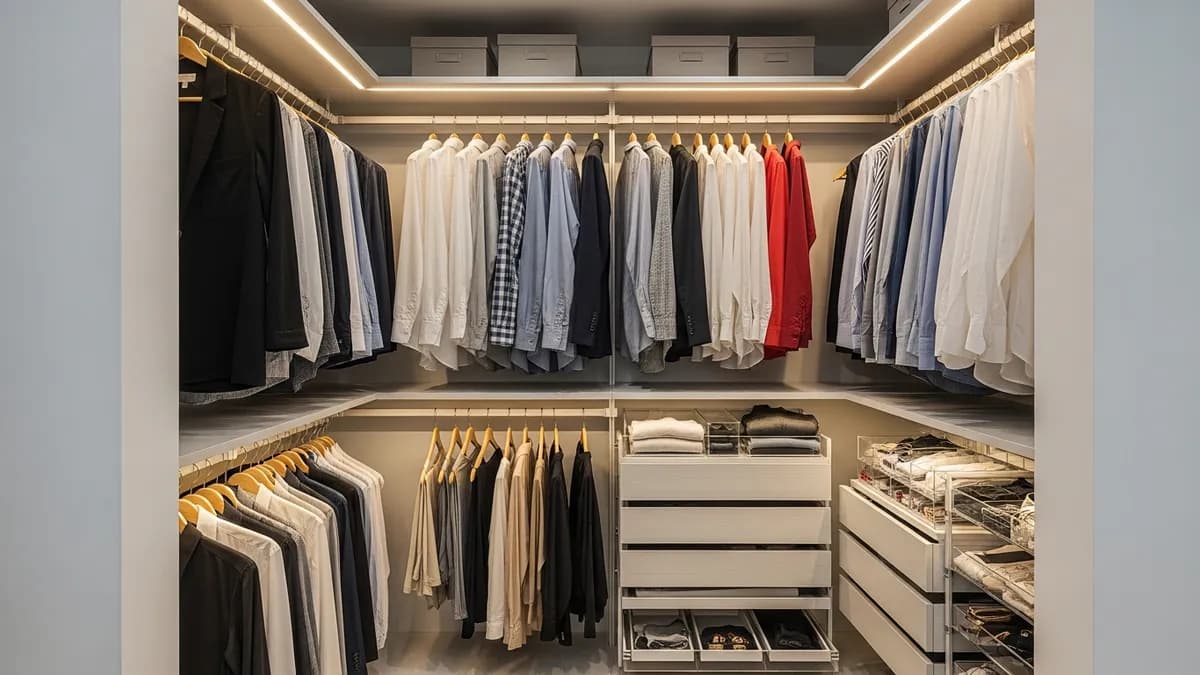
- Use drawer organizers so drawers don't devolve into jumbled catch-alls
- Vacuum storage bags are excellent for compressing thick comforters and seasonal clothing, freeing up significant storage space
Find more ideas in Bedroom Storage Solutions for Small Bedrooms: 25+ Smart Ideas to Maximize Space in 2026.
Bathroom: Small but Tidy
Bathrooms in small homes are usually extremely tight. The key is maximizing wall space and the spots that typically go unused.
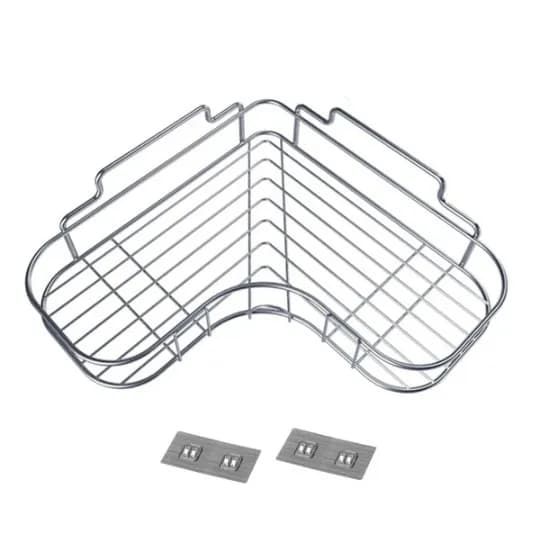
- Corner shelves put the perpetually empty bathroom corner to work. Read more in Bathroom Corner Shelves: Make Use of Dead Space
- Tiered wall shelving above the toilet is a classic trick that keeps proving itself
- Labeled baskets or bins keep each family member's products separate
- Over-the-door hooks handle towels, the hair dryer, and other bath gear
- Avoid crowding the tub ledge or sink counter with products, since it makes the bathroom feel cramped and harder to clean
Storage Products Every Small House Needs
Choosing the right storage products is a long-term investment in your home's comfort. Here are the product categories that earn their keep in a small house:
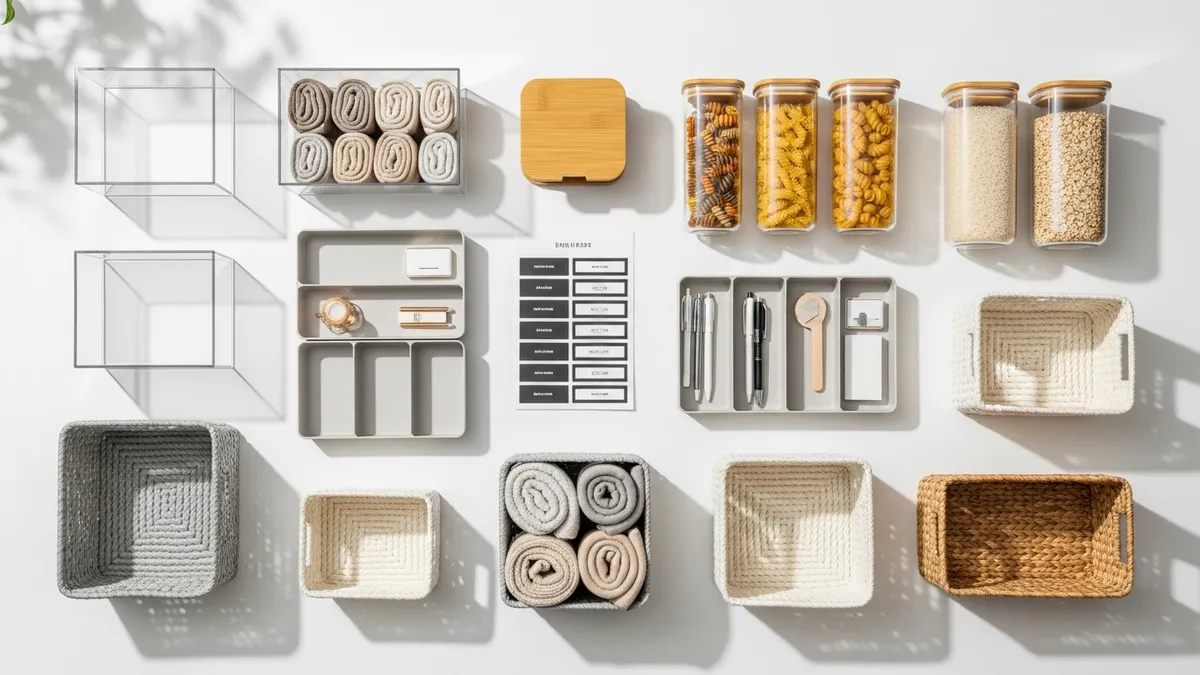
Storage Boxes and Containers
Versatile storage boxes are the foundation of any good home organization system. Choose boxes in uniform sizes so they stack efficiently and use your vertical space. Clear boxes let you see the contents without opening a single lid.
For the kitchen, airtight containers are the best choice. They keep food fresh longer, and their uniform look makes kitchen shelves far neater. Explore the full range of storage products at Sesoris to find options that fit your needs.
Drawer and Shelf Organizers
Drawer organizers are a simple solution that gets underestimated constantly. Without one, a drawer quickly becomes a dumping ground with no order at all. With one, every category of item gets its own compartment.
A Labeling System
Labeling is the finishing step that completes your organization system. Labels tell every member of the household exactly where things go back after use, which makes tidiness far easier to maintain. Learn more about building an effective labeling system.
Multifunctional Furniture
In a small house, every piece of furniture should ideally serve more than one purpose. For example:
- A storage ottoman that seats guests and holds blankets inside
- A fold-down table that tucks flat against the wall when not in use
- A bookshelf that doubles as a room divider
- A bed with built-in drawers underneath in place of an extra dresser
According to Houzz, multifunctional furniture is one of the most popular interior design trends for compact homes because it delivers practical solutions without sacrificing style.
How to Organize a Small House: Daily Habits to Build
Organizing a home is not a one-and-done arrangement. Keeping a small house tidy takes consistent daily habits. That's the difference between a home that's always neat and one that's only neat right after a deep clean.
Here are the daily habits that protect your organizing work:
- The one in, one out rule: every time something new comes home, one old item leaves (tossed, sold, or donated)
- Clean up right after use: return every item to its home immediately, no postponing
- Spend 10 to 15 minutes every night tidying up, so clutter never compounds from one day to the next
- A weekly reset: once a week, do a quick sweep of every room to confirm everything is still in order
- Get the whole family involved: tidiness is a shared responsibility, not one person's job. Even young kids can learn these habits early
"A tidy home isn't the product of one big day of work. It's the fruit of small good habits repeated every day."
Design Principles That Support a Small, Organized Home
Beyond storage strategy and daily habits, a few design principles can help a small house feel more open and easier to keep organized:
Choose Light, Neutral Colors
Light colors like white, cream, light gray, and beige reflect light better, making rooms feel bigger and brighter. Avoid letting dark colors dominate a small room, since they tend to make the space feel tighter.
Minimize Non-Functional Decor
In a small house, every displayed object has to pass a strict audition. Ask: is this functional? Does it genuinely make me happy? If the answer is no to both, consider not displaying it.
Make the Most of Natural Light
Natural light is one of the most effective tools for making a room feel spacious. Don't block windows with bulky furniture or heavy drapes. Use sheer curtains that protect privacy while still letting light through.
Mirrors as an Optical Tool
Mirrors create an illusion of depth and can make a room feel twice as large. Hang a large mirror on the wall opposite a window to maximize reflected natural light. It's a trick interior professionals have relied on for decades, as explained in Architectural Digest.
Related Products from Sesoris
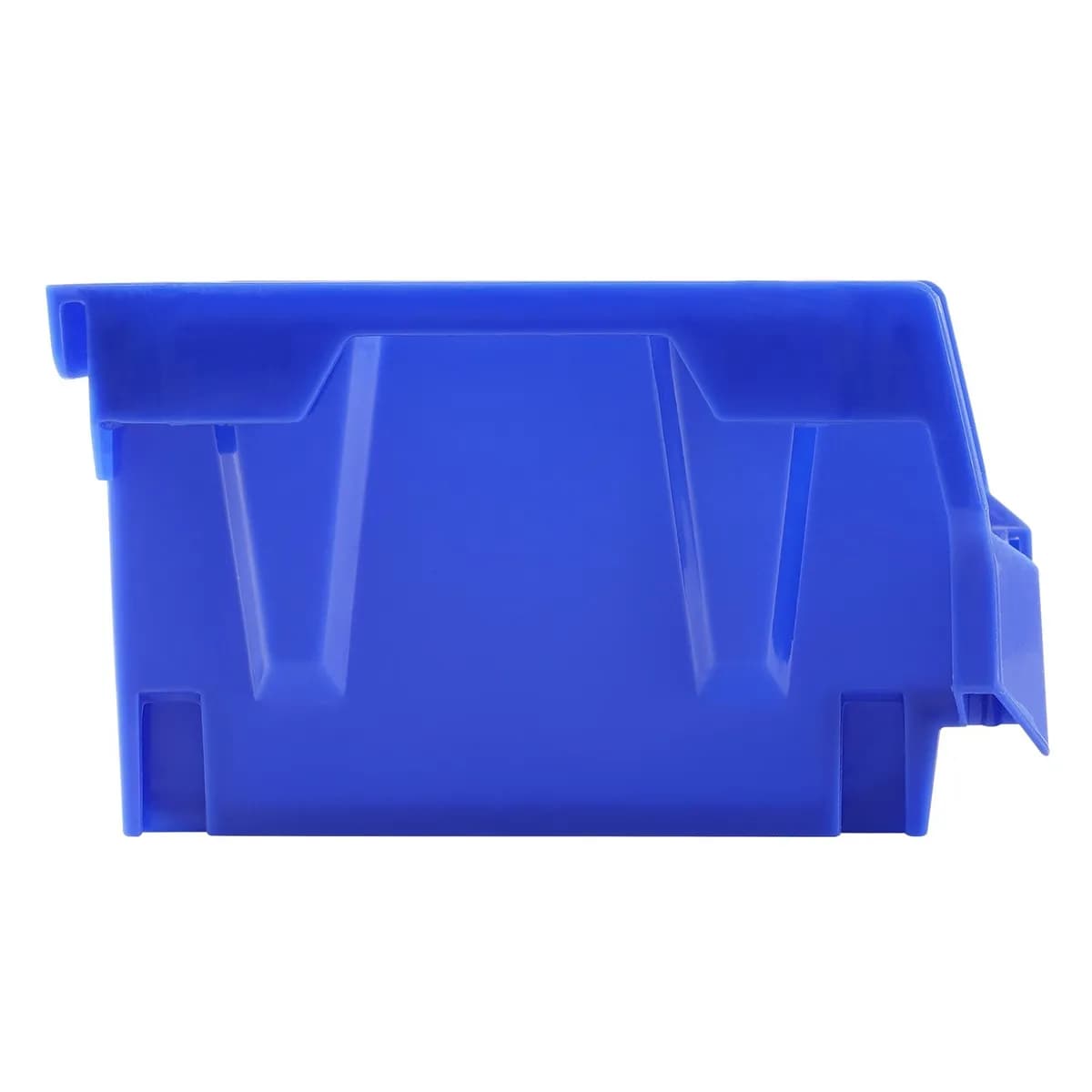
If you want to turn this guide into a real setup, start with Stackable Storage Bins, 24 Pack and the Pull-Out Cabinet Organizer, 17 in. Wide. For broader options, browse the Home & Decor collection so the article journey does not stop at reading only.
Our practical rule: choose one product that solves the main clutter problem first, then add supporting organizers only when the daily workflow is already clear. This keeps the shopping path useful, not pushy.
FAQ: Common Questions About How to Organize a Small House
Where should I start when my small house is already a total mess?
Start with the area you use most and that bothers you most, usually the kitchen or living room. Don't try to tackle every room at once; you'll get overwhelmed and quit halfway. Do one area per session, finish it completely, then move to the next.
Do I need to spend a lot of money on storage products?
Not necessarily. The most effective first step is decluttering, not buying. Once the unnecessary stuff is gone, evaluate what storage you actually need. Plenty of storage solutions are affordable and highly effective. Visit Sesoris to find quality storage products across a range of price points.
How do I keep a small house tidy with young kids around?
The key is a system kids can actually follow. Use color-coded storage boxes to help them sort toy categories, put storage at heights they can reach, and make tidying up a fun routine rather than a punishment. Read the full tips in How to Keep a Kid's Room Tidy.
How often should I declutter?
Ideally, do a light declutter every three months and a thorough one once or twice a year. In a small house, though, applying the one in, one out rule every single day beats sporadic mega-declutters by a wide margin.
Is vertical storage really effective in a small house?
Extremely. Vertical storage moves piles off the floor and onto the walls, freeing floor area for movement and daily life. Shelves mounted near the ceiling can hold rarely accessed items, while shelves at eye and arm height hold the things you reach for every day.
Conclusion: Small House, Big Living
Understanding how to organize a small house is about more than tidying up. It's about building a living system that supports comfort and peace of mind every single day. With the right strategy, starting with decluttering, then clear zoning, multifunctional furniture, vertical storage, and consistent daily habits, even the smallest house can become a genuinely comfortable place to live.
In 2026, more and more homes are compact by design, but that's no barrier to living comfortably and staying organized. All it takes is the right approach and storage products that match your needs.
If you're looking for quality storage products to kick off your home organization journey, visit Sesoris and explore our full home organization collection. From storage boxes and airtight food containers to kitchen organizers and bedroom accessories, everything is there to help you bring the motto Live More Organized into every corner of your home. Check out our best sellers or the new arrivals for home organization inspiration today.
Liked this guide?
Get new organizing guides and the occasional new product by email. No spam, unsubscribe anytime.
Related articles
Explore more articles
- Small Front Yard Design: 15 Minimalist Ideas for Compact Spaces
- Glass vs Plastic vs Stainless Steel Food Storage Containers
- Work From Home Lifestyle: 20+ Habits That Make Your Home Office Actually Work in 2026
- How to Create a Sunday Reset Routine: Step-by-Step Tutorial for a Calm, Organized Week in 2026
- 30+ Best Storage Ideas for Small Space: Maximize Every Inch of Your Home in 2026
- Top Rated Glass Food Storage Containers: Ultimate Buyer's Guide for 2026
- 30+ Best Organization Pantry Ideas to Transform Your Kitchen Storage in 2026
- Pyrex Glass Food Storage Containers: The Complete 2026 Guide to Safe, Durable Kitchen Storage