
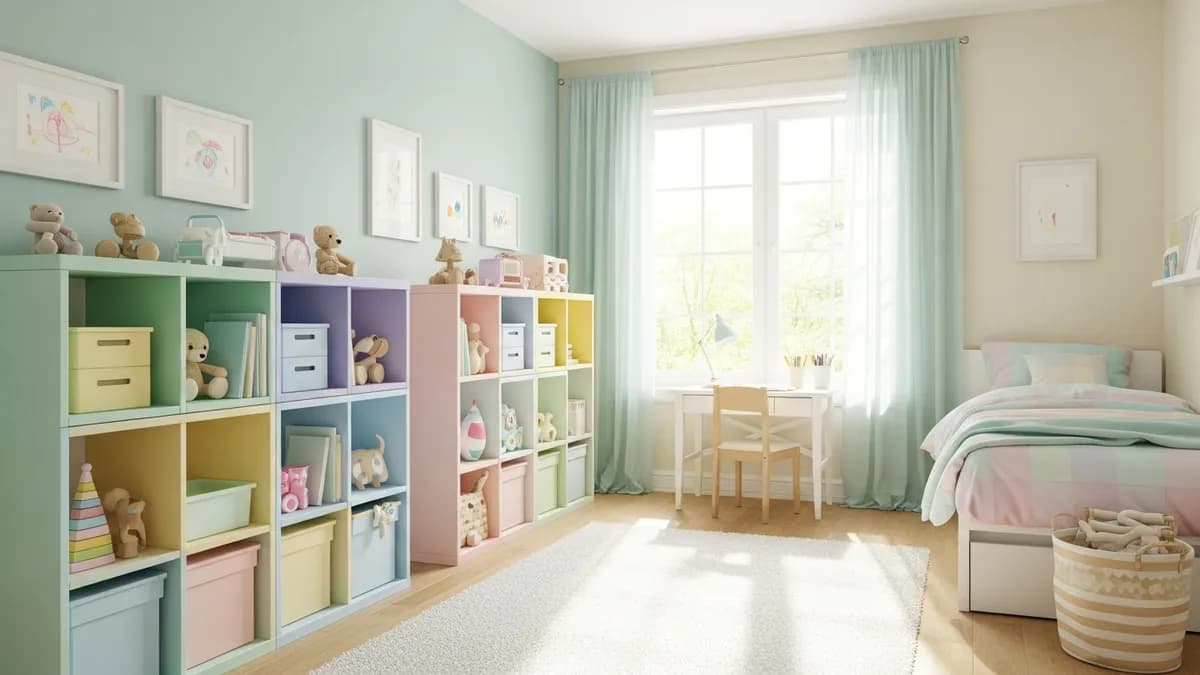
30+ Best Kids Room Organization Ideas to Create a Fun, Tidy Space in 2026
If you have kids, you already know the struggle: toys scattered across the floor, books stacked in random piles, clothes draped over every available surface. Getting a handle on the mess can feel overwhelming, but with the right kids room organization ideas, you can transform even the most chaotic bedroom into a space that is functional, fun, and actually stays tidy. Whether you are working with a tiny room or a generous space, a toddler's nursery or a tween's retreat, this guide covers more than 30 practical, actionable strategies to help you organize it all in 2026.
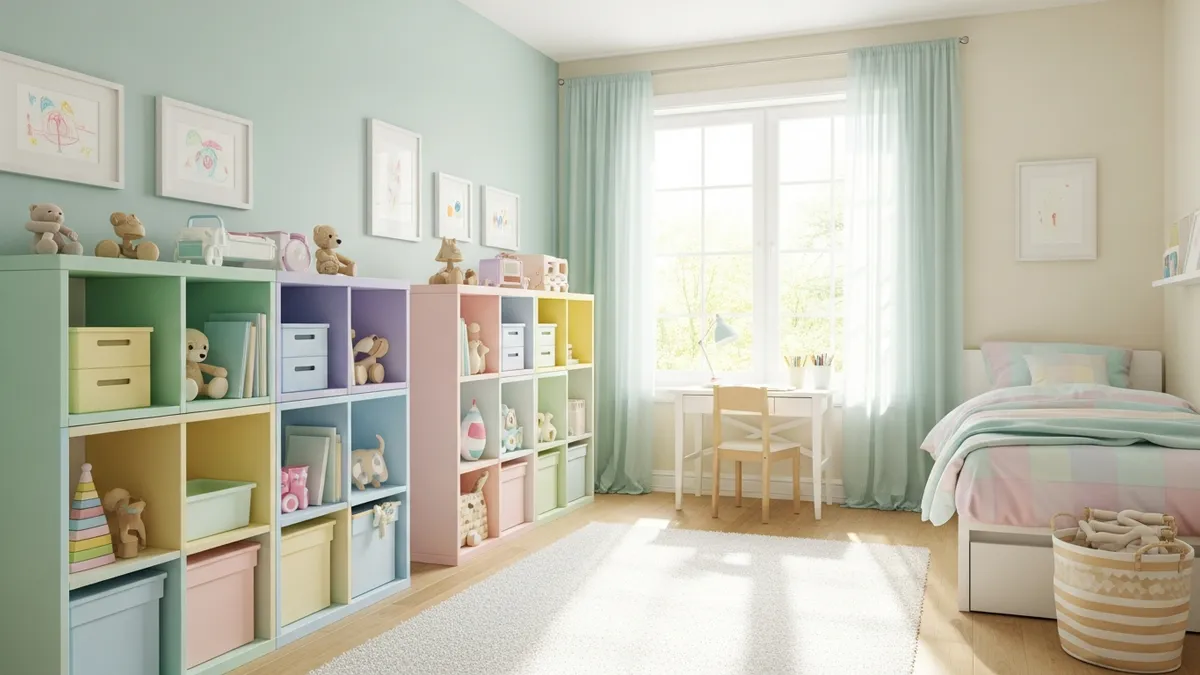
Why Kids Room Organization Ideas Matter More Than You Think
A well-organized kids room does more than just look neat. According to Houzz, a tidy and structured environment helps children feel calmer, find their belongings independently, and develop lifelong organizational habits. When a child can easily access and put away their own things, they are far more likely to take ownership of keeping the space clean. The key is designing a system that works *with* a child's natural behavior rather than against it.
Beyond behavior, clutter is also a safety concern. Toys on the floor create trip hazards, and disorganized shelves can lead to items tumbling down. Smart organization removes those risks while making the room a more enjoyable place to learn and play.
Start with a Declutter: The Foundation of Every Organization Plan
Before you buy a single storage bin or shelf, the very first step in any successful kids room organization project is decluttering. Sit down with your child and go through every toy, book, and item of clothing. Sort everything into four piles: keep, donate, trash, and store elsewhere.
How to Make Decluttering Fun for Kids
- Turn it into a game by setting a timer and challenging your child to fill one donation bag before the buzzer goes off.
- Let kids have a say in what stays and what goes. Children are more cooperative when they feel respected.
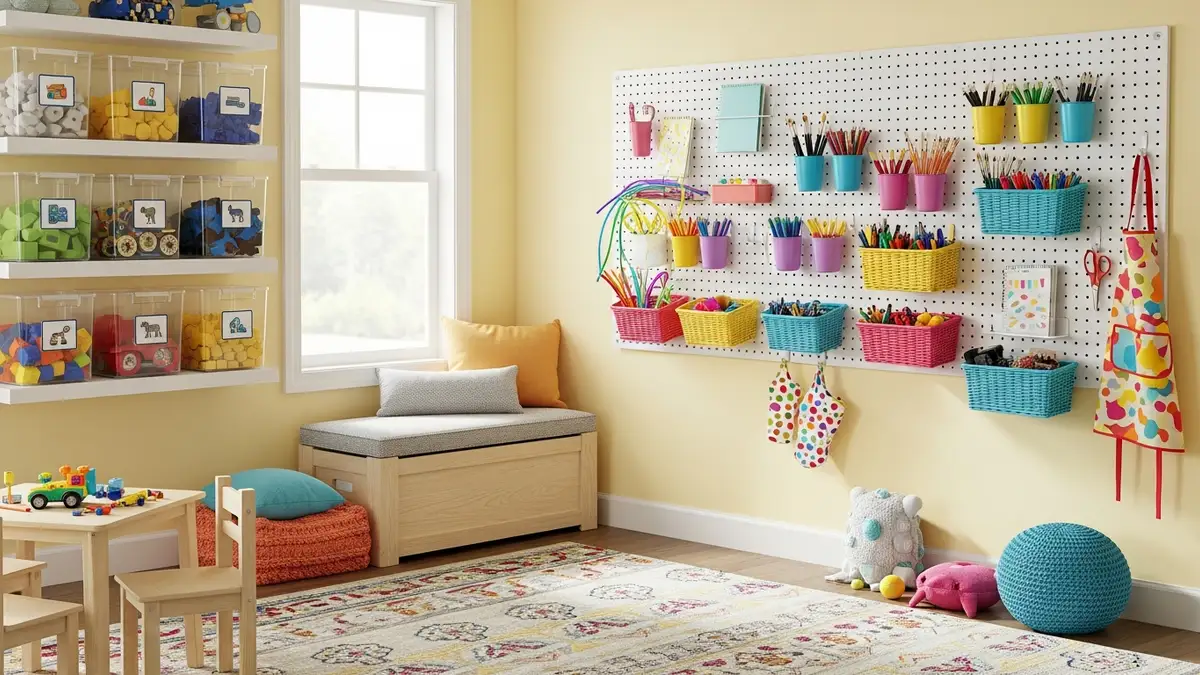
- Use picture-based labels on bins so even pre-readers know exactly where things belong.
- Do a seasonal declutter every three to four months so the room never gets completely out of control again.
- Donate gently used toys and books to a local shelter or library to teach generosity.
Pro tip: The fewer items in the room, the easier it is to keep organized. Aim to keep only the toys and books your child actually uses and loves.
30+ Kids Room Organization Ideas by Category
Let's break down the best kids room organization ideas by category so you can tackle one area at a time without feeling overwhelmed.
1. Toy Storage Ideas
Toy storage is often the biggest challenge in any kids room. The goal is to make it easy for your child to grab a toy and put it back without needing your help.
Open bins and baskets are the number one recommended solution for young children. When a toy has a designated bin, kids can toss it in without needing to stack or sort. Look for low, accessible bins that sit on the floor or on low shelves so your child does not need to climb.
- Clear plastic bins let kids see exactly what is inside without dumping everything out.
- Fabric cube bins that slide into cube shelving units are a classic and affordable choice.
- Rolling carts with multiple drawers are great for art supplies, building blocks, or small toy sets.
- Toy chests with safety hinges provide a large catch-all space, but work best as a secondary storage option rather than the primary one.
- Hanging toy hammocks in a corner are perfect for stuffed animals and save valuable floor and shelf space.
- Over-the-door organizers with clear pockets work beautifully for small toys, action figures, and art supplies.
For bigger toy collections, consider a cube shelving unit from Sesoris paired with a mix of open and lidded fabric bins. This combination gives you flexibility to store everything from bulky board games to tiny LEGO sets.
2. Book Storage Ideas
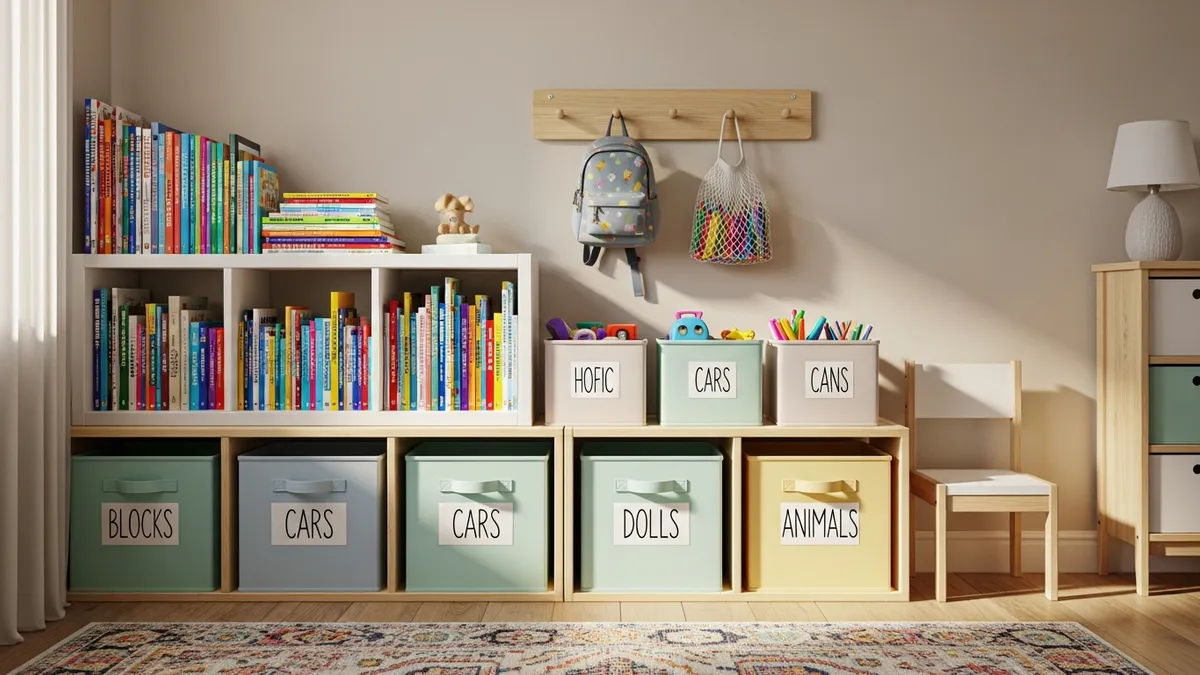
Children's books come in all shapes and sizes, from chunky board books to oversized picture books to chapter books. A standard shelf works, but forward-facing book displays are a game changer for younger kids because they can see the covers and pick what they want independently.
- Wall-mounted picture book rails display books face-out and look beautiful without taking up floor space.
- A small bookshelf at child height lets kids browse and return books on their own.
- A rotating book spinner is a fun, space-efficient option for rooms with limited wall space.
- Repurposed magazine holders on a shelf are perfect for organizing thinner paperback books upright.
Check out our roundup of 30+ Best Book Storage Ideas to Organize Your Home Library in 2026 for even more inspiration.
3. Clothing and Closet Organization
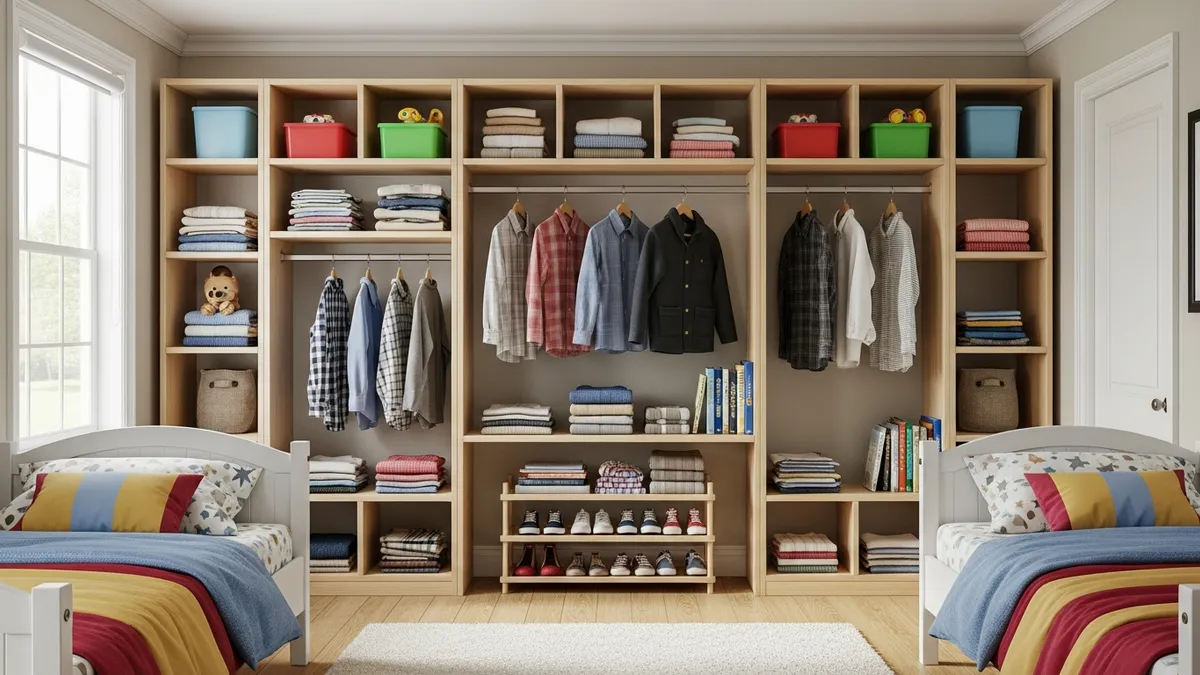
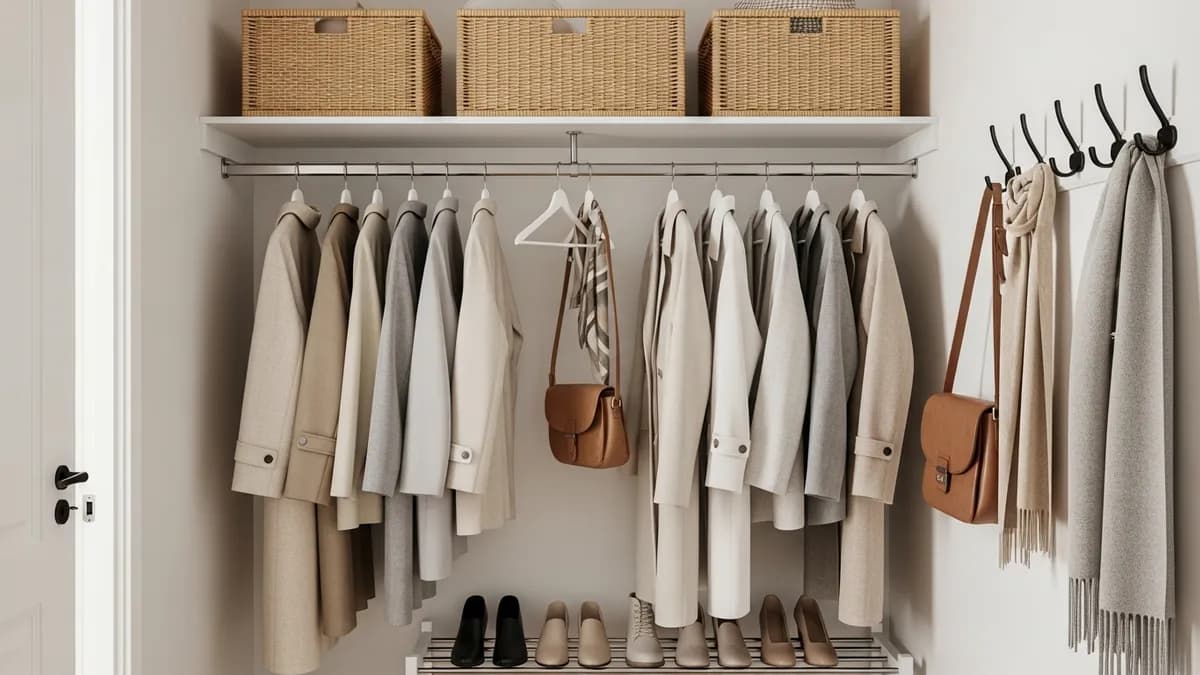
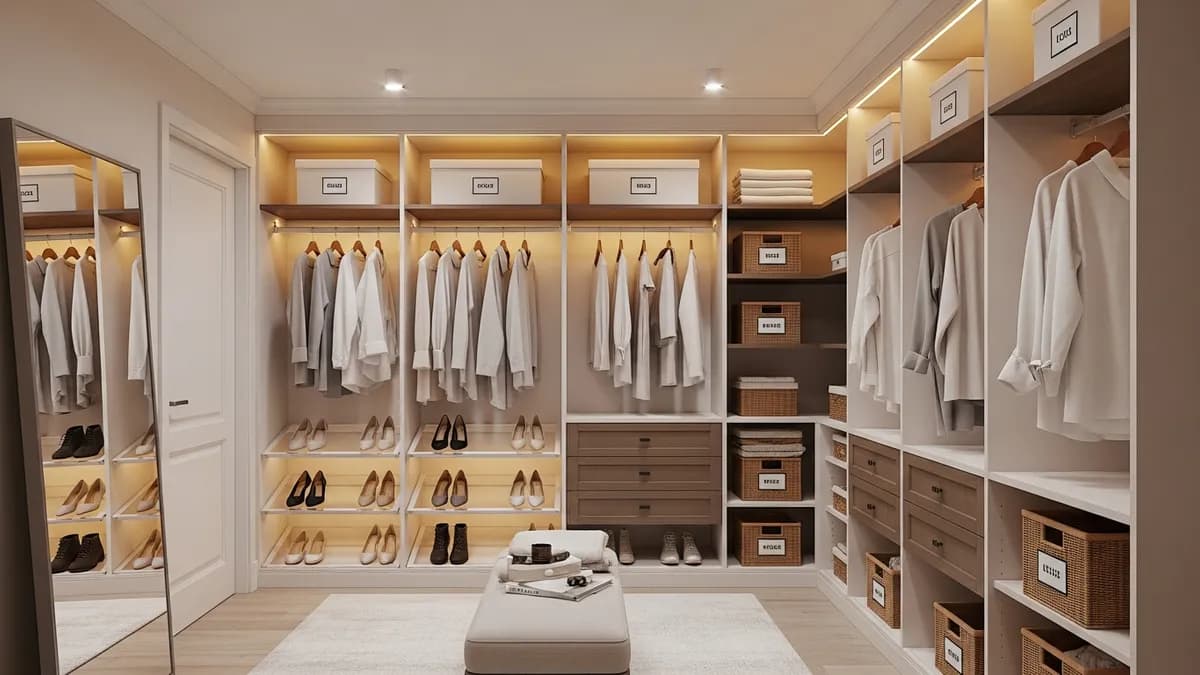
Kids grow fast, which means their clothing storage needs to be flexible and easy to adapt. The most effective kids room closet organization systems use a combination of hanging space, cubbies, and drawer-style storage.
- Lower the hanging rod to a height your child can actually reach, typically around 36 to 48 inches from the floor for younger kids.
- Divide clothing by category using labeled shelf dividers or color-coded hangers.
- Use slim velvet hangers to maximize hanging space and prevent clothes from slipping.
- Cubby-style organizers are perfect for folded items like jeans, sweaters, and pajamas.
- A small shoe rack at the bottom of the closet keeps footwear tidy and accessible.
- Over-the-door shoe pockets can double as storage for accessories, socks, and small items.
For a deeper dive into closet systems, explore our guide on 30+ Best Bedroom Closet Organization Ideas to Transform Your Wardrobe Space in 2026.
4. Under-Bed Storage Ideas
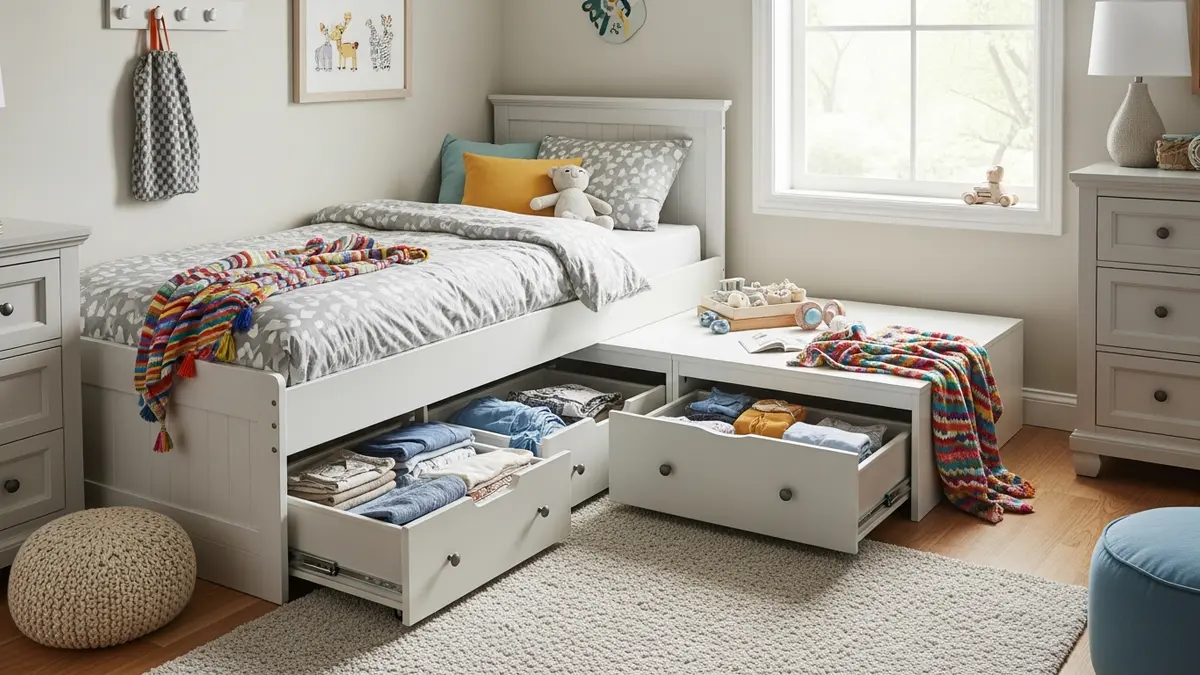
The space under a child's bed is some of the most underutilized real estate in the entire room. In 2026, under-bed storage is smarter than ever with low-profile rolling drawers, flat bins with lids, and even bed frames with built-in drawers.
- Rolling drawers on wheels are the easiest to access and great for extra clothing, seasonal items, or out-of-rotation toys.
- Flat lidded bins work well for storing puzzles, art supplies, or collections that are used less frequently.
- Vacuum storage bags can compress bulky items like extra blankets and stuffed animals to a fraction of their original size.
- Bed risers can create extra clearance under a standard bed frame if you need more vertical space for taller bins.
5. Art and Craft Supply Organization
Creative kids need creative storage. Art supplies have a tendency to spread everywhere, so containment is key.
- A pegboard mounted on the wall is one of the most versatile art supply organizers you can install. Add hooks, small baskets, and ledges to hold everything from scissors to paint tubes.
- Rolling art carts let kids wheel their supplies to wherever they are working and roll them back when done.
- Clear stackable drawers with labeled fronts make it easy to find crayons, markers, glue, and tape at a glance.
- Rotating desktop organizers keep frequently used supplies within arm's reach of a desk or craft table.
You can find a great selection of storage organizers and bins at Sesoris that work perfectly for art supply containment.
Smart Kids Room Organization Ideas for Small Spaces
Not every family has the luxury of a spacious kids room. If you are working with a compact space, vertical storage and multi-functional furniture are your best friends.
Go Vertical
When floor space is limited, think about the walls. Floating shelves installed at varying heights give you storage space without eating into the footprint of the room. According to Houzz, wall-mounted storage is one of the top recommendations for maximizing small bedrooms.
- Install floating shelves above a desk for books and display items.
- Use a tall, narrow bookshelf instead of a wide, low one.
- Mount hooks at child height near the door for backpacks, jackets, and hats.
- Add a wall-mounted desk that folds flat when not in use to free up floor space.
Choose Multi-Functional Furniture
Every piece of furniture in a small kids room should earn its place by doing at least two jobs.
- A bed with built-in drawers underneath eliminates the need for a separate dresser.
- An ottoman with hidden storage inside doubles as seating and a toy chest.
- A desk with shelving built in keeps school supplies organized without requiring extra shelf units.
- A window seat with a lift-up lid creates a cozy reading nook and hidden storage in one.
Use Every Inch of the Closet
Kids closets are often underutilized. A simple closet organizer system with double hanging rods, a cubby section, and a shelf above can triple your usable closet space. Browse our Home Organization Ideas for Small Spaces for more creative solutions.
Age-by-Age Kids Room Organization Ideas
The best organization system for a five-year-old looks very different from what works for a twelve-year-old. Here is a quick breakdown by age group.
Toddlers (Ages 1 to 3)
- Keep everything at floor level so your toddler can access and return items independently.
- Use large, open bins with picture labels since toddlers cannot read yet.
- Avoid small storage compartments that require fine motor skills to open.
- Rotate toys every few weeks to keep things fresh and reduce overwhelm.
Young Children (Ages 4 to 7)
- Introduce simple labeling systems using both pictures and words.
- Give each category of toy its own dedicated bin or basket.
- Add a small bookshelf at child height for independent reading.
- Involve your child in the organization process so they feel ownership.
Older Kids (Ages 8 to 12)
- Let kids help design their own organization system. They are more likely to maintain something they helped create.
- Introduce filing systems for schoolwork and important papers.
- Use drawer dividers for clothing to keep items separated and easy to find.
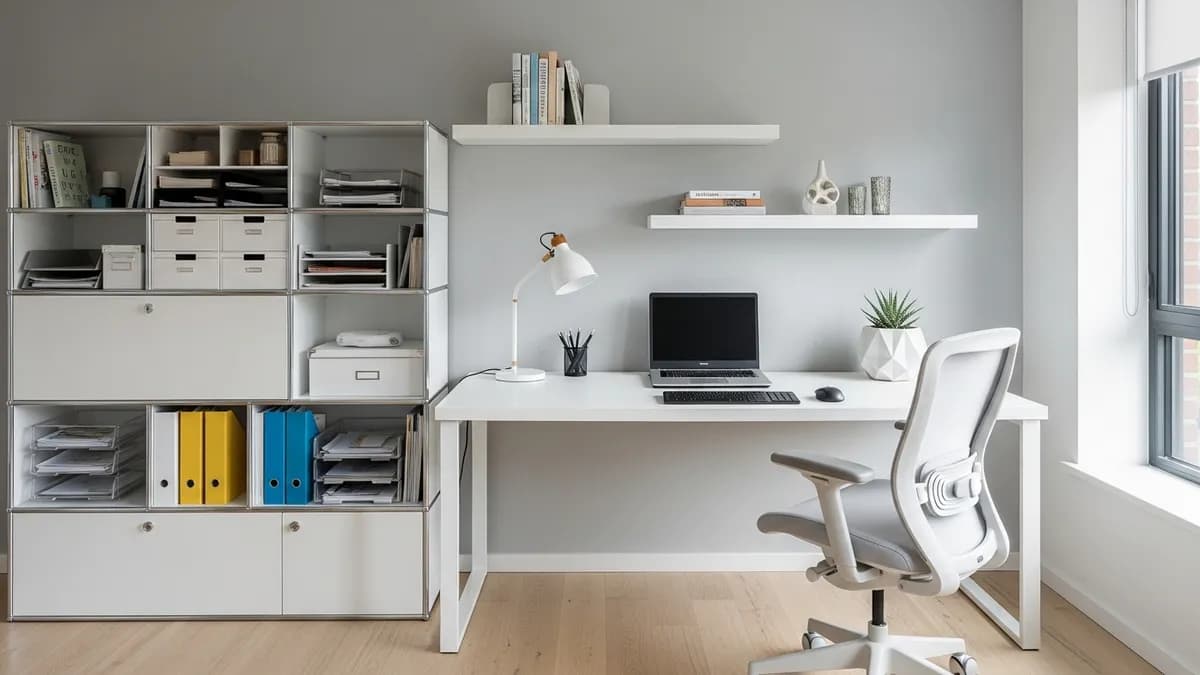
- Add a dedicated homework station with organized school supplies.
For inspiration on how children's organizational needs intersect with nursery setups, check out our Ultimate Nursery Organization Guide.
Labeling: The Secret Weapon of Every Organized Kids Room
Labeling is the single most effective way to maintain any organization system in a kids room over the long term. When every bin, shelf, and drawer has a clear label, kids know exactly where things belong and can clean up independently without asking for help.
Best Labeling Methods for Kids
- Picture labels are essential for children who cannot read yet. Print or draw simple images of what belongs in each bin.
- Word plus picture labels work well for children who are learning to read and help reinforce literacy skills.
- Chalkboard labels on bins are reusable and easy to update as your child's needs change.
- Color coding is a fast visual system. Assign a color to each category, such as blue for building toys, red for art supplies, and yellow for dress-up clothes.
You can find a range of labeling tools and organizational supplies in our Best Sellers collection at Sesoris.
Maintenance Tips to Keep a Kids Room Organized Long-Term
The hardest part of any organization project is not setting it up, it is keeping it going. Here are practical strategies to make tidying up a daily habit rather than a weekly battle.
- Establish a daily tidy-up routine. Five to ten minutes before bedtime is a manageable daily habit. Use a timer to make it feel like a fun challenge rather than a chore.
- Use the one-in-one-out rule. When a new toy or item comes into the room, one existing item goes out. This prevents gradual accumulation over time.
- Do a seasonal refresh. Every three months, go through the room together and reassess what is working and what needs updating.
- Keep the system simple. The more complicated your system is, the less likely a child is to maintain it. Fewer categories with larger bins is almost always better than many tiny compartments.
- Celebrate progress. Acknowledge when your child does a good job tidying up. Positive reinforcement goes a long way.
- Lead by example. Kids observe and mimic adult behavior. When they see organized spaces throughout the home, they are more likely to value organization in their own room.
For a whole-home approach, Houzz's organization tips offer practical ways to adapt storage for kids rooms and other clutter-prone areas.
Best Products for Kids Room Organization in 2026
Choosing the right products makes implementation so much easier. Here are the product categories that deliver the most value for kids room organization in 2026.
Must-Have Storage Products
- Fabric cube storage bins in fun colors or neutral tones that fit standard cube shelving units.
- Clear stackable drawers for small toys, art supplies, and accessories.
- Rolling storage carts with multiple tiers for art stations or homework areas.
- Under-bed rolling drawers with handles for easy access.
- Over-the-door organizers with clear pockets for shoes, small toys, or accessories.
- Hanging toy hammocks for stuffed animal storage in corners.
- Stackable storage boxes with lids for seasonal toy rotation and long-term storage.
Browse our full range of home organization products at Sesoris to find everything you need to bring these kids room organization ideas to life. We also have a curated selection of New Arrivals that includes some of the freshest storage solutions hitting the market in 2026.
Remember: The best storage product is the one your child will actually use. Prioritize accessibility, simplicity, and fun over aesthetics when choosing products for young children.
Related Products from Sesoris
If you want to turn this guide into a real setup, start with Foldable Storage Bins and Floating Wall Shelf Set. For broader options, browse the Home & Decor collection so the article journey does not stop at reading only.
Our practical rule: choose one product that solves the main clutter problem first, then add supporting organizers only when the daily workflow is already clear. This keeps the shopping path useful, not pushy.
FAQ: Frequently Asked Questions About Kids Room Organization Ideas
Q: What is the best way to organize a small kids room?
The best approach for a small kids room is to maximize vertical space with wall shelves and tall storage units, choose multi-functional furniture with built-in storage, and keep only the items your child actively uses in the room. Rotate toys seasonally to prevent overcrowding.
Q: How do I get my kids to keep their room organized?
Involve your child in designing the system, use clear labels with pictures, keep the system simple with large open bins, establish a consistent daily tidy-up routine, and offer positive reinforcement when they do a good job. The more ownership a child feels over their space, the more motivated they will be to maintain it.
Q: At what age can kids start organizing their own room?
Children as young as two or three can participate in basic cleanup when the system is designed for their level. With open bins at floor height and picture labels, toddlers can learn to return toys to their designated spots. By ages five to seven, most children can manage a simple organization system independently with minimal guidance.
Q: How often should I reorganize my child's room?
A light daily tidy-up routine combined with a thorough seasonal declutter every three to four months is the most sustainable approach. Major reorganizations may also be needed when a child moves from one age stage to the next and their needs and interests change significantly.
Q: What are the best storage solutions for kids room toys?
Open bins and baskets are the most child-friendly option because they require no fine motor skills to open and close. Clear bins allow kids to see contents at a glance. Cube shelving units with fabric bin inserts are a popular and versatile choice. Rolling carts work well for art supplies and frequently used items.
Conclusion: Create a Space Your Kids Will Love to Keep Tidy
Implementing the right kids room organization ideas does not have to mean spending a fortune or completing a total renovation. Start with a good declutter, choose storage solutions appropriate for your child's age, label everything clearly, and build a simple daily routine that keeps the chaos at bay. The payoff is a room that is safer, calmer, and genuinely enjoyable for your child to spend time in.
Whether you are tackling a tiny shared bedroom or a spacious playroom, the strategies in this guide give you a solid roadmap for 2026. And when you are ready to shop for the storage bins, shelf systems, and organizers that will bring your plan to life, head over to Sesoris and explore our full range of home organization essentials. We are here to help your whole family live more organized.
Weekly Home Tips
Get home organization ideas, product picks, and exclusive deals delivered weekly.
No spam. Unsubscribe anytime.
Explore More Articles
- How to Declutter Your House: The Complete 2026 Room-by-Room Guide
- 35+ Best Floating Shelf Ideas to Transform Every Room in Your Home in 2026
- Best Mudroom Storage Solutions: 30+ Smart Ideas to Transform Your Entryway in 2026
- 25+ Best Mail Organization Ideas to Tame Paper Clutter in 2026
- 20+ Best Outdoor Plant Shelf Ideas to Elevate Your Patio & Garden in 2026
- 25+ Best Purse Organization Ideas to Keep Your Handbag Tidy in 2026
- 25+ Best Kids Book Storage Ideas to Create a Tidy, Reading-Friendly Space in 2026
- 25+ Best Jewelry Organization Ideas to Keep Your Collection Tidy in 2026