
Tidy Minimalist Home Inspiration: 30+ Ideas to Create a Calm, Clutter-Free Space in 2026
Discover the best tidy minimalist home inspiration for 2026. Practical tips, room-by-room ideas, and smart storage picks for a calm, clutter-free life.
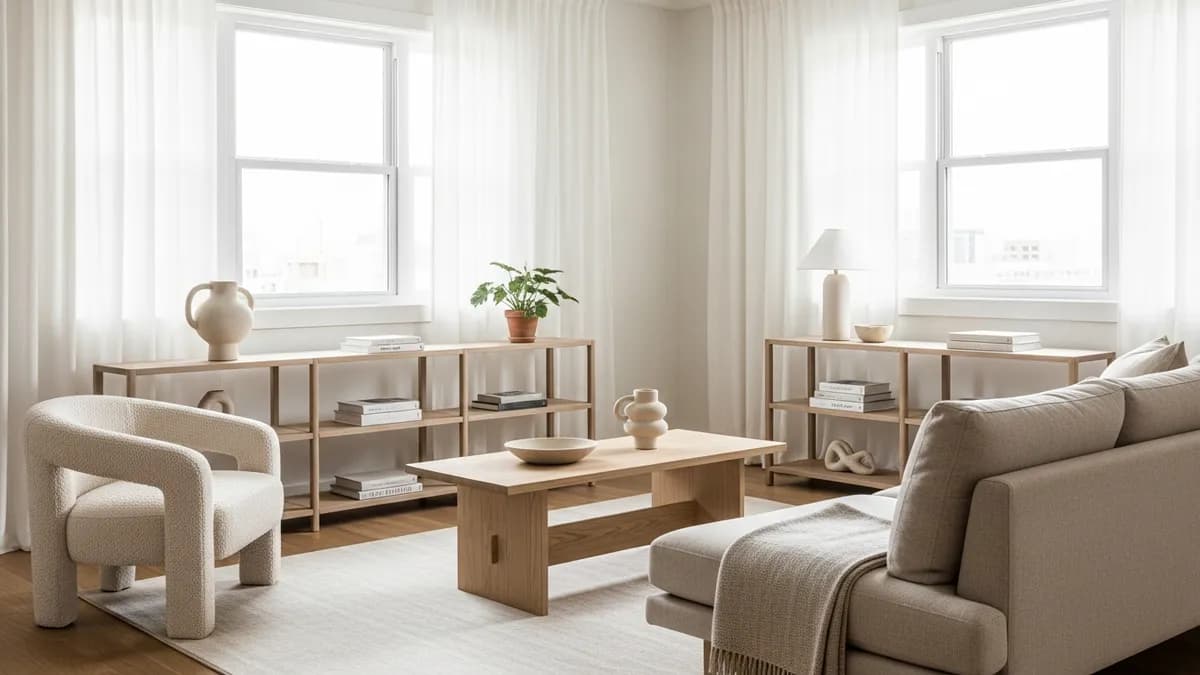
If you have been scrolling through design feeds lately looking for tidy minimalist home inspiration, you already know the feeling: that deep exhale of calm you get when you see a room with nothing out of place, every object intentional, every surface breathing. In 2026, the minimalist home movement has matured well beyond bare white rooms and empty countertops. Today it is about creating a space that genuinely supports your daily life, reduces decision fatigue, and makes cleaning feel almost effortless. Whether you live in a studio apartment or a four-bedroom house, this guide walks you through room-by-room strategies, product picks, and design principles to help you build the calm, clutter-free home you have been dreaming about.
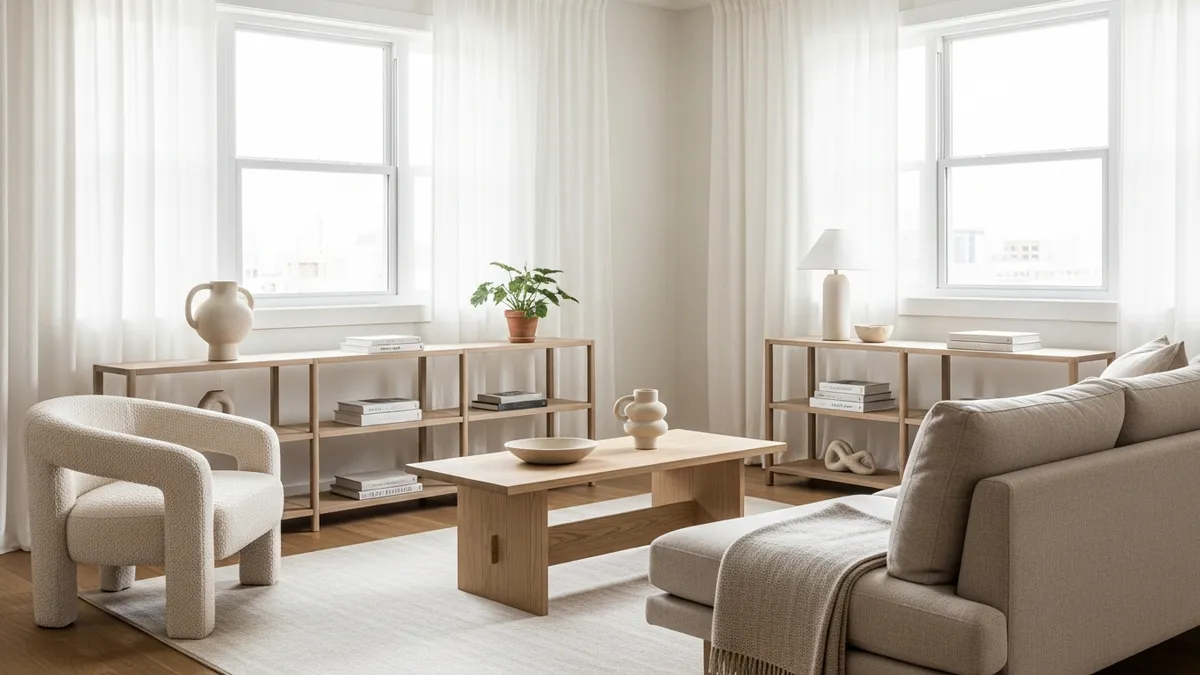
What Tidy Minimalist Home Inspiration Really Means in 2026
Minimalism is not about owning as little as possible. Architectural Digest's guide to minimalist interiors frames the style around simplicity, function, and avoiding excess. In practice, that means choosing what adds genuine value and giving everything a dedicated home. In 2026, that philosophy also includes smarter storage systems, multi-functional furniture, and a warmer color palette than the cold, sterile stereotype.
The core idea is simple: when every item has a place and every surface has breathing room, your home becomes easier to clean, easier to navigate, and genuinely more restful. Research from the Princeton Neuroscience Institute has shown that visual clutter competes for your attention and increases cognitive load, which means a tidy space is not just prettier, it is literally better for your brain.
True tidy minimalist home inspiration in 2026 blends three things together:
- Thoughtful editing of possessions so only the most used and loved items remain
- Smart storage that keeps everything organized and out of sight without sacrificing accessibility
- Warm, human design with natural textures, soft neutrals, and a few meaningful decorative pieces
Think of it less as a decorating style and more as a living system. Once that system is in place, maintaining a tidy home requires far less daily effort.
The Foundation: Decluttering Before You Organize
No amount of bins, baskets, or shelving units will give you a tidy minimalist home if you skip the most important first step: decluttering. Organization without decluttering just means you are neatly storing things you do not need.
Here is a simple, room-by-room decluttering framework that works for any home size:
The Four-Box Method
Grab four boxes or bags and label them: Keep, Donate, Trash, and Relocate. Work through one room at a time, picking up every item and making a quick decision. Do not overthink it. If you have not used something in the past year and it does not hold real sentimental value, it probably belongs in the donate box.
Category-by-Category Editing
If room-by-room feels overwhelming, try the category method popularized by organizing experts. Gather all items from a single category (clothing, books, kitchen gadgets) from every room in your house, and edit the entire collection at once. Seeing the full volume of what you own in one category is often the most motivating and clarifying experience you can have as you work toward a tidy minimalist home.
Practical Decluttering Checkpoints
- Ask yourself: does this item earn its floor space?
- Multiples of the same tool usually mean one is redundant
- Broken items that you keep meaning to fix rarely get fixed
- Sentimental items can be photographed and donated if the physical object creates clutter
- Seasonal items should live in dedicated, labeled storage, not scattered around the house
For a deeper dive into building a lasting decluttering habit, check out our home decluttering tips guide. It covers everything from where to start to how to maintain the momentum long after the first big purge.
Room-by-Room Tidy Minimalist Home Inspiration
Once the clutter is gone, you are ready to set up systems that keep each room tidy with minimal daily effort. Here is how to approach each major space in your home.
Entryway: Your Home's First Impression
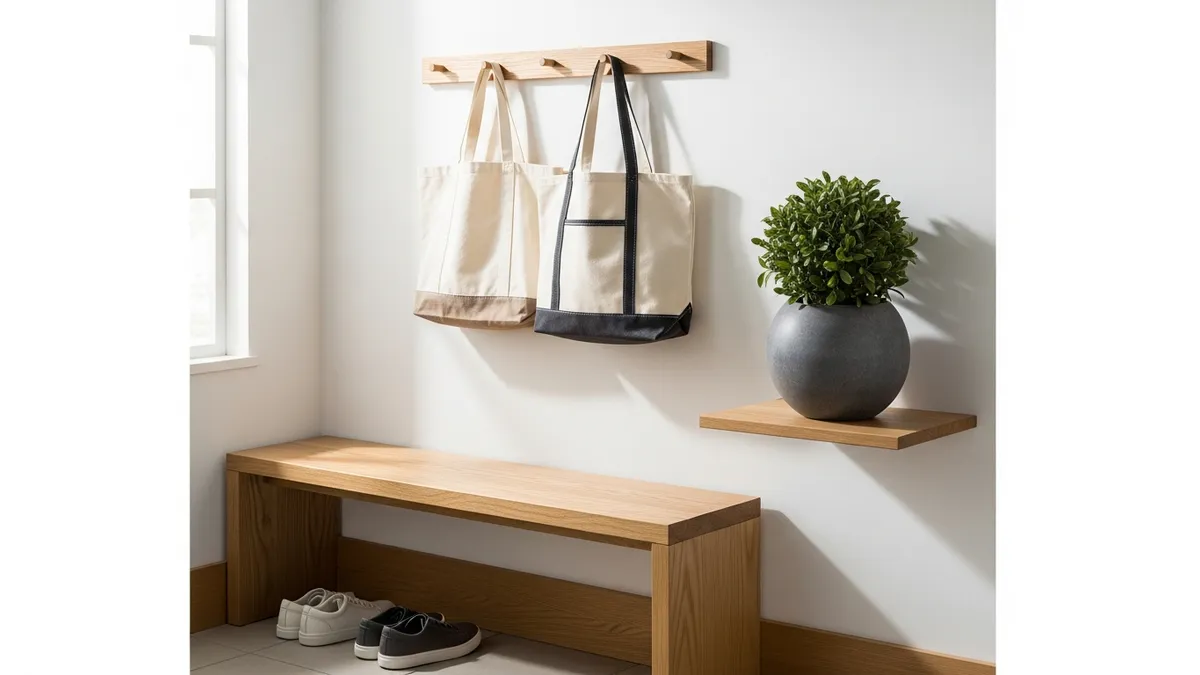
The entryway sets the tone for everything that follows. A messy entry signals chaos; a tidy one signals control. The minimalist approach here is to provide exactly enough storage for the items that genuinely live at the door, and nothing more.
Key pieces that deliver maximum impact in a minimalist entryway:
- A slim storage bench with a lift-top or under-seat compartment for shoes
- Three to five wall hooks at varying heights for bags, coats, and keys
- One small tray or dish on a shelf for everyday essentials like wallets and sunglasses
- A single potted plant to add life without adding clutter
For more ideas, explore our entryway organization guide with over 25 actionable tips.
Living Room: Calm and Curated
The living room is where minimalist home inspiration is most visible and most impactful. The goal is a space that feels welcoming and relaxed, not bare or museum-like.
Furniture choices: Opt for pieces with clean lines and built-in storage. A coffee table with a lower shelf or drawers, a media console with closed cabinet doors, and an ottoman with internal storage all pull double duty without adding visual noise.
The rule of three for surfaces: On any open surface like a coffee table or side table, limit displayed objects to three items maximum. A candle, a small plant, and one book create a curated vignette without clutter.
Blanket and pillow management: Keep only two throw pillows per seat and one blanket per person in the room. Store extras in a blanket storage solution in your living room like a lidded ottoman or a woven basket tucked beside the sofa.
Tech cords: Cable management strips and cord boxes are non-negotiable in a minimalist living room. A tangle of cords behind a TV stand completely undermines an otherwise tidy aesthetic. See our cable management guide for practical solutions.
Kitchen: The Heart of Minimalist Living
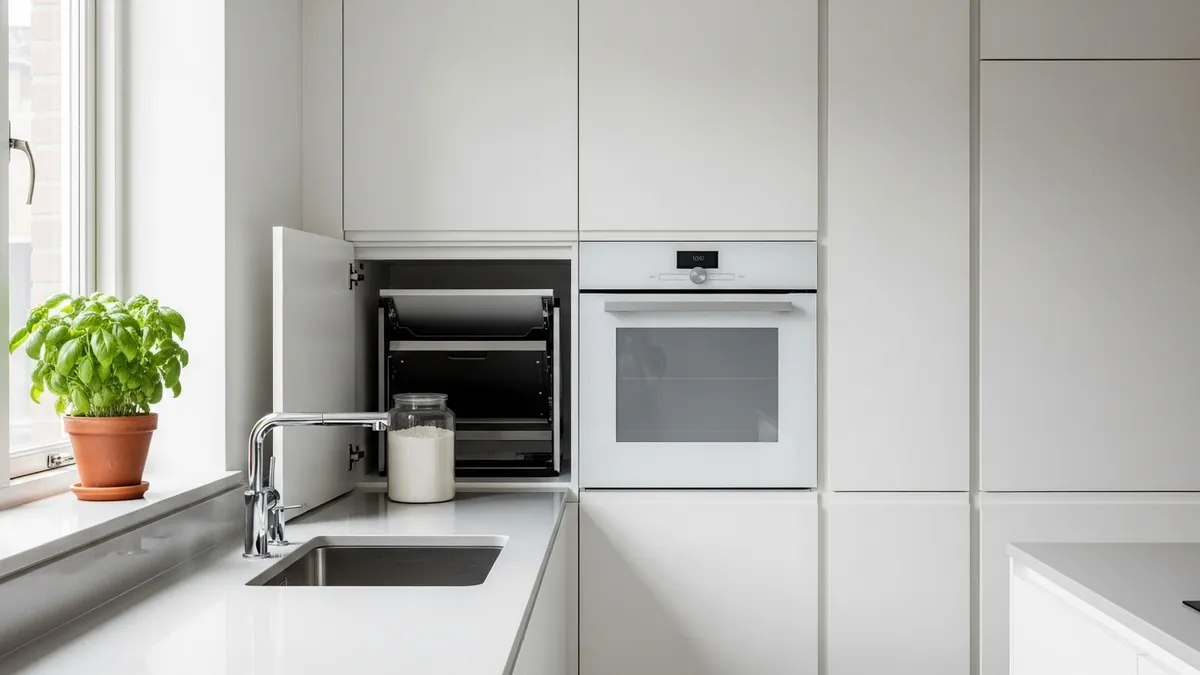
The kitchen is often the hardest room to keep tidy because it is the most actively used space in most homes. Minimalist kitchen organization is less about owning fewer appliances and more about intentional systems that make tidying fast.
A minimalist kitchen is not an empty kitchen. It is a kitchen where every item earns its place on the counter and everything else has a dedicated home behind closed doors.
Countertop rule: Only items used daily earn permanent counter space. For most households, that means a coffee maker, a knife block, and perhaps a single canister set. Everything else lives in a cabinet.
Pantry organization: Use uniform, labeled airtight food storage containers to decant dry goods from their original packaging. This creates visual calm in your pantry, keeps food fresher longer, and makes it easy to see at a glance what you are running low on.
Cabinet and drawer systems: Drawer dividers, shelf risers, and pull-out organizers are the unsung heroes of a minimalist kitchen. They allow you to fit more into less space while keeping everything accessible and visible.
For specific kitchen organization ideas, our minimalist kitchen organization guide covers everything from spice storage to refrigerator systems.
Bedroom: The Ultimate Sanctuary
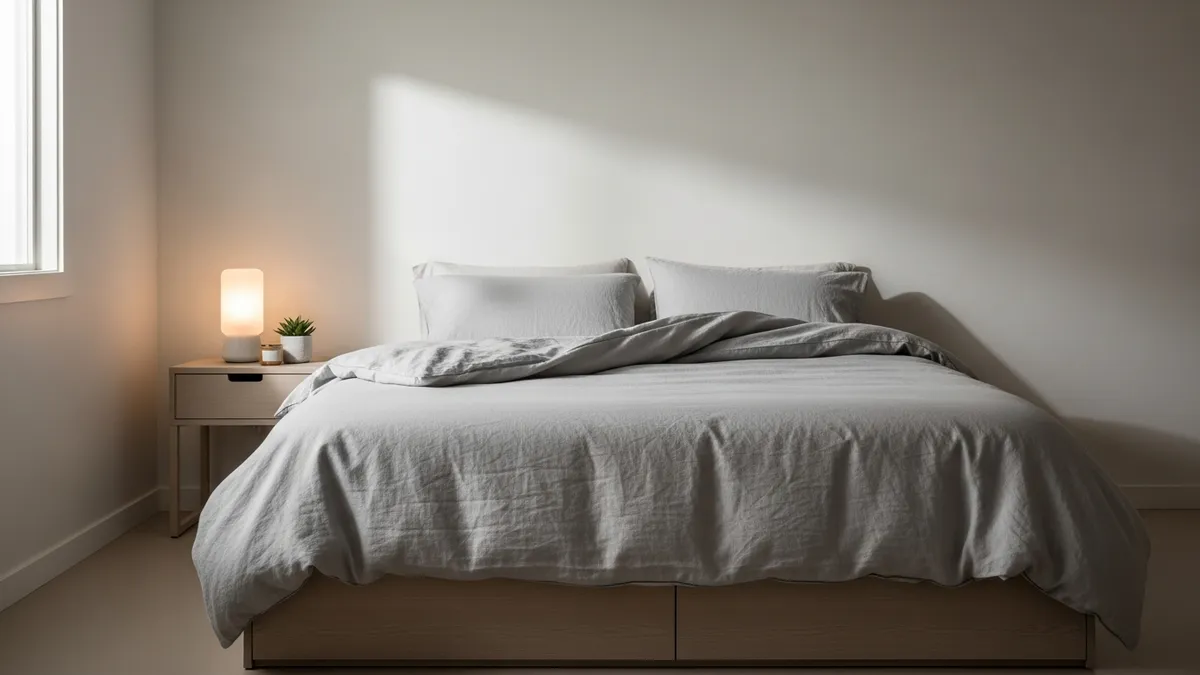
Your bedroom should be the most restful room in your home, and a tidy minimalist approach makes that almost automatic. When surfaces are clear and everything has a place, the bedroom naturally promotes better sleep and a calmer start to each morning.
The nightstand test: Your nightstand should hold only what you reach for in the last 30 minutes before sleep and the first 30 minutes after waking. That typically means a lamp, a glass of water, a book, and perhaps a small plant. Everything else is clutter.
Closet systems: A well-organized closet is the backbone of a tidy bedroom. When your closet is efficient, clothes never end up on chairs or floors. Our bedroom closet organization guide covers 30 actionable ideas for every closet size.
Under-bed storage: In a minimalist bedroom, under-bed space is prime real estate for seasonal items, extra bedding, or out-of-season clothing. Use flat, lidded bins in a consistent size and color to keep this area organized without creating visual chaos.
Color palette: Stick to two or three tones in the bedroom. Soft whites, warm creams, and muted naturals like sage or terracotta keep the space feeling calm. Too many colors or patterns fragment your visual attention even as you try to rest.
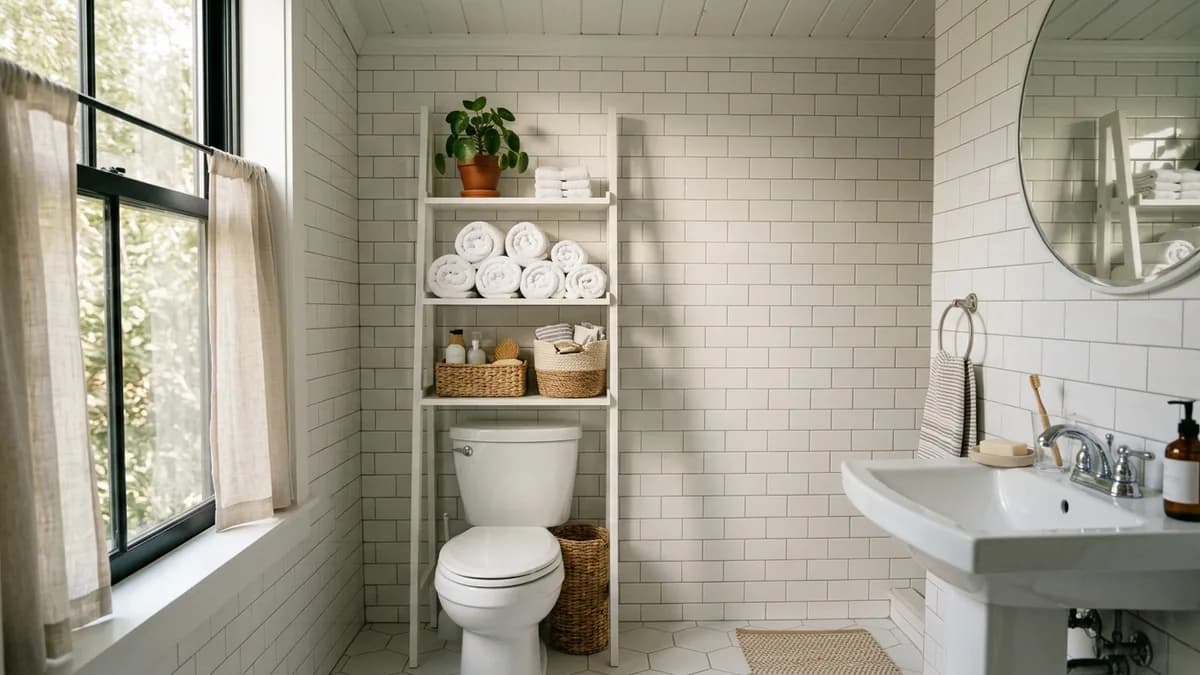
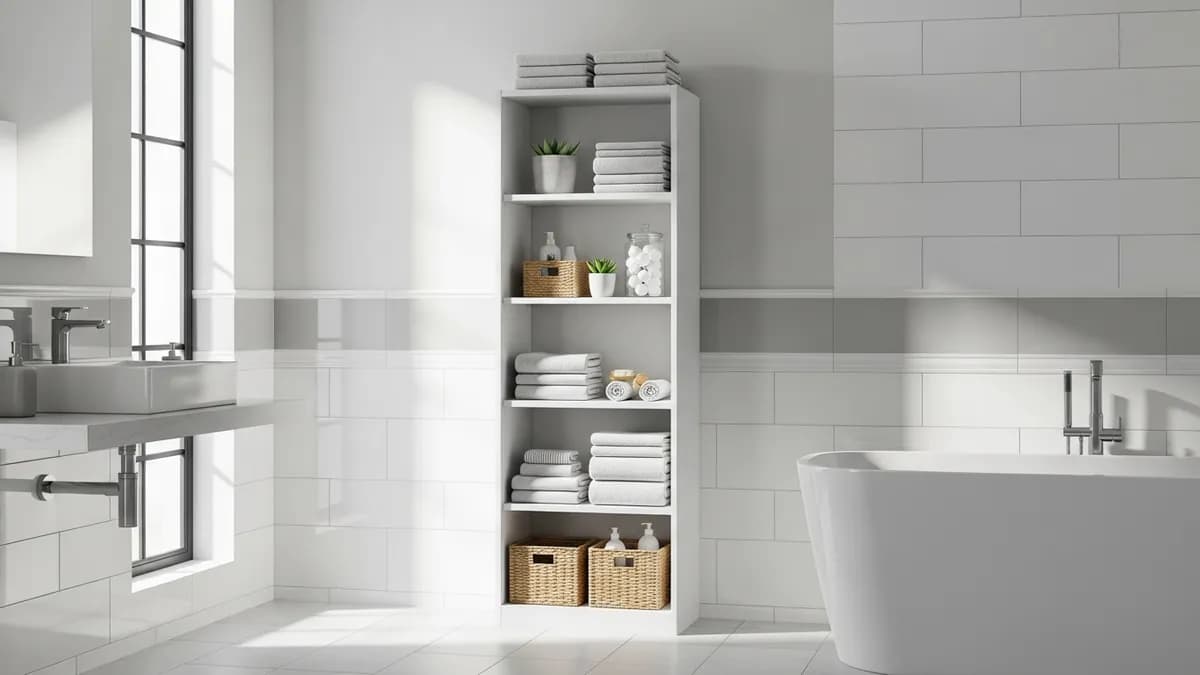
Bathroom: Small Space, Big Impact
Bathrooms accumulate clutter faster than almost any other room in the house, mostly because products come in visually chaotic packaging and we tend to keep far more than we actually use.
A minimalist bathroom edit means:
- Keeping only currently used products on the counter or in the shower
- Decanting soaps and lotions into matching dispensers for visual uniformity
- Storing backup products in a cabinet or under-sink organizer, not on display
- Auditing your medicine cabinet every three months and discarding expired items
For a full breakdown of bathroom storage systems, our smart bathroom storage solutions guide has 20 practical ideas for every bathroom size.
Smart Storage Products That Support a Minimalist Home
The right storage tools make maintaining a tidy minimalist home dramatically easier. The key is choosing products that are functional, visually consistent, and genuinely suited to your space. Here are the categories worth investing in:
Uniform Storage Containers and Bins
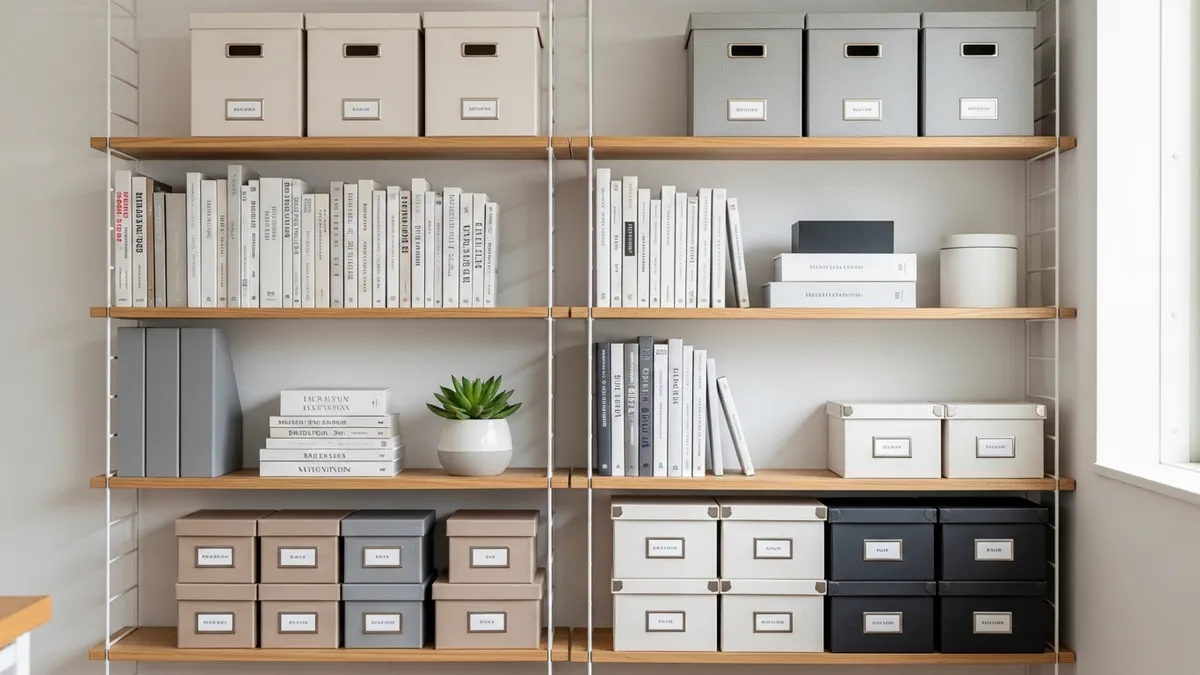
One of the fastest ways to transform the look of any storage space, whether a pantry, a closet shelf, or a bathroom cabinet, is to switch to uniform containers. Matching bins, baskets, or boxes in a single color family immediately create visual calm even when the space is fully packed.
Look for containers with lids to hide contents, labels to eliminate searching, and stackable designs to maximize vertical space. Browse Sesoris storage solutions for a curated selection of containers in consistent aesthetic families.
Shelf Risers and Drawer Dividers
These low-cost tools double your usable storage space without adding a single new piece of furniture. Shelf risers turn one shelf into two, and drawer dividers eliminate the chaotic jumble that makes drawers unusable.
Hooks and Wall-Mounted Systems
In a minimalist home, wall space is valuable real estate. Hooks, pegboards, and wall-mounted shelves keep frequently used items accessible without taking up floor or counter space. This works especially well in entryways, bathrooms, and kitchens.
Labels
A labeling system is the finishing touch that makes any organized space genuinely functional. When every bin and basket is clearly labeled, every member of your household knows exactly where things go, which makes it easy to maintain the tidy minimalist home you have worked hard to create. See our label organizer guide for ideas on building a labeling system that actually sticks.
Color, Texture, and Decor in a Tidy Minimalist Home
One of the biggest misconceptions about minimalist home inspiration is that it means cold and characterless. In reality, the best minimalist homes feel incredibly warm and personal. The secret is using texture and natural materials to add depth without adding clutter.
The neutral palette with one accent: Choose a base palette of two or three neutrals (white, cream, warm gray, or tan), then introduce one accent color in small doses through textiles like throw pillows, a rug, or a plant pot. This approach gives your home personality without visual noise.
Natural textures over multiple colors: Instead of introducing color variety, introduce texture variety. A linen throw, a jute rug, a ceramic vase, and a wood cutting board on a kitchen counter all add richness and warmth without competing visually. The Architectural Digest minimalist design guide similarly emphasizes natural materials, clean lines, and purposeful objects.
Art and decor with intention: Minimalist does not mean no art. It means choosing one or two pieces per room that genuinely matter to you and giving them proper visual space rather than crowding every wall. A single large-format print or photograph creates far more impact than a gallery wall of small, competing frames.
Plants as living decor: A single well-placed plant adds life, color, and warmth to any minimalist space. The key is choosing plants you can actually keep alive and keeping the pot simple: terracotta or matte ceramic in a neutral tone.
For more guidance on building a warm but tidy minimalist aesthetic, review the Architectural Digest minimalist design guide and adapt its principles to the storage you already own.
Maintaining a Tidy Minimalist Home: Daily and Weekly Habits
Achieving a tidy minimalist home is one thing. Keeping it that way is where most people struggle. The good news is that once your systems are in place and your belongings are edited down to what you truly use and love, maintenance becomes much less effortful.
The One-In, One-Out Rule
Every time something new enters your home, something old leaves. This single habit prevents the slow creep of clutter that undermines even the most beautifully organized spaces. It applies to everything: clothing, kitchen gadgets, books, and even decorative objects.
The Ten-Minute Evening Reset
Before bed each night, spend ten minutes walking through your main living spaces and returning everything to its designated place. This is not cleaning; it is simply resetting. When you wake up to a tidy home, the day starts with less stress and more calm.
Weekly Zones
Assign one area of your home to a slightly deeper tidy each week. Week one might be the kitchen pantry, week two the bathroom vanity, week three the entry closet. This rolling schedule means no single tidying session ever feels overwhelming, and every area of your home gets regular attention.
Seasonal Audits
Four times a year, do a brief audit of each major category in your home. Clothing at season changes, pantry items quarterly, and bathroom products every three months. These short check-ins prevent the buildup that requires a major decluttering event later.
For more organizational frameworks, explore the home organization tips and products at Sesoris, where you will find everything from storage bins to pantry containers designed specifically for the modern American household.
Related Products from Sesoris
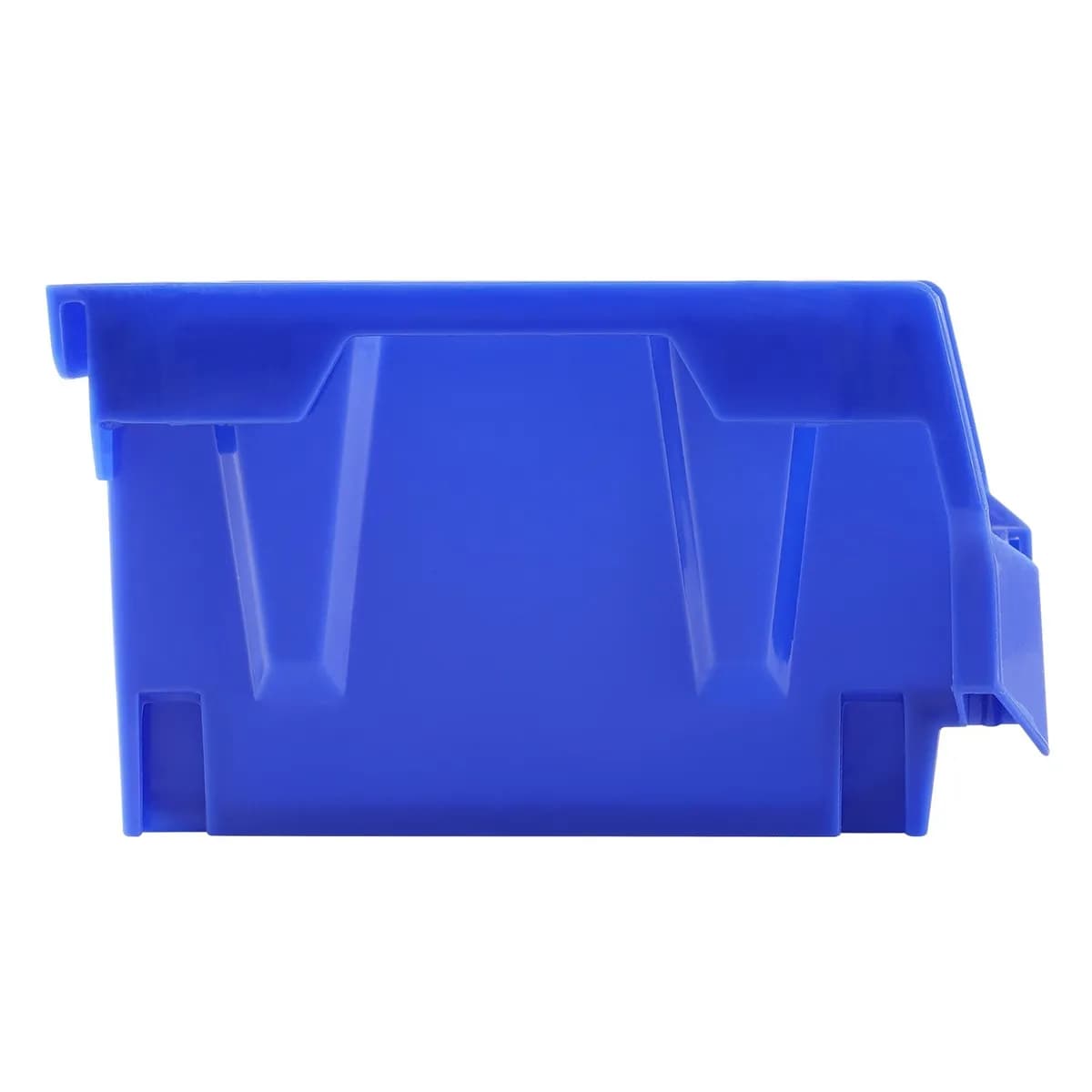
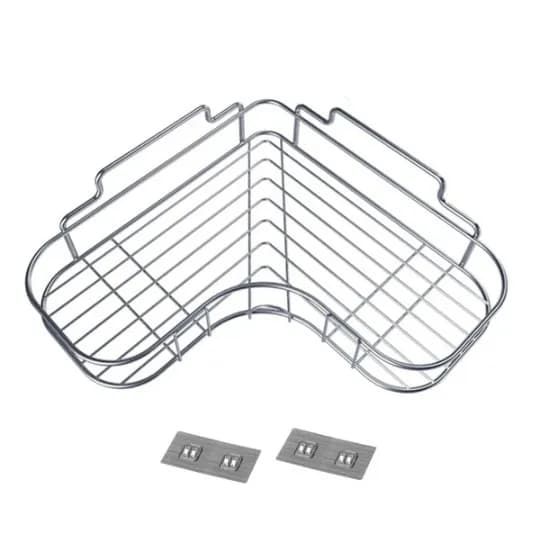
If you want to turn this guide into a real setup, start with Stackable Storage Bins, 24 Pack and Pull-Out Cabinet Organizer, 17 in. Wide. For broader options, browse the Home & Decor collection so the article journey does not stop at reading only.
Our practical rule: choose one product that solves the main clutter problem first, then add supporting organizers only when the daily workflow is already clear. This keeps the shopping path useful, not pushy.
FAQ: Tidy Minimalist Home Inspiration
Where do I start if my home feels completely overwhelming?
Start with one small, contained space that bothers you every single day, like a junk drawer, the bathroom counter, or the entryway. Getting one area fully organized gives you a concrete example of what is possible and the motivation to keep going. Do not try to tackle the whole house at once.
Do I have to get rid of everything I love to have a minimalist home?
Absolutely not. Minimalism is about intentionality, not deprivation. If something genuinely brings you joy or serves a real function in your daily life, it earns its place. The goal is to eliminate the items that are just taking up space without adding value, not to strip your home of personality.
What are the most impactful storage products for a minimalist home?
Uniform bins with lids, airtight pantry containers, drawer dividers, wall hooks, and a consistent labeling system deliver the biggest visual and functional impact per dollar spent. You can browse the Sesoris best sellers for top-rated options across all of these categories.
How do I keep a minimalist home tidy with kids?
The key with kids is making it physically easy to put things away. Low, accessible bins labeled with pictures as well as words, dedicated toy zones, and a brief daily reset routine (make it a game, not a chore) go a long way. Our living room toy storage ideas covers 25 kid-friendly solutions that do not compromise your minimalist aesthetic.
Can I have a minimalist home on a tight budget?
Yes. Decluttering is completely free and is actually the most impactful thing you can do. After that, a few well-chosen organizational tools like drawer dividers, a simple hook rail, and some uniform storage bins can transform a space for well under US$50. Focus on function first and aesthetics second.
What is the difference between a clean home and a minimalist home?
A clean home is free of dirt and grime. A minimalist home is free of excess. You can have a clean but cluttered home, and you can have a minimalist but dusty one. The ideal is both: a tidy minimalist home that is also regularly cleaned. The good news is that a minimalist home is inherently easier to clean because there are fewer surfaces and objects to work around.
Conclusion: Your Tidy Minimalist Home Starts Today
Finding the right tidy minimalist home inspiration is the easy part. The real transformation happens when you take the first step, whether that is emptying one drawer, choosing a consistent storage system for your pantry, or finally clearing the entryway that has been bothering you for months. In 2026, building a minimalist home is not about following a rigid aesthetic rulebook. It is about creating a space that genuinely works for your life: calmer mornings, easier cleaning, and a home you are actually proud to come back to at the end of the day.
The tools, systems, and ideas in this guide are a starting point. The most important thing is to begin. Start with one room, build one habit, and let the calm compound from there. When you are ready to find the storage products that will support your minimalist journey, explore the full collection at Sesoris, your partner in living more organized. Check out our new arrivals for the latest home organization essentials designed for modern American households in 2026.
Liked this guide?
Get new organizing guides and the occasional new product by email. No spam, unsubscribe anytime.
Related articles

Explore more articles
- How to Declutter Your House: The Complete 2026 Room-by-Room Guide
- DIY Closet: Complete 2026 Guide to Building Your Dream Storage Space on a Budget
- 35+ Best Floating Shelf Ideas to Transform Every Room in Your Home in 2026
- 25+ Best Pantry Shelving Ideas to Transform Your Kitchen Storage in 2026
- Best Mudroom Storage Solutions: 30+ Smart Ideas to Transform Your Entryway in 2026
- 30+ Best Dresser Drawer Organization Ideas to Transform Your Bedroom in 2026
- Mail Organization Ideas for Paper Clutter
- Under-Bed Storage Ideas for Dorm Rooms