
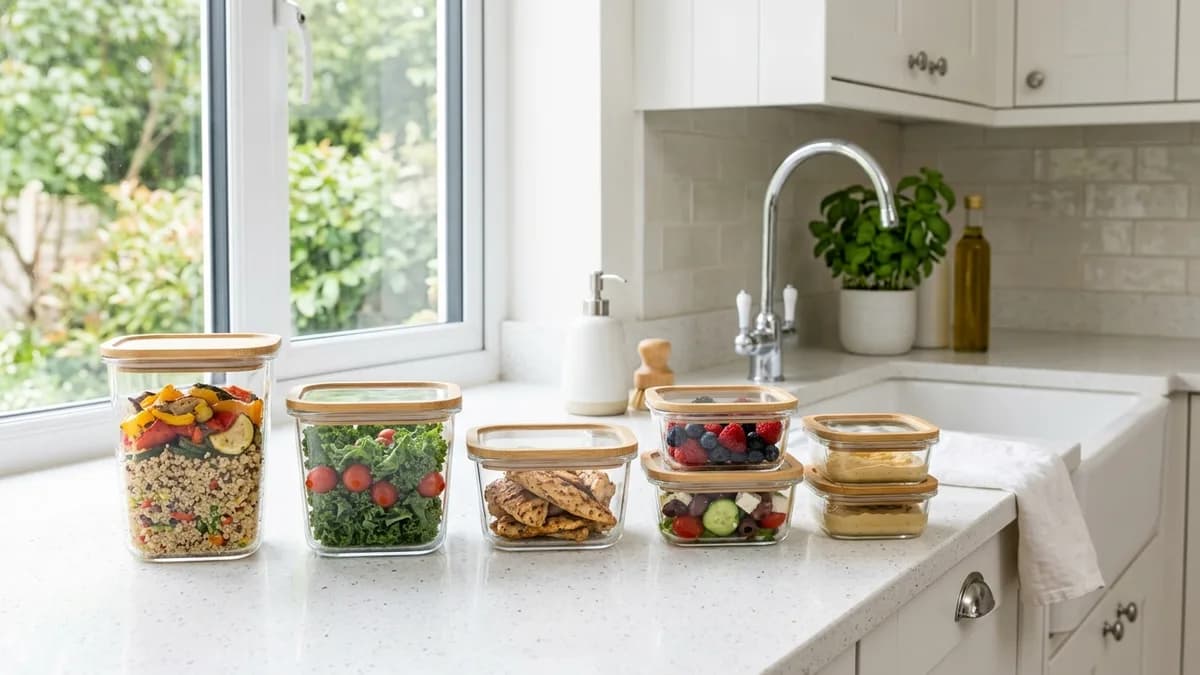
Glass Storage Food Containers with Lids: The Complete 2026 Review & Buying Guide
If you've been trying to level up your kitchen organization in 2026, switching to glass storage food containers with lids is one of the smartest moves you can make. I've tested, researched, and used dozens of options over the years, and the difference between a quality glass set and a mediocre one is enormous. Whether you're meal prepping every Sunday, packing weekday lunches, or just trying to stop losing your leftovers in the back of the fridge, the right glass storage food containers with lids can genuinely transform the way your kitchen works. In this complete review and buying guide, I'm breaking down everything you need to know before you buy.
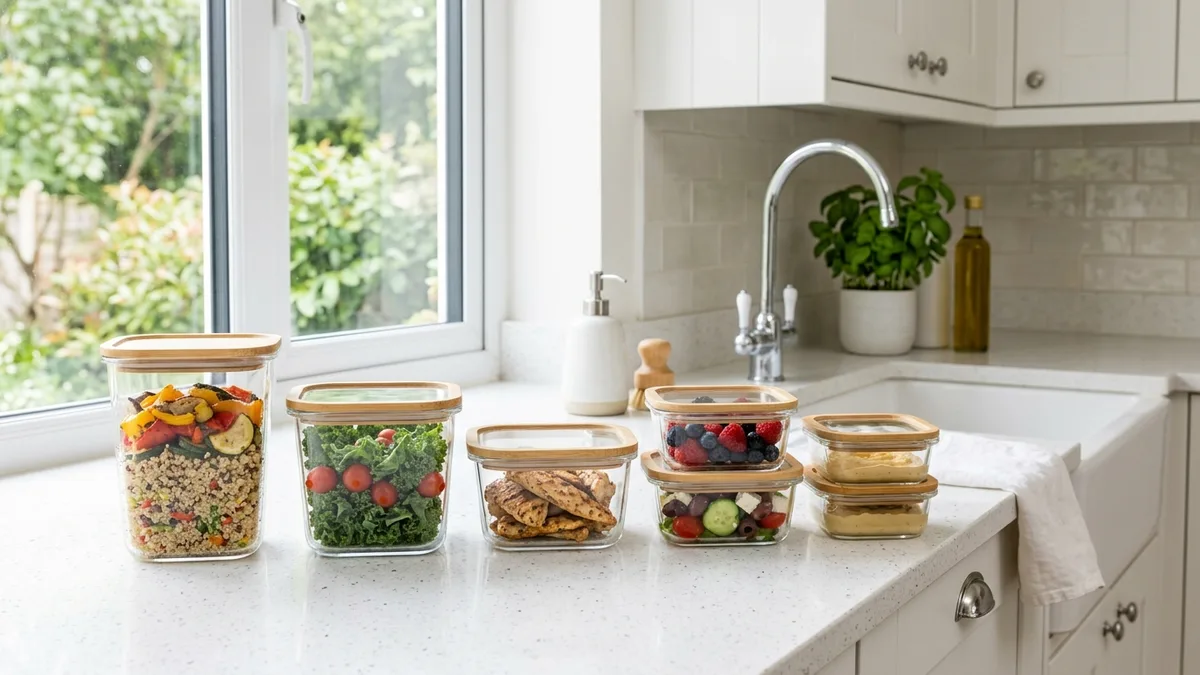
Why Glass Storage Food Containers with Lids Are Worth the Switch
A lot of people hesitate to move away from plastic because glass containers feel like a bigger investment upfront. I get it. But once you understand what you're getting in return, the value becomes very clear. Glass storage food containers with lids offer a combination of safety, durability, and versatility that plastic simply cannot match.
Here's what makes glass containers genuinely superior for everyday food storage:
- No chemical leaching - Quality glass containers are free from BPA and other plasticizers that can migrate into food, especially when heated. This is a major reason many American households have been making the switch.
- Odor and stain resistance - Glass doesn't absorb food odors or stains the way plastic does. Your tomato-based sauces and curries won't leave behind any permanent marks or smells.
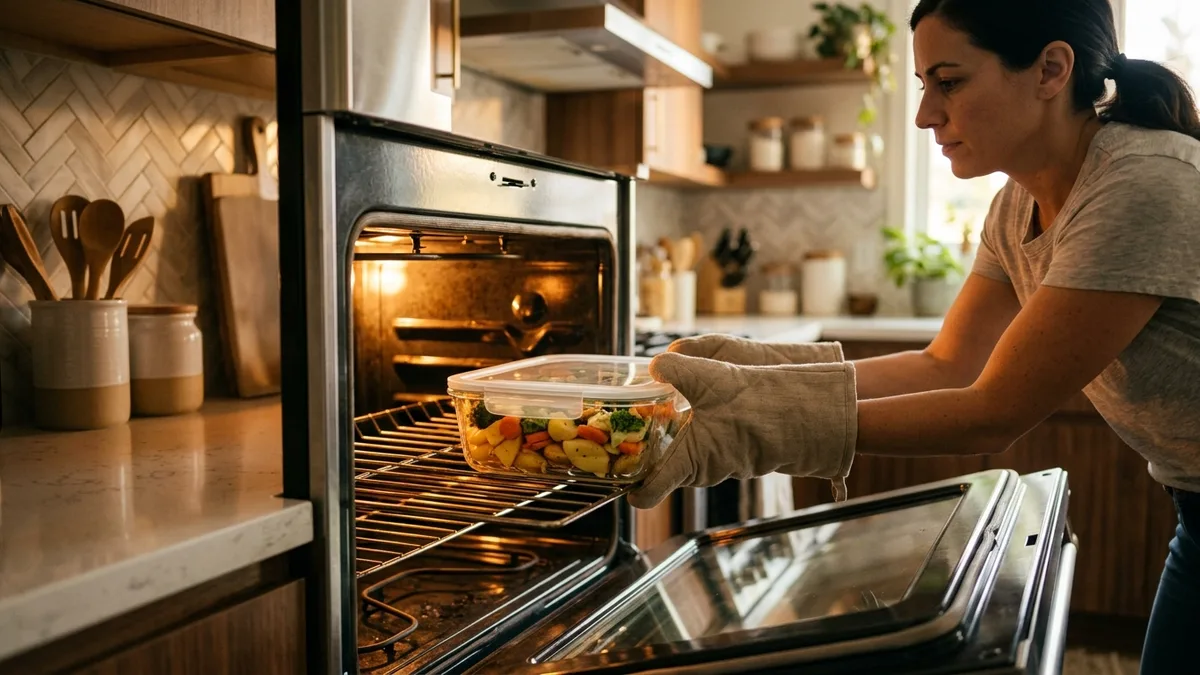
- Oven, microwave, and dishwasher safe - Most glass containers go straight from the fridge to the oven or microwave (without the lid), which cuts down on extra dishes and makes reheating effortless.
- Long lifespan - A quality set of glass containers can last for many years with proper care, making them a genuinely cost-effective choice over time.
- Transparent design - You can see exactly what's inside without opening the container, which helps reduce food waste by keeping contents visible.
According to The Spruce, glass food storage containers are increasingly recommended by home organization experts because of their multi-use functionality and longevity in the kitchen.
The Different Types of Glass Storage Food Containers with Lids
Not all glass storage food containers with lids are created equal. Understanding the different types will help you shop smarter and choose the right set for your household's specific needs.
By Glass Type
Borosilicate glass is the gold standard for food storage containers. It's engineered to withstand significant temperature changes, meaning you can take it straight from the freezer and put it in the oven without worrying about thermal shock. Borosilicate glass is also thinner and lighter than standard glass, which makes it easier to handle.
Soda-lime glass is the more traditional option. It's typically heavier and more affordable, but it's less resistant to rapid temperature changes. It's perfectly fine for fridge and microwave use, but you'll want to check the manufacturer's guidance before using it in the oven.
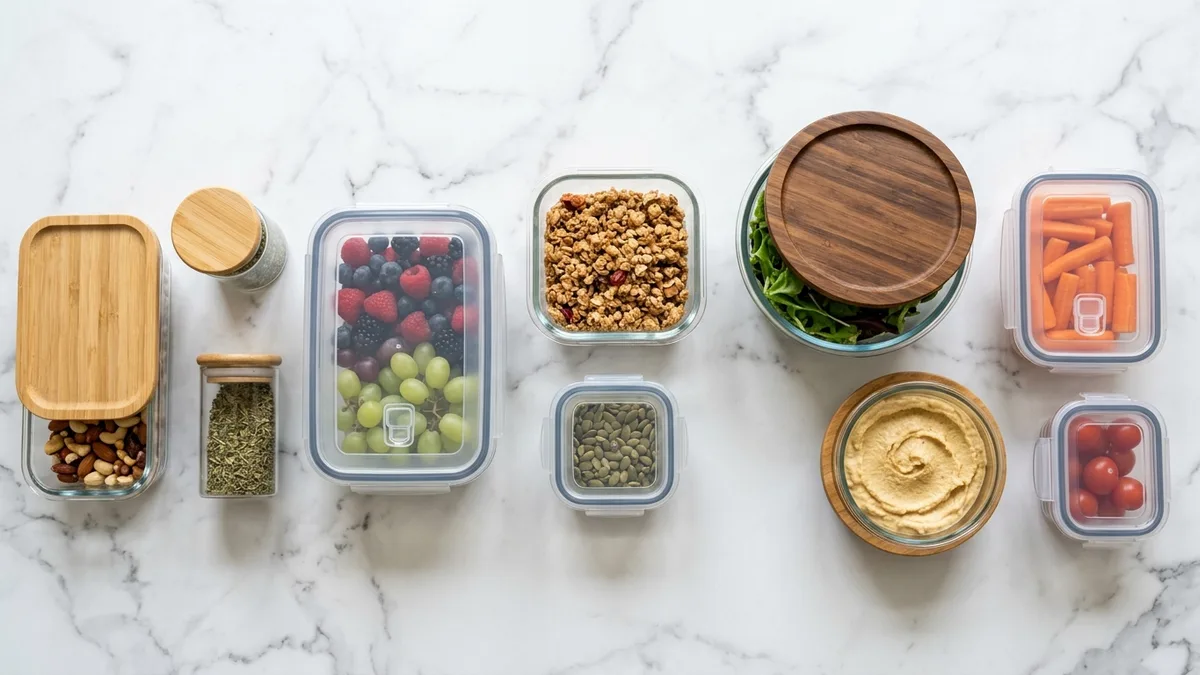
By Lid Type
The lid is just as important as the container itself. Here are the main lid options you'll encounter:
- Airtight snap-lock lids - These create a secure, leak-resistant seal that's ideal for soups, sauces, and anything liquid. Look for lids with silicone gaskets for the best seal.
- Bamboo or wood lids - These look beautiful and are eco-friendly, but they're generally not dishwasher safe and shouldn't be submerged in liquid. Great for dry goods and pantry storage.
- Glass lids - These match the container material and are oven-safe along with the base, but they add weight and don't create an airtight seal on their own.
- Plastic snap lids - Common, affordable, and typically BPA-free. They create a good seal and are easy to remove, but they're not oven-safe.
By Shape and Size
Rectangular containers are the most space-efficient for stacking in the fridge. Round containers are great for soups and single-serving portions. Square containers offer a nice middle ground. Most Americans find that a set including a range from about 0.5 quarts to 3 quarts covers the majority of storage needs.
What to Look for When Buying Glass Storage Food Containers with Lids
Shopping for glass storage food containers with lids can feel overwhelming given how many options are out there in 2026. I've narrowed down the key factors to evaluate so you don't waste money on a set that doesn't work for your household.
1. Glass Quality and Certification
Always check whether the glass is borosilicate or soda-lime, and look for containers that are certified food-safe. Quality containers will be clearly labeled with temperature ratings. For oven use, you generally want containers rated to at least 400 degrees Fahrenheit.
2. Lid Seal Quality
A loose or poorly designed lid defeats the purpose of airtight storage. Look for lids that have a silicone gasket or rubber ring running along the inside edge. This creates the seal that keeps air and moisture out, keeping your food fresher for longer. Good Housekeeping recommends testing lid seals before committing to a full set.
3. Stackability
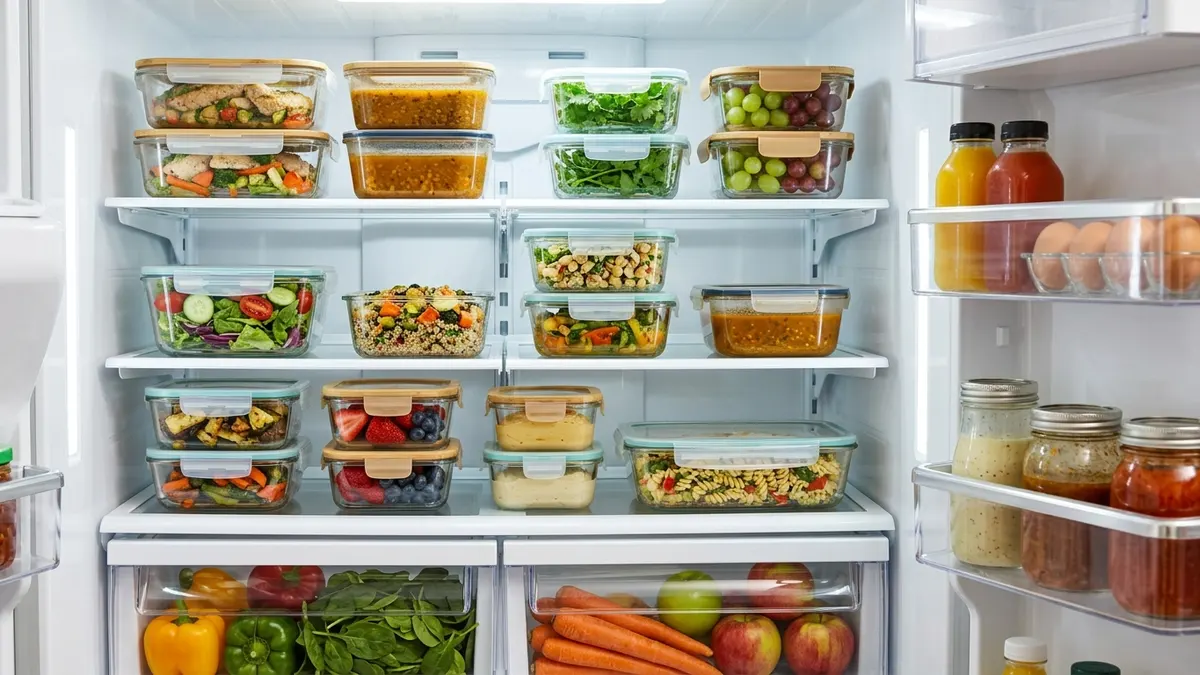
If fridge and cabinet space is limited in your home, stackability is non-negotiable. Rectangular containers with flat lids stack the most efficiently. Some sets are designed specifically to nest inside each other when empty, which saves a significant amount of cabinet space.
4. Weight and Handle-ability
Heavier glass containers can be cumbersome, especially in larger sizes. If you're buying a 3-quart or larger container, make sure it has a comfortable grip area or handles. Borosilicate glass options tend to be noticeably lighter than their soda-lime counterparts.
5. Dishwasher and Microwave Safety
Most glass bodies are dishwasher and microwave safe, but lids vary widely. Bamboo lids are hand-wash only. Plastic snap lids are often dishwasher safe on the top rack only. Always check the label before throwing lids in the dishwasher or microwave.
6. Set Size and Value
Consider how many containers you actually need. For a household of two to four people who meal preps weekly, a 10-piece set (which typically includes five containers and five lids in mixed sizes) is a practical starting point. Larger families or dedicated meal preppers may want an 18-piece or larger set.
Top Features That Separate Great Sets from Average Ones
After reviewing many sets of glass storage food containers with lids available in the US market in 2026, these are the features that consistently separate the best options from the rest:
- Silicone-lined snap-lock lids that create a genuinely leak-proof seal, not just a press-on fit
- Clearly marked size labels molded or etched into the glass base so you can identify containers quickly
- Oven-safe temperature ratings that are printed directly on the packaging, not buried in an app
- Freezer-safe designation with clear guidance on how to properly freeze without cracking
- Matching lid compatibility within the set so lids from one size can't be accidentally forced onto the wrong container
The best glass storage food containers with lids do three things well: they seal tightly, they stack neatly, and they transition smoothly from freezer to oven to table without drama.
How to Use Glass Storage Food Containers with Lids Effectively
Buying the right containers is only half the battle. How you use and maintain them determines how much value you actually get. Here are my top practical tips for getting the most out of your glass storage food containers with lids:
- Let hot food cool slightly before sealing - Sealing a container when food is still steaming hot traps condensation inside, which can make food soggy and break down textures faster. Give food about 10 to 15 minutes to cool before putting the lid on.
- Don't fill to the brim for freezer storage - Liquids expand when frozen. Leave about an inch of space at the top to prevent cracking or lids being pushed off.
- Label your containers - Even with clear glass, a quick piece of masking tape or a label with the date and contents makes rotation much easier. This is especially important when you're storing multiple meals at once.
- Use the right size for the job - Storing a small portion in a large container exposes more food surface area to air, which speeds up spoilage. Match your container size to your portion as closely as possible.
- Stack strategically in the fridge - Put the oldest food at the front and newer meals at the back. Since glass containers are clear, you can always see what's in each one without moving them.
- Keep lids organized - Lids are the most commonly lost part of any container set. Dedicate a drawer divider or a small bin specifically to storing lids upright so you can find the right match quickly. Check out our guide to food storage container lids for more organization tips.
Caring for Your Glass Storage Food Containers
Proper care extends the life of your containers significantly. Glass is durable, but it's not indestructible.
- Avoid sudden temperature extremes - Even borosilicate glass can crack if you place a frozen container directly on a hot burner. Always use the oven rather than the stovetop, and give frozen containers a few minutes to come to room temperature before placing in a hot oven.
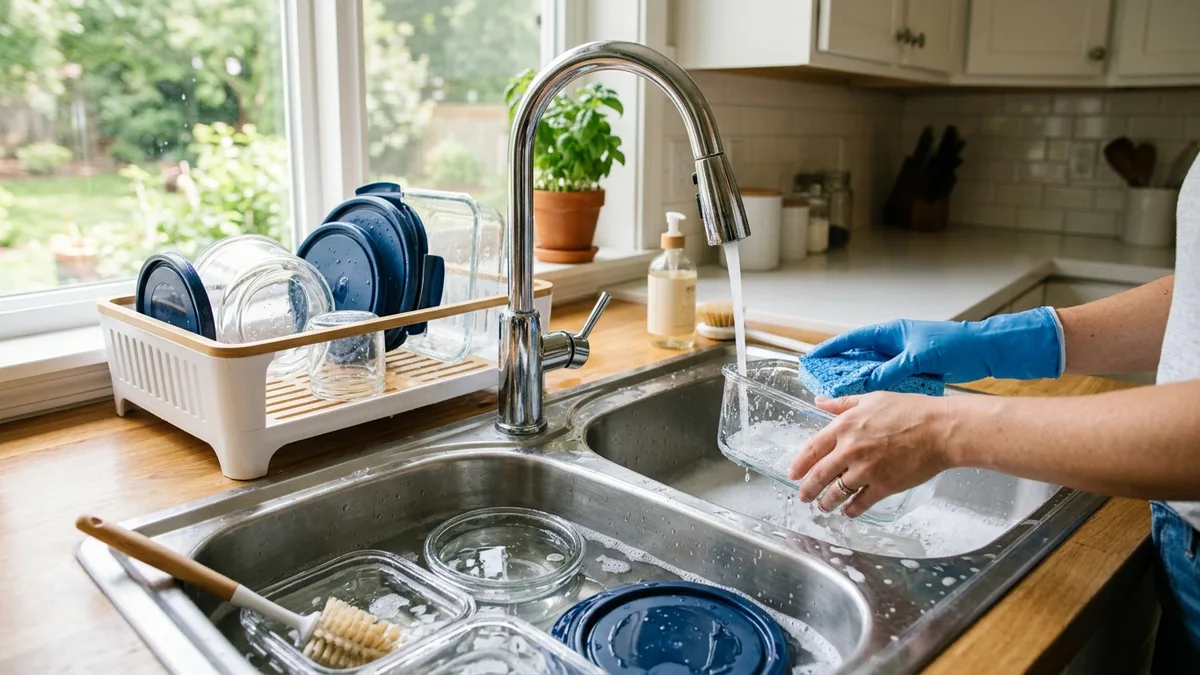
- Hand wash lids with moving parts - Snap-lock mechanisms and silicone gaskets can degrade faster in the dishwasher over time. A quick hand wash extends their life considerably.
- Inspect for chips and cracks regularly - A chipped glass container can harbor bacteria and may shatter unexpectedly. Replace any container that shows visible damage.
- Store with lids off or loosely placed - When containers are empty and stored in a cabinet, leaving the lid off or resting loosely on top prevents any musty odors from developing inside.
- Use a soft sponge - Abrasive scrubbers can scratch glass over time, which can create micro-surfaces where bacteria can accumulate. Stick to non-scratch sponges for daily cleaning.
According to Real Simple, one of the best practices for maintaining glass kitchen storage is to do a quarterly audit, checking for damage and replacing any pieces that show signs of wear.
You can also pair your glass containers with a well-organized pantry system for maximum kitchen efficiency. Our food storage containers for pantry guide has practical tips that work perfectly alongside glass container sets.
Glass vs. Plastic vs. Stainless Steel: Which Should You Choose?
When you're shopping for food storage in 2026, you have three primary material choices. Here's how they compare:
- Glass - Best for: oven reheating, avoiding chemical concerns, long-term use, and visible organization. Downside: heavier, breakable, higher upfront cost.
- Plastic - Best for: lightweight portability, kids' lunches, and budget-friendly options. Downside: can stain and absorb odors, not oven-safe, concerns about plastic additives even in BPA-free options.
- Stainless steel - Best for: outdoor use, lunchboxes, and freezer storage. Downside: not microwave-safe, not transparent, can dent.
For most American households focused on home cooking and organized meal prep, glass storage food containers with lids offer the best overall balance of safety, functionality, and longevity. If you want to explore more options across all materials, our best food storage solutions guide covers all the bases.
Related Products from Sesoris
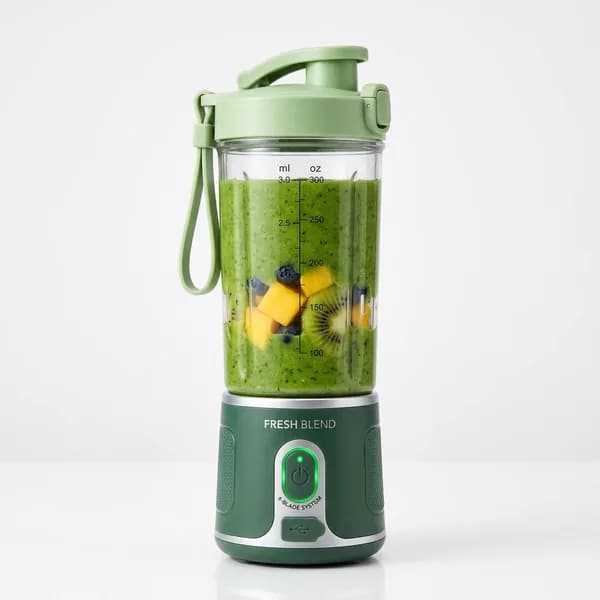
If you want to turn this guide into a real setup, start with Stainless Steel 2-Tier Dish Rack and Portable Blender. For broader options, browse the Kitchen & Dining collection so the article journey does not stop at reading only.
Our practical rule: choose one product that solves the main clutter problem first, then add supporting organizers only when the daily workflow is already clear. This keeps the shopping path useful, not pushy.
FAQ: Glass Storage Food Containers with Lids
Q: Are glass storage food containers with lids safe to use in the microwave?
The glass body of most containers is microwave-safe, but the lid should always be removed or vented before microwaving. Plastic and snap-lock lids can warp or melt if microwaved directly. Always check the manufacturer's guidance for both the container and the lid separately.
Q: Can I put glass food storage containers directly in the freezer?
Yes, most glass containers are freezer-safe, but there are two important rules. First, don't fill them completely to the top since liquids expand when frozen and can crack the glass or pop the lid. Second, never place a frozen glass container directly into a hot oven - let it thaw in the refrigerator first, or give it time to come closer to room temperature.
Q: How do I get rid of stubborn odors from glass containers?
Because glass is non-porous, odors are typically on the surface rather than absorbed into the material. Soaking the container in a mixture of white vinegar and warm water for 30 minutes usually removes even strong garlic or onion smells. For lids with silicone gaskets, remove the gasket and soak it separately.
Q: Are glass containers with bamboo lids airtight?
Generally, no. Bamboo lids are primarily aesthetic and work well for dry goods storage where an airtight seal isn't critical. If you need a true airtight seal for soups, sauces, or anything liquid, choose containers with silicone-gasketed snap-lock plastic lids instead.
Q: How many containers do I need for weekly meal prep?
For one to two people meal prepping five days of lunches and dinners, a 10-piece set with a mix of sizes ranging from about 1 quart to 2.5 quarts is typically sufficient. Families of four or more will likely need a larger set, or two sets, to cover a full week's worth of storage.
Q: What size glass containers are most useful?
A 1-quart container is the most versatile everyday size, perfect for single-serving meals, salads, and side dishes. A 2-quart container handles larger portions and family-style leftovers well. Having at least two of each size gives you the flexibility to handle most meal prep and storage situations.
Conclusion: Making the Most of Glass Storage Food Containers with Lids
After spending real time with many different sets, my honest take is this: glass storage food containers with lids are one of the best investments you can make for a healthier, more organized kitchen in 2026. They're safer than plastic, more durable over time, and genuinely more pleasant to use every single day. The key is choosing a set that matches your actual cooking habits, whether that means prioritizing airtight lids for soups and sauces, oven-safe borosilicate glass for one-dish cooking, or stackable rectangular shapes for an organized fridge.
Start with a core set of mixed sizes, build good habits around cooling food before sealing and labeling your containers, and you'll notice a real difference in how long your food stays fresh and how much smoother your weekly meal prep becomes.
Ready to build a more organized kitchen? Browse our full selection of kitchen and food storage essentials at Sesoris and check out our best sellers for top-rated picks to help you live more organized.
Weekly Home Tips
Get home organization ideas, product picks, and exclusive deals delivered weekly.
No spam. Unsubscribe anytime.
Explore More Articles
- Minimalist Kitchen Islands: Modern Design Solutions for Small Homes
- Multi-Purpose Spice Racks: Ultimate Guide to Versatile Kitchen Storage Solutions in 2026
- 35+ DIY Closet Organization Ideas That Transform Your Storage Space in 2026
- Stove Rack Storage: Organize Your Cooking Area for Maximum Efficiency
- Best Organizer Travel Bags: Ultimate Guide to Smart Packing in 2026
- 25+ IKEA Closet Organization Ideas to Transform Your Wardrobe Storage in 2026
- Wooden Dish Racks: Natural Aesthetic Beauty for Your Kitchen
- Mini Bar for Small Kitchens: 15 Creative Ideas to Maximize Space