
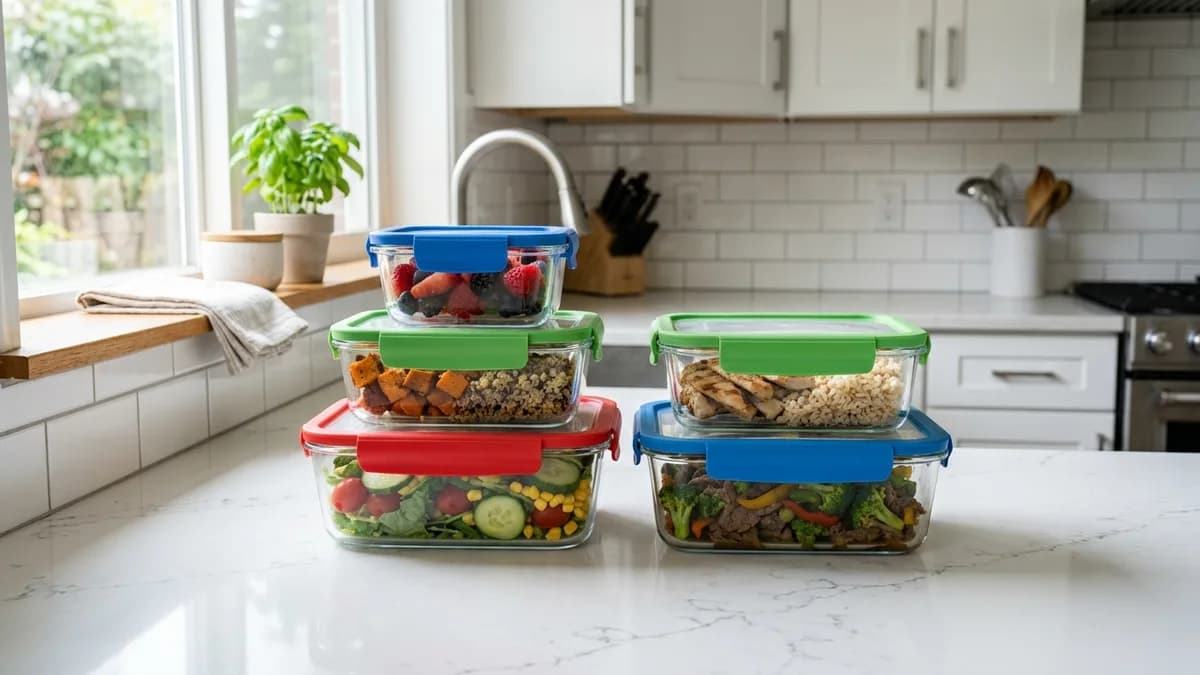
Glasslock Food Storage Containers: Complete Guide to Premium Glass Storage Solutions in 2026
If you have been searching for a smarter, safer way to store your meals and leftovers, Glasslock food storage containers are likely already on your radar. Known for their durable tempered glass construction, airtight snap-lock lids, and versatility across the oven, microwave, freezer, and dishwasher, Glasslock has become a household staple for American families who want cleaner, more organized kitchens in 2026. In this complete review and guide, I break down everything you need to know before buying, including sizes, lid types, real-world performance, and how to get the most out of every container in your collection.
What Are Glasslock Food Storage Containers?
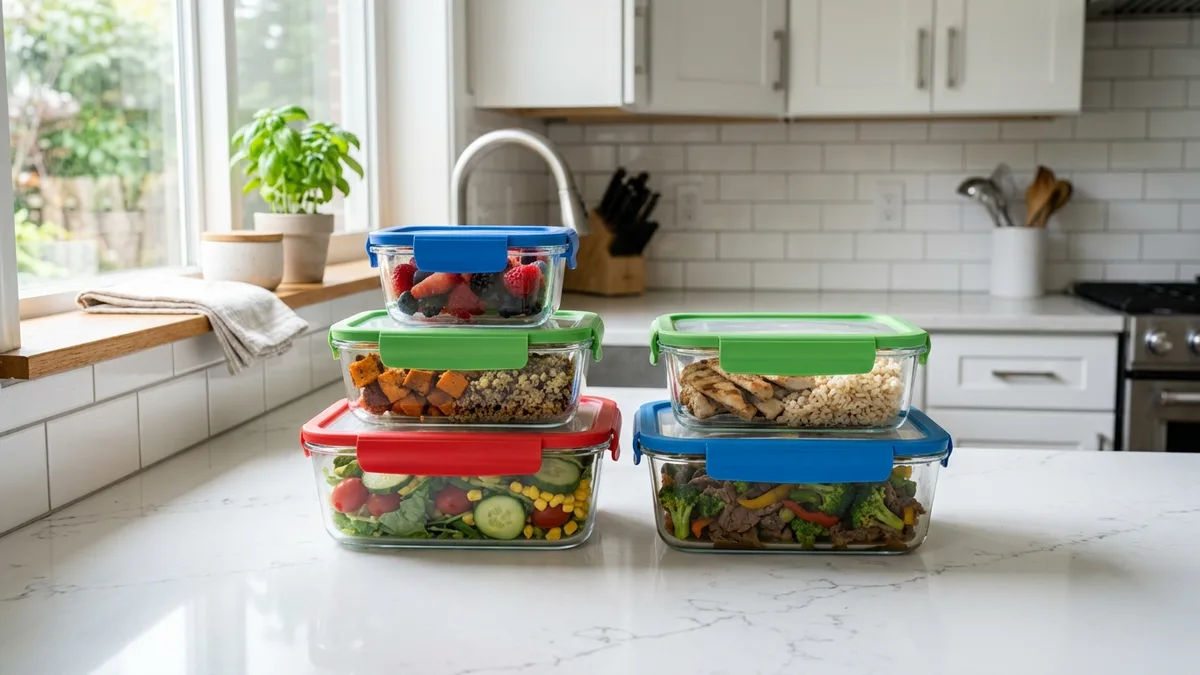
Glasslock is a brand that has built its reputation on producing tempered glass food storage containers designed to handle the full cycle of modern food prep. From storing raw ingredients in the fridge to reheating leftovers in the oven, these containers aim to replace single-use plastic bags and flimsy plastic containers with a single, reusable glass solution.
The core feature that sets Glasslock apart from generic glass containers is the snap-lock lid system. Four individual plastic clips lock onto the glass body, creating an airtight and leak-resistant seal. This design makes them ideal for transporting lunch to work, storing soups and sauces, and stacking leftovers in the fridge without worrying about spills.
Glasslock containers are made from tempered glass, which is significantly stronger than standard glass and resistant to thermal shock. This means you can take a container directly from the freezer and place it in the microwave without cracking, a feature that makes everyday kitchen life a lot less stressful. According to Good Housekeeping, tempered glass containers are among the safest options for food storage because they do not leach chemicals into food the way some plastics can.
Glasslock Food Storage Containers: Sizes and Shapes Available
One of the biggest advantages of choosing Glasslock is the wide variety of sizes and shapes available. Whether you need a compact container for a single serving of rice or a large rectangular one for a full casserole, there is a Glasslock size that fits the job.
Rectangular Containers
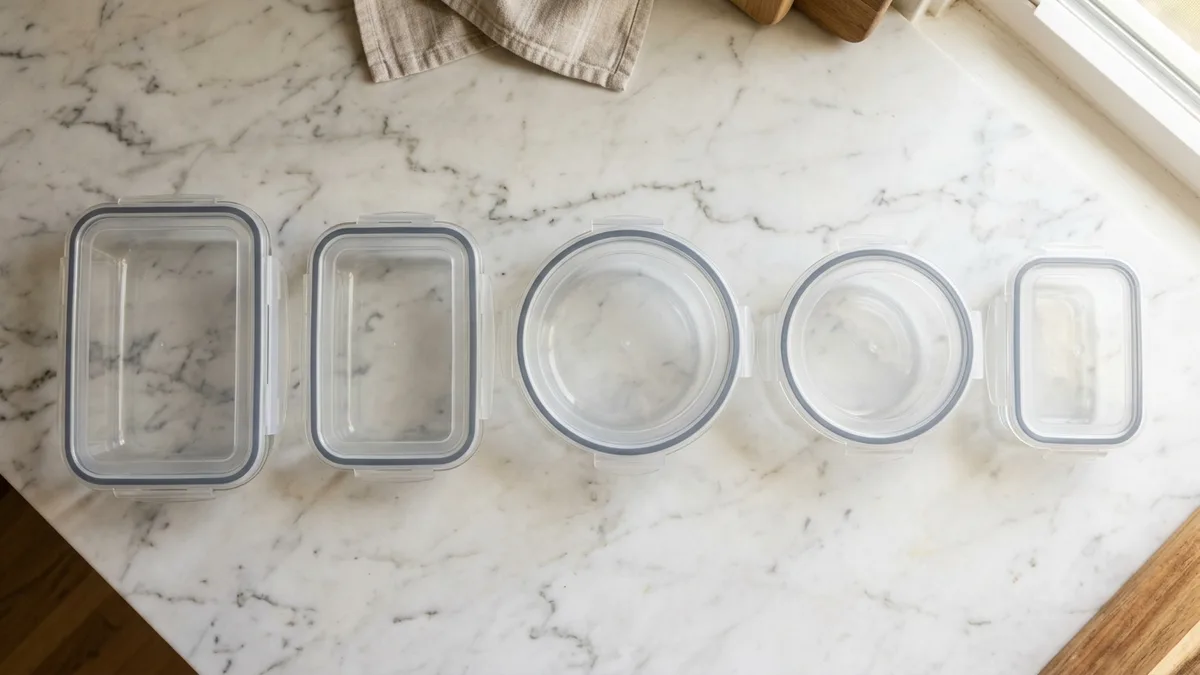
Rectangular containers are the most popular shape in the Glasslock lineup and for good reason. They stack efficiently in the fridge and fit neatly on pantry shelves. Common sizes include:
- 11 oz containers, ideal for individual portions of sauces, dips, or small snacks
- 17 oz containers, great for single-serving meals like pasta or grain bowls
- 35 oz containers, a versatile mid-size option for salads, leftovers, and marinating proteins
- 53 oz containers, a large option suited for batch cooking, casseroles, or family-sized portions
Round and Square Containers
Round Glasslock containers work well for soups, stews, and anything liquid. Square containers maximize fridge shelf space by fitting together without wasted gaps. Both shapes come in the same tempered glass construction with the snap-lock lid system.
Modular Sets
Glasslock sells containers in sets ranging from 8-piece to 18-piece collections. Sets typically include a mix of sizes so you have the right container on hand for any meal. Buying a set is more cost-effective than purchasing individual pieces and gives your kitchen storage system a cohesive, organized look.
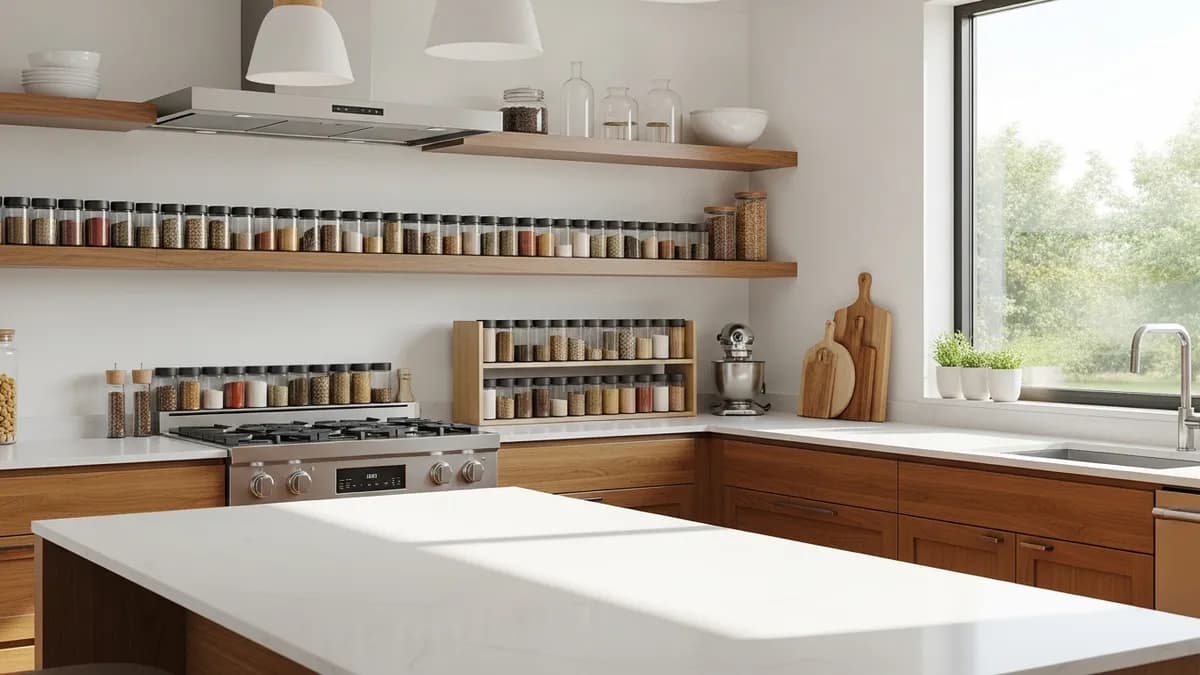
If you want to build out a complete food storage system, I recommend pairing a Glasslock set with smart pantry organization containers so every shelf has a clear purpose.
Key Features That Make Glasslock Stand Out
Beyond the basic glass-and-lid formula, Glasslock containers have a handful of features that make them worth the investment compared to cheaper alternatives.
Airtight Snap-Lock Lids
The four-sided snap-lock mechanism is the defining feature of Glasslock containers. Each clip locks independently, which means the seal stays intact even when the container is tipped on its side. This is a critical detail if you are packing lunch or transporting soups. The lids are made from BPA-free plastic, so there is no risk of chemical transfer when heating food.
The snap-lock lid system is one of the most reliable airtight closures in the glass container market, making Glasslock a top choice for meal preppers and health-conscious households.
Oven and Microwave Safe
Glasslock containers are rated safe for use in the oven at temperatures up to 428 degrees Fahrenheit (with the lid removed). This versatility is a genuine game-changer. You can store a lasagna in the fridge, pop the container directly into the oven to reheat, and serve from the same dish, which cuts down on washing up significantly.
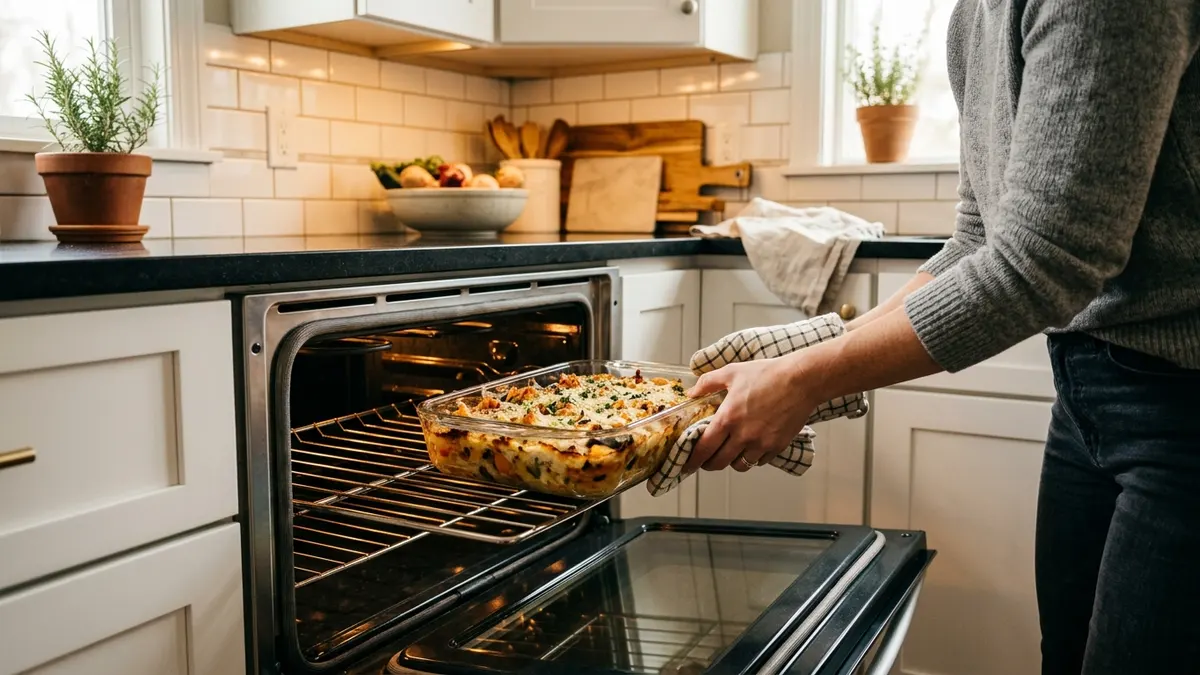
For microwave use, simply crack one of the clips open to vent steam and heat your food directly in the container. Most competitors require you to transfer food to a separate microwave-safe dish first.
Freezer and Dishwasher Safe
Glasslock containers are fully freezer safe. You can fill them with soups, stews, or batch-cooked meals and freeze them flat for efficient storage. When ready to use, move the container to the fridge to thaw overnight or use the microwave defrost function. For cleaning, both the glass body and the plastic lids are top-rack dishwasher safe, making cleanup effortless.
Tempered Glass Construction
Tempered glass is approximately four times stronger than regular glass. It is engineered to withstand sudden temperature changes and everyday kitchen impacts. If a Glasslock container does break, it shatters into small, rounded pieces rather than sharp shards, reducing the risk of injury. This is a safety standard you simply do not get with thin plastic containers.
Glasslock vs. Other Glass Food Storage Brands
When shopping for glass food storage containers, you will quickly notice that Glasslock is not the only option. Pyrex, Rubbermaid Brilliance, and a host of private-label brands all compete in this space. Here is how Glasslock stacks up on the most important factors.
Glasslock vs. Pyrex
Pyrex is the most recognizable name in glass kitchen storage and has been around for over a century. Pyrex uses borosilicate glass in some product lines and tempered soda-lime glass in others. Glasslock consistently uses tempered glass across its entire lineup, which offers excellent thermal shock resistance.
The biggest difference is the lid system. Pyrex typically uses a snap-on plastic lid without four-sided clips, which means it is less reliably leak-proof. If you need to transport liquids, Glasslock's four-clip snap-lock system is more secure. I covered this in more detail in our Pyrex food storage containers guide if you want a deeper comparison.
Glasslock vs. Rubbermaid Brilliance
Rubbermaid Brilliance containers are made from BPA-free plastic, not glass. They are crystal clear and very lightweight, which some people prefer. However, plastic containers can absorb odors and stains over time, especially with tomato-based foods. Glasslock's glass body resists staining and odor absorption entirely, making it the better long-term investment for heavy daily use.
Glasslock vs. Generic Glass Containers
Inexpensive glass containers sold without brand names often lack the genuine snap-lock lid system and may use thinner glass that is less resistant to thermal shock. While they may look similar at first glance, the long-term durability and leak resistance of genuine Glasslock containers justify the price difference.
According to The Spruce, when choosing glass food storage, it is worth investing in containers with proven airtight lids and verified oven-safe ratings rather than going for the cheapest option available.
How to Use Glasslock Food Storage Containers Effectively
Owning Glasslock containers is only half the equation. Using them correctly is what makes a real difference in how long your food stays fresh and how well your kitchen stays organized.
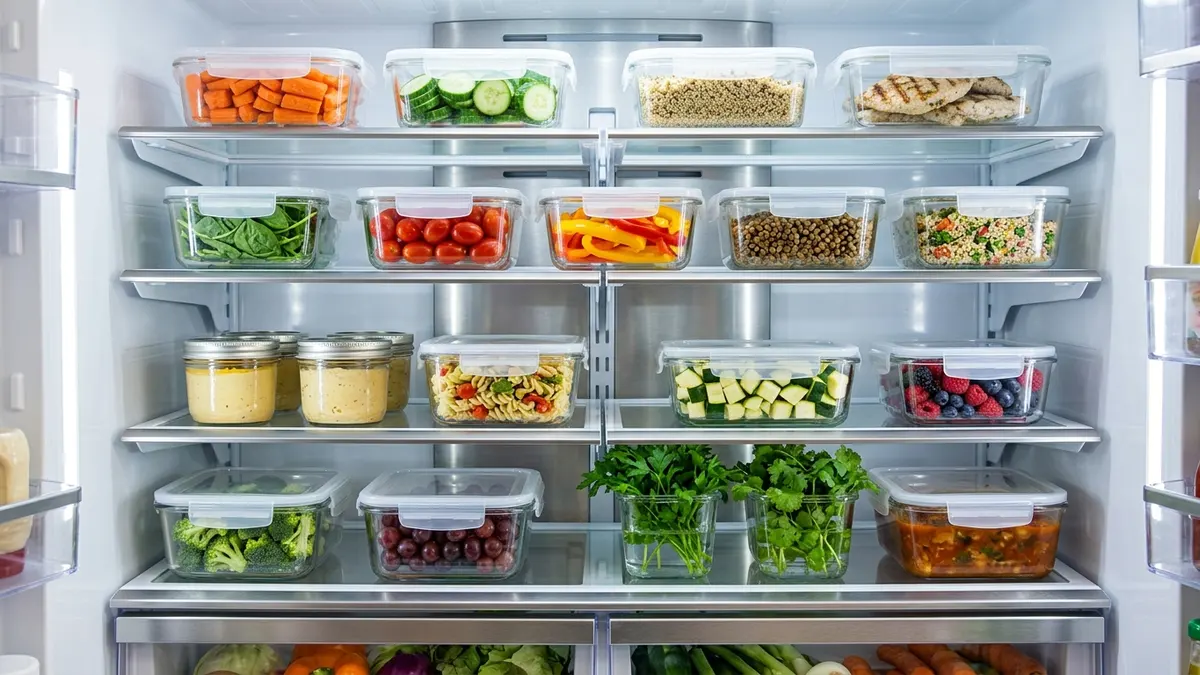
Meal Prep Strategy
Glasslock containers shine brightest when used as part of a structured meal prep routine. Here is a simple weekly meal prep approach that works well with a standard Glasslock set:
- Sunday prep session: Cook proteins, grains, and roasted vegetables in bulk. Portion them into individual Glasslock containers immediately after cooling.
- Label each container: Use masking tape and a marker, or invest in reusable labels. Include the contents and the date prepared.
- Stack by category: Group all grain-based meals together, protein servings together, and snacks together in the fridge. This makes it easy to grab the right container during busy weeknights.
- Freeze the overflow: Any meals you will not eat within three to four days should go straight into the freezer. Glasslock's freezer-safe design means you lose nothing by freezing extra portions.
- Reheat directly: On busy days, move a frozen container to the fridge the night before. The next day, pop it into the microwave or oven without transferring to another dish.
Stacking and Fridge Organization
Rectangular Glasslock containers stack perfectly when you use the same size. I recommend building your collection around two or three primary sizes so your fridge shelves stay tidy. Mixing too many different sizes leads to unstable stacks and wasted vertical space.
For an even more organized fridge, check out our fridge organization ideas for a complete room-by-room approach to refrigerator storage.
Lid Care and Maintenance
The plastic snap-lock lids are the most vulnerable part of any Glasslock container. To extend their lifespan:
- Always place lids on the top rack of the dishwasher to avoid warping from the heat element at the bottom
- Avoid using harsh scrubbing pads on the lid clips, as this can weaken the snapping mechanism over time
- Inspect clips regularly for cracks or discoloration, which are signs it is time to replace the lid
- Store lids separately in a drawer or lid organizer to prevent them from getting bent or scratched
Building an Organized Kitchen with Glasslock
The real lifestyle upgrade with Glasslock food storage containers is not just about the containers themselves. It is about the system they enable. When your food storage is consistent, clear, and well-organized, cooking and eating at home becomes dramatically easier.
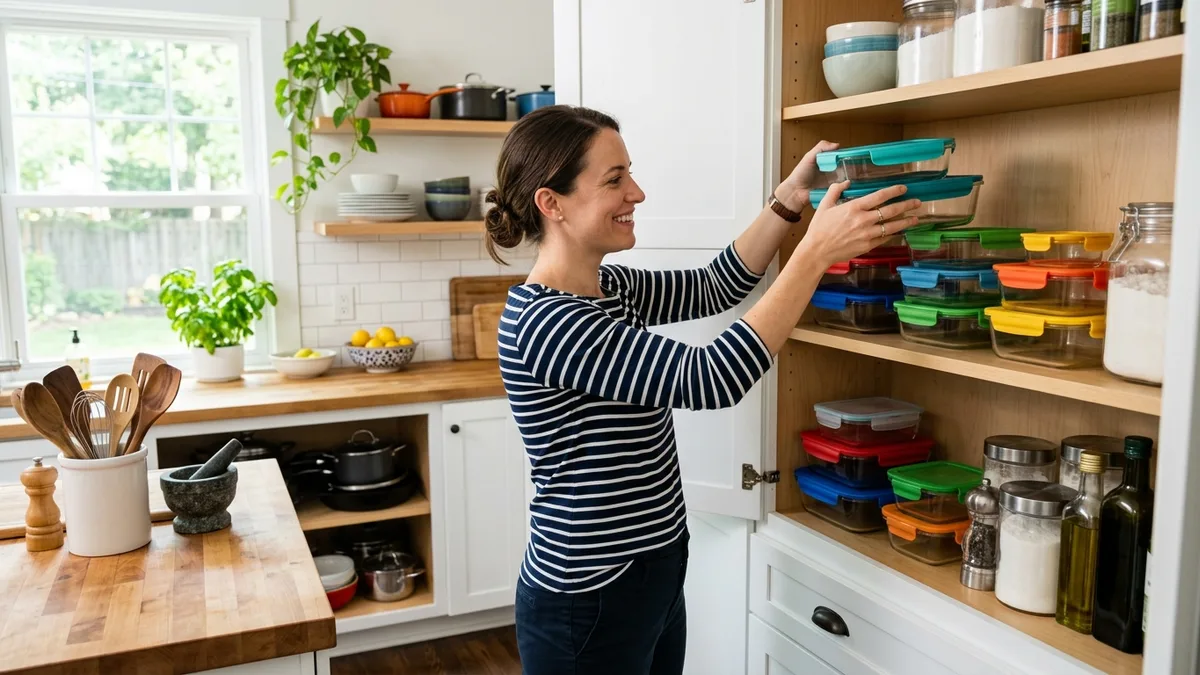
Transparent Storage for Instant Visibility
Because Glasslock containers are made from clear glass, you can see exactly what is inside without opening anything. This sounds simple, but it changes the way you interact with your fridge and pantry. You stop forgetting leftovers, you stop buying ingredients you already have, and you start eating what you prep because it is all visible and accessible.
This transparency pairs beautifully with the broader principles of kitchen pantry organization, where visibility is the foundation of a low-waste, low-stress kitchen.
Creating a Cohesive Storage System
For the most organized result, I recommend choosing one or two Glasslock sets and complementing them with matching airtight storage containers for food for dry pantry goods. Glass for fridge and oven use, airtight canisters for flour, rice, oats, and pasta. Together, these two systems cover every food storage need in a modern American kitchen.
Sustainable Kitchen Living
Switching to Glasslock containers is also an environmentally conscious choice. A single set of durable glass containers can replace thousands of single-use plastic bags and disposable containers over its lifetime. If sustainable living matters to you, this is one of the most practical swaps you can make. For more eco-conscious kitchen ideas, explore our guide on zero waste kitchen practices.
Are Glasslock Food Storage Containers Worth It in 2026?
Given how crowded the food storage market has become in 2026, it is a fair question to ask whether Glasslock is still the right choice or whether newer brands have caught up.
Based on the features, the answer is yes, Glasslock is still worth buying for most households. Here is a quick summary of who will benefit most:
- Meal preppers who need reliable, leak-proof containers for transporting lunch and storing prepped ingredients throughout the week
- Health-conscious families who want to avoid plastic containers that can leach chemicals, especially when heating food
- Home cooks who want one container that handles refrigerating, freezing, microwaving, and oven reheating without switching dishes
- Sustainability-minded shoppers looking to reduce single-use plastic waste in their kitchen
- Anyone building a long-term kitchen organization system who wants containers that will last years, not months
Where Glasslock is a less ideal fit:
- If you need extremely lightweight containers for on-the-go use, BPA-free plastic or stainless steel containers may be more practical
- If you are on a very tight budget, a starter set of glass containers from a budget brand can work in the short term, though long-term durability will differ
For a broader look at how glass compares to other materials in food storage, Real Simple offers a helpful breakdown of glass, plastic, and stainless steel pros and cons that is worth reading before your next purchase.
Related Products from Sesoris
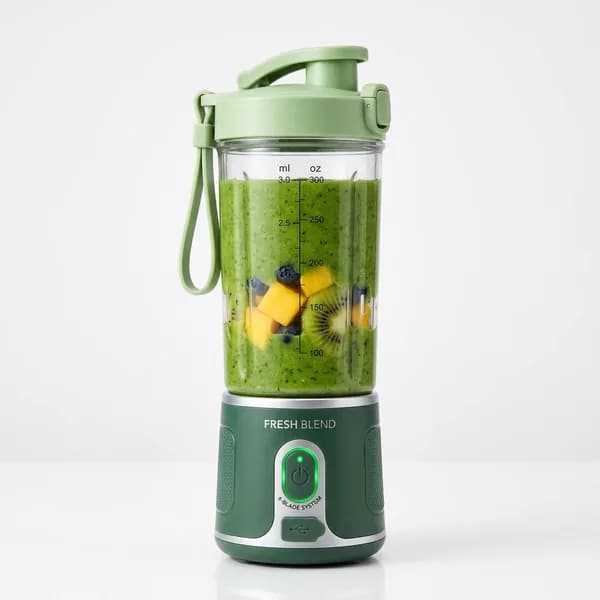
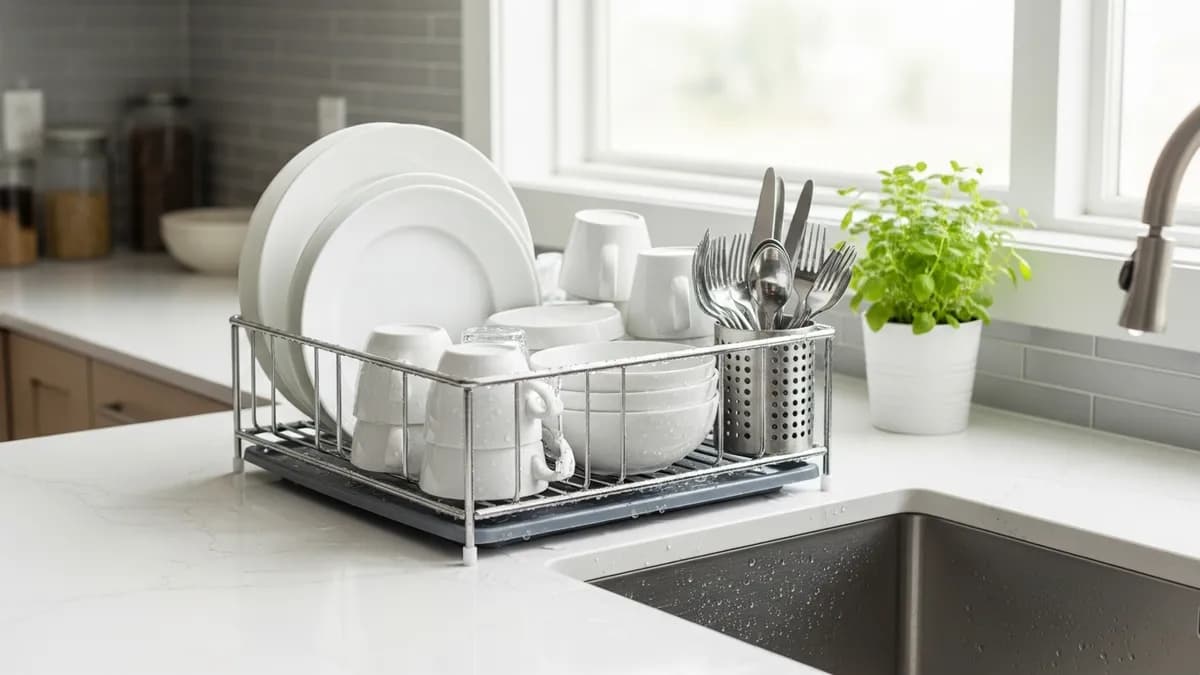
If you want to turn this guide into a real setup, start with Stainless Steel 2-Tier Dish Rack and Portable Blender. For broader options, browse the Kitchen & Dining collection so the article journey does not stop at reading only.
Our practical rule: choose one product that solves the main clutter problem first, then add supporting organizers only when the daily workflow is already clear. This keeps the shopping path useful, not pushy.
FAQ: Frequently Asked Questions About Glasslock Food Storage Containers
Q: Are Glasslock food storage containers truly airtight?
Yes, the four-sided snap-lock lid system creates a very effective airtight seal when all four clips are properly fastened. This makes them suitable for storing liquids, marinating proteins, and transporting meals without leaks. For best results, always check that all four clips are fully engaged before tipping the container.
Q: Can I put Glasslock containers directly from the freezer into the oven?
It is recommended to let frozen Glasslock containers thaw slightly before placing them in a hot oven to minimize thermal shock. Moving a container from the freezer to the microwave for a gentle defrost first is the safest approach. Always remove the plastic lid before placing any Glasslock container in the oven.
Q: How long do Glasslock containers last?
With proper care, the tempered glass body of a Glasslock container can last many years. The plastic snap-lock lids may need replacing every few years depending on use frequency and dishwasher exposure. Replacement lids are sold separately, which means you do not need to replace the entire container when a lid wears out.
Q: Are Glasslock lids BPA-free?
Yes, Glasslock lids are made from BPA-free plastic. This is an important safety feature, especially when heating food in the microwave with the lid vented.
Q: What is the maximum oven temperature for Glasslock containers?
Glasslock containers are rated oven safe up to 428 degrees Fahrenheit when the lid is removed. Always remove the plastic lid before placing any container in a conventional or convection oven.
Q: Can I use Glasslock containers for storing dry pantry goods?
While Glasslock containers can technically hold dry goods like pasta or rice, they are best suited for refrigerator and freezer storage where the airtight seal and glass material offer the most advantage. For dry pantry storage, dedicated food storage containers for pantry with wide-mouth openings are often more practical.
Conclusion
Glasslock food storage containers continue to be one of the smartest investments you can make for your kitchen in 2026. Their combination of tempered glass durability, reliable airtight snap-lock lids, and full compatibility with the oven, microwave, freezer, and dishwasher makes them one of the most versatile food storage solutions available. Whether you are a dedicated meal prepper, a health-focused home cook, or simply someone who wants a cleaner, more organized refrigerator, Glasslock delivers on its promises.
The key to getting the most value from your Glasslock collection is building a consistent system. Choose two or three sizes that match your household's eating habits, develop a weekly meal prep routine, and pair your glass containers with smart pantry organization for a kitchen that truly works for you.
Ready to upgrade your kitchen storage? Explore our curated selection of food storage containers and kitchen organization essentials at Sesoris, your home for premium, practical home organization products. Check out our best sellers and new arrivals to find the perfect additions to your organized kitchen in 2026. Live More Organized.
Weekly Home Tips
Get home organization ideas, product picks, and exclusive deals delivered weekly.
No spam. Unsubscribe anytime.
Explore More Articles
- Cable Management: How to Organize Cables at Your Desk and Home
- Aluminum Dish Cabinets: Strength Meets Style in Modern Kitchen Storage
- Shoe Storage Ideas for Garage Spaces: A Homeowner's Guide
- Essential Cleaning Supplies Organization: Transform Your Home Storage System in 2026
- 25 Small Pantry Organization Ideas to Transform Your Kitchen Storage in 2026
- Rice Food Storage Containers: Ultimate Guide to Fresh Rice Storage in 2026
- Mini Bar for Small Kitchens: 15 Creative Ideas to Maximize Space
- Packing Cubes: Efficient Packing Method That Transforms Your Travel Style (2026)