
Multipurpose Kitchen Rack: The Complete Buying Guide
Learn how to choose the best multipurpose kitchen rack: types, materials, installation, and organizing tips for a tidier, more efficient kitchen.
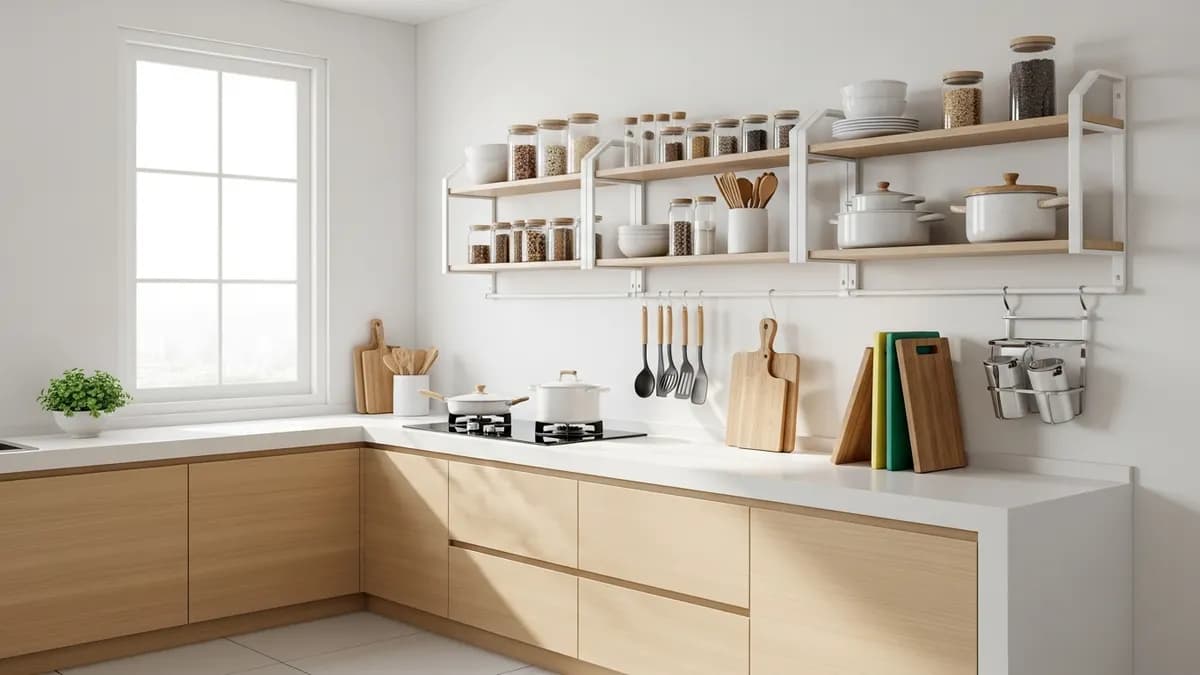
The kitchen is the heart of the home, but it is often the room that falls into chaos fastest. If you have ever searched for a way to tidy up your kitchen without a full remodel, a multipurpose kitchen rack is the answer. This versatile rack can hold a wide range of items at once, from spices and cooking utensils to oil bottles and cutting boards, all in one compact, functional unit. In 2026, multipurpose kitchen racks keep growing in popularity as more people realize how much good kitchen organization improves everyday cooking efficiency.
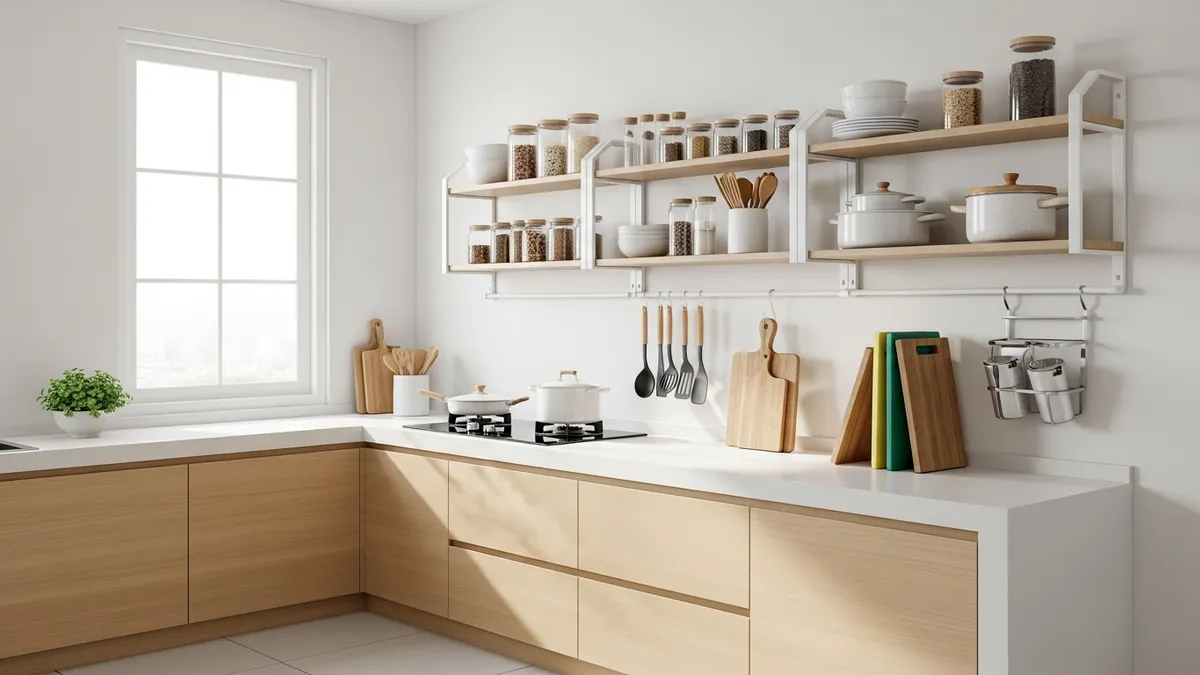
What Is a Multipurpose Kitchen Rack and Why Your Kitchen Needs One
A multipurpose kitchen rack is a kitchen storage unit designed to hold multiple types of items in a single structure. Unlike ordinary racks with just one function, this type comes with multiple compartments, hooks, bottle holders, and side rails you can use all at once.
According to The Spruce, a well-organized kitchen not only makes cooking more enjoyable, it also helps reduce food waste because every ingredient is visible and within easy reach.
Why do you need a multipurpose kitchen rack? Consider these practical reasons:
- Space savings: One rack replaces several separate storage spots, which is ideal for small kitchens
- Better cooking efficiency: Everything is within easy reach, so you stop opening and closing drawers a dozen times
- A consistently tidy kitchen: Every item has a clear home, so nothing ends up scattered across the counter
- A better-looking kitchen: Many models feature modern designs that double as kitchen decor
- Easy to move or reconfigure: Some models are modular and can be rearranged as your needs change
The Most Popular Types of Multipurpose Kitchen Racks in 2026
Before you buy, it helps to understand the types of multipurpose kitchen racks on the market. Each has its own pros and cons, so choose based on your kitchen's conditions and needs.
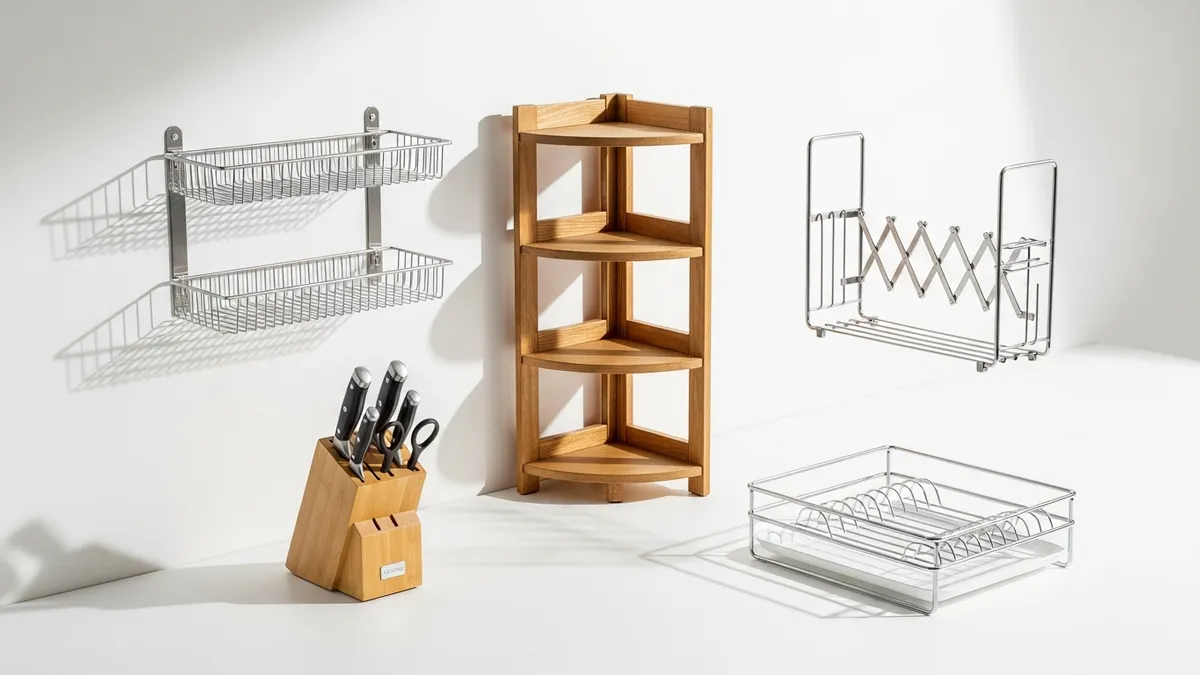
1. Wall-Mounted Kitchen Racks
Mounted directly to the wall, this style is the best choice for tight kitchens because it uses zero floor space. It usually features a horizontal bar you can outfit with accessories like utensil hooks, small spice shelves, and magnetic holders.
Pros: Saves floor and counter space, clean and modern look
Cons: Requires installation (drilling the wall), not easily relocated
Best for: Narrow kitchens, apartments, or kitchens already full of furniture
2. Freestanding Kitchen Racks
This type stands on its own without attaching to a wall or any surface. It usually has multiple tiers and wheels underneath, making it easy to move around. It is the most flexible option because you can place it anywhere.
Pros: Extremely flexible, no installation needed, easy to move
Cons: Takes up floor space, can feel unstable when overloaded
Best for: Spacious kitchens, or renters who are not allowed to drill into walls
3. Countertop Kitchen Racks
Placed directly on the kitchen counter, this is the most practical, plug-and-play option. It is usually compact but still holds essentials like spices, oils, and small cooking tools.
Pros: No installation whatsoever, easy to use and reposition
Cons: Uses counter surface area, more limited capacity
Best for: Small kitchens with light to moderate storage needs
4. Over-Stove Racks
Mounted right above the stove area, this rack is extremely efficient because it puts spices and tools exactly where you need them most while cooking.
Pros: Effortless access while cooking, uses an often-wasted zone
Cons: Exposed to steam and oil splatter, needs more frequent cleaning
Best for: Active cooks who want every seasoning within arm's reach
Tutorial: How to Choose the Right Multipurpose Kitchen Rack
Choosing a multipurpose kitchen rack is about more than looks. Several important factors determine whether the rack you buy is truly functional and built to last. Here is a step-by-step tutorial.
Step 1: Measure Your Available Space
Before you start shopping, measure your kitchen carefully. Note down:
- The usable floor or counter area
- Ceiling height (for tall freestanding racks)
- Available wall length and width (for wall-mounted racks)
- The distance from the stove to where the rack will sit
Precise measurements will keep you from buying a rack that is too big or too small.
Step 2: Inventory What You Plan to Store
Write down everything you want to store on the rack. Categorize by:
- Dry and wet spices and seasonings
- Cooking utensils (spatulas, wooden spoons, whisks, and so on)
- Bottles of oil, soy sauce, and other sauces
- Cutting boards and trays
- Small tools like graters and bottle openers
Knowing what you will store lets you choose a rack with the right compartments.
Step 3: Pick the Right Material
Material is one of the most important factors when choosing a multipurpose kitchen rack. Here is a comparison of the most common options:
Stainless steel: The most popular kitchen material because it resists rust, cleans easily, and handles heat. Great near the stove. Prices range from budget-friendly to premium depending on size and quality.
Aluminum: Lighter than stainless steel, still rust-resistant, and more affordable. Not quite as strong under heavy loads, though.
Painted or powder-coated steel: Sturdy and attractive, available in many colors. Note that the coating can chip if constantly exposed to water.
Food-grade plastic: Lightweight and inexpensive, but with limited load capacity. Good for light storage like seasoning packets or small tools.
Wood or bamboo: Warm, natural look, but needs extra care to avoid moisture damage and mold in a kitchen that gets wet often.
For kitchens with heavy steam and humidity, choose stainless steel or aluminum for maximum durability.
Step 4: Consider Load Capacity
Every rack has a maximum load rating. Make sure the one you choose can handle the weight of everything you plan to store. For a light spice rack, a capacity of 10-20 lbs may be enough. For a rack holding heavy cookware, look for at least 30-45 lbs of capacity.
Step 5: Match Your Kitchen's Style
A multipurpose kitchen rack also plays a decorative role. Choose a design that harmonizes with your kitchen theme:
- Modern minimalist kitchen: Choose a sleek stainless steel rack with clean lines
- Scandinavian-style kitchen: A wood rack, or a wood-and-metal combination in white or black
- Industrial kitchen: A steel rack with a matte black or copper finish
- Traditional or vintage kitchen: A wooden rack with carved details or a classic metal design
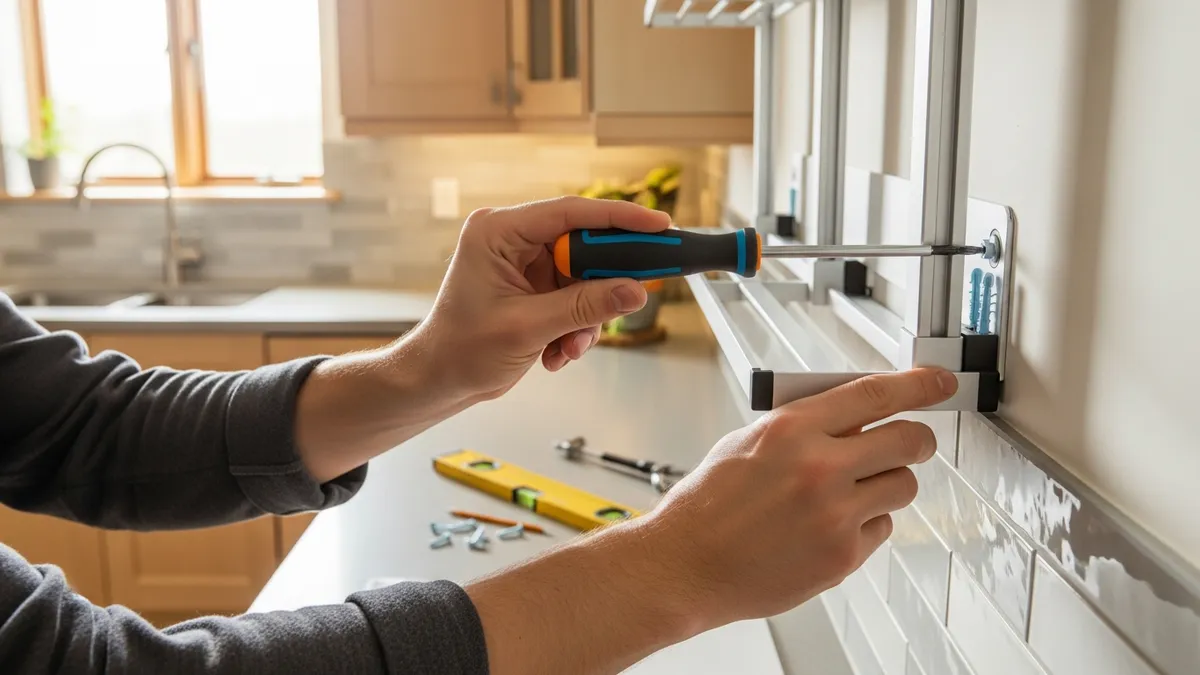
Tutorial: How to Install a Wall-Mounted Multipurpose Kitchen Rack
If you go with a wall-mounted rack, here is an installation guide you can follow yourself at home.
Tools you will need: Power drill, drill bits matched to your wall material, screwdriver, level, pencil, tape measure, and wall anchors.
- Decide on the rack position: Mark the mounting points on the wall with a pencil. Use a level to make sure the line is perfectly horizontal.
- Measure the screw spacing: Match it to the bracket holes on the rack. Mark every point precisely.
- Drill the wall: Drill holes at the marked points. For concrete walls, use a masonry bit. Match the hole depth to your anchor length.
- Insert the anchors: Press each anchor into its hole until it sits flush with the wall surface.
- Mount the brackets or rail: Hold the bracket against the wall and tighten the screws with a screwdriver or drill.
- Attach the rack panel or bar: Hook or fasten the rack onto the installed brackets.
- Check stability: Give it a gentle shake to confirm the rack is secure before loading it.
- Add the accessories: Attach hooks, small spice shelves, or baskets as needed.
For tiled walls, consider strong adhesive hooks as an alternative so you do not damage the tile.
For more installation inspiration, browse Houzz, which features thousands of organized kitchens from around the world.
Tips for Organizing Your Multipurpose Kitchen Rack
Once the rack is up, the next step is loading it in the most efficient way. Many people just pile things on, which leaves the rack looking crammed and messy. Here are tips for organizing your multipurpose kitchen rack:
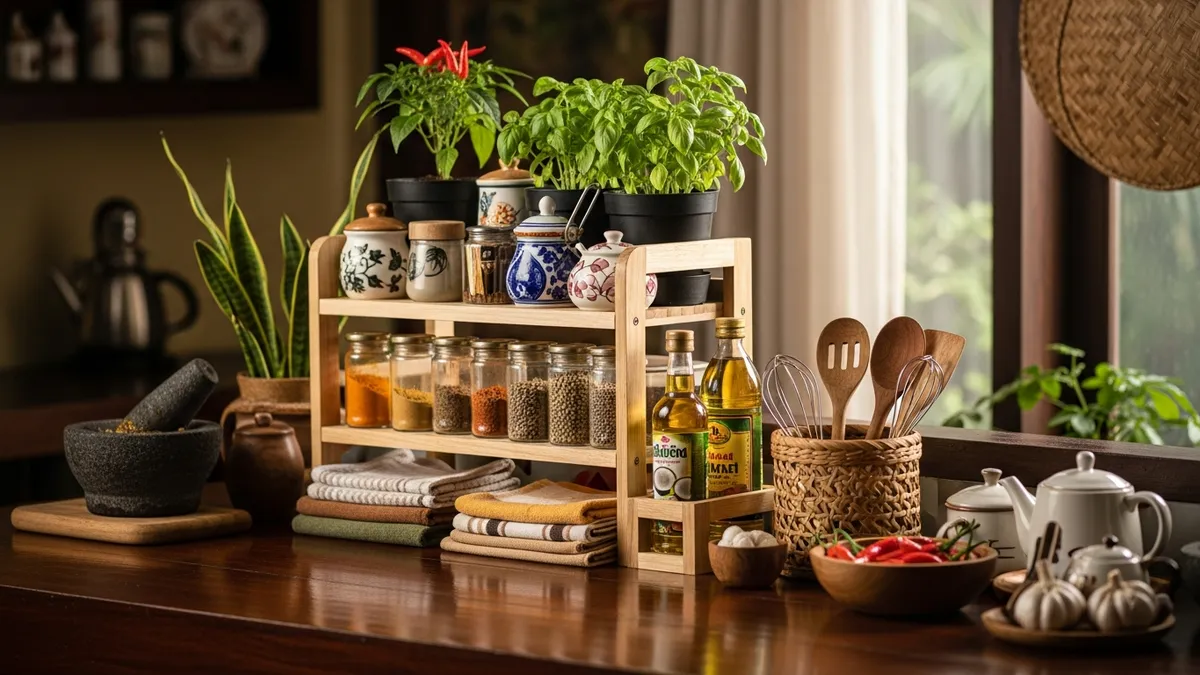
The Basic Principle: Most Used, Easiest to Reach
Place your most frequently used items in the easiest-to-reach spots, at hand height or just below eye level. Rarely used items can go up high or into harder-to-reach corners.
Group Items by Function
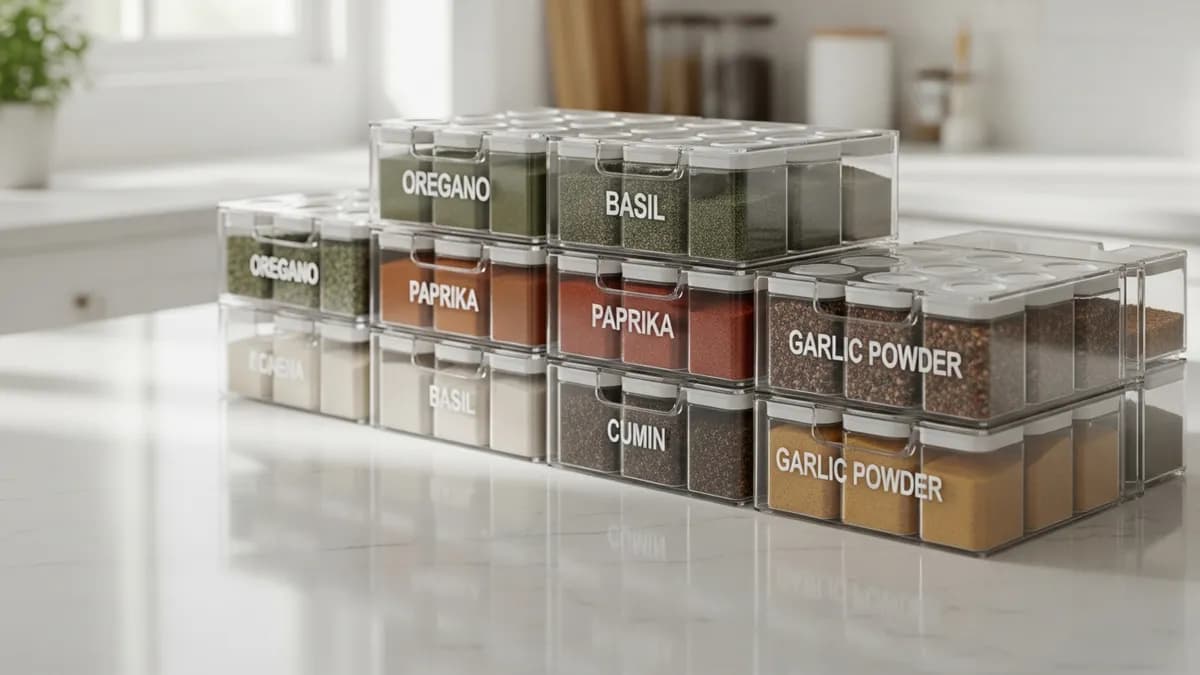
- Spice zone: Gather all your dry and wet seasonings in one section. Use matching containers for a tidier look.
- Utensil zone: Hang spatulas, spoons, and other tools on the built-in hooks.
- Bottle and liquid zone: Cooking oil, soy sauce, and sauces belong on the more stable lower tier.
- Dry zone: Cutting boards, trays, or trivets can slot into the side or a vertical divider if you have one.
Use Extra Storage Containers
For small seasonings in packets or plastic bags, use airtight storage containers to keep things tidy and make the seasonings last longer. Matching containers also make the whole rack look far more polished.
You can learn more about the best container options in our articles on airtight food storage containers and food storage containers for the pantry.
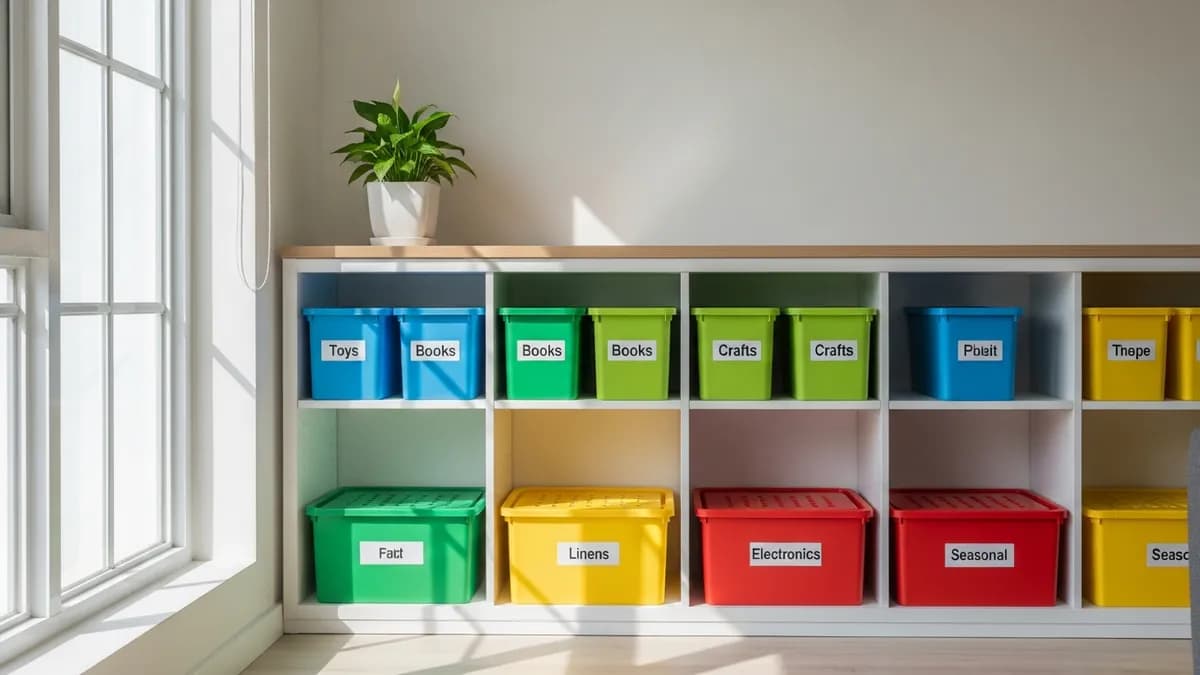
Label Every Container
Labels are the secret weapon of a tidy kitchen. With clear labels, every family member knows exactly where things live and where to return them after use. This keeps the rack neat for the long haul.
Do a Routine Review Every 3 Months
A good habit that often gets forgotten is reviewing your rack periodically. Every 3 months, empty it out, clean the rack, and rearrange it around needs that may have changed. Toss or remove anything you no longer use.
According to Good Housekeeping, a regular kitchen review routine is the key to a kitchen that stays organized all year long.
Caring for Your Multipurpose Kitchen Rack So It Lasts
Investing in a great kitchen rack means little if you do not maintain it. Here is a care guide by material:
Stainless steel and aluminum:
- Wipe weekly with a damp cloth to remove grease and cooking splatter
- Use regular dish soap on stubborn stains, then rinse clean
- Avoid steel wool or abrasive sponges that leave scratches
- Occasionally wipe with a little mineral oil to keep stainless steel shining
Painted steel:
- Dry it immediately after contact with water so chipped spots do not rust
- If paint starts flaking, touch it up right away with rust-resistant paint
- Avoid placing very heavy or sharp objects that can damage the coating
Wood and bamboo:
- Never leave it damp for long periods
- Apply wood oil or a dedicated wax every 3-6 months to preserve durability
- Keep the kitchen well ventilated so the wood does not develop mold
Related Products from Sesoris
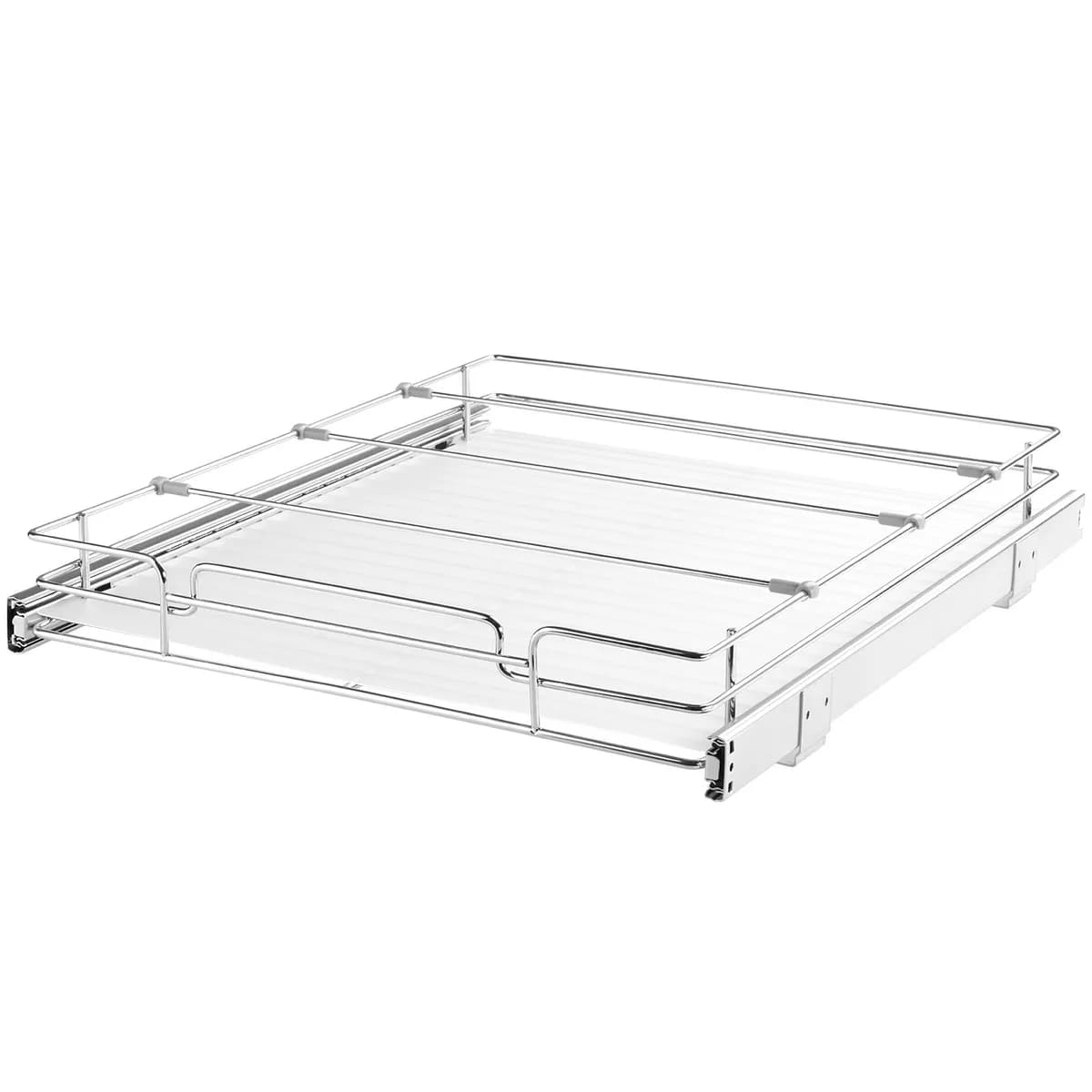
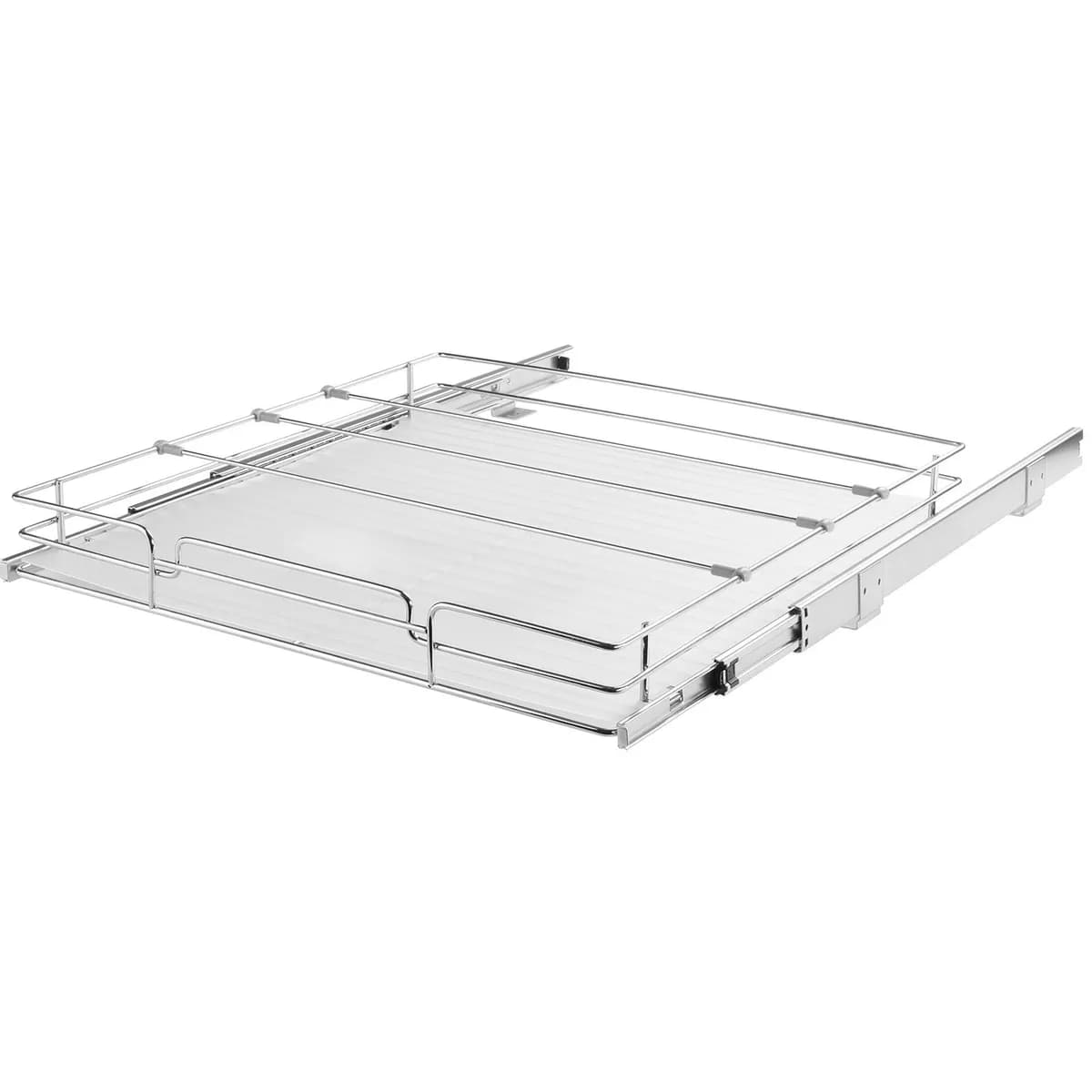
If you want to turn this guide into a real setup, start with the Pull-Out Cabinet Organizer, 14 in. Wide and the Double-Layer Bamboo Bread Box. For broader options, browse the Kitchen & Dining collection so the article journey does not stop at reading only.
Our practical rule: choose one product that solves the main clutter problem first, then add supporting organizers only when the daily workflow is already clear. This keeps the shopping path useful, not pushy.
FAQ: Common Questions About Multipurpose Kitchen Racks
How much does a good multipurpose kitchen rack cost?
Prices vary widely by material, size, and brand. Small stainless steel countertop racks sit at the budget-friendly end, complete wall-mounted sets with accessories fall into the mid-range, and large freestanding units can reach premium territory. Set your budget by capacity and material rather than looks alone.
Is a multipurpose kitchen rack safe near the stove?
Yes, as long as you choose the right material. Stainless steel and aluminum are the best options near the stove because they handle heat and hold up against cooking steam. Avoid plastic or wooden racks placed too close to a heat source.
How do I mount a wall rack on tile without damaging it?
Use a drill with a tile-specific (diamond) bit that cuts holes without cracking the tile. Alternatively, use adhesive strips or heavy-duty adhesive hooks, which are now strong enough for light to medium loads.
How much should I store on one multipurpose kitchen rack?
Ideally, fill the rack to no more than 70-80% of its capacity. Leaving some breathing room keeps the rack looking tidy, makes items easier to grab, and prevents overloading that could damage the rack.
Which rack works best for a small apartment kitchen?
For small apartments, a wall-mounted rack is the best choice because it uses no floor or counter space. If you cannot drill into the walls, choose a compact countertop rack or a hanging rack that uses an existing kitchen rail.
Conclusion: Build Your Dream Kitchen with the Right Multipurpose Kitchen Rack
Choosing and installing the right multipurpose kitchen rack is a small investment with a big daily payoff in comfort and tidiness. From picking the rack type that suits your kitchen and choosing durable materials to organizing its contents with a logical system, every step in this guide helps you create a kitchen that is more orderly and more enjoyable to use.
In 2026, there is no excuse left for a messy kitchen. With the right multipurpose kitchen rack, every tool and seasoning has its own place, and cooking becomes far more efficient and enjoyable.
Ready to build your dream kitchen? Explore the full collection of kitchen racks and home organization products at Sesoris. Find top picks in the Sesoris Best Sellers or browse the latest in New Arrivals. Because an organized life starts with a tidy kitchen.
Liked this guide?
Get new organizing guides and the occasional new product by email. No spam, unsubscribe anytime.
Related articles
Explore more articles
- 40+ Best Kitchen Decor Inspiration Ideas to Transform Your Cooking Space in 2026
- How to Keep Your Kitchen Organized: Complete 2026 Guide
- Dish Rack for Kitchen Cabinet: 2026 Buying Guide
- Minimalist Kitchen Decor Ideas: 25+ Modern Looks 2026
- Best Storage Solutions for the Bedroom: 30+ Smart Ideas to Organize Your Space in 2026
- Practical Home Organizing Tips That Keep Your House Tidy
- Eid al-Fitr Prep Checklist: A Home Cleaning Countdown
- Tips to Keep Your Kid's Room Tidy