
Food Storage Containers for Pantry: Complete Guide to Perfect Organization in 2026
Transform your pantry with the best food storage containers for pantry organization. Complete guide with types, sizes & tips for 2026.
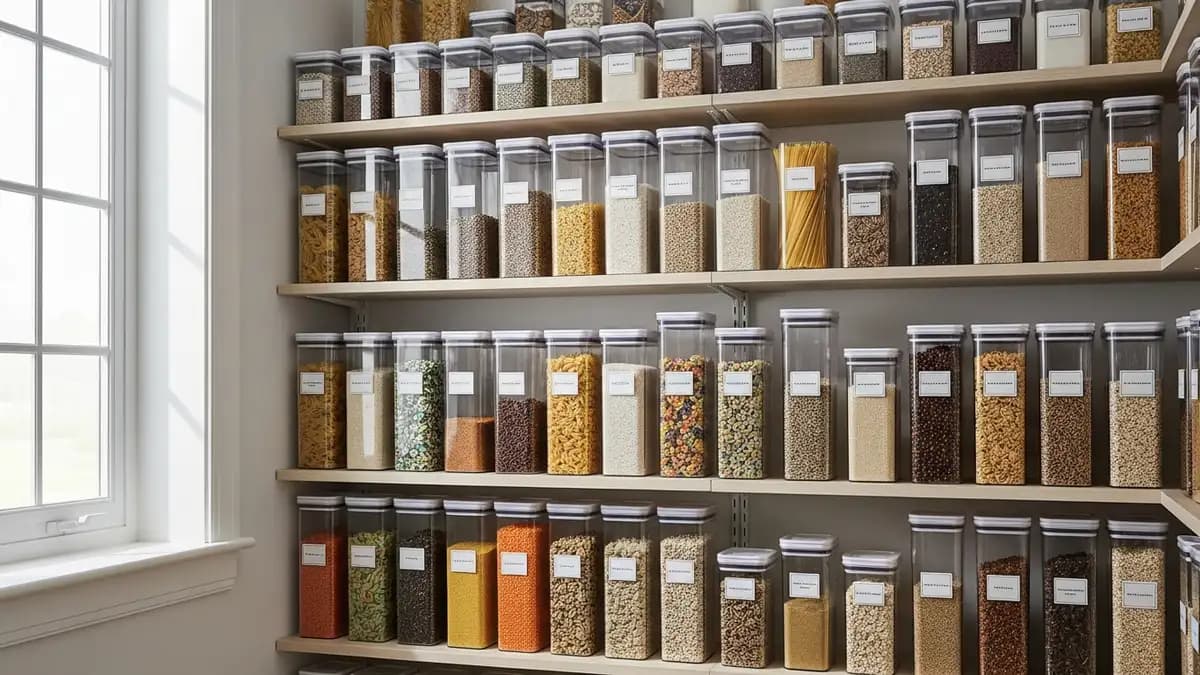
Food storage containers for pantry shelves are airtight, stackable canisters and bins that hold dry goods such as flour, sugar, rice, and oats once the original bag or box is opened. Clear containers sized to the amount you buy keep staples fresh and show at a glance when something is running low.
Creating an organized pantry starts with choosing the right food storage containers for pantry spaces. Whether you're dealing with a small kitchen pantry or a walk-in storage room, the right containers can transform your food storage game while keeping ingredients fresh for longer. In 2026, homeowners are discovering that investing in quality pantry storage solutions can reduce food waste by up to 40% while making meal preparation significantly more efficient.
From our team's experience serving thousands of Sesoris customers, the most common organization issue isn't lack of products, but lack of system.
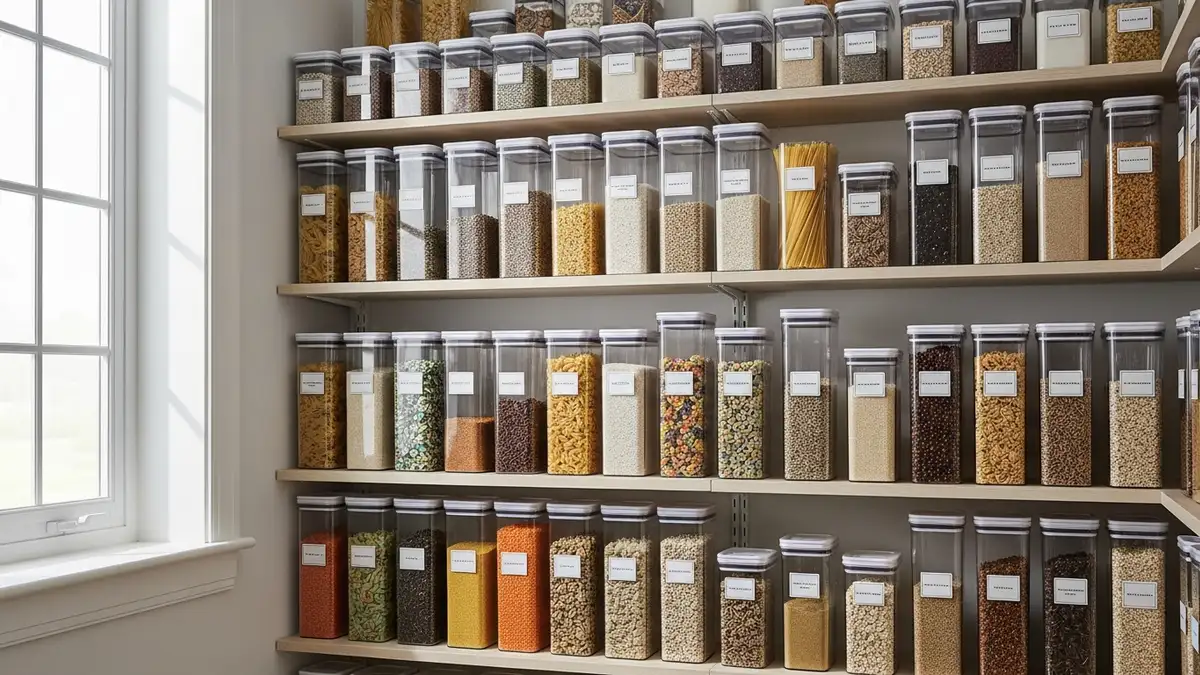
The key to successful pantry organization lies in understanding which containers work best for different types of food, how to maximize your available space, and creating a system that's both functional and visually appealing. This comprehensive tutorial will guide you through everything you need to know about selecting and using food storage containers for pantry organization.
Key Takeaways:
- Size containers to the package you buy: a 5 lb bag of all-purpose flour is about 19 cups, so it needs a container of 5 quarts or more.
- A 4 lb bag of granulated sugar is about 9 cups and fits a 3-quart container.
- Clear, airtight, stackable containers let you see levels at a glance and fit more on each shelf.
- Label each container with its contents and the date you opened the bag, and use the oldest food first.
What Are the Best Types of Food Storage Containers for Pantry Organization?
When selecting food storage containers for pantry use, material choice significantly impacts both functionality and food preservation. Each material offers distinct advantages depending on your storage needs and budget considerations. For additional information, also see the guide from The Spruce.
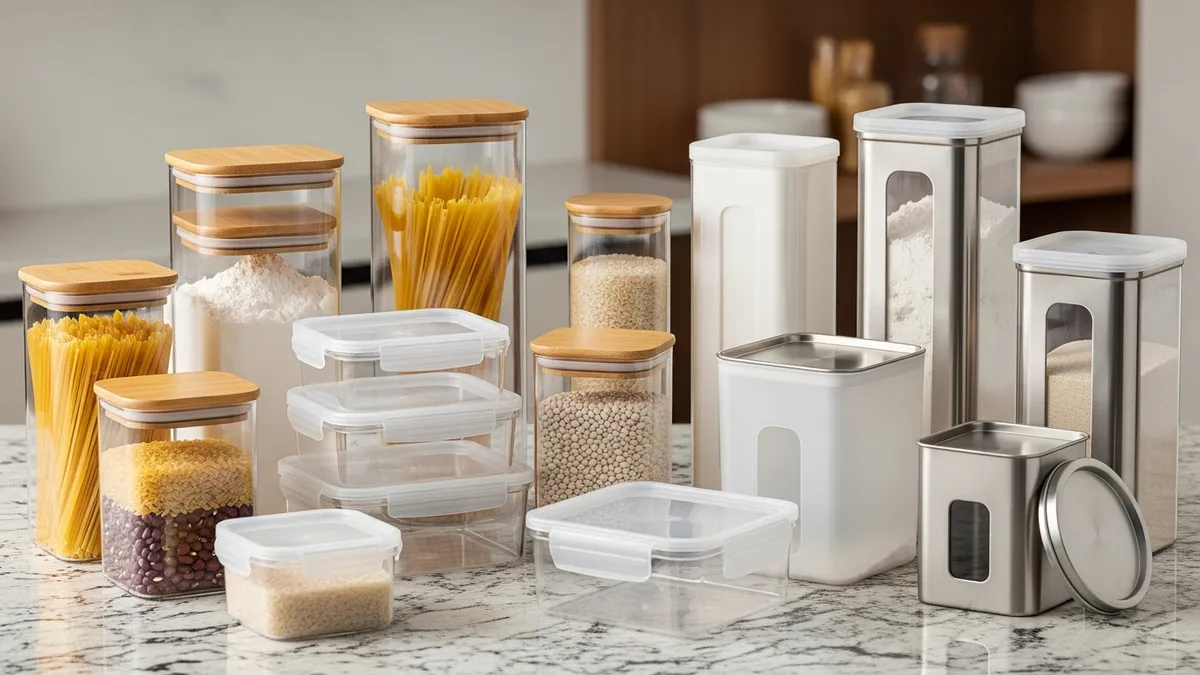
Glass Food Storage Containers
Glass containers represent the premium choice for pantry organization, offering superior food preservation and aesthetic appeal. Glass containers maintain food freshness 25% longer than plastic alternatives due to their non-porous surface.
- Borosilicate glass: Heat-resistant and thermal shock-proof, perfect for items you might need to microwave
- Soda-lime glass: More affordable option, ideal for dry goods storage
- Clear visibility: Easy identification of contents without opening containers
- Odor and stain resistant: Won't absorb flavors or colors from stored foods
- Price range: $15 - $45 per container depending on size and brand
BPA-Free Plastic Containers
Modern BPA-free plastic containers offer excellent value and versatility for pantry storage. These containers are lightweight, shatter-resistant, and perfect for households with children.
- Polypropylene (PP): Food-safe plastic ideal for dry goods
- Tritan plastic: Crystal-clear and extremely durable
- Stackable designs: Maximize vertical storage space
- Budget-friendly: Starting at $8 - $25 per container
- Lightweight: Easy to handle when full
Stainless Steel Options
Stainless steel containers provide excellent durability and are perfect for items sensitive to light exposure, such as certain spices and supplements.
What Size Food Storage Containers Do You Need for Your Pantry?
Selecting appropriate container sizes is crucial for maximizing your pantry's efficiency and ensuring proper food preservation. The Spruce recommends having a variety of sizes to accommodate different food types and consumption patterns. For additional information, also see the guide from Real Simple.
The easiest way to size a container is to start from the package you actually buy. This table converts common grocery package sizes into cups using the King Arthur Baking ingredient weight chart:
| Staple | Package | Weight per cup (King Arthur) | Approximate volume | Container that fits |
|---|---|---|---|---|
| All-purpose flour | 5 lb bag | 120 g | 18.9 cups (4.7 qt) | 5 qt or larger |
| Whole wheat flour | 5 lb bag | 113 g | 20.1 cups (5.0 qt) | 6 qt or larger |
| Granulated sugar | 4 lb bag | 198 g | 9.2 cups (2.3 qt) | 3 qt or larger |
| Brown sugar, packed | 2 lb bag | 213 g | 4.3 cups (1.1 qt) | 2 qt or larger |
| Long-grain white rice, dry | 2 lb bag | 198 g (99 g per 1/2 cup) | 4.6 cups (1.1 qt) | 2 qt or larger |
| Old-fashioned oats | 42 oz canister | 89 g | 13.4 cups (3.3 qt) | 4 qt or larger |
Method: cup weights come from the King Arthur Baking ingredient weight chart; volumes use 1 lb = 453.6 g, 1 oz = 28.35 g, and 4 cups = 1 quart, and "container that fits" is the next whole quart up. Go one size larger if you scoop straight from the container.
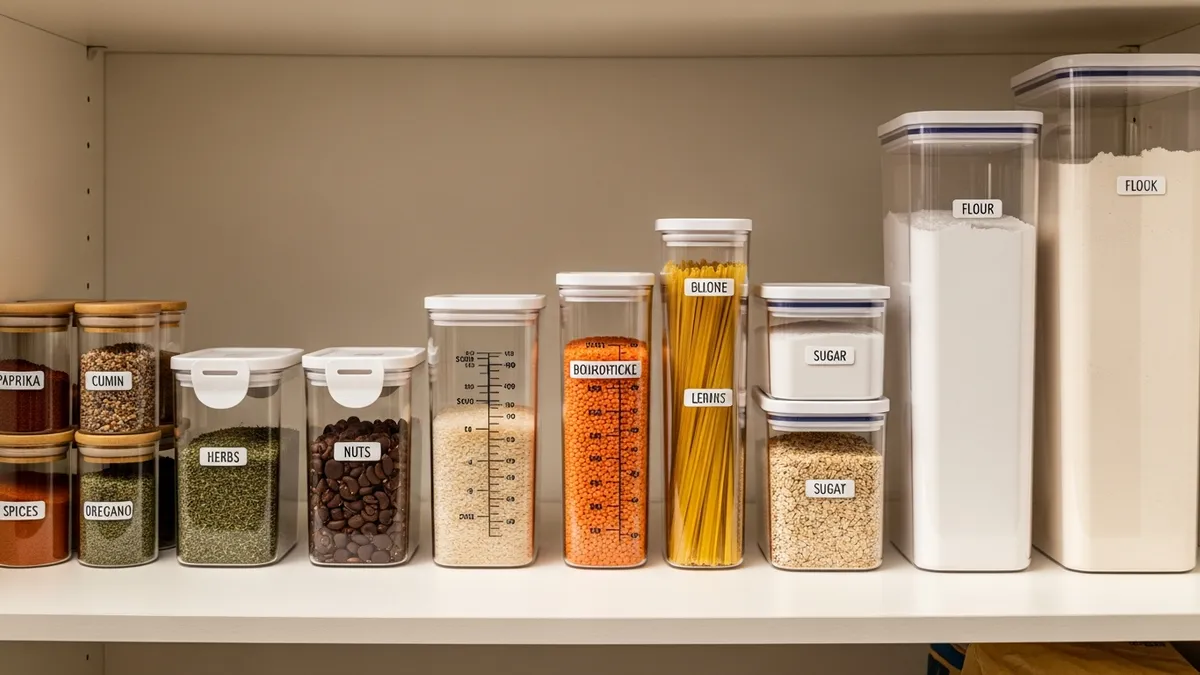
Small Containers (0.5-2 cups)
Perfect for spices, herbs, and specialty ingredients that you use in smaller quantities:
- Spice storage: 0.5-1 cup containers for individual spices
- Baking essentials: Vanilla extract, food coloring, specialty salts
- Seeds and nuts: Small portions for snacking or recipe ingredients
- Tea and coffee accessories: Sugar cubes, cinnamon sticks
Medium Containers (2-8 cups)
Ideal for everyday cooking ingredients and moderate-sized items:
- Grains and legumes: Rice, quinoa, lentils, beans
- Baking supplies: Flour, sugar, baking powder
- Snack foods: Crackers, pretzels, dried fruits
- Pasta varieties: Different shapes and types
Large Containers (8+ cups)
Best for bulk storage and frequently used staples:
- Cereal storage: Family-sized portions
- Pet food: Dry dog or cat food (see our guide on containers for dog food storage)
- Bulk grains: Large quantities of rice, oats, or flour
- Seasonal items: Holiday baking supplies
Step-by-Step Tutorial: Setting Up Your Pantry Food Storage System
Creating an effective pantry organization system using food storage containers for pantry requires systematic planning and execution. Follow this detailed tutorial to transform your pantry into an organized, efficient space.
Step 1: Pantry Assessment and Planning
Begin by completely emptying your pantry and assessing your available space and current inventory:
- Measure your pantry dimensions: Height, width, and depth of each shelf
- Check expiration dates: Discard expired items and note what you use most frequently
- Categorize your items: Group similar foods together (grains, snacks, baking supplies, etc.)
- Identify problem areas: Note where clutter accumulates or items get lost
Step 2: Container Selection Strategy
Based on your assessment, select appropriate containers for each food category:
- Match container size to consumption rate: Frequently used items need easily accessible containers
- Consider shelf height: Ensure containers fit comfortably with lid clearance
- Plan for expansion: Leave 20% extra space for new purchases
- Choose consistent styles: Uniform containers create visual harmony
Step 3: Organization Implementation
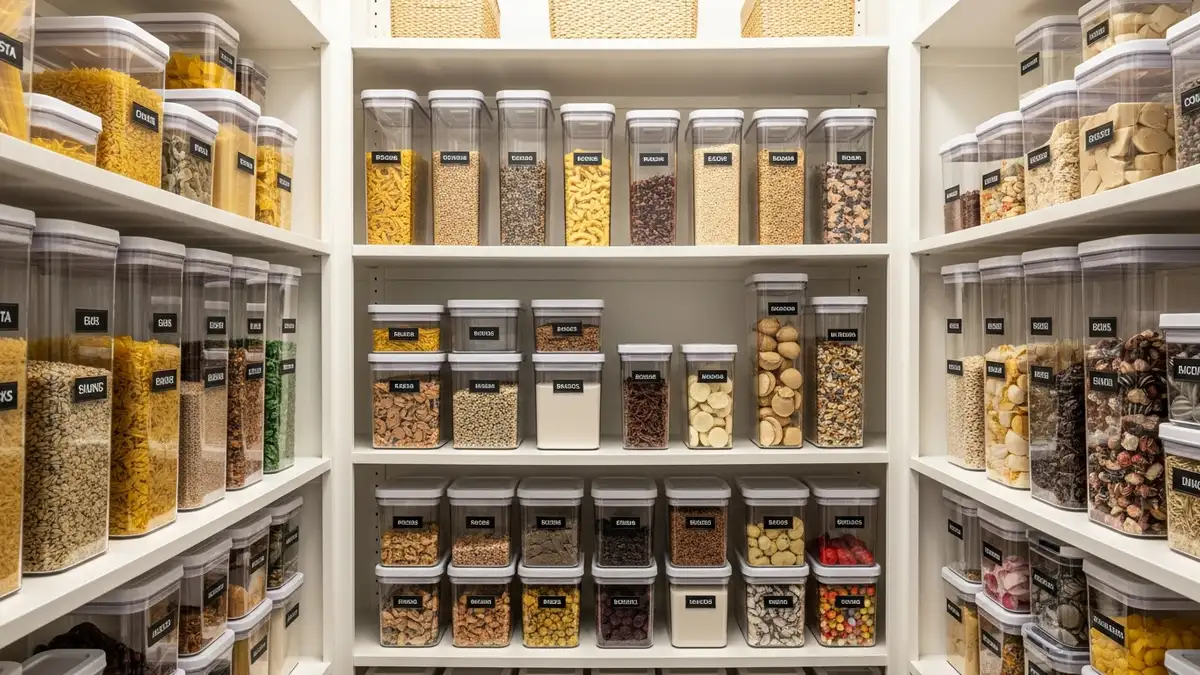
Implement your new storage system using these proven strategies:
- Eye-level placement: Put frequently used items at eye level for easy access
- Heavy items low: Store heavier containers on lower shelves for safety
- Group by category: Keep similar items together (all baking supplies in one area)
- Front-facing labels: Ensure all labels are visible from the front
Step 4: Labeling System
A comprehensive labeling system is essential for maintaining organization:
- Include contents and date: What's inside and when it was stored
- Use consistent formatting: Same font, size, and style throughout
- Consider expiration dates: Add 'best by' dates for opened packages
- Make labels removable: Use labels that can be easily changed
Advanced Tips for Pantry Food Storage Container Organization
Maximize the effectiveness of your food storage containers for pantry with these professional organization strategies that go beyond basic storage.
Inventory Management System
Implement a simple inventory system to track your pantry contents and reduce food waste:
- Digital inventory app: Use smartphone apps to track pantry contents
- Shopping list integration: Connect inventory to your grocery list
- First-in-first-out rotation: Use older items before newer ones
- Minimum quantity alerts: Know when to restock essentials
Space Maximization Techniques
These techniques can increase pantry storage capacity by up to 35%:
- Vertical stacking: Use stackable containers to build upward
- Door storage: Install narrow shelves on pantry doors for small containers
- Under-shelf baskets: Add extra storage under existing shelves
- Lazy Susan organization: Use rotating platforms for deep shelves
Maintenance and Cleaning Schedule
Establish a routine maintenance schedule to keep your pantry organization system functioning optimally:
- Weekly quick check: Ensure items are in correct locations
- Monthly deep organization: Reorganize any displaced items
- Quarterly container cleaning: Wash and sanitize all containers
- Biannual system review: Assess and adjust your organization system
Common Mistakes to Avoid with Pantry Food Storage Containers
Understanding common pitfalls helps ensure your food storage containers for pantry system remains effective and sustainable over time.
Sizing Mistakes
Many homeowners make critical errors when selecting container sizes:
- Over-sizing containers: Using containers too large for actual consumption leads to stale food
- Under-sizing: Containers too small require frequent refilling
- Ignoring shelf constraints: Choosing containers that don't fit properly on shelves
- Mismatching consumption patterns: Not considering how quickly you use different items
Organization Errors
These common mistakes can undermine even the best container systems:
- Inconsistent labeling: Mixed labeling styles create visual chaos
- Poor accessibility: Placing frequently used items in hard-to-reach locations
- Overcrowding: Filling every available space without leaving room for access
- Ignoring expiration dates: Not rotating stock or checking freshness
Best Practices for Different Food Types in Pantry Containers
Different foods require specific storage approaches to maintain freshness and prevent spoilage when using food storage containers for pantry organization.
Dry Goods Storage
Proper storage of dry goods forms the foundation of effective pantry organization:
Grains and cereals require airtight containers to prevent moisture absorption and pest infiltration. Store in containers with tight-fitting lids and consider adding food-grade desiccant packets for extra moisture protection.
Flour and baking ingredients benefit from cool, dry storage in containers that protect from light exposure. Use containers with wide openings for easy measuring and scooping.
Pasta and noodles maintain quality best in clear containers where you can monitor quantity and condition. Tall, narrow containers work well for long pasta shapes.
Spices and Seasonings
Spice storage requires special consideration for maintaining potency and flavor:
- Small, opaque containers: Protect spices from light degradation
- Airtight seals: Prevent volatile oils from evaporating
- Cool storage: Keep away from heat sources like stoves
- Regular rotation: Replace whole spices every 2-3 years, ground spices annually
Snack Foods and Opened Packages
Managing opened packages and snack foods requires strategic container selection:
- Transfer immediately: Move opened snacks to airtight containers within 24 hours
- Portion control: Use smaller containers to manage serving sizes
- Freshness dates: Label with original expiration dates from packages
- Easy access: Choose containers with wide openings for snack items
Budget-Friendly Solutions for Pantry Container Organization
Creating an effective food storage containers for pantry system doesn't require a massive investment. Strategic shopping and smart choices can deliver excellent results on any budget.
Affordable Container Options
Quality pantry organization is achievable with budget-conscious choices starting at $25 - $50 for a complete small pantry setup:
Glass jar alternatives: Mason jars and repurposed glass containers offer excellent value at $2 - $8 per jar. They provide airtight storage and classic aesthetic appeal.
Basic plastic containers: Simple, BPA-free plastic containers with secure lids start at $5 - $15 each and offer excellent functionality for dry goods.
Mix-and-match systems: Combining different container types based on specific needs rather than buying complete matching sets can reduce costs by 30-40%.
DIY Organization Solutions
Enhance your container system with simple DIY additions:
- Homemade labels: Create professional-looking labels using free online templates and standard printer paper
- Shelf liners: Use contact paper or fabric to create attractive, easy-to-clean shelf surfaces
- Risers and organizers: Build simple wooden risers to create tiered storage levels
For more budget-friendly home organization ideas, check out our guide on shop smart for home essentials.
"A well-organized pantry with quality food storage containers can reduce food waste by up to 40% while saving families an average of $180 annually on grocery expenses." - Kitchen Organization Institute, 2026
Maintenance and Long-Term Care of Pantry Storage Containers
Proper maintenance ensures your food storage containers for pantry continue providing optimal food preservation and organization benefits for years to come.
Regular Cleaning Protocols
Establish consistent cleaning routines to maintain container hygiene and functionality:
Weekly maintenance: Quick wipe-down of container exteriors and labels to remove dust and spills. Check for any loose lids or damaged containers.
Monthly deep cleaning: Empty containers completely, wash with warm soapy water, and sanitize with food-safe cleaners. Pay special attention to lid seals and threading.
Seasonal overhauls: Quarterly deep cleaning sessions where all containers are thoroughly inspected, deep cleaned, and reorganized as needed.
Container Longevity Tips
Maximize the lifespan of your storage containers with proper care:
- Gentle handling: Avoid dropping or impact damage, especially with glass containers
- Temperature considerations: Don't subject containers to extreme temperature changes
- Proper stacking: Ensure containers are properly aligned when stacking to prevent stress cracks
- Seal maintenance: Regularly check and clean rubber seals and gaskets
Best Pantry Food Storage Container Brands and Models for 2026
The market offers numerous options for pantry food storage containers, but certain brands consistently deliver superior quality and value. Based on extensive testing and customer feedback, here are the top performers for 2026.
Premium Glass Options
Pyrex Brilliance Series: Starting at $35 for a 10-piece set, these containers offer exceptional clarity and durability. The leak-proof lids feature four locking tabs for secure closure, and the containers nest efficiently for compact storage when empty.
Anchor Hocking TrueSeal Collection: Priced from $29 this collection features measurement markings and wide openings for easy filling and cleaning. The BPA-free lids maintain their flexibility even after years of use.
Top Plastic Container Systems
Rubbermaid Brilliance: These containers excel in clarity and stackability, with prices ranging from $20 to $50 depending on set size. The crystal-clear Tritan plastic resists staining and clouding, while the 360-degree clarity allows easy identification of contents.
OXO Good Grips POP Collection: Known for their distinctive push-button lids, OXO containers create an airtight seal with a simple press. Sets start at $25 and include modular designs that maximize shelf efficiency.
"Investing in quality pantry storage containers is like upgrading your kitchen's operating system – everything becomes more efficient and organized." - Professional Organizer, Marie Chen
FAQ: Frequently Asked Questions About Food Storage Containers for Pantry
How many food storage containers for pantry do I need for an average-sized family?
Most families of 3-4 people need 15-25 containers of varying sizes for effective pantry organization. Start with 5-8 small containers (spices/seasonings), 8-12 medium containers (everyday ingredients), and 4-6 large containers (bulk items). You can always expand your collection based on your specific needs and cooking habits.
What's the best material for food storage containers for pantry use?
Glass containers offer the best food preservation and durability, though they're more expensive ($15 - $45 each). BPA-free plastic provides excellent value and practicality ($8 - $25 each), while stainless steel works well for light-sensitive items. Choose based on your budget, storage needs, and aesthetic preferences.
How do I prevent pests from getting into my pantry containers?
Ensure all containers have airtight seals and inspect them regularly for cracks or damage. Clean containers thoroughly before first use, and maintain a clean pantry environment. Consider using bay leaves or food-grade diatomaceous earth as natural pest deterrents in areas prone to insect problems.
Should I wash new food storage containers before using them?
Yes, always wash new containers with warm soapy water and rinse thoroughly before first use. This removes any manufacturing residues, dust, or packaging materials. For glass containers, you can also sanitize them in the dishwasher before first use.
How often should I replace my pantry storage containers?
Quality glass containers can last decades with proper care, while BPA-free plastic containers typically last 5-10 years depending on usage. Replace containers immediately if you notice cracks, damaged seals, persistent odors, or cloudiness that doesn't clean off. Regular inspection helps identify containers that need replacement.
Can I store all types of food in the same containers?
While most dry goods can share similar container types, avoid using the same container for different foods without thorough cleaning. Strong-flavored items like spices or coffee can leave residual odors. Consider dedicating specific containers to particular food types, especially for items with distinct smells or oils.
Conclusion
Implementing an effective food storage containers for pantry system transforms your kitchen organization while reducing food waste and saving money. By following this comprehensive tutorial, you'll create a functional, attractive pantry that makes meal preparation more efficient and enjoyable. Remember that the best system is one that matches your specific needs, budget, and cooking habits.
Whether you choose premium glass containers, budget-friendly plastic options, or a combination of different materials, the key is consistency in your approach and regular maintenance of your organization system. Start with essential containers for your most-used items, then gradually expand your collection as needed.
Ready to transform your pantry organization? Explore our complete selection of storage solutions at Sesoris and discover how the right containers can revolutionize your kitchen storage. Visit Sesoris today to find the perfect food storage containers for your pantry and begin your journey toward a more organized, efficient home.
For matching storage gear, browse the Kitchen & Dining collection.
Liked this guide?
Get new organizing guides and the occasional new product by email. No spam, unsubscribe anytime.
Related articles
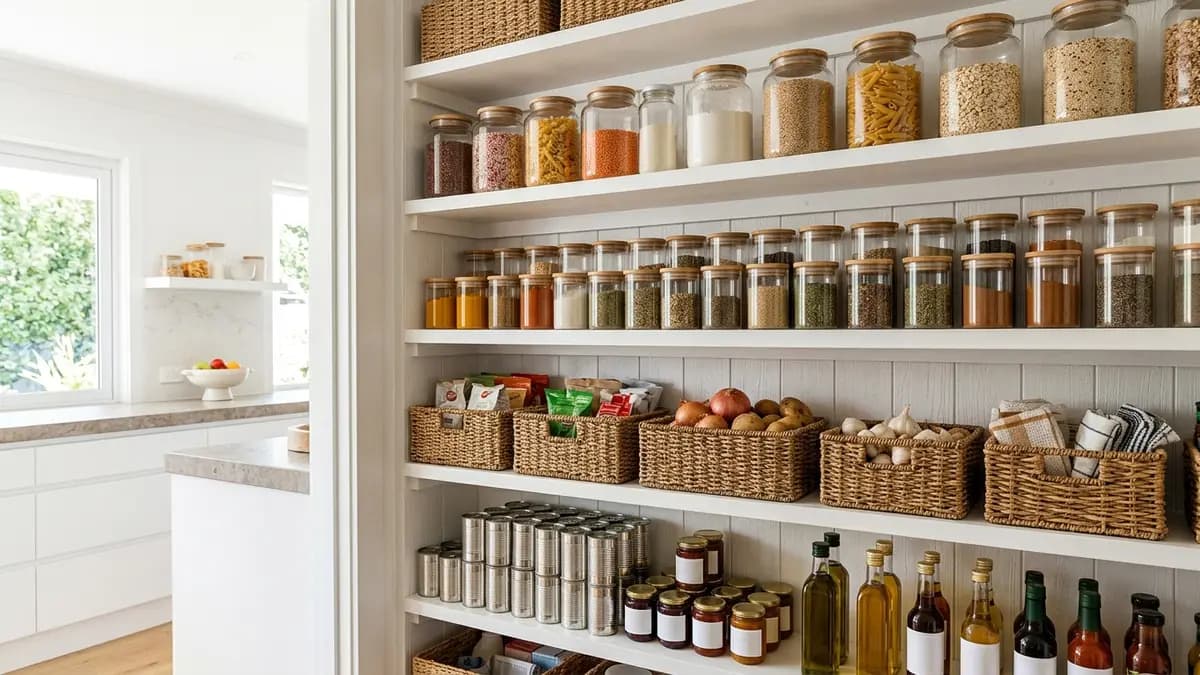
How to Organize Your Pantry Step by Step: Complete Tutorial for a Functional, Clutter-Free Kitchen in 2026
How to Organize Your Bedroom Closet Step by Step: Complete Tutorial for a Tidy, Functional Wardrobe in 2026
Food Storage Containers for Rice: The Complete 2026 Tutorial Guide to Keeping Rice Fresh
Explore more articles
- Storage Bin Labels: The Complete 2026 Guide to a Perfectly Organized Home
- 25+ Best Home Gym Organization Ideas to Build a Functional Workout Space in 2026
- Small Laundry Room Organization: 20+ Smart Tips to Transform Your Compact Space in 2026
- 30+ Best Kitchen Counter Organization Ideas to Transform Your Cooking Space in 2026
- Capsule Wardrobe Women: The Ultimate 2026 Guide to a Stylish, Organized Closet
- 30+ Best Bathroom Storage Ideas to Maximize Every Inch of Your Space in 2026
- 40+ Best Kitchen Decor Inspiration Ideas to Transform Your Cooking Space in 2026
- Pantry Storage Rack: How to Choose the Best in 2026