
25+ Best Pantry Shelving Ideas to Transform Your Kitchen Storage in 2026
Discover 25+ smart pantry shelving ideas to maximize every inch of your kitchen storage. Get practical tips for a beautifully organized pantry in 2026!

If your pantry feels more like a black hole than a functional food storage space, you are not alone. The good news is that the right pantry shelving ideas can completely change how your kitchen looks, feels, and functions. Whether you have a spacious walk-in pantry, a compact reach-in cabinet, or just a few awkward kitchen cabinets to work with, smart shelving makes all the difference. In this guide, I am sharing 25+ of the best pantry shelving ideas for 2026 that work for every home size, style, and budget.
Table of Contents
- Why Pantry Shelving Ideas Matter
- 25+ Pantry Shelving Ideas
- Ideas for Small Spaces
- How to Organize Pantry Shelving
- Walk-In Pantry Ideas
- FAQ: Frequently Asked Questions
Why the Right Pantry Shelving Ideas Matter More Than You Think
A well-organized pantry does more than just look nice on social media. It saves you time, reduces food waste, and can even help you save money at the grocery store. When everything has a designated spot on a clearly visible shelf, you stop buying duplicates of items you already own and stop letting food expire in the back of a dark cabinet.
According to Architectural Digest's pantry storage guide, one of the most common mistakes homeowners make is treating pantry shelving as an afterthought rather than a core part of kitchen planning. When you invest even a little thought and a few smart shelving solutions into your pantry, the payoff is enormous.
Before jumping into specific ideas, it helps to think about what type of pantry you are working with. Most American homes have one of three setups:
- Walk-in pantry: A dedicated room or large closet, usually between 5 and 10 square feet, with room to install shelving on multiple walls
- Reach-in pantry: A cabinet or narrow closet, typically 12 to 24 inches deep, where everything is visible from the door
- Cabinet pantry: Standard upper or lower kitchen cabinets repurposed for dry goods and food storage
Each type benefits from different shelving strategies, and I will cover them all below.
25+ Pantry Shelving Ideas for Every Home and Budget
1. Install Adjustable Shelving for Maximum Flexibility
Adjustable shelves are a game changer. Instead of being locked into fixed shelf heights that never quite fit your tallest cereal box or your short spice jars, you can move the shelves to fit exactly what you store. Most adjustable systems use shelf pins inside pre-drilled holes along a vertical panel, making it easy to reconfigure anytime your storage needs change.
Look for solid wood or melamine-coated particleboard systems for a clean, finished look inside a walk-in pantry. For reach-in cabinets, adjustable wire shelf brackets are a budget-friendly and durable option.
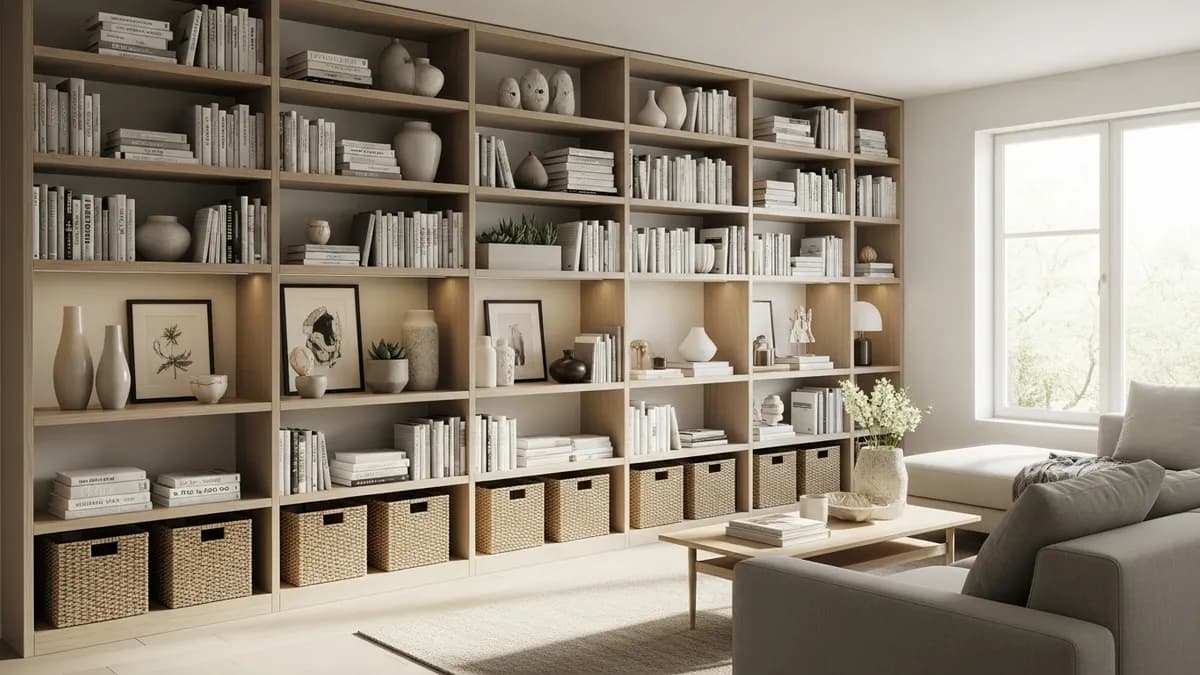
2. Use Open Floating Shelves for a Modern, Accessible Pantry
Open floating shelves have become one of the most popular pantry shelving ideas in 2026 because they look clean, keep items visible, and are incredibly easy to install. Floating shelves work beautifully in dedicated pantry rooms where you want that Pinterest-worthy display of uniform containers and wicker baskets.
For the best results, space your floating shelves about 12 to 15 inches apart for standard canned goods and containers, and leave at least 18 inches of clearance on the top shelf for tall bottles and appliances.
3. Add Pull-Out Drawers to Deep Cabinet Pantries
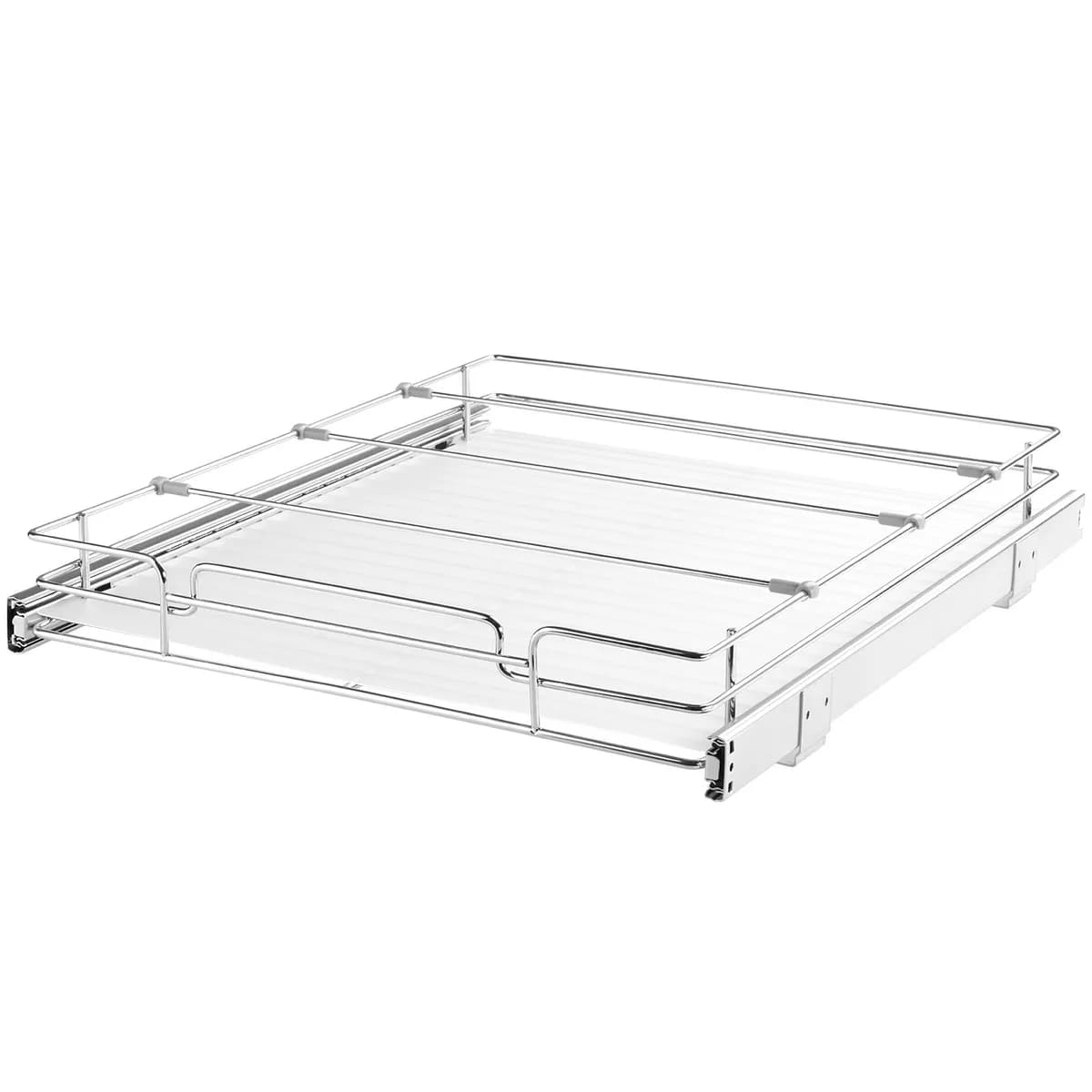
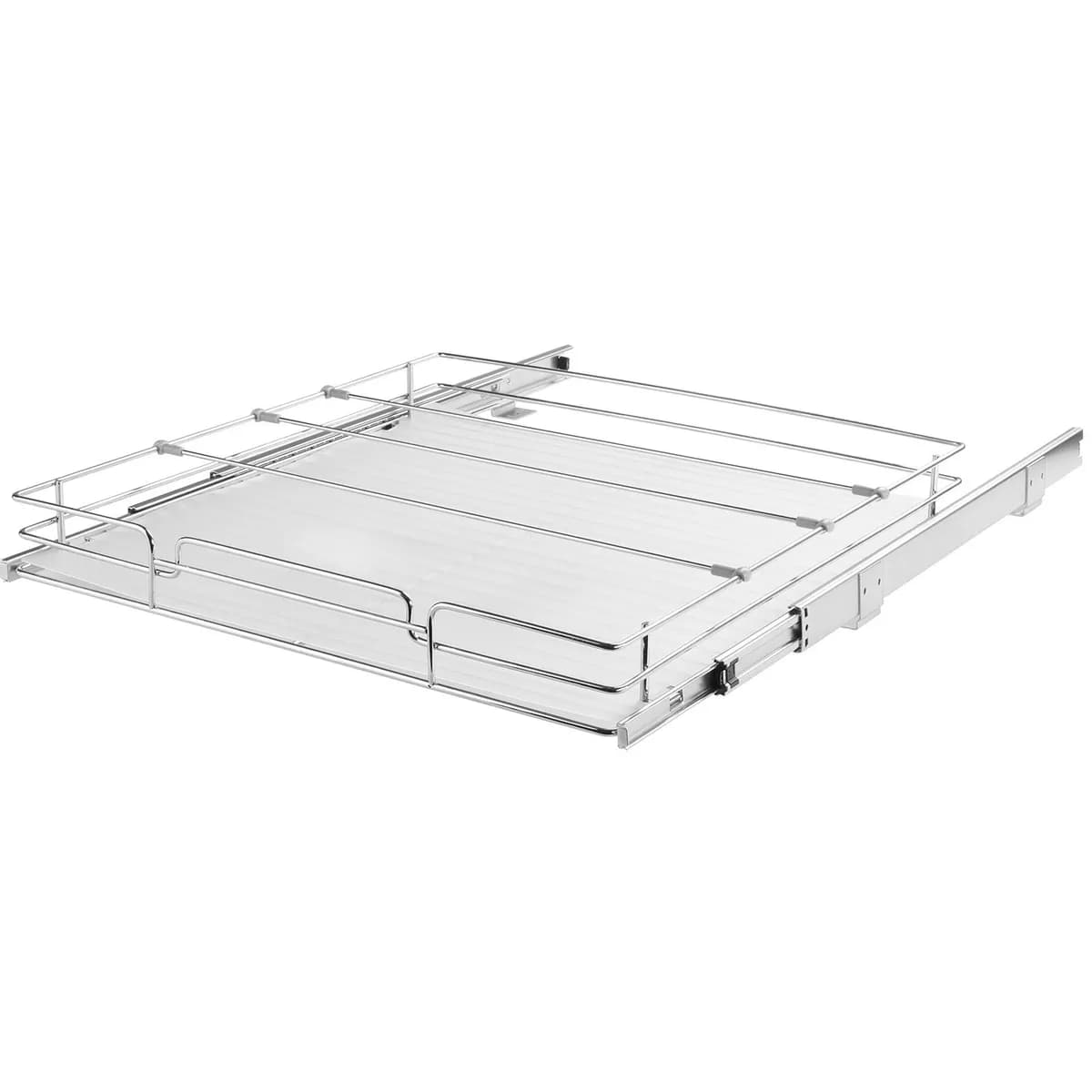
One of the biggest frustrations with deep pantry cabinets is that items get pushed to the back and forgotten. Pull-out drawers and sliding wire baskets solve this problem instantly. You can install them on existing shelves using track hardware, or buy a freestanding pull-out unit that slides into your cabinet.
Good Housekeeping's pantry organization ideas recommends pull-out shelf systems as one of the top upgrades for reach-in pantries, noting that they dramatically improve accessibility without requiring a major renovation.
4. Go Vertical with Tall Freestanding Shelving Units
If you do not have a dedicated pantry, a tall freestanding shelving unit placed in a kitchen corner or along a blank wall can create one. Units that reach 72 inches or higher make the most of vertical space that is typically wasted. Look for units with at least 5 or 6 shelves so you can organize by food category from top to bottom.
Metal wire shelving units are a popular and budget-friendly choice, while wooden or laminate freestanding shelves give a warmer, furniture-like appearance. You can find great options in the Sesoris shop that are specifically designed for kitchen and pantry storage.
5. Use a Corner Shelving Unit to Eliminate Dead Space
Corner spaces in a walk-in pantry are notoriously hard to use. A lazy Susan turntable shelf or a custom corner shelving unit turns that awkward spot into one of the most functional areas in your pantry. Lazy Susans are especially useful for oils, vinegars, and condiments because everything rotates to the front without you having to reach into the back.
6. Install a Door-Mounted Spice Rack
The back of a pantry door is prime real estate that most homeowners ignore entirely. An over-the-door spice rack or slim shelf unit adds an extra 4 to 6 inches of storage depth without taking up any floor or shelf space. You can store spices, snack packets, foil, and plastic wrap right on the door.
For more ideas on organizing your spices, check out our kitchen spice rack guide, which covers the best rack styles and placement strategies for 2026.
7. Create Zones on Your Shelves with Bins and Baskets
Great pantry shelving is only half the battle. The other half is organizing what goes on those shelves. Creating dedicated zones, such as a breakfast zone, a baking zone, a canned goods zone, and a snack zone, keeps your pantry intuitive for every member of your household.
Use labeled bins and baskets to group items within each zone. Pull-out canvas bins, stackable plastic bins, and wicker baskets all work well. The key is to choose containers that are uniform in size so they stack cleanly and make the most of your shelf height.
Pantry Shelving Ideas for Small Spaces
Not everyone has the luxury of a walk-in pantry. If you are working with a small apartment kitchen or a tight cabinet setup, these pantry shelving ideas are designed specifically for compact spaces.
8. Use a Slim Rolling Cart as a Mobile Pantry Shelf
A slim rolling cart, typically around 6 to 8 inches wide, can slide into the gap between your refrigerator and counter to create an instant extra pantry shelf. These carts usually have 3 to 4 tiers and are ideal for storing canned goods, oils, spices, and snacks. When you need access, you roll it out. When you are done, it disappears back into the gap.
9. Stack Your Canned Goods with Tiered Can Organizers
Tiered can organizers mount directly onto an existing pantry shelf or sit freestanding, and they hold 20 or more cans in a rotating FIFO (first-in, first-out) system. This means you load new cans from the back and pull from the front, so you always use the oldest cans first and nothing ever gets wasted.
10. Add a Tension Rod Shelf Beneath an Existing Shelf
Tension rods are one of the most underrated pantry shelving hacks. You can hang a tension rod horizontally beneath an existing shelf and use it as a rack for hanging spray bottles, storing foil boxes by their tabs, or even holding a small wire basket. It costs almost nothing and adds a surprising amount of functional storage.
11. Use Stackable Shelving Risers Inside Cabinets
Stackable shelf risers sit directly on an existing cabinet shelf and create a second level of storage within the same vertical space. Instead of stacking canned goods precariously on top of each other, you use a riser to create two neat rows. They are available in wire, bamboo, and plastic in widths ranging from 12 to 18 inches.
12. Mount Pegboard on a Pantry Wall for Customizable Hanging Storage
Pegboard is typically associated with garages and craft rooms, but it is fantastic inside a pantry too. You can hang hooks for measuring cups and spoons, small baskets for snack packets, or magnetic spice containers directly on the board. The best part is that you can rearrange the layout anytime you want without drilling new holes.
For a broader look at smart shelving systems, our article on modular shelving systems goes deep into flexible, reconfigurable options that work just as well in a pantry as in a living room.
Pantry Shelving Ideas by Material
The material of your pantry shelving affects both the look and the durability of your storage system. Here is a quick breakdown of the most common options:
Wire Shelving
Best for: Reach-in pantries, cabinet pantries, and budget-conscious setups
Wire shelving allows air to circulate, which is helpful for storing produce and bread. It is also rust-resistant (when coated) and very easy to clean. The downside is that small items can tip through the gaps, so you will want to add a shelf liner.
Solid Wood Shelving
Best for: Walk-in pantries and open shelving displays
Wood shelves look warm, elegant, and timeless. They work especially well for open pantry designs where the shelving itself is part of the visual appeal. Solid wood can handle heavy loads, but it requires sealing or painting to resist moisture and stains.
Melamine and Laminate Shelving
Best for: Built-in pantry systems and budget-friendly renovations
Melamine-coated particleboard offers the clean look of painted wood at a fraction of the cost. It is wipe-clean, resistant to minor moisture, and widely available in standard shelf dimensions at most home improvement stores.
Metal and Steel Shelving
Best for: Heavy-duty pantry storage and freestanding shelving units
If you need shelving that can handle serious weight (think bulk buying or large appliance storage), heavy-gauge steel shelving is your best friend. It is extremely durable, easy to disassemble, and works well in both walk-in pantries and basement food storage areas.
How to Organize Your Pantry Shelving Like a Pro
Having great shelves is only useful if you organize them thoughtfully. Here are the organizing principles I follow every time I tackle a pantry refresh:
- Empty everything first. Take every single item off your pantry shelves, check expiration dates, and discard anything that has gone bad or that you know you will never use.
- Group by category. Sort your remaining items into logical groups: baking, canned goods, pasta and grains, snacks, beverages, oils and condiments, and so on.
- Place frequently used items at eye level. The 18 to 54 inch range from the floor is the prime pantry real estate. Keep your most-used staples right there and put rarely used items higher or lower.
- Store heavy items low. Large bags of rice, flour, and sugar are heavy and are safer on the lower shelves where they are less likely to cause injury if they tip.
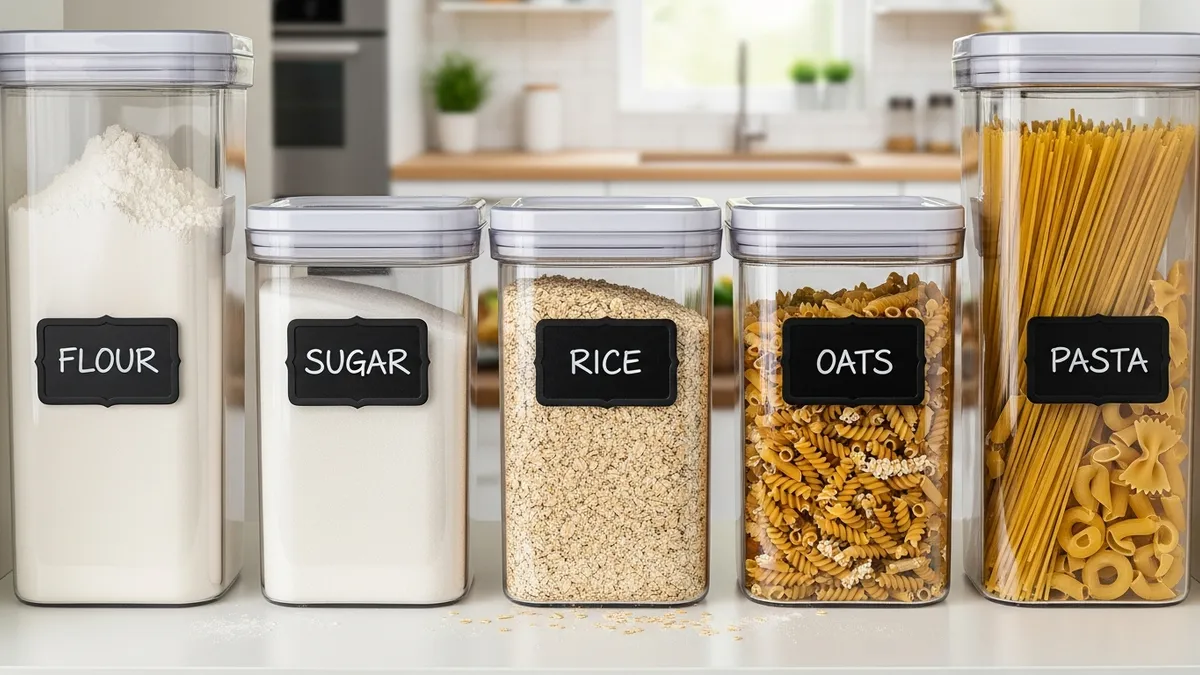
- Use airtight containers for dry goods. Transferring pasta, rice, flour, sugar, and cereal into airtight containers keeps them fresher longer and creates a uniform, clean look on your shelves. Our guide to airtight food storage containers covers everything you need to know about choosing the right containers.
- Label everything. Labels are what separate a functional pantry from a truly great one. You can use a label maker, chalkboard labels, or even a simple marker on painter's tape.
- Reassess seasonally. Plan to do a quick pantry audit every three to four months to remove expired items, return things to their proper zones, and adjust your shelving layout if needed.
A pantry that works for your lifestyle is far more valuable than a pantry that just looks good in photos. Focus on function first, then layer in the aesthetics.
Pantry Shelving Ideas for a Walk-In Pantry
If you are lucky enough to have a walk-in pantry, the world of shelving options opens up significantly. Here are some ideas specifically tailored to larger pantry spaces:
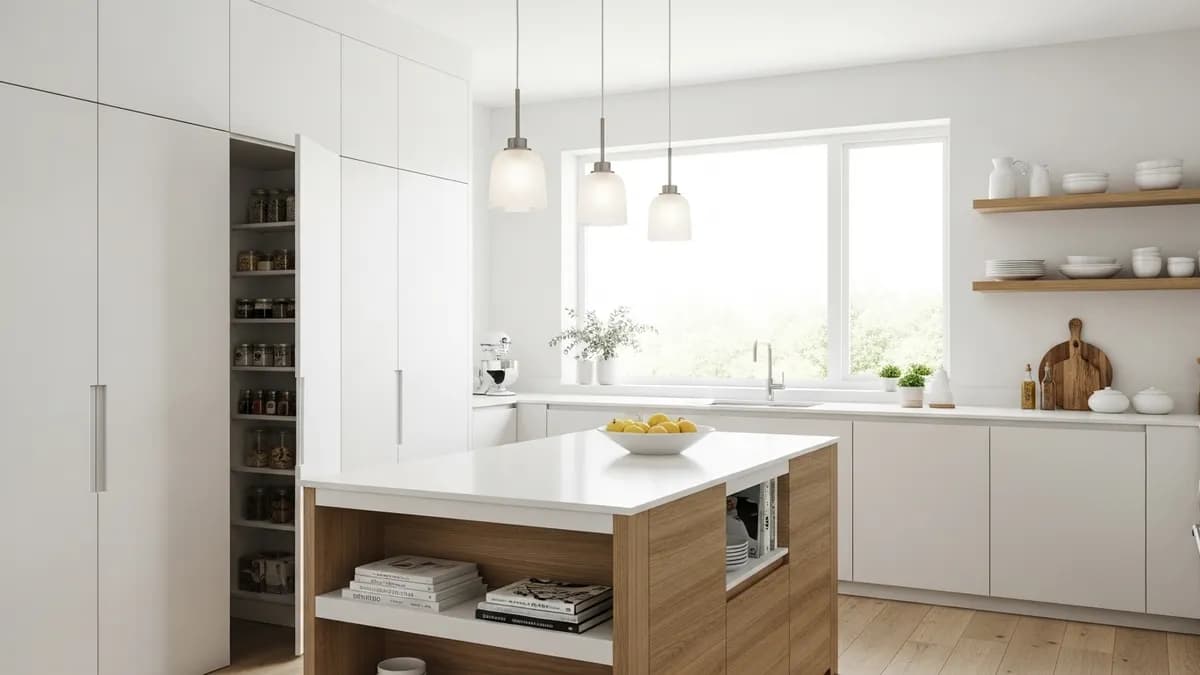
13. Build Floor-to-Ceiling Shelving on Every Wall
The most space-efficient walk-in pantry layouts use every inch of wall height, from floor to ceiling. The top shelves (above 72 inches) can store rarely used items like holiday baking supplies or large stockpile purchases. Everything else is organized below that point at a comfortable reach.
14. Add a Center Island for Extra Counter and Storage Space
In a larger walk-in pantry (8 feet wide or more), a small center island adds counter space for meal prep staging and drawer storage below. This is a popular feature in high-end kitchen renovations but can also be achieved more affordably with a repurposed butcher block table or a small kitchen island cart.
15. Install Dedicated Appliance Shelves
Appliances like stand mixers, toasters, blenders, and air fryers take up significant counter space in the kitchen. A dedicated appliance shelf in your walk-in pantry, typically at counter height (around 36 inches from the floor), keeps these items accessible but out of the way when you are not using them.
16. Create a Beverage Station Shelf
A dedicated shelf for coffee, tea, sparkling water, juice boxes, and related accessories keeps your beverage supplies organized and separate from food items. Add a small basket for sugar packets and stirrers, a tiered riser for K-cups, and hooks for mugs to make it a true beverage station.
For inspiration on setting up a beautiful coffee and beverage area, take a look at our coffee station organization guide.
17. Use Chalkboard Paint on One Shelf or Wall Section
Painting one section of your pantry wall or the front edge of a shelf with chalkboard paint gives you a reusable space to write your grocery list, note what needs to be restocked, or write out meal planning ideas. It is a small detail that makes a big practical difference.
18. Add Under-Shelf Basket Hooks
Under-shelf wire baskets clip or slide onto the front lip of any existing shelf and hang below it, creating a bonus storage zone for small items like packets of oatmeal, granola bars, or tea bags. They are inexpensive, require no installation, and can be moved around freely.
More Creative Pantry Shelving Ideas to Steal in 2026
19. Try a Two-Tone Shelf Color Scheme
Painting the back wall of your pantry a bold or contrasting color while keeping the shelves white or natural wood creates a striking, design-forward look. It also makes it easier to spot items against the colored background.
20. Use Matching Clear Containers for a Cohesive Look
One of the biggest visual upgrades you can make to any pantry shelf is switching all your dry goods into matching clear airtight containers. When every container is the same style and size, the pantry immediately looks more intentional and organized, even if everything else stays the same.
21. Install Lighting Inside Your Pantry
Good lighting transforms how functional a pantry feels. Stick-on LED strip lights or battery-operated puck lights mounted underneath shelves illuminate the contents without requiring any electrical work. You can find affordable and stylish lighting options at Architectural Digest's pantry organization guide that are specifically designed for pantry and cabinet interiors.
22. Reserve One Shelf for a Kids' Snack Zone
If you have children, designating a lower shelf as the kids' snack zone puts age-appropriate snacks at their eye level and reach. It teaches kids independence (they can grab their own snack without asking) and keeps the rest of your pantry organized because snacks are no longer scattered across every shelf.
23. Add a Fold-Down Shelf for Extra Counter Space
In a walk-in pantry with enough wall space, a fold-down wall-mounted shelf acts as an extra counter surface when you need it for meal prep or setting down grocery bags. When you are done, it folds flat against the wall and takes up virtually no space.
24. Use Magazine Files for Foil, Wrap, and Flat Packaging
Magazine files or slim upright organizers are perfect for storing foil rolls, plastic wrap, parchment paper, and flat packaging items that tend to fall over when stacked horizontally. Stand them upright in a magazine file and suddenly they are always easy to find and grab.
25. Install a Pull-Out Trash and Recycling Bin
If your pantry is adjacent to your kitchen prep area, adding a pull-out trash and recycling bin inside the pantry keeps waste management tidy and tucked away. It frees up floor space in the kitchen and makes it easy to toss packaging immediately when you are unpacking groceries.
Common Pantry Shelving Mistakes to Avoid
Even with great pantry shelving ideas in hand, a few common mistakes can undermine your efforts. Here is what to watch out for:
- Shelves that are too deep. Shelves deeper than 16 to 20 inches tend to create a black hole effect where items get lost at the back. Shallower shelves or pull-out drawers solve this problem.
- No labels. Even the most beautifully organized pantry will gradually slide into chaos if nothing is labeled. Labels tell everyone in the household exactly where things belong.
- Ignoring vertical space. Most pantries have at least 12 to 18 inches of wasted space at the top. Adding an extra shelf or using tall containers to fill this zone can add significant storage capacity.
- Buying containers before measuring. Always measure your shelf dimensions before buying bins, baskets, or containers. A bin that is a quarter-inch too wide can ruin your whole system.
- Over-organizing to the point of unsustainability. The most organized pantry is the one you can actually maintain. Do not create a system so complex that it falls apart after one grocery run.
Related Products from Sesoris
If you want to turn this guide into a real setup, start with Pull-Out Cabinet Organizer, 14 in. Wide and Double-Layer Bamboo Bread Box. For broader options, browse the Kitchen & Dining collection so the article journey does not stop at reading only.
Our practical rule: choose one product that solves the main clutter problem first, then add supporting organizers only when the daily workflow is already clear. This keeps the shopping path useful, not pushy.
FAQ: Frequently Asked Questions About Pantry Shelving Ideas
Q: What is the ideal depth for pantry shelves?
For most pantry setups, 12 to 16 inches deep is the sweet spot. This depth is shallow enough that you can see everything without items getting lost at the back, and deep enough to hold standard food packaging. For a walk-in pantry, you can go up to 20 inches on lower shelves where pull-out drawers help with access.
Q: How far apart should pantry shelves be spaced?
A general guideline is to space shelves 12 to 15 inches apart for standard canned goods and pantry staples. Allow 18 inches for cereal boxes and taller containers, and at least 24 inches for the bottom shelf if you plan to store large bags of flour, sugar, or pet food.
Q: What is the best shelving material for a pantry?
It depends on your priorities. Wire shelving is affordable and provides good air circulation. Solid wood looks beautiful for open pantry designs. Melamine is easy to clean and cost-effective for built-in setups. For heavy-duty storage of bulk goods, steel shelving is the most durable choice.
Q: How do I add more shelving to a pantry without renovating?
Freestanding shelving units, over-the-door organizers, under-shelf baskets, stackable shelf risers, and tension rod hacks are all zero-renovation ways to add significant shelving capacity to any pantry space.
Q: Should pantry shelves be open or closed?
Open shelves make items more visible and accessible, which helps with day-to-day use and meal planning. Closed shelves or door-fronted cabinets keep the space looking tidy even when organization is not perfect. Many homeowners prefer a combination of both.
Conclusion: Find Your Perfect Pantry Shelving Ideas and Start Organizing
There is no single perfect set of pantry shelving ideas because the best pantry is the one that works for your specific space, your household's habits, and your personal style. Whether you invest in a full walk-in pantry overhaul with floor-to-ceiling adjustable shelving, or you start small with a few shelf risers and a pull-out drawer, any improvement to your pantry shelving will pay off in daily convenience and peace of mind.
The key takeaways from this guide are simple: go vertical to maximize space, use adjustable or modular shelving whenever possible, create clear zones for different food categories, and use matching containers and labels to keep everything intuitive.
Ready to take the next step toward a more organized kitchen? Explore the full range of kitchen and pantry organization products at Sesoris and check out our best sellers for the most popular pantry storage solutions chosen by homeowners across the US in 2026. Your most organized pantry ever is just a few shelves away.
Liked this guide?
Get new organizing guides and the occasional new product by email. No spam, unsubscribe anytime.
Related articles

Explore more articles
- Bedroom Lifestyle Habits That Actually Keep Your Sleep Space Calm and Organized in 2026
- Lidded Box vs Open Basket Storage: Which Keeps Items Easier to Use?
- Ideas for Linen Closet Organization: A Practical, Source-Backed Guide for 2026
- Bathroom Storage Solutions: The Complete 2026 Tutorial Guide to a Tidy, Organized Bathroom
- Stainless Steel Food Storage Containers: The Complete 2026 Tutorial Guide to Durable, Healthy Kitchen Organization
- Storage Containers for Food BPA Free: The Complete 2026 Guide to Safe, Healthy Kitchen Organization
- Glass Food Storage Containers with Glass Lids: The Complete 2026 Guide to Fresh, Safe Kitchen Organization
- 30+ Best Organization Closet Ideas to Transform Your Storage Space in 2026