
Best Indoor Plant Pots and Planters for Home Organization: Complete 2026 Review & Buying Guide
Looking for the best indoor plant pots and planters in 2026? Our complete review covers materials, sizes, and styles to help you choose wisely.
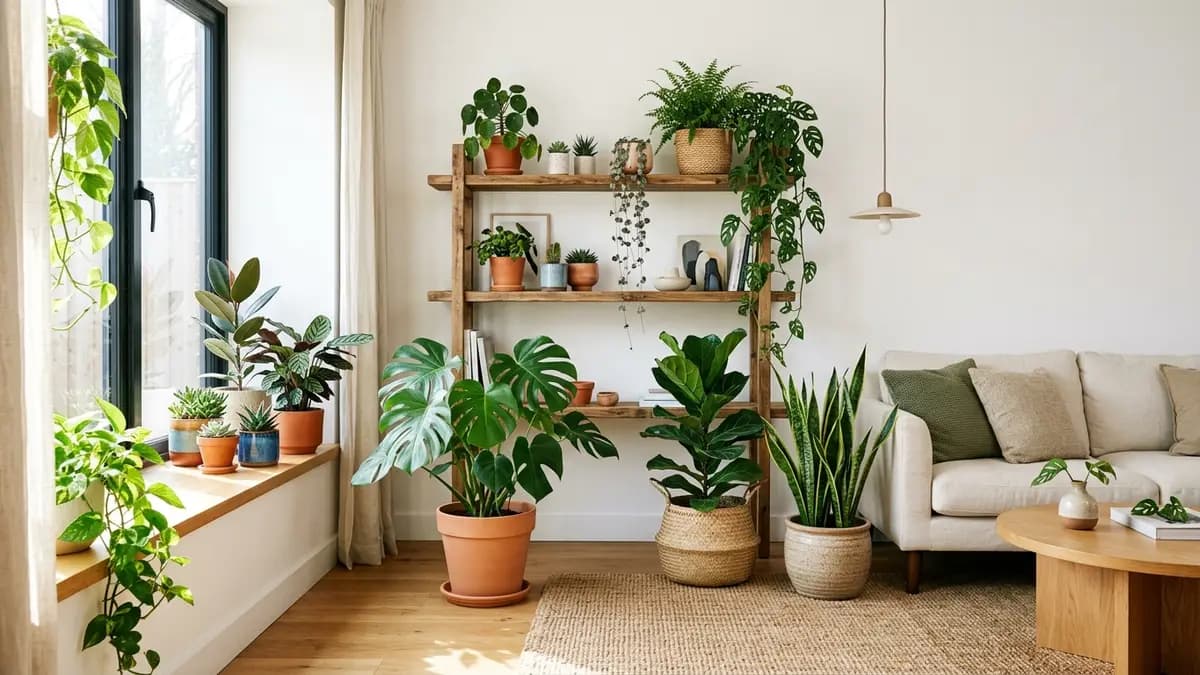
Choosing the right indoor plant pots and planters can feel overwhelming when you are standing in front of dozens of options at a store or scrolling through hundreds of choices online. In 2026, the market for indoor planters has expanded dramatically, offering everything from self-watering smart pots to hand-thrown terracotta and sleek minimalist ceramic designs. Whether you want to grow herbs on a kitchen windowsill, display a statement fiddle-leaf fig, or build a lush plant wall in your living room, the container you choose matters just as much as the plant itself. It affects drainage, root health, aesthetics, and how easily you can keep your space organized. This complete review and buying guide breaks down the most popular indoor plant pot materials, styles, and features available right now, so you can invest with confidence.
Why Indoor Plant Pots and Planters Matter More Than You Think
Most plant lovers focus almost entirely on choosing the right plant species and forget that the pot is half the equation. The wrong container can lead to overwatering, root rot, and poor drainage, which are among the most common reasons houseplants die. A pot that is too large holds excess moisture and suffocates roots; one that is too small restricts growth and dries out too quickly. Beyond plant health, your choice of planter directly shapes how your living space looks and functions.
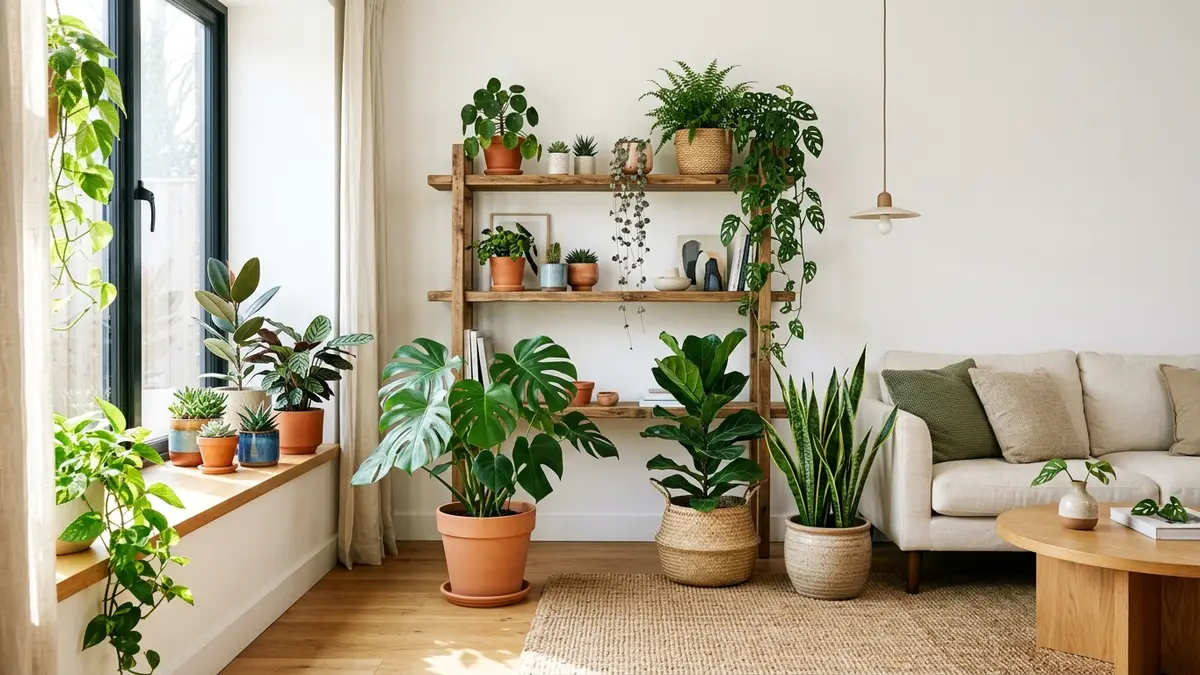
There is also a home organization angle that does not get discussed enough. Well-chosen pots and planters create visual cohesion, help you designate zones in open-plan homes, and even reduce clutter by replacing decorative objects with living greenery. If you have been following our indoor plants and home organization lifestyle guide, you already know that plants can double as natural room dividers, statement shelf pieces, and mood-boosting decor. The container makes that vision come together.
The Core Factors to Evaluate in Any Indoor Plant Pot
Before we dive into specific material and style reviews, here are the key factors every buyer should weigh:
- Drainage: Does the pot have a drainage hole? This is non-negotiable for most plants. Without it, water pools at the bottom and promotes root rot.
- Material and porosity: Porous materials like terracotta breathe and dry out faster. Non-porous materials like glazed ceramic or plastic retain moisture longer.
- Size and depth: Match the pot diameter to the plant's root ball, leaving roughly 1 to 2 inches of space on each side for growth.
- Weight: Heavy ceramic pots are stable but hard to move. Lightweight plastic or fiberglass pots are ideal if you rearrange often.
- Aesthetic fit: The pot should complement your room's color palette and style, whether that is bohemian, Scandinavian minimalist, or mid-century modern.
- Price and durability: Consider the long-term value, not just the upfront cost.
Terracotta Plant Pots: The Classic, Breathable Choice
Terracotta is the gold standard for indoor gardening, and for good reason. These unglazed clay pots are naturally porous, which means air and water can move through the walls, keeping roots healthy and reducing the risk of overwatering. They are especially ideal for succulents, cacti, herbs, and Mediterranean plants that prefer to dry out between waterings.
What we like: Terracotta pots are widely available, affordable (typically US$3 to US$20 depending on size), and they look beautiful whether you go plain and simple or paint them yourself. Their earthy, warm tones complement virtually every interior style, from rustic farmhouse to modern boho. They also get better with age, developing a natural white mineral patina that many gardeners love.
What to watch for: Because they are porous, terracotta pots dry out faster than other materials, which means more frequent watering, especially in dry climates or air-conditioned homes. They are also heavier than plastic pots of the same size and can crack if exposed to freezing temperatures outdoors. For indoor use, this is rarely an issue.
Best for: Succulents, cacti, herbs (basil, rosemary, thyme), snake plants, and any plant that prefers well-draining soil.
Size range to consider: 2-inch to 10-inch diameter covers most common houseplant needs. For large statement plants like a monstera or bird of paradise, look for 12-inch to 16-inch pots.
Glazed Ceramic and Stoneware Planters: Style Meets Function
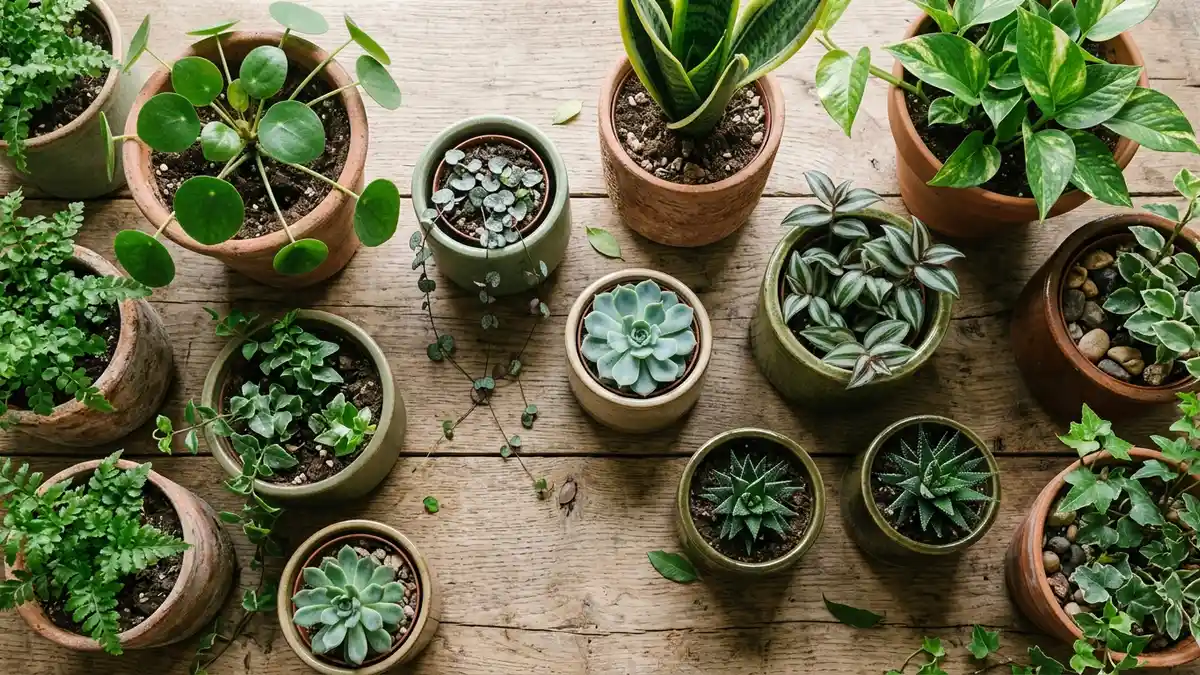
Glazed ceramic and stoneware planters are some of the most visually striking containers available in 2026. The glaze seals the clay, making these pots non-porous, which means they retain moisture significantly longer than terracotta. This is a benefit for moisture-loving plants like ferns, peace lilies, and pothos, but it does require you to be more careful about watering frequency.
What we like: The variety of colors, textures, and finishes is unmatched in any other category. You can find hand-painted artisan pieces for US$30 to US$80, as well as beautifully simple matte glazed pots in the US$15 to US$40 range. They pair beautifully with modern, Scandinavian, and traditional interiors. Because the glaze is non-porous, they are also very easy to wipe clean.
What to watch for: Weight is a real consideration with stoneware. A 10-inch glazed ceramic pot can weigh 5 to 8 pounds before soil and plant are added. If you place large ceramic planters on shelves, make sure the shelf is rated for the weight. Many glazed pots also come without drainage holes, so check carefully before purchasing or be prepared to use them as decorative cachepots (outer covers) over a plain plastic nursery pot.
Best for: Pothos, peace lilies, ferns, orchids, anthuriums, and any tropical houseplant that appreciates consistent moisture.
Design tip: Use a matching set of three glazed ceramic pots in varying heights to create a cohesive display on a plant stand or indoor shelf. Odd-numbered groupings always look more natural and intentional.
Self-Watering Planters: The Best Indoor Plant Pots for Busy Households
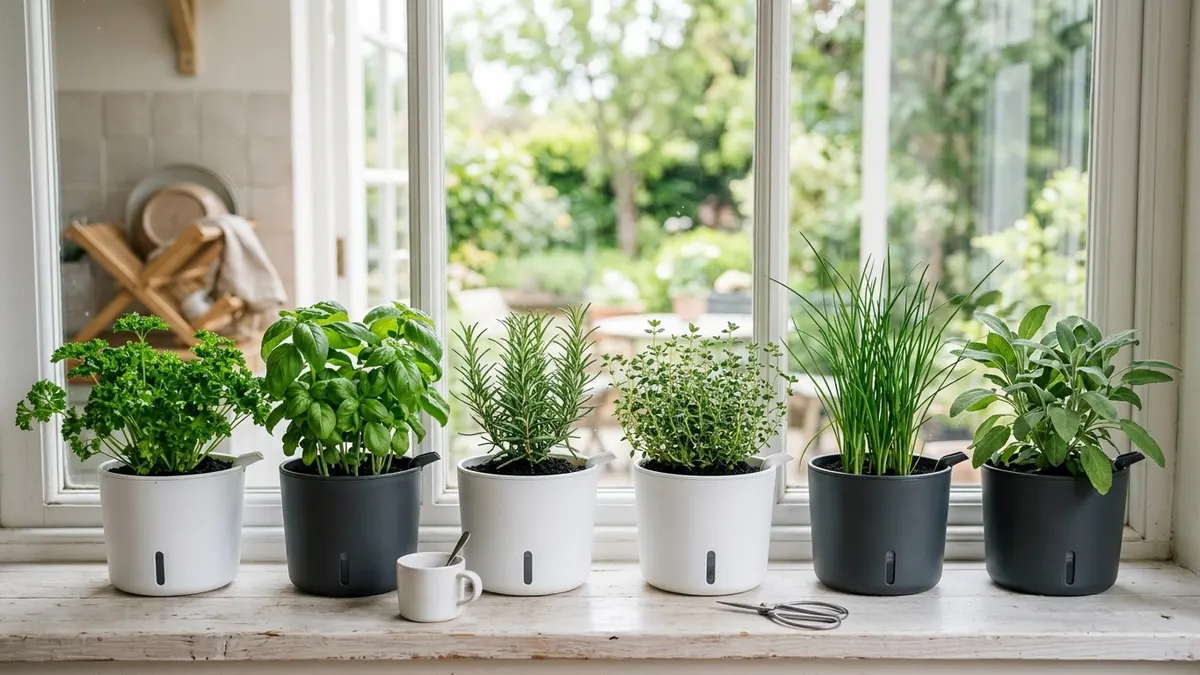
If you travel frequently, work long hours, or simply forget to water your plants, self-watering planters may be the most practical investment you make in 2026. These clever containers have a built-in reservoir at the bottom that holds water, which wicks up through the soil to the roots as needed. Plants take only what they need, which dramatically reduces overwatering and underwatering issues.
What we like: Self-watering planters are especially brilliant for herbs on a kitchen counter, since they keep the soil consistently moist without daily attention. Many modern designs are sleek and attractive, available in matte white, gray, and earth tones that suit contemporary kitchens and living rooms. Prices typically range from US$18 to US$55 depending on size and design quality. The water reservoir also keeps evaporation slow, so you refill less often compared to traditional pots.
What to watch for: Self-watering planters work best for plants with moderate to high water needs. They are not ideal for succulents or cacti, which need to dry out completely between waterings. Also, in humid climates or during winter when plants are dormant, you may need to empty the reservoir to prevent waterlogging.
Best for: Herbs (mint, basil, chives), pothos, philodendrons, peace lilies, African violets, and vegetable seedlings.
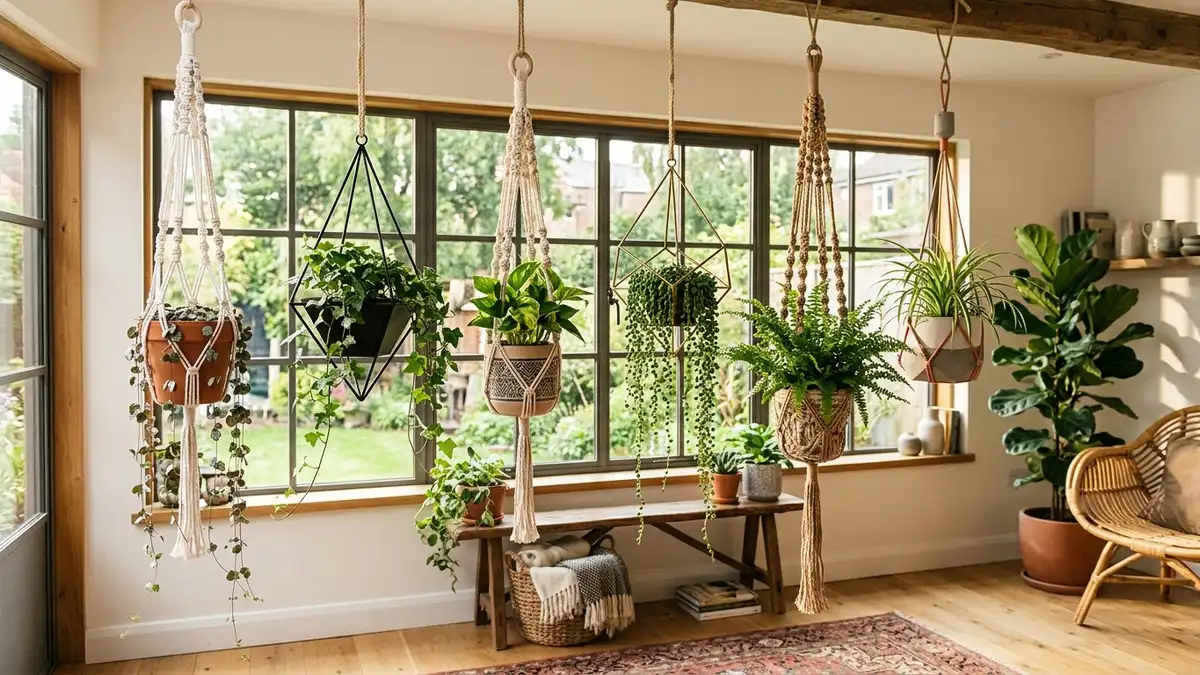
Hanging Planters: Maximize Vertical Space with Indoor Plant Pots
One of the most exciting ways to use indoor plant pots and planters in 2026 is going vertical. Hanging planters free up floor and shelf space while drawing the eye upward, making rooms feel taller and more dynamic. They are ideal for trailing plants like pothos, string of pearls, heartleaf philodendron, and spider plants.
Types of hanging planters worth reviewing:
Macrame Hanging Planters
Macrame holders have made a significant comeback in recent years, and they remain extremely popular in 2026. Typically made from natural cotton or jute rope, they hold a plain pot inside a hand-knotted cradle that adds a warm, textural, bohemian touch. Prices for handmade macrame hangers range from US$12 to US$45. They are lightweight and easy to relocate.
Geometric and Metal Hanging Planters
For a more modern or industrial look, geometric metal hanging planters made from powder-coated iron or brass-finished steel offer a clean, sculptural aesthetic. These typically run US$20 to US$60 and work beautifully in minimalist, Scandi, or mid-century modern interiors.
Ceramic Hanging Pots
Some ceramic pots are designed specifically for hanging, with built-in holes for cord or leather straps. These have a more artisan, crafted feel and usually land in the US$25 to US$70 range for quality pieces.
What to watch for with all hanging planters: Always check the ceiling hook load capacity before hanging a planter. A fully watered 6-inch pot with soil can weigh 4 to 6 pounds. Use ceiling anchors rated for at least twice the expected weight. The U.S. Consumer Product Safety Commission recommends using appropriate hardware that is matched to the ceiling material (drywall anchor versus wood stud) to prevent falls.
Plastic and Fiberglass Planters: Lightweight and Practical
Plastic planters get an unfair reputation as being cheap or unattractive, but the reality in 2026 is quite different. High-quality polypropylene and fiberglass planters now convincingly mimic the look of stone, concrete, terracotta, and ceramic at a fraction of the weight and cost. They are particularly valuable for large-format plants where moving a ceramic pot would require a second person.
Here is how the main indoor plant pot and planter materials in this guide compare at a glance, so you can match the material to the spot and the plant before you shop.
| Planter material | Best spot in the home | Main strength | Watch out for |
|---|---|---|---|
| Terracotta | Sunny sills, plants that like to dry out | Breathable walls help soil dry between waterings | Dries fast, heavier, can chip |
| Glazed ceramic or stoneware | Living room and entryway display spots | Holds moisture longer and looks finished | Heavy when planted, check for a drainage hole |
| Self-watering | Busy households and frequent travelers | Reservoir reduces how often you water | Overwatering if the reservoir is always topped up |
| Plastic or fiberglass | Tall floor plants, shelves, rentals | Light, easy to move and clean | Can look less premium, may tip if top-heavy |
| Woven basket (cover pot) | Bedrooms and warm, textured rooms | Hides a plain nursery pot and adds texture | Needs a waterproof liner inside |
What we like: Lightweight is the headline feature. A 14-inch fiberglass planter that looks like concrete may weigh only 2 to 3 pounds empty, compared to 15 or more pounds for the real thing. This makes rearranging your space much easier. Good-quality plastic planters also last for years without cracking, fading, or chipping. Prices are highly accessible, ranging from US$5 for a basic nursery-style plastic pot to US$80 or more for a large designer fiberglass planter.
What to watch for: Cheaper plastic pots can become brittle over time with UV exposure, so for indoor use near bright windows, choose UV-stabilized materials. Also, plastic is non-porous, so drainage holes and careful watering are essential to avoid root rot.
Best for: Fiddle-leaf figs, rubber trees, palms, large monsteras, and any statement plant you want to move occasionally.
Woven and Basket-Style Planters: Texture and Warmth
Woven seagrass, rattan, and jute baskets have become one of the most popular plant container styles in modern American homes, and they continue to trend strongly in 2026. These baskets are not true planters themselves but are used as decorative cachepots, holding a standard plastic nursery pot inside. This gives you the warm, natural texture of woven materials without worrying about water damage.
What we like: Woven baskets add incredible warmth and organic texture to any room. They are available in a huge range of sizes, from 4 inches to 18 inches or more in diameter, typically priced from US$10 to US$60. Because you simply drop a plastic pot inside, repotting is easy, and you can swap plants in and out seasonally.
What to watch for: Always use a plastic pot with a saucer inside the basket, or place a waterproof liner inside the basket before adding soil. Water can damage natural fibers quickly. Also, inspect baskets for quality of weaving; tightly woven seagrass holds up better over time than loosely woven cheap alternatives.
Best for: Virtually any houseplant, since the basket is decorative rather than a direct container. Particularly beautiful with snake plants, ZZ plants, and floor-level statement plants.
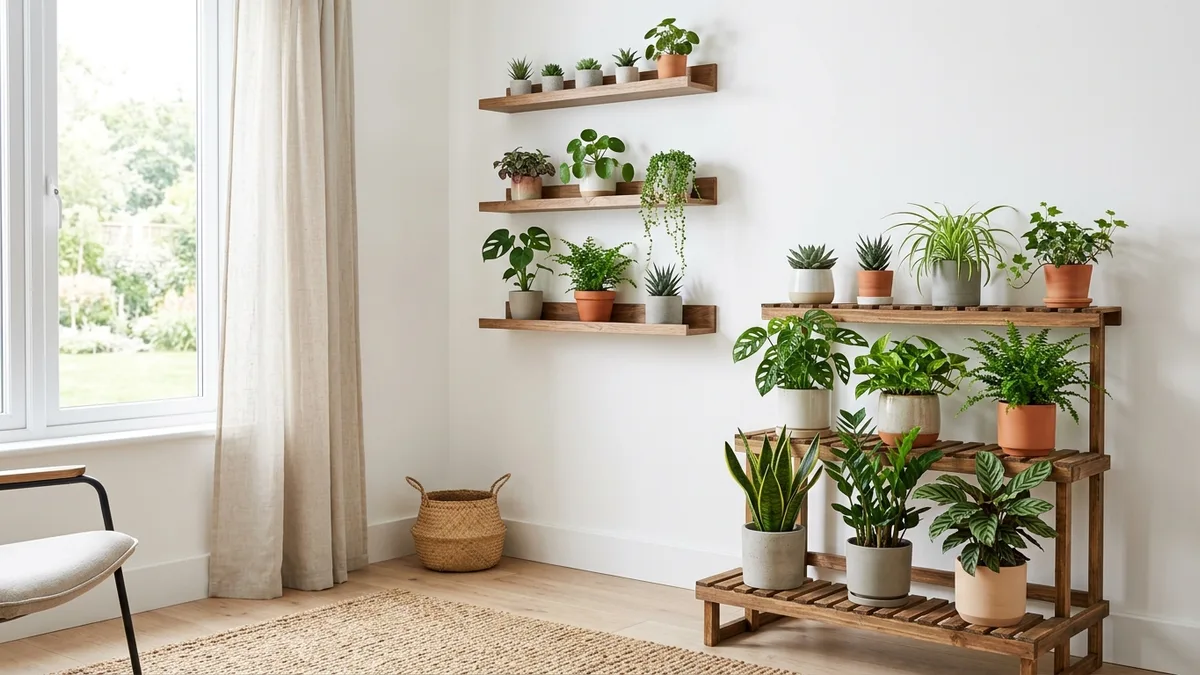
How to Organize Indoor Plant Pots and Planters for a Cohesive Look
Owning beautiful individual pots is one thing; arranging them so your home looks intentional and curated is another skill entirely. Here are the organizational principles our team recommends for 2026:
Stick to a Limited Color Palette
Choose two or three pot colors or finishes and repeat them throughout your home. For example, pairing matte white, terracotta, and natural wood throughout different rooms creates a cohesive, pulled-together look even when pot shapes and sizes vary.
Group Plants by Care Needs, Not Just Aesthetics
Placing all your moisture-loving plants together and all your drought-tolerant plants together makes watering schedules much simpler. A bathroom grouping of ferns and pothos works naturally because of the ambient humidity, while a sunny windowsill cluster of succulents and herbs gets the bright light those plants require. This practical organization principle is supported by the University of Missouri Extension's houseplant care guidance.
Use Varying Heights Intentionally
Mix tall floor planters, medium-height tabletop pots, and small accent planters across a tiered plant stand or shelf system. The visual layering adds depth and energy to corners that would otherwise feel flat.
Label Your Plants
A small plant stake or a simple waterproof label clipped to the pot identifies the species and last watering date. This tiny habit prevents confusion, especially if you have multiple similar-looking plants. Check out our label organizer guide for smart labeling systems that work across your entire home.
Pair Pots with Matching Saucers
Matching saucers create a finished, intentional look and protect your surfaces from water damage. Many pots do not come with coordinating saucers, so budget a few extra dollars per pot for this often-overlooked detail. Terracotta saucers typically run US$1 to US$6 each.
Indoor Plant Pots and Planters: Price Guide for 2026
Here is a realistic price breakdown to help you budget:
- Terracotta pots (2 to 6 inch): US$2 to US$8 each
- Terracotta pots (8 to 12 inch): US$8 to US$25 each
- Glazed ceramic pots (small to medium): US$12 to US$45 each
- Artisan stoneware pots: US$30 to US$90 each
- Self-watering planters: US$18 to US$55 each
- Macrame hanging planters: US$12 to US$45 each
- Geometric metal hanging planters: US$20 to US$60 each
- Woven seagrass baskets: US$10 to US$60 each
- Plastic or fiberglass pots (basic): US$5 to US$25 each
- Designer fiberglass large planters: US$50 to US$120 each
Pro tip: Start with a mix of affordable terracotta for everyday plants and invest in one or two statement ceramic or woven pieces for your most visible display areas. This approach gives you a beautifully layered look without overspending.
What to Avoid When Buying Indoor Plant Pots and Planters
With so many options available, it is easy to make a few costly mistakes. Here is what to watch for:
- No drainage hole with no plan: If a pot has no drainage hole, either drill one yourself or use it strictly as a cachepot over a draining inner pot. The USDA's National Gardening Association notes that poor drainage is the leading cause of indoor plant failure.
- Choosing size by looks alone: A pot that is 2 to 3 inches larger in diameter than the current root ball is the right upgrade. Going too large invites root rot.
- Ignoring material weight for shelves: Always check the weight rating of your shelving system before placing heavy ceramic pots. Large, fully planted ceramic pots can easily reach 15 to 25 pounds.
- Buying trendy colors that clash with your decor: Neon or very bold pot colors can be fun but date quickly. Neutral and earth-tone pots have longer visual staying power.
- Skipping the saucer: Even with drainage holes, you need a saucer to protect surfaces. Never skip this step on hardwood floors or furniture.
Related Products from Sesoris
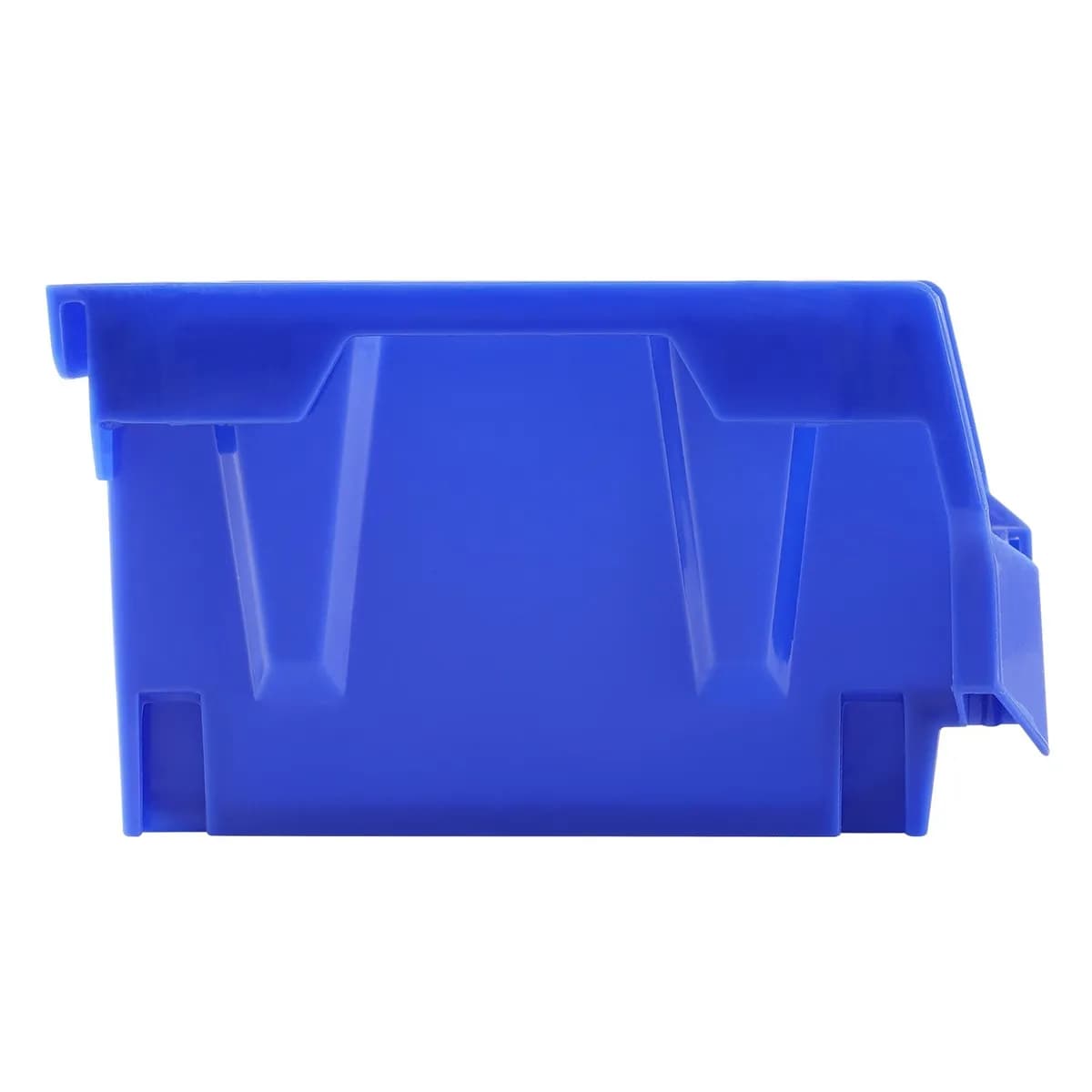
If you want to turn this guide into a real setup, start with Stackable Storage Bins, 24 Pack and Pull-Out Cabinet Organizer, 17 in. Wide. For broader options, browse the Home & Decor collection so the article journey does not stop at reading only.
Our practical rule: choose one product that solves the main clutter problem first, then add supporting organizers only when the daily workflow is already clear. This keeps the shopping path useful, not pushy.
FAQ: Frequently Asked Questions About Indoor Plant Pots and Planters
Q: What is the best material for indoor plant pots?
Terracotta is the most beginner-friendly material because its porosity naturally prevents overwatering. For moisture-loving tropical plants, glazed ceramic or plastic retains moisture longer and can be a better fit. The best material ultimately depends on your specific plant species and your watering habits.
Q: Do indoor planters need drainage holes?
Yes, in almost every case. Without a drainage hole, excess water has nowhere to go and pools at the bottom of the pot, creating anaerobic conditions that lead to root rot. According to guidance consistent with university extension horticulture resources, drainage is one of the most critical factors in container gardening success. If you love the look of a pot without a hole, use it as a decorative outer cachepot with a standard draining pot inside.
Q: How do I know when my plant needs a bigger pot?
Signs your plant is ready for a size up include roots growing out of the drainage hole, soil drying out unusually fast, the plant appearing to be lifting itself out of the pot, or stunted growth despite good light and watering. When repotting, move up only one pot size (1 to 2 inches larger in diameter) at a time.
Q: Are self-watering planters worth the money?
For busy households, frequent travelers, or beginners, self-watering planters are absolutely worth the investment. They reduce the most common plant-killing mistake (inconsistent watering) and can extend the time between waterings by several days to over a week depending on conditions. They work best for moisture-loving plants and are not recommended for succulents or cacti.
Q: How many indoor plants can I safely place on a wall shelf?
This depends entirely on the shelf's weight rating and the weight of your pots when fully planted and watered. As a rule of thumb, always stay well under the manufacturer's stated load capacity. Our indoor plant wall shelf ideas guide covers shelf selection and load planning in detail.
Q: What is a cachepot and how do I use one?
A cachepot is a decorative outer container with no drainage hole that holds a plain functional pot inside. The inner pot provides drainage and root health; the outer cachepot provides beauty. When watering, either remove the inner pot to water over a sink and let it drain completely before replacing it, or water carefully in place and empty excess water from the cachepot after 30 minutes. Cachepots are one of the easiest ways to use beautiful decorative planters without sacrificing plant health.
Q: How do I organize several indoor plant pots without the room looking cluttered?
We suggest grouping plants in odd numbers on one shelf or tray, repeating one or two pot colors or materials, and leaving open space between groups. A single plant stand or tiered shelf reads as one piece of furniture, which looks calmer than many pots scattered across every surface.
Q: Should I repot a new plant right away after bringing it home?
Usually not. Most plants settle in better if you leave them in the nursery pot for a few weeks and simply place that pot inside a decorative planter. Repot when roots circle the bottom or poke out of the drainage holes, and move up only one pot size at a time.
Conclusion: Find the Right Indoor Plant Pots and Planters for Your Home in 2026
The right indoor plant pots and planters do a lot more than simply hold soil and roots. They shape the look and feel of your living spaces, support plant health through proper drainage and material choice, and when chosen thoughtfully, contribute to a more organized and visually cohesive home. Whether you are drawn to the classic warmth of terracotta, the bold personality of glazed ceramic, the practicality of self-watering containers, or the organic texture of woven baskets, there is a planter combination that fits your lifestyle and aesthetic in 2026.
Start with your plant's needs first, then let your design preferences guide the final choice. Group your containers intentionally, stick to a consistent color palette, invest in matching saucers, and use varying heights to create visual interest across shelves and floor spaces. Browse our best indoor plant pots and planters review guide for specific product recommendations, and explore our full range of home organization and plant display solutions at Sesoris to bring your greener, more organized home vision to life.
Liked this guide?
Get new organizing guides and the occasional new product by email. No spam, unsubscribe anytime.
Related articles
Explore more articles
- Meal Prep Containers for Beginners: Safe and Simple
- 20+ Best Towel Rack Ideas for Kitchen: Stylish & Functional Solutions in 2026
- 30+ Creative Under Kitchen Sink Organizer Ideas to Transform Your Storage Space in 2026
- Cable Management Ideas for Home Offices
- 25+ Creative Walk In Pantry Organization Ideas to Transform Your Kitchen Storage in 2026
- Organization and Cleaning Services vs DIY: Complete Guide to Home Organization Solutions in 2026
- Complete Guide to Home Office Organization for Maximum Productivity in 2026
- Wooden Spice Racks for Kitchen: Ultimate Guide to Natural Storage Solutions 2026