
Indoor Plants and Home Organization: The Lifestyle Guide to a Greener, Tidier Home in 2026
Discover how indoor plants and smart organization habits work together to create a calmer, healthier home in 2026. Practical tips inside!
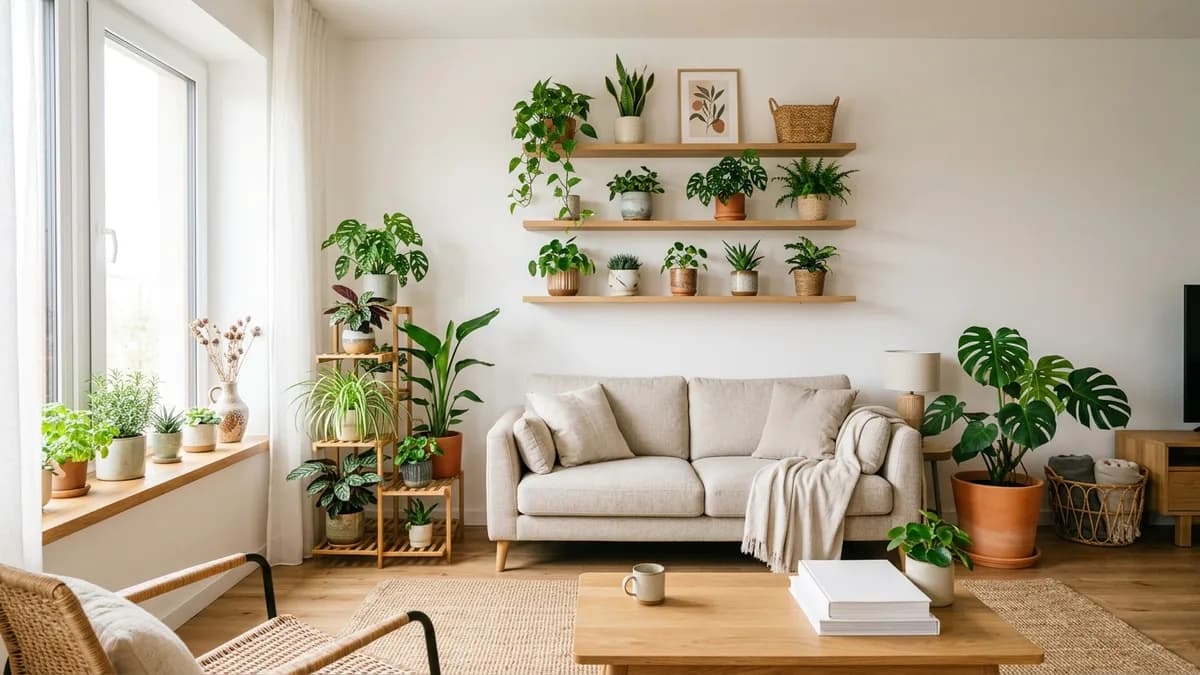
If you have been thinking about adding indoor plants to your home but are not sure how to keep them from turning your space into a chaotic jungle, you are in the right place. In 2026, more American households are embracing a lifestyle that blends greenery with intentional home organization, and the results speak for themselves: rooms that feel calmer, cleaner, and genuinely more livable. This guide walks you through the everyday habits, storage strategies, and product choices that help indoor plants and a tidy home coexist beautifully.
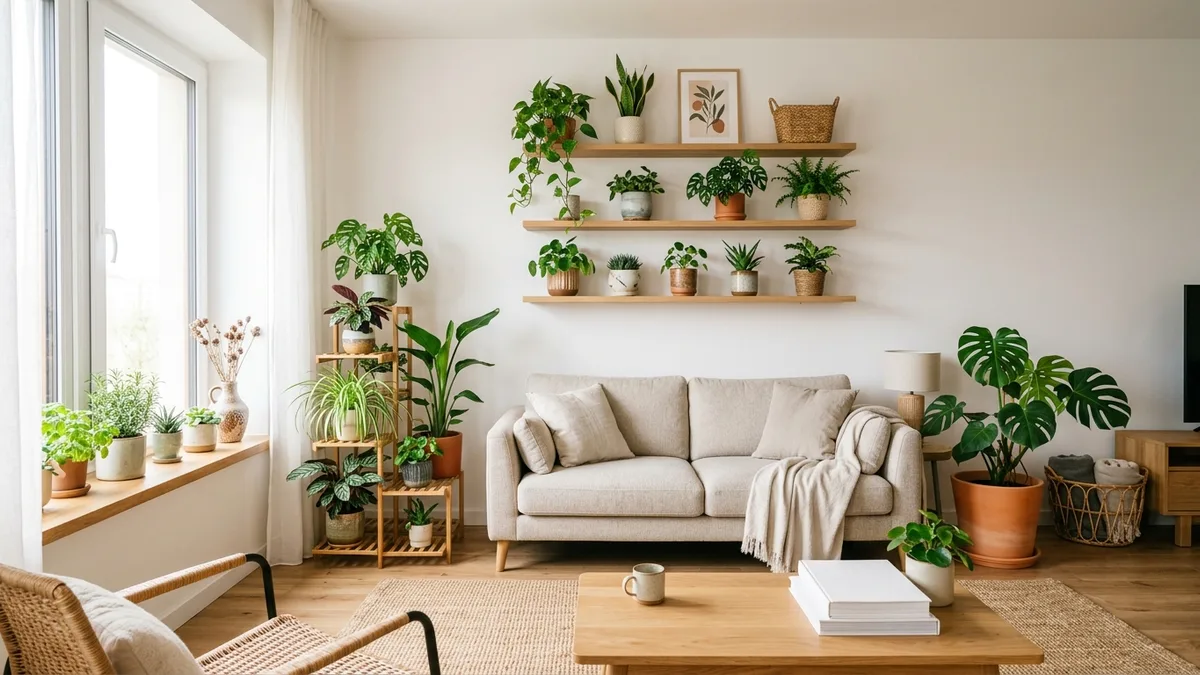
Why Indoor Plants Belong in an Organized Lifestyle
Plants are not just decorative. Research published by the National Institutes of Health suggests that interactions with indoor plants can reduce physiological and psychological stress. When you pair that benefit with a well-organized home environment, the effect compounds. A tidy space reduces mental clutter, and plants add a layer of sensory calm that makes your home feel like a genuine retreat.
The challenge most people run into is that plants come with stuff: soil, fertilizer, watering cans, pruning shears, spare pots, and drainage trays. Without a system, all of that paraphernalia ends up scattered across countertops and windowsills, which defeats the purpose of having a serene green home. The solution is not fewer plants; it is smarter organization around them.
The Organized Plant Parent Mindset
Think of your plant collection the way you would think of any other category in your home. Just as you group pantry items by type or dedicate a drawer to office supplies, your plants and their care tools deserve a designated system. When everything has a home, caring for your plants becomes a peaceful ritual rather than a stressful scramble.
How to Display Indoor Plants Without Creating Clutter
The single biggest mistake new plant parents make is placing plants wherever there is empty space. This leads to an uncoordinated look that reads as messy even when every plant is healthy and beautiful. Instead, treat your plant display as a deliberate design decision.
Use Vertical Space Strategically
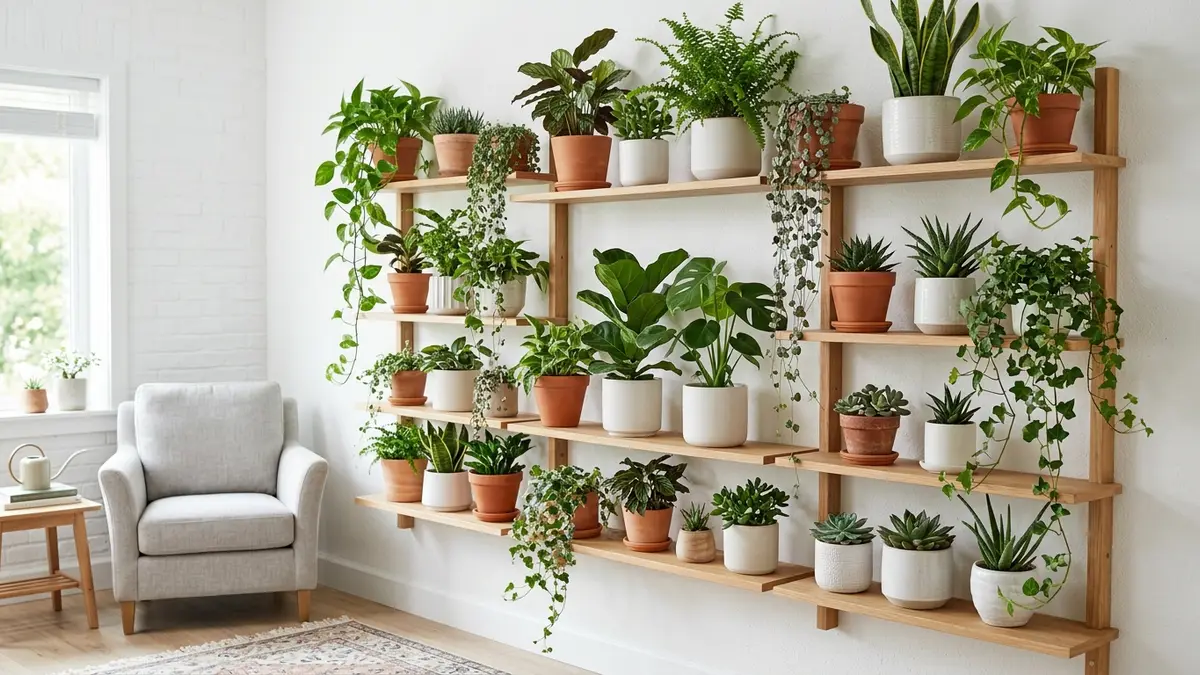
Wall-mounted shelves and tiered plant stands are among the most effective tools for displaying a large plant collection without overwhelming your floor space. A set of floating shelves in a stairwell, a bedroom corner, or a living room alcove can hold eight to twelve plants while keeping the floor completely clear. Check out the 30+ Stunning Indoor Plant Wall Shelf Ideas from the Sesoris blog for specific layout inspiration.
When choosing shelves for plants, look for boards that are at least 8 inches deep so pots have enough room to sit securely. If you plan to water plants in place rather than carrying them to the sink, add a small lip or use drip trays that fit the shelf width.
Group Plants by Care Needs, Not Just Aesthetics
Organizing your display around watering frequency and light requirements is a game-changer for both plant health and your weekly routine. Plants that need bright indirect light and weekly watering can live together near a south-facing window. Low-light, drought-tolerant varieties can occupy a bedroom corner shelf. When care needs are clustered, you move through your watering routine in one focused pass rather than criss-crossing the whole house.
Match Pot Styles for a Cohesive Look
A collection of mismatched pots in every color and material can make even a small grouping look chaotic. Choose two or three complementary materials, such as terracotta, white ceramic, and natural woven baskets, and stick with that palette throughout your home. This simple habit costs nothing but makes a dramatic visual difference.
- Terracotta pots: Great for moisture-sensitive plants because clay is breathable
- Ceramic with drainage holes: Versatile and easy to wipe clean
- Woven basket covers: Ideal for hiding plain nursery pots without repotting
- Self-watering planters: A smart choice for busy households or frequent travelers
Building an Organized Indoor Plant Care Station
The most transformative habit you can adopt as a plant parent in 2026 is creating a dedicated plant care station. This is a single, defined area where all of your plant care supplies live when they are not in use. It does not need to be large; a corner of a utility shelf, a section of a kitchen cabinet, or a tray on a laundry room shelf will do.
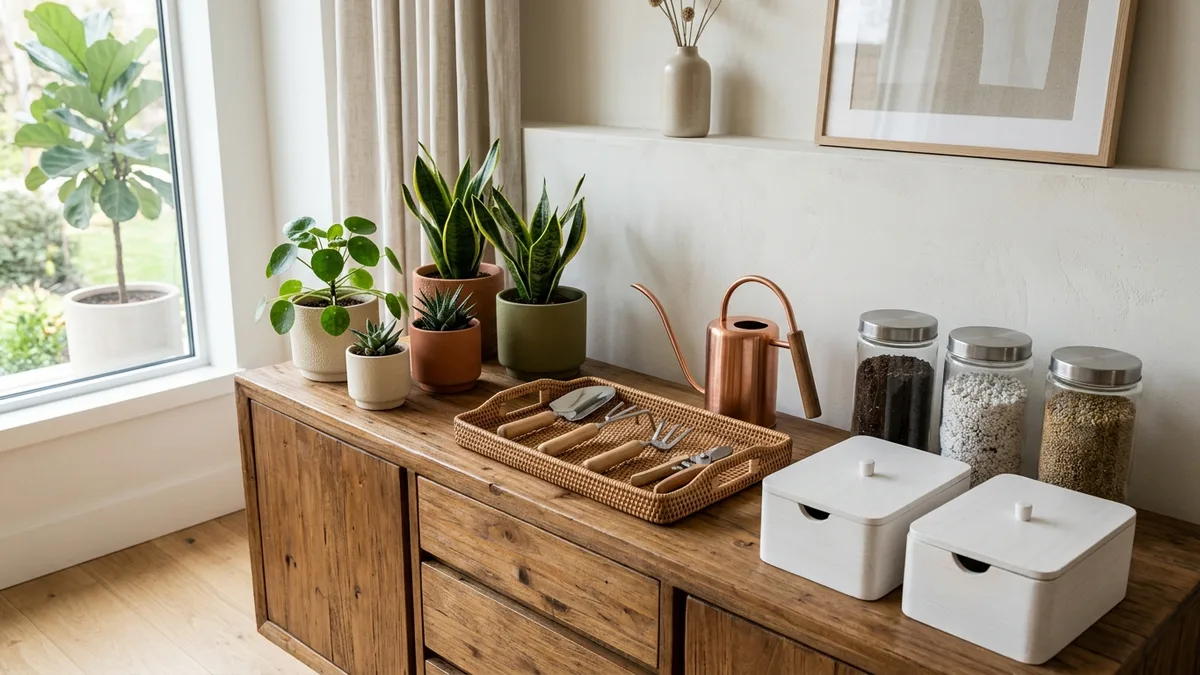
What to Store in Your Plant Care Station
- Watering can: A long-spouted can gives you precision around leaf clusters without spilling
- Pruning shears or scissors: Dedicate a pair specifically for plants so you are not hunting for the kitchen scissors
- Spray bottle: For misting humidity-loving varieties like ferns and calatheas
- Fertilizer: Store in a clearly labeled, sealed container to prevent spills
- Potting mix: Keep a resealable bag or a small airtight bin so soil stays fresh and does not scatter
- Drainage trays: Stack spares flat to save space
- Gloves: A pair of lightweight gardening gloves protects your hands during repotting
- Plant labels or stakes: Especially useful if you grow multiple varieties that look similar
For soil and fertilizer storage specifically, an airtight storage container keeps contents fresh and prevents pests from getting in. A small container with a secure lid is all you need for a few months' supply of granular fertilizer.
The Power of Labeling Your Plant Supplies
Labeling is one of the most underrated organization habits in any home category, and it applies just as much to plant care as it does to pantry bins or toy baskets. When your fertilizer, soil amendments, and pest control products are clearly labeled, you eliminate guesswork and reduce the risk of accidentally applying the wrong product. Simple adhesive labels or a label maker work perfectly for this purpose.
A tidy plant care station means you spend your energy enjoying your plants, not searching for what you need to take care of them.
Lifestyle Habits That Keep Indoor Plants and Your Home Looking Great
Organization is not a one-time event; it is a collection of small, consistent habits. These are the routines that plant-loving, organized households tend to build in 2026:
The Weekly Plant Check-In
Set aside fifteen minutes once a week, ideally the same day every week, for a plant walk-through. Check soil moisture, look for yellowing leaves or signs of pests, rotate pots a quarter turn for even light exposure, and wipe down dusty leaves with a damp cloth. The Spruce offers a helpful overview of general houseplant care that makes this routine easy to customize to your specific collection.
Pairing your plant check-in with an existing habit, like Sunday morning coffee or a Saturday reset routine, makes it stick. For more on building reset routines, the Sunday Reset Routine lifestyle guide on the Sesoris blog is a great companion read.
The Repotting Rule
Most houseplants need repotting every one to two years as their roots outgrow their containers. Schedule a seasonal repotting session, perhaps each spring, and do it all at once rather than reactively. Batch repotting is faster, less messy, and means your plant care station is only fully unpacked and spread out once or twice a year instead of randomly throughout the year.
When you repot, lay down an old towel or a large tray to catch soil. Clean up completely before moving on. That single habit keeps plant mess from migrating to other areas of your home.
Water Smarter, Not More
Overwatering is the most common cause of houseplant death, and it also creates the unpleasant organizational problem of soggy drainage trays and water-damaged furniture. According to the University of Illinois Extension, checking the top inch of soil for dryness before watering is a far more reliable guide than a fixed watering schedule.
Use drainage trays that fit your pots snugly and empty them within thirty minutes of watering so standing water does not attract mold or pests. If you have plants on wooden shelves or furniture, place a waterproof liner under each tray for extra protection.
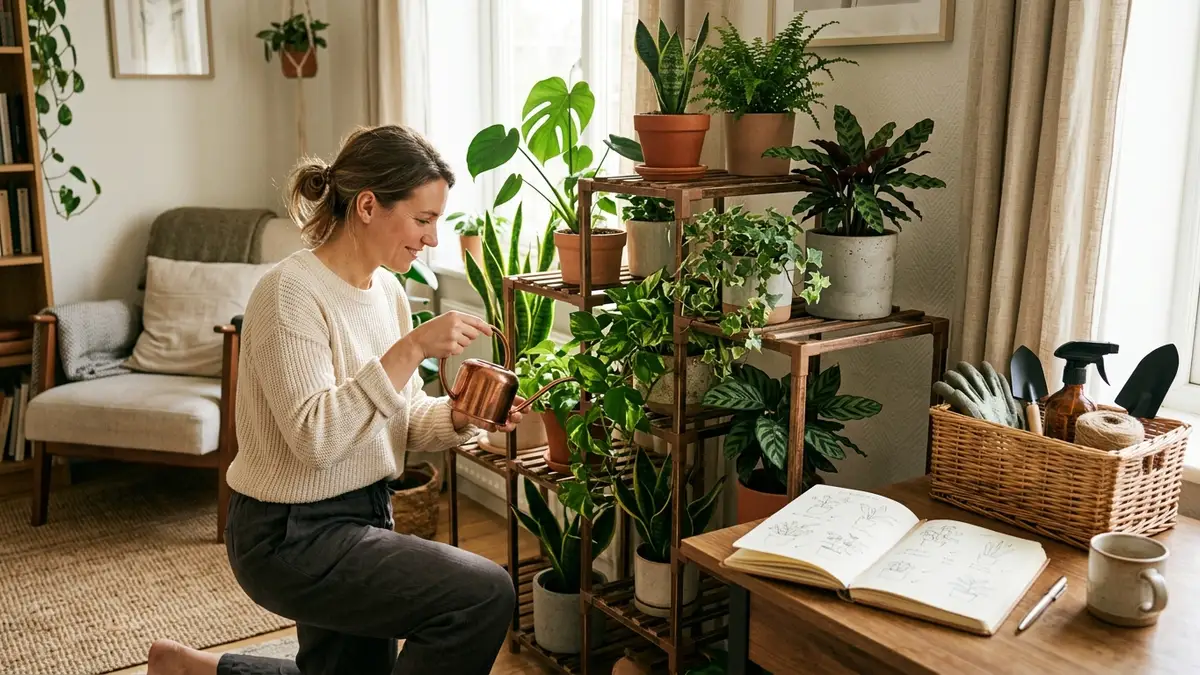
Keep a Simple Plant Journal
A small notebook or a notes app on your phone dedicated to your plant collection is more useful than it sounds. Record when you watered each plant, when you last fertilized, and when you repotted. Over time, you build a personalized care log that removes all the guesswork and helps you spot patterns, like why a particular plant keeps dropping leaves despite regular care.
Choosing the Right Indoor Plants for an Organized Home
Not all houseplants suit every lifestyle. If your home organization priority is low-maintenance simplicity, choose plants that match that value. Here is a practical breakdown by care level:
Low-Maintenance Picks for Busy Households
- Pothos (Epipremnum aureum): Thrives in low light, tolerates irregular watering, and grows quickly in hanging baskets or on shelves
- Snake plant (Sansevieria trifasciata): Nearly indestructible, tolerates low light and infrequent watering, and fits neatly on narrow shelves
- ZZ plant (Zamioculcas zamiifolia): Stores water in its rhizomes, making it extremely drought-tolerant
- Cast iron plant (Aspidistra elatior): Lives up to its name, surviving low light, temperature fluctuations, and occasional neglect
- Rubber plant (Ficus elastica): Bold visual impact with minimal care; water every one to two weeks
Plants That Pull Double Duty: Beauty and Function
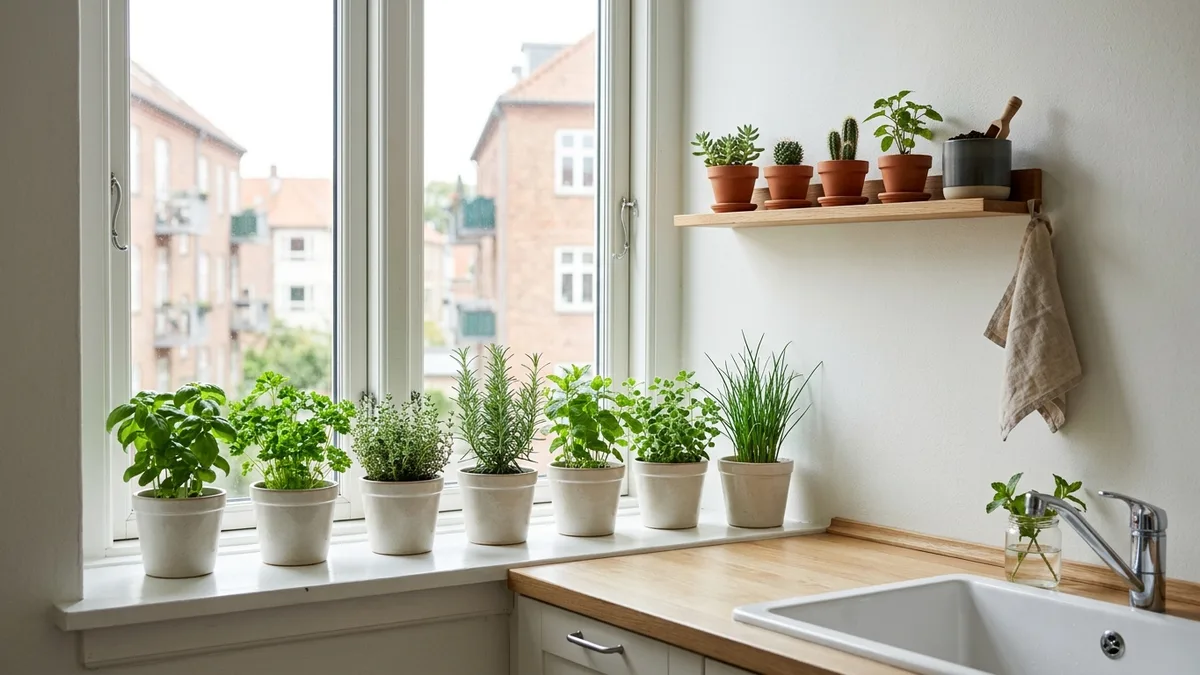
Some plants do more than look good. Herbs like basil, rosemary, and thyme grown on a kitchen windowsill are both decorative and functional, trimming your grocery list one sprig at a time. Aloe vera serves as a living first-aid kit. Spider plants are noted by NASA's Clean Air Study for their air-filtering qualities, though it is worth noting that the practical air-purifying effect in a normal room requires a large number of plants to be significant.
Sizing Your Collection to Your Space
One common mistake is buying too many plants too quickly. Start with three to five plants that suit your light conditions and lifestyle, get comfortable with their care rhythms, and expand gradually. A curated collection of twelve well-tended plants in coordinated pots looks far more intentional and beautiful than forty plants in various states of health and disarray.
Integrating Plants into Every Room Without Chaos
The goal is a home that feels green and alive without feeling overgrown or cluttered. Here is a room-by-room approach:
This room-by-room table sums up where indoor plants fit best and which organizing move keeps each spot tidy.
| Room | Good plant placement | Organizing move that keeps it tidy |
|---|---|---|
| Living room | One floor plant or a grouped shelf display | Use a single tray or stand so pots read as one unit |
| Kitchen | Herbs on a bright sill or wall rail | Keep only plants you use; store spare pots elsewhere |
| Bedroom | One or two low-maintenance plants | Keep nightstands clear; put plants on a dresser or shelf |
| Bathroom | Humidity-loving plants near indirect light | Use a hanging planter or corner shelf to save counter space |
| Home office | A small desk plant away from cables | Give it a saucer so watering never reaches electronics |
Living Room
The living room is the natural showcase for your most dramatic plants. A large statement plant, like a fiddle leaf fig or a bird of paradise, anchors a corner beautifully. Supplement with a tiered plant stand holding three to five smaller varieties for visual layering. Keep all care supplies out of the living room entirely; they live at your plant care station elsewhere.
Bedroom
Choose low-light, low-maintenance plants for the bedroom. Snake plants and pothos are ideal. Keep the collection small, no more than two or three plants, to maintain the calm, clutter-free atmosphere that good sleep requires. Good Housekeeping has a helpful roundup of bedroom-friendly plants that can guide your choices.
Kitchen
Herbs on the windowsill are the classic kitchen plant choice, and for good reason. A narrow tension shelf or a small wall-mounted shelf above the sink can hold three or four herb pots without taking up counter space. For more kitchen organization ideas that complement a plant-friendly setup, browse the kitchen lifestyle habits guide on the Sesoris blog.
Bathroom
Humidity-loving plants like ferns, peace lilies, and pothos thrive in bathrooms with natural light. A corner shelf or an over-toilet shelf unit works well for displaying one or two plants without interfering with your daily routine. Just make sure water and moisture from the plants do not damage cabinetry or walls over time.
Home Office
A plant or two on a desk or a nearby shelf can genuinely improve focus and mood during long work sessions. Keep it simple: one statement plant on the floor and one small plant on the desk is plenty. More than that starts to compete with your workspace rather than support it.
Smart Products That Make Indoor Plant Organization Easier
The right products make the difference between a chaotic plant collection and an effortlessly organized one. Here are the categories worth investing in:
Plant stands and display furniture: A well-designed tiered stand or a set of modular shelves lets you group plants at different heights, creating visual interest while keeping the floor clear. Explore the indoor plant stand ideas guide for specific inspiration.
Airtight containers for soil and fertilizer: Keeping potting mix and fertilizer in sealed containers prevents spills, deters pests, and keeps your plant care station looking tidy. Browse Sesoris new arrivals for the latest storage container options.
Drainage trays and waterproof mats: These protect your surfaces and make cleanup after watering effortless. Look for trays that match your pot sizes exactly for the cleanest look.
Label makers or adhesive labels: Consistent labeling across your plant care supplies brings the same clarity to your plant station that it brings to a well-organized pantry.
Hanging planters and wall-mounted pots: For small apartments or rooms where floor space is at a premium, vertical solutions are essential. The outdoor plant shelf ideas guide has concepts that translate beautifully indoors as well.
Related Products from Sesoris
If you want to turn this guide into a real setup, start with Stackable Storage Bins, 24 Pack and Pull-Out Cabinet Organizer, 17 in. Wide. For broader options, browse the Home & Decor collection so the article journey does not stop at reading only.
Our practical rule: choose one product that solves the main clutter problem first, then add supporting organizers only when the daily workflow is already clear. This keeps the shopping path useful, not pushy.
FAQ: Frequently Asked Questions About Indoor Plants and Home Organization
Q: How do I keep soil from getting everywhere when I care for my plants?
Designate a single spot for all messy plant tasks like repotting, fertilizing, and trimming. A utility sink, a garage workbench, or even a large tray set on the kitchen floor works well. When you always do messy plant work in one spot, soil never migrates to other areas of your home. Keep a small brush or handheld vacuum at your plant care station specifically for cleanup.
Q: What is the best way to store extra pots and planters without cluttering my space?
Stack pots by size inside each other and store them in a dedicated bin, a basket, or a cabinet shelf. If you have a lot of extra pots, a labeled bin in a utility closet or garage keeps them accessible without taking up prime space. Donate or recycle any pots you have not used in over a year.
Q: Can indoor plants affect indoor air quality?
Some research suggests that plants can remove trace volatile organic compounds from indoor air, but as noted in findings referenced by NASA's Clean Air Study, you would need a very large number of plants to produce a measurable effect in a typical room. Plants are genuinely beneficial for mood and mental well-being, and that alone is a compelling reason to have them in your home.
Q: How do I prevent gnats from becoming a problem with indoor plants?
Fungus gnats thrive in consistently moist topsoil. The most effective prevention is allowing the top inch or two of soil to dry out between waterings. Overwatering is the primary driver of gnat infestations. If gnats are already present, yellow sticky traps placed near affected plants and a reduction in watering frequency are the first steps. For persistent problems, the University of California Agriculture and Natural Resources page on fungus gnats has evidence-based management advice.
Q: How many plants is too many for a tidy home?
There is no universal number, but the useful question to ask is whether you can realistically care for all of your plants well. A collection that is thriving and organized always looks better than one that has grown beyond what you can manage. Start with a number that feels comfortable and expand slowly.
Q: Where should I keep plant care supplies so they do not spread around the house?
Choose one home base, such as a lidded bin, a cabinet shelf, or a small cart, and keep the watering can, fertilizer, scissors, and spare saucers there. When every tool has one address, it is easy to put things back after watering day.
Q: What should I do with pots and planters I am not using right now?
Clean and dry them, then nest them by size inside one storage bin or on one garage or closet shelf. Keep only the sizes you are likely to repot into within the next year, and donate or recycle the rest so they do not become clutter.
Q: Are artificial plants a good option for an organized home?
They can be, especially in spots with little light. They still collect dust, so plan to wipe or rinse them regularly. Mixing a few real plants in bright areas with good-quality artificial greenery in dim corners is a practical balance for many homes.
Conclusion: Build a Greener, More Organized Life in 2026
Indoor plants and an organized home are not competing goals; they are a natural partnership. When you treat your plant collection with the same intentionality you bring to the rest of your home, the result is a space that genuinely nourishes you every single day. Build a dedicated plant care station, choose display solutions that work with your floor plan, adopt a simple weekly routine, and let your plant collection grow at a pace your lifestyle can sustain.
Ready to set up the organized, plant-friendly home you have been envisioning? Explore the full range of storage containers, shelving solutions, and home organization essentials at Sesoris, your partner in living more organized. Browse our best sellers and new arrivals to find exactly what your plant-filled home needs in 2026.
Liked this guide?
Get new organizing guides and the occasional new product by email. No spam, unsubscribe anytime.
Related articles

Explore more articles
- Food Storage Containers for Pantry: Complete Guide to Perfect Organization in 2026
- Mini Bar for Small Kitchens: 15 Creative Ideas to Maximize Space
- Pyrex Food Storage Containers: Complete Review & Buying Guide for 2026
- 10 Best Container Boxes for Home and Office Storage (2026)
- Bedroom Lifestyle Habits That Actually Keep Your Sleep Space Calm and Organized in 2026
- Kitchen Lifestyle Habits That Actually Keep Your Home Organized in 2026
- Best Garage Storage Solutions: A Source-Backed Practical Guide for 2026
- Freezable Food Storage Containers: The Complete 2026 Guide to Safe Freezer Organization