
Best Indoor Plant Pots and Planters: Complete 2026 Review & Buying Guide for a Greener Home
Looking for the best indoor plant pots in 2026? Our honest review covers materials, styles, drainage & top picks to help you choose smart. Shop now!
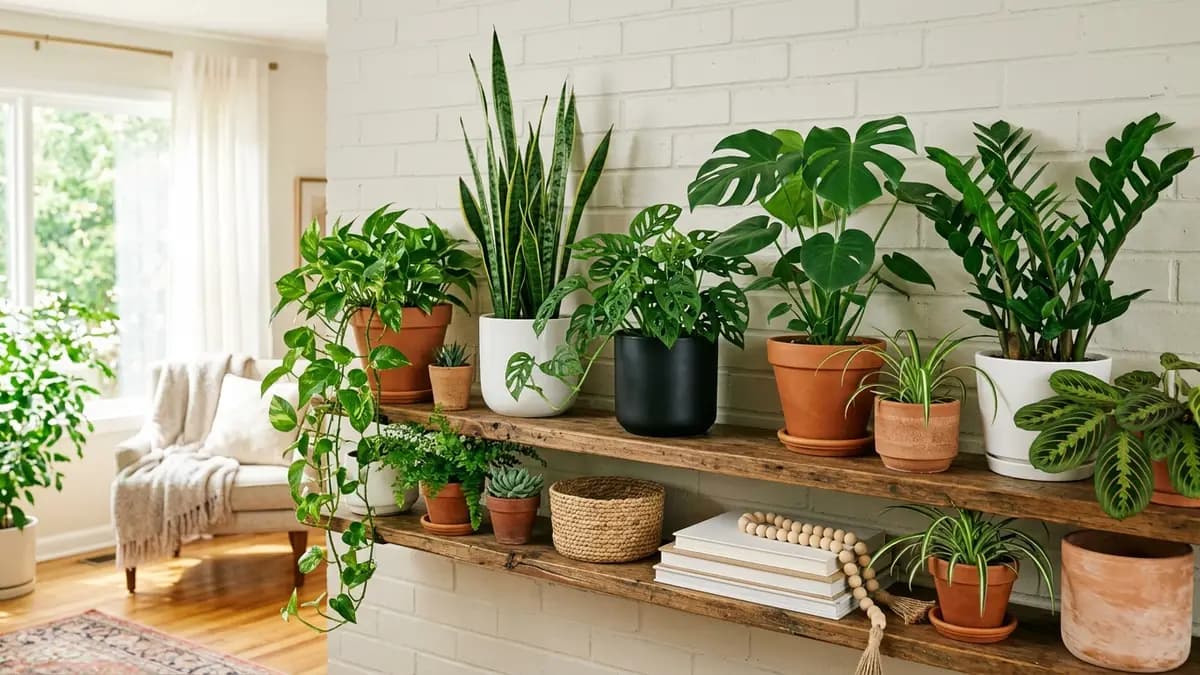
If you've been on a mission to bring more greenery indoors, you already know that choosing the right indoor plant pots is just as important as picking the right plant. The wrong pot can suffocate roots, cause overwatering disasters, or simply look out of place in your carefully curated space. In 2026, the market is absolutely overflowing with options, from self-watering smart planters to hand-thrown artisan ceramics, and knowing what's actually worth your money versus what's just pretty packaging can feel overwhelming. That's why I put together this honest, comprehensive review and buying guide to help you cut through the noise and find the best indoor plant pots for your home, your plants, and your budget.
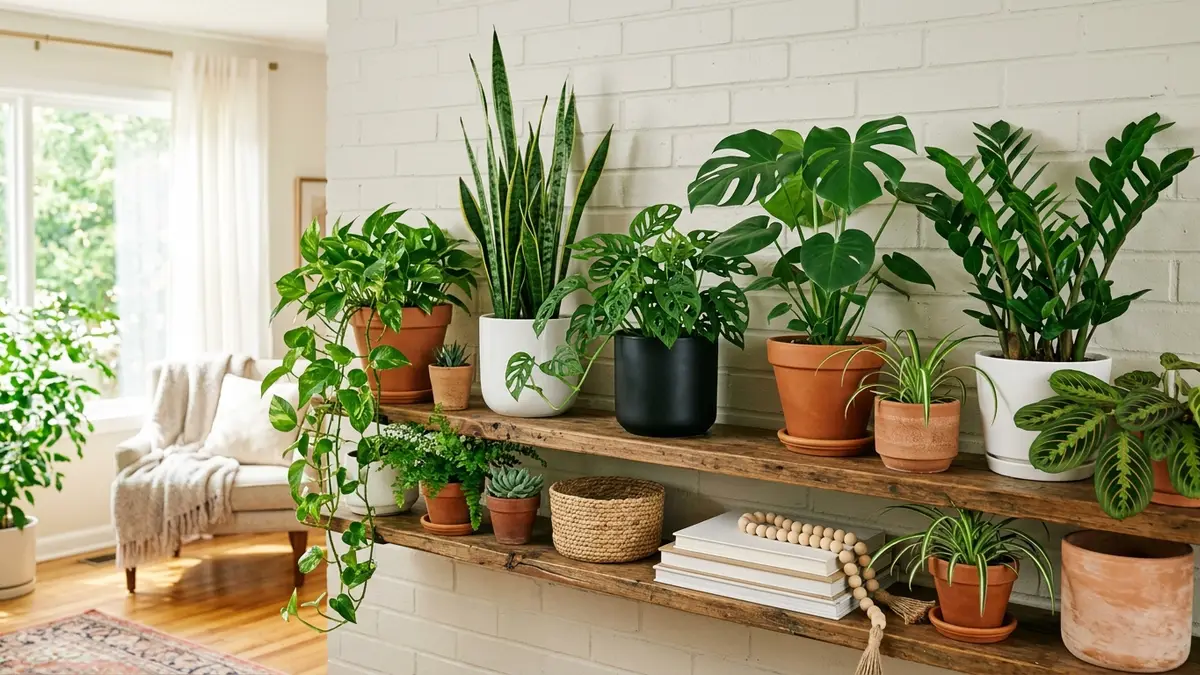
Why Indoor Plant Pots Matter More Than You Think
Most of us pick a pot based on how it looks. And honestly, aesthetics matter. But the physical properties of a pot directly affect your plant's health, and that matters even more. The material, size, drainage situation, and even the color of a pot influence how quickly soil dries out, how much heat roots absorb, and whether your plant thrives or slowly declines.
According to The Spruce, one of the most common reasons houseplants die is root rot caused by pots without adequate drainage or pots that are too large for the plant's current root system. A pot that's two inches too wide can hold so much extra moisture that roots literally drown between waterings.
Beyond plant health, the right indoor plant pots contribute to your home's overall organization and style. A cohesive collection of well-chosen planters on a plant shelf or plant stand can transform a bare corner into a living focal point. The wrong mix of mismatched pots, however, can make even a beautiful plant collection look chaotic.
What to Look for Before You Buy
Before jumping into specific product categories and recommendations, here's a quick checklist of the key factors I evaluate in every pot review:
- Drainage: Does it have a drainage hole? If not, is there a removable inner pot or a workaround?
- Material: Terracotta, ceramic, plastic, fiberglass, fabric, or metal, each behaves differently with moisture and temperature.
- Size: The pot diameter should be roughly 1 to 2 inches larger than the plant's current root ball.
- Weight: Heavier pots are more stable but harder to move. Lightweight pots are convenient but may tip for larger plants.
- Price per use: A cheap pot that cracks in one season is not a bargain.
- Compatibility with your decor: Cohesion matters for a home that feels intentional and organized.
Terracotta Plant Pots: The Classic Choice Reviewed
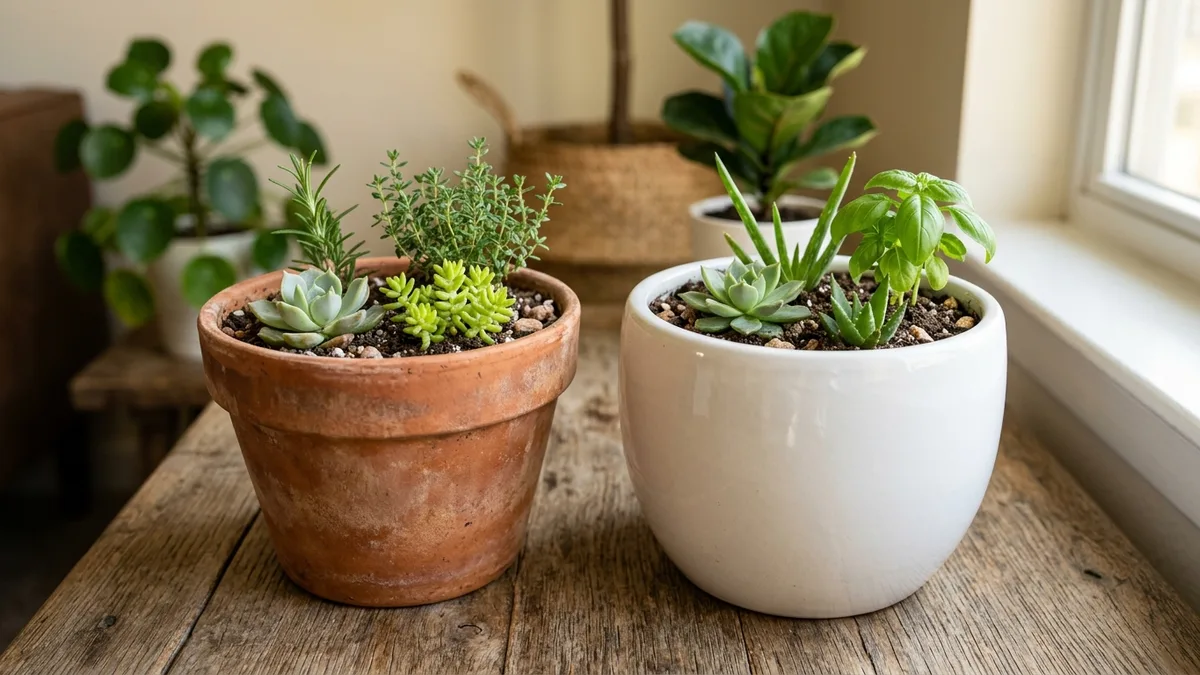
Terracotta pots are the gold standard for a reason, and in 2026, they remain one of the most recommended options by horticulturists and interior designers alike. The word terracotta literally means "baked earth" in Italian, and these porous clay pots have been used to grow plants for thousands of years. That track record counts for something.
What I Love About Terracotta
- The porous walls allow air and moisture to move through the soil, dramatically reducing the risk of root rot.
- They're naturally heavy enough to stabilize taller plants without tipping.
- The warm, earthy orange tone suits virtually every decor style, from bohemian to modern farmhouse.
- They're genuinely affordable. A standard 6-inch terracotta pot typically runs between US$3 and US$8 at most garden centers and home stores.
- They're biodegradable and environmentally friendly.
The Honest Downsides
- They dry out fast. For moisture-loving plants like ferns or calatheas, you may need to water almost daily in summer.
- They're fragile. Drop one on a hard floor and it's over.
- Unglazed terracotta can leave white mineral deposits on the outside from water evaporation, which looks unsightly over time.
- They're heavy when filled with soil, making them difficult to reposition on shelves or stands.
My Verdict: Terracotta pots earn a solid 4.2 out of 5 stars for everyday use. They're the best all-around choice for succulents, cacti, herbs, and any plant that prefers to dry out between waterings. For moisture-lovers, pair them with a more moisture-retentive potting mix or consider a glazed option instead.
Ceramic and Glazed Pots: Style Meets Function
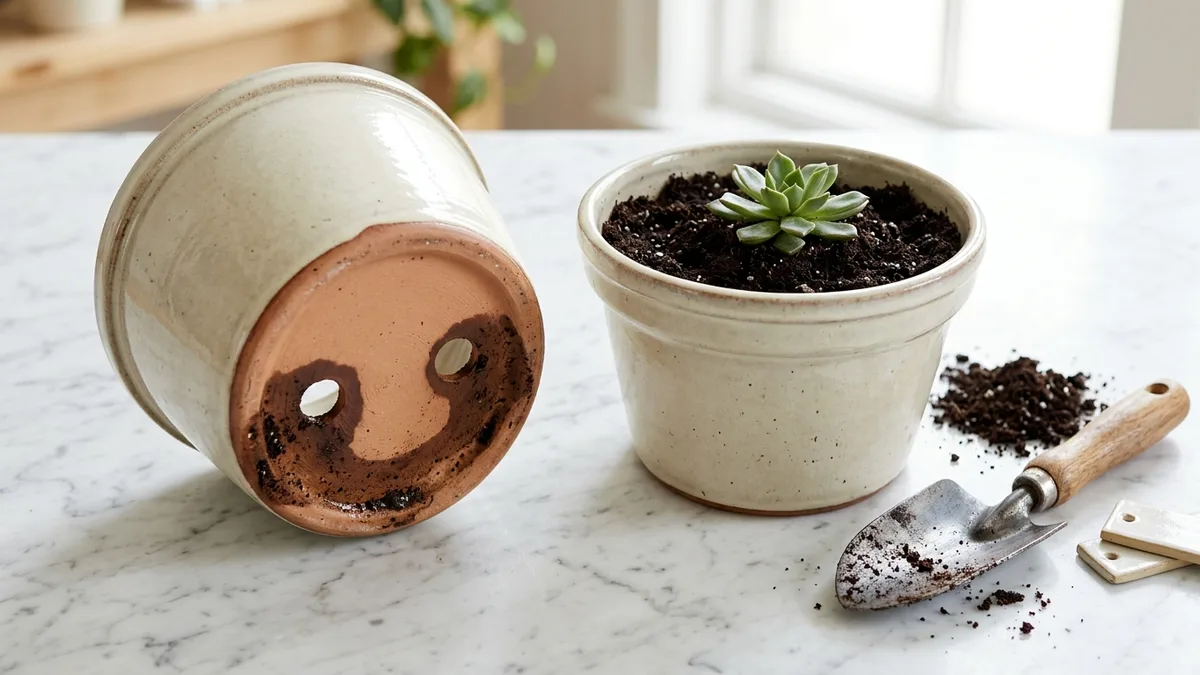
Glazed ceramic pots are terracotta's stylish cousin. The same clay base gets coated in a glaze before firing, which seals the porous walls and dramatically slows moisture evaporation. This makes them ideal for plants that need more consistent moisture.
What Makes Glazed Ceramic Worth the Price
Glazed ceramics come in an almost endless variety of colors, textures, and finishes. Matte white, deep navy, sage green, speckled stoneware, the design possibilities are genuinely exciting right now. In 2026, the trend is leaning heavily toward earthy neutrals and organic speckled glazes, which look beautiful against dark green tropical foliage.
Price-wise, glazed ceramic pots range quite a bit. You can find decent 6-inch options for US$10 to US$20, while artisan handmade ceramics can run US$40 to US$80 or more for a single statement pot. For a curated shelf display, mixing one or two investment pieces with more affordable basics is a smart strategy.
- Great moisture retention for tropical plants like pothos, philodendrons, and monsteras.
- Heavy and stable, so they won't tip over easily.
- Striking visual appeal that elevates any room's decor.
- Easy to wipe clean with a damp cloth.
Where Glazed Ceramic Falls Short
- Most decorative ceramic pots sold in home decor stores do NOT have drainage holes. This is the single biggest issue.
- They're heavier than plastic and can be challenging to move.
- They crack in freezing temperatures, so they're strictly for indoor use.
- The non-porous walls mean you need to be more careful not to overwater.
Pro tip: When you find a ceramic pot you love that lacks a drainage hole, buy a slightly smaller plain nursery pot with drainage and use the decorative ceramic as a cache pot (a sleeve that hides the functional pot). This is the best of both worlds.
My Verdict: Glazed ceramic pots earn a 4.0 out of 5 stars. They're stunning, versatile, and genuinely plant-friendly for the right species. The lack of drainage holes on many decorative options is a real frustration, but the cache pot workaround solves it beautifully.
Self-Watering Planters: Are They Worth the Hype?
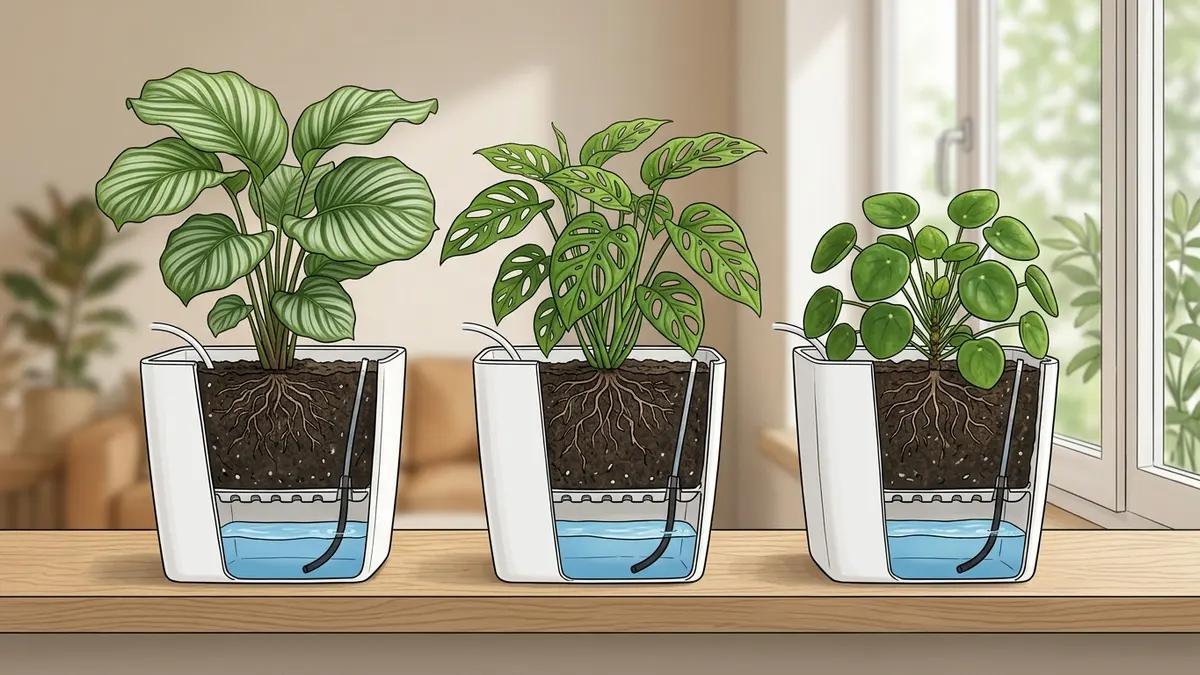
Self-watering planters have exploded in popularity over the past few years, and in 2026, the technology has gotten noticeably better. The basic concept is simple: a reservoir at the bottom of the pot holds water, and the soil draws moisture upward through a wicking system as needed. This means plants get consistent hydration without you having to guess when to water.
Who Should Buy a Self-Watering Planter
Self-watering planters are genuinely life-changing for certain plant parents:
- Frequent travelers who can't water consistently.
- Busy households where plants often get forgotten.
- Owners of moisture-loving plants like peace lilies, ferns, and African violets.
- Anyone who has killed plants from inconsistent watering and wants a more forgiving system.
The Limitations You Should Know
Self-watering pots are not suitable for every plant. Succulents, cacti, and most Mediterranean herbs (like rosemary and lavender) hate sitting near constant moisture and will decline quickly in a self-watering setup. The reservoir can also become a breeding ground for algae if not cleaned periodically.
Pricing ranges from around US$15 for a basic plastic self-watering pot to US$50 or more for stylish versions with ceramic or fiberglass outer shells. Many newer models in 2026 have water level indicators, which is an incredibly helpful feature that takes the guesswork out of refilling.
My Verdict: Self-watering planters earn a 4.5 out of 5 stars for moisture-loving plants and busy plant parents. They're not universal, but for the right use case, they are absolutely worth every dollar. Just don't put your succulents in one.
Fabric Grow Bags: The Underrated Champion
Fabric grow bags are having a serious moment in 2026, and I think they deserve more attention from indoor plant enthusiasts. Originally popularized in vegetable gardening, fabric pots are now showing up in stylish felt and woven jute versions that look genuinely attractive indoors.
The magic of fabric pots is a process called air pruning. When roots reach the breathable fabric wall, they're naturally pruned by air exposure rather than circling the pot like they do in plastic. This encourages a denser, healthier root system and dramatically reduces the risk of becoming root-bound.
Fabric Pot Pros
- Exceptional drainage and airflow, almost impossible to overwater.
- Lightweight and easy to move and store when not in use.
- Affordable, typically US$5 to US$20 depending on size and material.
- Increasingly available in attractive neutral tones that look great in modern homes.
- Machine washable felt versions can be cleaned and reused for years.
Fabric Pot Cons
- They dry out very quickly, sometimes requiring daily watering for thirsty plants in warm weather.
- They can leave moisture rings on wood or fabric surfaces if placed directly on furniture without a saucer.
- They lack the visual weight and presence of ceramic or terracotta.
My Verdict: Fabric grow bags earn a 4.3 out of 5 stars for plants that prefer excellent drainage and root health. For a polished look, style them inside a larger decorative cache pot.
Hanging Planters: Vertical Gardening at Its Best
If floor and shelf space is at a premium in your home, hanging planters open up a whole new dimension for your plant collection. In 2026, the most popular hanging planter styles include macrame rope hangers, woven seagrass baskets, and minimalist geometric metal frames.
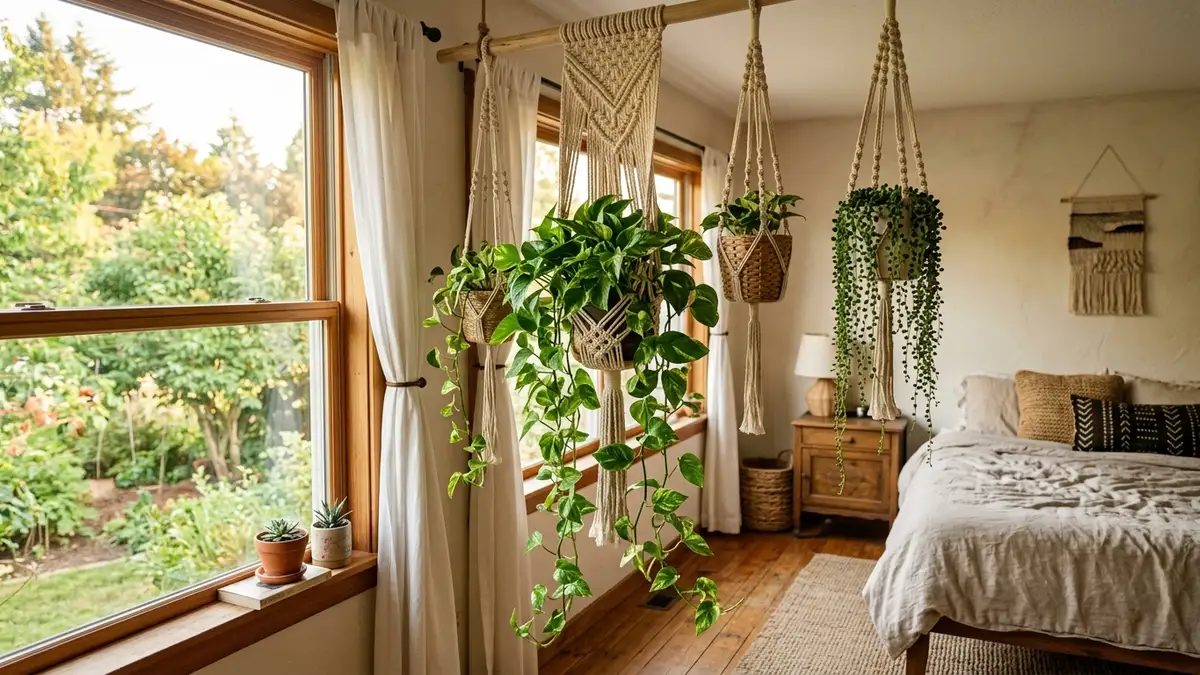
Hanging planters work best with trailing and cascading plants like pothos, string-of-pearls, heartleaf philodendron, and spider plants. These species look absolutely spectacular when their vines and runners can drape downward freely.
What to Consider Before Hanging
- Weight: A fully soaked ceramic hanging planter can weigh 10 pounds or more. Always anchor hooks into a ceiling joist or use a proper toggle bolt for drywall.
- Watering access: Hanging pots can be tricky to water without dripping. Look for options with built-in drip trays or use a watering spike.
- Light position: Hanging near windows generally means more light exposure, which suits most trailing plants but can scorch sensitive species.
Pricing for hanging planters ranges from US$8 for a basic macrame set to US$35 or more for premium woven or ceramic options. For a cohesive display, consider grouping three hanging planters at different heights in a sunny corner, an approach that Good Housekeeping notes is one of the most effective ways to make a bold plant statement in a small space.
My Verdict: Hanging planters earn a 4.1 out of 5 stars. They're a fantastic space-saving solution and genuinely beautiful when styled well. Just plan your installation carefully before committing.
How to Choose the Right Size Indoor Plant Pot
Sizing is one of the most misunderstood aspects of pot selection, and getting it wrong is one of the fastest ways to kill an otherwise healthy plant. Here is a straightforward sizing guide that I reference constantly:
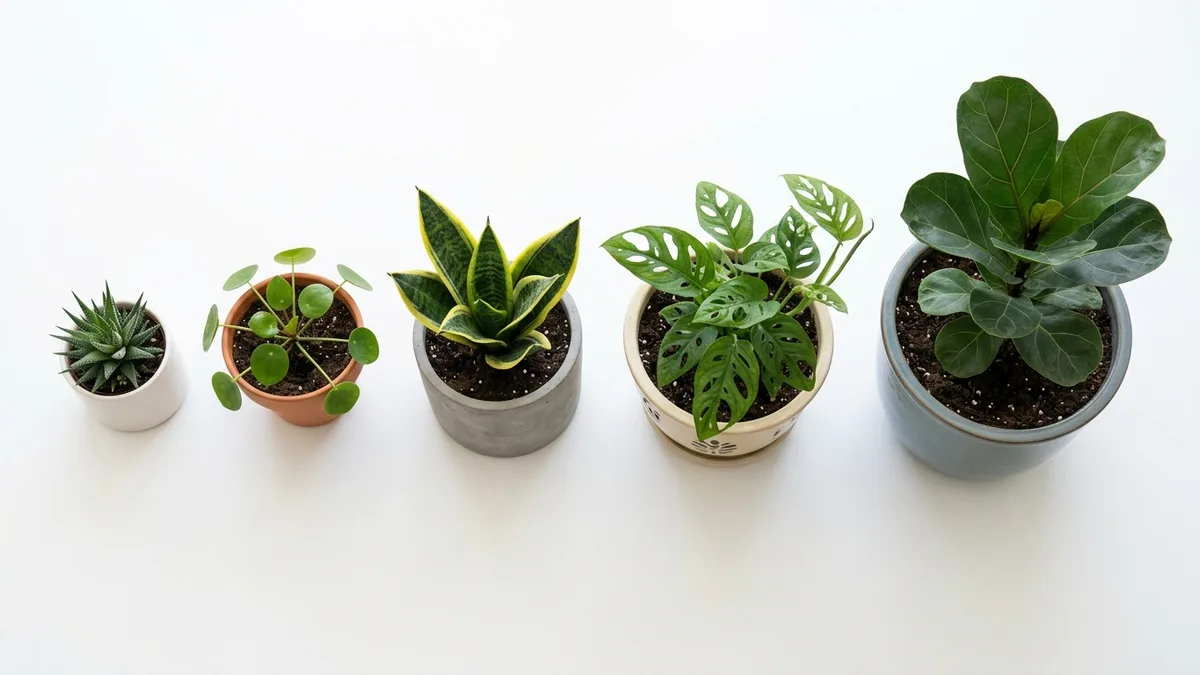
- For repotting: Choose a new pot that is 1 to 2 inches wider in diameter than the current pot. Going too large too fast encourages root rot because excess soil stays wet long after the plant has absorbed what it needs.
- For starting seeds or cuttings: A 4-inch pot is the standard starting size for most houseplant propagations.
- For small desktop plants like succulents, air plants, and small cacti: 2 to 4-inch pots are ideal.
- For medium houseplants like pothos, snake plants, and peace lilies: 6 to 8-inch pots work well for established plants.
- For large statement plants like monsteras, fiddle leaf figs, and bird of paradise: 10 to 14-inch pots or larger are appropriate, depending on the plant's maturity.
- Tall plants with top-heavy growth: Prioritize heavy ceramic or terracotta pots for stability over lightweight plastic.
A pot that is too large is actually more dangerous than one that is slightly too small. When in doubt, size down rather than up.
For a complete plant care setup, a well-organized plant care station with labeled pots, proper tools, and good drainage trays makes the entire process much smoother and more enjoyable.
Best Materials at a Glance: Quick Comparison
Here is a quick side-by-side comparison of the most common indoor plant pot materials to help you decide at a glance:
Terracotta
- Best for: Succulents, cacti, herbs, drought-tolerant plants
- Drainage: Excellent (porous walls + drainage hole)
- Price range: US$3 to US$15
- Durability: Moderate (chips and cracks easily)
- Rating: 4.2/5
Glazed Ceramic
- Best for: Tropical plants, moisture-lovers, statement pieces
- Drainage: Variable (often needs cache pot workaround)
- Price range: US$10 to US$80+
- Durability: Good indoors, poor in freezing temps
- Rating: 4.0/5
Plastic
- Best for: Nursery plants, budget setups, lightweight needs
- Drainage: Good when holes are present
- Price range: US$2 to US$15
- Durability: Very good
- Rating: 3.5/5
Self-Watering
- Best for: Moisture-lovers, busy households, travelers
- Drainage: Built-in reservoir system
- Price range: US$15 to US$55
- Durability: Good to excellent
- Rating: 4.5/5
Fabric
- Best for: Root health, excellent drainage needs
- Drainage: Outstanding
- Price range: US$5 to US$20
- Durability: Good (washable and reusable)
- Rating: 4.3/5
According to Wikipedia's entry on plant containers, the choice of pot material has been a practical consideration since ancient horticultural practices, with clay pots being among the earliest known plant containers. Modern material science has simply expanded the options considerably.
Tips for Styling Indoor Plant Pots in Your Home
Choosing great individual pots is only half the equation. How you arrange and style them within your home is what takes a plant collection from scattered and random to curated and intentional.
Create Visual Cohesion
Stick to a limited color palette for your pots. A mix of white, terracotta, and one accent color (like sage green or dusty blue) reads as intentional and calm. Mixing every color and material available tends to look chaotic, no matter how beautiful each individual pot is.
Vary Heights and Sizes
Group plants in odd numbers (threes and fives feel more natural than evens) and vary the heights. Use a mix of taller floor pots, mid-height shelf pots, and trailing hanging planters to create a layered, dynamic display. A well-designed plant stand is one of the easiest ways to add height variation without a major commitment.
Don't Forget Drainage Trays
Every pot that sits on a surface needs a drainage tray or saucer underneath. Look for trays that match or complement your pot material. Matching white ceramic saucers with white ceramic pots, or matching terracotta saucers with terracotta pots, creates a polished, finished look.
Group Plants by Care Needs
This is more practical than aesthetic, but it genuinely matters. Grouping plants with similar watering schedules (succulents together, moisture-lovers together) makes plant care faster and reduces the risk of accidentally overwatering a drought-tolerant species while caring for its neighbor.
For more inspiration on creating beautiful, organized displays, Architectural Digest regularly showcases innovative ways that designers incorporate indoor plants into sophisticated interior settings.
Related Products from Sesoris
If you want to turn this guide into a real setup, start with Stackable Storage Bins, 24 Pack and Pull-Out Cabinet Organizer, 17 in. Wide. For broader options, browse the Home & Decor collection so the article journey does not stop at reading only.
Our practical rule: choose one product that solves the main clutter problem first, then add supporting organizers only when the daily workflow is already clear. This keeps the shopping path useful, not pushy.
FAQ: Frequently Asked Questions About Indoor Plant Pots
Q: Do all indoor plant pots need drainage holes?
Drainage holes are strongly recommended for virtually every plant. Without them, excess water pools at the bottom of the pot and creates anaerobic conditions that cause root rot. If you love a pot without drainage, use it as a decorative outer sleeve (cache pot) around a functional nursery pot that does have drainage.
Q: How often should I repot my plants into new indoor plant pots?
Most houseplants benefit from repotting every one to two years, or whenever you notice roots growing out of the drainage hole, the plant is tipping over from being top-heavy, or the soil is drying out unusually fast. Spring is generally the best time to repot, as plants are entering their active growing season.
Q: Are plastic pots bad for plants?
Not at all. Plastic pots are lightweight, affordable, and retain moisture well, making them perfectly functional for many houseplants. The main drawback is aesthetic, since they often look cheap and don't breathe like terracotta. Many gardeners use plastic nursery pots inside decorative outer pots for the best of both worlds.
Q: What size indoor plant pot should I start with for a new cutting?
Start cuttings in a 2 to 4-inch pot and move up gradually as roots develop. Never put a tiny cutting in a large pot, as the excess soil will stay wet for too long and rot the fragile roots before they have a chance to establish.
Q: How do I prevent gnats in my indoor plant pots?
Fungus gnats breed in the top layer of moist soil. The most effective prevention strategies include allowing the top 1 to 2 inches of soil to dry completely between waterings, using a well-draining potting mix, adding a layer of sand or perlite to the soil surface, and choosing terracotta or fabric pots that dry out faster.
Q: Can I use outdoor planters as indoor plant pots?
Yes, most outdoor planters work perfectly well indoors. Just make sure they have drainage holes or use them as cache pots. Note that very large outdoor planters filled with soil can be extremely heavy and may damage wood flooring, so always use felt pads or a plant caddy underneath.
Conclusion
Finding the right indoor plant pots in 2026 comes down to matching your plant's needs with your aesthetic goals and your lifestyle. Terracotta is the reliable workhorse for drought-tolerant plants. Glazed ceramic brings beauty and moisture retention for tropical species. Self-watering planters are a game-changer for busy households. Fabric grow bags deliver exceptional root health. And hanging planters maximize vertical space beautifully.
The best approach is rarely picking one type and sticking to it. A thoughtfully mixed collection, unified by a consistent color palette and displayed on well-chosen plant stands and plant shelves, creates a home that genuinely feels alive, organized, and intentional.
Ready to take your indoor plant setup to the next level? Browse the full range of home organization and lifestyle essentials at Sesoris and check out our Best Sellers and New Arrivals for products that help you live a more organized, beautiful life every day.
Liked this guide?
Get new organizing guides and the occasional new product by email. No spam, unsubscribe anytime.
Related articles
Explore more articles
- 3 Tier Spice Rack: Complete 2026 Buying Guide
- Minimalist Home Organization Tips for a Clutter-Free 2026
- Spice Storage Containers: Best 2026 Buying Guide
- Ideas for Shoe Storage in Small Closet: 25+ Picks
- Home Office Organizer: How to Set Up a Productive Workspace
- 25+ Brilliant Bathroom Wall Shelf Ideas to Transform Your Space in 2026
- How to Speed Clean Your House in 30 Minutes
- IKEA Laundry Room Organization: Smart Ideas