
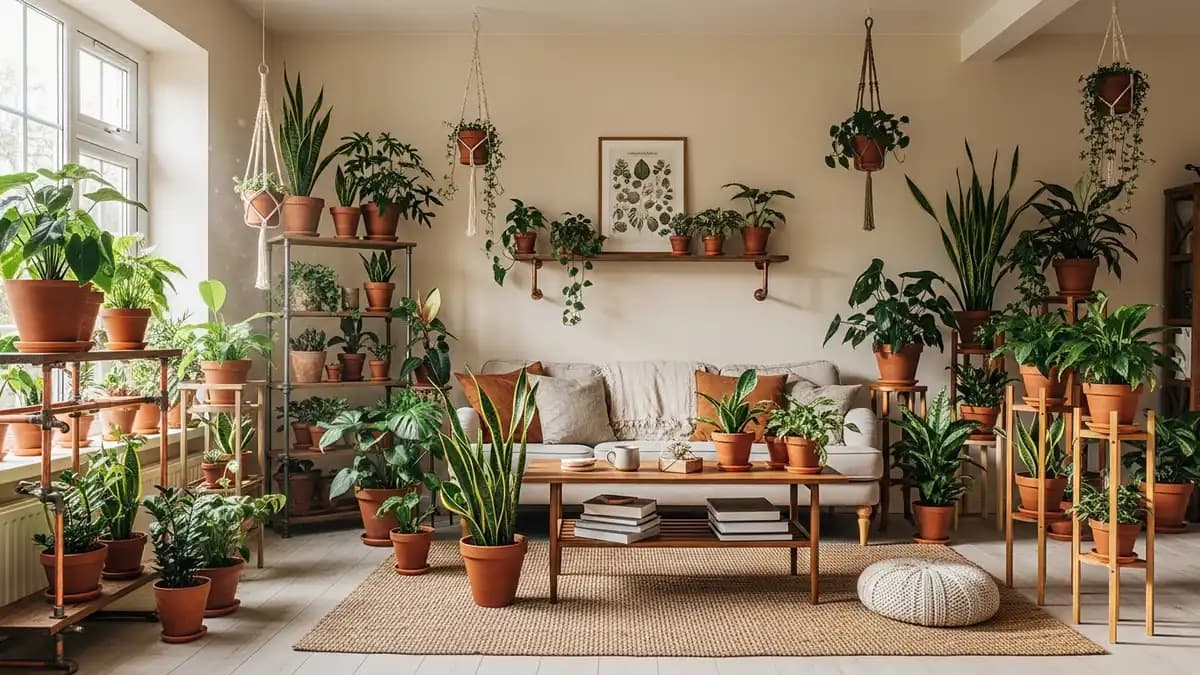
25+ Creative DIY Plant Stand Ideas to Elevate Your Home Decor in 2026
If you love houseplants but feel like your display game could use a serious upgrade, you are in exactly the right place. DIY plant stand ideas are one of the most satisfying home projects you can tackle in 2026, combining creativity, woodworking (or not!), and a genuine love of greenery into something that is uniquely yours. Whether you are working with a tiny apartment corner or a sprawling backyard patio, building your own plant stand lets you customize the height, style, material, and finish to match your existing decor perfectly. Plus, the cost savings compared to store-bought stands can be substantial. In this guide, I am walking you through 25+ of the best DIY plant stand ideas, complete with material tips, style breakdowns, and practical advice to help you get started today.
Why DIY Plant Stand Ideas Are Worth Your Time in 2026
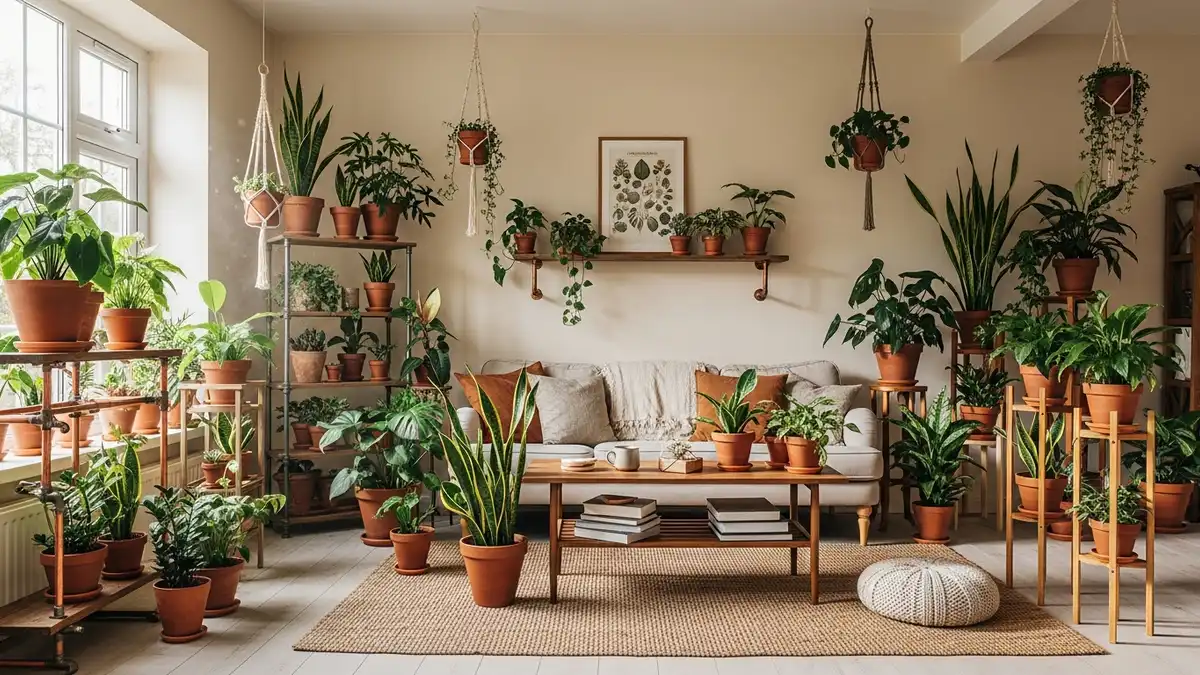
There is a reason DIY plant stand ideas have become a staple search term for plant lovers and home decorators alike. Houseplant ownership in the US continues to grow, and as more people fill their homes with greenery, the need for creative, space-efficient display solutions grows right along with it. According to The Spruce, thoughtful plant placement can dramatically improve both the visual appeal of a room and the health of your plants by optimizing their access to light.
Building your own stand gives you total control. You can match wood tones to existing furniture, choose a height that works for your ceiling, or go bold with a painted finish that adds a pop of color. And when you browse our plant stand ideas collection or check out indoor plant stand ideas, you will quickly see that store-bought versions rarely hit every mark. DIY fills those gaps.
Here is why going the DIY route makes sense right now:
- Cost-effective: Basic lumber and hardware from a home improvement store typically costs far less than a comparable retail stand
- Fully customizable: Build to the exact dimensions your space needs
- Satisfying and rewarding: There is something genuinely great about displaying your favorite monstera on something you built with your own hands
- Sustainable option: You can use reclaimed wood or repurpose items you already own
- No woodworking expertise required: Many of the best ideas on this list require zero power tools
Tools and Materials You Will Need Before You Start
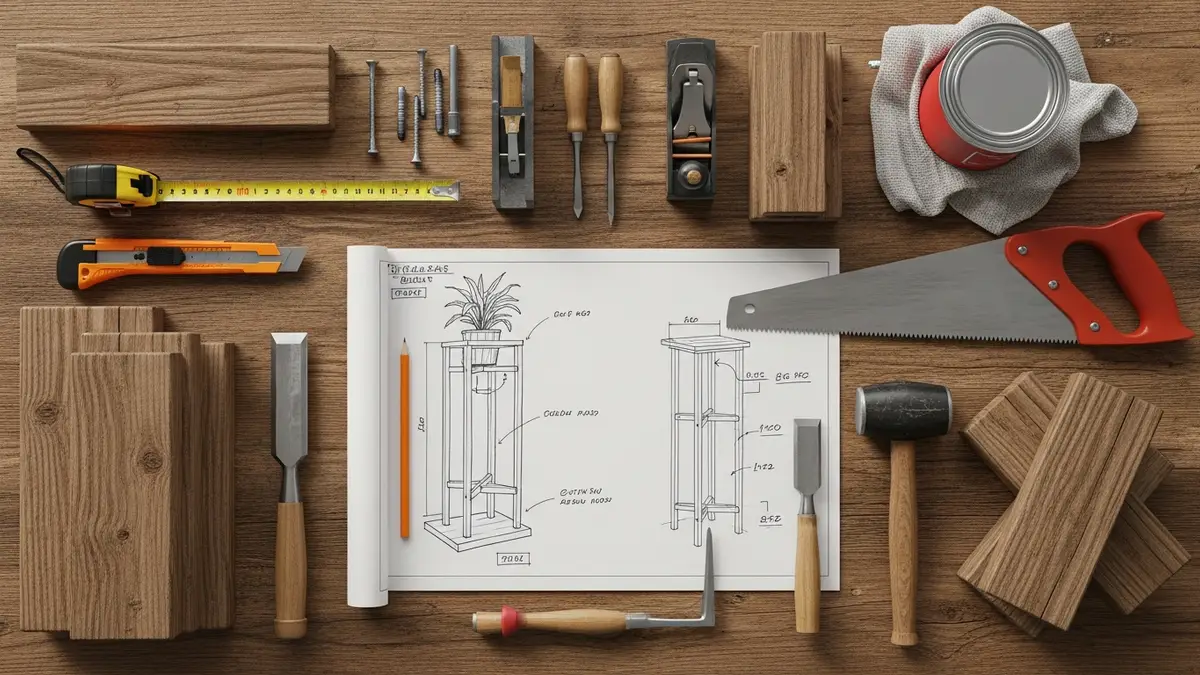
Before diving into specific DIY plant stand ideas, let me give you a realistic overview of the tools and materials that come up most often across these projects. You do not need a fully equipped workshop. Most of these builds can be completed with a few basic items.
Basic Tools
- Handsaw or miter saw for cutting wood to length
- Drill and drill bits for pilot holes and screw driving
- Sandpaper (80-grit and 120-grit) for smoothing rough edges
- Measuring tape and pencil for accurate cuts
- Level to make sure your stand sits evenly
- Paintbrush or foam roller if you plan to stain or paint
Common Materials
- 2x2 or 2x4 lumber (pine, poplar, or cedar work great)
- Plywood or MDF for shelf surfaces
- Wood screws or pocket hole screws
- Wood glue for extra holding strength
- Sandable wood filler for filling gaps
- Wood stain, paint, or sealer for finishing
- Hairpin legs or pre-made wooden legs as shortcuts
- Copper or black iron pipe fittings for an industrial look
If you want to keep your build area organized, a solid household storage rack in your workspace goes a long way toward keeping supplies tidy and accessible while you work.
25+ DIY Plant Stand Ideas by Style and Material
Now for the heart of this guide. I have organized these DIY plant stand ideas by style so you can quickly find the look that fits your home best.
1. Classic Three-Legged Wooden Stool Stand
This is the quintessential beginner plant stand. Cut three legs from 1x2 lumber at an angle, attach them to a round or square platform cut from plywood, and sand everything smooth. Finish with a walnut stain for a timeless look. The slight splay of the legs gives it great stability for heavier pots.
2. Hairpin Leg Side Table Stand
Hairpin legs are a shortcut that looks incredibly polished. Buy a set of 8-inch to 12-inch hairpin legs online (usually sold in sets of four), attach them to a circular piece of 3/4-inch plywood or a butcher block offcut, and you have a modern plant stand in under an hour. Sand and stain the top, and the finished product looks store-bought.
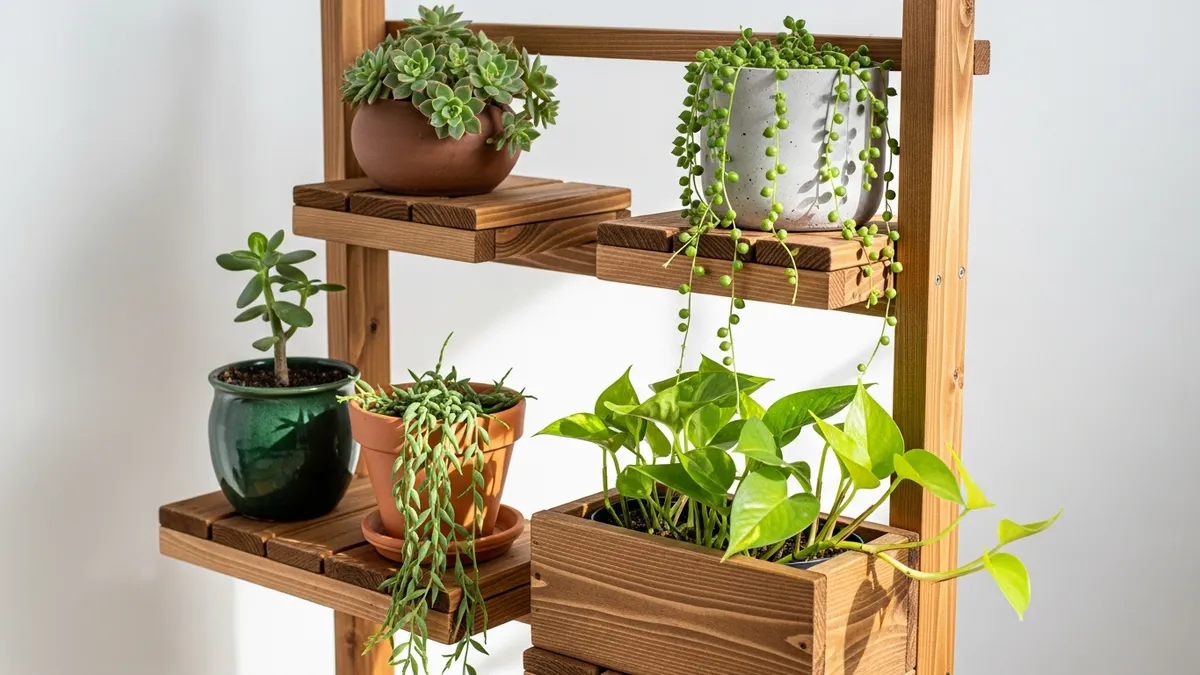
3. Tiered Ladder Stand
A ladder-style plant stand is fantastic for showing off a collection. Cut two side rails from 1x3 boards and add three to five horizontal rungs at varying intervals. The rungs double as shelves for pots. Lean it against a wall or add small feet to make it freestanding. This is one of my favorite DIY plant stand ideas for filling an empty corner.
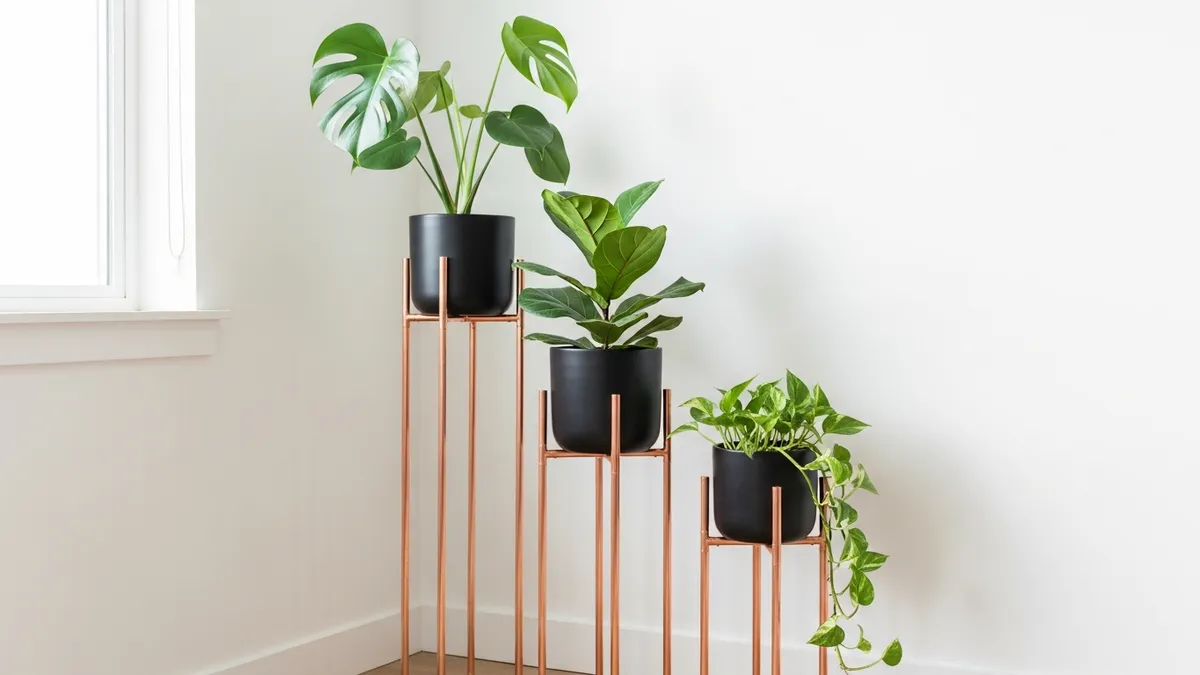
4. Copper Pipe Geometric Stand
Copper pipe fittings from the hardware store can be assembled without soldering using push-fit or threaded connectors. Create a simple square or triangular base, add vertical pipes cut to your desired height, and top with a flat platform. The warm metallic finish looks stunning in modern and bohemian interiors alike. Check out Houzz for geometric plant stand inspiration that can guide your pipe dimensions.
5. Cinder Block and Wood Plank Stand
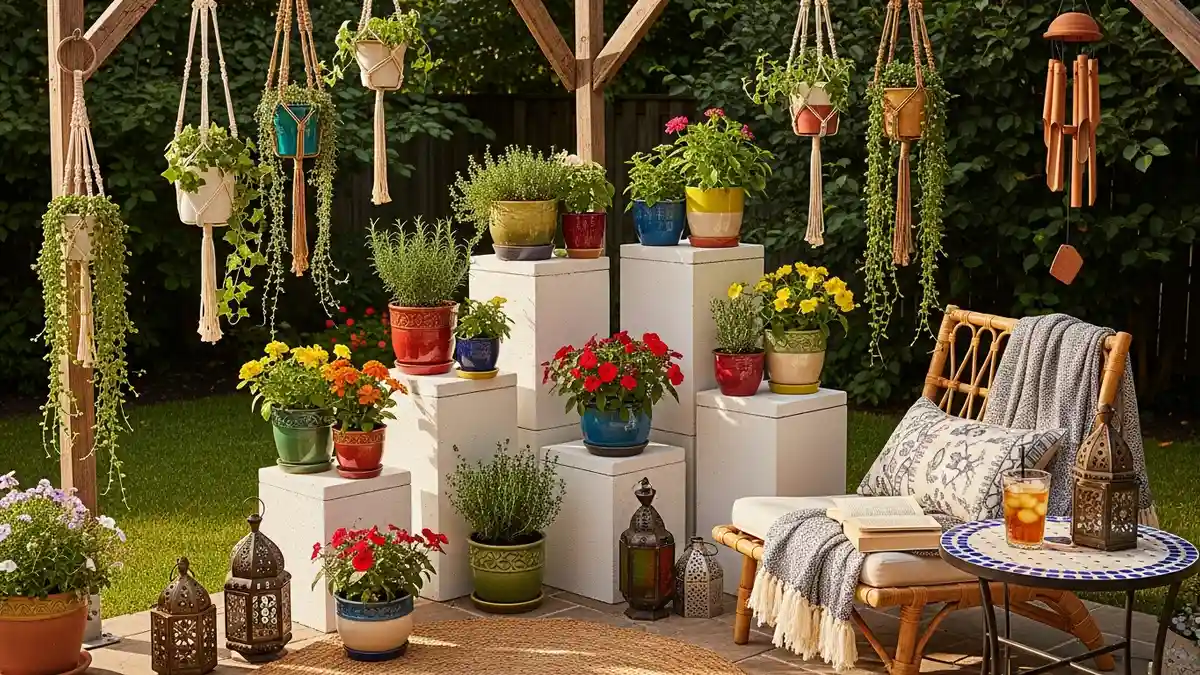
Stack two cinder blocks and lay a plank of wood across the top. That is genuinely it. You can paint the blocks, seal the wood, and suddenly you have a substantial outdoor plant stand that can hold heavy ceramic planters without any wobbling. Great for patios and decks.
6. Wine Crate Riser
Repurpose a wooden wine crate by flipping it on its end or stacking two for extra height. Sand lightly, apply a coat of white or natural stain, and place your plant directly inside or on top. This works beautifully as a DIY plant stand for medium-sized plants like rubber trees or peace lilies.
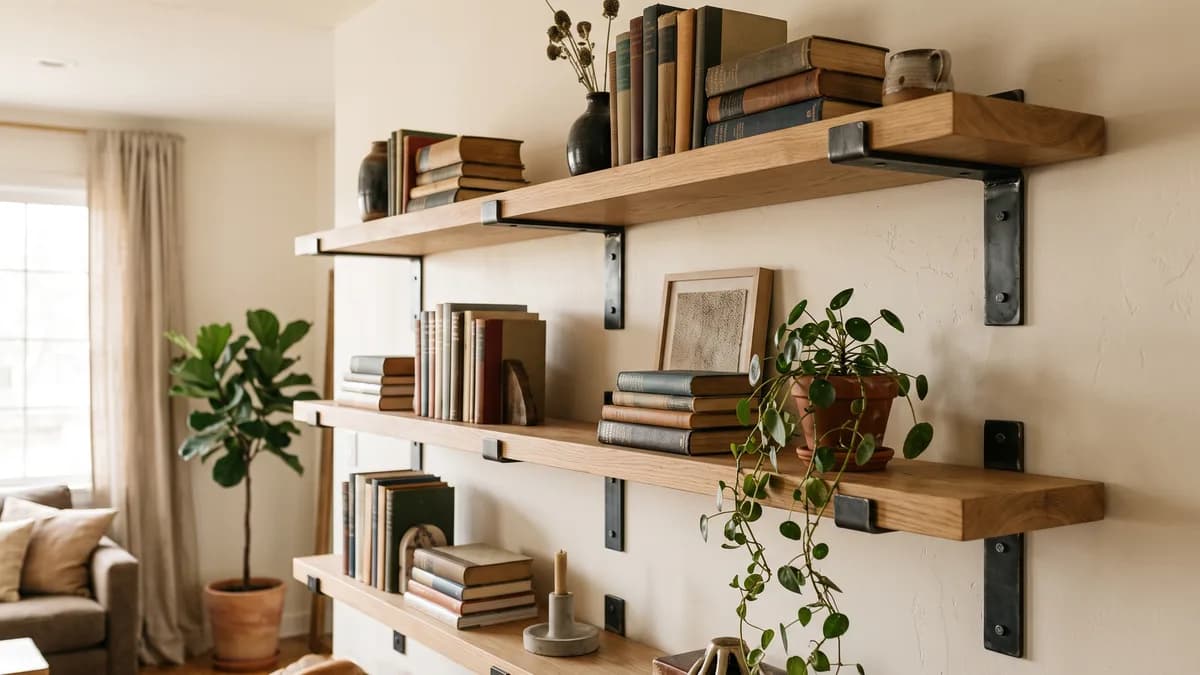
7. Floating Shelf Wall-Mounted Stand
Mount a small floating shelf directly to the wall at window height and let your plant sit on it like a display piece. Add a second shelf a foot below for a trailing plant. Use a stud finder to anchor properly, especially for heavier pots. This approach is covered thoroughly in our DIY wall shelf ideas guide.
8. Log Slice Pedestal
If you have access to a tree log slice (often available at craft stores or lumber yards), simply sand the top flat and smooth, apply a food-safe finish, and place your plant pot directly on top. Add small rubber feet to the bottom to protect your floors. The organic shape makes it a beautiful focal point.
9. Macrame Hanging Plant Stand
Technically a hanging stand rather than a floor stand, but it absolutely counts. Buy a length of natural cotton macrame rope (usually sold by the spool), tie a series of square knots and half-hitch knots to create a basket, and hang from a ceiling hook or curtain rod bracket. This is a zero-tool project that takes about two hours.
10. PVC Pipe Stand
PVC pipe is inexpensive, lightweight, and easy to cut with a handsaw. Build a simple rectangular frame using four vertical pieces and a top platform, connecting joints with elbow and T-fittings. Paint with spray paint designed for plastic (flat black looks especially chic) and you have a stand that will last for years.
11. Wooden Dowel Tripod Stand
Three wooden dowels (about 3/4 inch in diameter and 24 inches long) lashed together at the top with jute twine or leather cord create a rustic tripod stand. Spread the legs evenly for stability. This style works best with lighter pots. The natural look fits perfectly into boho and farmhouse aesthetics.
12. Stacked Wood Rounds
Slice a thick branch or post into rounds of varying thickness. Stack them in an offset pattern, secure with wood glue between each layer, and sand the top flat. The result is a sculptural, organic stand that is unlike anything you will find in a store.
13. Industrial Pipe and Reclaimed Wood Stand
Combine a weathered wood plank top with black iron pipe legs. Thread the pipe into floor flanges screwed to the underside of the wood. This industrial look pairs beautifully with lofts, modern farmhouse kitchens, and urban apartments.
14. Wooden Crate Tower
Stack two or three small wooden crates in a staggered configuration, gluing and screwing each one to the next. Each crate opening becomes a shelf for a small pot. Paint in a bold color for a playful look, or stain in a natural tone for something more refined.
15. Concrete Block Mini Stand
A single hollow concrete block laid on its side can become a surprisingly stylish plant pedestal. Paint it with chalk paint, add a stenciled pattern, and place a pot inside the opening. These are especially great for succulents and small cacti.
16. Folding Sawhorse Stand
A mini sawhorse-style stand uses just four angled legs and a top platform. Cut the legs at 15-degree angles so they splay outward naturally, attach them to a square top, and sand smooth. This style elevates a single statement plant beautifully.
17. Pegboard Plant Display
Mount a pegboard section to your wall and use angled pegboard hooks to hold small pots. This approach is fully adjustable and works brilliantly in a home office or craft room. It is also a great way to combine a home office organization project with your plant display goals.
18. Clamped Shelf Stand
Use pipe clamps or hose clamps to attach a wooden shelf platform to a vertical pipe or wooden post that sits in a weighted base. The industrial look is striking and you can adjust the shelf height by repositioning the clamps.
19. Bamboo Pole Tripod
Similar to the dowel tripod but using bamboo poles for a more natural, tropical look. Lash three poles together at the top and splay the base. Bamboo is lightweight, strong, and incredibly sustainable, which makes this one of the best DIY plant stand ideas for eco-conscious decorators.
20. Bookshelf Riser Hack
Take a basic small bookshelf or side table and repurpose it entirely as a plant stand by placing plants on every shelf. Add a grow light above the top shelf for plants that need extra light. This is less of a build and more of a creative repurposing that costs almost nothing.
21. Hexagonal Wood Stand
Cut six identical short boards at 30-degree angles on each end and assemble them into a hexagonal platform, then add legs underneath. The geometric shape is visually stunning and surprisingly straightforward to cut with a miter saw.
22. Rope and Driftwood Stand
Drill holes through a flat piece of driftwood at the four corners, thread thick natural rope through each hole, and knot below the wood. Hang the rope from a ceiling hook to create a hanging display. The coastal, beachy aesthetic is unlike any other style on this list.
23. Potting Bench Mini Stand
Scale down a classic potting bench design to create a compact stand with a lower shelf for supplies and a main surface for your statement plant. This is a more involved build but creates something that functions beautifully in both indoor and outdoor spaces.
24. Staircase Step Stand
Build a simple set of two or three ascending steps from plywood or solid lumber. Each step holds a pot at a different height, creating a cascading display that looks incredible against a wall. Finish in white for a clean, contemporary feel.
25. Round Pedestal Stand
Turn a piece of 4x4 post into a simple pedestal by cutting it to 18 inches, 24 inches, or 30 inches in height, then attaching a circular top cut from 3/4-inch plywood. Sand thoroughly and finish with a matte black paint for a sleek, gallery-worthy result.
26. Copper Ring Stand
Bend copper tubing into a ring shape (a large hose clamp can help maintain the curve), attach three vertical copper pipe legs underneath using solderless fittings, and you have a modern ring stand that looks like it belongs in a design magazine. Perfect for medium-sized round pots.
Tips for Building the Best DIY Plant Stand
Having a great idea is just the starting point. Here are the practical tips that separate a plant stand that lasts from one that wobbles and disappoints.
Choose the Right Wood for the Job
For indoor stands, pine and poplar are affordable and easy to work with. For outdoor stands, cedar and redwood are naturally resistant to moisture and insects. If you go with pine outdoors, seal it with an exterior-grade polyurethane finish to protect against water damage.
Always Sand Before Finishing
Skipping sandpaper is the number one mistake beginner woodworkers make. Start with 80-grit to remove rough spots, then move to 120-grit for a smooth surface, and finish with 220-grit before applying your stain or paint. The difference in the final result is dramatic.
Account for Pot Weight
A large ceramic pot filled with soil can weigh 20 pounds or more. Design your stand with this in mind. For heavy pots, use thicker lumber (3/4 inch or more for shelves) and make sure joints are screwed AND glued, not just glued.
Use Non-Slip Feet
Add adhesive rubber feet to the bottom of every leg. These protect your floors from scratches and prevent the stand from sliding on hardwood or tile surfaces. They cost almost nothing and make a noticeable difference.
Seal Your Finish
Whether you stain or paint, always apply a topcoat sealer. Wood near plants gets wet regularly from watering and humidity. A polyurethane or polycrylic sealer protects the finish and dramatically extends the life of your stand.
According to Good Housekeeping, sealing wood surfaces in areas with frequent moisture exposure is one of the most important maintenance steps for long-lasting DIY furniture.
Styling Your DIY Plant Stands for Maximum Impact
Building a great stand is only half the project. How you style it can make the difference between a casual plant display and a showstopping design moment.
Vary Your Heights
Group three stands of different heights together, like an 8-inch, 14-inch, and 22-inch stand, for a layered look that draws the eye upward. This principle applies whether you are styling a corner, a windowsill, or an entire wall. You can see this principle applied beautifully in our indoor plant shelf ideas article.
Mix Plant Types Thoughtfully
Combine a tall statement plant (like a fiddle leaf fig or snake plant) on your tallest stand with a trailing plant (like a pothos or string of pearls) on a medium stand and a compact succulent on the lowest stand. The variety in texture, leaf shape, and growth habit creates visual interest.
Coordinate Materials with Your Room
- Modern or minimalist rooms: Copper pipe, black iron pipe, or painted white wood stands
- Farmhouse or rustic rooms: Reclaimed wood, natural stain finishes, or log slice pedestals
- Bohemian rooms: Macrame hangers, bamboo tripods, rope-and-driftwood combinations
- Industrial loft spaces: Black pipe and weathered wood combinations
- Scandinavian style rooms: Simple pale wood in birch or ash, clean geometric lines
Keep the Space Around Stands Organized
Plant stands work best when the surrounding area is uncluttered. If you store plant care supplies like soil, fertilizer, and watering cans nearby, consider using a dedicated home storage solution to keep everything tidy. A small storage box under a bench stand works brilliantly for hiding extra supplies.
Related Products from Sesoris
If you want to turn this guide into a real setup, start with Foldable Storage Bins and Floating Wall Shelf Set. For broader options, browse the Home & Decor collection so the article journey does not stop at reading only.
Our practical rule: choose one product that solves the main clutter problem first, then add supporting organizers only when the daily workflow is already clear. This keeps the shopping path useful, not pushy.
FAQ: Frequently Asked Questions About DIY Plant Stand Ideas
Q: What is the easiest DIY plant stand idea for a complete beginner?
The hairpin leg stand is genuinely the easiest option with a polished result. Buy pre-made hairpin legs (available at most hardware and craft stores), cut or purchase a round wood top, attach the legs with screws, and sand lightly. The whole project can be done in under 45 minutes with no advanced skills.
Q: How tall should a DIY plant stand be?
It depends on the plant and the room. For floor plants like fiddle leaf figs or snake plants, a stand between 6 and 12 inches is usually enough to elevate them slightly and improve drainage airflow. For trailing plants that you want to hang near a window, a taller stand of 18 to 30 inches creates a dramatic cascading effect. As a general rule, the stand plus the pot height should allow the plant's foliage to sit comfortably within your sight line when you are seated.
Q: What wood should I use for an outdoor DIY plant stand?
Cedar is the top recommendation for outdoor use because it is naturally rot-resistant and handles moisture well. Redwood is another excellent option. If you use pine or another softwood outdoors, apply at least two coats of exterior-grade sealer or paint to protect it from rain and humidity.
Q: Can I build a DIY plant stand without power tools?
Absolutely. The macrame hanging stand, the bamboo tripod, the rope and driftwood stand, the cinder block riser, the wine crate repurpose, and the log slice pedestal all require zero power tools. You can even build simple wooden stands using a handsaw, which requires no electricity at all.
Q: How much does it typically cost to build a DIY plant stand?
Costs vary widely depending on the design and materials. A simple log slice pedestal can cost just a few dollars. A basic wooden tripod or hairpin leg stand might run between US$10 and US$25 in materials. A more involved tiered ladder stand with quality lumber and hardware might cost US$30 to US$50. In almost every case, this is significantly less than comparable retail options.
Q: How do I keep my wooden plant stand from getting water damage?
Always use a drip tray or saucer under your pots to catch excess water. Seal the wood with polyurethane, polycrylic, or outdoor sealer depending on whether the stand lives inside or outside. Reapply the sealer annually for outdoor stands exposed to rain. Wiping up any standing water promptly also helps extend the life of the wood significantly.
Q: Where can I find more plant display inspiration?
Some great places to browse include Pinterest for visual ideas and step-by-step photos, and our own collection of indoor plant stand ideas and outdoor plant stand ideas right here on the Sesoris blog.
Conclusion: Start Building Your DIY Plant Stand Today
There is no shortage of creative DIY plant stand ideas to explore in 2026. Whether you go for the simplicity of a hairpin leg pedestal, the drama of a tiered ladder stand, the industrial edge of a copper pipe frame, or the organic beauty of a log slice pedestal, the right project is out there for your skill level, your budget, and your style. The best part is that you do not need a professional workshop or years of experience. Most of these builds can be tackled on a weekend afternoon with basic materials from your local hardware store.
Once your stand is built, pair it with the right pot, the right plant, and thoughtful styling, and you will have a home decor feature that genuinely earns compliments. And if you are looking for more ways to keep your living space organized and beautiful around your new plant displays, explore the full range of home organization solutions at Sesoris. From smart storage products to home essentials that help every room feel more put together, we are here to help you live more organized in 2026 and beyond. Browse our best sellers or check out our new arrivals to find products that complement your freshly styled plant corner perfectly.
Weekly Home Tips
Get home organization ideas, product picks, and exclusive deals delivered weekly.
No spam. Unsubscribe anytime.

Explore More Articles
- How to Speed Clean Your House in 30 Minutes
- Closet Storage and Organization Ideas That Work
- Foldable Storage Box Guide: Space-Saving Solutions 2026
- 25+ Small Room Laundry Room Organization Ideas That Actually Work in 2026
- Overhead Garage Storage Solutions: Ultimate Guide to Transform Your Garage Space in 2026
- How to Organize Your Home: Expert Guide to a Tidy Living Space
- Aluminum Stove Tables: Lightweight & Rust-Resistant Kitchen Solutions 2026
- 25 Small Pantry Organization Ideas to Transform Your Kitchen Storage in 2026