

How to Declutter Your Home Before Moving: The Complete 2026 Guide
Moving to a new home is one of the most exciting chapters of life, but it can also feel completely overwhelming the moment you start staring at years of accumulated stuff. Learning how to declutter your home before moving is one of the single most valuable things you can do to make your move smoother, cheaper, and far less stressful. Whether you are relocating across town or across the country, arriving at your new place with only the things you truly love and use is an incredible feeling. In this guide, I am going to walk you through a practical, room-by-room strategy so you can tackle the clutter with confidence and start your next chapter fresh.

Why Decluttering Before You Move Is a Game-Changer
Most people underestimate just how much stuff they have accumulated until they are forced to pack it all up. Moving every unnecessary item costs real money. Professional movers typically charge by weight or by the hour, so the fewer boxes you move, the lower your bill. Beyond the financial savings, decluttering before a move gives you a rare opportunity to reset your living environment completely.
Items that remain unpacked for months after a move often reveal what did not need to travel in the first place. Moving them still costs time, box space, and possibly money, then they occupy storage in the new home without being used. Starting the decluttering process before packing prevents that cycle entirely.
There is also a psychological benefit. Research consistently shows that clutter contributes to stress and anxiety. Walking into a new home with only intentional, organized belongings creates an immediate sense of calm and control. If you have been putting off decluttering your existing home, a move is genuinely the best motivator to finally get it done.
For more general decluttering strategies that apply beyond moving, check out our how to declutter your home complete guide and our home decluttering tips for a calm, organized home in 2026.
When to Start Decluttering Before Your Move
Timing is everything. I always recommend starting the decluttering process at least six to eight weeks before your move-out date. This gives you enough time to work through every room without burning out, and it leaves time to donate, sell, or dispose of items responsibly.
Here is a general timeline that works well for most households:
- Eight weeks out: Begin with storage areas like the garage, basement, attic, and closets. These tend to be the most packed and most forgotten spaces.
- Six weeks out: Move to secondary rooms such as guest bedrooms, home office, and craft or hobby rooms.
- Four weeks out: Tackle main living spaces including the living room, dining room, and kitchen.
- Two weeks out: Finish with personal spaces like your primary bedroom and bathrooms.
- One week out: Do a final sweep of every room and make sure nothing was missed.
Starting early also means you have time to list items on Facebook Marketplace, host a garage sale, or schedule a donation pickup from organizations like Habitat for Humanity ReStores or Goodwill. These options are far better than sending usable goods straight to a landfill.
How to Declutter Your Home Before Moving: The Four-Box Method
The most effective decluttering framework for a pre-move purge is the Four-Box Method. Before you start on any room, grab four clearly labeled containers or sections of floor space:
- Keep: Items you use regularly, love, and will absolutely bring to the new home.
- Donate: Items in good condition that someone else could use and benefit from.
- Sell: Items with enough value to sell through a garage sale or online marketplace.
- Toss: Broken, expired, or unusable items that need to go directly to the trash or recycling.
The key rule is that every single item in a room must be assigned to one of these four categories before you move on. No "maybe" pile. A maybe pile is where decluttering projects go to die. If you genuinely cannot decide, ask yourself: "Would I buy this again today?" If the answer is no, it goes in the donate or sell box.
"The secret to a successful move is not packing faster. It is deciding smarter. Every item you leave behind is a decision you never have to unpack."
This method works especially well when paired with good home organization tools and storage solutions that help you sort and stage items efficiently.
Room-by-Room Decluttering Guide for Moving Day
Let us get specific. Here is how I approach each area of the home when decluttering before a move.
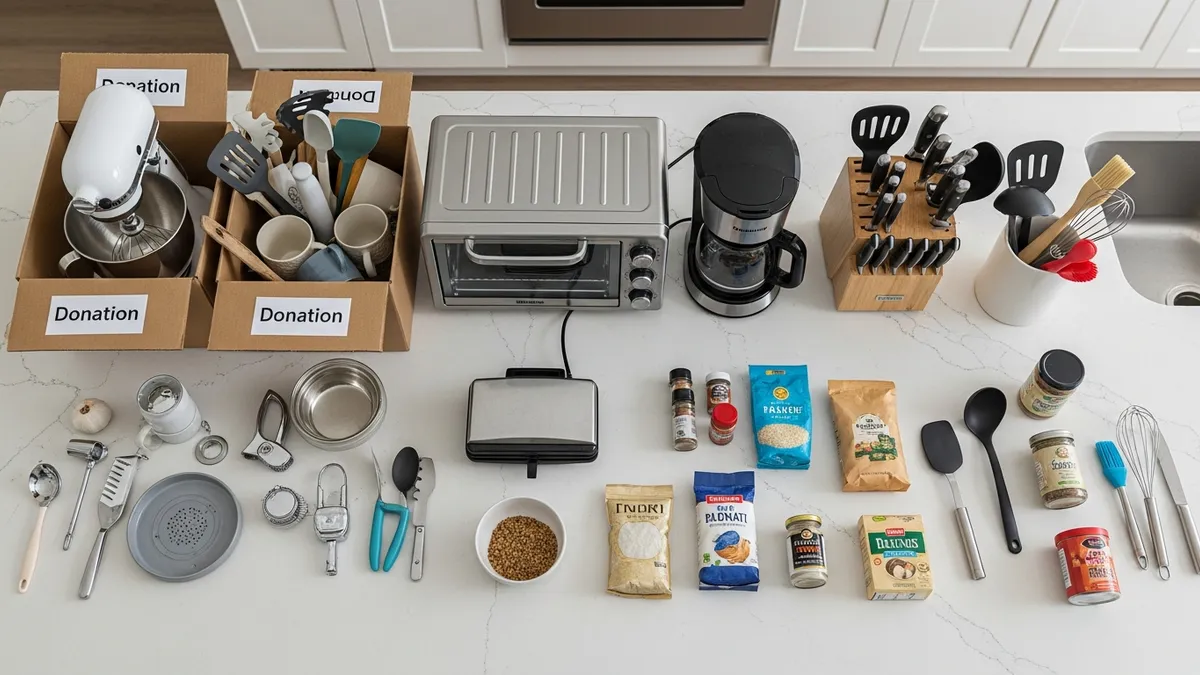
Kitchen
The kitchen is often the most chaotic room to declutter because it contains so many small items. Start by pulling everything out of your cabinets and pantry. Yes, everything.
- Toss any expired pantry food, spices older than one year, and condiments you have not touched in months.
- Donate duplicate appliances. Most kitchens have at least two of something: waffle irons, blenders, or extra sets of dishes.
- Let go of any dish, pot, or gadget you have not used in the past year.
- Check your food storage containers for missing lids or cracked pieces. If a container does not have a match, toss it.
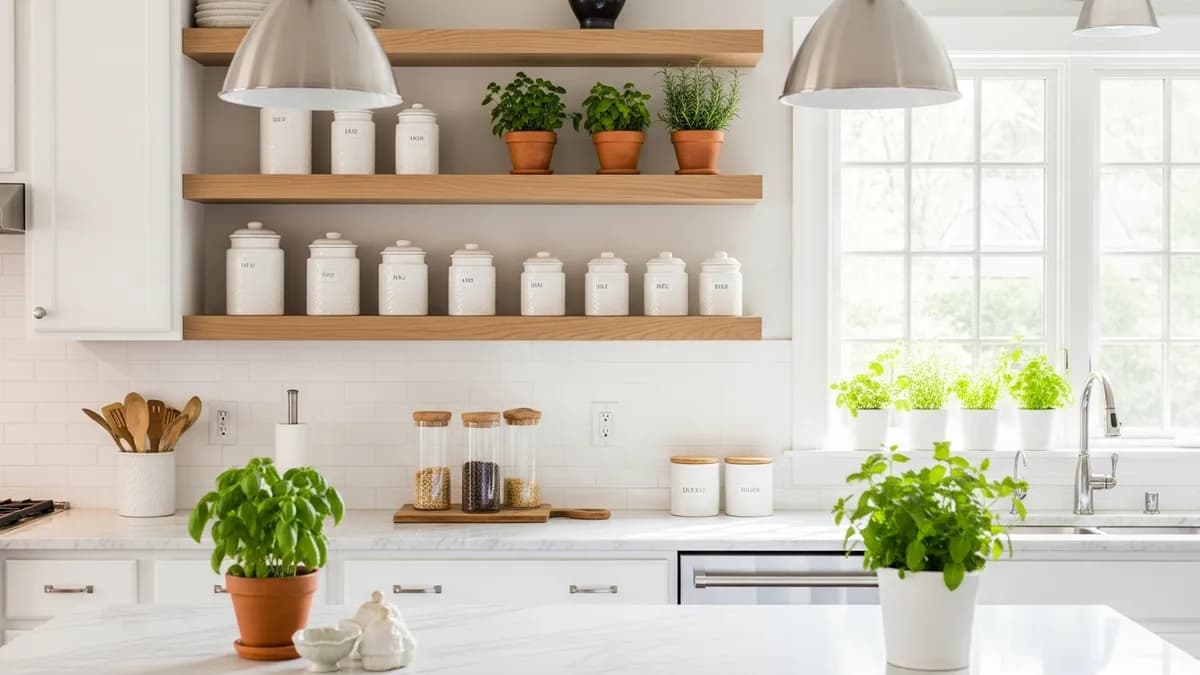
The new kitchen in your home is a perfect opportunity to start fresh with a streamlined, organized setup. Our best food storage solutions guide can help you decide which containers are worth keeping and which to replace when you arrive.
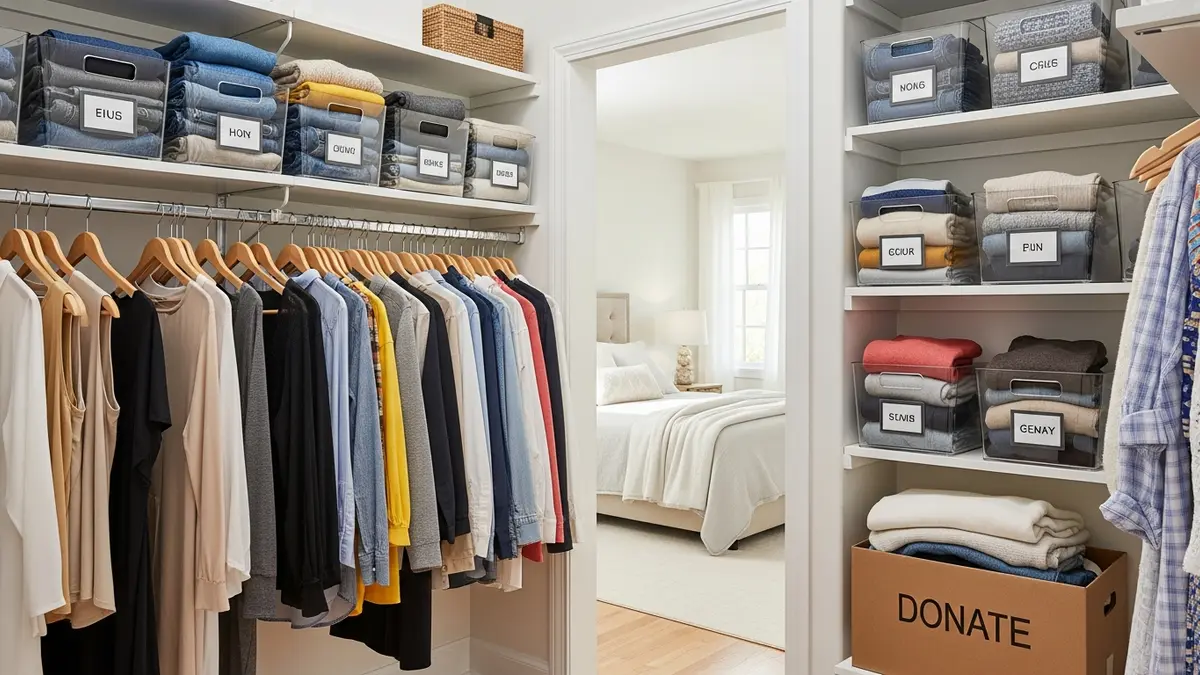
Closets and Bedroom
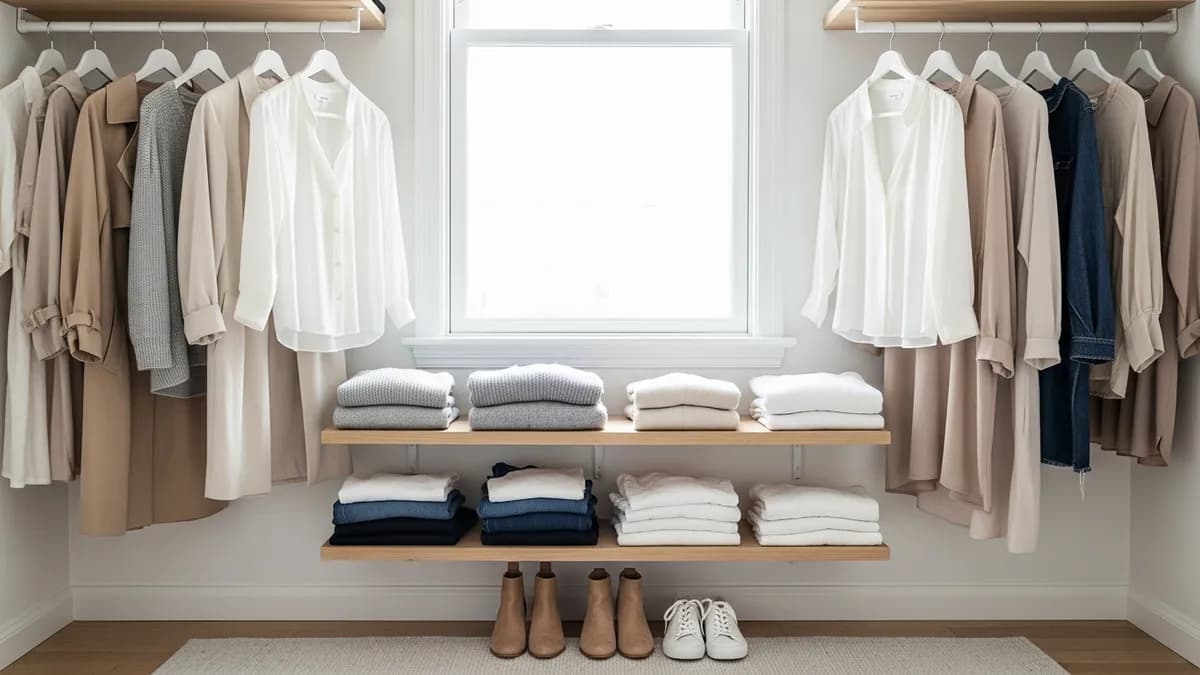
Clothing is where most people hold onto far more than they need. Use the classic one-year rule: if you have not worn it in a full year, it leaves the house.
- Try on anything you are unsure about. Fit and style change, and it is better to know now than to move an item across the country and never wear it.
- Donate gently used clothing to local shelters, thrift stores, or clothing drives.
- Check for worn-out shoes, accessories you forgot you owned, and seasonal items that no longer serve you.
- Sort linens and towels. Keep two sets per bed and two sets of towels per person. The rest can go.
For smart closet organization strategies to use in your new home, browse our bedroom closet organization ideas.
Living Room
The living room often accumulates decorative items, books, games, and electronics that pile up quietly over time.
- Go through every book. Keep only those you will actually reread or display with pride.
- Sort through DVDs, CDs, and old gaming equipment. Most of this can be donated or sold.
- Evaluate decorative items honestly. If something does not fit your vision for the new home, do not bring it.
- Untangle and sort cables and electronics. Anything without a matching device gets tossed.
Bathroom
Bathrooms are usually quick to declutter but can be surprisingly cluttered.
- Toss expired medications, sunscreens, and old makeup.
- Donate unopened products you know you will not use.
- Consolidate half-used products and toss anything nearly empty that you would not rebuy.
- Pare down to the toiletries you use every single day.
Garage, Basement, and Attic
These spaces deserve the most time because they tend to be storage graveyards. Dedicate a full weekend to these areas.
- Sort tools and keep only what you actually use and will need in the new home.
- Donate sports equipment that has not been touched in years.
- Recycle old paint, chemicals, and electronics through your local hazardous waste program.
- Be honest about hobby supplies. If you stopped a hobby two years ago, let the supplies go to someone who will use them.
For inspiration on how to build a truly organized garage in your new home, see our best garage storage solutions guide.
Smart Tips to Make Decluttering Before Moving Easier
Knowing the process is one thing. Making it stick is another. Here are the practical tips I have found most helpful when going through the full pre-move declutter.
Set a Daily Time Limit
Decluttering is mentally exhausting. I recommend working in focused two-hour sessions rather than trying to power through an entire day. You make better decisions when you are not fatigued, and you are less likely to keep things out of pure exhaustion.
Photograph Sentimental Items You Are Letting Go
One of the biggest reasons people keep things they do not need is sentimental attachment. A great workaround is to photograph the item before donating it. You preserve the memory digitally without carrying the physical weight into your new home.
Do Not Pack and Declutter at the Same Time
These are two separate tasks, and mixing them slows you down significantly. Declutter first, room by room. Once a room is cleared to only your "keep" items, then pack.
Sell Before You Donate
Give yourself two weeks to sell higher-value items online. After that deadline, anything unsold goes straight to donation. This prevents the sell pile from turning into a permanent storage pile.
Recruit a Trusted Friend
Having someone with you who will give honest feedback is invaluable. They have no emotional attachment to your stuff and can help you see more clearly when you are wavering.
Label Everything as You Pack
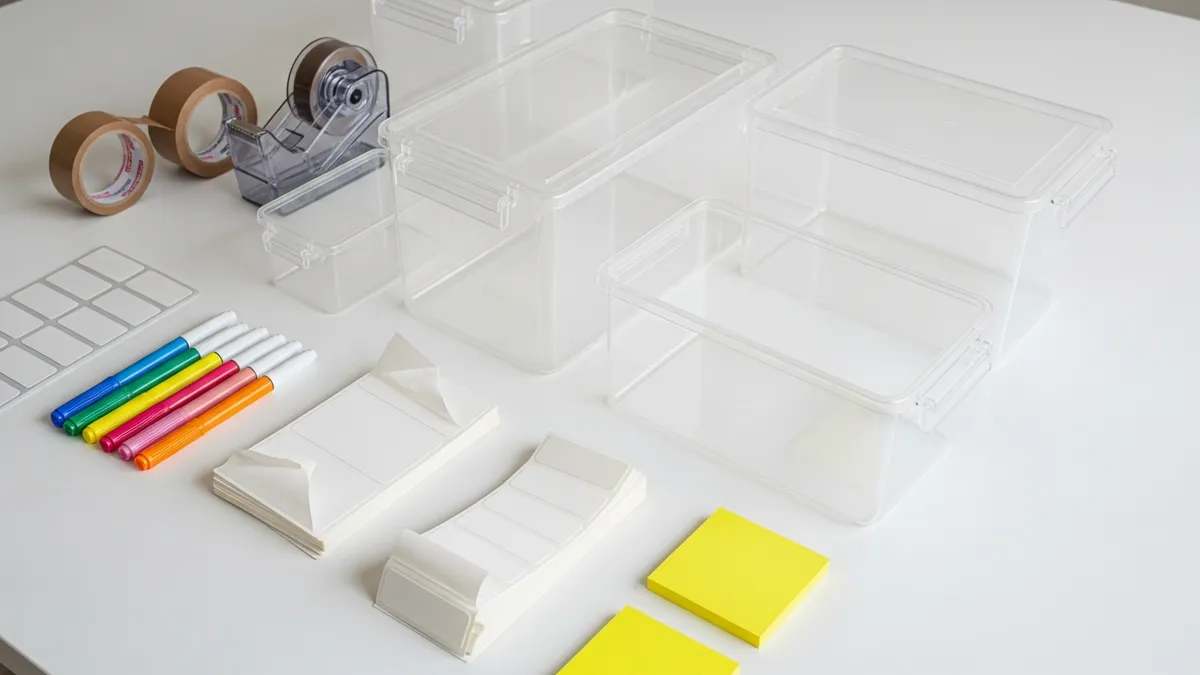
Once decluttering is done and packing begins, label every box with both the contents and the destination room. This saves enormous time on the other end and prevents you from opening every box to find what you need. Color-coding boxes by room adds a quick visual cue for movers and household members.
What to Do With Everything You Are Getting Rid Of
Once you have filled your donate, sell, and toss boxes, you need a clear plan for each category. Here is a quick breakdown:
Donating
- Local Goodwill, Salvation Army, or thrift stores accept most household goods and clothing.
- Habitat for Humanity ReStores accept furniture, appliances, and building materials.
- Local Facebook community groups often have "free" sections where neighbors can claim items directly.
- Shelters and food banks accept unopened pantry goods.
Selling
- Facebook Marketplace is excellent for furniture and larger household items.
- OfferUp and Craigslist work well for electronics and appliances.
- eBay is ideal for collectibles, books, and specialty items.
- A garage sale is a great way to move volume quickly in a single weekend.
Responsible Disposal
- Check with your municipality for bulk trash pickup days for large items.
- Use your local hazardous waste facility for paint, batteries, and chemicals.
- Electronics recycling drop-off points are available at many Best Buy locations.
Setting Up Your New Home With Only What You Love
Once you arrive at your new place, the real reward of your decluttering work becomes clear. You are not unpacking junk. Every box holds something you deliberately chose to bring. This is the moment to set up intentional, organized systems from day one rather than waiting until clutter builds up again.
Invest in quality home organization products that fit your new space. Think about what storage gaps exist in your new layout and shop for solutions before you move in if possible. A well-organized new home starts with the right storage tools, not just fewer items.
Some categories to plan for right away:
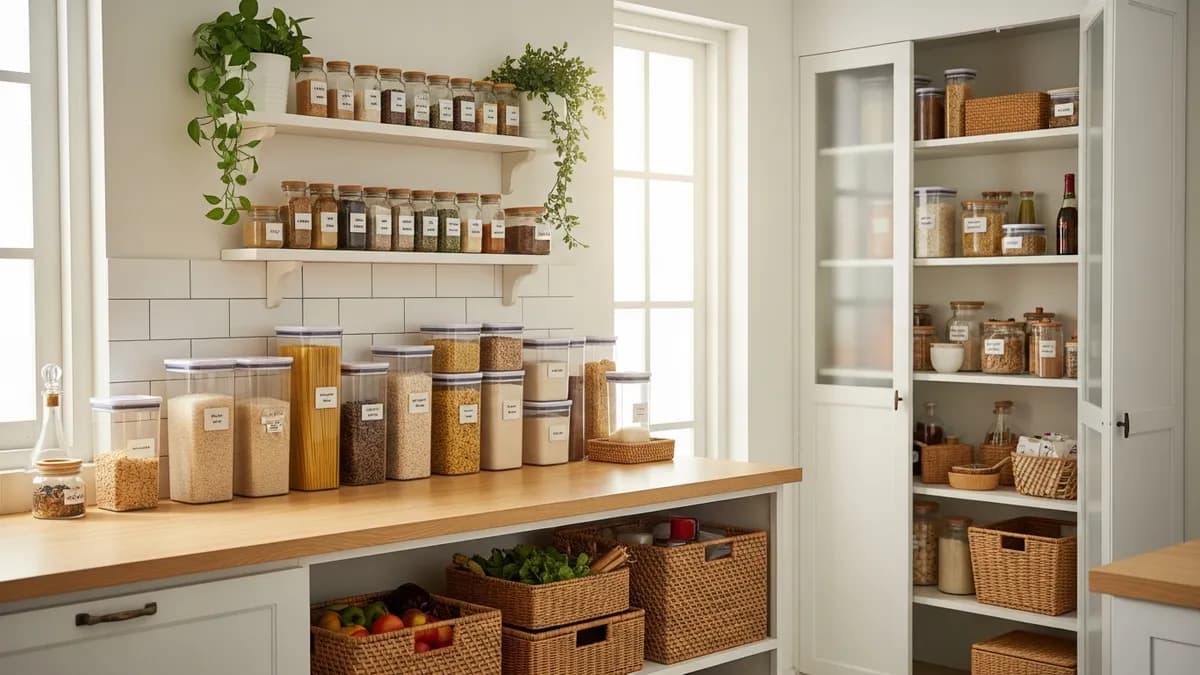
- Kitchen storage: Good airtight containers, drawer organizers, and pantry bins make a new kitchen feel immediately functional.
- Closet systems: Clear bins and labeled storage help you maintain the order you created during the declutter.
- Entryway organization: A designated spot for keys, shoes, and bags prevents clutter from accumulating at the front door from day one.
Browse our new arrivals and best sellers for the home organization products that will help you build a truly organized space in your new home.
At a Glance: Which Option Fits You
Decluttering fails when it all lands in the final week. This table spreads the work backwards from moving day so each stage stays small.
| When | What to tackle | Goal for that stage |
|---|---|---|
| Eight weeks out | Garage, attic, storage rooms | Clear the bulky things you never touch |
| Six weeks out | Closets and wardrobes | Let go of unworn and off-size clothes |
| Four weeks out | Kitchen and pantry | Remove duplicates and expired stock |
| Two weeks out | Living areas and decor | Sort sentimental items without rushing |
| One week out | Bathroom and daily items | Keep only what you use until moving day |
Related Products from Sesoris
If you want to turn this guide into a real setup, start with Foldable Storage Bins and Floating Wall Shelf Set. For broader options, browse the Home & Decor collection so the article journey does not stop at reading only.
Our practical rule: choose one product that solves the main clutter problem first, then add supporting organizers only when the daily workflow is already clear. This keeps the shopping path useful, not pushy.
FAQ: How to Declutter Your Home Before Moving
Q: How far in advance should I start decluttering before a move?
I recommend starting at least six to eight weeks before your move date. Begin with the least-used storage spaces first, like the attic, basement, and garage, and work your way toward the rooms you use daily. Starting early means less pressure and better decision-making.
Q: What should I declutter first when moving?
Start with areas that have been accumulating items the longest, typically the garage, basement, attic, and closets. These spaces tend to hold the most forgotten or unused items and will give you the biggest immediate sense of progress.
Q: Is it worth selling items before moving, or should I just donate everything?
It depends on the value of your items and the time you have available. For furniture, appliances, and electronics in good condition, selling is absolutely worth it. Set a two-week window to sell, and donate whatever has not moved by that deadline. Do not let a "sell" pile turn into a long-term storage problem.
Q: How do I decide what to keep versus what to toss?
The most reliable question to ask is: "Have I used this in the past year, and would I buy it again today?" If the answer to either part is no, the item should be donated, sold, or tossed. Avoid maybes and make a definitive call on every item.
Q: What should I not bring to a new home?
Leave behind anything broken, expired, duplicated, or outgrown. Also let go of items that do not fit the style or function of your new space. Moving is a natural reset, and it is one of the best opportunities you will ever have to stop carrying things that no longer serve you.
Q: How do I handle sentimental items during a pre-move declutter?
Photograph items you are releasing so you preserve the memory without the physical object. For truly irreplaceable pieces, keep them, but be intentional. A single keepsake box per person is a healthy limit to set for yourself.
Conclusion: Declutter First, Move Better
Knowing how to declutter your home before moving is not just about having fewer boxes. It is about making a deliberate, empowered transition into a new chapter of your life. When you arrive at your new home with only the things you truly need and love, every room feels like a fresh start rather than a storage problem waiting to happen.
Start early, use the Four-Box Method, work room by room, and have a clear plan for everything you are letting go. The effort you put into decluttering before your move will pay dividends for months and years after moving day.
Once you are settled in, Sesoris is here to help you build an organized, beautiful home from day one. Explore our full range of home organization products to find the storage solutions that will keep your new space clutter-free and functioning at its best. Live more organized, starting now.

Weekly Home Tips
Get home organization ideas, product picks, and exclusive deals delivered weekly.
No spam. Unsubscribe anytime.
Explore More Articles
- Cheap Kitchen Storage Racks: Best Budget-Friendly Options to Organize Your Kitchen in 2026
- How to Store Food to Last Longer: Complete 2026 Guide
- How to Keep Your Kitchen Organized: Complete 2026 Guide
- Spring Cleaning Checklist 2026: Room-by-Room Deep Clean
- Storage Bins with Lids: Complete 2026 Home Guide
- Minimalist Kitchen Decor Ideas: 25+ Modern Looks 2026
- Food Storage Containers Airtight: Complete Tutorial Guide to Keeping Food Fresh in 2026
- 30+ Best Small Home Office Organization Ideas to Maximize Your Workspace in 2026