
BPA-Free Food Storage Containers: The Complete 2026 Guide to Safer, Healthier Food Storage
Discover the best BPA-free food storage containers in 2026. Learn what to look for, which materials are safest, and how to organize your kitchen smarter.
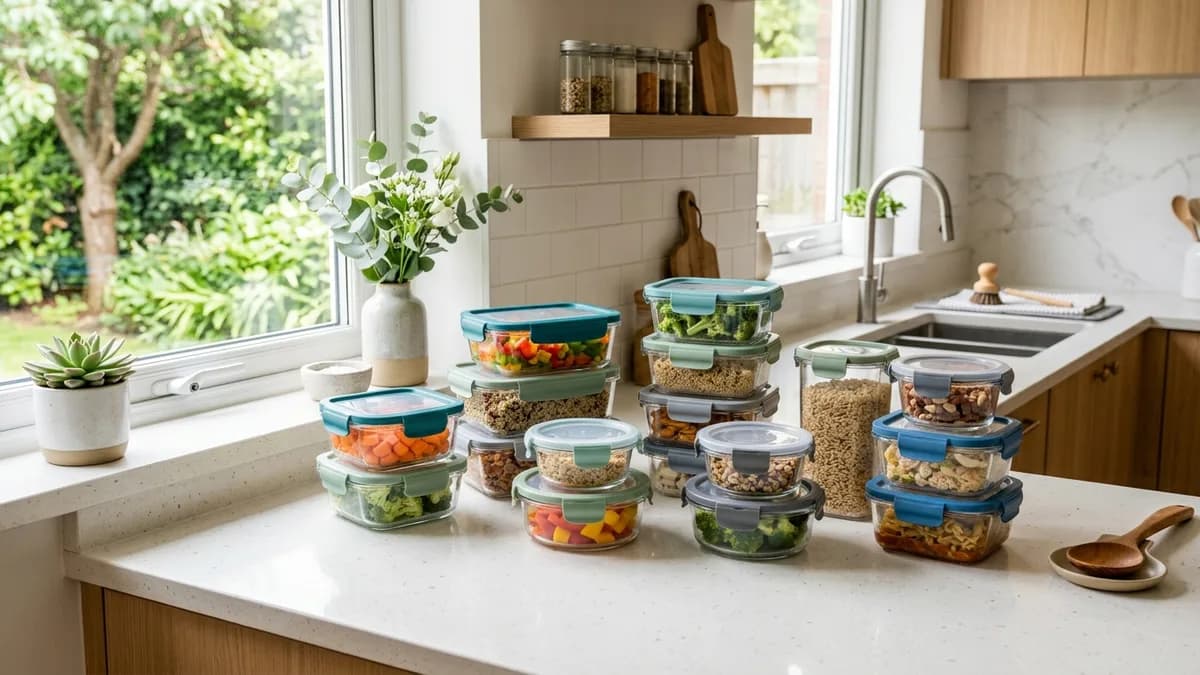
If you have ever paused in the kitchen aisle wondering whether your old plastic containers are actually safe, you are not alone. In 2026, more American households than ever are making the switch to BPA-free food storage containers, and for good reason. Bisphenol A (BPA) is a chemical compound that has been used in the production of certain plastics and resins for decades, and growing awareness around its potential health effects has pushed consumers to look for safer alternatives. Whether you are meal prepping for the week, storing leftovers, or organizing your pantry, choosing the right BPA-free containers can make a meaningful difference in how you live, eat, and keep your kitchen running smoothly. This complete guide covers everything you need to know.
What Is BPA and Why Does It Matter for Food Storage Containers?
BPA stands for bisphenol A, an industrial chemical that has been used since the 1960s to make certain hard, clear plastics known as polycarbonate, as well as epoxy resins used to line metal cans. When containers made with BPA come into contact with food or beverages, especially when heated, small amounts of BPA can leach into what you consume. According to the U.S. Food and Drug Administration, the agency currently allows BPA in certain food contact applications but has taken steps to restrict its use in baby bottles and infant formula packaging based on available safety data.
Research published through organizations like the National Institutes of Health has raised questions about BPA's potential role as an endocrine disruptor, meaning it may interfere with hormonal activity in the body. While the scientific conversation is ongoing, many families prefer to eliminate the uncertainty altogether by choosing BPA-free food storage containers as a straightforward precaution.
Common Sources of BPA in the Kitchen
- Old polycarbonate plastic containers, especially those marked with recycling code 7
- Canned goods lined with BPA-containing epoxy resin
- Some reusable water bottles and travel mugs made before stricter labeling requirements
- Certain plastic wrap products and deli containers
Switching your food storage system is one of the simplest and most impactful upgrades you can make for your household's peace of mind. Check out the Sesoris shop for a curated collection of safer storage options.
The Best Materials for BPA-Free Food Storage Containers
Not all BPA-free options are created equal. Once you decide to make the switch, you will quickly discover there are several material categories to consider, each with distinct advantages depending on how you cook, store, and reheat food.
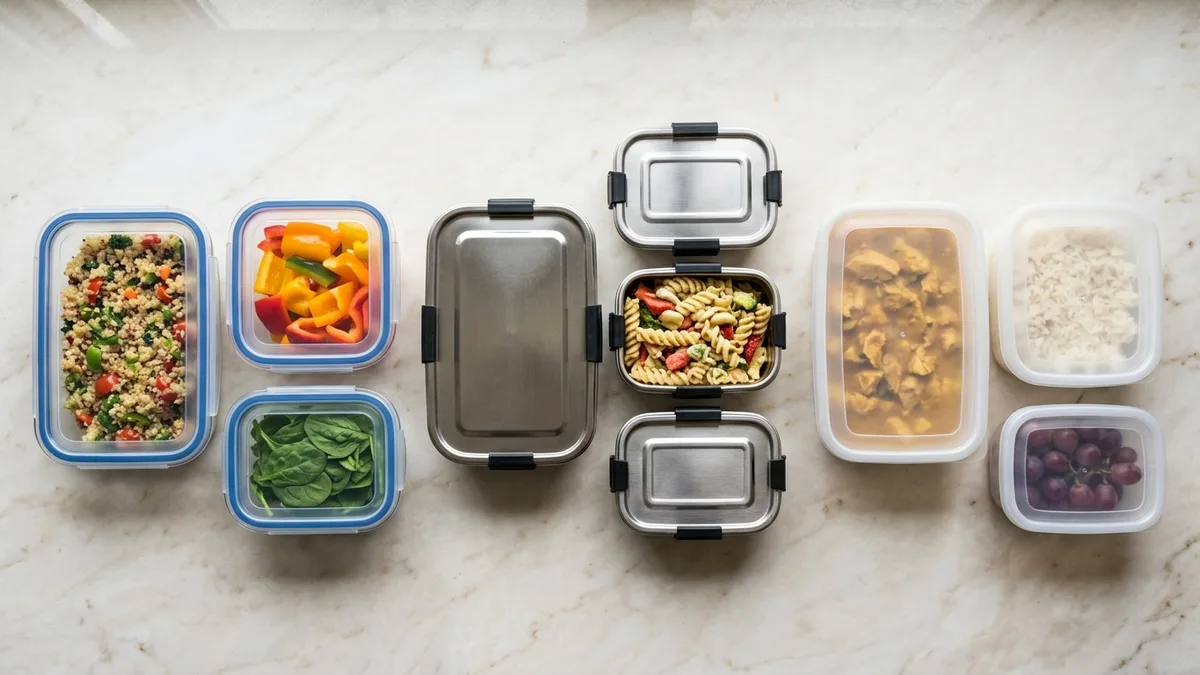
1. Borosilicate Glass
Glass is widely regarded as one of the safest materials for food storage. It is naturally free of BPA and other synthetic chemicals, does not absorb odors or stains, and transitions seamlessly from refrigerator to oven or microwave. Borosilicate glass is a particularly durable variety that resists thermal shock better than standard glass, making it ideal for going from a cold fridge to a hot oven. It is heavier and can break if dropped, but its longevity and zero chemical concerns make it a top choice for health-conscious households.
As The Spruce has noted in their kitchen organization coverage, glass containers with tight-fitting lids are among the most versatile and long-lasting food storage solutions available. Our guide to best food storage containers glass goes deeper into glass-specific options.
2. Stainless Steel
Stainless steel containers are another completely BPA-free option that brings durability and a sleek, modern aesthetic to your kitchen. They are virtually indestructible under normal use, do not leach chemicals, and are excellent for packing lunches or storing cold foods. The main trade-off is that stainless steel is not microwave-safe, so you will need to transfer food to a plate before reheating. Learn more in our stainless food storage containers guide.
3. BPA-Free Plastic (Tritan and Polypropylene)
Many modern plastic containers are now manufactured without BPA, using materials like Tritan copolyester or food-grade polypropylene. These plastics are lightweight, shatter-resistant, and often dishwasher-safe, making them practical for everyday use. Look for labels that say "BPA-free" and check that the plastic is also free of BPS (bisphenol S) and BPF (bisphenol F), which are sometimes used as substitutes and have their own emerging research considerations.
4. Silicone
Food-grade silicone is flexible, lightweight, and withstands a wide temperature range, making it suitable for both freezing and microwave reheating. Silicone bags and collapsible containers are popular for reducing plastic waste while maintaining a BPA-free kitchen. They are particularly useful for snacks, sandwiches, and pantry staples.
How to Identify Truly BPA-Free Food Storage Containers When Shopping
Shopping for BPA-free containers can feel overwhelming when every brand claims to be the safer option. Here is how to cut through the noise and make confident choices.
Check the Recycling Code on the Bottom
Plastic containers are stamped with a recycling number from 1 to 7. Plastics marked with codes 1 (PETE), 2 (HDPE), 4 (LDPE), and 5 (PP) are generally considered BPA-free. Plastics marked with code 7 may contain BPA, though not always, so look for additional "BPA-free" labeling if you see a 7.
Look for Third-Party Certifications
Containers tested and certified by independent organizations offer an added layer of assurance. Look for certifications from NSF International or compliance with FDA food contact regulations. Some manufacturers also voluntarily disclose their materials on the product page.
Read the Product Description Carefully
Reputable sellers will clearly state whether a container is BPA-free, BPS-free, and food-grade certified. If a listing does not clearly address these points, it is worth reaching out to the manufacturer directly before purchasing.
Be Skeptical of Vague Claims
Terms like "eco-friendly" or "natural" do not automatically mean BPA-free. Always look specifically for the phrase "BPA-free" combined with the material type to make an informed purchase.
As Good Housekeeping recommends in their kitchen product coverage, investing a few extra minutes in reading product specifications before buying saves you from having to replace containers again down the road.
Organizing Your Kitchen with BPA-Free Food Storage Containers
Switching to BPA-free containers is the perfect opportunity to rethink your entire food storage system. A well-organized kitchen not only looks better but also saves time, reduces food waste, and makes cooking more enjoyable.
Build a Modular Container System
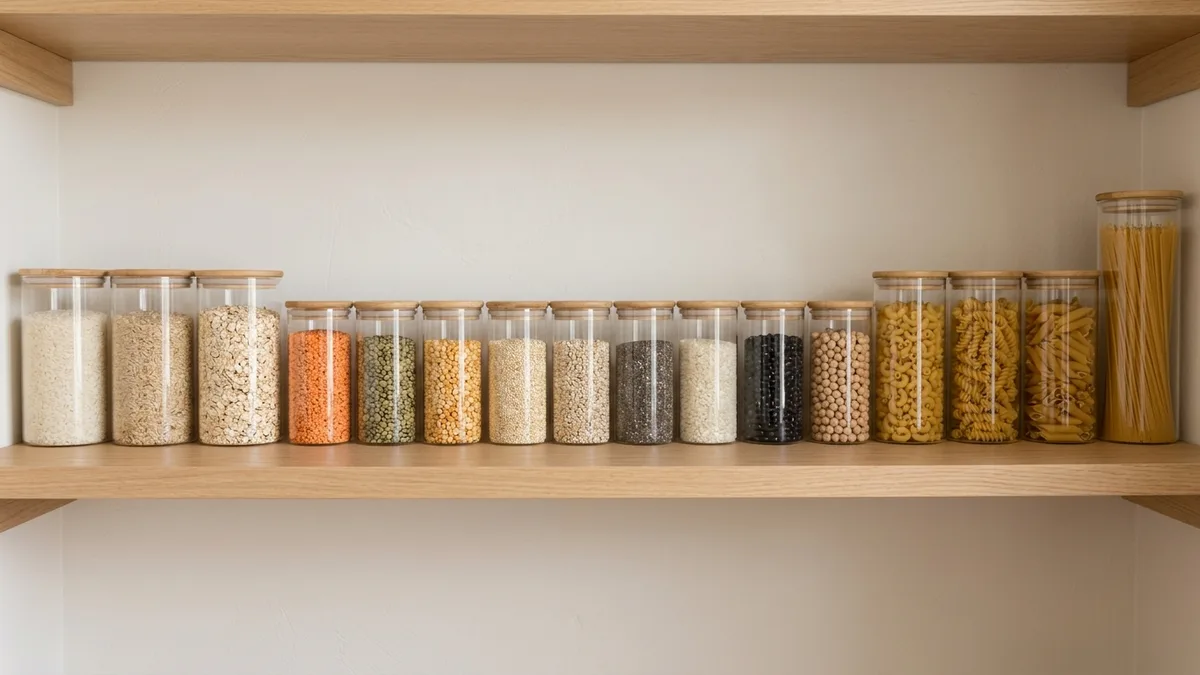
One of the smartest moves you can make is choosing containers that are designed to nest and stack efficiently. Rectangular containers use shelf space far more efficiently than round ones, whether you are organizing a pantry, a refrigerator drawer, or a kitchen cabinet. Investing in a few standard sizes and sticking with one brand or compatible set will give you that satisfying, uniform look.
For pantry organization inspiration, our article on food storage containers for pantry is a great companion read.
Label Everything
Clear containers make it easy to see what is inside, but labels take your organization system to the next level. Use a label maker or simple adhesive labels to mark contents and dates. This is especially useful for prepped ingredients and leftovers where freshness matters.
Assign Containers to Specific Functions
Consider designating specific container sizes for specific tasks:
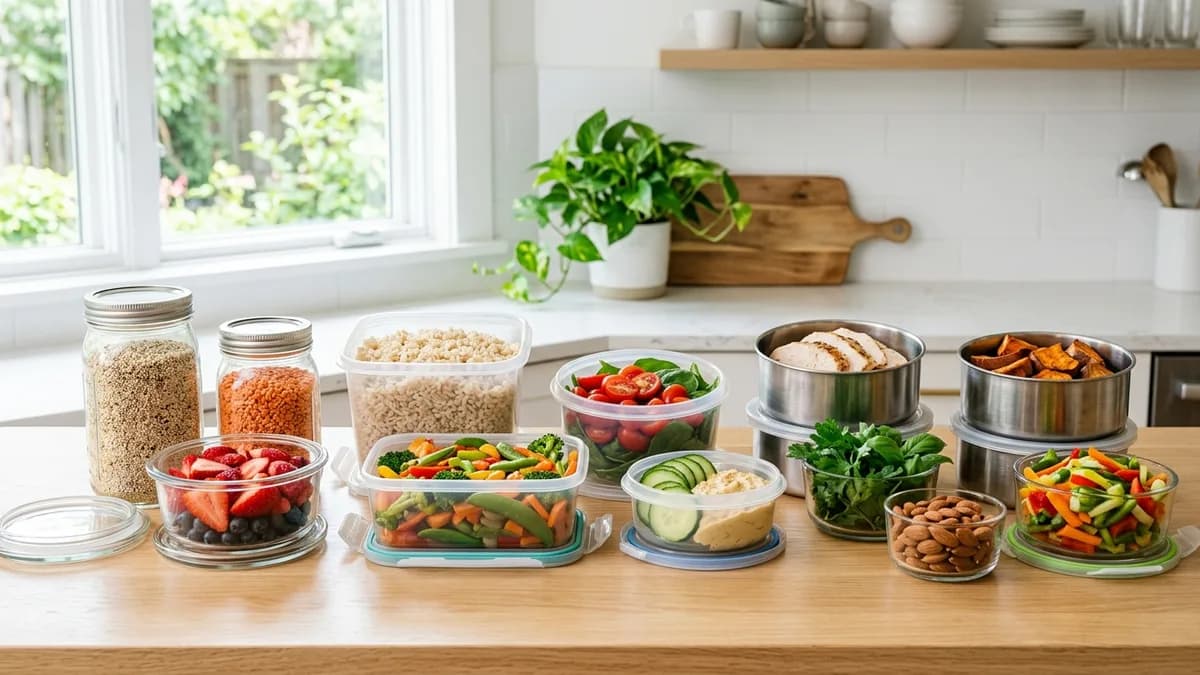
- Small containers (1 to 2 cup capacity) for dips, sauces, snacks, and single servings
- Medium containers (3 to 5 cup capacity) for salads, grains, and chopped vegetables
- Large containers (6 to 10 cup capacity) for soups, casseroles, and bulk dry goods
- Extra-large containers for flour, sugar, oats, and other pantry staples
Maximize Refrigerator Space
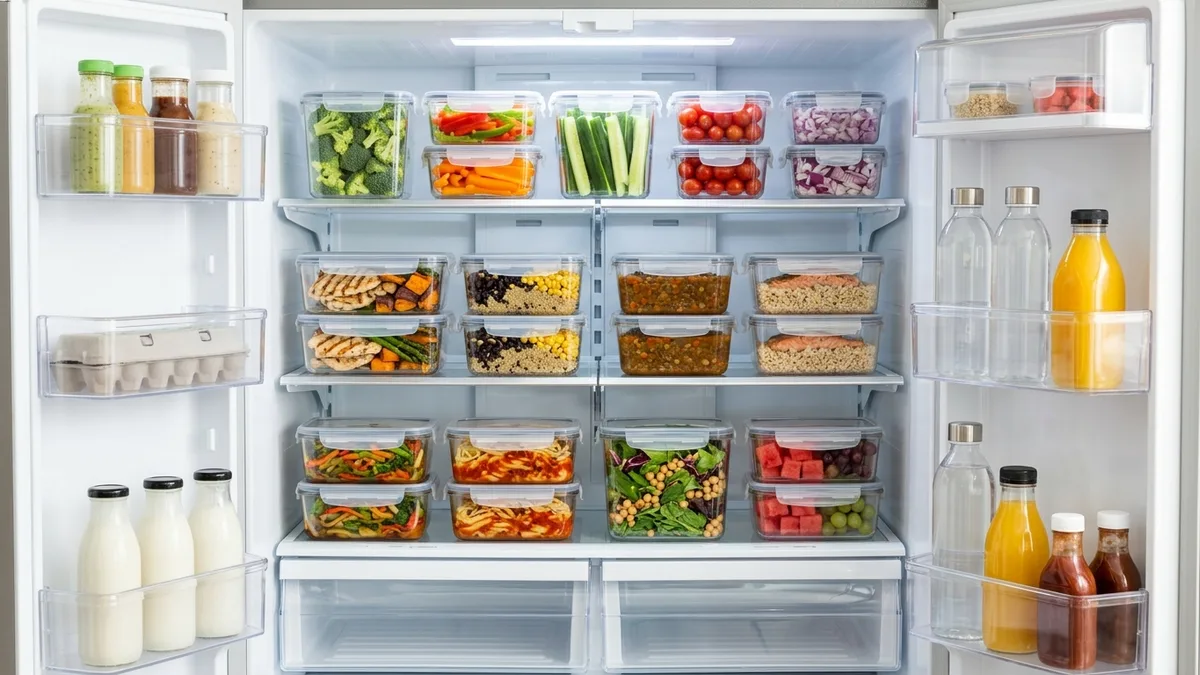
Stackable rectangular BPA-free containers are a refrigerator's best friend. They allow you to see and access every shelf without chaos. Store prepped meals at eye level so they get used before they go bad. Keep airtight food storage containers for anything that needs to stay especially fresh, like cut fruit or marinated proteins.
A well-organized refrigerator using BPA-free containers can help reduce food waste by making it easier to see what you have before it spoils.
BPA-Free Food Storage Containers for Meal Prep
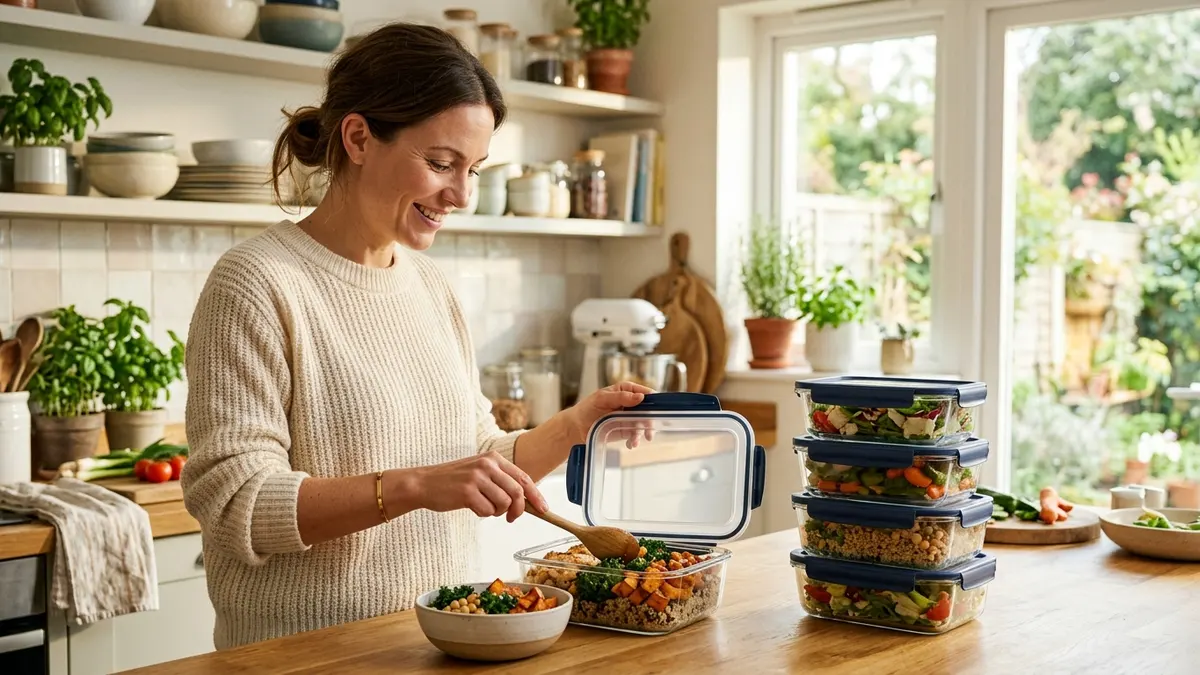
Meal prep has become a cornerstone of healthy eating for busy American households, and the right containers make all the difference. Here is how to build a meal prep-friendly BPA-free container setup that actually works.
Choose Microwave-Safe Options
If you plan to reheat food directly in the container, make sure it is labeled microwave-safe. Glass and BPA-free polypropylene (PP) plastics are typically safe for microwave use. Always remove lids or crack them open slightly before microwaving to allow steam to escape.
Prioritize Leak-Proof Lids
For containers that travel with you to work or the gym, a truly leak-proof lid is non-negotiable. Look for containers with silicone gaskets or locking tabs on all four sides for maximum security. Our food storage containers with lids guide covers the best locking systems available in 2026.
Consider Portion Size
Meal prep containers that include divided compartments are increasingly popular for keeping proteins, carbs, and vegetables separate without using multiple containers. Single-portion divided containers sized at 2 to 3 cups per section work well for balanced adult meals.
Go Freezer-Safe for Batch Cooking
If batch cooking is part of your routine, look for containers rated for freezer use. Glass and stainless steel handle freezer temperatures beautifully, while BPA-free plastics should be checked for a specific freezer-safe label. Our freezable food storage containers guide has more detail on this topic.
Keep a Set Dedicated to Lunch Boxes
Having a dedicated set of smaller BPA-free containers for packed lunches prevents the chaos of hunting for matching lids every morning. A set of three to four same-brand containers in two to three sizes is usually all you need.
Caring for and Maintaining Your BPA-Free Containers
Getting the most out of your BPA-free food storage investment means treating your containers right. Here are practical care tips to extend their life.
Washing and Cleaning
- Always check the manufacturer's label for dishwasher compatibility before loading containers into the dishwasher
- Place plastic containers on the top rack of the dishwasher away from the heating element to prevent warping
- Glass containers are typically dishwasher-safe on any rack
- For stainless steel, hand washing is often recommended to preserve the finish
- Avoid abrasive scrubbers that can scratch clear plastics and reduce visibility
When to Replace Your Containers
Even BPA-free plastic containers have a lifespan. Replace them when you notice deep scratches, cloudiness that does not wash out, warped lids that no longer seal properly, or any discoloration that suggests material breakdown. Glass and stainless steel containers rarely need to be replaced unless physically damaged.
Storing Containers Properly
Nest containers inside each other by size with lids stored separately in a designated bin or drawer organizer. This method maximizes cabinet space and makes it easy to grab the right size quickly. Explore our tips on best food storage solutions for a full kitchen organization approach.
Related Products from Sesoris
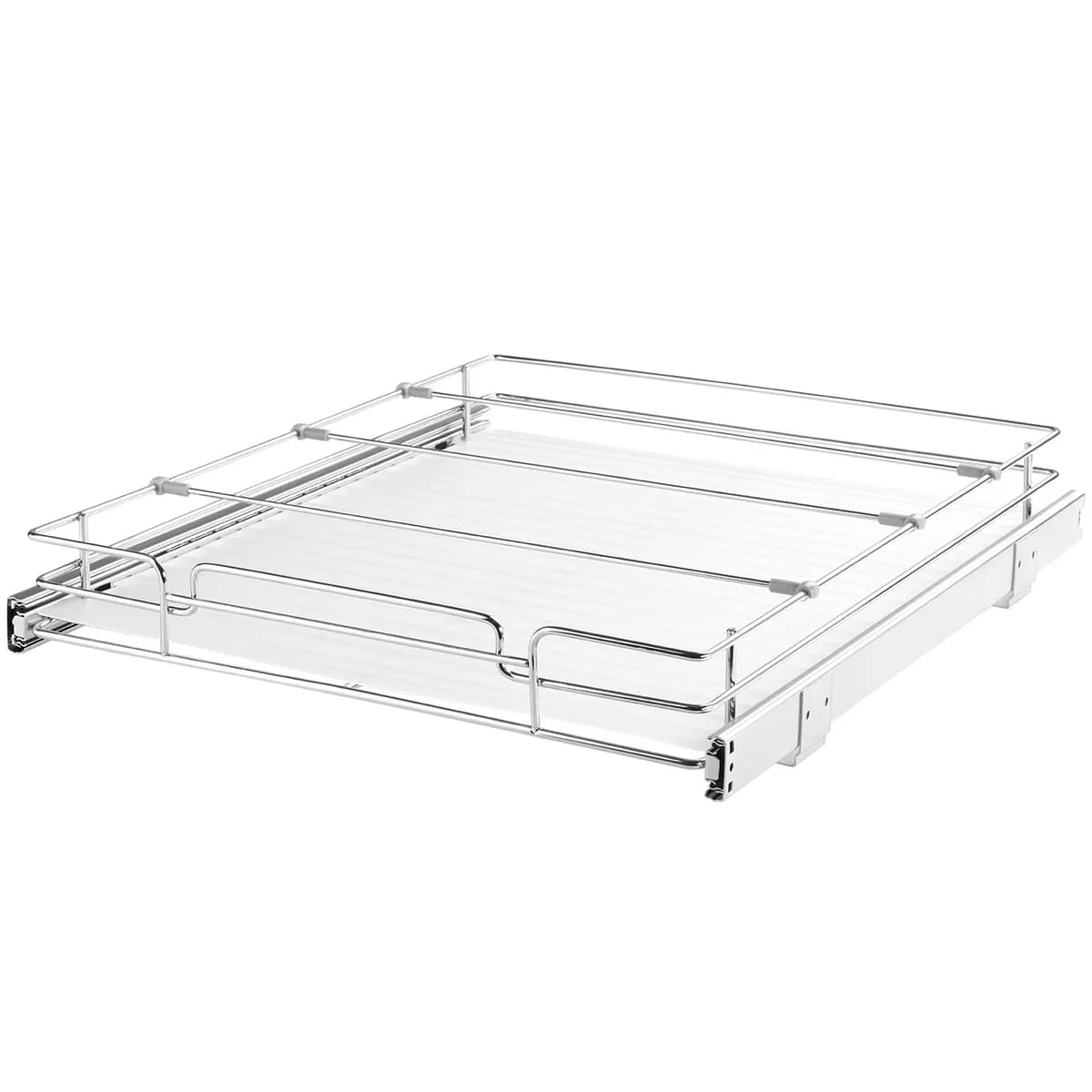
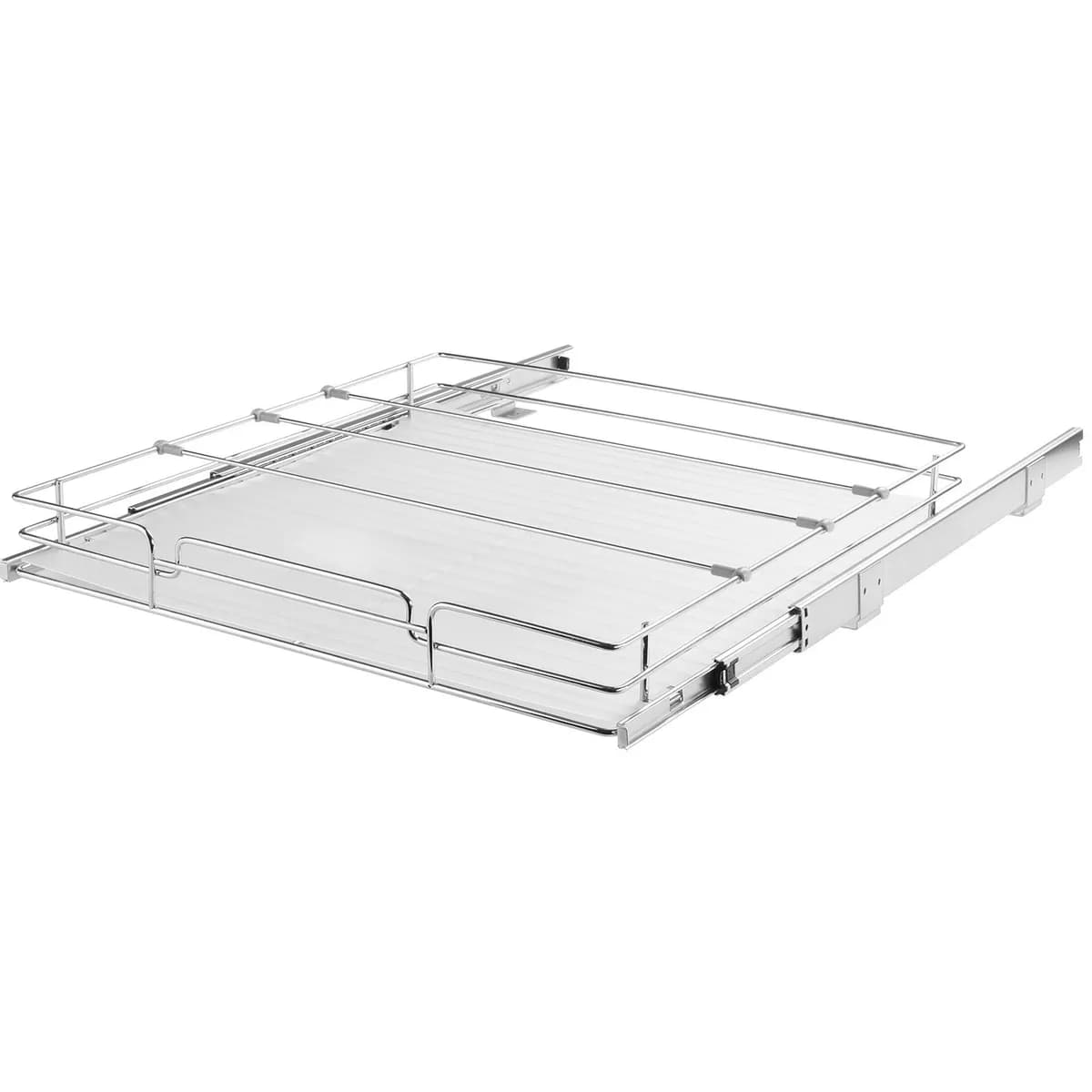
If you want to turn this guide into a real setup, start with Pull-Out Cabinet Organizer, 14 in. Wide and Double-Layer Bamboo Bread Box. For broader options, browse the Kitchen & Dining collection so the article journey does not stop at reading only.
Our practical rule: choose one product that solves the main clutter problem first, then add supporting organizers only when the daily workflow is already clear. This keeps the shopping path useful, not pushy.
FAQ: Frequently Asked Questions About BPA-Free Food Storage Containers
Are all plastic containers labeled "BPA-free" completely safe?
Most BPA-free plastics are considerably safer than older polycarbonate plastics, but ongoing research suggests that some chemical substitutes like BPS or BPF may warrant attention as well. If you want the most chemically neutral option, glass or stainless steel eliminates these concerns entirely.
Can I use BPA-free plastic containers in the microwave?
Only if the container is specifically labeled microwave-safe. Not all BPA-free plastics are designed for microwave use. Glass containers labeled oven-safe or microwave-safe are the most reliable option for reheating.
How do I know if my existing containers contain BPA?
Check the recycling symbol on the bottom of the container. A number 7 inside the triangle may indicate polycarbonate plastic that could contain BPA, especially in older containers. When in doubt, replacing with clearly labeled BPA-free options is the safest approach.
Are BPA-free containers safe for storing acidic foods like tomato sauce?
Glass and stainless steel are the best choices for highly acidic foods because they do not react with acids. Some BPA-free plastics can absorb odors and staining from tomato-based foods over time, and prolonged exposure to acidic ingredients can degrade plastic materials faster.
What size containers do I need to get started?
A good starter set typically includes small (around 1 to 2 cups), medium (around 4 cups), and large (around 8 cups) options. This range covers the majority of everyday food storage needs from single servings to family-sized portions.
Can BPA-free containers go in the freezer?
Glass and stainless steel are naturally freezer-safe. BPA-free plastic containers should only go in the freezer if they are specifically labeled freezer-safe, as some plastics can become brittle and crack at low temperatures.
Conclusion: Make the Switch to BPA-Free Food Storage Containers in 2026
Choosing BPA-free food storage containers is one of the most practical steps you can take toward a healthier, more organized home in 2026. Whether you go with durable borosilicate glass, sleek stainless steel, or lightweight BPA-free plastic, the key is selecting containers that suit your cooking habits, storage needs, and daily routine. A well-chosen container system will reduce food waste, streamline your meal prep, and give your kitchen that calm, organized feel that makes cooking a pleasure rather than a chore.
At Sesoris, our mission is to help you live more organized, and that starts with the tools you use every single day. Browse our best sellers for top-rated food storage picks, explore our new arrivals for the latest kitchen organization solutions, or check out our full collections to build the safe, efficient kitchen storage system your home deserves.
Liked this guide?
Get new organizing guides and the occasional new product by email. No spam, unsubscribe anytime.
Related articles
Explore more articles
- 30+ Best Small Bathroom Storage Ideas to Maximize Every Inch in 2026
- Best Budget Kitchen Racks in 2026: Top Picks for Every Home
- Minimalist Kitchen Inspiration: 30+ Modern Ideas 2026
- Minimalist Home Organization Tips for a Clutter-Free 2026
- Storage Boxes for Home: The Best 2026 Buying Guide
- Kitchen Storage Rack: How to Choose the Best One 2026
- Best Storage Solutions for the Bedroom: 30+ Smart Ideas to Organize Your Space in 2026
- Bathroom Storage Ideas to Keep a Small Bathroom Tidy