
Dog Food Containers & Storage: The Complete 2026 Guide to Keeping Kibble Fresh
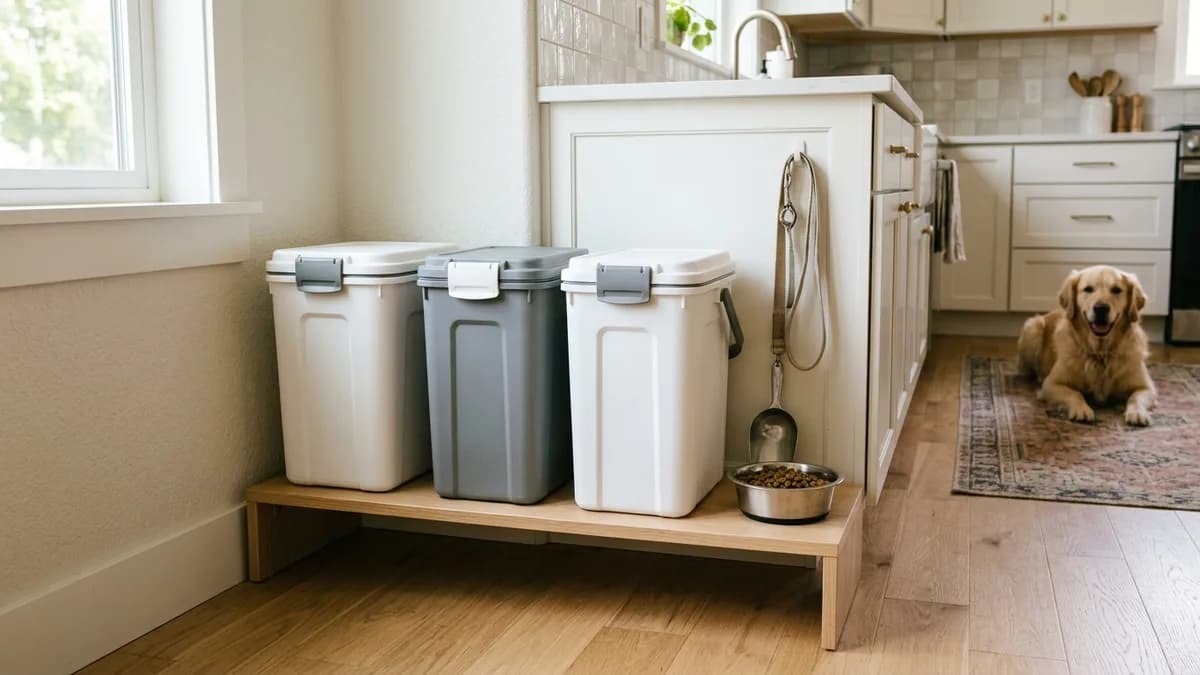
If you share your home with a dog, you already know that keeping kibble fresh, pest-free, and easy to access is a daily challenge. The right dog food containers & storage setup can make a real difference, not just for your pet's health, but also for the overall tidiness of your home. Whether you're dealing with a 5-pound bag of food for a toy breed or a 40-pound bag for a large dog, having a dedicated, well-chosen storage solution keeps things hygienic, convenient, and visually organized. In this complete 2026 guide, I'll walk you through everything you need to know about choosing, sizing, and using dog food containers so you and your pup can both thrive.
Why Dog Food Containers & Storage Matter More Than You Think
A lot of pet owners simply roll the top of the bag shut and call it a day. But exposure to air, humidity, and light can degrade the fats and nutrients in dry kibble surprisingly quickly. According to The Spruce Pets, dry dog food should ideally be consumed within six weeks of opening, and proper airtight storage is one of the best ways to protect freshness and prevent rancidity throughout that window.
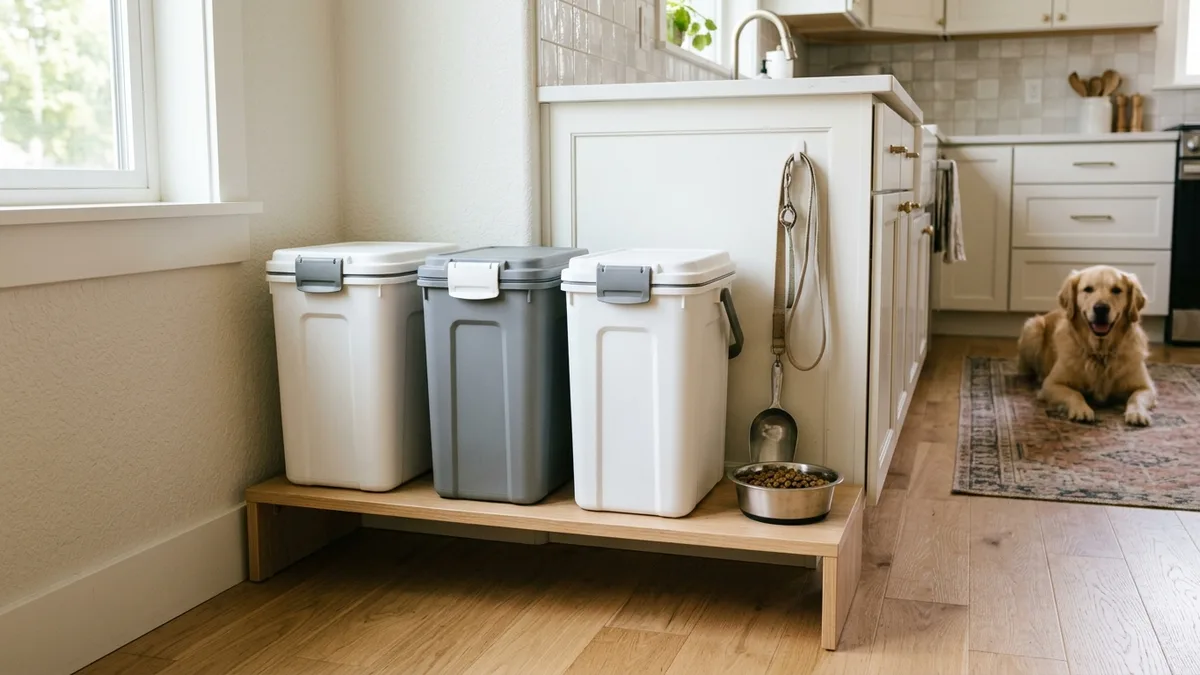
Beyond nutrition, open or loosely sealed bags invite serious problems: pantry moths, ants, mice, and even mold in humid climates. A quality container eliminates those risks almost entirely. And from a home organization standpoint, a dedicated food storage bin looks infinitely better than a crumpled bag shoved in a cabinet corner.
Here are the core reasons to invest in proper dog food containers & storage:
- Freshness protection - Airtight seals lock out oxygen and moisture, slowing the oxidation that makes fats go rancid
- Pest prevention - Hard-sided containers block insects and rodents that can chew through paper or plastic bags
- Portioning accuracy - Containers with built-in scoops or measuring lines make it easier to feed consistent serving sizes
- Odor control - A sealed container keeps kibble smells contained, which matters especially in kitchens and living areas
- Home organization - A uniform, labeled bin looks clean and intentional rather than cluttered
- Food safety - Reduces the risk of bacterial contamination from moisture or pests getting into an open bag
Types of Dog Food Storage Containers: Which Material Is Right for You?
Not all dog food containers are created equal. The material you choose affects durability, food safety, ease of cleaning, and aesthetics. Here is a breakdown of the most common options available in 2026.
Plastic Dog Food Containers
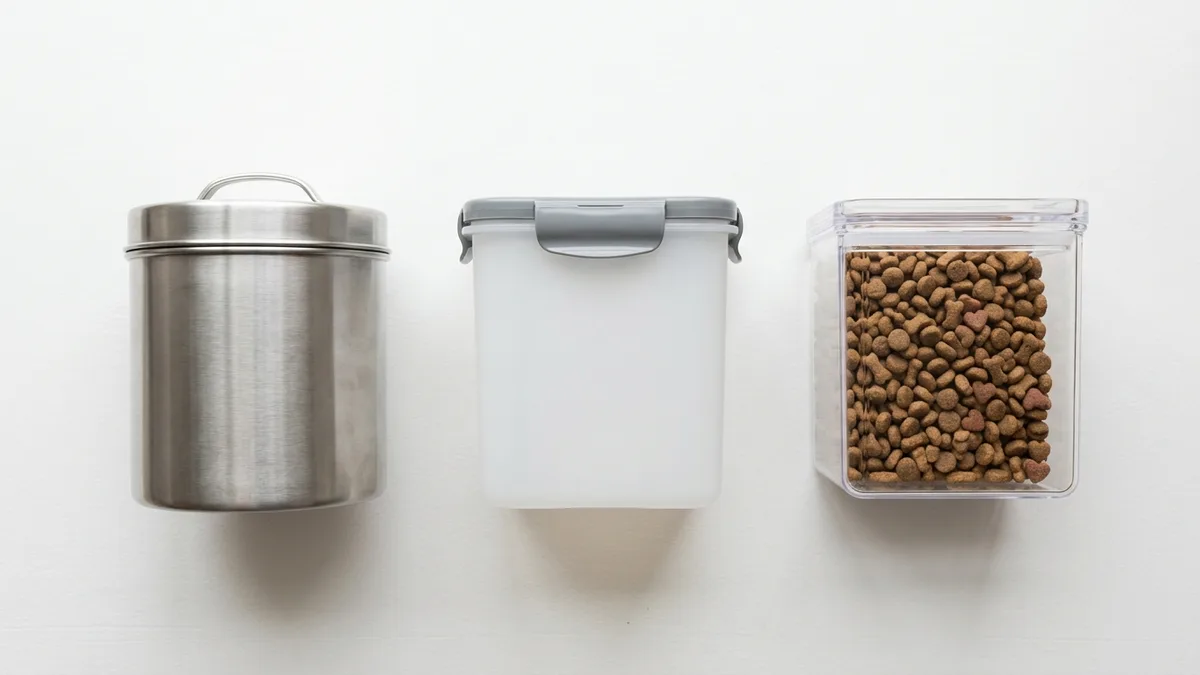
Plastic is by far the most popular material for dog food storage, and for good reason. It is lightweight, affordable, and widely available in a range of sizes. Look specifically for containers that are labeled BPA-free, since some older or lower-quality plastics can leach chemicals into food over time, especially when exposed to heat or UV light.
High-density polyethylene (HDPE) and polypropylene (PP) are the safest plastic types for food contact, and most reputable pet food container brands use one of these. Many plastic dog food bins come with flip-top or locking lids, built-in wheels for large sizes, and integrated scoops, making them extremely practical for everyday use. You can learn more about safe plastics for food contact at Good Housekeeping's food storage guide.
Pros of plastic containers:
- Lightweight and easy to move
- Budget-friendly, typically ranging from around US$15 to US$50 depending on size
- Often available in large capacities (up to 50 lbs or more)
- Wide variety of styles and colors
Cons of plastic containers:
- Can absorb odors over time
- May scratch, creating grooves where bacteria can accumulate
- Lower-quality plastics may degrade with UV exposure
Stainless Steel Dog Food Containers
Stainless steel canisters are the premium choice for dog food storage. They are non-porous, which means they do not absorb odors or stains, and they are far more resistant to scratching than plastic. They also tend to be more visually appealing, fitting naturally into modern or minimalist kitchen and mudroom aesthetics.
The main downside is size: stainless steel containers are typically better suited to smaller bags of food (under 20 lbs) because manufacturing large steel canisters at an affordable price point is difficult. They are also heavier than plastic equivalents.
Pros of stainless steel containers:
- Non-porous and odor-resistant
- Durable and long-lasting
- Looks sleek and modern in any home
- Easy to clean thoroughly
Cons of stainless steel containers:
- More expensive than plastic
- Heavier, especially when full
- Limited availability in very large sizes
Clear Acrylic or Glass-Look Containers
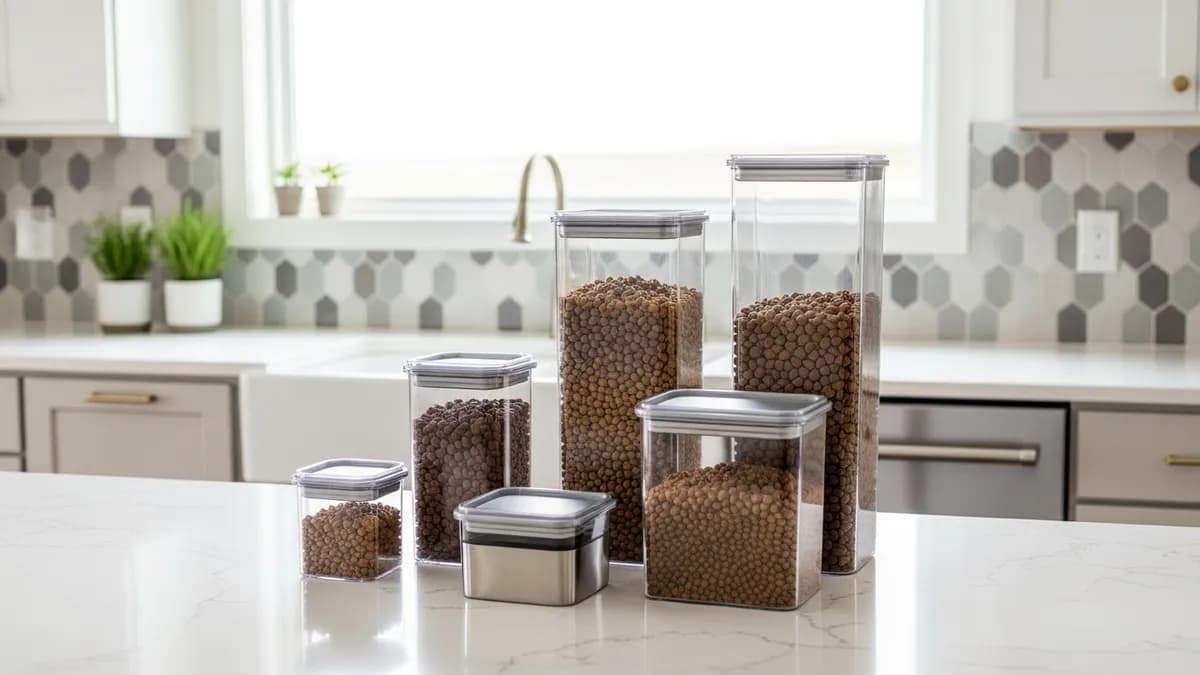
Clear or semi-transparent containers let you see the food level at a glance without opening the lid. Acrylic is lighter than glass and shatter-resistant, making it a practical choice for countertop or pantry use. These containers tend to be smaller in capacity, typically best for bags under 15 lbs.
Pros of clear containers:
- Instant visual check of food level
- Look great on open shelving or pantry displays
- Easy to monitor freshness visually
Cons of clear containers:
- Light exposure can degrade nutrients in kibble over time
- Smaller capacity options
- Acrylic can scratch and cloud with repeated washing
How to Choose the Right Size Dog Food Container
Sizing is one of the most important decisions when shopping for dog food containers & storage. The goal is to store no more than a four-to-six week supply of food at a time, since even in airtight conditions, dry kibble degrades in quality the longer it is open. Buying in bulk only makes sense if your dog can finish it within that window.
Here is a general sizing guide based on dog size and typical food consumption:
Small Dogs (under 20 lbs body weight)
Most small breeds eat between one-half and one cup of dry food per day. A four-to-six week supply typically amounts to less than 10 lbs of kibble. A container in the 5-to-10 quart range works well, and countertop canisters or small bins are perfectly sufficient.
Medium Dogs (20 to 50 lbs body weight)
Medium breeds usually eat between one and two cups of food daily. A four-to-six week supply is roughly 15 to 25 lbs of kibble. Look for containers in the 30-to-50 quart range. A mid-size floor bin with a locking lid and a scoop is ideal.
Large and Giant Dogs (50+ lbs body weight)
Large breeds can consume three or more cups of kibble per day, meaning a six-week supply could easily exceed 40 lbs. You will want a 60-quart or larger floor-standing container, ideally with built-in wheels for easy movement and a deep interior that allows a full-size bag to be stored upright inside.
Pro tip: Always store the original bag inside the container rather than pouring kibble directly in. The bag is printed with the lot number and expiration date you may need if there is ever a recall, and it adds a small extra barrier against the plastic absorbing odors.
Key Features to Look for in Dog Food Storage Containers
Once you have your material and size narrowed down, pay close attention to these functional features:
Airtight Seal Quality
The single most important feature is the seal. Look for containers with a gasket-lined lid or a locking clamp system that creates a true airtight closure. A lid that simply presses on without any seal will not keep moisture and air out effectively. Test the seal by pressing down on the lid: you should feel resistance and hear a satisfying click or snap.
Built-In Scoop or Scoop Holder
Many premium containers include a measuring scoop that clips to the inside of the lid or sits in a side pocket. This is a small convenience that makes a big difference at feeding time. If a container does not include one, a separate measuring cup stored nearby works just as well.
Wheels or Casters
For containers larger than 30 quarts, wheels are a genuine game-changer. Being able to roll a full, heavy container out from a pantry corner or cabinet without straining your back is worth paying extra for.
Easy-Clean Design
Pet food containers need regular washing to prevent fat residue and bacteria from building up. Look for containers with wide openings, smooth interior walls, and removable lids that are dishwasher-safe. Avoid containers with narrow necks or complex interior ridges that trap food particles.
Stackability
If you have multiple pets or store different types of food (dry kibble, freeze-dried toppers, dental chews), stackable containers let you build a compact, organized pet food station without taking up excessive floor or shelf space. This pairs perfectly with the food containers and storage organization principles we cover elsewhere on this blog.
Smart Dog Food Storage Ideas for Every Home
Where and how you store your dog's food matters just as much as the container you choose. Here are my favorite placement and organization strategies for 2026.
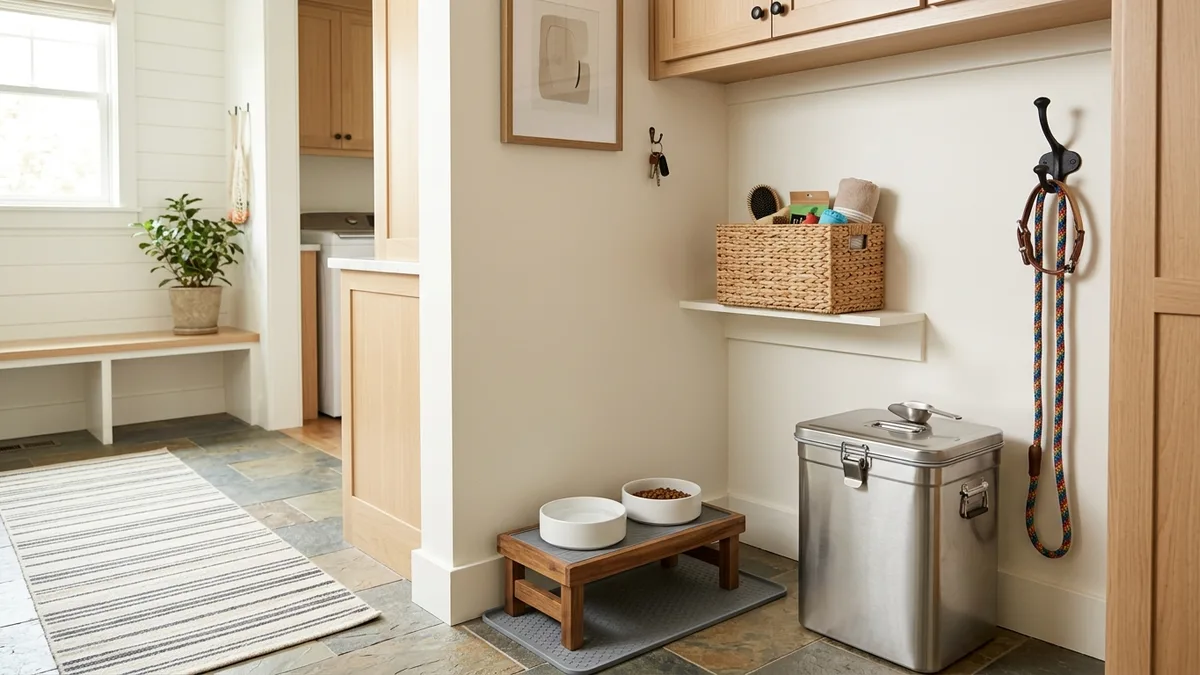
Create a Dedicated Pet Feeding Station
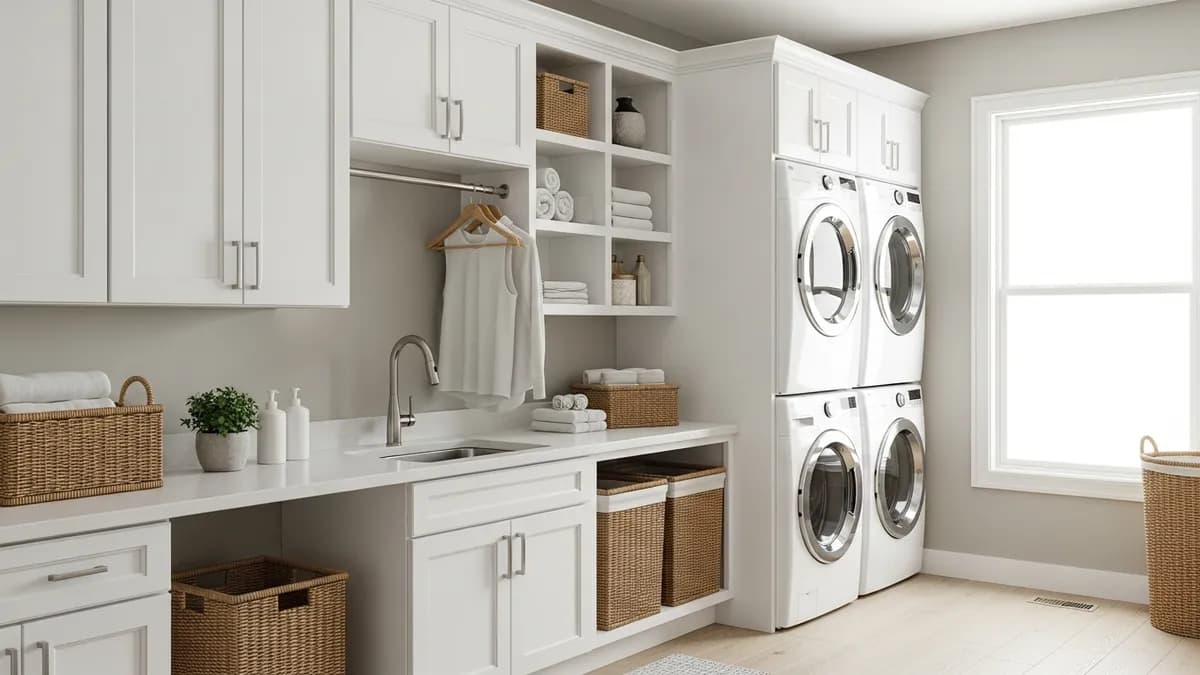
Group everything your dog needs in one spot: the food container, the water bowl, feeding mats, and a small labeled basket for treats and supplements. A mudroom, laundry room corner, or kitchen nook works beautifully. This approach eliminates the morning scramble and keeps pet supplies from migrating all over the house.
Use the Pantry Strategically
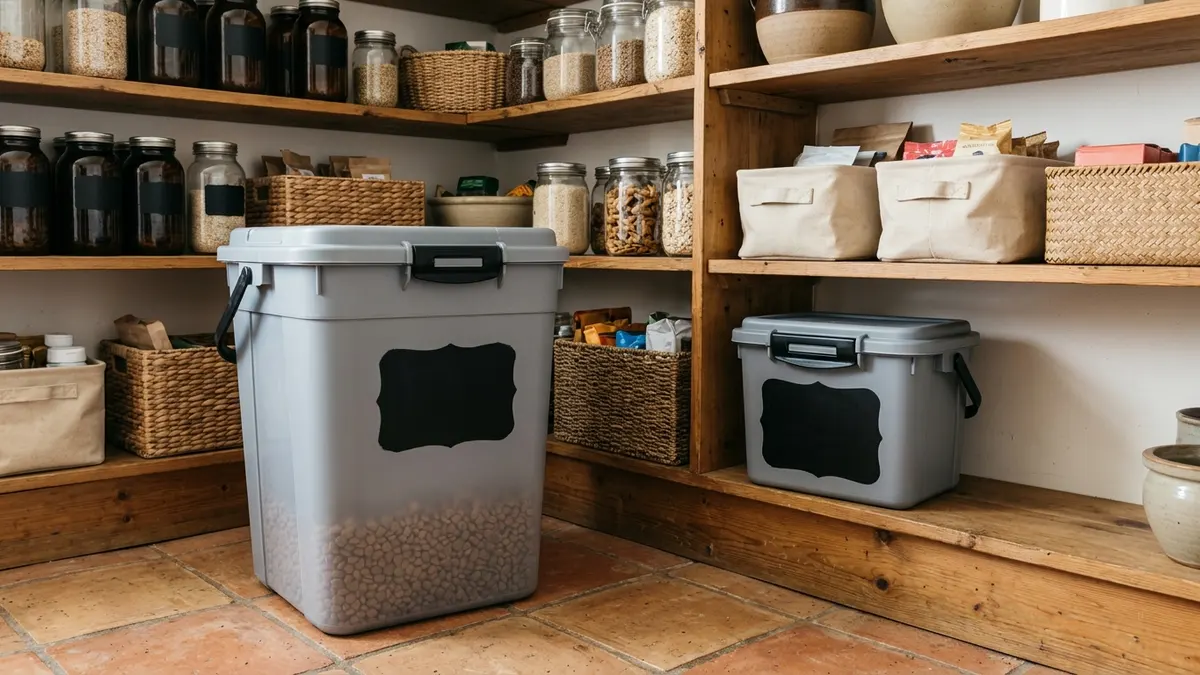
A pantry shelf or lower cabinet is an ideal home for dog food containers because it is cool, dark, and dry. All three of those conditions help preserve kibble freshness. If your pantry is already full, consider the approaches in our pantry food storage containers guide for inspiration on creating more usable space.
Label Everything
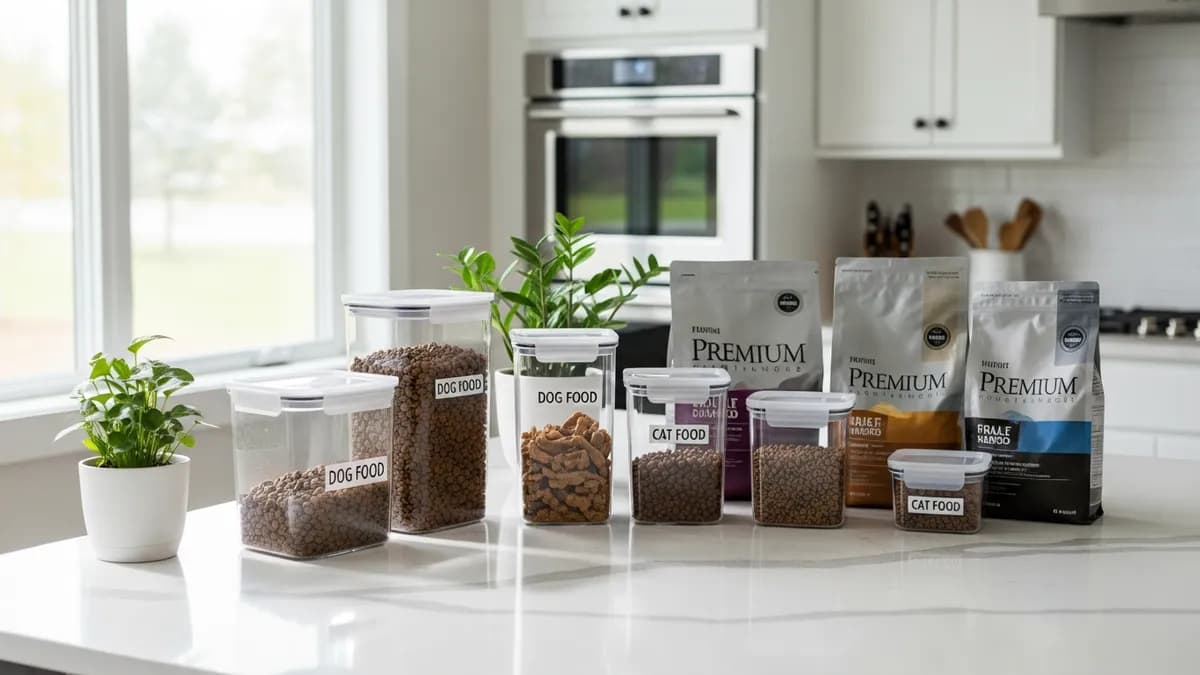
Even if you only have one dog and one type of food, label your containers with the food brand, protein type, and the date you opened the bag. This makes tracking freshness effortless and prevents mix-ups if you change foods or have a house-sitter caring for your dog.
Store Treats and Supplements Separately
Dog treats, chews, freeze-dried toppers, and supplements each have their own storage requirements. Treats often need a smaller airtight container, while some supplements require refrigeration. Keeping these separate from the main kibble container prevents cross-contamination and makes your feeding routine more organized. For ideas on smaller food storage containers that work for treats, check out our airtight storage containers for food guide.
Avoid These Common Storage Mistakes
- Storing food in direct sunlight or near a heat source like a stove or dryer
- Pouring kibble directly into the container without keeping it in its original bag
- Topping off a container without washing and drying it first
- Choosing a container that is far larger than your dog can finish in six weeks
- Ignoring the seal and buying based on looks alone
- Storing food on a concrete garage floor where temperature swings and moisture are significant
How to Keep Dog Food Containers Clean and Safe
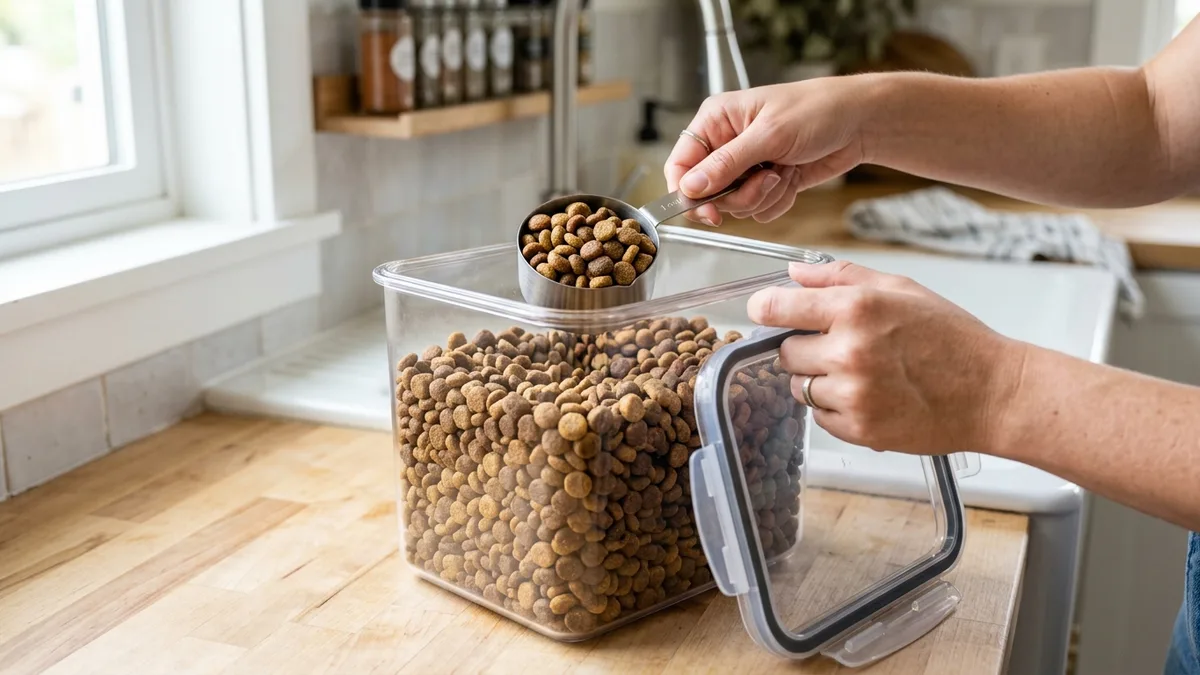
A fresh, airtight container is only useful if it is kept clean. Fat and oils from kibble coat the interior of any container over time, and that residue can turn rancid or harbor bacteria. Here is the cleaning routine I recommend:
- Empty the container completely before refilling it. Never add new food on top of old
- Wash with hot, soapy water using a bottle brush or sponge to reach all interior surfaces
- Rinse thoroughly to remove all soap residue, which can be harmful if ingested
- Allow the container to air-dry completely before adding new food. Even a small amount of moisture can trigger mold growth
- Wipe the lid seal or gasket separately with a damp cloth and check it for cracks or deformation
- Clean at minimum once a month, or every time you open a new bag of food
According to Real Simple, washing your pet food container regularly is one of the most overlooked aspects of pet care hygiene, yet it has a direct impact on the quality and safety of your dog's meals.
Dog Food Containers & Storage for Apartment and Small Space Living
Not everyone has a spacious mudroom or pantry. If you live in an apartment or a smaller home, here are a few space-smart strategies for dog food storage:
- Slim profile bins fit neatly beside a refrigerator, washer, or inside a closet
- Countertop canisters in matching materials blend into kitchen decor for small breed owners
- Under-the-counter bins with wheels can slide out when needed and tuck away when not in use
- Stackable containers let you build vertical storage in a pantry or cabinet without using extra floor space
- Multi-functional furniture like a storage ottoman or bench near the entry door can discreetly house a smaller food container while doubling as seating
For more inspiration on making the most of compact spaces, our home organization ideas for small spaces guide has dozens of practical solutions that apply just as well to pet supply storage.
Related Products from Sesoris
If you want to turn this guide into a real setup, start with Stainless Steel 2-Tier Dish Rack and Portable Blender. For broader options, browse the Kitchen & Dining collection so the article journey does not stop at reading only.
Our practical rule: choose one product that solves the main clutter problem first, then add supporting organizers only when the daily workflow is already clear. This keeps the shopping path useful, not pushy.
FAQ: Frequently Asked Questions About Dog Food Containers & Storage
Q: Is it safe to store dog food in a plastic container?
Yes, as long as the container is made from food-safe, BPA-free plastic such as HDPE or polypropylene. Avoid containers that do not specify their plastic type, and always keep the original bag inside the container rather than pouring kibble directly in.
Q: How long can dry dog food last once opened?
Most dry dog food manufacturers recommend using an opened bag within four to six weeks. Proper airtight storage in a cool, dark environment helps maximize freshness within that window. Always check the best-by date printed on the original bag.
Q: Can I store dog food in the fridge or freezer?
Dry kibble is generally not recommended for refrigerator storage since the fluctuating moisture levels can actually degrade food quality. However, freezing portions of kibble in airtight freezer-safe containers can extend shelf life in some circumstances. Wet or fresh dog food absolutely requires refrigeration after opening and should be used within a few days.
Q: How do I know if my dog's food has gone bad?
Signs of spoiled dog food include an off or rancid smell (similar to paint thinner or stale cooking oil), visible mold, an unusual discoloration, or a greasy film on the kibble. If you notice any of these, discard the food immediately and thoroughly clean the container before refilling.
Q: How many dog food containers do I need?
Most households do well with one main storage container for kibble and a smaller, separate container for treats and chews. If you have multiple dogs eating different foods, a clearly labeled container for each dog makes feeding time organized and error-free.
Q: Should the container be stored in the garage?
Garages are generally not ideal for dog food storage. Temperature swings, humidity, and pest activity are far greater in an uncontrolled garage space than in a climate-controlled interior. If the garage is your only option, choose an extremely heavy-duty, well-sealed container and place it off the concrete floor on a shelf.
Conclusion: Build a Dog Food Storage System That Works for You
Investing in the right dog food containers & storage setup is one of the simplest and most impactful things you can do for your pet's health and your home's organization. The best solution depends on your dog's size, your available space, and your lifestyle, but the principles stay the same: choose a food-safe, airtight container, size it appropriately for your dog's consumption rate, keep it clean, and place it in a cool, dark, dry location.
Whether you go with a sleek stainless steel canister for your small apartment or a large wheeled plastic bin for your 80-pound Labrador, the right container keeps kibble fresher, your home tidier, and your feeding routine effortless. Ready to upgrade your pet care organization? Browse our full range of home and kitchen storage solutions at Sesoris and explore our best sellers for top-rated options that help you live more organized, one container at a time.
Weekly Home Tips
Get home organization ideas, product picks, and exclusive deals delivered weekly.
No spam. Unsubscribe anytime.
Explore More Articles
- Rubbermaid Food Storage Containers: Complete Guide to Premium Kitchen Organization in 2026
- Simple but Attractive Living Room Decor: 20 Affordable Ideas for 2026
- Best Containers for Dog Food Storage: Keep Your Pet Food Fresh in 2026
- Complete Home Organizer Guide: Products and Tips for a Tidy Home (2026)
- Glassware Food Storage Containers: The Complete 2026 Guide to Fresh, Safe Kitchen Organization
- Corner Closet System: Complete 2026 Guide to Maximizing Every Inch of Your Wardrobe
- 25+ Best Purse Storage Ideas to Keep Your Handbags Organized in 2026
- Pantry Organization Bins: The Complete 2026 Guide to a Clutter-Free Kitchen