
Complete Guide to Plastic Storage Containers Food: Best Solutions for Fresh Food Storage in 2026
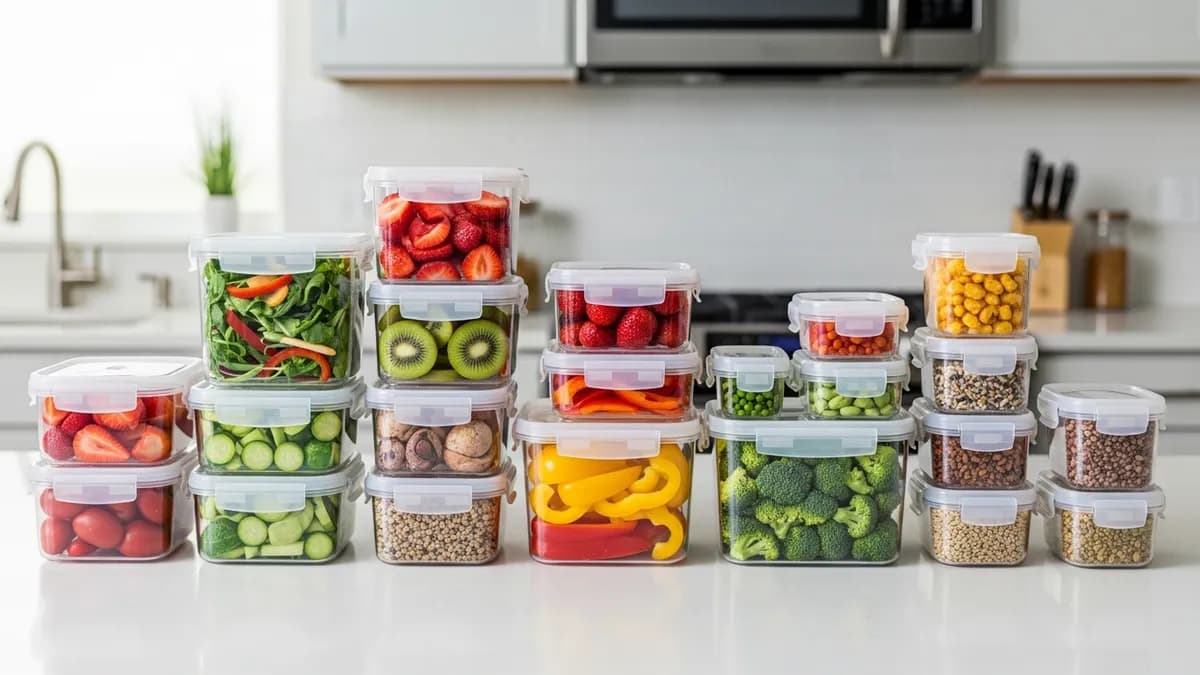
When it comes to keeping your food fresh and your kitchen organized, plastic storage containers food solutions remain one of the most practical and affordable options available in 2026. With advances in food-grade plastics, improved sealing technology, and innovative designs, modern plastic containers offer exceptional value for busy households looking to reduce food waste and maintain organized kitchens.
From our perspective shipping daily to homes across Indonesia, smaller spaces often end up more organized because their owners are more disciplined.
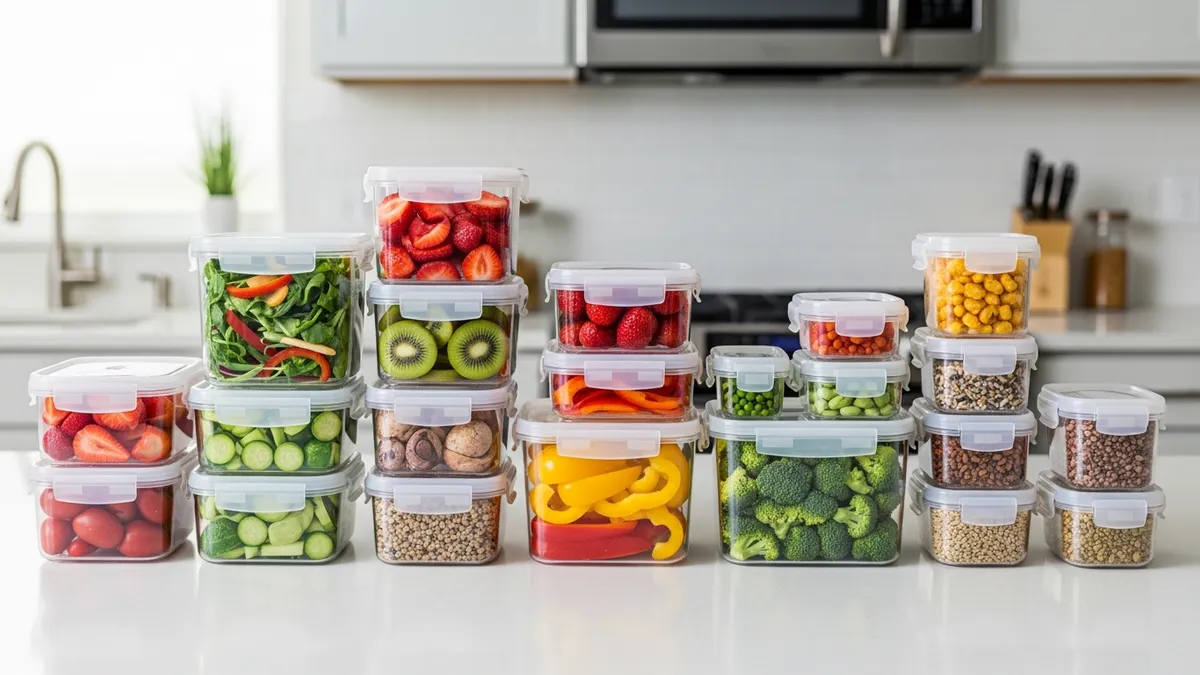
From meal prep enthusiasts to busy families, plastic food storage containers have become essential kitchen tools that help preserve food freshness while maximizing storage efficiency. Proper food storage can extend shelf life by up to 50% when using quality containers with airtight seals.
Key Takeaways: > - Choose products with clear safety labels (food-grade, BPA-free) for daily use > - Investing slightly more in quality materials (glass, grade 304 stainless steel) saves long-term costs > - Match sizes to family needs, neither too large nor too small > - Local marketplaces like Tokopedia, Shopee, and Sesoris offer competitive prices with maintained quality
Why Choose Plastic Storage Containers Food Solutions in 2026
Plastic storage containers food options have evolved significantly, offering numerous advantages that make them ideal for modern kitchens. The latest materials are not only safer but also more durable and functional than ever before. For additional information, also see the guide from The Spruce.
Affordability and Accessibility
One of the primary reasons households choose plastic containers is their cost-effectiveness. Quality plastic storage sets typically range from $15 - $45 making them accessible to families on various budgets. Unlike glass alternatives that can cost 2-3 times more, plastic containers provide excellent value without compromising functionality.
Lightweight and Durable Design
Modern plastic storage containers food solutions weigh 60-70% less than glass equivalents, making them perfect for daily use, meal prep, and even travel. The latest BPA-free formulations resist cracking, staining, and odor absorption while maintaining structural integrity through thousands of uses.
Safety and Material Innovations
Today's plastic containers feature advanced safety standards including:
- BPA-free construction using safer alternatives like Tritan plastic
- FDA-approved food-grade materials that won't leach chemicals
- Temperature-resistant formulations safe for freezer to microwave use
- Antimicrobial properties that help prevent bacterial growth
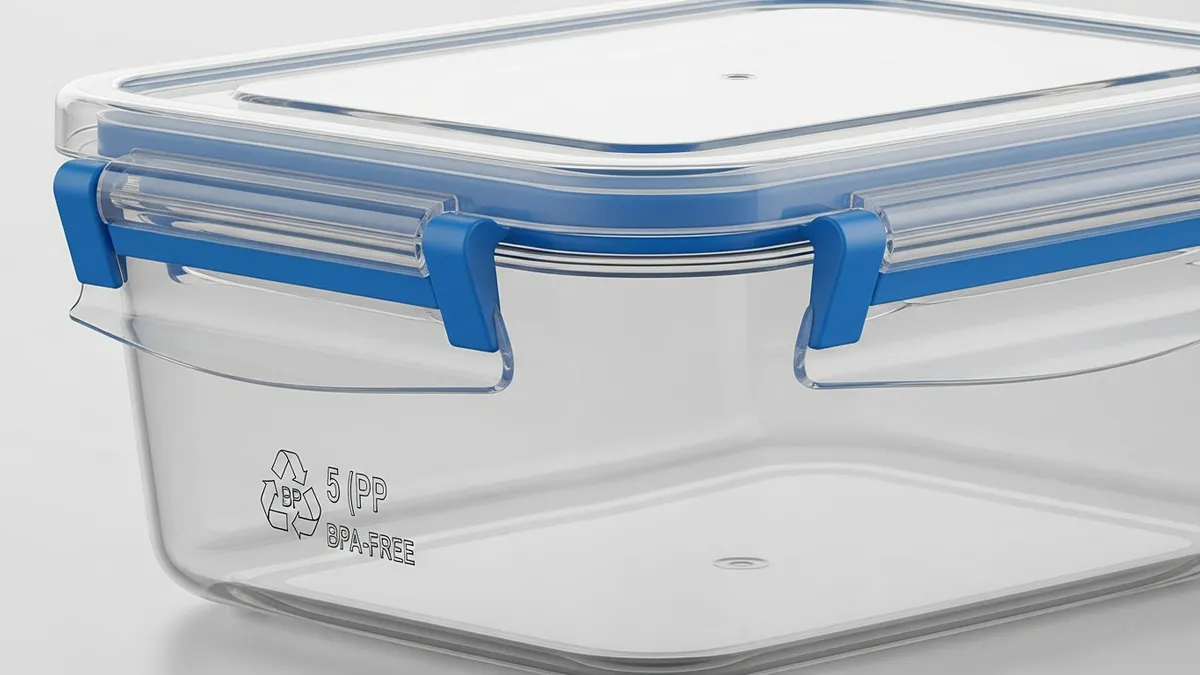
- Clear recycling codes for environmentally conscious disposal
Types of Plastic Storage Containers Food Systems
Understanding the different types of plastic storage containers food options helps you choose the right solution for your specific needs and kitchen setup. For additional information, also see the guide from Real Simple.
Stackable Container Systems
Stackable plastic containers maximize vertical storage space, making them perfect for small kitchens and organized pantries. These systems typically feature:
- Uniform sizing for efficient stacking up to 8 containers high
- Interlocking lids that prevent toppling and ensure secure closure
- Clear construction for easy content identification
- Modular designs that accommodate various food portions
- Space-saving storage that can reduce pantry clutter by up to 40%
Airtight Sealing Containers
For maximum freshness preservation, airtight plastic storage containers food solutions use advanced sealing technology:
- Silicone Gasket Seals - Create vacuum-tight barriers that lock out air and moisture
- Snap-Lock Mechanisms - Multiple locking points ensure consistent sealing pressure
- Pressure-Release Valves - Allow for safe microwave heating without lid removal
- Double-Wall Construction - Enhanced insulation for temperature-sensitive foods
Specialty Shape Containers
Modern plastic container systems include specialized shapes for different food types:
- Cereal Dispensers - Tall, narrow containers with pour spouts for grains and cereals
- Produce Keepers - Ventilated containers designed specifically for fruits and vegetables
- Deli Containers - Wide, shallow designs perfect for leftovers and meal prep
- Freezer Containers - Extra-thick walls and secure seals for frozen food storage
Choosing the Best Plastic Storage Containers Food Solutions
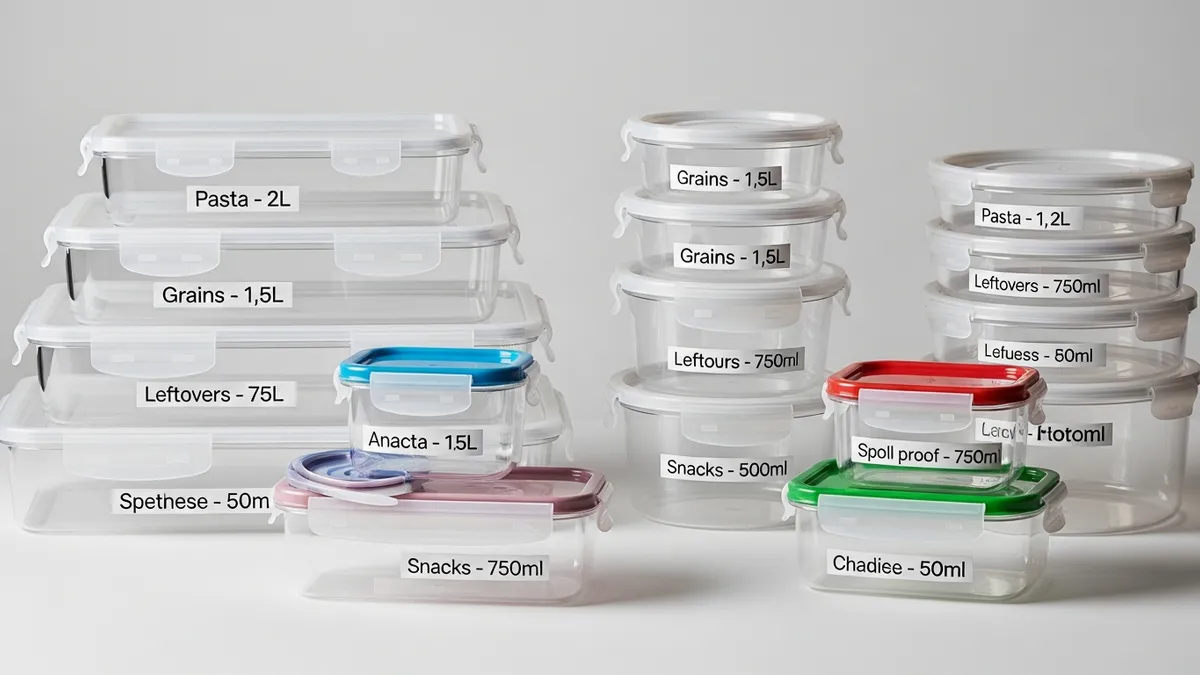
Selecting the right plastic storage containers food system requires consideration of your household's specific needs, cooking habits, and storage space constraints.
Size and Capacity Planning
Effective container selection starts with understanding your family's food storage patterns:
Small Containers (0.5-2 cups):
- Herbs, spices, and seasonings
- Baby food portions and snacks
- Leftover sauces and condiments
- Individual meal prep portions
Medium Containers (2-8 cups):
- Daily cereal and grain portions
- Fresh produce storage
- Prepared meal components
- Bulk snack portioning
Large Containers (8+ cups):
- Bulk dry goods like flour and sugar
- Large batch meal prep
- Party and event food storage
- Family-size leftover storage
Material Quality Assessment
Not all plastic containers are created equal. When evaluating plastic storage containers food options, look for these quality indicators:
- Recycling Code #1 (PET) or #5 (PP) - Safest for food contact and reheating
- Thick Wall Construction - Minimum 2mm thickness prevents warping and cracking
- Clear, Non-Cloudy Plastic - Indicates proper manufacturing and material purity
- Flexible Lid Seals - Quality gaskets maintain elasticity after repeated use
- Dishwasher-Safe Rating - High-temperature resistance for easy cleaning
Organizing Your Kitchen with Plastic Storage Containers Food Systems
Proper organization transforms plastic storage containers food from simple storage tools into comprehensive kitchen management systems that save time, reduce waste, and improve meal planning efficiency.
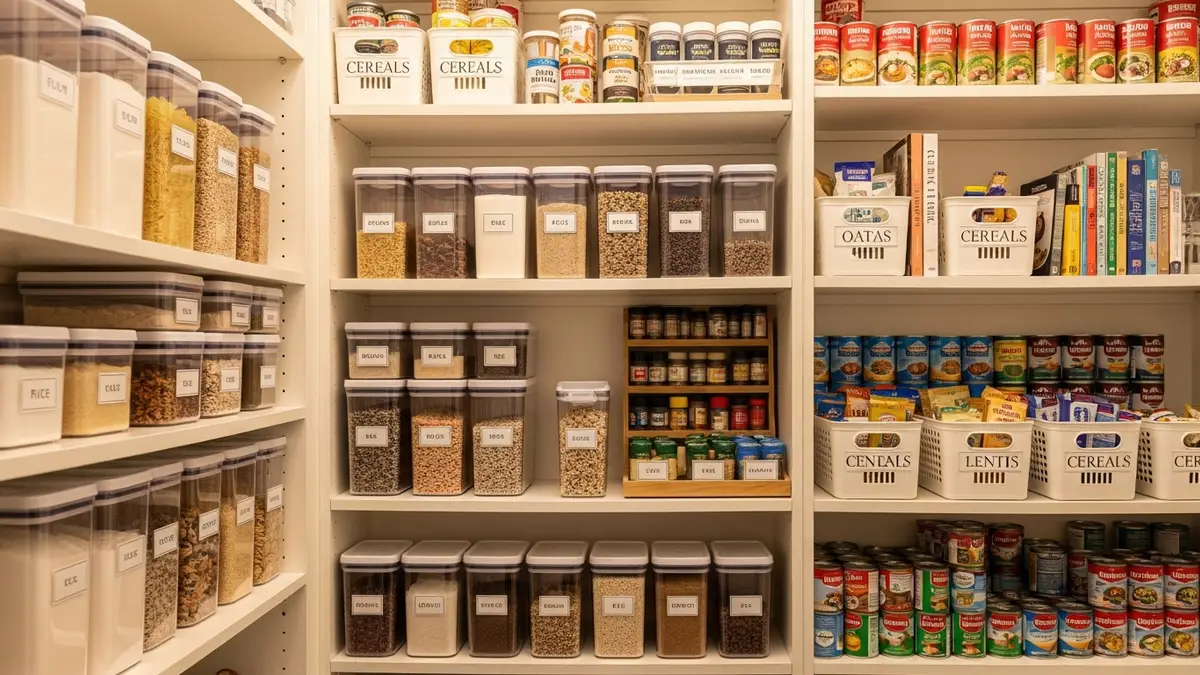
Pantry Organization Strategies
Zone-Based Storage:
Creating dedicated zones for different food categories maximizes the effectiveness of your container system:
- Baking Zone - Flour, sugar, baking powder in large, easy-pour containers
- Breakfast Zone - Cereals, oats, and morning essentials in quick-access containers
- Snack Zone - Individual portion containers for grab-and-go convenience
- Cooking Zone - Spices, oils, and cooking essentials in frequently-used sizes
Labeling and Dating Systems:
Effective labeling increases container utility by 75% according to organization experts:
- Use waterproof labels with both content name and storage date
- Implement color-coding systems for different food categories
- Include expiration dates and 'use by' reminders
- Consider QR codes linking to recipe suggestions or nutritional information
Refrigerator and Freezer Optimization
Plastic storage containers food solutions excel in cold storage environments when properly utilized:
Refrigerator Organization:
- Use clear, stackable containers for leftover visibility
- Implement first-in-first-out rotation systems
- Dedicate specific container sizes for common leftover portions
- Create prep containers for weekly meal planning
Freezer Storage Best Practices:
- Leave 1-inch headspace in containers for food expansion during freezing
- Use freezer-specific containers with enhanced sealing capabilities
- Implement flat-storage systems for efficient space utilization
- Label with freezing date and reheating instructions
Maintenance and Care for Long-Lasting Containers
Proper maintenance ensures your plastic storage containers food investment provides years of reliable service while maintaining food safety standards.
Cleaning and Sanitization
Daily Cleaning Protocol:
- Rinse containers immediately after use to prevent staining and odor absorption
- Use warm, soapy water for regular cleaning - avoid temperatures above 140°F
- For stubborn stains, create a paste with baking soda and water
- Sanitize weekly with a diluted vinegar solution (1:10 ratio)
Deep Cleaning Methods:
- Grease and Oil Removal - Use degreasing dish soap with warm water
- Odor Elimination - Fill containers with water and 2 tablespoons baking soda, let sit overnight
- Stain Prevention - Store tomato-based foods in containers lined with plastic wrap
- Seal Maintenance - Clean gaskets with cotton swabs and mild soap solution
Storage and Organization Tips
Proper storage extends container lifespan and maintains organization efficiency:
- Nest containers by size to save 60% of storage space when not in use
- Store lids separately in dedicated compartments or hanging organizers
- Avoid extreme temperature changes that can cause plastic fatigue
- Replace containers every 3-5 years or when showing signs of wear
Safety Considerations and Best Practices
Using plastic storage containers food safely requires understanding both material limitations and proper usage guidelines to ensure food safety and container longevity.
Temperature Guidelines
Understanding temperature limits prevents container damage and ensures food safety:
Safe Temperature Ranges:
- Freezer Storage: -10°F to 0°F - most plastic containers handle freezing well
- Refrigerator Storage: 32°F to 40°F - optimal temperature range for all plastic types
- Room Temperature: 65°F to 75°F - safe for dry goods and short-term storage
- Microwave Heating: Maximum 180°F - check manufacturer specifications
Temperature Cautions:
- Never use plastic containers in conventional ovens
- Avoid direct heat contact with stovetops or heating elements
- Allow hot foods to cool before transferring to plastic containers
- Use caution with foods above 200°F as they may cause container deformation
Chemical Safety and BPA-Free Options
Modern plastic storage containers food prioritize chemical safety through improved formulations:
BPA-Free Certifications to Look For:
- FDA approval stamps indicating food-grade safety
- BPA-Free labeling from reputable manufacturers
- Tritan plastic certification for enhanced durability
- NSF International approval for foodservice applications
Expert Tip: Replacing plastic containers every 3-5 years ensures optimal food safety and performance, as repeated washing and use can compromise sealing effectiveness.
Cost-Effective Shopping Strategies
Smart purchasing of plastic storage containers food systems maximizes value while ensuring you get the functionality your household needs.
Budget-Friendly Buying Tips
Seasonal Shopping:
- January Sales - Post-holiday clearance offers 30-50% savings on organization products
- Back-to-School Season - August and September feature storage container promotions
- Spring Cleaning Time - March and April sales target organization and storage
- Black Friday/Cyber Monday - Annual deals can save 25-40% on premium sets
Value-Focused Purchasing:
- Buy complete sets rather than individual containers for 20-30% savings
- Compare price per container rather than total set price
- Consider store brands which often match name-brand quality at 40% lower cost
- Check membership stores for bulk pricing on commercial-grade options
Investment vs. Budget Options
Budget Options ($15 - $25 per set):
- Basic sealing mechanisms adequate for dry goods storage
- Standard plastic construction suitable for room temperature use
- Limited size variety but covers essential storage needs
- 1-2 year expected lifespan with normal use
Premium Options ($35 - $60 per set):
- Advanced airtight sealing technology for maximum freshness
- Enhanced durability with 5+ year lifespan expectations
- Comprehensive size ranges including specialty shapes
- Superior stain and odor resistance
- Microwave and dishwasher safe construction
Environmental Considerations and Sustainability
Responsible use of plastic storage containers food includes understanding environmental impact and making sustainable choices that benefit both your household and the planet.
Reducing Environmental Impact
Sustainable Usage Practices:
- Maximize container lifespan through proper care and maintenance
- Repurpose containers for non-food storage when food use ends
- Choose recyclable plastics with clear recycling codes (#1, #2, #5)
- Buy quality over quantity to reduce replacement frequency
Recycling and Disposal:
When containers reach end of life, proper disposal matters:
- Clean thoroughly before recycling to avoid contamination
- Check local recycling programs for specific plastic type acceptance
- Remove labels and adhesive that might interfere with recycling
- Consider donation to schools or community organizations for non-food use
Eco-Friendly Alternatives
While focusing on plastic storage containers food, consider complementary sustainable options:
- Hybrid systems combining plastic containers with glass for different uses
- Biodegradable containers for single-use applications
- Reusable silicone bags for smaller portion storage
- Sustainable packaging from manufacturers committed to environmental responsibility
Troubleshooting Common Container Issues
Even the best plastic storage containers food systems occasionally encounter problems. Understanding common issues and their solutions helps maintain optimal performance.
Sealing and Freshness Problems
Container Won't Seal Properly:
- Check gasket alignment - ensure rubber seals sit properly in lid grooves
- Inspect for damage - small cracks or tears compromise sealing ability
- Clean sealing surfaces - food residue prevents proper lid contact
- Test locking mechanisms - ensure all clips or latches engage fully
Food Spoils Faster Than Expected:
- Verify airtight seal by submerging sealed container in water and checking for bubbles
- Reduce air space in containers to minimize oxidation
- Check storage temperature - ensure refrigeration maintains proper temperature
- Avoid overpacking which can prevent proper sealing
Cleaning and Maintenance Issues
Persistent Odors:
- Baking soda treatment - fill container with baking soda solution overnight
- Vinegar rinse - use diluted white vinegar to neutralize odors
- Sunlight exposure - UV light naturally eliminates many odor-causing bacteria
- Activated charcoal - place charcoal pieces in container for 24-48 hours
Staining Issues:
- Immediate cleaning prevents most staining - rinse containers right after use
- Lemon and salt scrub removes tomato and other acidic food stains
- Diluted bleach solution (1:10 ratio) for stubborn discoloration
- Replace heavily stained containers to maintain food safety and appeal
Related Articles
Explore other guides from Sesoris to complement your knowledge:
FAQ: Frequently Asked Questions About Plastic Storage Containers Food
Q: Are plastic storage containers food safe for microwave use?
Most modern BPA-free plastic containers marked as microwave-safe can be used for reheating food. Always check the manufacturer's specifications and avoid heating empty containers or using them with foods containing high fat or sugar content, which can reach temperatures that exceed safe limits.
Q: How long do plastic food storage containers typically last?
Quality plastic storage containers food systems typically last 3-5 years with regular use. Factors affecting lifespan include frequency of use, cleaning methods, storage conditions, and food types stored. Replace containers when seals fail, plastic becomes cloudy, or cracks appear.
Q: Can I put hot food directly into plastic storage containers?
It's best to allow hot food to cool to room temperature before transferring to plastic containers. Hot foods can cause plastic to warp, compromise sealing mechanisms, and potentially release chemicals. For safety, wait until food reaches 140°F or below.
Q: What's the difference between BPA-free and regular plastic containers?
BPA-free containers use alternative plastics like Tritan that don't contain bisphenol A, a chemical linked to health concerns. While BPA-free options may cost 10-20% more, they provide peace of mind and often superior durability compared to traditional plastic formulations.
Q: How can I prevent my plastic containers from retaining food odors?
Prevent odor retention by rinsing containers immediately after use, avoiding strongly aromatic foods in lightweight containers, and performing weekly deep cleaning with baking soda solutions. For persistent odors, sun-drying and activated charcoal treatments prove most effective.
Q: Are expensive plastic storage containers worth the investment?
Premium plastic storage containers food systems typically offer superior sealing technology, enhanced durability, and better warranty coverage. While budget options work for basic storage, investing in quality containers saves money long-term through extended lifespan and better food preservation.
Conclusion
Plastic storage containers food solutions continue to evolve in 2026, offering households affordable, practical, and safe options for food storage and kitchen organization. From basic stackable systems starting at $15 to premium airtight collections reaching $60 there's a plastic container solution for every budget and storage need.
The key to success lies in understanding your specific requirements, choosing quality materials with proper safety certifications, and implementing effective organization systems that maximize both freshness and efficiency. Whether you're meal prepping for the week, organizing a busy family kitchen, or simply looking to reduce food waste, the right plastic container system can transform your food storage experience.
Ready to organize your kitchen with premium storage solutions? Explore our complete collection of food storage containers at Sesoris and discover how the right storage system can help you organize your life with ease. From budget-friendly starter sets to professional-grade organization systems, we have everything you need to create the perfectly organized kitchen you've always wanted.
About Tim Sesoris
The Sesoris editorial team consists of experienced writers in home organization, minimalist lifestyle, and Indonesian e-commerce. We test products, review market trends, and craft guides based on in-depth research and field experience. All recommendations are curated to give you accurate, practical, and relevant information for Indonesian households.
For questions or suggestions, contact us through the Sesoris contact page.
For matching storage gear, browse the Kitchen & Dining collection.
Weekly Home Tips
Get home organization ideas, product picks, and exclusive deals delivered weekly.
No spam. Unsubscribe anytime.


Explore More Articles
- Food Storage Containers with Lids: Complete Guide to Fresh Food Organization in 2026
- Glass Containers with Glass Lids for Food Storage: Complete Tutorial Guide 2026
- Glasslock Food Storage Containers: Complete Guide to Premium Glass Storage Solutions in 2026
- Plastic Dish Racks: Affordable and Lightweight Kitchen Solutions
- Best Storage for Clothes: 25+ Smart Solutions to Organize Your Wardrobe in 2026
- Corner Closet System: Complete 2026 Guide to Maximizing Every Inch of Your Wardrobe
- 30+ Best Garage Cabinet Ideas to Transform Your Storage Space in 2026
- 30+ Best Pantry Storage Ideas to Transform Your Kitchen Organization in 2026