Quality Products, Free Shipping & Easy Returns!
Sesoris
My AccountTrack Order
BlogTips & Tricks
10 Ways to Arrange a Small Living Room to Look Spacious and Comfortable (2026)
Tips & Tricks

10 Ways to Arrange a Small Living Room to Look Spacious and Comfortable (2026)

April 17, 2026
10 min read read
RP
Rizki Pratama
Interior Design Enthusiast

A small living room can look spacious and comfortable if arranged with the right strategy. The key lies in a combination of selecting proportionally-sized furniture, using bright colors, optimal lighting, and strategic mirror placement. With these 10 methods, your living room—even if it's just 2x3 meters—can become a pleasant space to entertain guests and relax with family.

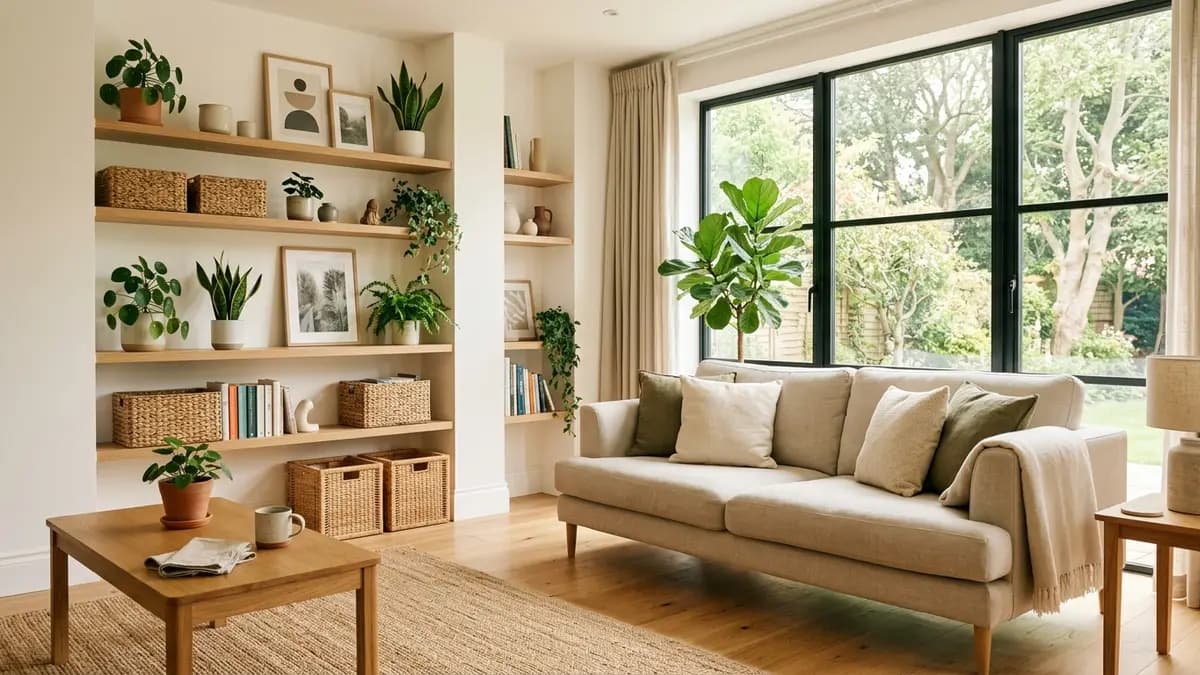
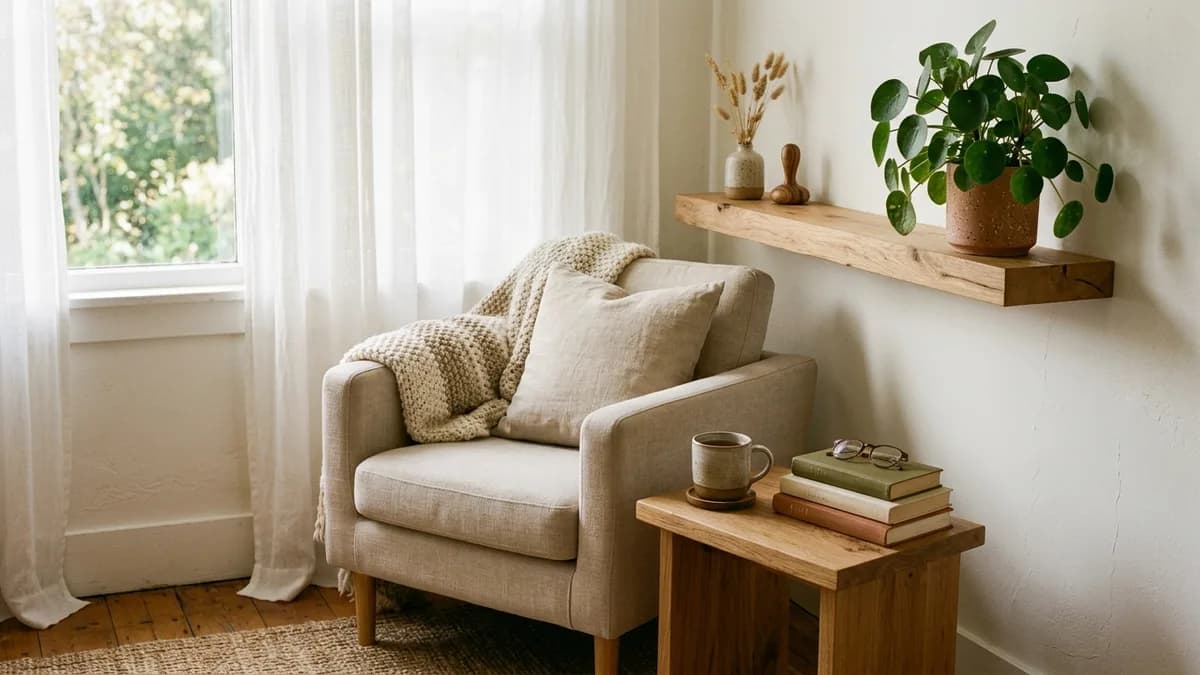
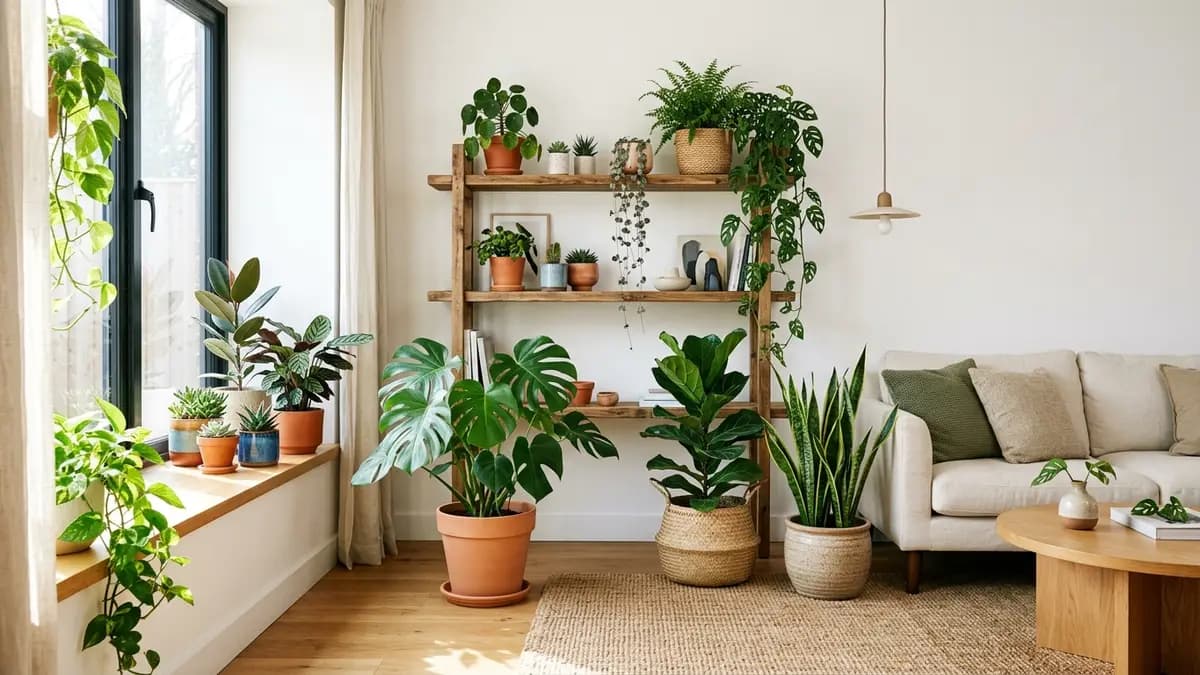
Small living room neatly arranged with minimalist furniture and natural lighting

1. Choose Furniture with Proportional Sizing

The most common mistake when arranging a small living room is choosing a sofa that's too large. A big three-seater sofa may be comfortable, but in a small room it takes up more than half the floor space. Choose furniture that's proportional to your room.

Tips for Choosing Furniture for Small Living Rooms

  • Use a two-seater sofa or loveseat with a maximum width of 150 cm
  • Choose a small coffee table or even a folding table that can be stored when not in use
  • Avoid furniture with high backrests that make the room feel enclosed
  • Consider armless chairs that appear visually lighter
  • Choose furniture with visible legs rather than models that touch the floor completely, to create an impression of space beneath

2. Use Multifunctional Furniture

In a small living room, every piece of furniture must work double duty. An ottoman with storage inside can serve as an extra seat while storing spare pillows. A coffee table with a shelf below can store magazines or TV remotes without adding visual clutter.

A sofa bed is also a smart choice if your living room occasionally doubles as a guest room. For more comprehensive reference on space-saving furniture, also read our article on minimalist home design which discusses the basic principles of small space arrangement.

3. Apply a Bright Color Scheme

Color has tremendous power to change the perception of room size. Bright colors like white, cream, light gray, or pastels reflect light better, making the room feel more spacious and open.

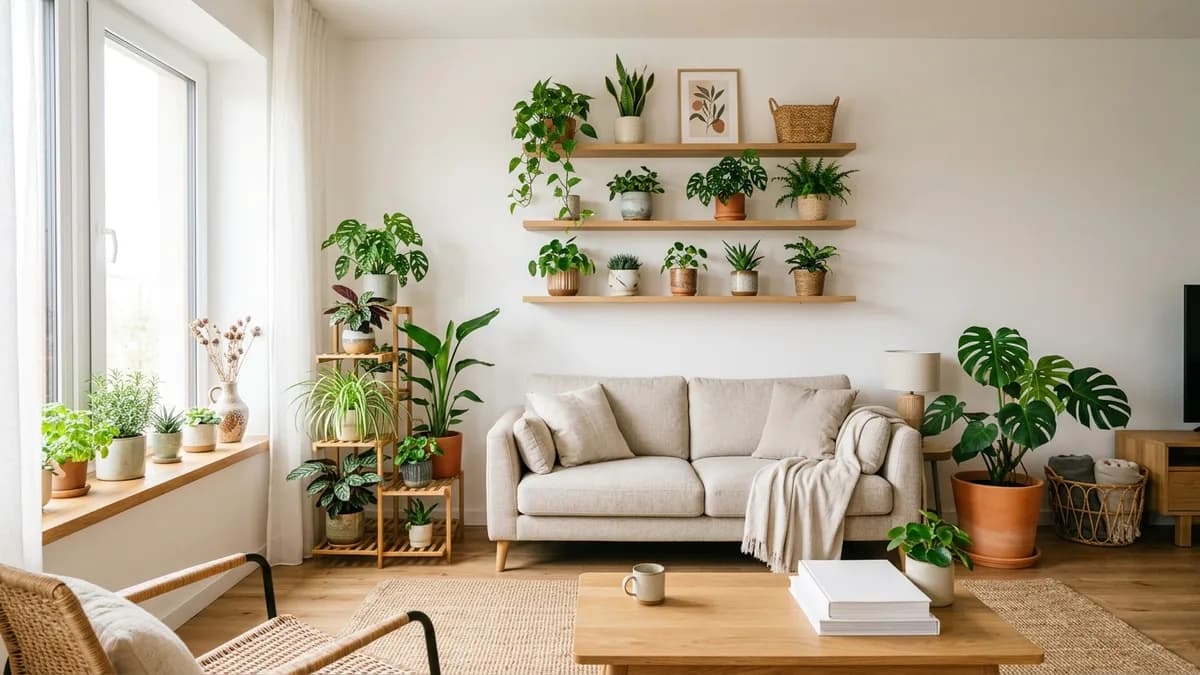
Small living room with bright color scheme and decorative accents
Color SchemeEffect on RoomBest For
White + natural woodSpacious and warm3-5 m2 living rooms
Light gray + whiteModern and airyMinimalist living rooms
Cream + sage greenFresh and calmTropical living rooms
White + pastel blueCool and spaciousEast-facing living rooms
Beige + terracotta (accent)Warm and character-filledBohemian living rooms

The 60-30-10 Principle: Use 60% dominant color (walls), 30% secondary color (furniture), and 10% accent color (decor). For small spaces, make sure the dominant color is bright.

4. Maximize Natural and Artificial Lighting

Lighting is the secret weapon for making a small living room feel spacious. A naturally bright room will feel larger than a dark room. If windows are limited, there are several tricks you can use.

    1
  1. Open curtains or blinds during the day to maximize sunlight
  2. 2
  3. Choose light-colored and transparent curtains (sheer curtains) that maintain privacy without blocking light
  4. 3
  5. Hang curtains from the ceiling, not from the top of the window, to create the impression of higher walls
  6. 4
  7. Use warm white lights (warm white 3000K) for a comfortable atmosphere at night
  8. 5
  9. Add a floor lamp in the corner of the room to eliminate dark shadows
  10. 6
  11. Consider LED strip lights under shelves or sofas for a floating effect

5. Place Mirrors Strategically

Mirrors are an old but most effective trick to make a room feel twice as large. Mirrors reflect light and create an illusion of depth that immediately changes the perception of room size.

Place a large mirror on the wall opposite the window so natural light is reflected throughout the room. If that's not possible, a mirror on the wall beside the sofa also works well. You can also use a framed mirror as a main decorative element that simultaneously expands the room visually.

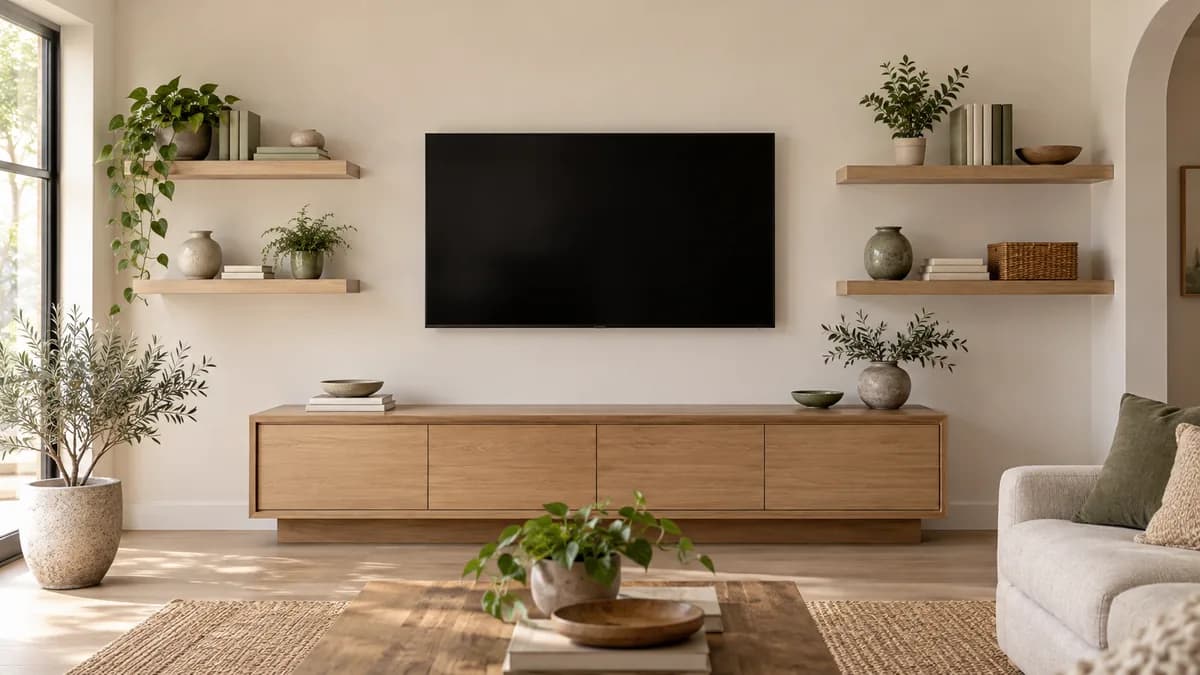
6. Use Vertical Storage

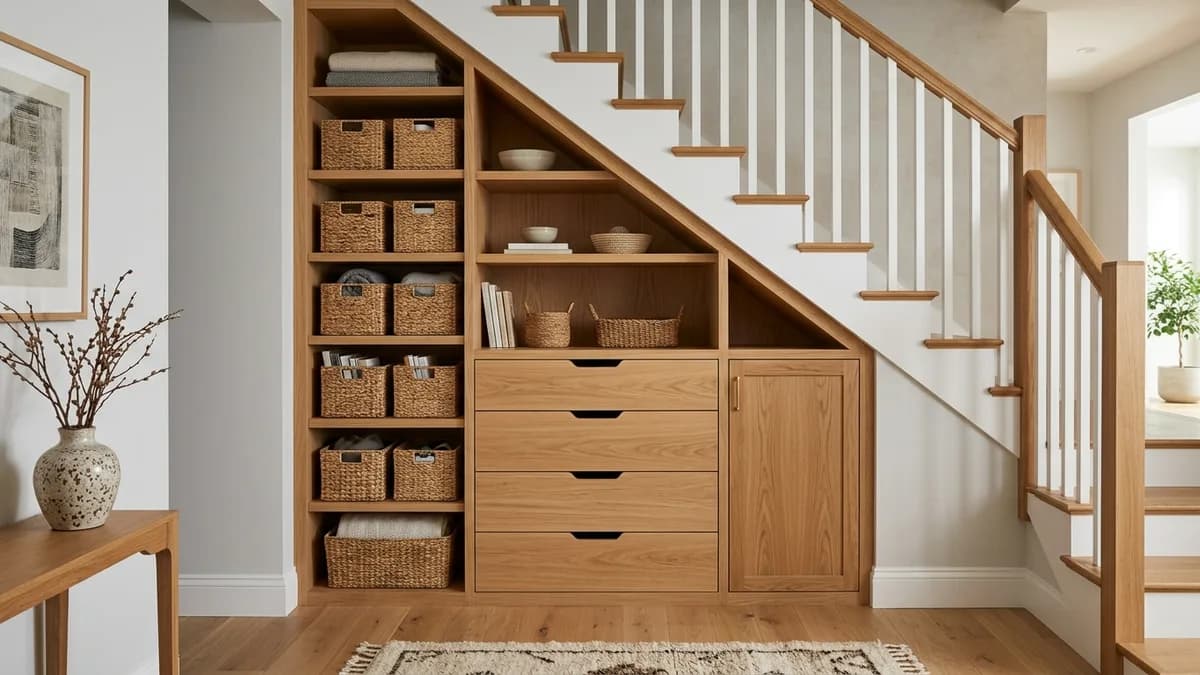
When floor space is limited, the solution is to go upward. Vertical storage uses walls that are often overlooked while freeing the floor from stacks of items that make the room feel cramped.

Floating wall shelves are the ideal choice because they don't take up floor space at all. Install 2-3 levels of floating shelves above the sofa to place books, small plants, or photo frames. For complete vertical storage inspiration, check out our guide on multipurpose shelving that can be adapted to various room sizes.

7. Arrange Layout with Negative Space Principles

Negative space—or empty areas within a room—is just as important as the furniture you place. A common mistake is filling every corner with furniture, when in fact the human eye needs 'breathing room' to feel comfortable.

Small living room layout with proportional furniture and adequate negative space

Ensure there's a minimum 60 cm circulation path between furniture. Don't push all furniture against the wall—instead pull the sofa slightly toward the center (about 10-15 cm from the wall) to create an impression of a more spacious room. This is a trick used by professional interior designers.

8. Choose Decorations Wisely

In a small living room, the principle of 'less is more' really applies. Too many decorations will make the room feel cramped and cluttered. Choose a few quality decorative items rather than many cheap accessories that pile up.

  • One large green plant is better than five small plants scattered around
  • Choose large artwork or photos rather than a busy gallery wall
  • Use sofa pillows with complementary patterns, not a variety of different motifs
  • Avoid large-patterned rugs that visually cut across the floor

9. Use the Right Rug

A rug can be an element that ties together your entire living room design. For small rooms, choose a light-colored rug or one with a small pattern that isn't too contrasting. A rug that's too small will actually make the room feel smaller—ideally, the rug should be large enough to fit under the front legs of the sofa.

A rug also helps define areas without needing a physical partition, which is very useful if your living room is open to the dining area. Also read tips on arranging modern minimalist living rooms for more layout inspiration.

10. Reduce Visual Clutter

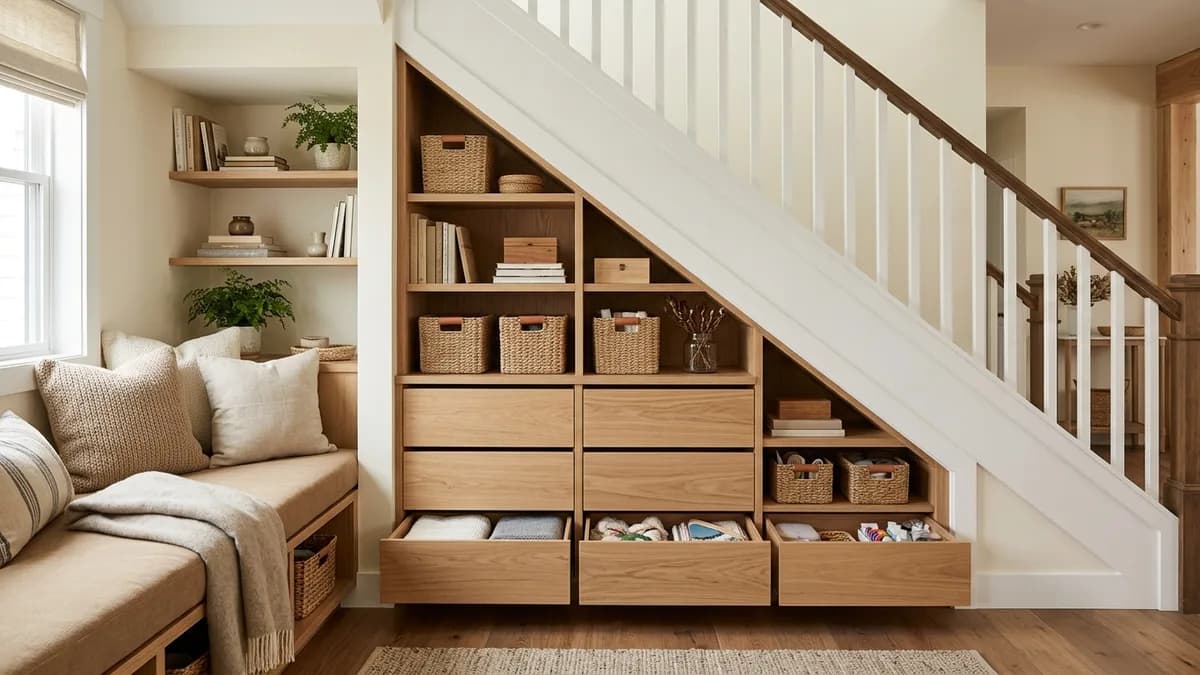
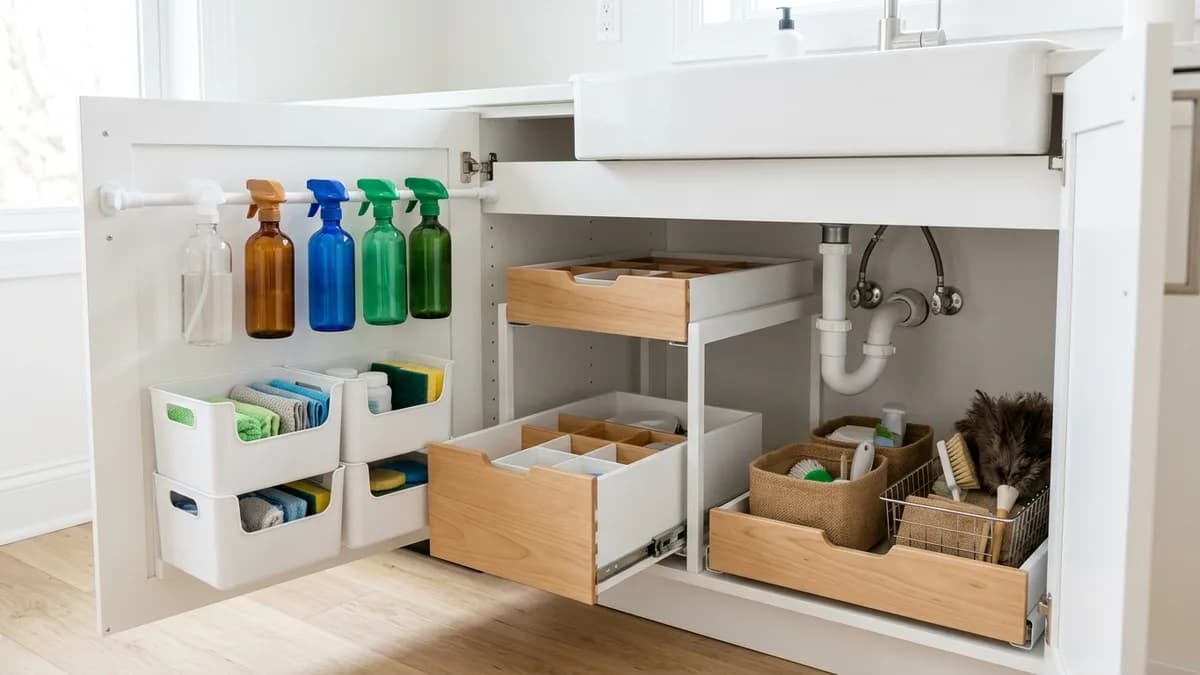
The final but most important step—reduce visible items. Every object exposed in the living room adds visual load. Use decorative storage boxes to keep TV remotes, chargers, and small items. An aesthetic storage box can be the perfect solution to hide daily clutter.

Apply the 'one in, one out' rule—every time a new item comes into the living room, one item should leave. This keeps the room neat without needing a major decluttering session. For more detailed decluttering guidance, also check out the Marie Kondo method for organizing your home.

FAQ - Questions About Arranging a Small Living Room

How do I make a 2x3 meter living room look spacious?

Combine three main strategies: use bright colors for walls and furniture, place a large mirror on the wall opposite the window, and choose small furniture with visible legs. Avoid large, dark furniture that dominates the room.

Is an L-shaped sectional suitable for a small living room?

An L-shaped sofa can work if it's sized proportionally to your room. Choose a compact model with a maximum width of 200 cm. The advantage is that a sectional uses corners that are usually wasted. However, ensure there's still a minimum 60 cm circulation path.

What color works best for a small living room?

White, cream, and light gray are the safest choices. These colors reflect light and create an impression of spaciousness. You can add color through sofa pillows, flower vases, or green plants without making the room feel cramped.

How do I arrange a living room that's combined with a dining area?

Use a rug to define the boundary between areas without a physical partition. Place a low shelf or plants as a visual divider that doesn't block light. Make sure the color scheme of both areas is consistent so they feel like one spacious unit.

What's the minimum budget to redesign a small living room?

With a budget of approximately $30-$90, you can already make significant changes through repainting, adding a mirror, and reorganizing existing furniture. The biggest investment is usually wall paint (approximately $12-$24) and a large mirror (approximately $9-$18).

Start Arranging Your Living Room Today

Arranging a small living room doesn't have to be expensive or complicated. Start with the easiest steps—remove unnecessary items, rearrange your furniture, and ensure optimal lighting. For storage solutions that help keep your living room neat and organized, visit Sesoris's complete collection of products specially designed for modern Indonesian homes.

Weekly Home Tips

Get home organization ideas, product picks, and exclusive deals delivered weekly.

No spam. Unsubscribe anytime.