
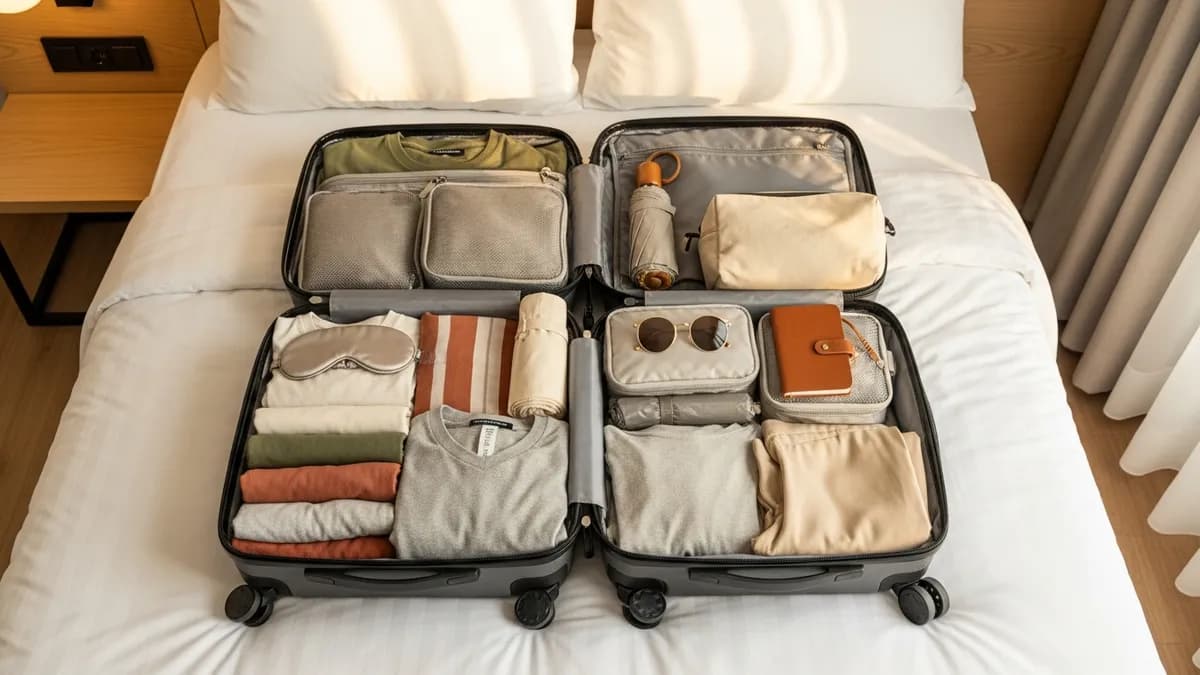
Carry On Packing Tips: The Ultimate 2026 Guide to Stress-Free Travel
Whether you are heading out for a quick weekend getaway or navigating a multi-city work trip, knowing the best carry on packing tips can completely change how you travel. In 2026, with airline fees rising and security lines getting longer, packing smart for a carry on bag is no longer just a convenience, it is practically a travel superpower. Pack the right way and you skip checked luggage fees, wait at no baggage carousels, and head straight out of the airport to enjoy your destination. This guide walks you through everything you need to know, from choosing the right bag to organizing every inch of space like a pro.
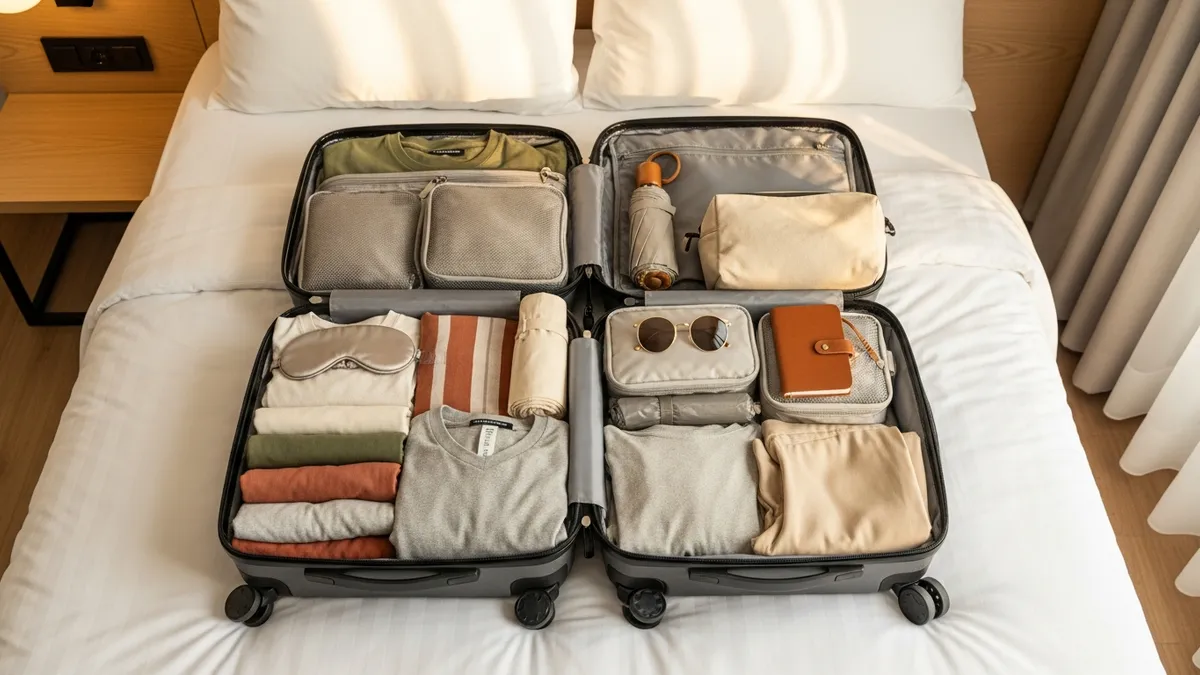
Why Carry On Packing Tips Matter More Than Ever in 2026
Travel in 2026 has changed. Most major US airlines now charge anywhere from $35 to $75 or more per checked bag each way, according to The Points Guy. For a round trip, that adds up fast. Mastering carry on packing tips means you can travel almost exclusively with a carry on and personal item, saving real money on every single trip.
Beyond the financial savings, there is the time factor. Checking a bag adds at least 20 to 30 minutes to your airport experience on each end of your trip. When you travel carry on only, you move through the airport on your own terms. You never risk losing your luggage, and you are not at the mercy of baggage handlers.
There is also a peace-of-mind angle. A well-packed carry on keeps everything you need within reach, from your in-flight essentials to your first-day outfit. Getting your packing system right starts with understanding the rules and tools available to you.
Understanding Carry On Size Limits
Before you pack a single thing, know your airline's carry on size restrictions. While a common standard for US carriers is around 22 x 14 x 9 inches, this varies by airline and even by aircraft type. Always check your specific airline's website before your trip. Bags that are even slightly oversized risk being gate-checked, which defeats the whole purpose.
In addition to your carry on bag, most airlines allow one personal item such as a backpack, tote, or laptop bag. That personal item slot is extremely valuable real estate, and we will talk about how to maximize it later in this guide.
The Best Tools for Carry On Packing: Organizers That Actually Help
The single biggest game-changer for carry on packing is using the right organizational tools. Without a system, even a small bag becomes a chaotic mess by day two. With the right tools, everything has a place and you can find anything in seconds.
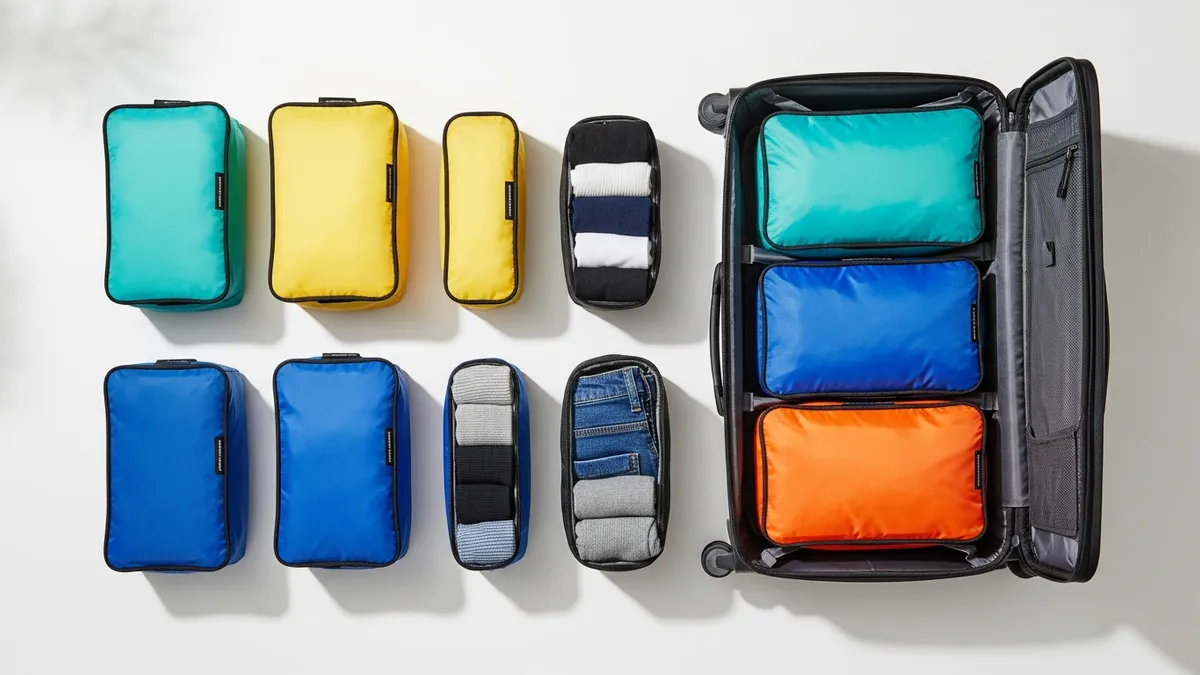
Packing Cubes
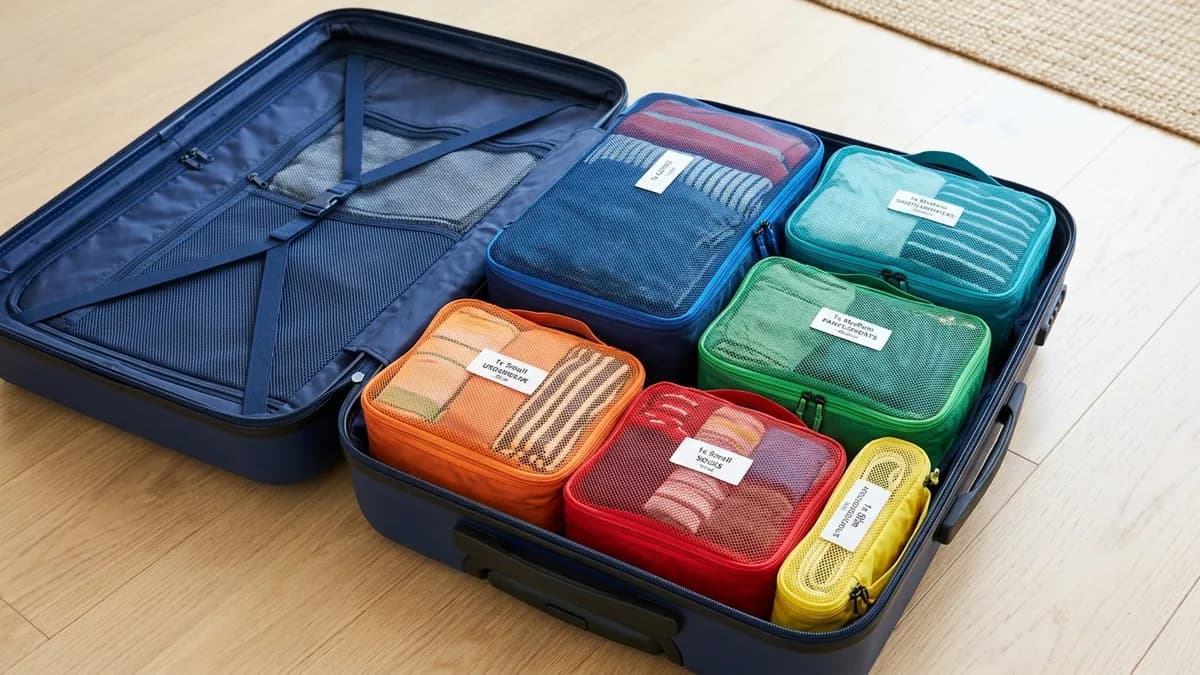
Packing cubes are fabric zippered compartments that fit inside your bag and group similar items together. Think of them as built-in drawers for your suitcase. They compress your clothes slightly, keep categories separated, and make repacking mid-trip effortless. You can browse packing cubes options to find the right size set for your bag.
For a standard carry on, a set of three cubes typically works well: one large cube for tops and bottoms, one medium cube for undergarments and socks, and one slim cube for pajamas or workout clothes.
Compression Packing Cubes
If you want to take packing cubes one step further, compression packing cubes use a double-zip system that squeezes air out of the contents, reducing the volume of your packed clothes by a noticeable amount. These are especially useful if you are packing bulkier fabrics like denim, hoodies, or knitwear. Read a full breakdown in our guide to compression packing cubes.
A Quality Toiletry Bag
A dedicated toiletry bag keeps your liquids organized and easy to pull out at security. Look for one with multiple compartments, a hanging hook for bathroom use, and a waterproof lining to protect your clothes from any spills.
A Well-Designed Personal Item Bag
Your personal item bag does a lot of heavy lifting. A structured backpack or travel tote with multiple pockets lets you store your laptop, in-flight snacks, chargers, a light layer, and anything else you want at your seat. Check out travel bag organizer options that are built specifically for this purpose.
Smart Carry On Packing Tips for Clothes
Clothing takes up the most space in any bag, so this is where your packing strategy matters most. The goal is to bring exactly what you need and nothing more, while maximizing every cubic inch of space.
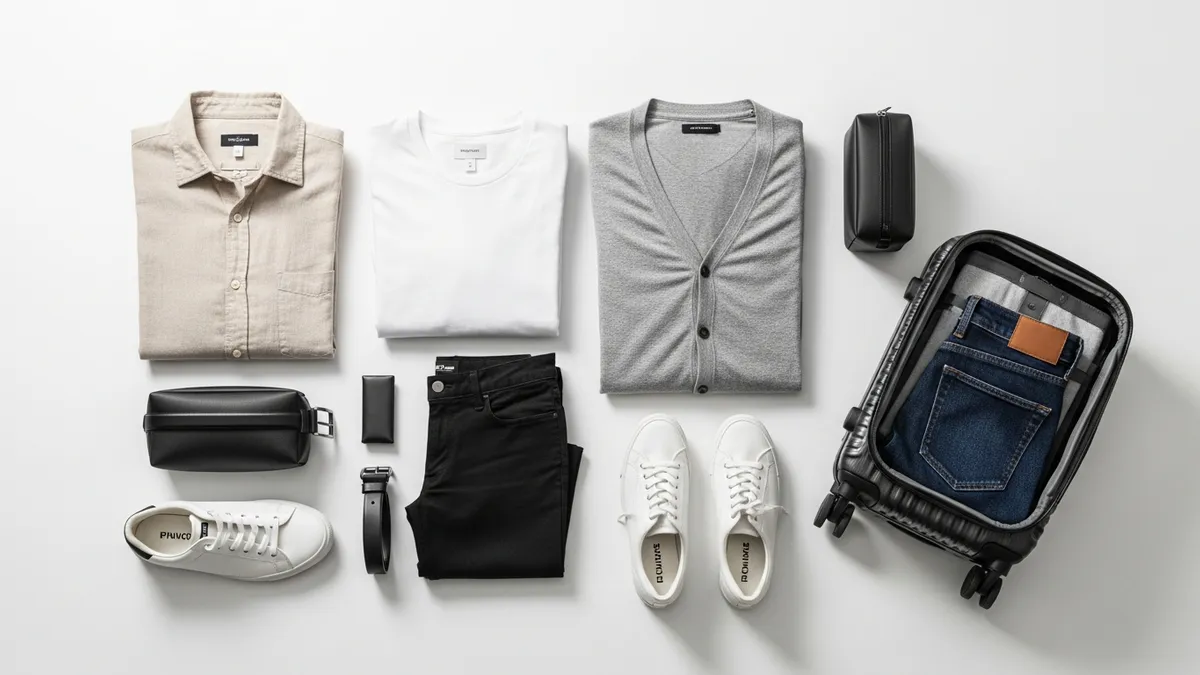
Build a Capsule Travel Wardrobe
A capsule travel wardrobe is a small, intentional collection of clothing items that all work together. Instead of packing outfits in isolation, you pack versatile pieces that can mix and match to create multiple looks. For example, one pair of dark jeans can pair with three different tops for three completely different outfits.
Neutral colors like navy, white, gray, beige, and black mix the most easily. Stick to one or two accent colors if you like variety. You can get more inspiration from our capsule wardrobe women and capsule wardrobe men guides, both fully tailored to practical everyday dressing.
The Rolling Method vs. the Folding Method
Rolling clothes instead of folding them is one of the most popular carry on packing tips for a reason. Rolling compresses soft fabrics and reduces wrinkles in many cases. It also makes it easier to see every item in your packing cube at a glance.
However, structured items like blazers and dress shirts actually fold better to avoid unwanted creases. A hybrid approach works best: roll casual and stretchy items, fold more formal pieces.
Pack by Activity, Not by Day
Instead of laying out a full outfit for each day of your trip, think in categories of activity. Pack what you need for casual days out, one or two dinner-worthy outfits, workout clothes if needed, and comfortable travel layers. This prevents over-packing duplicate items and keeps your total count lean.
Practical Clothing Count for a 5-Day Trip
- 5 pairs of underwear (or 6 if you want a spare)
- 4 to 5 tops that mix and match
- 2 pairs of bottoms such as pants, jeans, or skirts
- 1 versatile layer such as a cardigan, light jacket, or blazer
- 1 pair of pajamas or loungewear
- 2 pairs of shoes at most (wear the bulkier pair on the plane)
- 3 to 4 pairs of socks
Pro tip: Wear your heaviest shoes and your chunkiest outer layer on travel days. This instantly frees up significant space and weight inside your bag.
Carry On Packing Tips for Toiletries and Liquids
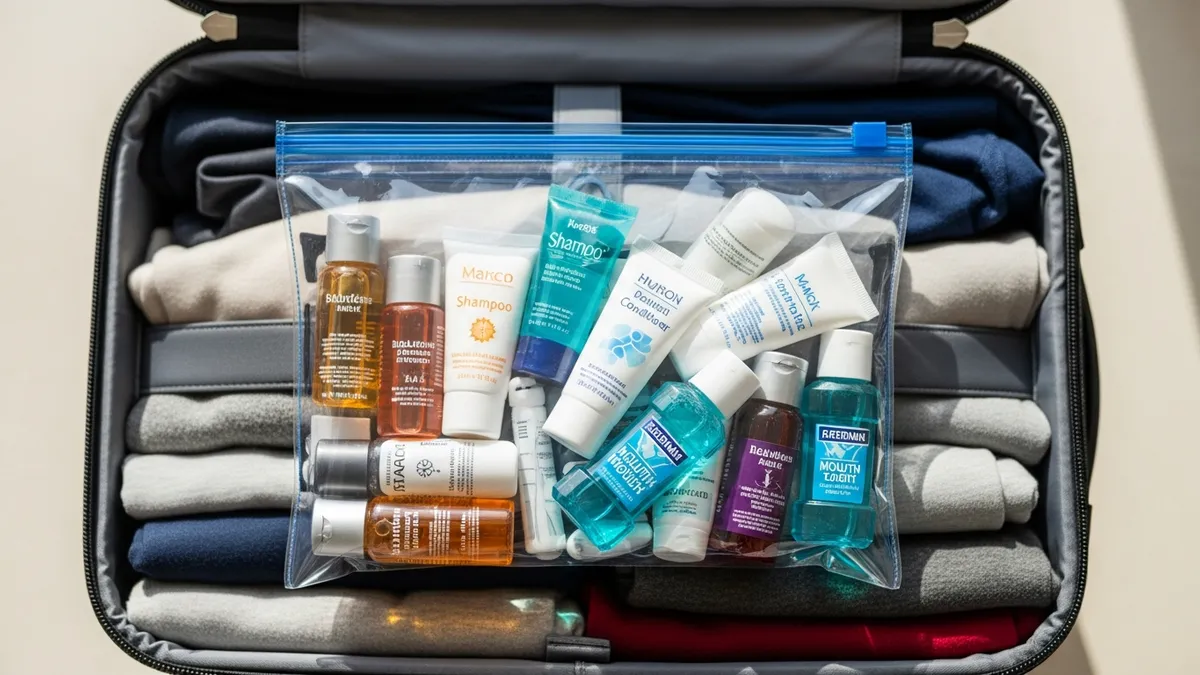
TSA's 3-1-1 rule applies to all carry on bags on US domestic and international flights departing from the United States. This means all liquids, gels, and aerosols must be in containers of 3.4 ounces (100 milliliters) or less, all placed inside one clear quart-size zip-top bag, with one bag per passenger. According to the TSA official website, failing to follow this rule is one of the most common reasons travelers hold up security lines.
Smart Strategies for Toiletries
- Switch to solid versions of your products where possible. Solid shampoo bars, conditioner bars, and solid face wash take up zero liquid space and are not subject to the 3-1-1 rule.
- Buy travel-size products or transfer your favorites into reusable 1-ounce or 2-ounce bottles.
- Leave bulky items like full-size shampoo, conditioner, or body wash at home. Most hotels provide these, and if you are staying in an Airbnb, you can buy a small bottle when you arrive.
- Use a waterproof toiletry bag with a hanging hook so you can access everything easily in any bathroom.
- Pack your clear quart-size bag in an exterior pocket of your carry on for fast, easy access at the security checkpoint.
Medications and Prescriptions
Prescription medications are allowed in your carry on in quantities greater than 3.4 ounces and do not need to go in your quart-size liquids bag. Keep them in their original labeled containers when possible, and carry a copy of your prescription or doctor's note for any controlled substances. Always pack medications in your carry on rather than checked luggage so they are never separated from you.
Maximizing Space: Advanced Carry On Packing Tips
Once you have your basics down, these next-level strategies help you squeeze every last bit of value out of your carry on and personal item.
Use Dead Space Strategically
Shoes are hollow. Stuff socks, chargers, or small accessories inside them before placing them in your bag. This trick sounds simple but it genuinely saves space. Similarly, the gap around the edges of your suitcase can hold belts rolled into circles, small accessories in pouches, or thin flat items like a book or tablet.
Layer Items by Weight
Place heavier items like shoes and toiletry bags at the bottom of your carry on near the wheels. Lighter, bulkier items like clothing go in the middle, and flat or fragile items go on top. This keeps your bag balanced and prevents delicate items from being crushed.
Think Dual-Purpose
Every item you pack should ideally serve more than one purpose. A sarong doubles as a beach cover-up and a lightweight blanket on the plane. A blazer works for a business meeting and doubles as a smart dinner jacket. A cross-body bag serves as your everyday purse and your airport personal item. The more versatile each item, the fewer items you need overall.
Do Not Forget Your In-Flight Essentials
Pack a small pouch or keep a dedicated section of your personal item bag for in-flight comfort items. These are the things you want during the flight, not buried in the overhead bin.
- Noise-canceling earbuds or headphones
- A portable charger and charging cables
- A neck pillow if you are a light sleeper
- An eye mask and earplugs for overnight flights
- A reusable water bottle to fill after security
- A light snack in case of delays
- One change of clothes in your personal item if your main bag is going overhead, just in case
You can find well-organized travel accessories that cover all of these needs at Sesoris travel essentials.
Carry On Packing Tips for Specific Trip Types
Not every trip is the same, and your packing approach should reflect the nature of your travel. Here is how to adapt your carry on strategy for different scenarios.
Business Travel
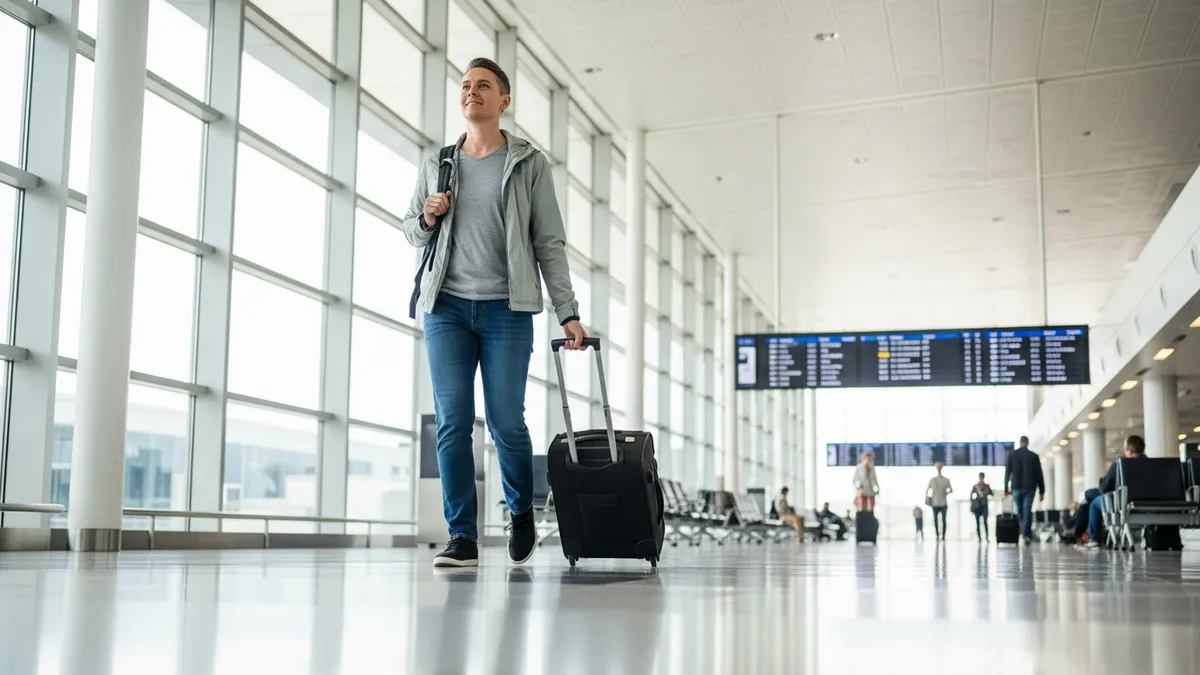
For business trips, wrinkle resistance is a priority. Choose fabrics like merino wool, jersey knit, or performance dress shirts that resist creasing. Use a garment folder or fold blazers with tissue paper between layers. Pack your laptop, documents, and chargers in your personal item for quick access at security and during the flight. Keep a small shoe bag to separate dress shoes from clothing.
Beach or Vacation Travel
Vacation packing is often where people overdo it the most. Lightweight fabrics like linen and quick-dry synthetics are your best friends. Swimsuits and cover-ups take up almost no space. Pack one pair of sandals and one pair of sneakers or walking shoes. Leave expensive jewelry at home and opt for fun, inexpensive accessories that you would not be heartbroken to lose.
Winter or Cold-Weather Travel
Cold-weather packing is the ultimate carry on challenge. The trick is layering rather than packing heavy. A lightweight down jacket compresses into its own pocket and packs down to the size of a water bottle. Thermal base layers worn under regular clothes add significant warmth without bulk. Wear your heaviest boots on the plane. Compression packing cubes are especially helpful here for bulky sweaters and knitwear.
Weekend Trips
A weekend trip is where carry on packing really shines. With only two or three nights, you can often get away with just a personal item bag, skipping the carry on entirely. A structured travel organizer bag that fits under the seat in front of you is all you need for a Friday to Sunday trip.
What NOT to Pack in Your Carry On
Knowing what to leave out is just as important as knowing what to include. The TSA maintains a detailed list of prohibited items at TSA.gov, but here are the most commonly forgotten ones that cause problems at security:
- Full-size aerosol cans like hairspray, dry shampoo, or sunscreen over 3.4 ounces
- Snow globes (yes, they count as a liquid)
- Lithium battery power banks over 100 watt-hours in checked bags (these must go in carry on, not checked luggage)
- Sharp objects like scissors with blades longer than 4 inches, box cutters, or multi-tools with blades
- Gel shoe inserts or gel ice packs above the 3.4-ounce limit
- Wrapped gifts (TSA may need to unwrap them for inspection)
When in doubt, check the TSA website or use their "Can I bring it?" tool before you pack.
Related Products from Sesoris
If you want to turn this guide into a real setup, start with Travel Toiletry Bag and Mesh Zipper Pouches Set. For broader options, browse the Travel & Outdoor collection so the article journey does not stop at reading only.
Our practical rule: choose one product that solves the main clutter problem first, then add supporting organizers only when the daily workflow is already clear. This keeps the shopping path useful, not pushy.
FAQ: Carry On Packing Tips
Q: Can I bring a carry on and a personal item on every US flight?
Most major US carriers including American, Delta, United, and Southwest allow one carry on bag plus one personal item in economy class. However, budget carriers like Spirit and Frontier charge separately for carry on bags, so always read the fine print when booking. Even if a carry on is included, the size limits differ, so always verify with your specific airline.
Q: How do I keep my clothes wrinkle-free in a carry on?
Choose wrinkle-resistant fabrics like merino wool, jersey, polyester blends, or stretchy performance materials. Roll soft items tightly and use packing cubes to keep everything compressed. For dress shirts and blazers, fold using the military roll or use a dedicated garment folder. You can also pack a small travel steamer or use the hotel bathroom's steam to refresh items on arrival.
Q: How do I fit a week's worth of clothes into a carry on?
The key is building a capsule wardrobe of mix-and-match pieces rather than packing full standalone outfits. Aim for a 5-4-3-2-1 formula: 5 sets of underwear and socks, 4 tops, 3 bottoms, 2 pairs of shoes, and 1 layer. Use compression packing cubes to maximize space. Wear your bulkiest items on travel day to free up bag space.
Q: What is the best bag for carry on only travel?
The best carry on bag for you depends on how you travel. Hard-shell rolling suitcases are great for protecting fragile items and slide easily into overhead bins. Soft-shell bags can be squished into tight spaces more easily. Backpack-style carry ons are ideal if you move around a lot and do not want to deal with wheels on cobblestones or stairs. Look for a bag that maximizes the airline's allowed dimensions without exceeding them.
Q: Are packing cubes worth it for a carry on?
Absolutely. Packing cubes are one of the most universally praised travel tools because they keep your bag organized throughout your entire trip, not just at the start. They also make airport security easier since you can lift your bag in and out of the overhead bin without everything shifting around. For carry on travel specifically, they are invaluable. Read our full guide to packing cubes to find the right set for your needs.
Q: How do I handle laundry on a longer trip with only a carry on?
Plan to do laundry mid-trip if you are traveling longer than a week. Many hotels have in-room laundry bags or access to a guest laundry facility. You can also use sink washing and quick-dry fabrics, many of which dry overnight. Packing a small amount of travel laundry soap is helpful. Laundry-friendly trips actually free you to pack even less, since you are not carrying a full week of backup clothing.
Conclusion: Travel Smarter with These Carry On Packing Tips
Mastering carry on packing tips is one of the best investments you can make in your travel experience in 2026. From building a smart capsule wardrobe and choosing the right packing cubes to navigating TSA's liquid rules and maximizing your personal item, every small decision adds up to a smoother, more enjoyable trip. You save money on bag fees, you save time at the airport, and you arrive at your destination with everything you need, all neatly organized and ready to go.
The right tools make all the difference. From travel organizer bags to compression packing cubes and dedicated toiletry pouches, having a solid organization system transforms packing from a stressful chore into a satisfying ritual. Explore the full range of travel-ready organization products at Sesoris and find everything you need to pack smarter every single time. Check out our best sellers and new arrivals to discover the latest tools that make organized travel effortless. Live more organized, travel more confidently.
Weekly Home Tips
Get home organization ideas, product picks, and exclusive deals delivered weekly.
No spam. Unsubscribe anytime.



Explore More Articles
- 25+ Smart Laundry Room Organization Shelves Ideas to Transform Your Space in 2026
- 30+ Creative Kitchen Counter Organizer Ideas to Transform Your Cooking Space in 2026
- Dish Rack Above Sink: Ultimate Guide to Kitchen Space Organization
- Stove Rack Storage: Organize Your Cooking Area for Maximum Efficiency
- Mini Aluminum Dish Racks: Perfect Space-Saving Solutions 2026
- Aluminum Stove Tables: Lightweight & Rust-Resistant Kitchen Solutions 2026
- Small Dish Racks: Perfect Solutions for Compact Kitchens 2026
- 25+ Creative Shelf in Wall Ideas to Transform Your Living Space in 2026