
Craft Room Organization: The Complete 2026 Guide to a Creative, Clutter-Free Space
Master craft room organization in 2026 with practical tips, storage ideas, and product picks. Transform your creative space today!

If your creative space has turned into a chaotic pile of fabric scraps, half-used paint tubes, and mystery bins of ribbon, you are not alone. Craft room organization is one of the most searched home improvement topics in 2026, and for good reason. A well-organized craft room does not just look better. It actually helps you create more, waste less, and enjoy your hobby without the frustration of hunting for supplies. Whether you have a dedicated room, a shared space, or just a corner of the guest bedroom, this guide is packed with practical, actionable strategies to help you build the most functional creative space you have ever had. Let's dig in.
Why Craft Room Organization Matters More Than You Think
A disorganized craft space does more than just look messy. It quietly drains your creativity and motivation. When you cannot find the supplies you need, you lose time, energy, and enthusiasm. Studies in environmental psychology consistently show that cluttered spaces increase stress and reduce focus. For crafters, that means fewer finished projects and more abandoned ones.
Effective craft room organization also helps you save money. When your supplies are clearly visible and neatly stored, you stop buying duplicates. You actually use what you already own. According to The Spruce, one of the most common mistakes crafters make is purchasing supplies they already have because they could not see what was in their stash.
Beyond the practical benefits, a tidy craft room genuinely inspires creativity. When you walk into a space that feels calm, well-lit, and intentionally arranged, your brain shifts into a creative mode rather than a problem-solving one. That is the whole point of having a dedicated creative space.
Step 1 - Declutter Before You Organize
The single biggest mistake people make when organizing a craft room is jumping straight to buying storage products. Before you spend a single dollar on bins, shelves, or drawer units, you need to declutter. Seriously. Empty everything out and sort through it.
Here is a simple sorting method that works for craft supplies specifically:
- Keep - Items you have used in the past 12 months and genuinely plan to use again
- Donate - Supplies in good condition that no longer fit your crafting style
- Trash - Dried-up paint, broken tools, incomplete kits, and anything past its useful life
- Sell - High-value specialty supplies you no longer need but someone else would love
- Relocate - Things that do not belong in your craft room at all
Once you have a clear picture of what you are actually keeping, you can make smart decisions about what storage products you actually need. This step will likely surprise you. Most crafters discover they have far more supplies than they realized, and a significant portion can be donated or tossed.
Be honest with yourself during this step. That stack of scrapbooking paper you bought three years ago for a project you never started? If the inspiration has not struck yet, it probably will not. Let it go and give yourself permission to start fresh.
Step 2 - Categorize Your Craft Supplies Like a Pro
Once the decluttering is done, the next pillar of great craft room organization is categorization. Grouping like items together is the foundation of any functional storage system. The goal is to make it so that when you reach for something, your hand lands in exactly the right place without thinking.
Here are some category groupings that work beautifully for most craft rooms:
Paper and Cardstock
- Store vertically in file organizers or magazine holders to prevent bending and warping
- Group by color family or paper type (cardstock, vellum, pattern paper)
- Use labeled bins or drawers for small paper scraps worth saving
Cutting Tools and Adhesives
- Keep scissors, rotary cutters, and craft knives together in a pegboard bin or desktop cup
- Store adhesives (glue sticks, tape runners, hot glue sticks) in a single designated drawer
- Never scatter cutting tools across multiple locations
Fabric and Yarn
- Fold fabric into uniform rectangles and store on open shelves for visual appeal
- Wind yarn into neat cakes or keep in clear bins sorted by color
- Use vacuum storage bags for bulky fabric stashes you are not actively using
Paints and Inks
- Store upright in a rotating turntable organizer or tiered rack for easy visibility
- Group by type first (acrylic, watercolor, ink pads), then by color
- Keep a small tray nearby for brushes and palette knives
Embellishments and Small Notions
- Use compartmentalized containers with adjustable dividers for buttons, beads, and rhinestones
- Label every compartment so everything has a clear home
- Stackable containers with snap-shut lids prevent spills and keep contents fresh
Step 3 - Choose the Right Storage Products for Your Craft Room Organization
Now comes the part everyone loves: shopping for storage. But here is the key. You want to buy intentionally based on what you actually need, not just what looks pretty on social media. That said, there is no reason your storage cannot be both functional and beautiful.
Pegboards
A pegboard wall is arguably the single most versatile tool in craft room organization. You can hang scissors, rulers, wire cutters, spools of thread, washi tape, and more, keeping everything within arm's reach and fully visible. According to Houzz, pegboard installations are among the most popular craft room upgrades featured in home improvement projects.
Install your pegboard at eye level above your main work surface. Choose a size that fills the wall space comfortably. Standard pegboard panels are typically 4 feet by 8 feet, but you can cut them to fit any size wall.
Clear Stackable Bins and Containers
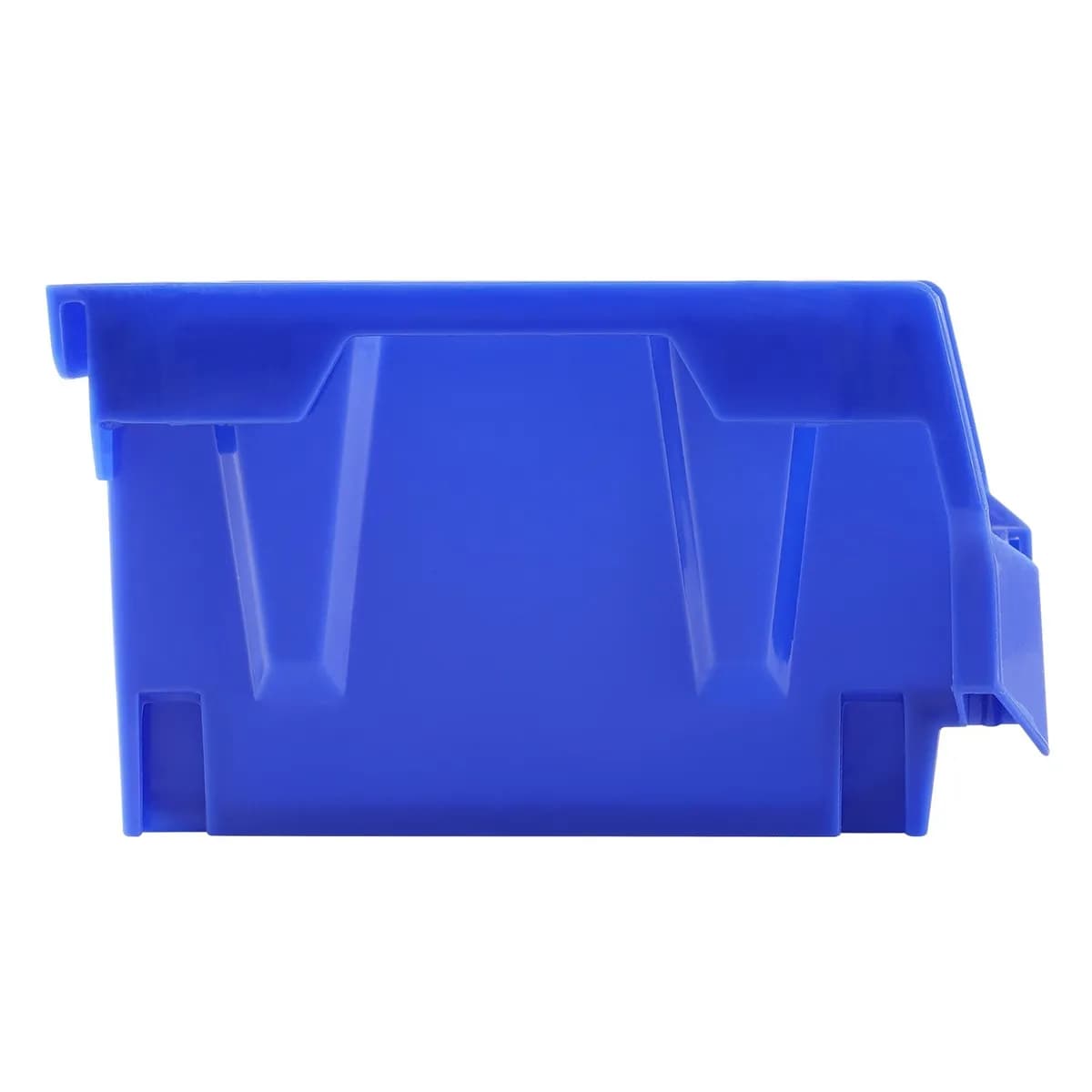
Clear storage is a crafter's best friend. When you can see what is inside without opening a bin, you save time and stay organized. Look for stackable containers in uniform sizes so they stack neatly without toppling. Opt for containers with secure-fitting lids to protect your supplies from dust.
The Sesoris shop carries a great range of storage containers and organization products perfectly suited for creative spaces. Pairing a consistent container system across your shelves creates a cohesive, tidy look that makes the whole room feel intentional.
Rolling Carts
A rolling cart with multiple drawers is a craft room game changer, especially in smaller spaces. You can wheel it right up to your worktable when you are actively crafting and tuck it away when you need more floor space. Use each drawer for a specific category and label the front so you always know what is inside without pulling it open.
Open Shelving
Open shelves give you maximum visibility and easy access to supplies you use frequently. The key to making open shelves look organized rather than cluttered is uniformity. Use matching bins, baskets, or containers across all the shelves so the eye reads it as a cohesive system rather than a jumble of mismatched containers.
Check out the Sesoris Collections page for storage solutions that work across open shelving setups, from woven baskets to modular drawer units.
Drawer Units
For supplies that look messy when displayed openly (think loose rubber bands, metal brads, tiny sticker sheets), shallow drawers with dividers are ideal. Craft-specific drawer units often have many narrow drawers designed exactly for this kind of small-item storage.
Step 4 - Set Up Your Craft Room Layout for Maximum Efficiency
Great craft room organization is not just about where things are stored. It is also about how the room is physically arranged so that your workflow makes sense.
Think about your workflow in zones:
Zone 1 - The Worktable: Your primary cutting, assembling, and crafting surface. Keep only active project supplies here. Everything else should have a home elsewhere in the room.
Zone 2 - The Cutting and Measuring Station: If you sew or work with large paper sheets, designate a spot specifically for measuring and cutting. A large cutting mat on a dedicated surface keeps this separate from your main worktable.
Zone 3 - The Storage Wall: This is where your shelves, pegboards, and drawer units live. Organize this wall so that the most-used supplies are at eye level and within easy reach, and less-used items are stored higher or lower.
Zone 4 - The Display and Inspiration Corner: Optional but powerful. A small section of wall or a pinboard where you post inspiration images, color swatches, and project ideas keeps your creative energy flowing.
For smaller craft spaces, you may need to combine zones. A wall-mounted fold-down table, for instance, can serve as both a worktable and a storage unit when folded up. Real Simple regularly features smart small-space craft room designs that combine zones beautifully without sacrificing function.
Step 5 - Label Everything in Your Craft Room
Labeling is the step that transforms a pretty storage system into a truly functional one. Labels do two critical things: they tell you where something lives, and they tell you where to put it back. That second part is what maintains the organization long-term.
You do not need a fancy label maker (though they are great). Here are some labeling methods that work well in craft rooms:
- Printed labels with a home printer and label sticker sheets offer a clean, uniform look
- Handwritten labels with a fine-tip permanent marker on kraft paper tags have a charming, artisanal feel that suits many craft room aesthetics
- Chalkboard labels allow you to change the label content as your storage needs evolve
- Photo labels work especially well for children's craft spaces or for people who prefer visual cues over text
Whatever method you choose, be consistent. All labels on a shelf should use the same format and font (or handwriting style). Consistency is what makes the system feel intentional.
Step 6 - Tackle Specific Craft Room Organization Challenges
Every crafter has that one category of supplies that defeats every organization system they try. Here are solutions to the most common craft room organization challenges:
Washi Tape and Ribbon
These two supplies are notoriously difficult to store because they unravel and tangle. The best solution for washi tape is a dedicated tape dispenser organizer or a dowel rod mounted horizontally so tapes slide on and off easily. For ribbon, a spool rack or a binder ring through the center of multiple spools keeps them tangle-free and visible.
Yarn and Thread
Yarn is bulky and yarn stashes tend to grow faster than the crafts that use them. Clear bins on open shelves organized by color create a visually stunning display that doubles as functional storage. For thread, a wall-mounted thread rack or a rotating bobbin organizer keeps spools visible and tangle-free.
Paint and Ink Pads
Ink pads stored flat can dry out unevenly. Store them on their side (spine out, like books) in a storage box so the ink distributes evenly and you can read the label at a glance. For paint tubes and bottles, a tiered spice-rack style organizer works wonderfully, letting you see every color without having to dig.
Check out our guide to spice rack organization for tiered storage ideas that translate perfectly to craft paint collections.
Paper Scraps
Paper scraps are the bane of every crafter's existence. The key is a dedicated scrap bin with a strict size limit. If a scrap is smaller than a playing card, it goes in the recycling. If it is larger, it gets filed in the scrap bin by color. Set a rule: when the scrap bin is full, you use from it before buying new paper.
Stamps and Dies
Stamps and dies are expensive, small, and easy to lose. Store clear acrylic stamps in CD-style cases or photo albums (facing out so you can see the image). Store metal dies in magnetic sheets inside binders or CD cases. This system makes flipping through your collection genuinely enjoyable rather than frustrating.
Smart Tips to Maintain Your Craft Room Organization Long-Term
Getting organized is the easy part. Staying organized is where most people struggle. Here are practical maintenance habits that actually work:
- Implement the one-in, one-out rule. Every time you buy a new supply, use or donate an old one. This keeps your stash from ballooning out of control.
- Do a five-minute tidy at the end of every crafting session. Put tools away, cap your markers, return scissors to the pegboard. Five minutes of maintenance prevents hours of deep cleaning later.
- Schedule a quarterly review. Every three months, do a mini-declutter. Check for supplies that have expired (adhesives, certain paints), projects you abandoned, and categories that have grown too large for their designated storage.
- Never create a miscellaneous bin. A miscellaneous bin is where organization goes to die. If something does not have a category, create one or decide if you truly need to keep it.
- Only buy storage containers for supplies you already own. It is tempting to pre-buy bins in anticipation of future supplies, but empty bins create the illusion that you have room for more when you might not.
"The best craft room organization system is the one you will actually maintain. Start simple, stay consistent, and let the system evolve with your creative practice."
Best Products to Shop for Craft Room Organization in 2026
If you are ready to invest in some quality storage products, here are the categories worth spending on:
- Stackable clear bins with lids - the workhorse of any craft room storage system
- Adjustable-compartment organizers - perfect for beads, buttons, and small embellishments
- Rolling drawer carts - portable storage that moves with you as you work
- Pegboard with accessory kit - the most versatile wall-mounted tool storage solution
- Label maker or label sheets - an investment that pays off every single day
- Modular shelf units - build the configuration that fits your exact space
Browse the Sesoris Best Sellers collection for top-rated organization products, and check out New Arrivals for the latest additions to our home organization lineup.
For broader inspiration on how to organize your home beyond the craft room, the Sesoris blog covers everything from pantry setups to garage storage systems.
Related Products from Sesoris
If you want to turn this guide into a real setup, start with Stackable Storage Bins, 24 Pack and Pull-Out Cabinet Organizer, 17 in. Wide. For broader options, browse the Home & Decor collection so the article journey does not stop at reading only.
Our practical rule: choose one product that solves the main clutter problem first, then add supporting organizers only when the daily workflow is already clear. This keeps the shopping path useful, not pushy.
FAQ: Frequently Asked Questions About Craft Room Organization
Q: How do I organize a craft room when I have a very small space?
Think vertical. Wall-mounted pegboards, tall shelving units, and over-the-door organizers maximize storage without eating up your floor space. A fold-down wall-mounted table gives you a full work surface that folds flat when not in use. Even a well-organized closet can function as a compact craft station.
Q: What is the best way to store fabric in a craft room?
The most popular method is folding fabric into uniform rectangles and storing them vertically on open shelves, similar to how clothing is stored in the KonMari method. This keeps fabric visible, prevents wrinkling from being buried in a pile, and makes color selection a visual pleasure. For small scraps, a labeled bin sorted by color works well.
Q: Should I use open shelves or closed cabinets in my craft room?
Both have their place. Open shelves are best for supplies you use frequently and that look good displayed, like yarn, fabric, and neatly labeled bins. Closed cabinets are better for supplies that look messy, are light-sensitive (like some papers and dyes), or are rarely used. A combination of both gives you the flexibility to display what is pretty and hide what is not.
Q: How do I organize a craft room on a budget?
You do not need to spend a fortune. Start with what you have: shoeboxes, mason jars, and repurposed containers make excellent supply storage. A sheet of pegboard from a hardware store costs very little and delivers huge organizational value. Focus your budget on the storage solutions that solve your biggest pain points first, and add to the system over time.
Q: How often should I reorganize my craft room?
A full reorganization should not be necessary more than once every year or two if you maintain the system with regular five-minute tidying sessions and a quarterly review. The key is building habits that keep things in their place daily rather than letting clutter accumulate until a major overhaul is needed.
Q: What supplies do I actually need for craft room organization?
The essentials are clear bins or containers in uniform sizes, labels, a pegboard or wall-mounted storage, a rolling cart or drawer unit, and dedicated shelf space. You do not need every specialty organizer product on the market. Build your system around your specific crafts and supplies rather than buying a generic setup.
Conclusion: Your Best Craft Room Organization Starts Today
A beautifully organized craft room is not a luxury reserved for people with huge budgets or dedicated studios. With the right approach, strong craft room organization is achievable in any space, at any budget. The key is to start with a thorough declutter, categorize your supplies thoughtfully, choose storage products intentionally, and build daily habits that keep the system working.
In 2026, there are more smart, affordable, and stylish storage solutions available than ever before. Whether you are overhauling a full room or simply bringing order to a crafting corner, the strategies in this guide will get you there.
Ready to start? Explore the full range of home organization products at Sesoris and find everything you need to build a craft room that inspires you every single day. Live More Organized.
Liked this guide?
Get new organizing guides and the occasional new product by email. No spam, unsubscribe anytime.
Related articles
Explore more articles
- 30+ Best Lego Storage Ideas to Tame the Brick Chaos in 2026
- Mail Organization Ideas for Paper Clutter
- Suitcase Packing Tips: The Ultimate 2026 Guide to Stress-Free Travel
- 25+ Best Car Organization Ideas to Keep Your Vehicle Tidy in 2026
- 25+ Best Under Bathroom Sink Organization Ideas to Maximize Every Inch in 2026
- 25+ Best Toy Storage Ideas for Small Spaces to Keep Your Home Tidy in 2026
- 30+ Best Pantry Organization Ideas to Transform Your Kitchen Storage in 2026
- 25+ Best DIY Garage Storage Ideas to Transform Your Space in 2026