
25+ Best Toy Storage Ideas for Small Spaces to Keep Your Home Tidy in 2026
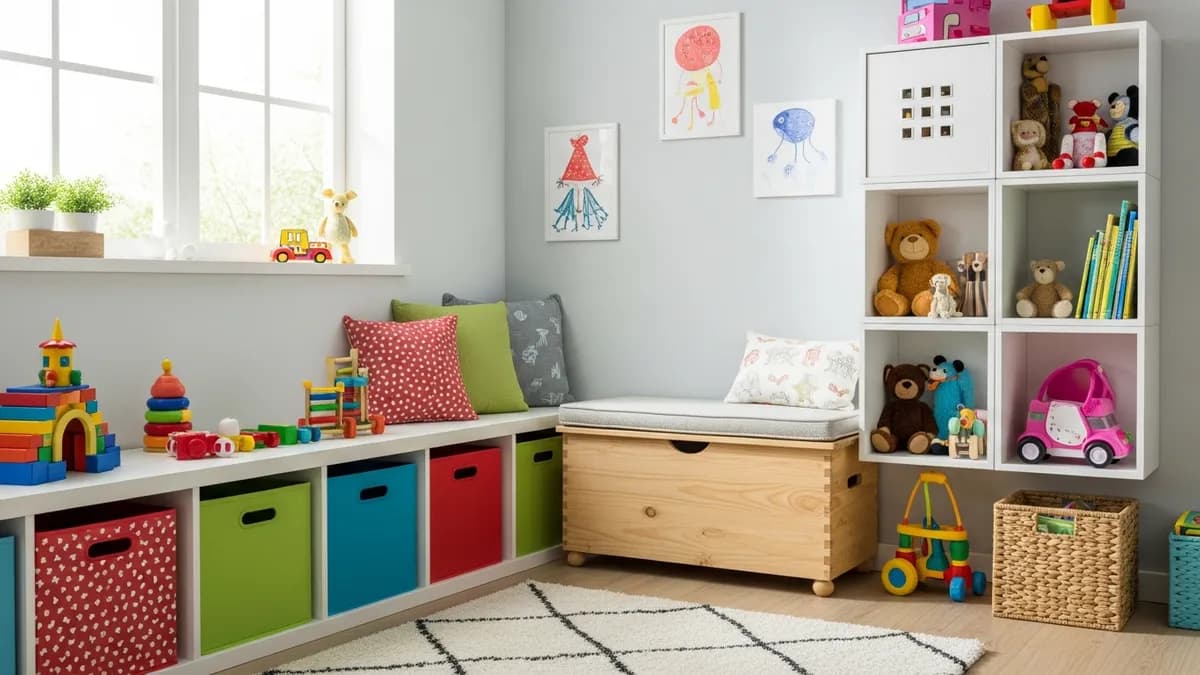
If you are a parent living in a smaller home, apartment, or condo, you already know the struggle: toys seem to multiply overnight, and before long, they take over every corner of the house. Finding practical toy storage ideas for small spaces is not just about keeping things tidy. It is about creating a calm, functional home where both kids and adults can breathe. The good news? You do not need a dedicated playroom or a huge budget to make it work. In 2026, there are more smart, stylish, and space-saving toy storage solutions than ever before, and I am going to walk you through the best ones right here.
Why Toy Storage Ideas for Small Spaces Matter More Than Ever
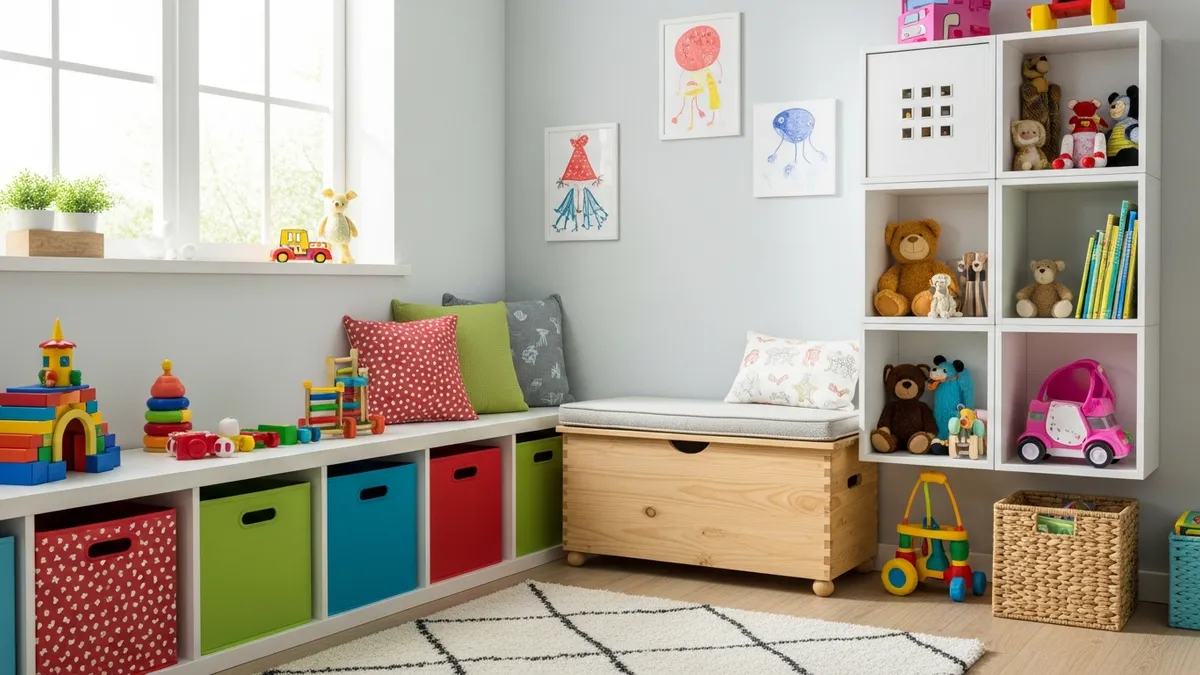
In many homes and apartments, living rooms double as play areas, bedroom corners become mini toy stations, and hallways sometimes hold overflow. Giving each toy category a designated home reduces the number of decisions required at cleanup time and makes the system easier for children and adults to follow.
The key to conquering toy clutter in a small space is combining three principles: going vertical, using multipurpose furniture, and keeping systems simple enough for kids to actually follow. Let's dig into the strategies that work best.
The Best Toy Storage Ideas for Small Spaces: Room by Room
1. Use a Low Bookshelf as a Toy Display and Storage Station
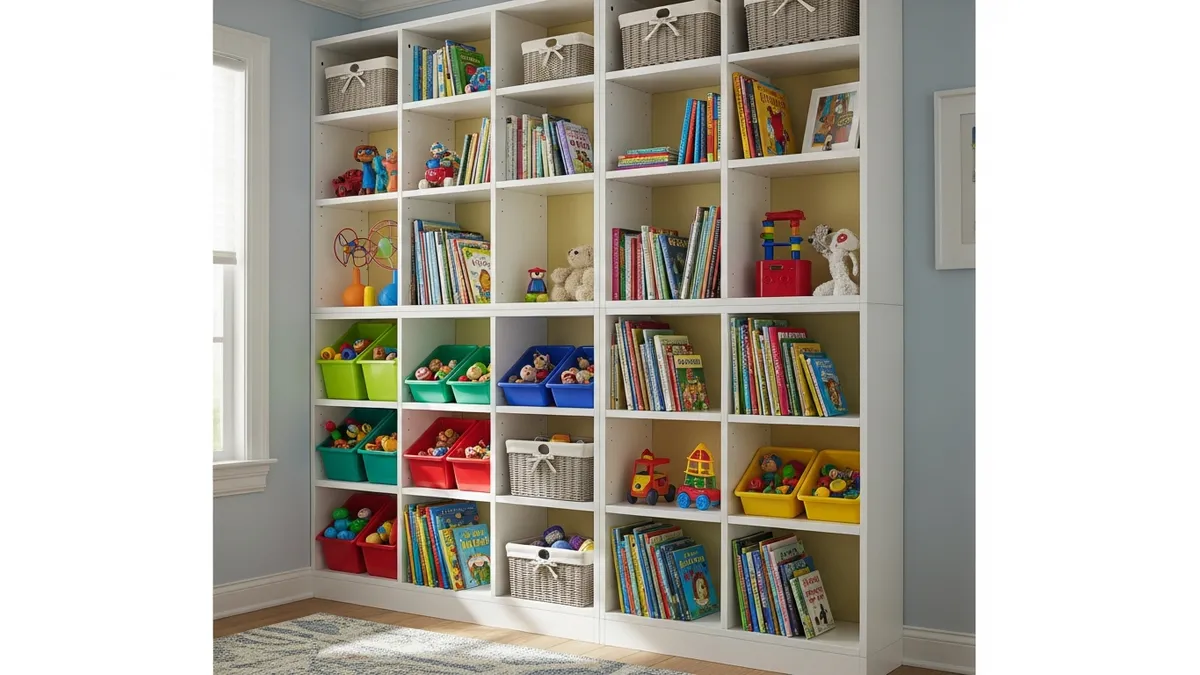
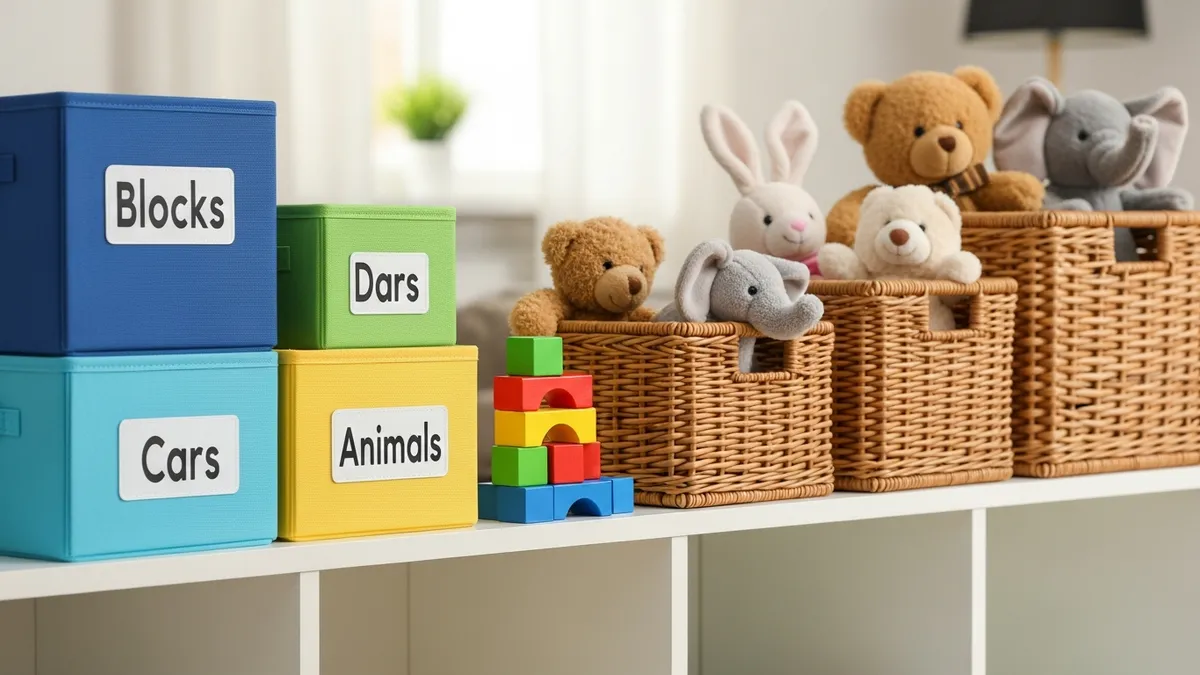
A low, open bookshelf is one of the most versatile toy storage ideas for small spaces. Place it along any wall in the living room, bedroom, or hallway. Use the shelves to hold labeled bins, baskets, or small tubs organized by toy category: one bin for building blocks, one for art supplies, one for action figures. Because the shelf is low enough for kids to reach, they can independently put things away, which is a huge win for maintaining tidiness throughout the day.
- Choose a shelf that is no taller than 36 inches so young children can reach every level safely.
- Use fabric bins in coordinating colors to keep the look cohesive and visually calm.
- Label each bin with a picture label for pre-readers so even toddlers know where things go.
2. Go Vertical With Wall-Mounted Shelves and Cubbies
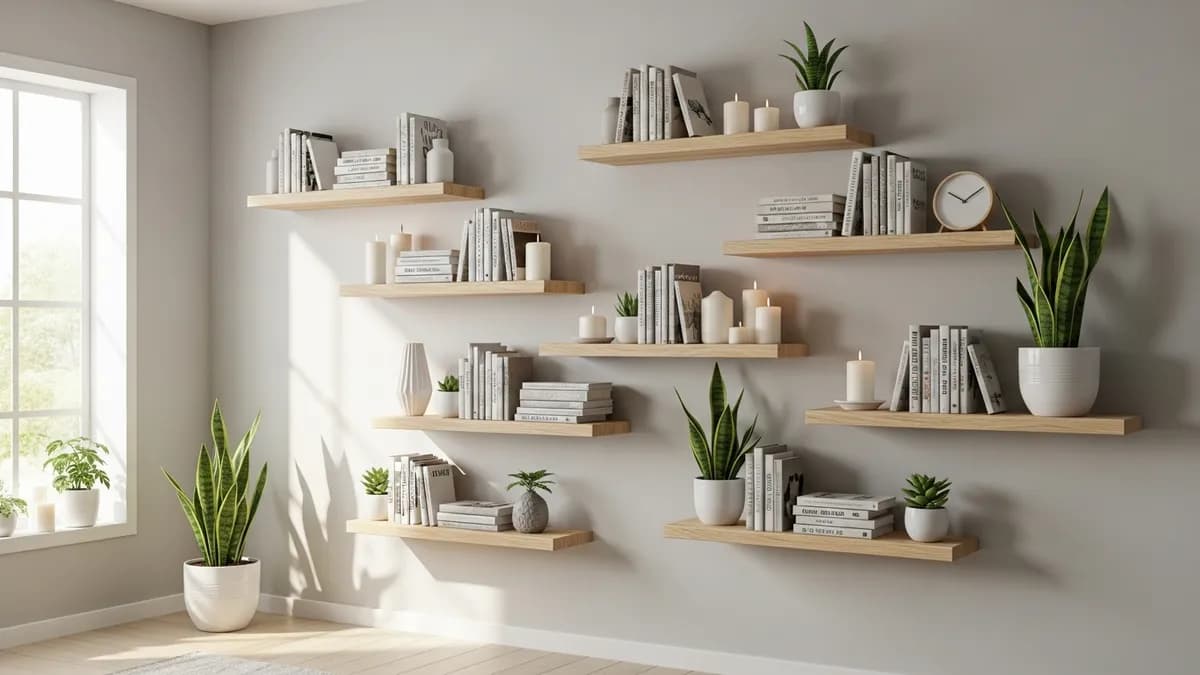
When floor space is at a premium, the walls become your best friends. Wall-mounted cubbies and floating shelves can hold toys without eating into your living area. Keep child-accessible items low, reserve higher shelves for adult-managed items, and compare room-specific toy storage layouts on Houzz before drilling.
- Install cubbies at least 12 inches deep to fit standard-sized bins comfortably.
- Use wall anchors rated for the weight of the bins plus their contents for safety.
- Mix closed bins with open cubbies to balance accessibility and a tidy appearance.
3. Choose a Storage Ottoman or Bench With Hidden Toy Storage
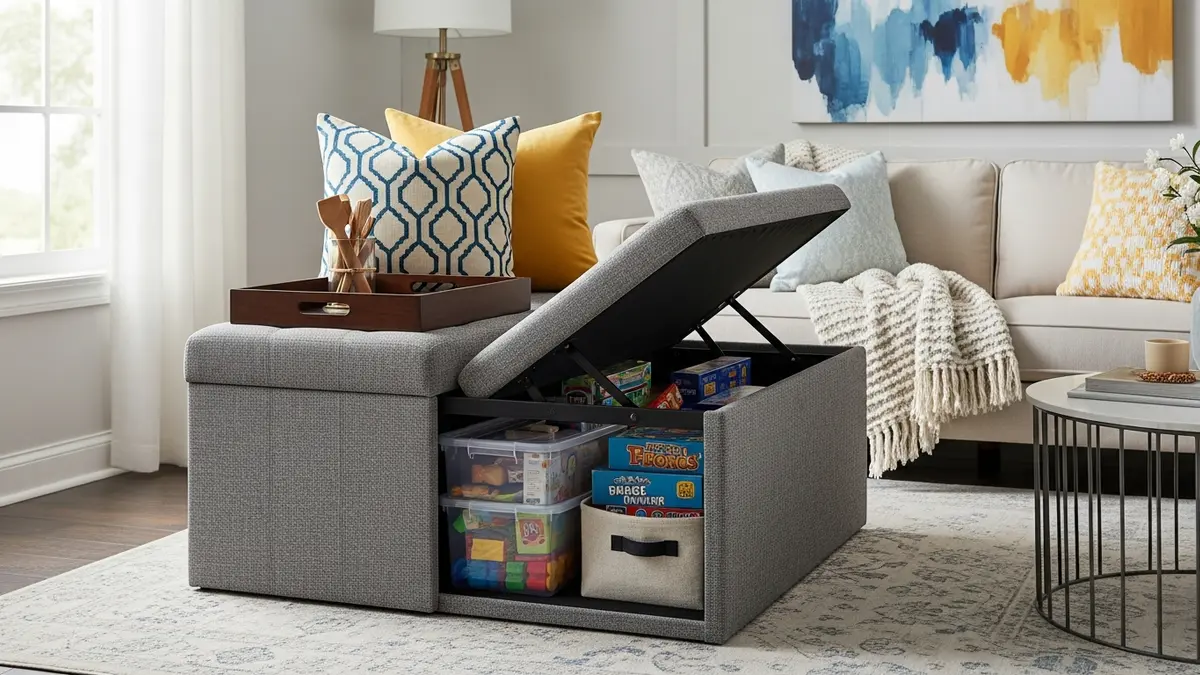
A storage ottoman or upholstered bench is one of the cleverest multipurpose furniture pieces you can invest in. It serves as seating for adults, a surface for kids to play on, and a hidden compartment for storing toys inside. In the living room, this keeps toys completely out of sight when company comes over. Look for ottomans that are at least 18 inches wide and 18 inches deep to maximize storage capacity.
A storage ottoman that holds toys inside is the ultimate two-in-one win for small living rooms: clean lines on the outside, total chaos contained on the inside.
4. Roll-Out Toy Bins Under the Bed
The space under a child's bed is often completely wasted. Roll-out storage bins or flat rolling drawers slide neatly underneath and can hold an enormous amount of toys, craft supplies, or board games. Look for bins with a clearance height that matches the gap under your specific bed frame, typically between 6 and 12 inches. This is especially effective in small bedrooms where every square foot counts.
- Measure the clearance height under the bed before purchasing bins.
- Choose bins with smooth-rolling casters so kids can pull them out easily.
- Use one bin per category: one for dress-up items, one for puzzles, one for art supplies.
5. Repurpose a Pegboard for Toy Organization
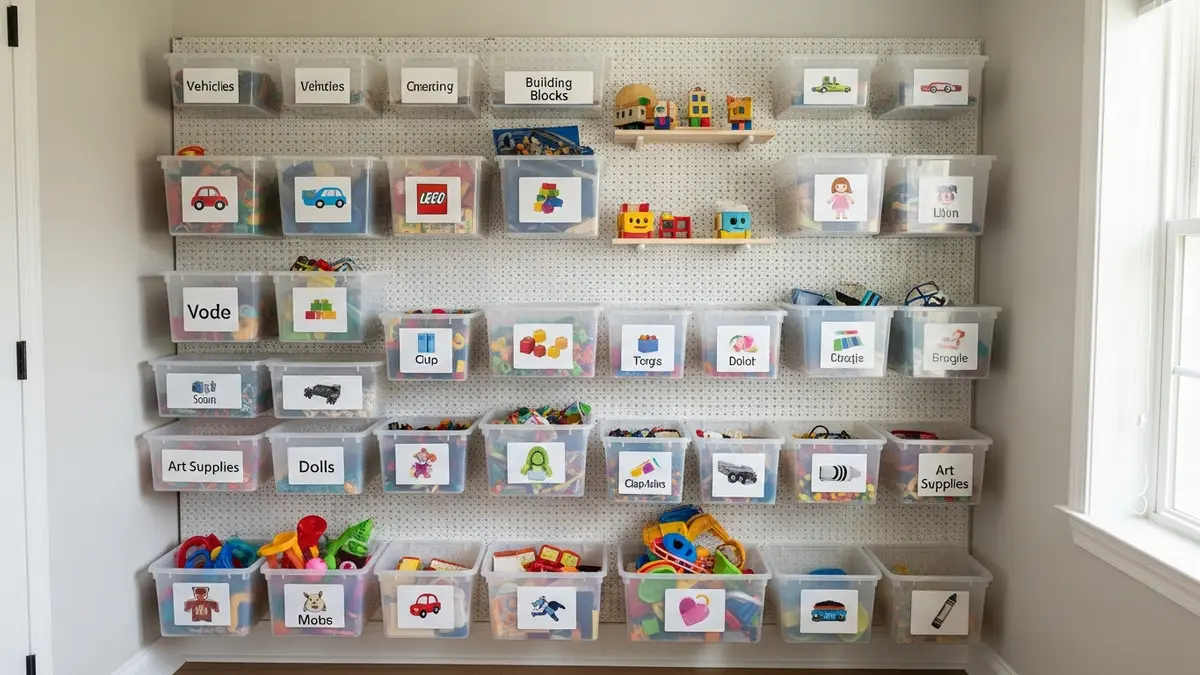
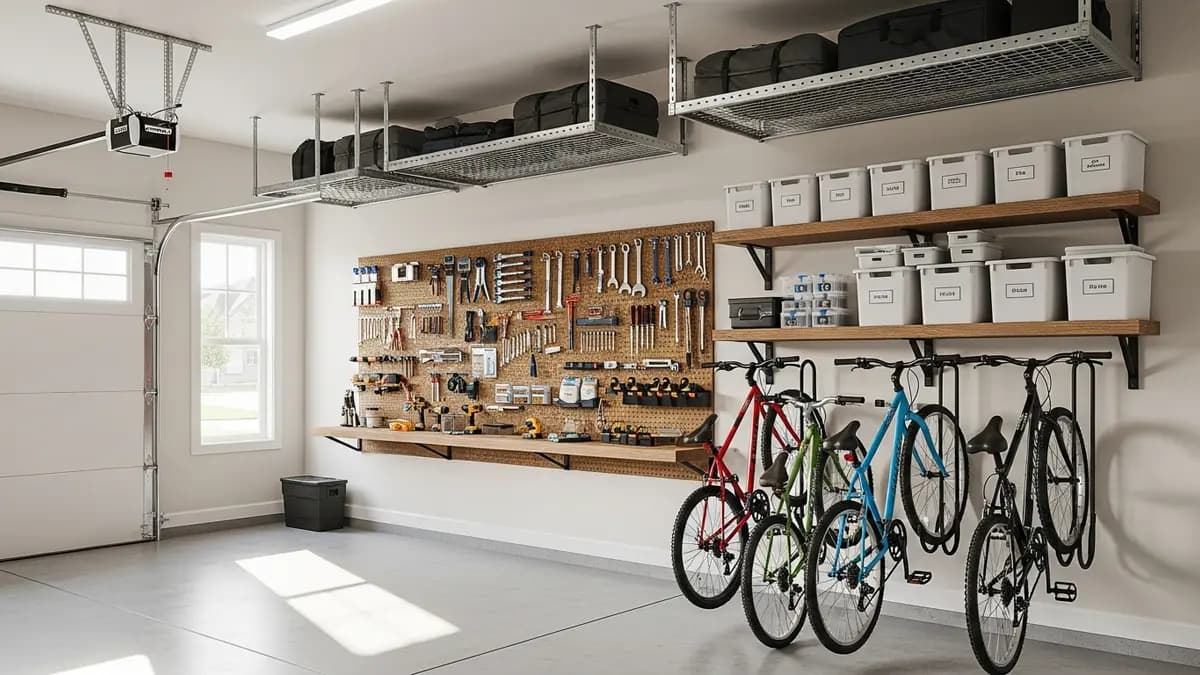
Pegboards are not just for garages and workshops anymore. Mounted on a bedroom or playroom wall, a pegboard with hooks, small baskets, and clear bins creates an organized, visible toy storage system that kids love. Because everything is visible at a glance, kids are more likely to put things back in the right spot. This system works especially well for smaller items like play figures, hair accessories for dolls, and small craft tools.
- Paint the pegboard in a color that matches the room for a polished, intentional look.
- Use brightly colored hooks and baskets to make the system fun and engaging for kids.
- Add a small ledge at the bottom of the pegboard to hold larger items like sketchbooks.
Smart Toy Storage Solutions That Double as Decor
One of the biggest complaints parents have about toy storage is that it makes a room look like a daycare center rather than a home. The good news is that in 2026, the best toy storage ideas for small spaces are designed to blend seamlessly with adult decor.
6. Wicker and Rattan Baskets
Natural wicker or rattan baskets are endlessly popular for a reason. They look beautiful in any room, they are sturdy enough to hold a serious amount of toys, and they are easy to move around. Place two or three large baskets near the sofa, beside a bookshelf, or in a corner, and toss soft toys, stuffed animals, and balls inside. Guests see charming home decor; you know it is a toy storage system in disguise.
7. Cube Storage Units as Room Dividers
A cube storage unit, typically available in configurations like 2x4 or 3x3 cubes, is one of the most flexible toy storage ideas for small spaces out there. Use it as a room divider between a sleeping area and a play area in a studio or one-bedroom apartment. Fill some cubes with matching fabric bins for toys, leave some open for books and display items, and the unit becomes a functional, attractive focal point.
- Standard cube storage units are usually 11 to 13 inches deep, fitting most standard fabric bins.
- Anchor cube shelving to the wall to prevent tipping, especially with young children in the home.
- Use a consistent bin style in two or three colors to keep the look cohesive.
8. Toy Chests and Benches at the Entryway
A wooden toy chest or a storage bench at the entryway does double duty as a place to sit while putting on shoes and as a hidden toy storage zone. Kids can quickly toss toys in at the end of the day during a speedy pickup routine, keeping the living areas clear. Look for chests with a slow-close lid hinge for safety, especially for younger children.
9. Hanging Fabric Organizers on the Back of Doors
The back of a closet door, bedroom door, or even a pantry door is prime real estate for toy storage. Hanging fabric organizers with deep pockets can hold a surprising amount of small toys, art supplies, toy cars, and small dolls. This is one of the most budget-friendly toy storage ideas for small spaces because good-quality over-the-door organizers are widely available at very accessible price points.
- Look for organizers with at least 12 pockets for maximum capacity.
- Choose clear pockets so kids can spot what they need without dumping everything out.
- Reinforce the hooks with felt pads to protect door finishes.
Budget-Friendly Toy Storage Ideas for Small Spaces
You do not have to spend a fortune to get your toy situation under control. Some of the most effective small-space toy storage solutions cost very little and rely more on creativity than cash.
10. Repurpose Laundry Baskets
Large laundry baskets work perfectly as quick-access toy bins, especially for oversized stuffed animals, balls, and bulky toys. Keep one or two in the living room or kids' bedroom. They are lightweight, easy to move, and look completely intentional when styled with a natural fiber or graphic print.
11. Use Clear Shoebox-Sized Containers With Lids
Clear stackable containers in a shoebox size are perfect for organizing small toy sets like LEGO bricks, puzzle pieces, or game components. Stack them on a shelf, inside a cube, or under the bed. Because they are clear, kids (and parents) can immediately see what is inside without opening every single box. You can find a great selection of stackable organizer containers at Sesoris.
12. A Simple Tension Rod Under the Sink or in a Cabinet
If you have a bathroom or kitchen cabinet with unused vertical space, a tension rod mounted horizontally can create a hanging zone for small spray bottles or mesh bags holding bath toys. This keeps bath toys off the floor of the tub and away from mildew.
13. Repurpose a Wine Rack for Ball Storage
A simple wood or metal wine rack placed near the back door or in a mudroom makes a surprisingly effective holder for sports balls: soccer balls, basketballs, and footballs slide right into the individual slots and stay put. This keeps balls from rolling underfoot and makes them easy to grab on the way out to the yard.
14. DIY Crate Shelving
Wooden crates secured to wall framing can create rustic shelving for toy storage. Plan the layout on the floor first, keep heavy items in the lowest crates, and follow fastener load ratings rather than relying on the crate stack for stability. For visual variations, browse toy crate storage examples on Pinterest.
Creating a Toy Rotation System for Small Spaces
One of the most underrated strategies for managing toys in a small home is a toy rotation system. Instead of having all toys accessible at once, you keep only a portion out at any given time and store the rest in labeled bins in a closet or under a bed. Every few weeks, you swap the active toys for the stored ones. This approach has several real benefits:
- Kids engage more deeply and creatively with fewer toys at a time.
- Cleanup takes a fraction of the time when there are fewer items to put away.
- Stored toys feel brand new again when they are rotated back in, reducing the urge to buy more.
- The entire living space feels calmer and less visually overwhelming for everyone.
- You can honestly assess which toys kids have genuinely outgrown during rotation, making donation decisions easier.
A small controlled study published in Infant Behavior and Development found that toddlers played with each toy for longer and in more varied ways when four toys were available instead of sixteen. The study was limited to 36 toddlers in a laboratory setting, so use it as a reason to test a smaller active selection, not as a universal rule for every child.
Tips for Getting Kids Involved in Toy Storage
The best toy storage system in the world will fail if kids are not on board with using it. Here is how to build a system that kids will actually participate in maintaining:
Make It Visual
Picture labels on bins are non-negotiable for young children. Even toddlers as young as two can learn to match a toy to a picture label. Use simple, clear images either printed from your computer or drawn by hand.
Keep It at Their Level
Every storage solution should be within comfortable reach for the children who will use it. If a bin is too high or too heavy, kids simply will not bother. Store the most-used toys at the lowest, most accessible level.
Use the One-In-One-Out Rule
When a new toy comes into the home, one goes out. This rule, consistently applied, prevents the slow accumulation of toys that outpaces your storage solutions over time. Involve kids in choosing which toy to donate, which also builds empathy and generosity.
Make Cleanup a Game
Set a timer for five minutes and challenge kids to beat the clock putting toys away. Play a cleanup song. Make it a race. When cleanup feels like play, kids are far more willing to participate.
Choosing the Right Products for Toy Storage in Small Spaces
When shopping for toy storage products, a few key factors make the biggest difference in small spaces:
- Stackability: Products that stack save vertical space and keep the floor clear.
- Durability: Kids are hard on storage products. Look for reinforced stitching on fabric bins and thick-walled construction on plastic containers.
- Washability: Fabric bins that are machine washable are far more practical in a family home.
- Modularity: Systems that can grow and be reconfigured as your family's needs change offer the best long-term value.
- Visual cohesion: Choosing storage products in a consistent style and color palette makes even a small, busy space look intentional and calm.
Browsing the Sesoris collections is a great starting point if you are looking for home organization products that are practical, stylish, and designed for real family life. You can also check the Sesoris best sellers for the most popular picks among other families tackling the same organizational challenges.
Related Products from Sesoris
If you want to turn this guide into a real setup, start with Foldable Storage Bins and Floating Wall Shelf Set. For broader options, browse the Home & Decor collection so the article journey does not stop at reading only.
Our practical rule: choose one product that solves the main clutter problem first, then add supporting organizers only when the daily workflow is already clear. This keeps the shopping path useful, not pushy.
FAQ: Frequently Asked Questions About Toy Storage Ideas for Small Spaces
Q: What is the single best toy storage idea for a very small living room?
The single best solution is a storage ottoman. It serves as a coffee table or extra seating, and the interior holds a significant amount of toys. When guests arrive, toys disappear out of sight instantly with zero effort. It is the most seamless integration of toy storage into adult living space.
Q: How do I store large toys like ride-on toys or play kitchens in a small space?
Large toys require strategic placement. Consider keeping ride-on toys or play kitchens in a dedicated corner and using a tension rod with a curtain panel to screen them off when not in use. Alternatively, a folding screen or bookshelf can act as a visual divider between the play zone and the rest of the room.
Q: How many toy storage bins do I actually need?
Start with fewer bins than you think you need, then add as necessary. A good rule of thumb is one bin per major toy category: building toys, figures and dolls, art supplies, vehicles, and soft toys. Most families with young children do well with five to eight bins total for active toys.
Q: How do I prevent toy storage bins from looking messy and overstuffed?
The solution is always the same: reduce the quantity of toys before you focus on storage. No amount of stylish bins will tame an excess of toys. Do a regular purge of broken, outgrown, or unloved toys, then organize what remains. A half-full bin is always neater than an overflowing one.
Q: Are clear bins or opaque bins better for toy storage?
Clear bins work best for small items like LEGO bricks, craft supplies, and puzzle pieces because you can see the contents immediately. Opaque bins work well for categories that do not need to be visually identified quickly, like stuffed animals or dress-up clothes. A combination of both tends to work best in most homes.
Conclusion: Finding the Right Toy Storage Ideas for Small Spaces in 2026
Living in a smaller home does not mean resigning yourself to permanent toy chaos. With the right toy storage ideas for small spaces, you can create a home that works beautifully for both kids and adults, one where toys have a place, cleanup is manageable, and the living space feels calm rather than cluttered. The key is to combine vertical storage, multipurpose furniture, consistent labeling, and a realistic toy rotation system into a plan that fits your family's real daily life.
Start with one room, one system, and build from there. Even small changes like adding a few labeled bins or swapping a coffee table for a storage ottoman can make a dramatic difference in how a small space feels day to day. Explore the full range of home organization products at Sesoris to find the storage tools that will help your family live more organized in 2026 and beyond. You can also check out new arrivals at Sesoris for the latest home organization solutions designed with small spaces in mind.
Weekly Home Tips
Get home organization ideas, product picks, and exclusive deals delivered weekly.
No spam. Unsubscribe anytime.
Explore More Articles
- Productive WFH Setup for a Small Minimalist Home
- 30+ Best Closet Storage and Organization Ideas to Transform Your Wardrobe in 2026
- Refrigerator Organizer: How to Arrange Your Fridge Neatly and Save Electricity
- Multi-Purpose Spice Racks: Ultimate Guide to Versatile Kitchen Storage Solutions in 2026
- Stove Cabinet: Integrated Design Solutions for Organized Kitchens
- Kitchen Spice Rack Guide: Best Organization Solutions 2026
- Small Dish Racks: Perfect Solutions for Compact Kitchens 2026
- Stainless Steel Racks: Long-Term Investment for Home Organization