
Mail Organization Ideas for Paper Clutter
Tame paper clutter for good. Separate incoming, urgent, filed, and recycled mail so entryways and home offices stay under control.

If you've ever walked into your home to find a pile of envelopes, catalogs, and bills spilling off the counter, you are absolutely not alone. Mail clutter is one of the most persistent organization challenges American households face, and without a solid system in place, it piles up faster than you can deal with it. The good news is that the right mail organization ideas can completely transform how your home handles incoming paper, turning a stress-inducing pile into a streamlined, manageable system. Whether you have a dedicated home office, a small entryway, or just a kitchen counter that keeps attracting paper, this guide has a solution for you.
Why Mail Organization Ideas Matter for Every Home
Mail clutter is more than just an eyesore. Buried bills can lead to missed due dates. Lost invitations mean missed events. Important documents mixed in with junk mail create unnecessary stress. According to IKEA's home storage guide, paper clutter is consistently ranked among the top sources of household disorganization, and mail is a major contributor. When you have a clear, dedicated system for handling incoming mail the moment it comes through your door, you reclaim both physical space and mental clarity.
The best mail organization systems share a few key traits. They are easy to maintain, clearly labeled, positioned in a logical location, and they separate action items from things that just need to be filed or recycled. You don't need a sprawling home office or an expensive overhaul. You just need the right tools placed in the right spots.
The First Step: Sort Mail the Moment It Arrives
Every strong mail organization system begins at the door. The single most powerful habit you can build is sorting mail immediately rather than setting it down and walking away. Designate a landing zone, ideally near your front door or in your kitchen, where mail goes first. From there, split everything into three categories:
- Action Required - bills to pay, forms to fill out, RSVPs to send
- To File - statements, receipts, or documents you need to keep
- Recycle or Shred - junk mail, catalogs you don't need, and old envelopes
Doing this quick sort every single day prevents the backlog that makes mail feel overwhelming. It takes less than two minutes and makes every other mail organization idea on this list actually work.
The best mail system is the one you will actually use every day. Start simple, stay consistent, and build from there.
25+ Practical Mail Organization Ideas You Can Try Right Now
1. Use a Multi-Slot Wall-Mounted Organizer
A wall-mounted mail organizer with several labeled pockets is one of the most popular and effective mail organization ideas available. Mount it near your front door or in a hallway so you can drop letters in the right slot the moment you walk in. Label each slot clearly: Bills, To File, Magazines, Outgoing, and Kids' School Papers are common categories.
2. Set Up a Tiered Letter Tray on Your Desk
For those who prefer to deal with mail at their desk, a two- or three-tier letter tray is a classic solution. Use the top tray as an inbox for new mail and the lower trays for items that are in progress or ready to file. This keeps your workspace clear while keeping important papers visible.
3. Create a Command Center in Your Entryway
A full entryway command center combines mail sorting with other household essentials. You might include a wall-mounted mail sorter, a small corkboard for pinned reminders, hooks for keys, and a shelf for bags. This all-in-one approach is especially useful for busy families. Check out our guide to entryway wall organization for more ideas on building one from scratch.
4. Label Everything Clearly
No matter what physical system you choose, clear labels are what make it function. Use a label maker or printed tags to identify every tray, basket, and folder. When every family member knows exactly where mail goes and where to find it, the system runs on autopilot. Our label organizer guide covers everything you need to know about setting up an effective labeling system at home.
5. Add a Small Paper Shredder to Your Mail Station
Place a compact cross-cut shredder right next to where you sort mail. The moment you identify junk mail or documents with sensitive information, shred them immediately instead of letting them pile up. This one habit eliminates a massive portion of mail clutter almost instantly.
6. Use a Magazine File Box for Catalogs
If you receive regular catalogs or publications you actually want to read, give them a dedicated home. A upright magazine file box keeps them neatly contained and prevents them from spreading across every flat surface in your home. Keep only the most recent edition of each catalog and recycle last month's as soon as the new one arrives.
7. Designate an Outgoing Mail Spot
One of the most overlooked mail organization ideas is having a clear, dedicated spot for outgoing mail. A small tray, a labeled basket near the door, or even a hook with a clip for envelopes works well. When you know exactly where to put things that need to go out, you won't lose return payments or bills that need to be mailed.
8. Go Paperless Where Possible
One of the most underrated mail organization ideas is simply reducing how much physical mail you receive. Sign up for e-statements with your bank, utility providers, and credit card companies. Unsubscribe from catalogs you don't want using services like CatalogChoice. Less mail coming in means less to organize.
9. Use Color-Coded Folders for Pending Mail
Assign a color to each category of mail that requires action. Red folders for bills due this week, green for items to review by end of month, and blue for things waiting on a response from someone else. Color coding adds a visual shortcut that makes it faster to grab what you need without reading every label.
10. Try a Repurposed Basket on a Console Table
You don't need to buy a specialized product to have great mail organization. A small decorative basket placed on a console table or kitchen shelf works beautifully as a temporary mail landing zone, especially in homes where wall mounting isn't practical. Just be sure to empty and sort it regularly.
11. Set Up a Bill Pay Station
Keep a dedicated small caddy near your mail station stocked with stamps, return address labels, envelopes, a pen, and a calculator. When everything you need to pay a bill is in one spot, the task stops feeling like a production and becomes a two-minute job.
12. Use a Clipboard for Action Items
A simple clipboard mounted on the wall or propped on a countertop is an underestimated tool for mail management. Use it to clip the one or two things that need your attention this week. The visual reminder keeps important action items from getting buried under newer mail.
13. Sort by Person in a Multi-Person Household
If you share a home with a partner, roommates, or older kids who receive their own mail, give everyone their own labeled section. A wall organizer with individual pockets or a row of separate labeled baskets ensures each person's mail stays separate and easy to find.
14. Add a Small Corkboard for Important Notices
Invitations, school permission slips, utility shut-off notices, and event reminders deserve a spot where they won't get buried. A small corkboard pinned near your mail station keeps time-sensitive documents visible until they're dealt with.
15. Build a Filing System for Documents You Keep
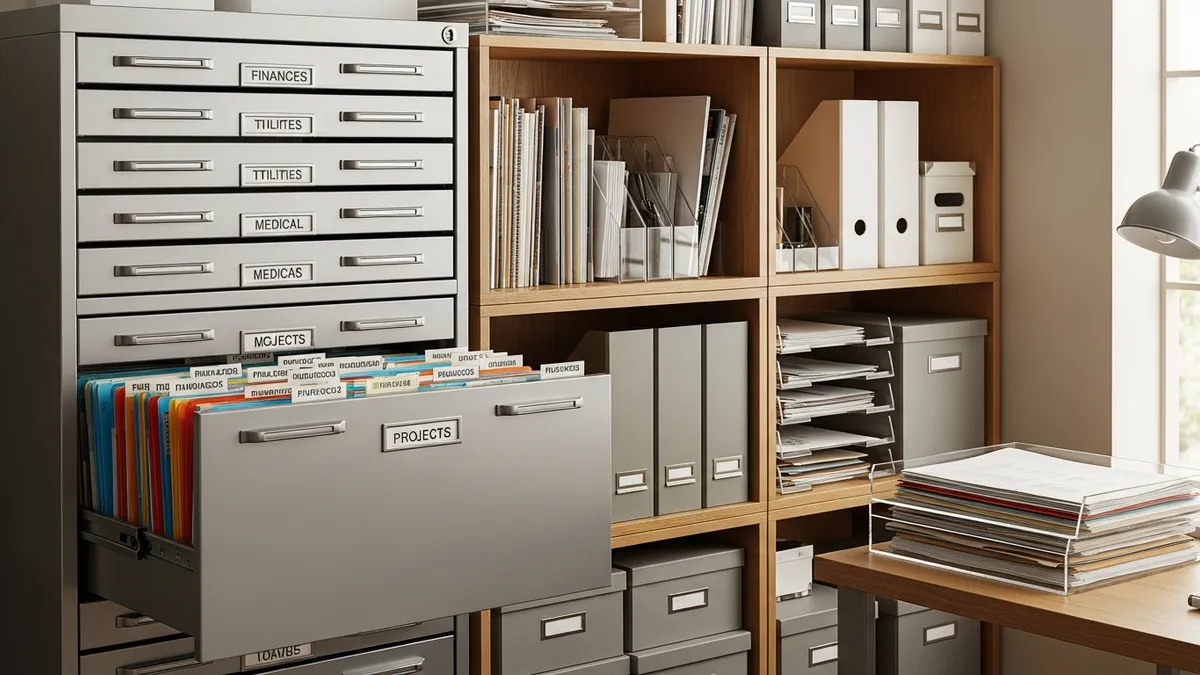
For mail that needs to be saved, a simple accordion folder or a small file box with hanging folders is essential. Label sections by category: Insurance, Medical, Auto, Home, Taxes, and Warranties. Once a month, move filed mail from your temporary inbox into your permanent filing system.
16. Use a Clear Acrylic Organizer on Your Desk
For home offices, a clear acrylic letter tray or wall pocket lets you see exactly what's in each slot without having to dig through papers. Visibility is a major advantage when you're busy and just need a quick glance to know what's pending.
17. Schedule a Weekly Mail Date
Even with a great physical system, mail still needs to be processed regularly. Pick one day each week, Sunday evenings work well for many people, to sit down with your mail, pay bills, respond to anything pending, and file or recycle what's been handled. Putting it on your calendar makes it a habit rather than a chore you keep avoiding.
18. Keep a Recycle Bin Right at Your Mail Station
The closer the recycle bin is to where you sort mail, the more likely you are to use it immediately. Position a small bin or slim trash can directly next to your mail station so junk mail never gets a chance to sit on a surface.
19. Mount a Small Shelf in Your Entryway for Mail
A simple floating shelf mounted near your front door creates a dedicated landing zone for mail without taking up floor space. Pair it with a small basket or two for different categories and you have a clean, functional mail station that also looks great. For more floating shelf inspiration, take a look at our entryway closet organization ideas.
20. Try a Hanging Door Organizer
The back of a door in your entryway, home office, or kitchen can be a surprisingly useful spot for mail organization. A hanging over-the-door organizer with clear pockets or fabric slots adds storage without using any wall or counter space.
21. Use a Chalkboard or Dry-Erase Board for Reminders
Pair your mail station with a small chalkboard or dry-erase board where you can jot due dates, event dates pulled from invitation mail, or reminders to follow up on something. This bridges your physical mail system with your to-do routine.
22. Invest in a Stackable Tray System for Growing Needs
If your household generates a significant volume of paper, a stackable modular tray system lets you start small and add more tiers as needed. Many stackable tray sets come with up to five tiers and are available in finishes from matte black to warm bamboo, so they can look intentional on any desk or shelf.
23. Use a Decorative Wooden Tray on a Side Table
For living rooms or entryways where you want mail storage that doesn't look like mail storage, a decorative wooden tray corrals envelopes and papers while blending into your decor. Style it with a small candle or plant to make it look curated rather than functional.
24. Try a Pegboard System for a Rental-Friendly Option
If you can't put holes in your walls, a freestanding pegboard leaned against the wall offers flexibility. Add hooks, small bins, and clip-on organizers to create a custom mail and paper management station that you can take with you when you move.
25. Go Digital with a Scanning System
For those who want to minimize physical paper altogether, a compact document scanner lets you digitize important mail and store it in organized folders on your computer or cloud storage. You get the security of keeping records without the physical clutter. This pairs perfectly with a more aggressive approach to going paperless on incoming mail.
26. Add a Small Plant or Decorative Element to Your Station
This might seem like a style tip rather than a function tip, but it matters. When your mail station looks attractive, you're far more likely to use it consistently. A small succulent, a framed print, or a pretty pen cup makes the area feel intentional and inviting rather than like a dumping ground.
The Best Spots in Your Home for a Mail Organization Station
Location matters just as much as the system itself. Here are the most effective spots to set up your mail organization station:
- Front entryway or foyer - This is ideal because it intercepts mail before it ever enters the main living area. A console table, wall-mounted organizer, or floating shelf works perfectly here.
- Kitchen counter corner - Many Americans naturally drop mail in the kitchen. If that's your habit, work with it by placing a small organized station right where mail tends to land.
- Home office desk - If you handle most paperwork at your desk, a tiered tray system here makes sense. You'll process mail in the same place you pay bills and file documents. Pair this zone with our home office desk organization guide and home and office organization guide.
- Mudroom or laundry room - Homes with a mudroom entry can integrate mail sorting into the drop zone alongside keys, shoes, and bags for a comprehensive arrival routine.
- Hallway wall - A narrow hallway between your entry and living area can accommodate a slim wall-mounted organizer without taking up any floor space.
For additional inspiration on organizing your entry areas, IKEA's storage guide offers a wealth of expert tips for real-life American homes.
Products That Make Mail Organization Ideas Work Better
The right tools make all the difference. Here are product types to look for when building your mail system:
- Tiered letter trays - Stackable designs in metal, acrylic, or wood suit most home office and kitchen setups. Look for trays at least 9 inches wide to fit standard letter-size envelopes comfortably.
- Wall-mounted mail organizers - Multi-pocket fabric or metal organizers are ideal for entryways. Choose one with at least three to four slots for meaningful categorization.
- Accordion folders - These portable folding files are excellent for mail that needs to be sorted but not yet filed permanently. They fold flat when not in use.
- Magazine file boxes - Upright boxes keep catalogs and periodicals contained. Look for sets so all your boxes match for a cleaner look.
- Label makers or printed label sets - Clear, consistent labels are what transform a collection of bins and trays into an actual system.
- Small desktop caddies - A multi-compartment caddy near your mail station holds stamps, pens, return address labels, and envelopes so bill-paying requires zero hunting.
You can browse home organization products that support a great mail station at Sesoris, where you'll find a range of home organization essentials suited for every room in your home.
For deeper inspiration on visual organization setups, Pinterest's home organization boards are an excellent resource for seeing real-life mail stations in action.
Common Mail Organization Mistakes to Avoid
Even with great intentions, a few common mistakes can derail your mail organization system:
- Setting up your station too far from where mail actually arrives. If your mail station is in your home office but mail comes through the front door, you'll never walk all the way there with it. Put the station where the mail lands.
- Creating too many categories. A system with ten different slots is harder to maintain than one with three or four. Start simple and add categories only if you genuinely need them.
- Not processing the station regularly. Even the best physical setup becomes useless if you let mail stack up in the trays for weeks. Commit to a weekly processing session.
- Ignoring digital mail reduction. If your physical mailbox is overflowing, tackling the volume at the source by unsubscribing from catalogs and switching to e-statements makes every other mail organization idea more effective.
- Skipping the shred step. Documents with your name, address, account numbers, or Social Security information should be shredded rather than recycled as-is. Skipping this step creates a security risk.
A useful rule from IKEA's storage ideas is to treat your inbox as temporary, not permanent, so every piece gets a next action before it can pile up.
Related Products from Sesoris
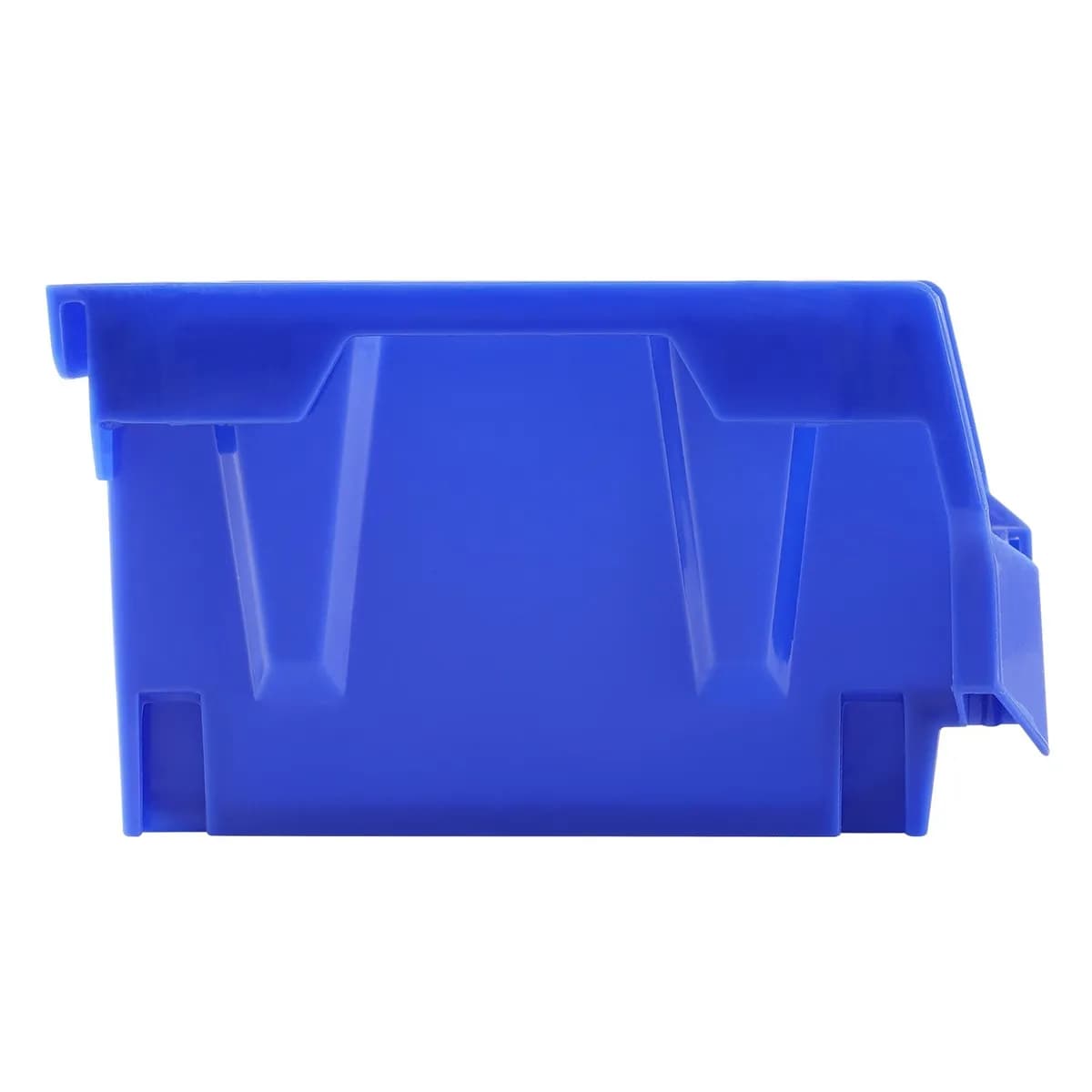
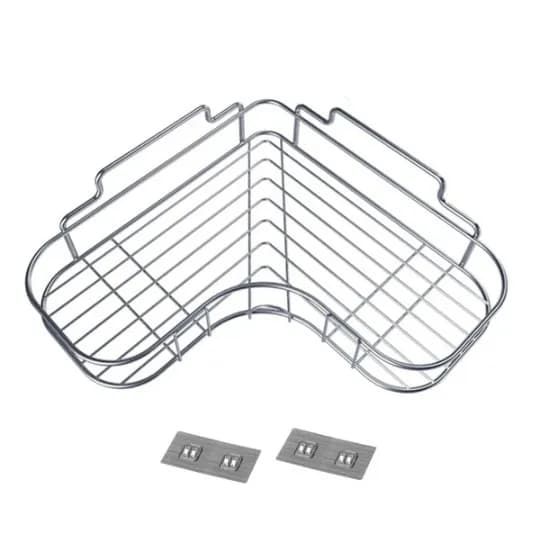
If you want to turn this guide into a real setup, start with Stackable Storage Bins, 24 Pack and Pull-Out Cabinet Organizer, 17 in. Wide. For broader options, browse the Home & Decor collection so the article journey does not stop at reading only.
Our practical rule: choose one product that solves the main clutter problem first, then add supporting organizers only when the daily workflow is already clear. This keeps the shopping path useful, not pushy.
FAQ: Mail Organization Ideas
Q: What is the best way to organize mail at home?
The best approach combines a physical sorting station at your mail landing zone with a consistent daily habit of sorting mail into action, file, and recycle categories the moment it arrives. Use labeled trays or wall pockets to keep categories separate, and schedule a weekly time to process anything that needs action.
Q: How do I stop mail from piling up?
The most effective way to stop mail pile-up is to handle each piece of mail immediately when you bring it inside rather than setting it down for later. Pair this with a commitment to going paperless on as many accounts as possible to reduce the volume of physical mail you receive each week.
Q: What should I keep versus shred when organizing mail?
Keep tax documents for at least seven years, insurance policies for the life of the policy, property records, and medical documents. Shred anything with personal identifying information like old bank statements, credit card offers, and utility bills once you've verified they're paid and recorded. Most routine mail like catalogs and generic marketing should go straight to recycling.
Q: Where is the best place to put a mail organizer in a small home?
In a small home, the best location is wherever mail naturally lands, which is usually the front entryway or kitchen counter. A wall-mounted organizer is ideal because it adds storage without taking up any surface or floor space. A slim over-the-door organizer is another great small-home option.
Q: How do I organize mail for multiple people in one household?
Use a wall organizer or row of labeled baskets with one dedicated section per person. Color coding by household member can make it even faster to sort at a glance. Each person should be responsible for processing their own section regularly.
Conclusion: Start Your Best Mail Organization System in 2026
Dealing with paper clutter doesn't have to be an ongoing battle. With the right mail organization ideas in place, you can go from a chaotic pile of envelopes to a clean, calm, and completely manageable system that actually works for your household. The key is choosing a setup that fits where mail naturally arrives in your home, keeping your categories simple and clearly labeled, and committing to a regular habit of sorting and processing. Whether you start with a single wall-mounted organizer or build out a full entryway command center, any step you take toward organized mail is a step toward a less stressful home.
Ready to find the tools that make these mail organization ideas a reality? Visit Sesoris to browse our full range of home organization products and best sellers designed to help you live more organized every single day. Check out our new arrivals for the latest home organization essentials perfect for building your ideal mail station in 2026.
Liked this guide?
Get new organizing guides and the occasional new product by email. No spam, unsubscribe anytime.
Related articles
Explore more articles
- Modular Shelving System: What to Compare
- Coffee Station Organization: The Complete 2026 Guide to a Beautiful, Functional Setup
- 25+ Creative DIY Cardboard Box Storage Ideas to Organize Your Home in 2026
- Winter Hat and Glove Storage Ideas
- 25+ Best Jewelry Organization Ideas to Keep Your Collection Tidy in 2026
- 30+ Best Gaming Desk Setup Ideas to Build Your Ultimate Battle Station in 2026
- Home Organization Ideas for Small Spaces: 30+ Smart Solutions to Maximize Every Inch in 2026
- How to Declutter Your Home Before Moving: The Complete 2026 Guide