
How to Get Smell Out of Food Storage Containers
Get garlic, curry, and tomato smells out of plastic food storage containers with baking soda, vinegar, and sunlight, plus tips to stop odors returning.
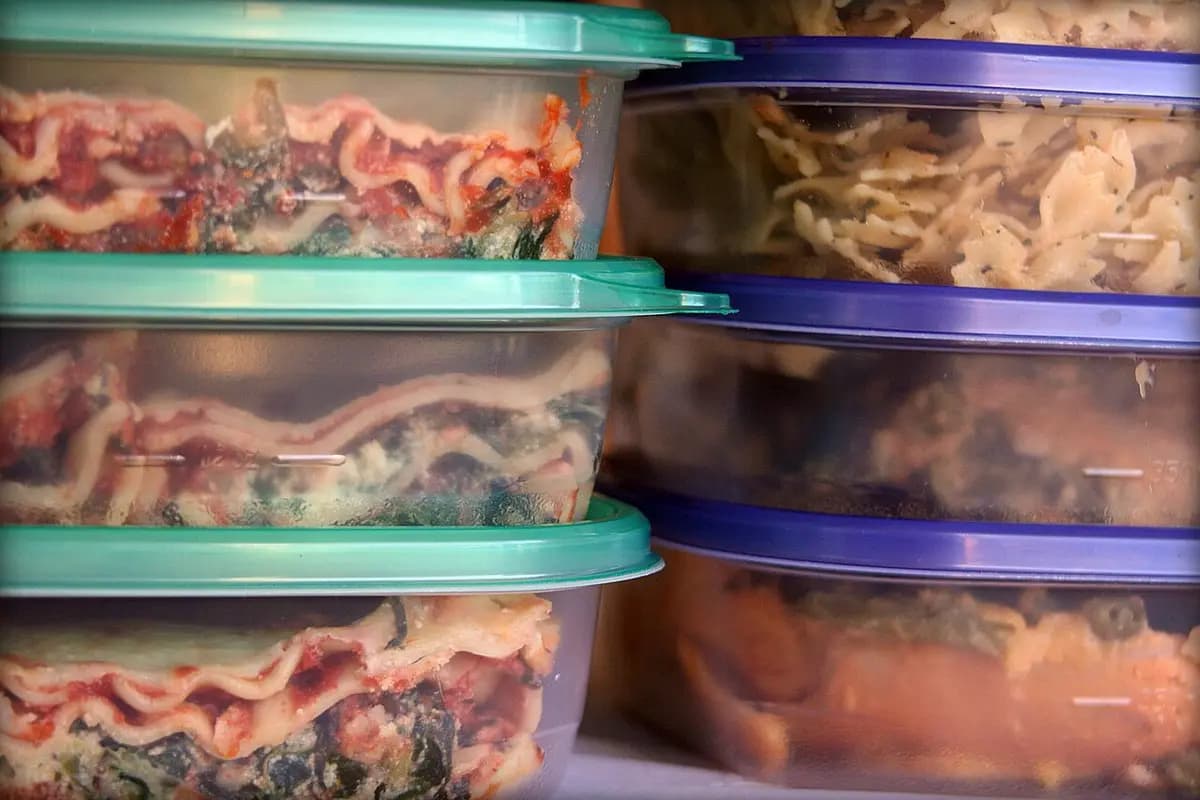
To get a smell out of a food storage container, wash it in hot soapy water, then soak it for a few hours (or overnight) in warm water mixed with a few tablespoons of baking soda or white vinegar, rinse, and let it air-dry completely with the lid off. Stubborn odors in plastic usually need a second soak, a baking soda paste on the stained spots, or a few hours of sunlight. Glass and stainless steel rarely hold smells at all, so if one container keeps coming back stinky, the material itself is often the real problem.
That lingering garlic, curry, or onion smell is one of the most common complaints about plastic food storage containers. The good news is that most odors come out with things you already have under the sink. This guide walks through why containers hold smells, a step-by-step routine that works for most cases, the stronger methods for the stubborn ones, and how to stop the smell from coming back. If you are still choosing containers, our airtight food storage containers guide covers what to check before you buy.
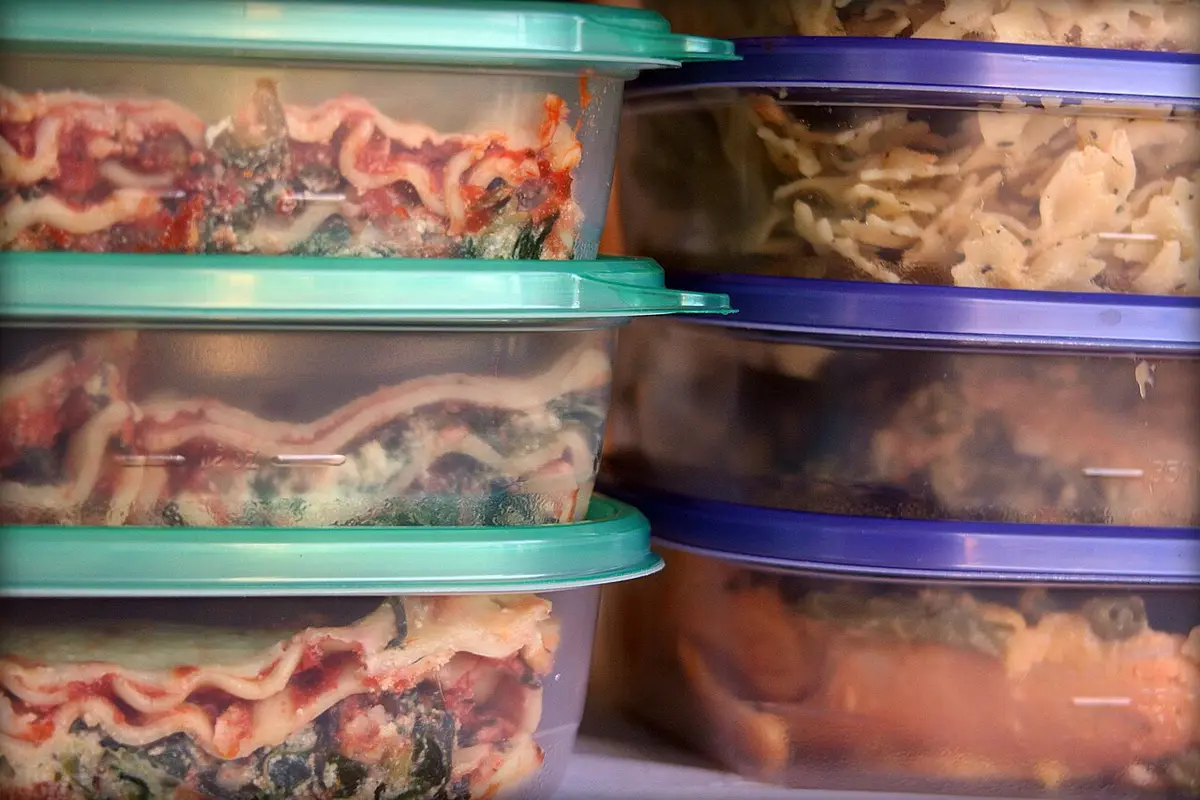
Photo: Kathleen Franklin / Wikimedia Commons, CC BY 2.0
Key Takeaways:
- Start with hot soapy water, then soak in warm water with baking soda or white vinegar. Do not mix the two in the same soak, they cancel each other out.
- Always dry containers fully with the lid off. Sealing a damp container traps moisture and smell.
- Tomato-based and oily foods are the usual culprits because plastic absorbs both pigment and fat.
- Glass and stainless steel do not absorb odors the way plastic does, so they are worth it for curry, garlic, and fish.
- Replace plastic containers that stay smelly after two deep cleans, or that are cracked, cloudy, or warped.
Why Do Food Storage Containers Hold Smells?
Plastic is the material that holds smells, and it comes down to chemistry. Most reusable food storage containers are made from polypropylene, the same plastic used for yogurt tubs and takeout boxes. According to Wikipedia's polypropylene entry, it is popular for food containers because it does not melt in the dishwasher. The trade-off is that plastic is slightly porous at a microscopic level, and many strong-smelling food compounds are oily. Fats and aromatic oils from garlic, onions, spices, and fish soak into the surface and slowly release their smell later.
Three things make the problem worse:
- Heat. Microwaving food in plastic, or pouring hot food in, opens the surface up and lets more oil and pigment in.
- Time. A container that holds curry for a day smells less than one that holds it for a week.
- Moisture. Putting the lid on a container that is still damp traps moisture inside, and that musty "closed box" smell builds on top of the food smell.
Glass and stainless steel behave very differently. Both are non-porous, so oils sit on the surface and wash away. That is why the methods below focus mostly on plastic. For a full side-by-side look at the three materials, read our guide to glass vs plastic vs stainless steel food storage containers.
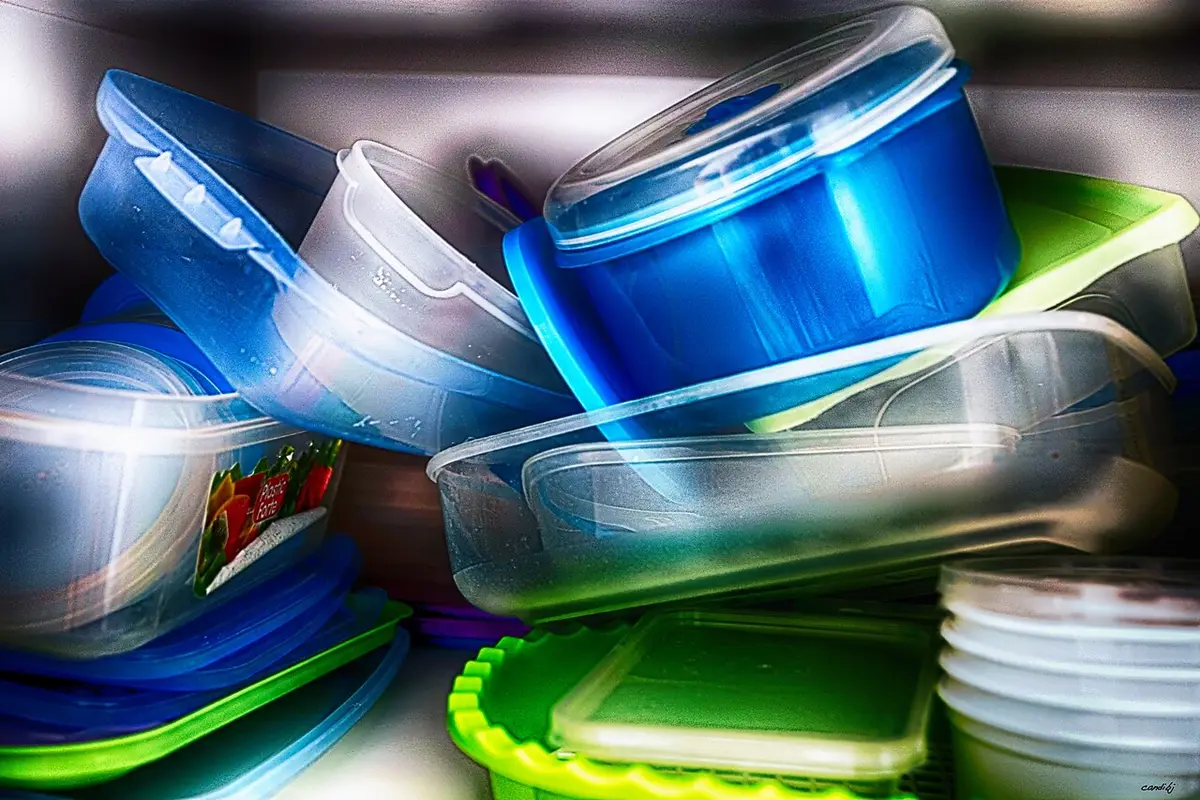
Photo: candi... from Sabadell, España.jpg) / Wikimedia Commons, CC BY 2.0
Which Odor Removal Method Should You Use?
Match the method to how bad the smell is and what the container is made of. Start at the top of the table and move down only if the smell is still there after drying.
| Method | Best for | Time needed | Safe on | Notes |
|---|---|---|---|---|
| Hot soapy wash + full air-dry | Light, fresh smells | 10 minutes plus drying | Plastic, glass, stainless | Always the first step |
| Baking soda soak | Garlic, onion, general food smell | 2 hours to overnight | Plastic, glass, stainless | About 3 tablespoons per quart of warm water |
| White vinegar soak | Musty, sour, or fishy smell | 1 to 2 hours | Plastic, glass, stainless | Equal parts vinegar and warm water; rinse well |
| Baking soda paste | Stained spots that also smell | 15 to 30 minutes | Plastic, glass | Rub with a soft sponge, never steel wool on plastic |
| Lemon juice + sunlight | Tomato stains and leftover odor | 3 to 6 hours | Plastic | UV light fades pigment; keep it out of extreme heat |
| Crumpled newspaper or dry coffee grounds overnight | Mild smell that returns after washing | Overnight | Plastic | Seal inside, then wash again |
| Replace the container | Smell survives two deep cleans | n/a | Plastic | Also replace if cracked, cloudy, or warped |
Step-by-Step: The Routine That Works for Most Containers
This is the routine to try first. It handles the majority of everyday odors, and everything in it is safe for plastic, glass, and stainless steel.
Step 1: Empty and rinse right away
The longer food sits, the more oil soaks in. Scrape out leftovers and rinse the container as soon as you empty it, even if you cannot wash it yet. A quick rinse with warm water removes most of the surface oil before it has time to settle in.
Step 2: Wash in hot, soapy water
Use a grease-cutting dish soap and the hottest water your hands can handle, or run the container through the top rack of the dishwasher if it is labeled dishwasher-safe. Pay attention to the lid. The groove that holds the silicone gasket is where smells hide most often. If your lid has a removable gasket, pop it out and wash it separately.
Step 3: Soak in baking soda or vinegar
If the smell is still there after washing, give it a soak:
- Fill the container (and a bowl for the lid) with warm water.
- Stir in about 3 tablespoons of baking soda per quart of water, or use a mix of equal parts white vinegar and warm water.
- Close the lid on top of the solution so the inside of the lid soaks too.
- Leave it for at least 2 hours. Overnight is better for strong smells like curry or garlic.
- Rinse thoroughly with clean water.
Pick one or the other. Baking soda is a mild base and vinegar is an acid, so mixing them in one soak mostly produces fizz and salty water, not extra cleaning power. Baking soda is a long-standing household odor remedy, and the USDA's guidance on cleaning refrigerators recommends wiping the fridge interior with 1 tablespoon of baking soda dissolved in a quart of water. A container soak simply uses a stronger version of the same idea.
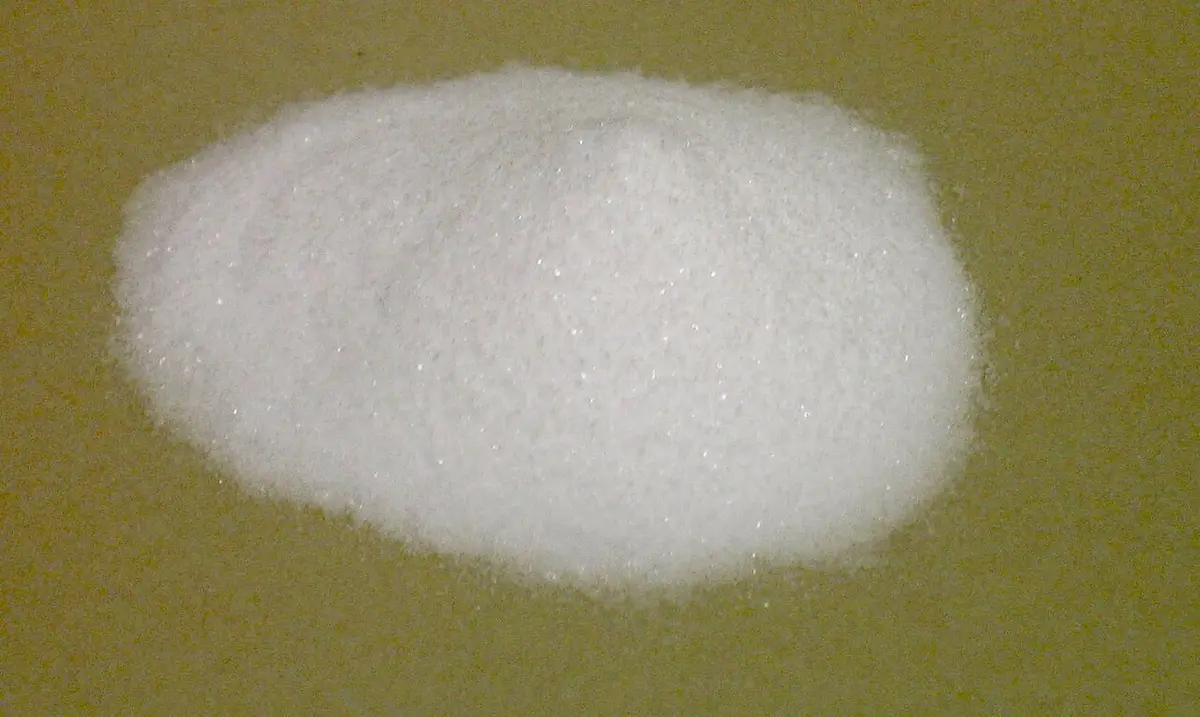
Photo: Thavox / Wikimedia Commons, Public domain
Step 4: Dry completely with the lid off
This step matters as much as the cleaning. Let the container and lid air-dry separately, ideally upside down on a rack so water does not pool. Store them unsealed, with the lid resting loosely on top or nested beside the base. A sealed, slightly damp container is the fastest way to bring the smell right back.
Step 5: Do the sniff test
Once the container is fully dry, put your nose right inside it. If you still smell the food, move on to the stronger methods below. If it smells like nothing, you are done.
Stronger Methods for Stubborn Smells
Some odors, especially from curry, kimchi, fish, and tomato sauce, survive a normal soak. These methods go further.
Baking soda paste for stained, smelly spots
Mix baking soda with a little water until it forms a thick paste. Spread it over the stained or smelly area, leave it for 15 to 30 minutes, then scrub gently with a soft sponge and rinse. On plastic, avoid steel wool and abrasive scouring pads. Scratches create more surface area for oil and smell to cling to, which makes the problem worse over time.
Lemon juice and sunlight
For the orange tint and smell that tomato sauce leaves behind, rub the inside with lemon juice, then leave the open container in direct sunlight for a few hours. Sunlight helps fade the pigment that tomato sauce leaves in plastic, and the fresh air helps with the smell. Keep the container away from very hot surfaces like a car dashboard, since high heat can warp plastic.

Photo: Annatsach / Wikimedia Commons, CC BY-SA 4.0
The overnight absorber trick
If a container smells clean right after washing but the smell creeps back once it is sealed, try this: put a crumpled sheet of newspaper, a spoonful of dry coffee grounds, or a few tablespoons of dry baking soda inside, close the lid, and leave it overnight. Then empty it and wash it one more time. This works best for mild odors that keep returning.
What about bleach?
A diluted bleach solution can help with mold, but it is not a first choice for everyday food odors, and it can leave its own smell. If you see mold in a container, the USDA advises scrubbing visible mold on rubber casings with a solution of 3 teaspoons of bleach in a quart of water (USDA, Molds on Food). Rinse very thoroughly afterward. Never mix bleach with vinegar or other acids, because that combination releases chlorine gas.
How to Keep Containers From Smelling in the First Place
Prevention is easier than removal. A few habits make a big difference:
- Cool food before storing, but do not leave it out too long. The USDA says leftovers should be refrigerated within 2 hours of cooking, and dividing big batches into shallow containers helps them cool faster.
- Do not microwave strong foods in plastic. Reheat curry, chili, and tomato sauce in a glass or ceramic dish instead. The USDA's microwave guidance also says to use only containers labeled for microwave use, and lists heatproof glass as safe.
- Wipe a thin film of oil or cooking spray inside plastic before adding tomato sauce. It acts as a barrier so less pigment soaks in.
- Use dedicated containers for smelly foods. Keep one or two containers just for garlic-heavy dishes, fish, or curry so the smell does not travel to your fruit or salad.
- Do not keep leftovers past their window. The USDA puts leftovers at 3 to 4 days in the refrigerator. Older food smells stronger and leaves more odor behind.
- Store containers open. Nest bases and keep lids separately, or rest the lid loosely on top, so air can circulate.
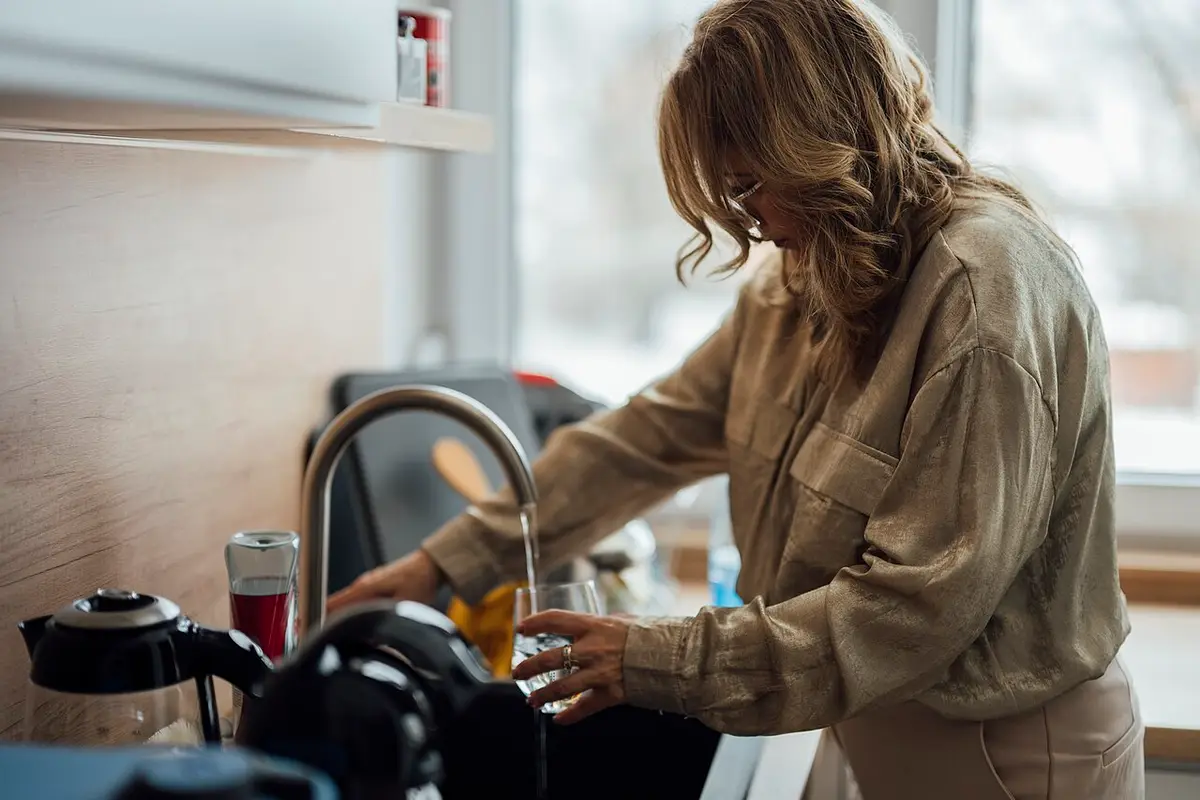
Photo: Shixart1985 / Wikimedia Commons, CC BY 2.0
Does the Container Material Matter?
Yes, a lot. If you fight the same smell every week, switching materials for those foods solves the problem for good.
Plastic is light, cheap, and hard to break, which makes it great for lunches and pantry staples. It is also the material that absorbs smells and stains. If you stay with plastic, our BPA-free food storage containers guide explains what the labels mean.
Glass does not absorb odors or stains, can usually go from fridge to microwave, and cleans up with plain soap. It is heavier and can break. Our glass food storage containers guide and the Pyrex glass containers review cover popular options.
Stainless steel is also non-porous and nearly indestructible, but it cannot go in the microwave and you cannot see what is inside. See our stainless steel food storage containers guide for details.
A practical setup for many kitchens is glass for saucy, oily, and strong-smelling leftovers, and plastic for dry snacks, cut fruit, and packed lunches. For dry goods in the pantry, an airtight seal matters more than the material, as explained in our pantry food storage containers guide.
When Is It Time to Replace a Container?
Cleaning has limits. Replace a plastic container when:
- The smell is still there after two deep cleans (soak plus paste or sunlight).
- The surface is cloudy, rough, or covered in fine scratches.
- It is cracked, warped, or the lid no longer seals.
- The gasket is torn, hard, or moldy and you cannot buy a replacement.
Worn plastic holds more smell because damaged surfaces trap more oil. If you are replacing a whole set, check sizes before you buy. Our food container size and capacity data lists common sizes, and the storage box capacity calculator helps you work out how many you actually need.
FAQ: Getting Smells Out of Food Storage Containers
Q: What is the fastest way to get a smell out of a plastic container?
Wash it in hot soapy water, then soak it for at least 2 hours in warm water with about 3 tablespoons of baking soda per quart. Rinse and let it air-dry fully with the lid off. Overnight soaking works better for strong smells like garlic or curry.
Q: Can I mix baking soda and vinegar to clean containers?
It is better not to. Baking soda is a base and vinegar is an acid, so they react with each other and mostly turn into fizz and salty water. Use one, rinse, and then use the other if you need a second round.
Q: Why does my container smell again after I close the lid?
Usually because it was sealed while still damp, or because oil is still trapped in the plastic. Dry it completely with the lid off, then try the overnight trick with crumpled newspaper or dry baking soda sealed inside.
Q: How do I get tomato sauce stains and smell out of plastic?
Scrub with a baking soda paste, rub the inside with lemon juice, then leave the open container in direct sunlight for a few hours. Next time, wipe a little oil inside before adding sauce so less pigment soaks in.
Q: Do glass containers hold smells?
Very rarely. Glass is non-porous, so food oils stay on the surface and wash off with soap. If a glass container smells, the culprit is usually the lid or its silicone gasket, so take the gasket out and soak it separately.
Q: How do I get the smell out of a silicone gasket or lid seal?
Remove the gasket if you can, soak it in warm water with baking soda or a vinegar mix for a few hours, scrub the groove in the lid with an old toothbrush, and let both dry fully before putting the gasket back.
Q: Is it safe to keep using a plastic container that still smells a little?
A faint smell on its own is mostly a quality problem, not a safety one, as long as the container is clean and undamaged. Replace it if it is cracked, warped, cloudy, or moldy, or if the smell keeps transferring to other foods.
Q: Does the dishwasher remove container odors?
It helps with light smells, especially on the top rack for plastic that is labeled dishwasher-safe. Strong odors often survive a dishwasher cycle, so add a baking soda or vinegar soak afterward and dry the container with the lid off.
The Bottom Line
Most container smells come out with a hot soapy wash, a baking soda or vinegar soak, and complete drying with the lid off. Stubborn odors in plastic need a paste, sunlight, or an overnight absorber, and some old containers are simply ready to be replaced. For the foods that always leave a smell, switching to glass or stainless steel ends the problem for good. Browse the Sesoris kitchen and dining collection or explore more ideas in our kitchen food storage ideas guide.
Liked this guide?
Get new organizing guides and the occasional new product by email. No spam, unsubscribe anytime.
Related articles

How to Build a Custom Under-Stair Storage System: Complete Step-by-Step Tutorial for 2026

How to Organize Your Bedroom Closet Step by Step: Complete Tutorial for a Tidy, Functional Wardrobe in 2026

How to Organize Kitchen Cabinets Step by Step: Complete Tutorial for a Functional, Clutter-Free Kitchen in 2026
Explore more articles
- Home Decluttering Guide for Beginners
- Bathroom Corner Shelves: Make Use of Dead Space
- Tips to Keep Your Kid's Room Tidy
- Zero Waste Kitchen: A Practical Guide
- Vacuum Storage Bag: Compress Clothes and Blankets by Up to 75%
- 20+ Brilliant Storage Space Ideas for Small Bedrooms: Maximize Every Inch in 2026
- IKEA Laundry Room Organization: Smart Ideas
- Costco Garage Storage Solutions: What to Compare