
Best Mudroom Storage Solutions: 30+ Smart Ideas to Transform Your Entryway in 2026
Discover the best mudroom storage solutions in 2026. Practical tips, product ideas & smart layouts to keep your entryway tidy. Shop Sesoris today!

If your entryway feels like a daily explosion of shoes, coats, backpacks, and sports gear, you are definitely not alone. The good news is that the right mudroom storage solutions can completely transform that chaotic drop zone into one of the most functional spaces in your home. Whether you have a dedicated mudroom, a narrow hallway, or just a small corner near the back door, there are smart, stylish strategies that work for every home size and budget. In this guide, I am breaking down the best mudroom storage solutions of 2026, from built-in cubbies to simple hook rails, so you can finally walk in the door without tripping over everything you own.
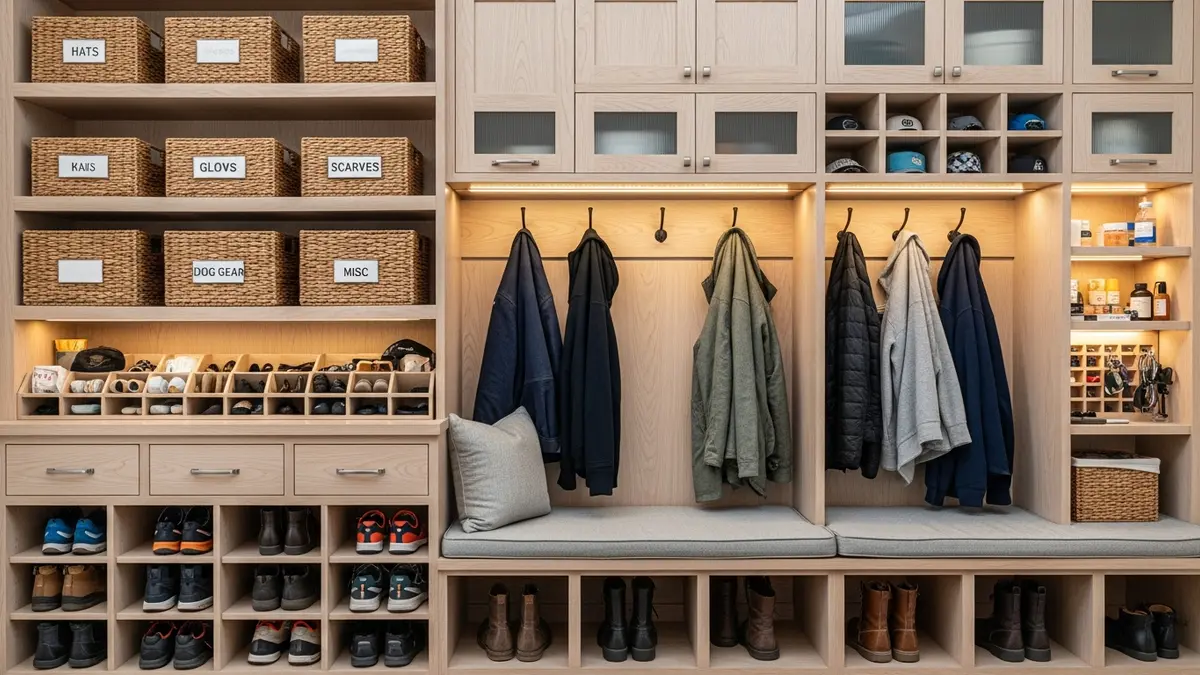
Why Mudroom Storage Solutions Matter More Than Ever in 2026
The mudroom has gone from a forgotten back-hall space to one of the most talked-about rooms in home organization circles. According to Houzz research on entryway design trends, homeowners are prioritizing functional entryway storage more than ever, with mudroom upgrades ranking among the top home improvement projects. And it makes sense. The mudroom is the transition zone between the outside world and the rest of your home. When it is disorganized, that chaos tends to spill into every other room.
A well-planned mudroom does more than just look neat. It saves you time every morning, protects your floors and walls from dirt and damage, gives every family member a designated spot for their belongings, and sets a calm, welcoming tone the moment you step inside. Whether you are outfitting a full mudroom addition or just carving out a 3-foot-wide entryway nook, intentional storage makes all the difference.
The Essential Elements of Great Mudroom Storage Solutions
Before you start shopping or building, it helps to understand the core components that make mudroom storage actually work. The best setups combine multiple elements that address different storage needs at different heights.
1. Coat Hooks and Bag Hooks
Hooks are the backbone of any mudroom. They handle the highest-traffic items: coats, jackets, backpacks, dog leashes, and tote bags. When choosing hooks, look for options that are sturdy enough to hold heavy winter coats without pulling away from the wall. A mounted hook rail with multiple hooks is ideal because you can assign one hook per family member.
- Double hooks are great for layering a bag behind a coat
- Oversized hooks work well for bulky winter parkas
- Lower-level hooks at child height give kids independence and responsibility for their own gear
- Numbered or labeled hooks eliminate the morning argument over whose hook is whose
According to Houzz's compact entryway storage guide, installing hooks at two heights, one for adults around 60 to 66 inches from the floor and one for kids around 42 to 48 inches, is one of the most practical upgrades any family can make.
2. Cubbies and Open Shelving
Cubbies give each person a defined zone. One cubby per family member means backpacks, hats, and accessories each have a home. Open cubbies are better than closed cabinets in the mudroom because you can see and access everything at a glance, which matters when you are rushing out the door.
- Standard cubby openings of about 12 inches wide by 12 inches deep work for most backpacks
- Deeper cubbies (15 to 18 inches) accommodate bulkier gear like helmets and sports bags
- Add a small bin or basket inside each cubby to corral loose items like sunglasses, earbuds, and wallets
3. A Bench with Hidden Storage
A mudroom bench solves two problems at once. It gives you a place to sit while putting on and taking off shoes, and when it has storage built in underneath, it doubles your organizational capacity. Look for benches with lift-top lids that reveal interior storage for seasonal items, or benches with open cubbies below that hold baskets for shoes and accessories.
If floor space is tight, a slim floating bench attached to the wall takes up zero floor footprint and still provides a seated surface. Pair it with a basket slid beneath it for extra storage.
4. Shoe Storage
Shoes are the number-one clutter culprit in most entryways. A dedicated shoe solution is non-negotiable. Options include:
- Slatted shoe shelves that angle shoes to drain and dry naturally
- Shoe cubbies that keep pairs together and prevent mix-ups
- Shoe trays made of rubber or galvanized metal that catch mud and water
- Over-door shoe organizers for tight spaces with no floor room
For more ideas specifically on shoe storage near the door, check out our guide to 15 Creative Mudroom Shoe Storage Ideas to Transform Your Entryway in 2026.
5. Bins, Baskets, and Labeled Containers
Open bins and baskets are the unsung heroes of mudroom storage. They handle the categories that do not have a natural home: sports balls, gardening gloves, umbrellas, reusable grocery bags, and seasonal accessories. Wicker, fabric, and wire baskets all work well. The key is to label everything so that putting things away becomes automatic for every family member.
If you want to go deeper on labeling systems, our Storage Bin Labels: The Complete 2026 Guide covers everything you need to know about creating a system that actually sticks.
Best Mudroom Storage Solutions by Home Size
Not every home has a dedicated mudroom, and that is perfectly okay. Here is how to approach mudroom storage solutions depending on your available space.
Full Dedicated Mudroom (8 feet wide or larger)
If you have a real mudroom, you have the luxury of going all in. Built-in cabinetry with a mix of open cubbies, closed cabinets, and drawers creates the most polished and functional result. A built-in bench with a lift-top storage compartment anchors the space and adds charm. Wall-mounted hooks above the bench at two heights handle coats and bags efficiently.
Consider adding a durable, easy-to-clean floor surface like tile or sealed concrete for this zone, since it takes the most abuse from dirt and wet shoes. A small rug in front of the bench gives a welcoming feel while still being easy to shake out and wash.
For inspiration on full mudroom layouts, Architectural Digest's mudroom design galleries offer beautiful examples of how designers handle everything from compact to grand-scale entryways.
Narrow Entryway or Hallway (3 to 6 feet wide)
A narrow entryway calls for vertical thinking. Every inch of wall space is valuable. A slim cubby unit or locker-style storage takes up minimal floor depth while maximizing vertical storage. Wall-mounted hooks replace a coat closet. A fold-down or floating bench provides seating without permanent bulk.
For extra ideas on making a narrow space work hard, our 30+ Best Small Entryway Organization Ideas is a fantastic companion read.
Back-Door Drop Zone (Under 3 feet wide)
Sometimes the mudroom is really just the corner near the back door where everyone tosses everything. In this case, a simple command center approach works best:
- Install a wall-mounted hook rail with at least four to six hooks
- Add one floating shelf above the hooks for hats and small bins
- Place a shoe tray or small shoe rack directly on the floor below
- Use a single tall basket or umbrella stand for sports equipment and umbrellas
This minimal setup costs very little and makes an enormous difference in daily function.
Mudroom Storage Ideas for Families with Kids
Families with kids have unique mudroom challenges. Between backpacks, lunch boxes, sports gear, cleats, and an ever-changing rotation of seasonal items, a family mudroom needs to be almost impossibly flexible. Here are the strategies that work best:
Assign Personal Zones
Give each child their own labeled cubby, hook, and bin. Color-coding by child is a popular approach: one child gets blue bins and a blue hook label, another gets green. This removes any ambiguity and makes clean-up automatic because kids always know exactly where their stuff goes.
Add a Message Center
A small chalkboard panel or a whiteboard mounted near the door is incredibly practical for families. Use it for permission slip reminders, after-school schedule notes, or a daily checklist so kids can confirm they have everything before they leave.
Plan for Seasonal Rotation
Mudrooms accumulate seasonal gear fast. Winter means hats, gloves, scarves, snow boots, and heavy coats. Summer brings swim bags, sandals, and sunscreen. Plan your mudroom with labeled lidded bins or a dedicated cabinet shelf for off-season items so the active zone stays clutter-free.
Keep Cleaning Supplies Accessible
A small caddy with a handheld brush, a boot scraper mat outside the door, and a stack of microfiber cloths inside the door means muddy messes get handled before they reach your floors. A peg or hook specifically for the dog leash and a small bin for dog wipes and poop bags rounds out a pet-friendly mudroom.
Mudroom Storage Products Worth Investing In
You do not have to spend a fortune on a mudroom remodel to get great results. These product categories deliver the most impact per dollar.
Wall-Mounted Hook Rails
A good hook rail is one of the single best investments you can make. Look for rails with five or more hooks, solid mounting hardware, and hooks rated for at least 10 to 15 pounds each. Materials range from powder-coated metal to solid wood, both of which hold up well to daily use.
Stackable Cubby Units
Freestanding cubby units are a budget-friendly alternative to built-ins. They can be arranged in different configurations, expanded as your family grows, and taken with you if you move. Look for units with solid shelves rather than hollow particle board for longevity.
Wicker and Fabric Storage Baskets
Baskets are the finishing touch that makes a mudroom feel polished instead of just functional. A matching set in natural wicker or a neutral fabric keeps the look cohesive. Pair them with printable storage bin labels for a truly organized result.
Boot Trays and Shoe Mats
A galvanized or rubberized boot tray is essential for wet climates. It contains the mess that shoes and boots bring in and makes cleaning up a simple lift-and-rinse task. For families in snowy or rainy regions, two trays side by side gives everyone space to park their footwear without overlap.
Over-Door Organizers
If your mudroom has a door that swings into the space, the back of that door is prime storage real estate. Over-door organizers with pockets or hooks handle smaller items like reusable bags, scarves, dog leashes, and sunglasses without taking up any floor or wall space.
How to Maintain Your Mudroom Storage System
Setting up mudroom storage is only half the battle. Keeping it organized is the part most people struggle with. Here are a few habits that make maintenance effortless:
Do a weekly reset. Take five minutes at the end of each week to return anything that has migrated back to its proper spot. This prevents the slow creep of clutter that builds up unnoticed.
Purge seasonally. At the start of each new season, pull everything out, donate or toss what you no longer use, and reorganize for the upcoming months. This keeps the mudroom from becoming a dumping ground for things that no longer belong there.
Enforce the one-in-one-out rule. When new shoes, a new bag, or a new coat comes in, an old one goes out. This applies to every family member and keeps storage from overflowing.
Make it easy to put things away. If your storage system requires too many steps, people will not use it. Every item should have a spot that is easy to reach and obvious enough that anyone in the family can find it without asking.
For a broader look at home organization habits, our Home Decluttering Tips: A Simple System for a Calm, Organized Home in 2026 covers the mindset and routines that keep organized spaces organized long-term.
The best mudroom storage solutions are not the most expensive ones. They are the ones your whole family will actually use every single day.
Budget-Friendly Mudroom Storage Solutions
You do not need a contractor or a big renovation budget to create a functional mudroom. Here are some of the most cost-effective approaches:
- Command hooks and strips can be installed in minutes, hold several pounds each, and come off walls cleanly when you want to rearrange
- IKEA KALLAX shelving repurposed as a cubby unit costs a fraction of custom built-ins and is extremely versatile
- Dollar store bins in matching sizes provide cheap, uniform storage that looks intentional when lined up in a row
- A repurposed wooden crate mounted to the wall makes a charming, rustic-style shelf for hats and accessories
- A tension rod installed in a lower cubby creates a hanging rail for wet umbrellas, reusable bags, or dog leashes
- Painted pegboard panels offer infinite flexibility. You can rearrange hooks, shelves, and bins as your needs change without putting new holes in your walls
For more budget ideas across the whole home, check out our Home Storage Solutions: 2026 Guide to a Tidy Home for room-by-room inspiration.
Related Products from Sesoris
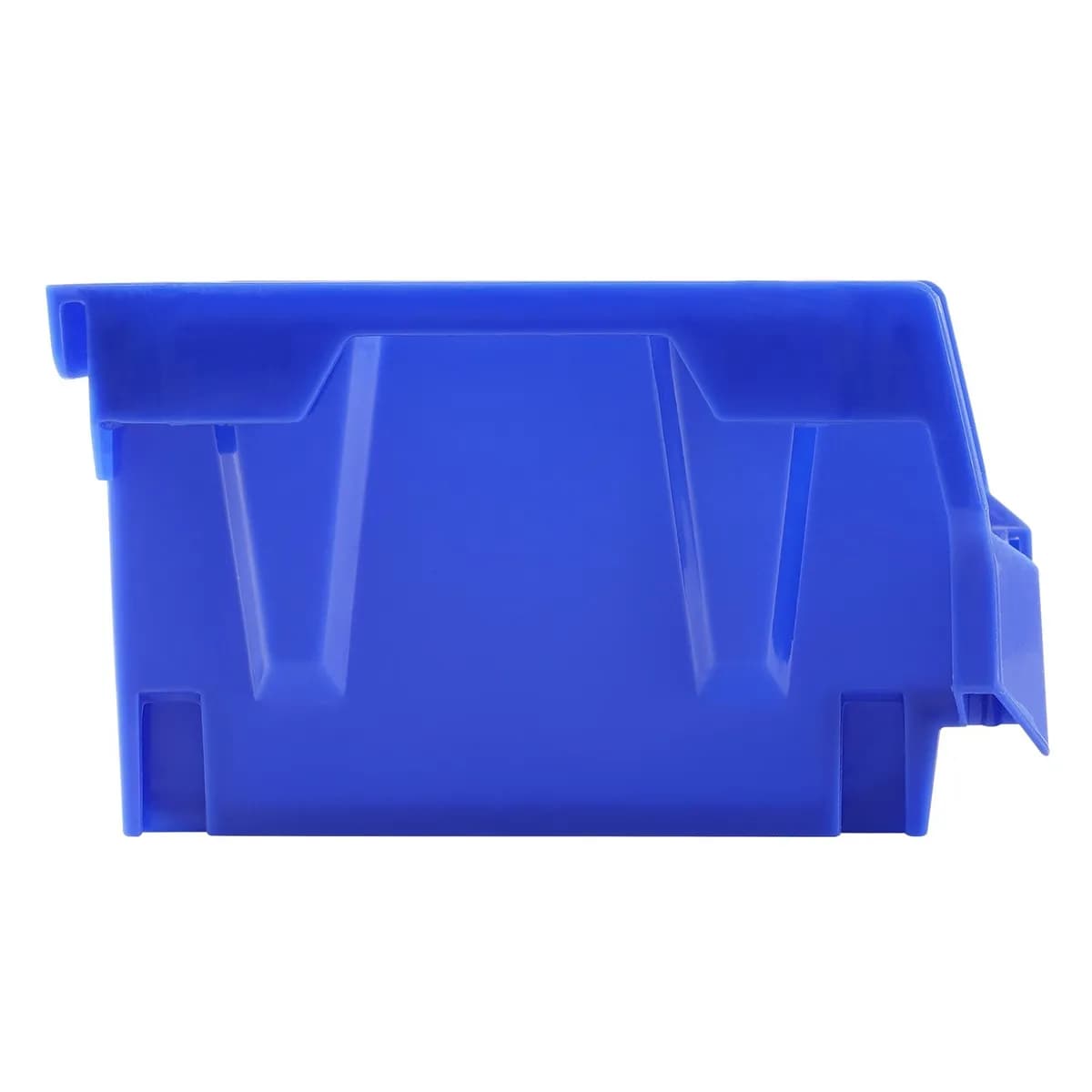
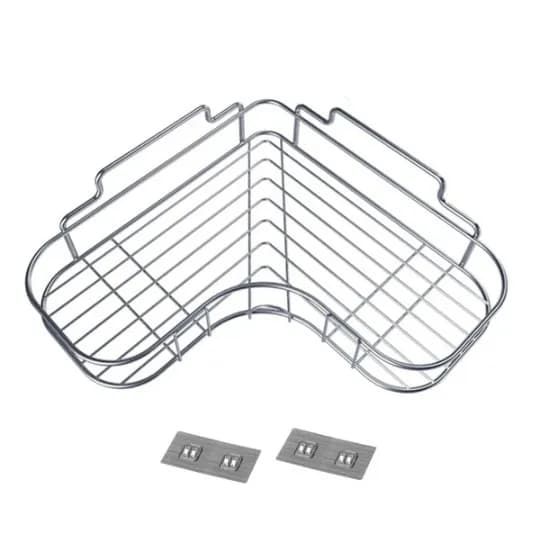
If you want to turn this guide into a real setup, start with Stackable Storage Bins, 24 Pack and Pull-Out Cabinet Organizer, 17 in. Wide. For broader options, browse the Home & Decor collection so the article journey does not stop at reading only.
Our practical rule: choose one product that solves the main clutter problem first, then add supporting organizers only when the daily workflow is already clear. This keeps the shopping path useful, not pushy.
FAQ: Frequently Asked Questions About Mudroom Storage Solutions
Q: What is the most important element of a mudroom storage system?
Hooks are arguably the single most impactful mudroom storage element. They handle the high-frequency items like coats, bags, and backpacks that otherwise pile up on the floor. Before you invest in anything else, get your hooks in place.
Q: How do I create a mudroom in a house that does not have one?
You can create a functional mudroom zone in almost any entryway by using a combination of a hook rail on the wall, a small bench or shoe rack on the floor, and a basket or bin for miscellaneous items. Even a 2-foot-wide section of hallway wall can be transformed into a working drop zone with just a few key products.
Q: How deep should mudroom cubbies be?
Most mudroom cubbies are between 12 and 18 inches deep. Twelve inches works for backpacks and smaller bags. Eighteen inches is better for bulkier gear like sports bags, helmets, and oversized purses. Standard cubby height is around 18 inches, which fits most backpacks neatly.
Q: What flooring is best for a mudroom?
Tile and sealed concrete are the most durable and easy to clean. If you want something warmer, luxury vinyl plank is a practical choice because it is waterproof and scratch-resistant. Avoid carpet in the mudroom since it traps dirt, moisture, and odors.
Q: How can I keep a mudroom from getting cluttered again after organizing it?
Assign a specific spot for every single item, label everything clearly, do a quick weekly reset, and purge seasonal items at the start of each new season. The key is reducing friction: make it so easy to put something away correctly that no one can justify dropping it on the floor instead. For more strategies, Good Housekeeping's home organization tips are a great resource.
Q: Can I build a mudroom on a tight budget?
Absolutely. A hook rail, a shoe tray, and a couple of baskets can cost under $50 combined and completely transform a chaotic entryway. You do not need built-in cabinetry to get organized. Start with the basics and add more storage as your budget allows.
Conclusion
A well-organized entryway is one of those home upgrades that pays you back every single day. The right mudroom storage solutions do not just keep things tidy. They reduce morning stress, protect your home from mud and mess, and create a welcoming first impression every time you walk through the door. Whether you are starting from scratch with a brand-new mudroom or simply trying to tame a chaotic corner near your back door, the ideas and strategies in this guide give you everything you need to build a system that works for your family in 2026 and beyond.
Ready to find the storage bins, baskets, hooks, and organizers to bring your mudroom vision to life? Explore our full collection of home organization products at Sesoris and discover everything you need to finally live more organized. Browse our best sellers and new arrivals to find the perfect pieces for your entryway transformation.
Liked this guide?
Get new organizing guides and the occasional new product by email. No spam, unsubscribe anytime.
Related articles
Explore more articles
- 30+ Brilliant Small Space Kitchen Storage Ideas to Maximize Every Inch in 2026
- Bathroom Storage Ideas to Keep a Small Bathroom Tidy
- DIY Wall Shelf Ideas: Budget-Friendly Storage
- Minimalist Shoe Rack for Your Home's Foyer
- 20+ Best Towel Rack Ideas for Kitchen: Stylish & Functional Solutions in 2026
- Sustainable Living: Eco-Friendly Home Organization
- Ultimate Cleaning Closet Organization: 25+ Smart Solutions to Transform Your Storage Space in 2026
- 35+ Creative Wall Book Shelf Ideas to Transform Your Home Library in 2026