
Best Containers for Dog Food Storage: Keep Your Pet Food Fresh in 2026
Discover the best containers for dog food storage to keep your pet's food fresh, organized, and pest-free. Complete guide with top recommendations.
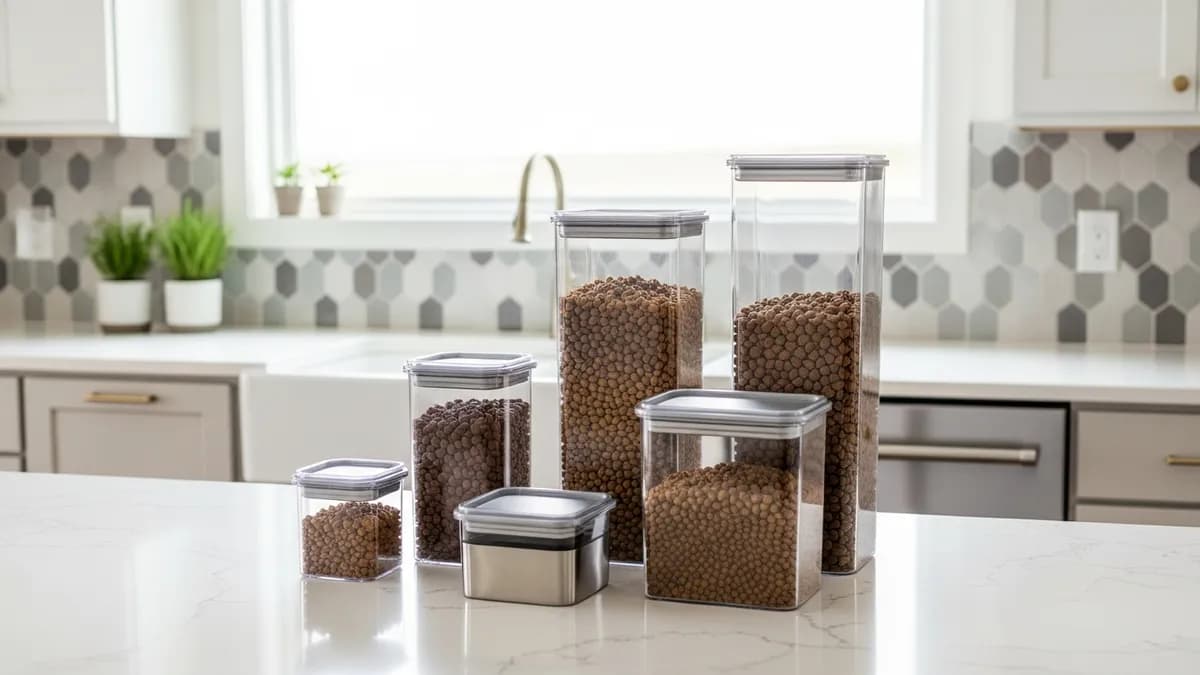
Choose containers for dog food storage that fit the original food bag, close securely, and can be washed and dried between refills. FDA's pet-food storage guidance recommends putting the entire dry-food bag inside the container, retaining its lot number and best-by date, and storing it in a cool, dry place. A container is an organizing tool, not evidence that food will last beyond its labeled storage period.
Our team at Sesoris has noticed that the happiest customers aren't those with the largest homes, but those with the most consistent organization habits.
Why Proper Containers for Dog Food Storage Matter
Key benefits of using proper dog food storage containers:
Key Takeaways:
- Choose products with clear safety labels (food-grade, BPA-free) for daily use
- Investing slightly more in quality materials (glass, grade 304 stainless steel) saves long-term costs
- Match sizes to family needs, neither too large nor too small
- Local marketplaces like Tokopedia, Shopee, and Sesoris offer competitive prices with maintained quality
- Keeps the original bag and its best-by date, lot number, and product details together
- Prevents pest infestations that affect 23% of households storing pet food improperly
- Reduces food waste, saving pet owners an average of $180 annually
- Maintains freshness through airtight sealing technology
- Creates organized storage systems that complement your home organization goals
Essential Features in Dog Food Storage Containers
When selecting containers for dog food storage, check the lid, cleaning access, usable capacity with the original bag inside, and the manufacturer's instructions. These practical features help you choose a container that fits your feeding routine.
Airtight Sealing Technology
Premium containers feature multi-point locking systems or gasket seals that create airtight environments. This technology prevents oxidation that can turn healthy fats rancid within 2-3 weeks of exposure to air.
Food-Safe Materials
Look for BPA-free plastics, food-grade stainless steel, or borosilicate glass. These materials won't leach chemicals into your pet's food and resist odor absorption, maintaining container usability for years.

Top Types of Containers for Dog Food Storage in 2026
The market offers diverse containers for dog food storage options, each with distinct advantages for different household needs and storage environments. Compare actual dimensions and care instructions rather than assuming that one material guarantees better food safety.
Plastic Storage Containers
High-quality plastic containers remain popular for their affordability and lightweight design. Premium options feature:
- BPA-free construction with UV protection
- Stackable designs for efficient space utilization
- Transparent walls for easy content monitoring
- Price range: $15 - $45 for 25-50 pound capacity
- Weight capacity: Up to 60 pounds of dry food
Stainless Steel Options
Stainless steel containers offer superior durability and pest resistance. These premium options include:
- Rust-resistant 304-grade stainless steel construction
- Magnetic lids for secure sealing
- Temperature resistance from -40°F to 400°F
- Price range: $35 - $85 for similar capacity
- Lifespan: 15+ years with proper maintenance
Glass Storage Solutions
Glass containers provide the safest storage environment for premium pet foods:
- Complete chemical inertness, no flavor transfer
- Easy cleaning and sanitization
- Visual monitoring of food levels and condition
- Price range: $25 - $65 for 20-40 pound capacity
- Best for: Small to medium dog households
Size Guidelines for Dog Food Storage Containers
Small Dogs (Under 25 lbs)
- Container capacity: 15-25 pound storage
- Food consumption: 2-4 weeks supply optimal
- Recommended dimensions: 12" x 8" x 15"
- Best container types: Glass or compact plastic options
Medium Dogs (25-60 lbs)
- Container capacity: 35-50 pound storage
- Food consumption: 3-4 weeks supply
- Recommended dimensions: 16" x 12" x 18"
- Best container types: Plastic or stainless steel with wheels
Large Dogs (60+ lbs)
- Container capacity: 50+ pound storage
- Food consumption: 2-3 weeks supply maximum
- Recommended dimensions: 20" x 14" x 20"
- Best container types: Heavy-duty plastic or stainless steel with mobility features

Organization Tips for Dog Food Storage Systems
Creating an efficient storage system with your containers for dog food storage maximizes convenience and maintains food quality. Professional organizers recommend dedicated pet food stations that integrate with overall kitchen organization systems.
Location Selection
Choose storage areas that maintain stable temperatures between 50-70°F with low humidity levels. Avoid:
- Direct sunlight exposure
- Areas near heat sources (stoves, heaters)
- Humid environments (laundry rooms, basements)
- Locations accessible to pests
Labeling and Dating Systems
Implement clear labeling systems using weatherproof labels that include:
- Purchase date and expiration information
- Food brand and variety details
- Feeding instructions and portion sizes
- Emergency contact information for your veterinarian

Maintenance and Cleaning Best Practices
Proper maintenance extends the life of your containers for dog food storage while ensuring optimal food safety. Regular cleaning prevents oil buildup and bacterial growth that can compromise pet health.
Weekly Maintenance Routine
- Inspect seals and gaskets for wear or damage
- Wipe exterior surfaces with pet-safe cleaners
- Check for pest activity around storage areas
- Rotate stock using first-in, first-out principles
Deep Cleaning Process
FDA recommends washing and drying the storage container between bags of kibble to remove residual fat and crumbs:
- Empty containers completely and dispose of crumbs
- Wash with hot, soapy water and rinse thoroughly
- Air dry completely before refilling to prevent mold
- If sanitizing is needed, use a product suitable for the surface and follow its label instructions, as explained in CDC's cleaning and sanitizing guidance
For feeding equipment, FDA's safe-handling guidance recommends washing pet-food bowls and scooping and measuring utensils with soap and hot water after each use.
Budget-Friendly Container Options Under $25
Quality containers for dog food storage don't require significant investment. Several excellent options provide reliable protection at affordable prices, making proper pet food storage accessible to all pet owners.
Economy Plastic Containers ($12 - $18)
Basic plastic containers offer essential protection features:
- 25-pound capacity with snap-tight lids
- Clear construction for content visibility
- Stackable design for space efficiency
- BPA-free materials with 3-year warranties
Mid-Range Options ($20 - $25)
Enhanced features justify slightly higher prices:
- Improved sealing gaskets for better airtight protection
- Reinforced corners and stress points
- Built-in measuring cups and pour spouts
- UV-resistant materials for outdoor storage
Compare these affordable options with premium containers by checking lid fit, cleaning access, and the manufacturer's storage instructions.
Premium Container Features Worth the Investment
High-end containers for dog food storage offer advanced features that justify premium pricing through superior performance and durability.
Smart Technology Integration
Modern premium containers include:
- Digital portion control systems with memory settings
- Smartphone app connectivity for feeding schedules
- Built-in scales for precise measurement
- Temperature and humidity monitoring
- Price range: $85 - $150 for smart-enabled containers
Professional-Grade Construction
Commercial-quality features adapted for home use:
- Medical-grade stainless steel with antimicrobial coatings
- Military-spec sealing gaskets rated for 10+ years
- Modular systems for multiple food types
- Wheeled bases with locking mechanisms
Compare premium storage systems with basic containers by checking whether they accommodate the original food bag and can be washed and dried between refills.
Expert Tip: Premium containers often pay for themselves within 18-24 months through reduced food waste and extended freshness periods. Calculate your current food replacement costs before choosing budget options.
Practical Tips for Choosing Quality Products
Choosing the right home organization products requires considerations that aren't always obvious. From our experience crafting dozens of guides for Sesoris readers, here are three principles most commonly overlooked.
First, pay attention to material density, not just visible thickness. Quality food-grade plastic has higher density than recycled plastic, making it more impact-resistant and crack-proof. Check the product's weight relative to its size, items that feel too light for their dimensions usually use thinner material.
Second, stackability compatibility. Many shoppers buy containers or organizers as a set, only to discover they can't be stacked neatly due to 1-2 cm dimension differences. Before buying, ensure exterior dimensions match across series so they can be stacked maximally in cupboards or pantries.
Third, long-term maintenance cost. A $3 product that needs replacement every 6 months actually costs more than a $13 product that lasts 3 years. Calculate total cost of ownership, not just initial price.
Common Mistakes When Shopping Online
Online shopping on marketplaces like Tokopedia, Shopee, or Sesoris is practical, but there are pitfalls beginners often overlook.
Product photos shown by sellers are frequently international stock images, not actual items. Always check the "reviews with photos" tab to see real photos from previous buyers. If there isn't a single real buyer photo, it's a red flag.
Size descriptions can mislead: "large size" without specific numbers could mean anything. Ask exact dimensions in centimeters via chat before checkout, especially for items like shelves or organizers that must fit your space.
Also verify shipping weight for cost estimates. Glass containers or heavy items from outer islands can add significant shipping fees, making a seemingly cheap product more expensive than local alternatives.
Budget Tip (2026): For standard Indonesian family home organization needs, allocate $94-$188 for a starter pack (food containers, wardrobe organizers, labels, and additional shelving). Add gradually based on room needs. Avoid impulsive shopping without a plan, many people end up accumulating items they never use.
Related Articles
Explore other guides from Sesoris to complement your knowledge:
Step-by-Step Tutorial: Setting Up Your Dog Food Storage System
Creating an effective storage containers dog food system requires proper planning and execution. Follow this detailed tutorial to establish a storage solution that keeps your pet's food fresh and easily accessible.
Step 1: Assess Your Storage Needs
Calculate your monthly dog food consumption to determine container size requirements. A 50-pound dog typically consumes 3-4 cups daily, requiring approximately 30 pounds of food monthly. Consider your available storage space and purchasing habits when selecting container sizes.
Step 2: Choose Your Primary Storage Location
Select a cool, dry area away from direct sunlight and temperature fluctuations. Ideal locations include:
- Pantry or utility room: Consistent temperature, easy access
- Garage or basement: Large storage capacity, temperature considerations
- Kitchen cabinet: Convenient for daily feeding, space limitations
Step 3: Prepare Your Storage Containers
Before adding a new bag of dog food, thoroughly clean all storage containers dog food with mild soap and water. Ensure complete drying to prevent moisture that could lead to mold or bacterial growth. Keep the original bag inside the container, following FDA's storage guidance, and retain its food type, brand, lot number, and best-by date for easy identification.
FAQ: Frequently Asked Questions About Containers for Dog Food Storage
How long does dog food stay fresh in proper storage containers?
Follow the food manufacturer's storage instructions and best-by date rather than assuming a container adds a fixed freshness period. FDA recommends keeping dry pet food in its original bag, with the entire bag inside the storage container if you use one, in a cool, dry location.
Can I store different brands of dog food in the same container?
Keep each food's original packaging and identifying details available. FDA recommends washing and drying the container between bags to remove residual fat and crumbs; let it dry completely before refilling rather than relying on a fixed drying time.
What size container do I need for a 30-pound bag of dog food?
A 35-40 pound capacity container accommodates a 30-pound bag with room for proper air circulation. This prevents compression that can break kibble and create dust that reduces palatability.
Are glass containers safe for large dogs who might knock them over?
Tempered glass containers designed for pet food storage resist breaking, but placement is crucial. Position glass containers in secure locations away from high-traffic areas, or choose reinforced plastic alternatives for active households.
How often should I replace my dog food storage containers?
Quality containers last 5-8 years with proper maintenance. Replace containers when seals fail, cracks appear, or persistent odors develop that cleaning cannot eliminate. Monitor gaskets annually and replace as needed.
Conclusion
Investing in quality containers for dog food storage protects your pet's health while creating organized, efficient home systems. Whether choosing budget-friendly plastic options or premium smart containers, proper storage extends food freshness, prevents waste, and maintains nutritional value. The right storage solution saves money, reduces stress, and ensures your furry family members receive optimal nutrition every meal. Explore Sesoris's complete collection of home organization solutions to create the perfect pet care station that complements your lifestyle and keeps your four-legged friends happy and healthy in 2026.
For matching storage gear, browse the Kitchen & Dining collection and see our pantry storage ideas for arranging a dedicated pet-food area.
For layout and handling comparisons, our guides to pet-food container formats, dog-food storage layouts, and measuring a bin for a dog-food bag cover different organizing choices. Keep the manufacturer's instructions and FDA handling guidance above any general container recommendation.
Liked this guide?
Get new organizing guides and the occasional new product by email. No spam, unsubscribe anytime.
Related articles
Explore more articles
- 25+ Best Stationery Organizer Ideas to Transform Your Desk in 2026
- Wall Mounted Spice Rack: 2026 Buying and Install Guide
- Aluminum Kitchen Rack: Choose, Install & Care Guide 2026
- 30+ Kitchen Wall Shelf Ideas for a Tidy, Stylish Kitchen
- Laundry Room Organization Containers: Complete Tutorial Guide to Transform Your Space in 2026
- 30+ Best Pantry Closet Organization Ideas to Transform Your Food Storage in 2026
- Eid al-Fitr Prep Checklist: A Home Cleaning Countdown
- Under Bed Storage: Maximize Your Bed's Hidden Storage Space