
How to Declutter Garage: The Complete 2026 Step-by-Step Guide to a Clean, Organized Space
Learn how to declutter your garage in 2026 with our practical step-by-step guide. Transform chaos into a clean, organized space you'll love. Start today!

If you have been putting off the project to declutter your garage, you are definitely not alone. For millions of American homeowners, the garage slowly becomes the catch-all dumping ground for everything that does not have a home inside the house. Holiday decorations, sports equipment, power tools, old furniture, forgotten boxes from a move three years ago, it all piles up fast. The good news? With a clear plan and the right approach, you can completely declutter your garage in a single weekend and keep it organized for the long haul. This guide walks you through every step of the process so you can finally reclaim that space in 2026.
Why It Is So Hard to Declutter a Garage (And Why 2026 Is the Year to Fix It)
The garage is unlike any other room in your home. It has no clear social function, no aesthetic pressure, and no daily routine that forces you to tidy it up. That makes it uniquely vulnerable to becoming a storage black hole. A practical garage organization guide from This Old House shows how wall shelves, labeled bins, and vertical storage can reclaim floor space without a full renovation.
Beyond the frustration of a messy garage, there are real practical consequences. A cluttered garage can be a safety hazard, with tripping risks, fire hazards from stored chemicals, and pest-friendly hiding spots. It also makes it nearly impossible to find anything when you actually need it.
In 2026, more Americans are prioritizing functional home organization than ever before. Decluttering your garage is one of the highest-impact home improvement projects you can do without spending a fortune on renovations. It adds usable square footage to your home and dramatically reduces daily stress.
Step 1: Set Yourself Up for Success Before You Declutter Your Garage
The biggest mistake people make when they attempt to declutter their garage is diving straight in without any preparation. Spending 30 minutes planning saves you hours of frustration later.
Gather Your Supplies First
Before you touch a single item in the garage, round up everything you will need:
- Heavy-duty trash bags in at least two sizes for trash and donations
- Four labeled boxes or bins: Keep, Donate, Sell, Trash
- Markers and labels for immediate labeling of items
- A notepad to jot down storage solutions you will need later
- Cleaning supplies: a broom, dustpan, shop vac, and all-purpose cleaner
- Work gloves to protect your hands from sharp or dusty items
- A dolly or hand truck if you have heavy furniture or appliances to move
Block Off the Right Amount of Time
Be realistic. A two-car garage that has been accumulating clutter for years will take a full weekend, not a single afternoon. Schedule a two-day block and, if possible, recruit one or two helpers. Having someone else present helps you make faster decisions and keeps you accountable.
Check the Weather
You will need to pull everything out of the garage and spread it out on the driveway. Pick a dry, mild day. Extreme heat or a threat of rain can derail the whole project.
Step 2: The Big Empty-Out and Sort
This is the core of the entire declutter garage process. Pull absolutely everything out of your garage and place it on the driveway or lawn. Yes, everything. This step feels overwhelming, but it is essential. You cannot make honest decisions about what to keep when items are buried under other items.
Use the Four-Box Method
As you bring items out, immediately sort them into your four categories:
- Keep: Items you use regularly or at least once a year that are in good working condition
- Donate: Items in good condition that you no longer need, which could genuinely benefit someone else
- Sell: Items with real resale value, such as tools, sporting goods, or power equipment
- Trash: Broken items, expired chemicals, deteriorated materials, or anything with no useful life left
Ask the Right Questions
When you pick up each item, ask yourself these questions honestly:
- Have I used this in the past year?
- Do I have another item that does the same job?
- Is this worth the space it occupies?
- If I were moving to a new home, would I pack this and take it with me?
Pro tip: Be especially ruthless with duplicates. Most households do not need three hammers, two sets of jumper cables, or four open cans of the same paint color.
Handle Hazardous Materials Properly
Old paint cans, motor oil, pesticides, and solvents cannot go in regular trash. Check with your local municipality for hazardous waste drop-off days or permanent collection sites. Many US cities offer free household hazardous waste disposal events throughout the year.
Step 3: Deep Clean the Empty Garage
With everything out of the garage, you now have a rare opportunity: a completely empty space. Do not waste it. This is the time to do a thorough cleaning that would be impossible with stuff in the way.
Clean From Top to Bottom
- Sweep and clear cobwebs from the ceiling corners and wall edges
- Wipe down shelving units with an all-purpose cleaner
- Clean the walls if there are visible stains or marks
- Sweep the floor thoroughly, then use a shop vac to get into corners
- Mop or scrub the floor to remove oil stains or grime
- Inspect for damage: Look for cracks in the floor, water damage on walls, or pest evidence. Address these issues before reorganizing.
A clean garage makes the subsequent organization steps feel much more motivating and rewarding. It also helps you see the space clearly so you can plan your layout with fresh eyes.
Step 4: Create a Zone Plan to Declutter Your Garage Effectively
The secret to a garage that stays organized long-term is a thoughtful zone system. Rather than randomly putting things back, you assign specific areas of the garage to specific categories of items. This makes finding things intuitive and puts things back in the right place effortless.
Common Garage Zones for American Homes
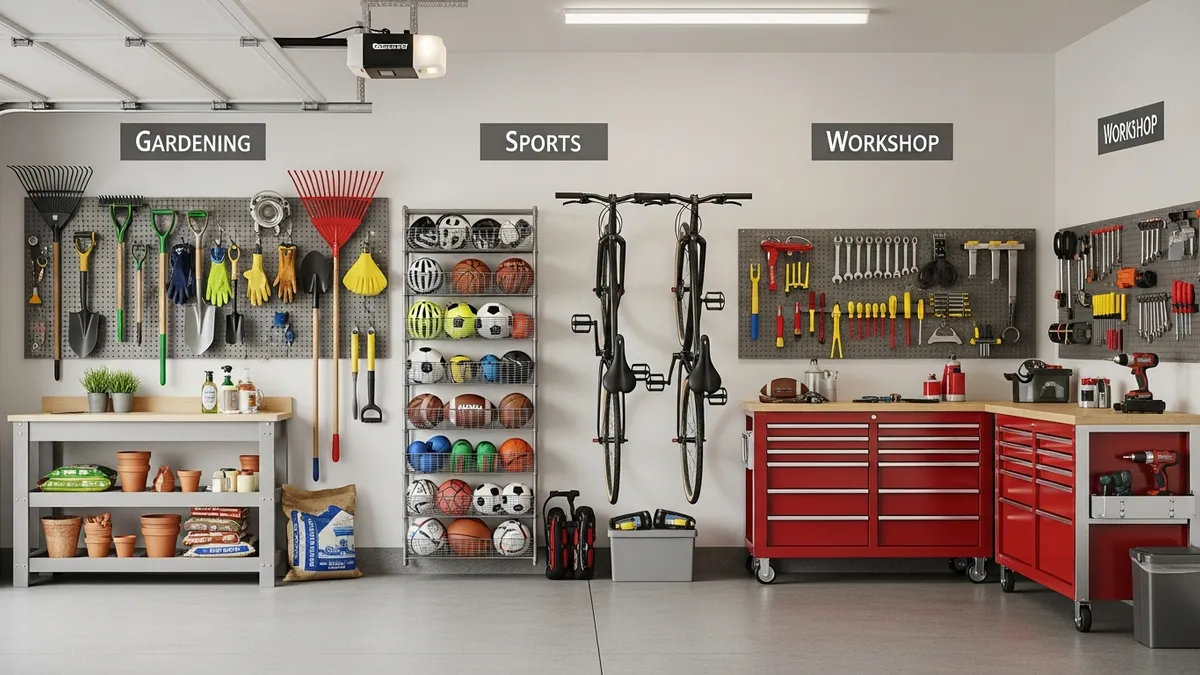
Workshop Zone: Workbench area with tools, hardware, and power equipment. Ideally placed near an electrical outlet along one wall.
Sports and Recreation Zone: Bikes, balls, rackets, camping gear, and seasonal outdoor equipment. Wall hooks and large bins work perfectly here.
Lawn and Garden Zone: Rakes, shovels, hoses, and garden chemicals. A dedicated floor caddy or wall-mounted long-handle tool organizer keeps this area tidy.
Automotive Zone: Car supplies, jumper cables, motor oil, and car cleaning products. A small shelf unit or cabinet near the garage door is ideal.
Seasonal Storage Zone: Holiday decorations, out-of-season sports gear, and weather-specific items. Overhead ceiling storage is perfect for this zone since you only access it a few times a year.
Everyday Access Zone: Items you grab daily or weekly, such as a bag of dog food, a package of paper towels, or frequently used tools. Place these at eye level near the entrance to the house.
Map It Out on Paper First
Before moving anything back in, sketch a rough floor plan of your garage on paper and draw in your zones. This simple step prevents you from moving heavy shelving units multiple times. Consider traffic flow: you want to be able to walk from the car to the house door without navigating around obstacles.
For more inspiration on safe storage zones, OSHA's materials-handling standard emphasizes orderly storage and clear aisles, while wall-mounted organizers and labeled bins help keep the floor as clear as possible.
Step 5: Choose the Right Storage Solutions for a Decluttered Garage
Once your zones are planned, it is time to invest in storage solutions that will actually keep your garage organized. The key is choosing systems that are durable, accessible, and appropriate for each zone.
Heavy-Duty Shelving Units
Freestanding metal or heavy-duty resin shelving units are the workhorses of garage organization. Look for shelves that can hold at least 150 to 200 pounds per shelf. Adjustable shelves are worth the investment because your storage needs will change over time. Place taller units along the back wall to make the most of your vertical space.
Clear Storage Bins with Lids
Clear plastic storage bins are your best friend when you declutter your garage and reorganize. Unlike opaque boxes, clear bins let you see the contents at a glance without pulling everything off the shelf. Choose bins with secure locking lids to protect contents from dust and pests. Label every single bin, even if you can see through it. Labels speed up finding things and, more importantly, remind everyone in the household where things go back.
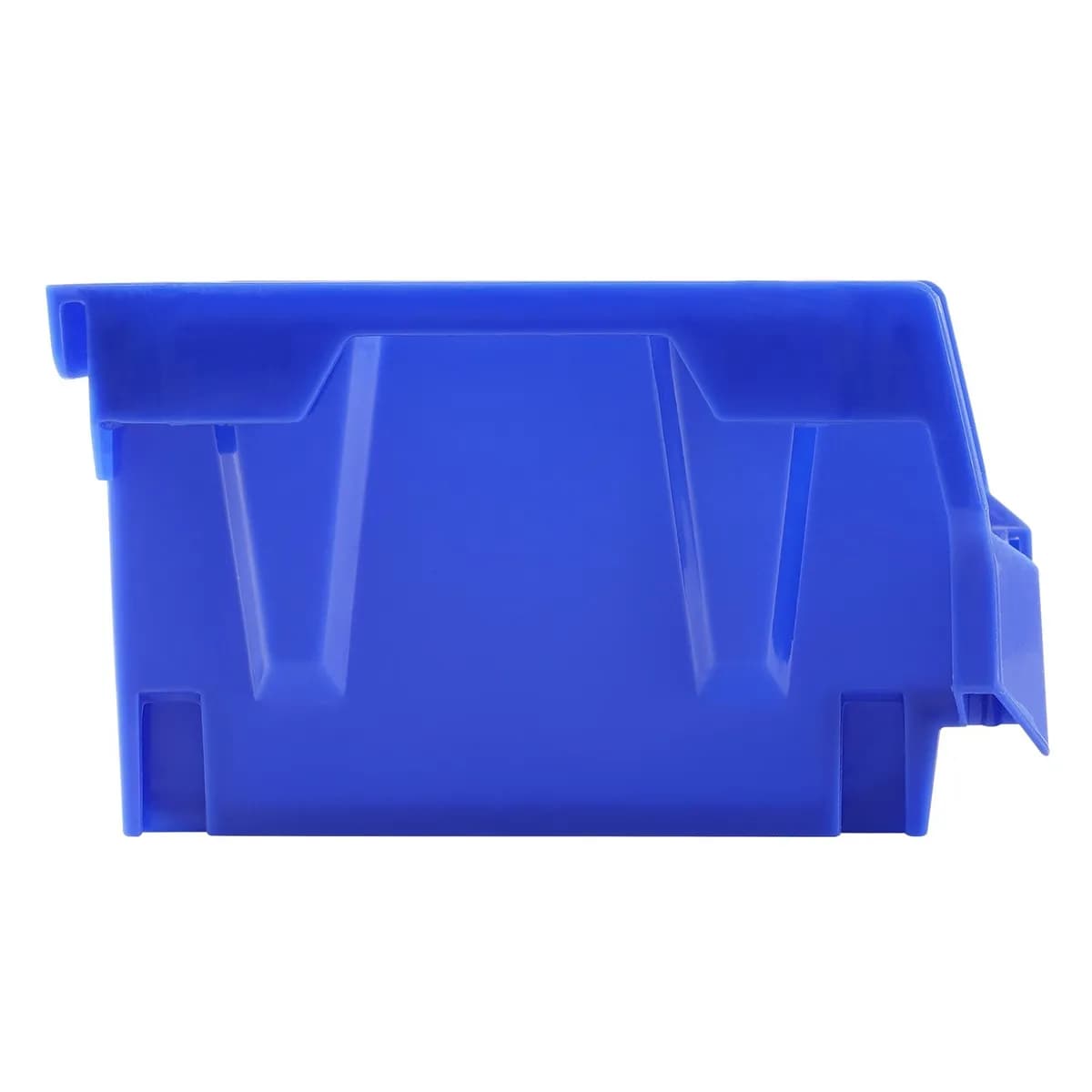
You can find a great range of durable, stackable storage bins and containers at Sesoris designed specifically for home organization needs.
Wall-Mounted Storage Systems
Pegboards, slatwall panels, and wall-mounted rail systems are game-changers for garage organization. They take storage completely off the floor and put it at eye level where it is easy to access. A pegboard above a workbench keeps hand tools visible and within reach. Wall-mounted hooks and brackets can hold bikes, ladders, and garden hoses without taking up any floor space.
Overhead Ceiling Storage
Ceiling-mounted storage racks are perfect for items you need only a few times a year, like holiday decorations, camping gear, or seasonal sports equipment. Most ceiling racks can be adjusted to different heights to clear your car's roofline. Check the weight rating carefully and always follow the manufacturer's installation guidelines to ensure the racks are safely anchored to ceiling joists.
Cabinets for a Cleaner Look
If you want a garage that looks truly polished, consider adding one or two base cabinets or tall storage cabinets. Cabinets hide clutter behind closed doors and give the garage a much neater visual appearance. They are especially useful in the automotive zone for storing chemicals and fluids safely away from children.
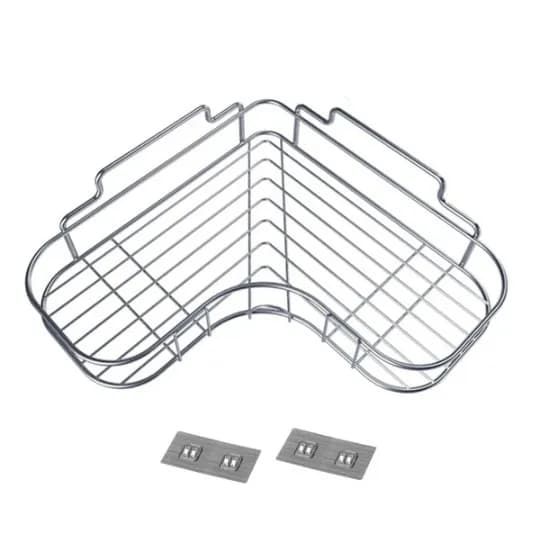
For a deeper dive into the best products for garage storage, check out our guide to best garage storage solutions and explore the full range of Sesoris collections built for home organization.
Labels: The Finishing Touch
Never skip labeling. A label on every bin, shelf, and cabinet is what separates a garage that stays organized from one that reverts to chaos within a month. Use a label maker, printed labels, or even clear tape with a marker. Include both text and, for households with young children, simple pictures so everyone knows exactly where things belong.
Step 6: Bring Items Back In Strategically
Now comes the satisfying part. With your zones defined and your storage solutions in place, you can begin bringing items back into the garage. Follow these principles as you work:
- Heaviest items go on lower shelves to prevent shelving units from becoming top-heavy and to make lifting safer
- Most frequently used items go at eye level and near zone entrances for easy access
- Least used seasonal items go overhead or on highest shelves
- Group like with like within each zone: all batteries together, all paint supplies together, all garden fertilizers together
- Leave deliberate empty space on each shelf. A packed-to-the-brim shelf immediately feels chaotic and makes it harder to put things back neatly
- Create a dedicated landing zone near the door to the house for items that need to move in or out of the garage temporarily
As you work, refer back to your zone map and resist the urge to deviate from it. The discipline you apply now is what makes the whole system work.
Step 7: Maintain Your Decluttered Garage All Year Long
Decluttering your garage is a significant achievement, but maintenance is what makes it last. The best organizational systems in the world fail without a few simple habits to support them.
Schedule a Quarterly Check-In
Four times a year, spend 20 to 30 minutes doing a quick garage audit. Put items that have drifted back to their correct zones, remove anything that has snuck back in that does not belong, and reassess whether your zone layout is still working for your family's needs. Seasons change, hobbies evolve, and your garage organization should adapt accordingly.
The One-In, One-Out Rule
Every time a new item enters the garage, something old should leave it. Bought a new set of gardening tools? The old, worn-out set goes to donation or trash. This simple rule prevents the slow creep of clutter from undoing all your hard work.
Designate a Donation Box
Keep a labeled bin or box in an accessible corner of your garage specifically for items destined for donation. When it fills up, drop it off at your local donation center. This creates a permanent, low-effort channel for items to exit your home.
Do Not Use the Garage as a Transition Zone
One of the fastest ways to re-clutter a garage is to use it as a staging area for items you plan to deal with later. "I will figure out where this goes eventually" is how garage chaos begins. If an item enters the garage, it must go to a specific, designated spot the moment it arrives.
For broader home organization strategies that complement your garage work, our guides on home storage solutions and minimalist home organization tips are excellent next reads.
For a visual example of built-in storage planning, This Old House's garage organization guide explains how vertical systems can improve visibility while keeping floor space available.
Quick Wins: Declutter Your Garage in a Single Afternoon
If a full two-day overhaul feels too daunting right now, here are some quick-win projects that take two hours or less and make an immediate visual difference:
- Clear the perimeter: Walk around the edges of your garage and remove everything that is sitting directly on the floor. Even temporarily stacking items on shelves frees up walking space immediately
- Tackle one zone at a time: Instead of emptying the whole garage, focus on just the automotive shelf or just the sports equipment corner
- Deal with the trash first: Go through the garage and pull out only the obvious trash: broken items, empty containers, and expired products. This alone can free up surprising amounts of space
- Add one wall hook: Installing a single row of heavy-duty wall hooks takes under 20 minutes and instantly gets bikes, ladders, and hoses off the floor
- Consolidate half-empty bags and boxes: Combine partially used bags of potting soil, bags of rock salt, and boxes of the same type of item to reduce the total number of containers taking up space
Related Products from Sesoris
If you want to turn this guide into a real setup, start with Stackable Storage Bins, 24 Pack and Pull-Out Cabinet Organizer, 17 in. Wide. For broader options, browse the Home & Decor collection so the article journey does not stop at reading only.
Our practical rule: choose one product that solves the main clutter problem first, then add supporting organizers only when the daily workflow is already clear. This keeps the shopping path useful, not pushy.
FAQ: Frequently Asked Questions About How to Declutter a Garage
Q: How long does it realistically take to declutter a garage?
It depends on the size of the garage and how much has accumulated. A one-car garage with moderate clutter can often be decluttered and reorganized in a single full day. A two or three-car garage with years of accumulated items will typically take a full weekend of dedicated work, especially if you are sorting, donating, and selling items.
Q: Where should I donate garage items?
Habitat for Humanity ReStores accept building materials, tools, and home improvement items in good condition. Goodwill and The Salvation Army accept a wide range of household goods. Local shelters and community organizations often accept specific items like sports equipment and yard tools. Facebook Marketplace and local Buy Nothing groups are also excellent options for giving items directly to neighbors in your community.
Q: How do I declutter a garage that belongs to a partner or spouse who does not want to throw anything away?
This is one of the most common challenges in garage decluttering. Start by agreeing on shared goals: a car that actually fits, a clear path to the door, or a functional workshop area. Work together on decisions rather than making unilateral choices about someone else's belongings. Creating a designated "decide later" bin for contested items can reduce conflict while still making progress.
Q: What should I never store in a garage?
Avoid storing food items that attract pests, important documents that could be damaged by temperature extremes, paint that has not been properly sealed, propane tanks indoors, and electronics that are sensitive to heat and humidity. Refer to the EPA's household hazardous waste guidance when dealing with pesticides, solvents, paint, and motor fluids.
Q: What are the best storage containers for a garage?
Heavy-duty clear plastic bins with locking lids are the gold standard for garage storage. They are durable enough to handle temperature swings, transparent so you can see contents easily, and stackable to maximize vertical space. Metal storage cabinets are ideal for chemicals and automotive products. For tools and small hardware, stackable drawer organizers and pegboard systems are the most practical options. Browse Sesoris best sellers for top-rated home organization containers that work great in garages.
Q: How do I stop my garage from getting cluttered again after I organize it?
The most effective strategies are: labeling every storage container and shelf so items always have an obvious home to return to, doing a 20-minute quarterly audit to catch drift before it becomes a problem, enforcing a one-in, one-out rule, and keeping a permanent donation box so items can exit your home easily and regularly.
Conclusion
Taking the time to properly declutter your garage is one of the most transformative things you can do for your home in 2026. It is not just about having a cleaner space, although that alone is worth it. It is about reclaiming a significant portion of your home, reducing daily stress, improving safety, and creating a space that actually works for your family's lifestyle. By following this step-by-step process: preparing properly, emptying and sorting everything, deep cleaning, creating zones, choosing the right storage solutions, and building maintenance habits, you set yourself up for a garage that stays organized for years, not just weeks.
Ready to find the storage bins, shelving accessories, and organizational tools that will make your garage transformation stick? Visit Sesoris to explore our full collection of home organization essentials, from durable storage containers to label systems. Check out our new arrivals for the latest products designed to help you live more organized, one space at a time.
Liked this guide?
Get new organizing guides and the occasional new product by email. No spam, unsubscribe anytime.
Related articles
Explore more articles
- Freezable Food Storage Containers: Ultimate Guide to Safe Freezer Organization in 2026
- Simple but Attractive Living Room Decor: 20 Affordable Ideas for 2026
- Pyrex Food Storage Containers: Complete Review & Buying Guide for 2026
- Best Desk Organizer Accessories Review 2026: Top Picks for a Cleaner, More Productive Workspace
- Sunday Reset Routine: The Lifestyle Habit That Transforms Your Entire Week in 2026
- 30+ Best Storage Ideas for Small Space: Maximize Every Inch of Your Home in 2026
- Best Food Storage Containers Glass: Complete 2026 Review & Buying Guide for a Smarter Kitchen
- 25+ Best Organization Ideas for a Small Closet to Maximize Every Inch in 2026