
Playroom Organization: 30+ Smart Ideas to Create a Fun, Tidy Kids' Space in 2026
Transform your kids' chaos into calm with these playroom organization ideas. Practical tips, storage solutions & product picks for 2026.
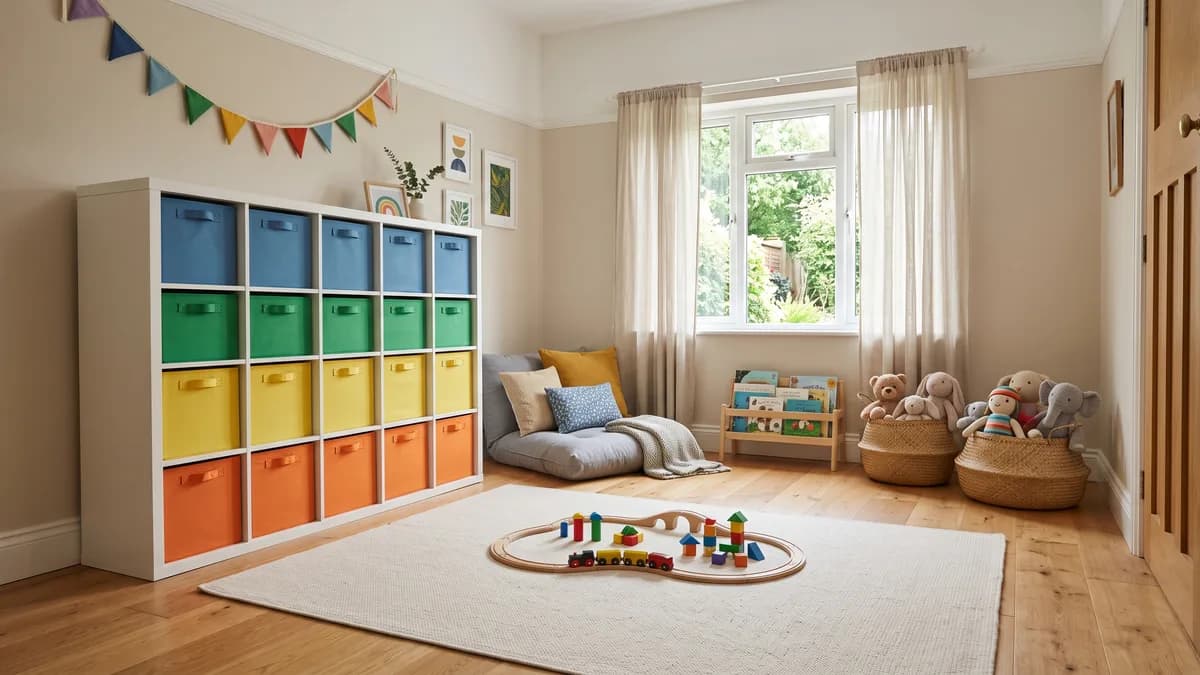
If you have kids, you already know the daily struggle: one hour of playtime can turn a perfectly clean room into what looks like a toy store explosion. Getting a handle on playroom organization is one of the best things you can do for your home's sanity, and more importantly, for your kids' development. A well-organized playroom does more than look pretty. It helps children find what they need, encourages independence, and makes cleanup feel like less of a battle. In this guide, I'm sharing 30+ practical, tested playroom organization ideas that actually work for real American families in 2026, from smart storage systems to zone planning and everything in between.
Why Playroom Organization Matters More Than You Think
Before jumping into the tips, it's worth understanding why an organized play space pays off beyond just aesthetics. Research in child development consistently shows that an organized environment supports focused play, creativity, and a child's sense of autonomy. According to The Spruce, children who have accessible, clearly defined storage for their toys are more likely to put things away on their own, because they actually know where things belong.
Beyond the developmental angle, a tidy playroom also means fewer arguments about cleanup time, less time spent hunting for missing puzzle pieces, and a space that genuinely feels inviting rather than overwhelming. Whether you're working with a dedicated playroom, a shared living space, or a small bedroom corner, these ideas will help you build a system that lasts.
Explore the full range of home organization solutions at Sesoris to find the right products for your playroom setup.
Step 1 - Start with a Declutter Before You Organize
The biggest mistake most families make is buying storage bins before they've actually sorted through what they own. Playroom organization starts with a ruthless declutter. Before you invest in a single shelf or label, go through every toy, game, and art supply in the space.
Here's a simple sorting framework I like to use:
- Keep - toys your child actively plays with and loves
- Donate - toys in good condition that your child has outgrown or lost interest in
- Discard - broken toys, puzzles with missing pieces, and anything that can't be repaired
- Rotate - toys that are good but currently overwhelming the space, set these aside to reintroduce later
Toy rotation is a game changer for playroom organization. Instead of having every single toy accessible at once, keep a portion in storage and swap them out every few weeks. Kids treat the rotated toys like new ones, which extends their interest and keeps the room from feeling crowded.
Once you've decluttered, take stock of what categories you have: building blocks, dolls, art supplies, board games, books, dress-up clothes, and so on. This inventory will guide every storage decision you make next.
Step 2 - Plan Your Playroom Organization Zones
One of the most effective strategies in playroom organization is zone planning. Instead of tossing all toys into one giant bin, divide the room into activity-based zones. Each zone has its own purpose and its own dedicated storage.
Here are the most popular zones for a well-organized playroom:
The Reading Nook
Designate a cozy corner with a low bookshelf, a bean bag or floor cushion, and good lighting. Forward-facing bookshelves work especially well for young children because they can see the book covers and make choices independently. Keep this zone calm and quiet, away from the more active play areas.
The Building and Blocks Zone
LEGOs, magnetic tiles, wooden blocks, and construction toys need a dedicated surface and contained storage. A low table with drawers or nearby labeled bins keeps pieces together and makes cleanup straightforward. Check out these LEGO storage ideas for inspiration.
The Art and Craft Corner
Art supplies can quickly spiral into chaos without a solid system. Use a pegboard on the wall to hang scissors, rulers, and rolls of tape. Keep crayons, markers, and colored pencils in labeled cups or a rotating desktop organizer. A small rolling cart is perfect for this zone because you can wheel it out during art time and tuck it away when you're done.
The Imaginative Play Zone
Dress-up clothes, toy kitchen sets, dollhouses, and action figures belong here. Use open bins, low hooks for costumes, and accessible shelves so kids can access and return items independently.
The Active Play Zone
If your playroom is large enough, carve out space for a small indoor slide, balance board, or movement mat. Keep this area clear of clutter so there's always room to move safely.
The Best Storage Solutions for Playroom Organization
Now that you have your zones mapped out, it's time to choose the right storage. The best playroom storage is accessible to kids, clearly labeled, and flexible enough to grow with your family. Here are the top storage options I recommend:
Open Cube Shelving with Fabric Bins
This is the gold standard of playroom organization for good reason. A cube shelving unit paired with colorful fabric bins gives you a system that's modular, affordable, and incredibly flexible. You can rearrange the bins as your child's interests change, and the open design means kids can see and reach everything at their level.
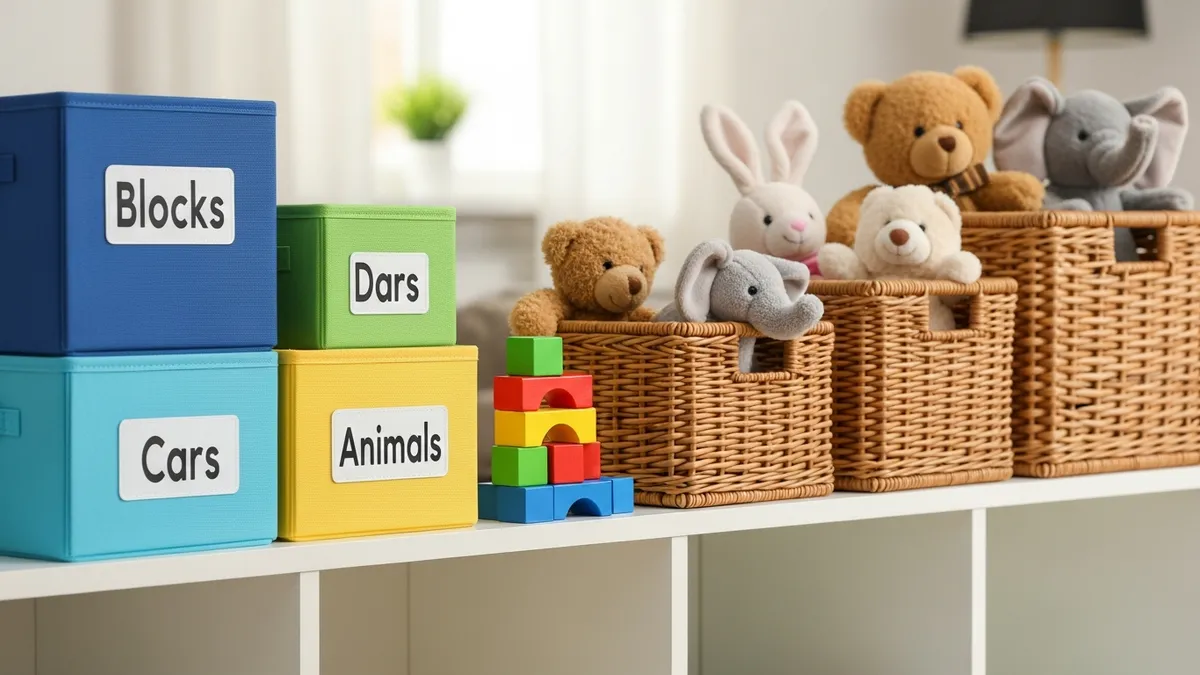
Look for bins that are around 10 to 11 inches per side to fit standard cube units. Label each bin with a picture label plus a word label, especially helpful for pre-readers.
Toy Chest or Storage Ottoman
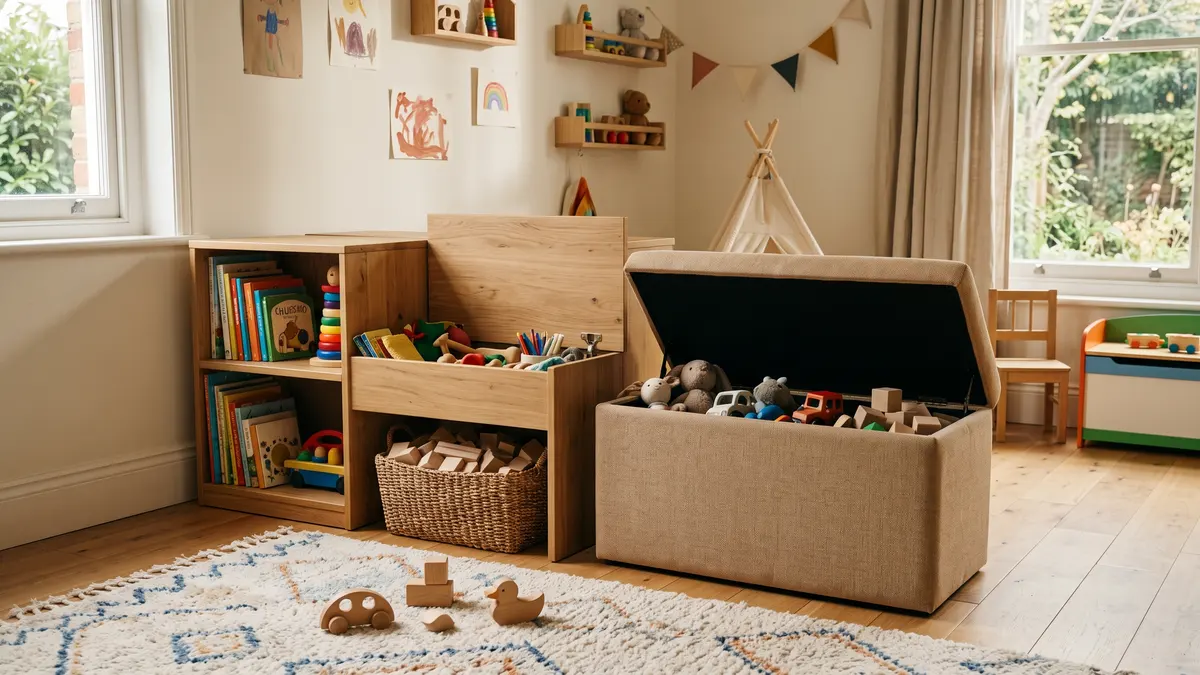
A toy chest is perfect for larger, oddly shaped toys like stuffed animals, sports equipment, and bulky play sets. A storage ottoman doubles as seating and hidden storage, which is ideal if the playroom is a shared family space. Just be mindful of safety: look for chests with slow-close hinges and ventilation holes to prevent any accidental trapping.
Low Bookshelves and Display Shelves
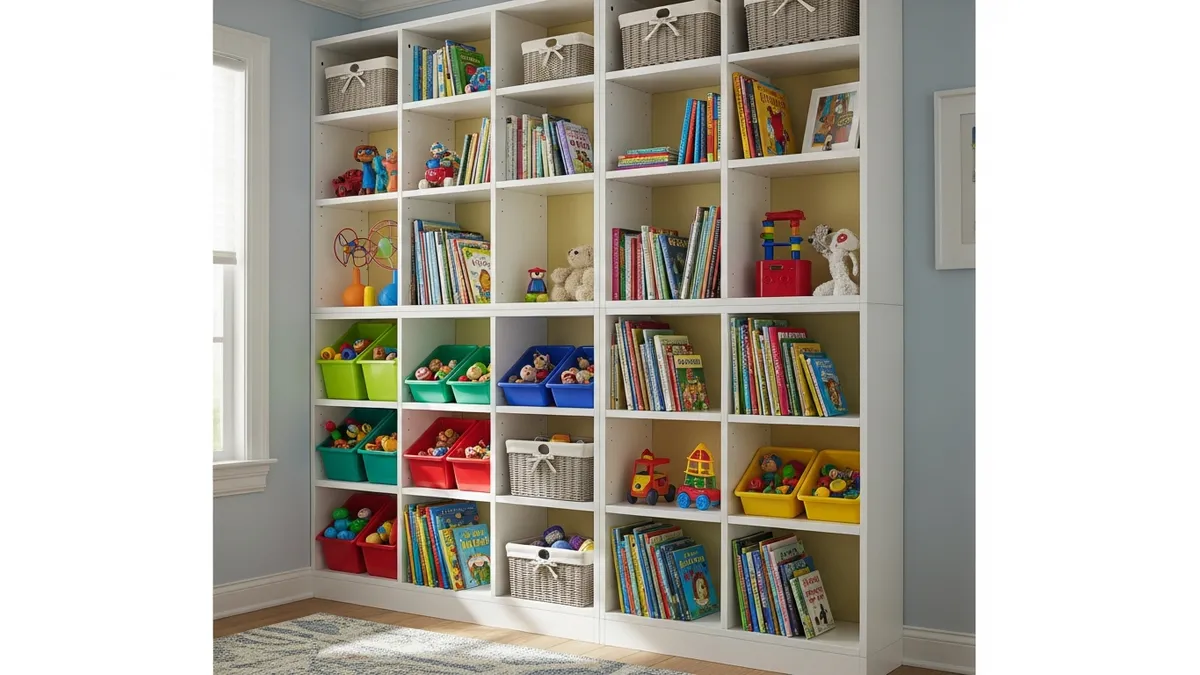
Keep bookshelves at child height so kids can browse and return books on their own. Forward-facing shelves display books with covers showing, which dramatically increases the chance that a child will actually pick up and read them. Good Housekeeping recommends keeping no more than 10 to 15 books accessible at a time for younger children, rotating others in as interest grows.
Rolling Carts
A three-drawer rolling cart is one of the most versatile pieces of playroom storage you can own. Use one for art supplies, one for small building sets, or one for sensory play materials. The wheels make it easy to move to different zones or tuck into a closet when not in use.
Wall-Mounted Storage
Don't forget vertical space. Wall-mounted pegboards, floating shelves, and hanging organizers are excellent for playrooms with limited floor space. A pegboard above an art table can hold everything from scissors to sticker rolls. Floating shelves can display completed LEGO builds, trophies, or rotating toy collections without taking up floor space.
Browse the Sesoris New Arrivals for the latest storage bins, organizers, and shelving options perfect for a playroom refresh.
Labeling: The Secret Weapon of Playroom Organization
I cannot overstate how much labeling transforms a playroom. When every bin, shelf, and drawer has a clear label, kids know exactly where things go, which means cleanup becomes a sorting game rather than a chore.
Here are some labeling tips that actually work:
- Use picture labels for children who can't yet read. Print or draw a simple image of the toys that belong in each bin.
- Add word labels alongside pictures so kids start associating the written word with the category.
- Use color coding to reinforce zones. For example, all art supply bins get yellow labels, all building toy bins get blue labels.
- Laminate labels or use label holders so they survive sticky fingers and repeated handling.
- Keep labels simple. "Blocks," "Puzzles," "Cars," and "Art" are far more effective than overly specific categories.
For free printable label templates and ideas, check out this storage bin label guide on the Sesoris blog.
Smart Playroom Organization Ideas for Small Spaces
Not every family has the luxury of a dedicated playroom. Many of us are working with a corner of the living room, a shared bedroom, or a small bonus room. The good news is that smart playroom organization can work beautifully in compact spaces too.
Here are my favorite small-space strategies:
- Under-bed storage - Use flat rolling bins under a bed to store seasonal toys, puzzles, or board games that aren't in daily rotation.
- Over-the-door organizers - The back of a closet or playroom door can hold art supplies, small toys, and even dress-up accessories using a clear pocket organizer.
- Vertical shelving - Floor-to-ceiling shelving maximizes every inch of wall space. Keep frequently used items on the lower shelves within a child's reach, and store seasonal or less-used items up high.
- Multi-functional furniture - A bench with built-in storage, a table with drawers, or a bookshelf that doubles as a room divider all pull double duty in small spaces.
- Collapsible bins - When not in use, collapsible storage boxes fold flat and tuck away easily. They're perfect for toys that only come out occasionally.
For more space-saving inspiration, see our guide to home organization ideas for small spaces.
"A place for everything and everything in its place is not just a motto for adults. When kids know where their toys belong, they're far more likely to take ownership of their space."
How to Maintain Playroom Organization Day to Day
Building a great playroom organization system is only half the battle. The other half is maintaining it. Here's what I've found actually works for keeping the space tidy on a daily basis:
The 10-Minute Tidy
Build a daily cleanup routine into your schedule, ideally before dinner or before bed. Set a timer for 10 minutes and make it a family activity. When kids know cleanup has a defined endpoint, it feels less overwhelming and more like a game.
The One-In-One-Out Rule
For every new toy that enters the playroom, one toy leaves. This rule keeps the quantity of toys manageable and ensures your storage system never gets overwhelmed. It also teaches kids the value of their belongings.
Seasonal Resets
Every three to four months, do a mini playroom reset. Go through each bin, reassess what's being used and what isn't, rotate toys in and out of storage, and re-label anything that has changed. This prevents the slow drift back into chaos that happens in most homes.
Involve Your Kids
Kids are far more likely to maintain a system they helped create. Let them choose the color of their bins, help apply labels, and decide where different toy categories should live. Ownership builds buy-in.
Playroom Organization Products Worth Considering in 2026
When shopping for playroom storage, focus on durability, child safety, and flexibility. Here are the product categories I look for and what to keep in mind:
Fabric Storage Bins
Soft-sided fabric bins are lightweight enough for kids to handle, won't crack or splinter, and come in a wide range of colors and sizes. Look for bins with reinforced handles and a sturdy base so they hold their shape when filled.
Stackable Clear Containers
For small pieces like LEGO bricks, puzzle pieces, beads, or trading cards, clear stackable containers are invaluable. Being able to see the contents at a glance saves time and prevents the frustration of digging through opaque bins.
Modular Cube Units
A good modular cube unit can expand as your family's needs grow. Start with a 4-cube unit and add more sections over time. Look for units with a weight capacity appropriate for the items you plan to store.
Art Supply Organizers
Desktop rotating organizers, tabletop caddies, and wall-mounted pegboard systems are all excellent for art supplies. Keeping art materials contained and accessible means kids can set up and clean up independently.
Toy Rotation Bins
Invest in a few large lidded bins specifically for toy rotation storage. These live in a closet or the garage and hold the toys that are currently "off the floor." Clear lids make it easy to see what's inside without digging.
Browse the Sesoris Best Sellers to find top-rated storage bins, organizers, and home organization essentials that work beautifully in playrooms.
You can also find a huge range of playroom and kids' organization inspiration on Houzz for visual ideas before you commit to a layout.
Age-Specific Playroom Organization Tips
One size does not fit all when it comes to playroom organization. The right system looks different depending on the age of your child.
Toddlers (Ages 1 to 3)
Keep storage low, open, and simple. Toddlers need to see their toys to engage with them, so avoid lidded boxes and deep bins at this age. Large, open bins with just a few items in each one work best. Rotate toys frequently to keep things fresh and prevent overwhelm.
Preschoolers (Ages 3 to 5)
This is the sweet spot for introducing labeled bins and basic zone organization. Preschoolers love categories and can start learning to sort toys by type. Use picture labels so they can "read" the labels independently. A low bookshelf with forward-facing books is a must for this age.
School-Age Kids (Ages 6 to 12)
Older kids can handle more complex organizational systems and should have a say in how the space is set up. Introduce dedicated homework and reading areas alongside the play zone. Clear containers for collectibles, a designated spot for school backpacks, and word-only labels all work well for this age group.
Related Products from Sesoris
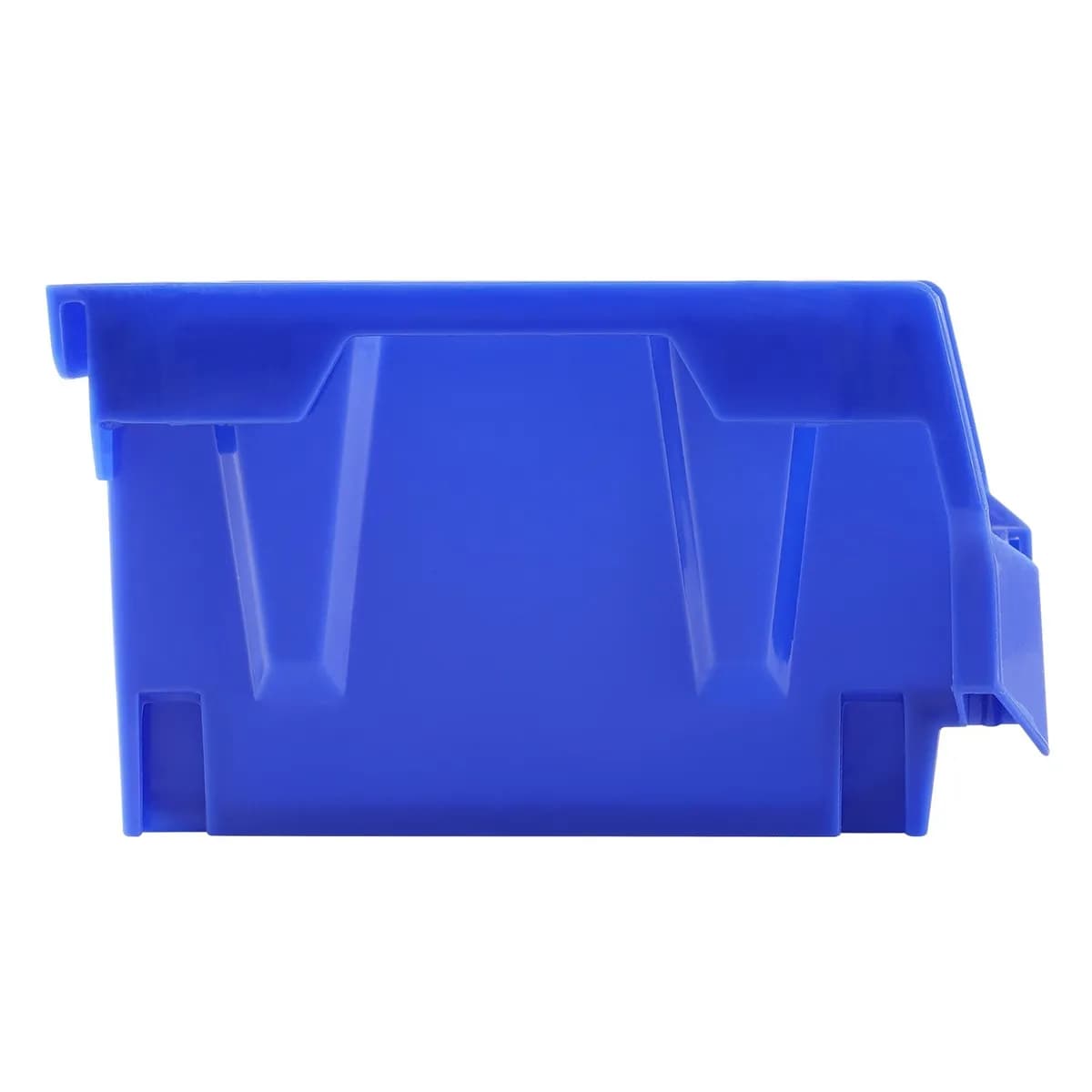
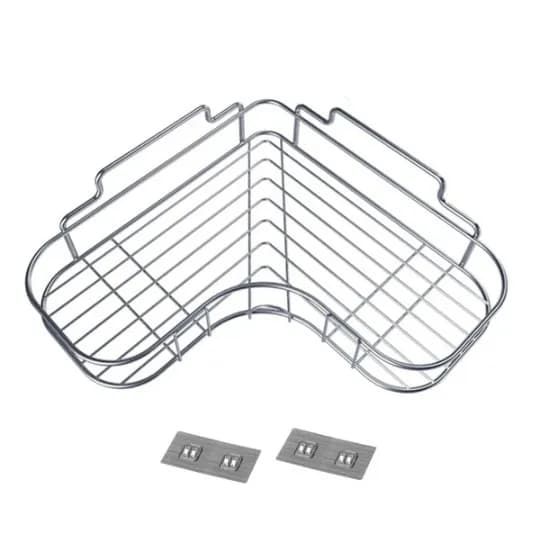
If you want to turn this guide into a real setup, start with Stackable Storage Bins, 24 Pack and Pull-Out Cabinet Organizer, 17 in. Wide. For broader options, browse the Home & Decor collection so the article journey does not stop at reading only.
Our practical rule: choose one product that solves the main clutter problem first, then add supporting organizers only when the daily workflow is already clear. This keeps the shopping path useful, not pushy.
FAQ: Frequently Asked Questions About Playroom Organization
How do I get my kids to actually put things away?
The most effective approach is to make the system easy and intuitive. If putting a toy away requires multiple steps, kids won't do it consistently. Use open bins at child height, clear picture labels, and build a daily tidy routine with a set timer. Kids respond well to routines and especially to doing cleanup alongside a parent rather than being told to do it alone.
How many toys should be accessible at once in a playroom?
This depends on age and room size, but a general rule of thumb is fewer than you think. Many child development experts suggest that having fewer accessible toys at one time actually leads to deeper, more creative play. Toy rotation is a practical way to keep the accessible selection curated without permanently getting rid of anything.
What's the best storage system for a playroom with a tight budget?
Cube shelving units with fabric bins offer the best value for most families. They're affordable, modular, widely available, and flexible enough to adapt as your child grows. Dollar store bins and repurposed containers also work well for smaller categories. Focus your budget on one strong shelving unit and fill it with affordable bins before investing in specialty storage.
How do I organize a playroom that doubles as a living room?
The key is choosing storage that blends into the living room aesthetic. Storage ottomans, stylish woven baskets, and furniture-grade cube units in neutral colors keep toys contained without making the space feel like a toy store. At the end of each day, all toys go back into their designated storage so the living room returns to an adult-friendly space.
How often should I reorganize the playroom?
A full reorganization every six months is usually enough, timed around birthdays and the holidays when new toys arrive. In between, a quick 10-minute daily tidy and a monthly check-in to rotate toys and clean out anything that's broken or outgrown will keep the system running smoothly.
Conclusion
Great playroom organization isn't about having a perfect, magazine-worthy space. It's about building a system that works for your family, one that your kids can actually use and maintain with a little guidance. Start with a declutter, plan your zones, choose accessible storage, label everything clearly, and build a simple daily routine. Those five steps will take you from toy chaos to a calm, functional space faster than you'd expect.
Whether you're starting from scratch or just need a refresh, the right products make all the difference. Head over to Sesoris to browse our full collection of storage bins, organizers, and home organization essentials designed to help your family live more organized, every single day. And if you want to explore even more ideas for keeping your home tidy, take a look at our complete collections for every room in the house.
Liked this guide?
Get new organizing guides and the occasional new product by email. No spam, unsubscribe anytime.
Related articles
Explore more articles
- Pyrex Glass Food Storage Containers: The Complete 2026 Guide to Safe, Durable Kitchen Storage
- Best Storage for Clothes: 25+ Smart Solutions to Organize Your Wardrobe in 2026
- 25+ Best Yarn Storage Ideas to Keep Your Craft Room Organized in 2026
- 30+ Best Pantry Storage Ideas to Transform Your Kitchen Organization in 2026
- 30+ Best Playroom Storage Ideas to Create a Fun, Tidy Kids' Space in 2026
- Refrigerator Organization: The Complete 2026 Guide to a Cleaner, Smarter Fridge
- 30+ Best Bedroom Shelving Ideas to Maximize Every Inch of Your Space in 2026
- 25+ Best Corner Cabinet Kitchen Ideas to Maximize Every Inch in 2026