
Refrigerator Organization: The Complete 2026 Guide to a Cleaner, Smarter Fridge
Learn how to organize a refrigerator by zone, container, and shelf so food stays fresh longer and nothing gets lost in the back. A practical guide covering bins, labeling, temperature zones, and weekly upkeep.
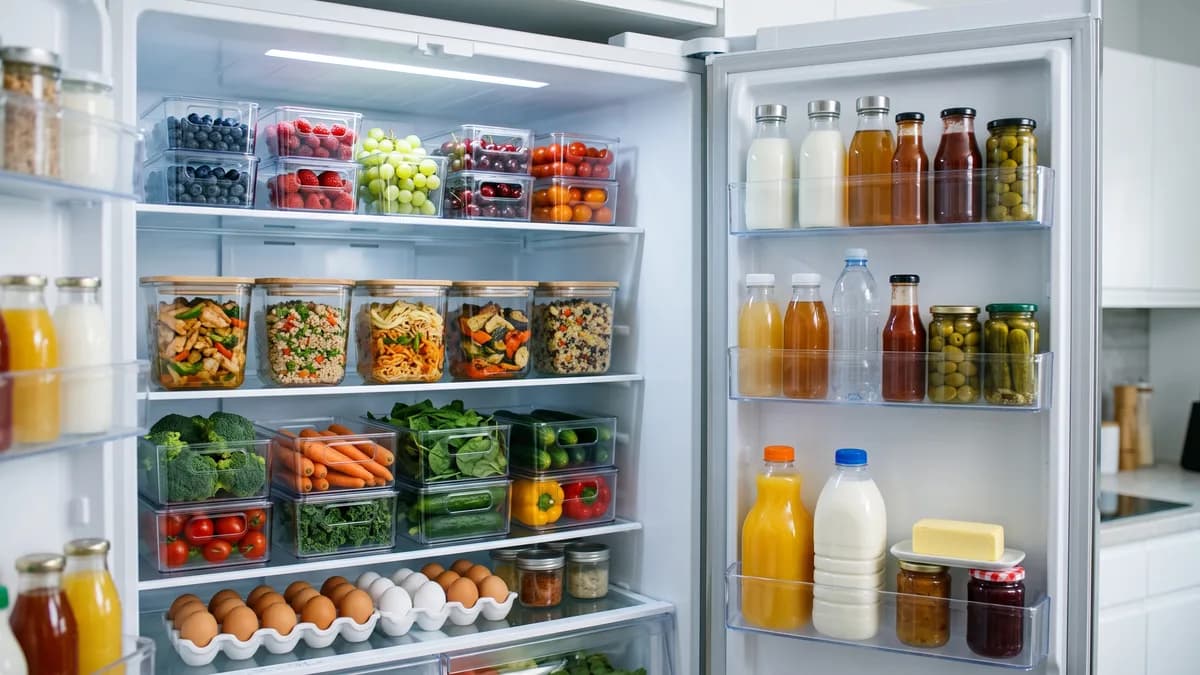
A refrigerator does not get messy all at once. It happens one leftover container at a time, one grocery bag unpacked in a hurry, one condiment pushed to the back and forgotten. Within a few weeks, the crisper drawer is a mystery and half the shelf is blocked by things nobody remembers buying. Refrigerator organization fixes that by giving every category of food a fixed home, so putting things away and finding them again both take seconds instead of minutes.
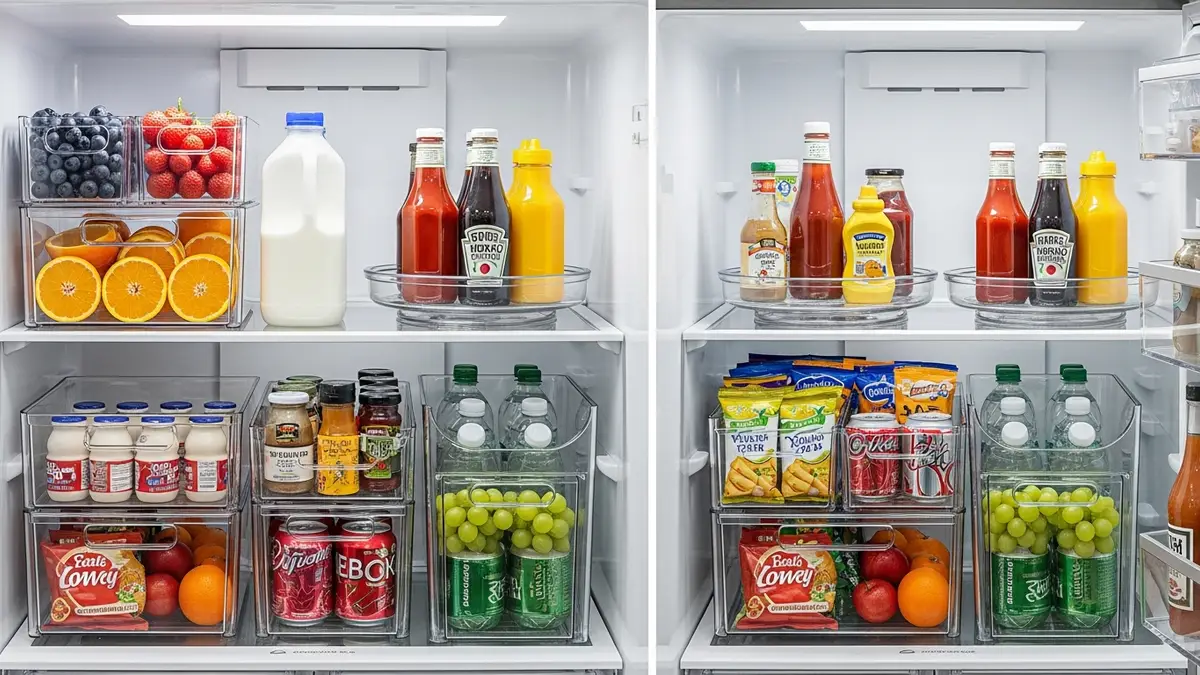
This guide walks through how to zone a refrigerator by temperature and use, which containers actually help, and how to keep the system running past the first week. It is written for a normal kitchen fridge, not a walk-in or a magazine shoot, so every idea here works with the shelves and drawers you already have. If your fridge organization is really a symptom of a small kitchen overall, pair this with these kitchen organizer ideas for the rest of the room.
Why Fridge Organization Actually Matters
An unorganized refrigerator is not just annoying to look at, it can also make food harder to track. The CDC food-safety guidance recommends refrigerating perishable foods and cooked leftovers within two hours, so a visible, labeled system makes it easier to use older items before newer groceries hide them.
Organization also protects the food that is still good. The FDA refrigerator safety guide recommends keeping refrigerated foods covered, cleaning spills, and checking leftovers regularly. Raw meat belongs in a sealed container or tray on the bottom shelf, while ready-to-eat food stays above it. Grouping food by type in clear bins is a practical way to support that safe-storage habit.
Understanding Refrigerator Temperature Zones
The Top and Middle Shelves
The middle shelves hold the most consistent temperature in the fridge, which makes them the best spot for dairy, eggs, and leftovers that need to stay reliably cold. The top shelf runs slightly warmer since it is closest to the door seal, so it is a reasonable spot for drinks and condiments that are more forgiving of small temperature swings.
The Bottom Shelf
The bottom shelf is the coldest part of most refrigerators and sits directly above the crisper drawers. This makes it the correct place for raw meat, poultry, and fish, always stored in a sealed container or on a tray to catch any drips before they reach food below. Never store raw meat above vegetables or ready-to-eat items for exactly this reason.
The Crisper Drawers
Crisper drawers usually have humidity controls, and using them correctly extends produce life significantly. High humidity settings suit leafy greens, herbs, and vegetables that wilt easily. Low humidity settings suit fruit, which releases ethylene gas that speeds up spoilage in nearby produce. Keeping fruit and vegetables in separate drawers, rather than mixed together, is one of the simplest changes that measurably reduces produce waste.
The Door
The door is the warmest zone in the refrigerator because it is exposed to room temperature every time it opens. Reserve it for condiments, sauces, and other items that are shelf-stable enough to tolerate the swing, such as ketchup, mustard, and salad dressing. Milk and eggs are better kept in the main body of the fridge, even though many refrigerators are designed with a door shelf that looks made for them.
Choosing Containers and Bins for the Fridge
Clear Storage Bins
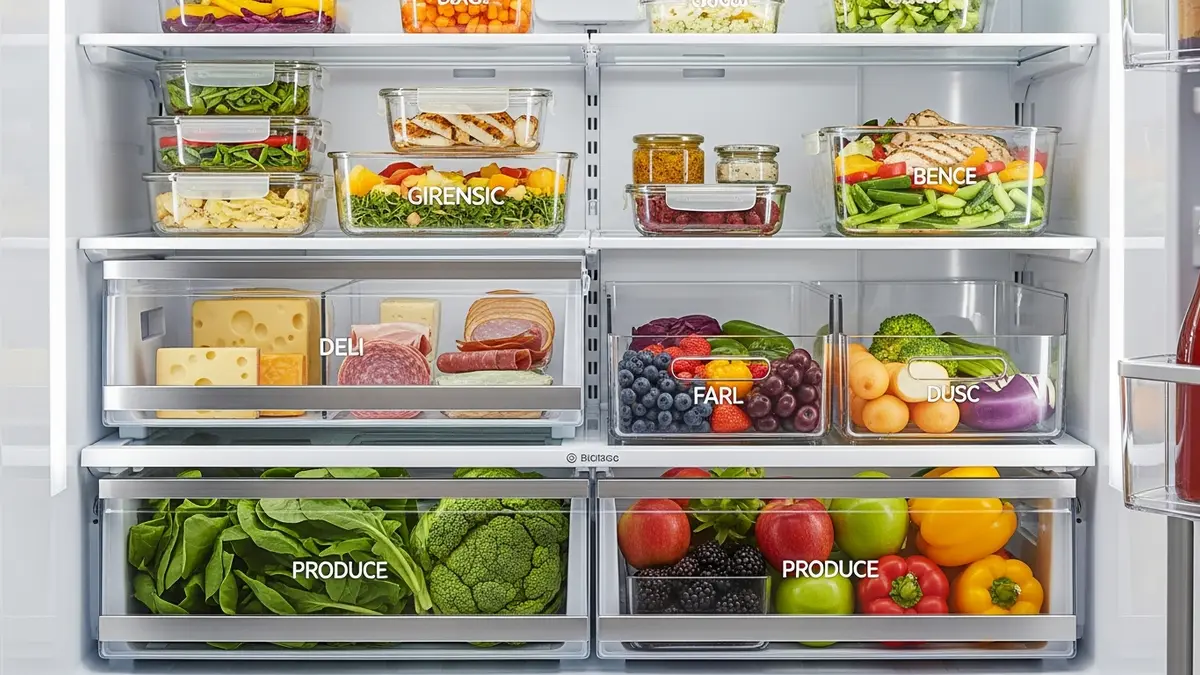
Clear bins are the single most useful tool for refrigerator organization because they turn a shelf into a labeled, pull-out drawer. Group similar items together, snacks in one bin, cheese and deli meat in another, opened sauces in a third, and slide the whole bin out instead of digging through loose containers one at a time. Look for bins rated for refrigerator use so they hold up to cold temperatures and regular washing. If you are also organizing dry goods, compare these storage bins with lids for the pantry.
Stackable Food Storage Containers
Uniform, stackable containers do for leftovers what bins do for groceries: they replace mismatched shapes with a predictable footprint that stacks cleanly. Choose a small range of sizes rather than a large mismatched set, since fewer shapes means better use of vertical space. For a deeper comparison of container types and materials, see this guide to food storage containers and our BPA-free food storage guide.
Lazy Susans and Turntables
A small turntable is one of the cheapest fixes for a deep shelf where items get lost behind other items. Condiments, small jars, and sauce packets stored on a turntable can be spun into view instead of pulled out one at a time, which is especially useful on the door or a narrow middle shelf. The same visibility principle applies to dry goods, so see this food containers and storage guide when planning the pantry.
Egg and Drink Organizers
A dedicated egg holder keeps eggs upright and off the door, closer to the fridge's stable core temperature. Stackable can and drink organizers do the same for canned drinks and bottles, turning a jumble at the back of a shelf into a single row that refills from the back automatically. Pair this with practical kitchen cabinet organization ideas so the storage logic continues beyond the refrigerator.
Common Refrigerator Organization Mistakes
The most common mistake is buying containers before measuring the shelves. A bin that looks small in a store aisle can be too tall for a refrigerator shelf once the one above it is factored in, so measure the actual clearance, including the shelf above, before ordering anything. The second common mistake is organizing once and never revisiting the system. A fridge is not static: grocery habits change, family size changes, and a system built around last year's shopping list will not fit this year's. For the adjacent dry-food zones, use these pantry organization ideas as a companion plan.
A third mistake is treating the whole fridge as one space instead of several small ones. A single deep bin holding ten different sauces defeats the purpose of a bin just as much as no bin at all, since finding one jar still means digging through nine others. Smaller, single-category bins beat fewer large mixed ones almost every time. If your worktop is crowded too, these small kitchen organization ideas can help keep prep space clear.
Labeling and Maintaining the System
Labels only work if someone actually reads them, so keep wording short: "Snacks," "Leftovers," "Open Sauces," "Eat First." That last label is worth its own bin. A small "eat first" or "use soon" zone for items nearing their expiration date is one of the most effective anti-waste habits a household can build, since it puts the food that needs attention directly in view every time the door opens.
Maintenance matters as much as the initial setup. Pick one day a week, often right before the next grocery trip, to do a two-minute pass: toss anything spoiled, wipe up spills, and move anything that has drifted out of its zone back where it belongs. Skipping this step is the single biggest reason a freshly organized fridge slides back into chaos within a month. The same weekly reset works across the room, as explained in how to keep your kitchen organized and this glass food storage guide.
A Simple Weekly Refrigerator Routine
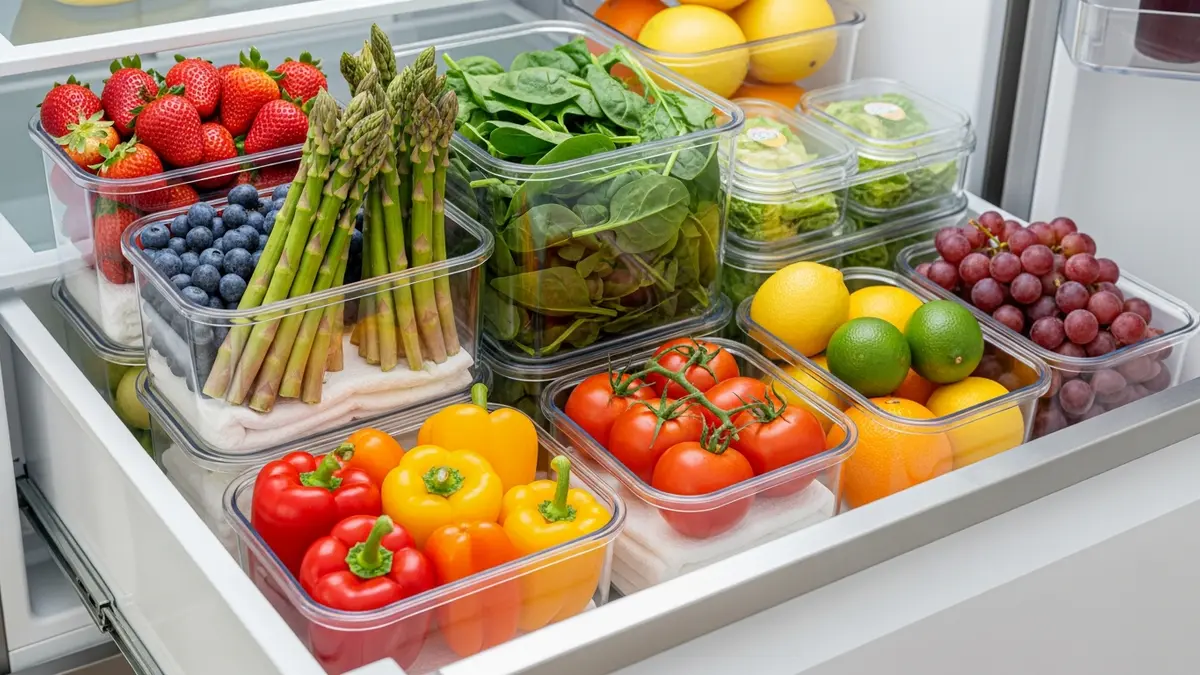
Before putting away a new grocery haul, spend thirty seconds moving older items to the front so nothing gets buried behind the new stock, a rotation habit borrowed straight from restaurant kitchens. Wipe down shelves and bins with warm soapy water every few weeks rather than waiting for a visible spill, since odors and bacteria build up long before a mess is visible. Keep a small notepad or phone note of what is inside the crisper drawers if they are not clear, so nothing gets forgotten simply because it is out of sight.
What temperature should a refrigerator be set to?
The refrigerator compartment should stay at or below 40 degrees Fahrenheit, with 37 to 38 degrees being a common sweet spot that keeps food safely cold without freezing items on the coldest shelves.
Where should raw meat be stored in the fridge?
Raw meat, poultry, and fish should always go on the bottom shelf, sealed in a container or on a tray, so any drips cannot contaminate food stored below it.
Should fruits and vegetables be stored in the same crisper drawer?
No. Fruit releases ethylene gas that speeds up spoilage in nearby vegetables, so most kitchens do better keeping fruit and vegetables in separate drawers, using the low-humidity setting for fruit and the high-humidity setting for leafy greens and vegetables.
Why does milk spoil faster when stored in the door?
The door is the warmest zone in a refrigerator because it is exposed to room air every time it opens. Milk is sensitive to that temperature swing, so it lasts noticeably longer stored on a middle shelf instead of the door rack most refrigerators provide for it.
How often should refrigerator bins and shelves be cleaned?
A quick wipe-down every one to two weeks prevents spills and odors from building up, with a deeper clean, removing all bins and shelves for a full wash, roughly once a month.
Conclusion: A System That Pays for Itself
Refrigerator organization is not about making the inside look photogenic, it is about wasting less food and spending less time hunting for things at dinner time. Start with the zone that frustrates you most, whether that is a crisper drawer full of forgotten produce or a door shelf crowded with half-used condiments, and fix one section at a time. Add clear bins, keep raw meat on the bottom shelf, and give leftovers a genuine "eat first" spot. Kept up weekly, the system pays for itself in less wasted food within the first month.
Liked this guide?
Get new organizing guides and the occasional new product by email. No spam, unsubscribe anytime.
Related articles

Explore more articles
- Floating Shelf TV Wall Ideas: 18 Layouts That Look Clean and Hold Up
- Best Under-Stair Storage Solutions: Complete 2026 Review & Buying Guide to Reclaim Hidden Space
- Lidded Box vs Open Basket Storage: Which Keeps Items Easier to Use?
- How to Plan Wall to Wall Shelf Ideas That Actually Work: A Practical 2026 Guide
- 30+ Best Kitchen Organizer Ideas to Transform Your Cooking Space in 2026
- Plastic Storage Containers Food: The Complete 2026 Guide to Safe, Fresh Kitchen Organization
- Pyrex Food Storage Containers: The Complete 2026 Guide to Safe, Durable Kitchen Organization
- Corner Closet System: Complete 2026 Guide to Maximizing Every Inch of Your Wardrobe