
30+ Best Playroom Storage Ideas to Create a Fun, Tidy Kids' Space in 2026
Discover 30+ smart playroom storage ideas to tame toy chaos and create a fun, organized kids' space. Shop solutions at Sesoris today!
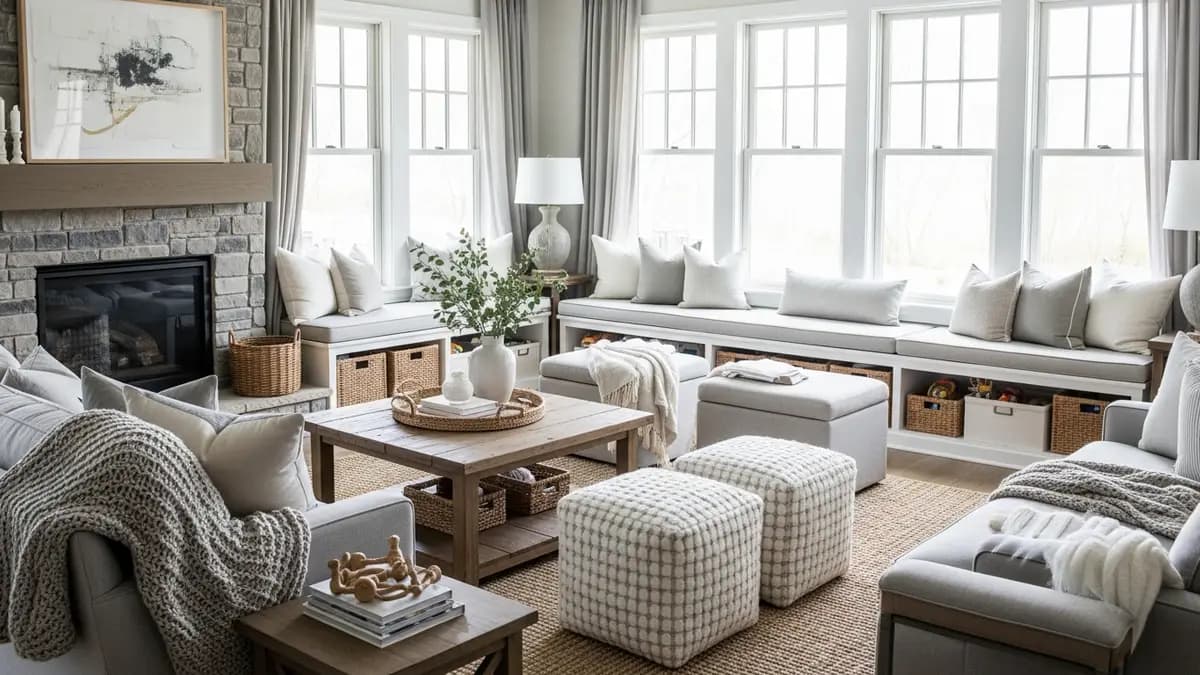
If your playroom looks like a tornado ripped through a toy store on a daily basis, you are absolutely not alone. Finding the right playroom storage ideas is one of the most common challenges families across the US face, especially when kids' stuff seems to multiply overnight. The good news is that with the right storage systems in place, you can turn even the most chaotic play space into a room that is actually fun to be in and easy to tidy up. In this guide, I am sharing 30+ practical, budget-friendly, and genuinely effective playroom storage ideas that work for toddlers, school-age kids, and everything in between.
Why Good Playroom Storage Ideas Matter More Than You Think
A well-organized playroom is not just easier on the eyes. Research in child development suggests that a tidy, structured environment can actually help kids focus better during play and transition more smoothly between activities. When kids can see what they have and know where things belong, they are more likely to put things away independently, which is a huge win for any parent.
Beyond the developmental benefits, smart playroom storage protects your investment. Toys that get tossed in a pile get broken, lost, or forgotten. When items have a designated home, they last longer and stay more enjoyable. And let us be honest, a clutter-free playroom means a saner home life for the whole family.
According to Good Housekeeping's toy storage organizer guide, one of the most effective strategies for kids' spaces is combining open storage for frequently used items with closed storage for items that create visual clutter. That simple principle is the foundation of every idea in this list.
The Best Playroom Storage Ideas Using Cube Shelving
Cube shelving units are honestly the gold standard for playroom storage, and for very good reason. They are affordable, modular, versatile, and kid-friendly. Here is how to make the most of them.
1. Mix Open Cubes with Baskets
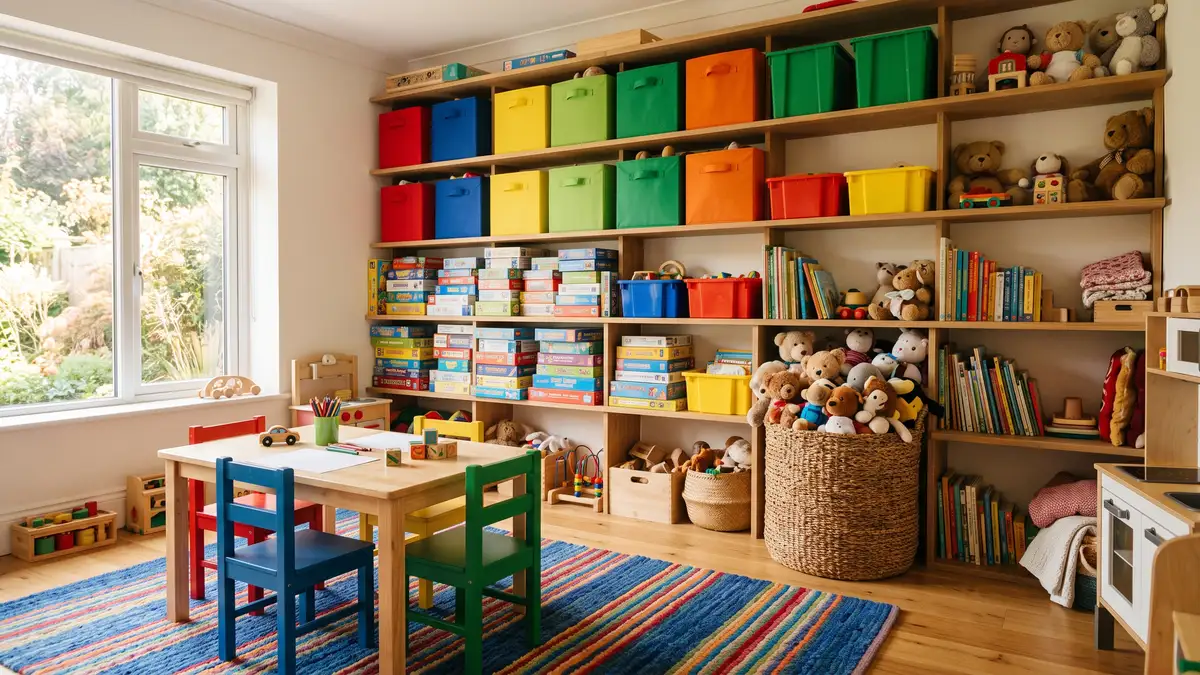
Leave some cubes open for displaying books and favorite toys, and fill others with fabric or wicker baskets to hide smaller, messier items like LEGO bricks, craft supplies, or action figures. The mix of open and closed storage creates a visually balanced look without sacrificing function.
2. Use the Bottom Row for Easy Access
Position the cube unit so the bottom two rows are within your child's reach. Toddlers and preschoolers are far more likely to clean up when they can actually reach the storage spots themselves. Reserve the top cubes for items you want to control access to.
3. Color-Code the Bins
Assign a color to each type of toy. Red bins for vehicles, green bins for art supplies, yellow bins for dress-up accessories. Even pre-readers can follow a color-coded system, making cleanup feel more like a game than a chore.
4. Add Labels with Pictures and Words
Pair simple picture labels with the written word on each bin. This strategy works beautifully for kids who are learning to read, and it makes the expectation crystal clear. You can find free printable storage bin labels to get started without spending anything.
Playroom Storage Ideas with Labeled Bins and Baskets
Bins and baskets are the workhorses of any good playroom storage system. Here are creative ways to use them effectively.
5. Low Shelves with Labeled Fabric Bins
A low, sturdy bookshelf loaded with fabric bins at kid height is one of the most effective setups you can create. Each bin gets a label, each label gets a category, and suddenly your child has a system they can actually maintain. Fabric bins are soft-sided, so they are safer for little hands than hard plastic containers.
6. Over-the-Door Organizers
The back of the playroom door is prime real estate. An over-the-door organizer with clear pockets is perfect for storing small toys, craft supplies, coloring books, or even snacks for movie days. It keeps items visible and accessible without taking up any floor space.
7. Rolling Cart Bins
A three-tier rolling cart is a playroom game-changer. Load each tier with a different category of supplies, and roll it out during activity time, then roll it back to a corner or closet when you are done. This approach is especially great for art supplies, Play-Doh, and science kits that you want to bring out intentionally rather than leave out all the time.
8. Clear Bins for Small Parts
For LEGO bricks, puzzle pieces, and other tiny items, clear bins are far superior to opaque ones. Kids can see exactly what is inside without dumping everything out, which reduces mess dramatically. Check out our guide to LEGO storage ideas for even more targeted tips.
9. Stackable Bins for Deep Closets
If your playroom has a closet, stackable bins are your best friend. Stack by category, label the front of each bin, and suddenly that chaotic closet becomes a tidy toy library. Choose bins with lids if you want to stack them high safely.
Wall-Mounted Playroom Storage Ideas to Free Up Floor Space
Floor space in a playroom is precious because that is where kids actually play. Moving storage up onto the walls is one of the smartest moves you can make.
10. Floating Shelves at Kid Height
Mount a row of floating shelves at your child's eye level and use them to display books spine-out, small figurines, and rotating toy collections. This approach is inspired by Montessori-style environments, where accessible, intentional displays encourage independent play.
11. Pegboards for Art Supplies and Accessories
A pegboard mounted on the playroom wall is endlessly customizable. Add hooks for dress-up bags, small shelves for paint jars, and bins for markers and crayons. It keeps supplies visible, accessible, and off the floor. Paint it a fun color to make it a design feature too.
12. Wall-Mounted Book Ledges
Shallow picture-ledge shelves are perfect for displaying children's books face-out. Kids are much more likely to pick up a book when they can see the cover. Mount two or three ledges in a staggered arrangement for a visually appealing and practical display.
13. Hanging Net Hammock for Stuffed Animals
A corner hammock made of rope or mesh is the classic solution for stuffed animal overflow, and it works brilliantly. Mount it in a corner near the ceiling, and it holds a surprising number of plush toys without taking up any floor or shelf space. Kids often love it because it looks like their stuffed animals have their own little den.
14. Wall-Mounted Magnetic Chalkboard
A magnetic chalkboard panel serves double duty. It is a creative surface for drawing and a magnetic storage board for keeping metal-backed art supplies and small organizational accessories in place. Many versions come with a built-in tray to catch chalk and small items.
Furniture-Based Playroom Storage Ideas
Smart furniture choices can dramatically increase your playroom storage without making the space feel cramped or overwhelming.
15. Toy Chest with Safety Hinge
A classic wooden or upholstered toy chest is a timeless playroom staple. Look for one with a slow-close safety hinge to protect little fingers. A toy chest doubles as seating, which is a major plus in a multi-use space. Just be mindful that toy chests work best for larger, bulkier items rather than small fiddly toys.
16. Ottoman with Hidden Storage
An upholstered storage ottoman in the center of the playroom can hold blankets, soft toys, or dress-up clothes while providing extra seating for parents and kids alike. Choose a durable, wipeable fabric since playroom furniture takes a beating.
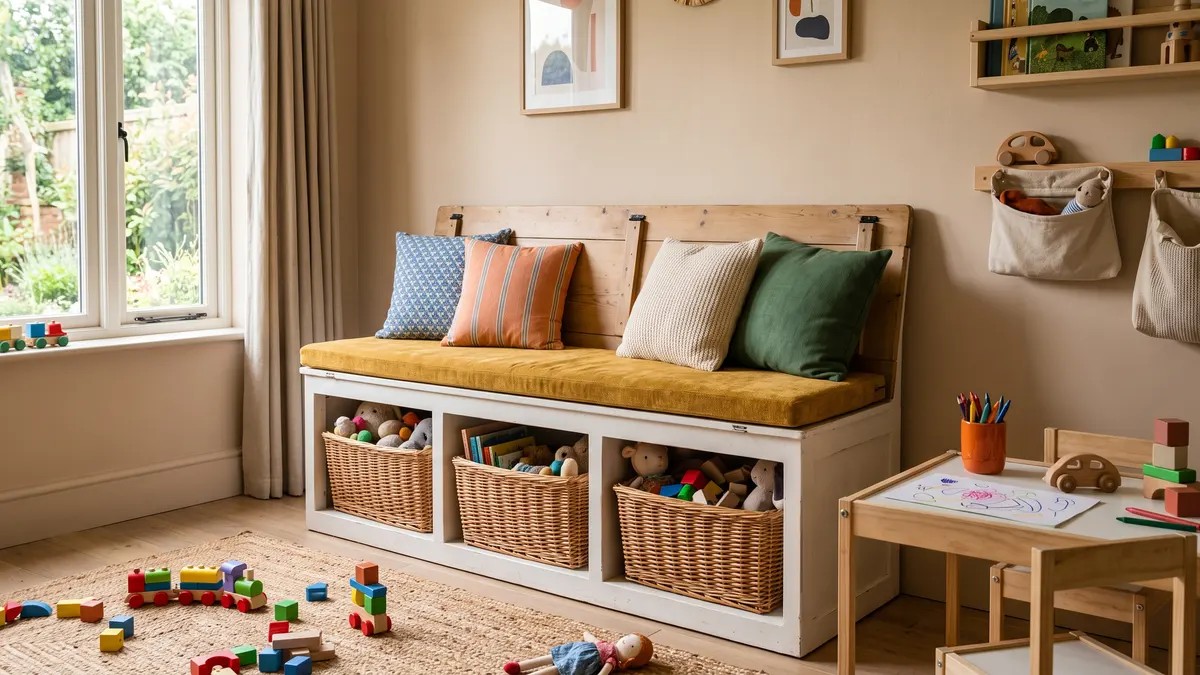
17. Bench with Under-Seat Storage
A bench along one wall with lift-up storage underneath is a smart use of vertical space. Kids can sit on the bench to put on shoes, and the storage underneath can hold puzzles, board games, and activity kits that are used less frequently.
18. Bookcase Room Divider
In an open-plan space or a shared bedroom-playroom, a low bookcase used as a room divider creates a defined play zone while providing storage on both sides. This is a great option for families who want to carve out a dedicated play area without building walls.
19. Activity Table with Built-In Storage
Many kids' activity tables come with built-in storage underneath, including shelves, bins, or drawers. If you are shopping for a new play table, prioritize one with storage built in. It keeps art supplies, coloring books, and small kits right where kids need them.
The Toy Rotation Method: The Most Underrated Playroom Storage Idea
"Toy rotation is not about having less. It is about giving your child more focus, more creativity, and more genuine engagement with what they already own."
One of the most powerful yet underused playroom storage strategies is toy rotation. The concept is simple: instead of putting every single toy out at once, you keep only a curated selection available and store the rest out of sight. Every few weeks, you rotate the stored toys back in and put the current ones away.
20. Set Up a Toy Library in a Closet
Dedicate a closet shelf or a set of bins in an out-of-the-way location as your toy library. Sort items into clear bins by category, label everything clearly, and keep this space off-limits during regular play. When rotation time comes, it feels like Christmas morning for your kids even though nothing is actually new.
21. Use Clear Lidded Bins for Rotation Storage
Clear bins with lids are ideal for rotation storage because you can see exactly what is inside without opening everything. Stack them neatly and label the front of each bin. This system also makes it easy to do a quick inventory and notice when it is time to donate items that have been in rotation storage for months without being missed.
22. Rotate Seasonally or Monthly
Some families rotate toys monthly, others do it seasonally. There is no single right answer. Pay attention to your child's engagement. If they seem bored or overwhelmed, it is probably time to rotate. If they are playing happily and deeply with what is out, leave it alone.
Playroom Storage Ideas for Small Spaces
Not every family has a dedicated room for play. If you are working with a corner of the living room, a shared bedroom, or a tight bonus room, these ideas will help you maximize every inch.
23. Corner Shelving Unit
A corner shelving unit fits into dead space that most furniture cannot use. A five-shelf corner unit in a playroom corner can hold a surprising amount of toys, books, and supplies without intruding on the play area.
24. Vertical Tower Shelving
When floor space is limited, go vertical. A tall, narrow shelving tower with several shelves can store books, bins, and display items in a footprint of less than 12 inches wide. Secure it to the wall with anti-tip hardware, which is essential in any space used by children.
25. Underbed Storage Bins
If your playroom doubles as a bedroom, the space under the bed is a goldmine. Low-profile rolling bins can hold puzzles, board games, and seasonal toys. Look for bins with lids and wheels for easy access. Our guide to bedroom storage ideas has more ideas for shared spaces.
26. Behind-the-Door Shoe Organizers for Small Toys
A clear-pocket shoe organizer hung on the back of a door is surprisingly useful in a playroom. Each pocket can hold small toy sets, action figures, crayons, small notebooks, or other fiddly items that tend to get lost in larger bins.
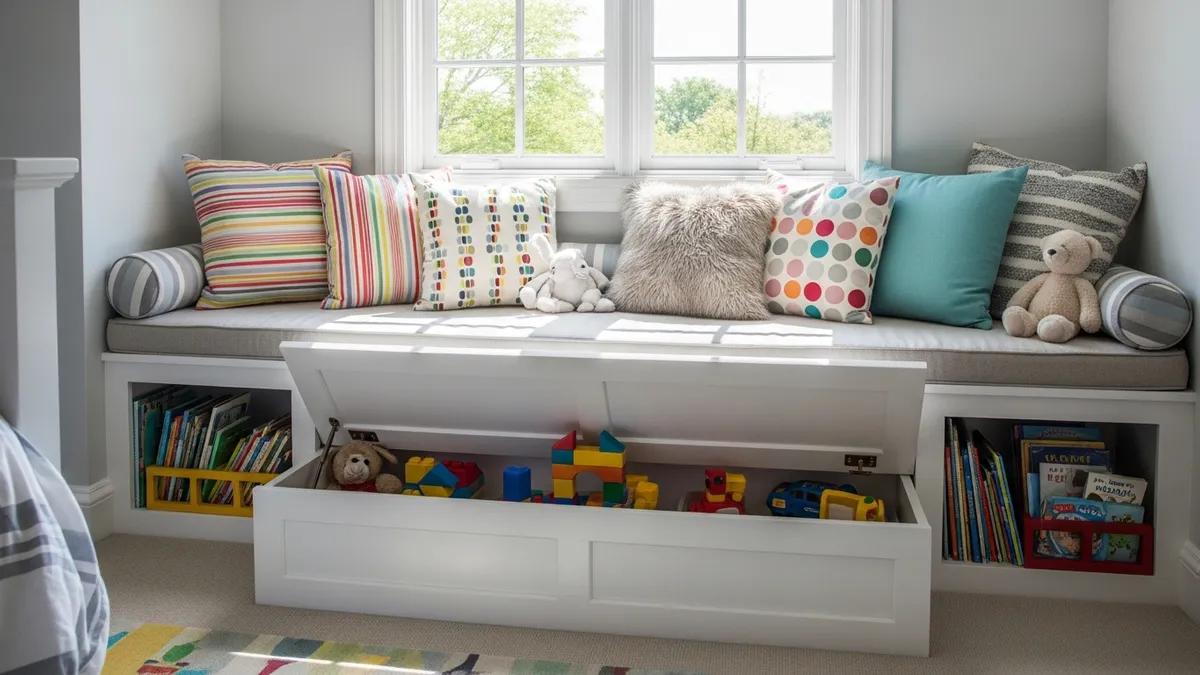
27. Window Seat with Storage
If your playroom has a window, adding a built-in or freestanding window seat with storage underneath is a brilliant use of space. Kids love sitting in window seats, and the storage underneath can hold books, blankets, and toy sets that are not used every day.
Playroom Storage Ideas That Grow with Your Kids
Kids change fast. The toy storage system that works perfectly for a three-year-old will need to evolve as your child grows. Here is how to build in flexibility from the start.
28. Invest in Adjustable Shelving
Adjustable shelving systems, where the shelf heights can be changed as your needs evolve, are worth every penny in a playroom. What holds board books and small toys at age two can easily transition to holding chapter books and hobby supplies at age ten without replacing the unit.
29. Choose Neutral Base Furniture
While it is tempting to buy furniture covered in cartoon characters, neutral-colored base furniture in white, natural wood, or gray will grow with your child much longer. Add personality through colorful bins, art, and accessories that can be swapped out as tastes change.
30. Plan for a Homework Zone Early
Even if your child is still a toddler, it is worth thinking ahead. Build your playroom storage plan with the understanding that in a few years, a corner of the room will need to transition into a homework and reading zone. A desk with drawer storage and a small bookcase are easy additions that serve kids from preschool through middle school.
31. Include a Display Zone
As kids grow, they accumulate trophies, art projects, and collections they are proud of. Build a dedicated display zone into your playroom storage plan from the beginning. A few floating shelves at kid height can become a rotating gallery of their proudest creations and achievements.
Smart Playroom Storage Ideas for Art and Craft Supplies
Art and craft supplies deserve their own storage strategy because they involve so many small, messy, or fragile items.
32. Dedicated Art Cart
A rolling three-drawer cart dedicated entirely to art supplies is a classic for a reason. Separate drawers for paper, drawing tools, and paint supplies keep everything organized and portable. Roll it to the table during art time and roll it away when done.
33. Mason Jar Display
Mounting mason jars on a board or placing them in a caddy on a low shelf is a fun and functional way to store crayons, markers, colored pencils, and scissors. Kids can see exactly what is available, and the visual display is genuinely charming.
34. Art Supply Wall Station
For dedicated young artists, a wall-mounted art station with a pegboard, small shelves, and a fold-down table creates a dedicated creative zone without permanently sacrificing floor space. You can find inspiration for this type of setup on Pinterest's kids' room boards.
Related Products from Sesoris
If you want to turn this guide into a real setup, start with Stackable Storage Bins, 24 Pack and Pull-Out Cabinet Organizer, 17 in. Wide. For broader options, browse the Home & Decor collection so the article journey does not stop at reading only.
Our practical rule: choose one product that solves the main clutter problem first, then add supporting organizers only when the daily workflow is already clear. This keeps the shopping path useful, not pushy.
FAQ: Frequently Asked Questions About Playroom Storage Ideas
What is the best type of storage for a playroom?
The best playroom storage combines open cube shelving for frequently used toys and books, labeled bins or baskets for sorting categories, and closed storage like a toy chest or cabinet for items that create visual clutter. The key is making sure the storage is accessible at your child's height so they can help maintain it.
How do I get my kids to actually put toys away?
The most effective strategy is making the storage system simple enough that putting things away requires minimal effort. Bins with clear labels or picture labels, open containers without complicated lids, and storage positioned at kid height all reduce friction dramatically. Making cleanup a short, consistent routine rather than a big event also helps enormously.
How much storage do I actually need in a playroom?
This depends on how many toys your family has, but a good rule of thumb is that your storage capacity should exceed your toy inventory by about 20 to 30 percent. That buffer prevents overflow and makes cleanup easier. If your bins are always overflowing, it is either time to add storage or time to donate some toys.
What is the best way to store LEGO in a playroom?
Shallow, wide bins or drawers work better for LEGO than deep buckets because kids can see and access the bricks without digging. Sorting by color or type is ideal for older kids, while younger children do better with one or two large bins. Check out our detailed LEGO organizer ideas guide for more strategies.
How do I organize a playroom with limited space?
Focus on vertical storage first. Wall-mounted shelves, tall narrow bookcases, over-the-door organizers, and underbed storage bins all free up valuable floor space. Implement a toy rotation system to reduce the volume of items that need to be stored and accessible at any one time.
At what age can kids start maintaining their own playroom storage?
Most children can begin participating in simple cleanup routines around age two, especially when storage is simple, accessible, and clearly labeled with pictures. The key is keeping expectations age-appropriate and making the process feel manageable rather than overwhelming.
Conclusion
Creating a playroom that is both fun and functional is absolutely within reach when you have the right playroom storage ideas in your corner. From cube shelving and labeled bins to wall-mounted pegboards and the game-changing toy rotation method, there are dozens of approaches that can work for your family's specific space, budget, and lifestyle. The most important thing is to build a system that your kids can actually use and maintain independently, because that is what makes the difference between a playroom that stays tidy and one that reverts to chaos within hours of being cleaned.
Start small if you need to. Pick two or three ideas from this list that feel most relevant to your situation and implement them this week. You do not need a complete overhaul to see real results. Even adding one set of labeled bins or rearranging a single shelf to be more accessible can make a noticeable difference in how your playroom functions day to day.
Ready to find the storage products that will bring these ideas to life? Browse the Sesoris shop for home organization essentials, explore our best sellers for tried-and-true favorites, or check out our new arrivals for the latest in smart home storage. At Sesoris, our mission is to help you live more organized, one room at a time.
Liked this guide?
Get new organizing guides and the occasional new product by email. No spam, unsubscribe anytime.
Related articles
Explore more articles
- Coffee Station Organization: The Complete 2026 Guide to a Beautiful, Functional Setup
- Suitcase Packing Tips: The Ultimate 2026 Guide to Stress-Free Travel
- Small Linen Closet Organization: 20+ Smart Tips to Maximize Every Inch in 2026
- Carry On Packing Tips: The Ultimate 2026 Guide to Stress-Free Travel
- 25+ Best Work From Home Desk Setup Ideas to Build a Productive Workspace in 2026
- 30+ Best Gaming Desk Setup Ideas to Build Your Ultimate Battle Station in 2026
- 30+ Best Pantry Organization Ideas to Transform Your Kitchen Storage in 2026
- Capsule Wardrobe Men: The Ultimate 2026 Guide to a Stylish, Minimal Closet