
Storage Containers for Food BPA Free: The Complete 2026 Guide to Safe, Healthy Kitchen Organization
Compare container materials, lid fit, intended appliance use, and care instructions for practical kitchen storage and organization.
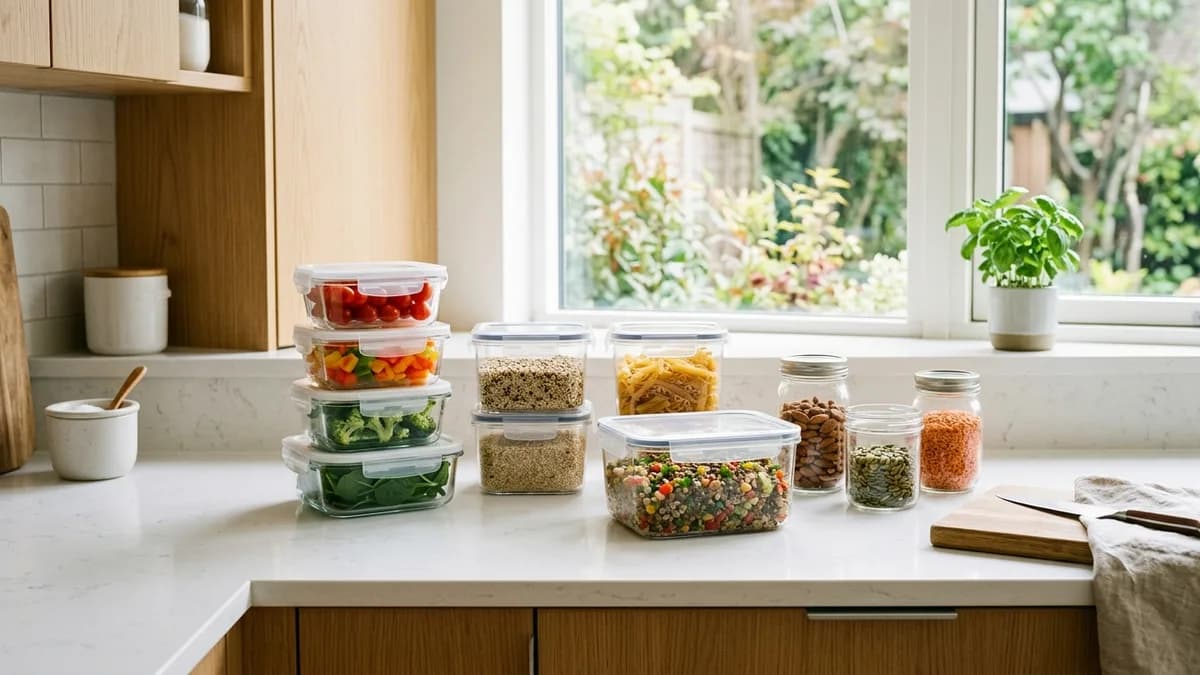
Choose BPA-free food storage containers by intended use: lightweight containers for carrying meals, clearly labeled freezer containers for freezing, and cookware explicitly approved for reheating. A BPA-free claim describes a material choice, not a guarantee that every food, temperature, or appliance is suitable. Start with the manufacturer's body and lid instructions, then consider capacity, cleaning access, lid fit, and how the set stacks in your kitchen. This guide explains those checks without treating any material as universally safer.
What Does BPA Free Actually Mean in Food Storage Containers?
Before you shop for storage containers for food BPA free, it helps to understand the label. BPA is a chemical used in some polycarbonate plastics and epoxy resins. The FDA's BPA overview explains that small amounts of food-contact materials can migrate into food, while its current assessment supports the safety of BPA for currently approved food-contact uses at the levels found in foods. If you prefer BPA-free products, check the manufacturer's material information; that preference is separate from whether a container is suitable for reheating.
To weigh carrying weight, breakage, and reheating needs rather than relying on a BPA-free label alone, see our glass, plastic, and stainless steel food storage comparison.
A BPA-free label is a manufacturer's statement about bisphenol A, not a complete specification for the finished container. Read the material information for the body, lid, seals, and coatings, and ask the supplier to clarify an ambiguous claim. Do not infer heat tolerance, freedom from every other substance, or independent certification from that label alone.
Choose containers whose documented intended use matches the job. Material labels and attractive product photos cannot replace care instructions.
Why the BPA-Free Label Matters for Your Family
A BPA-free preference should be distinguished from a claim that all approved plastic food containers are unsafe. The FDA's BPA assessment states that available information supports currently approved food-contact uses at the levels occurring in foods. For a particular product, look for a clear material declaration and suitable use instructions rather than relying on a general lifestyle claim.
The Best Materials for BPA-Free Food Storage Containers
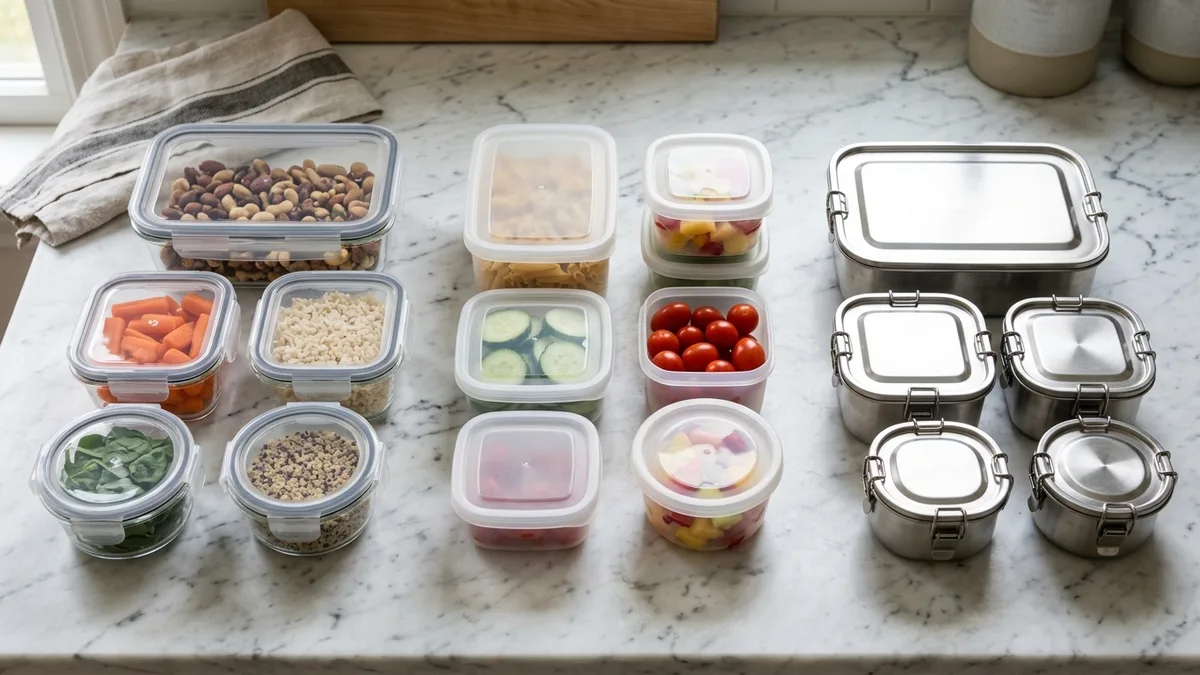
Material choice affects carrying weight, breakage risk, visibility, and cleaning. The following comparison is a practical buying framework, not a laboratory test or a ranking of health outcomes. Check each product rather than assuming every item in a material category behaves alike.
1. Borosilicate Glass
Glass containers offer a clear view of ingredients and can be convenient for serving as well as storage. Some models are approved for particular heating or freezing uses, while others are intended only for storage. Check the body and every lid component separately. Glass is not chemical-free, and no material name justifies a claim that nothing can migrate under every possible condition.
- Pros: Transparent body, rigid shape, reusable design, and convenient serving when the particular product suits the task
- Cons: Heavier than plastic, breakable if dropped, typically costs more upfront
- Best for: Meal prep, storing leftovers, baking, oven-to-table serving
If glass containers appeal to you, check out the best food storage containers glass ultimate guide on the Sesoris blog for a deeper dive into glass storage solutions.
2. Certified BPA-Free Plastic
Plastic containers can be useful for lunchboxes, snacks, and pantry storage because of their low carrying weight. Look for a clearly identified food-storage product and read its care instructions. If avoiding BPA is a priority, check the manufacturer's declaration rather than assuming a brand name or a recycling number establishes the composition of every component.
- Pros: Lightweight, affordable, shatter-resistant, comes in many sizes and shapes, often dishwasher safe
- Cons: May retain odors over time, not suitable for high-heat oven use, quality varies widely by brand
- Best for: Pantry dry goods, lunch boxes, refrigerator storage, meal prepping snacks
3. Food-Grade Stainless Steel
Stainless steel containers are another excellent BPA-free option that has grown in popularity. They are virtually unbreakable, do not absorb flavors or stains, and are great for taking food on the go. The main limitation is that stainless steel is not transparent, so you cannot see what is inside without opening the container.
- Pros: Rigid and practical for carrying food, with less concern about shattered glass if dropped
- Cons: Not microwave safe, not transparent, can dent with heavy impact
- Best for: Lunch boxes, outdoor meals, camping, transporting hot foods
4. Food-Grade Silicone
Flexible silicone containers and bags can save space when empty. Their suitability for hot food, freezers, dishwashers, and reheating varies by product. Read the manufacturer's instructions and check that the closure suits the contents. Support flexible bags when filling or carrying liquids to reduce the chance of a spill.
- Pros: Flexible, compact when empty, and available in different shapes; appliance suitability is product-specific
- Cons: Can absorb strong odors from certain foods, not rigid enough for stacking large quantities
- Best for: Sandwich bags, produce storage, soups and liquids, freezer storage
How to Choose the Right BPA-Free Storage Containers for Food
Choose BPA-free food storage containers around the tasks you repeat most often. Before buying a large set, compare shelf dimensions, filled weight, the opening size, and whether replacement lids are available. The following checks help narrow the choice without relying on unsupported safety promises.
1. Think About How You Will Use the Container
Are you storing dry pantry goods like flour, oats, and pasta? Or do you need containers for the fridge and freezer? Do you plan to reheat food directly in the container? Your answers will guide you toward the best material and lid type. Glass containers with locking lids work beautifully for leftovers and meal prep, while BPA-free plastic canisters with wide mouths are ideal for pantry staples.
2. Check the Lid Seal Quality
A silicone gasket or locking tab can help a lid fit, but neither feature alone proves airtightness or leak resistance. Check the manufacturer's claim for the exact model and the intended contents. Keep liquid-filled containers upright, inspect the gasket and rim, and do not rely on an unverified seal when packing soup in a bag. Airtight and leak-resistant are different performance claims. For a buying checklist, see our airtight food storage containers guide.
3. Consider Stackability and Space Efficiency
Uniform sets of containers that stack neatly are a game-changer for pantry and refrigerator organization. Rectangular and square shapes make far better use of shelf space than round containers. If you have a small kitchen, food storage containers for pantry offers excellent tips on maximizing every inch.
4. Look for Versatility Across Temperature Ranges
A BPA-free label tells you nothing about a container's permitted temperature changes. Read the model's freezer, thawing and heating directions as separate requirements. Keep perishable food refrigerated during thawing; if the storage vessel has no clear heating instructions, transfer the food to cookware approved for the intended appliance.
5. Assess Ease of Cleaning
Containers that are dishwasher safe on the top rack save an enormous amount of time. Glass and high-quality BPA-free plastics generally clean up easily. Avoid containers with many hard-to-reach crevices in the lid mechanism, as those tend to harbor bacteria and mold over time.
6. Buy Sets for Consistency
Purchasing matching sets rather than individual containers one at a time makes your kitchen look more organized and ensures lids are always compatible. Many retailers offer sets ranging from 10 to 30 pieces that include multiple sizes, which covers everything from a single cup of soup to a full batch of pasta.
Top Uses for BPA-Free Food Storage Containers in a Modern Kitchen
Once you have made the switch to BPA-free food storage containers, you will quickly find a hundred ways to use them every single day. Here are the most practical applications that American households rely on most in 2026.
Meal Prep and Weekly Cooking
The FDA's safe food-storage guidance recommends refrigerating perishables promptly, within two hours or within one hour when the air temperature is above 90 degrees Fahrenheit. Keep the refrigerator at or below 40 degrees Fahrenheit (4 degrees Celsius), and follow food-specific handling guidance. A glass body or an airtight lid does not extend a food's safe storage time. Label the preparation date, follow food-specific storage guidance, and freeze suitable portions you will not use in time. Use microwave-approved containers only as directed, or transfer portions into suitable cookware for reheating.
Pantry Organization
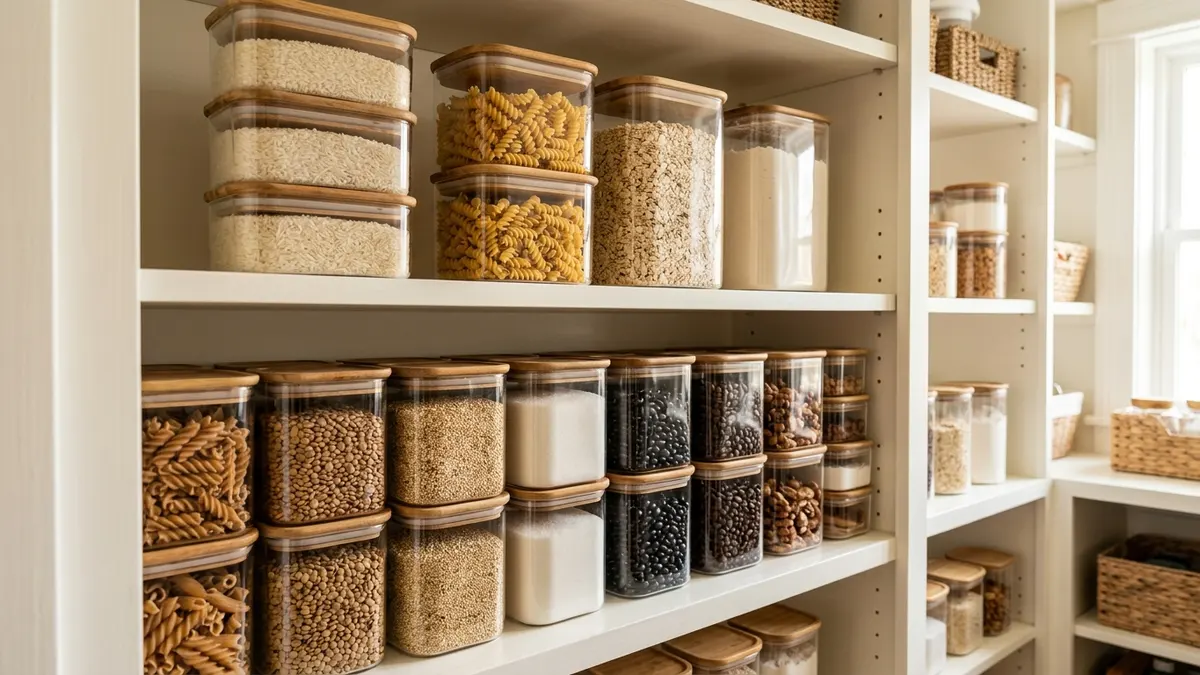
Decanting dry goods into clean, dry canisters can make the pantry easier to scan. Keep the original storage instructions, allergen information, and best-before details with the contents. Choose a size that holds the package without overfilling, and finish the older contents before refilling rather than continually topping up a partly empty jar.
Refrigerator Storage
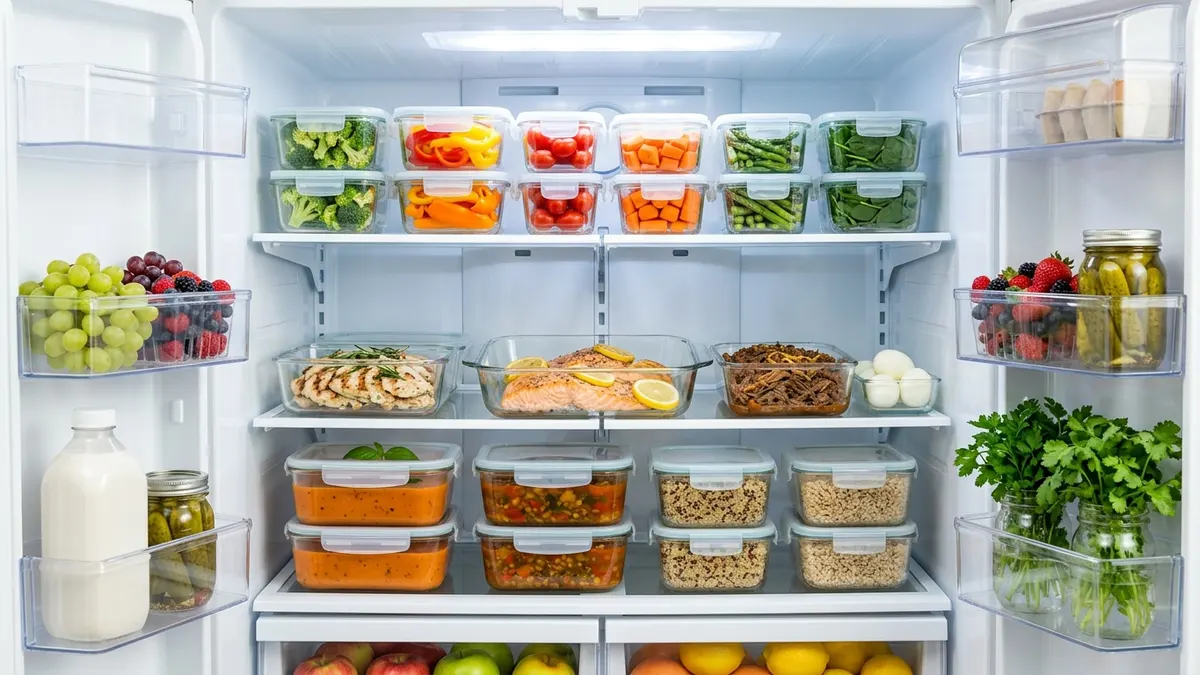
Leftovers, prepped vegetables, marinated proteins, sliced fruit, and homemade sauces all benefit from proper BPA-free containment in the fridge. Clear containers let you see everything at a glance, which significantly reduces the chances of forgotten food going bad at the back of the shelf. Rectangular containers are ideal here because they fit neatly side by side without wasting awkward gaps.
Freezer Storage
Choose a container explicitly rated for freezing the intended food. Follow its fill-line or headspace guidance, because liquids expand and the required space depends on the container and contents. Label the contents and date, keep an inventory, and follow product instructions for thawing rather than assuming every glass or BPA-free plastic item is freezer-safe.
Lunchboxes and On-the-Go Meals
For packed lunches, compare filled weight, closure instructions, and the risk of breakage. Choose documented leak resistance for liquids and pack perishables with suitable temperature control. A BPA-free label does not prove that a container cannot break or that the lid will not spill.
Smart Tips for Organizing BPA-Free Containers in Your Kitchen
Buying containers is only part of an organized kitchen. A dedicated drawer, a lid organizer, and a consistent labeling routine make the pieces easier to find. Adapt the following editorial suggestions to the space you have rather than buying more containers than you can store.
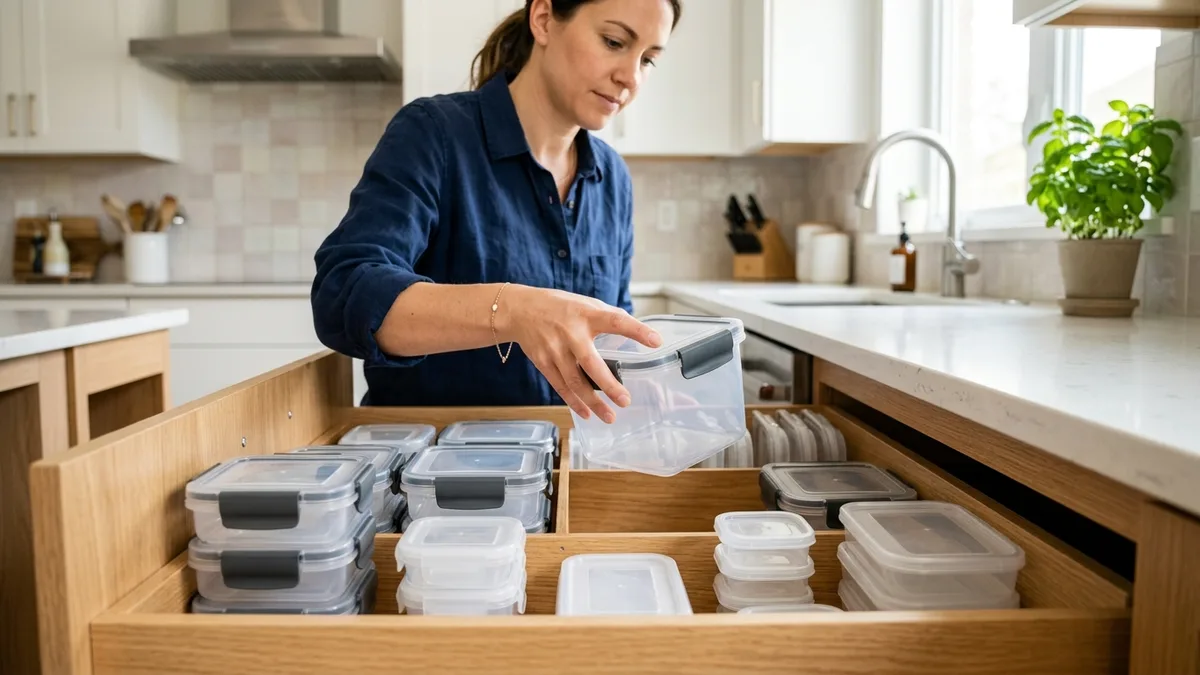
Dedicate a specific drawer or cabinet to containers. Mixing food storage containers with other kitchen items is a recipe for clutter. A single dedicated drawer or lower cabinet keeps everything together and easy to find.
Store lids separately with a lid organizer. One of the biggest frustrations with food storage containers is the endless search for a matching lid. A simple vertical lid organizer or a tension rod divider in a drawer keeps lids upright and accessible.
Nest containers inside each other when empty. Stack same-size containers together and keep lids stored alongside them. This approach saves significant cabinet space and makes your setup look intentional and tidy.
Label pantry containers clearly. Use a label maker, chalk labels, or washi tape to clearly identify the contents of each pantry container. This makes cooking faster and prevents mix-ups between similar-looking dry goods like granulated sugar and sea salt.
Edit your collection regularly. Containers with warped lids, deep stains, or strong lingering odors should be retired. A streamlined collection of containers you actually use is always more practical than a massive mismatched stack that falls out every time you open the cabinet.
Choose a consistent color palette. White, clear, or neutral-toned containers create a cohesive, calming look in your pantry and refrigerator. Mixing too many different styles and colors can make even a well-organized space feel chaotic.
For reheating, follow the FDA microwave guidance: use cookware made for that appliance and observe its instructions. BPA-free does not mean microwave-safe. Verify the lid's permitted position separately, including whether it must be removed or vented, and expect the food to heat the container.
What to Look for on the Label: BPA-Free Certifications and Markings
Shopping for storage containers for food BPA free is much easier when you know what to look for on the packaging.
- BPA-Free Label: This is the most straightforward indicator. Most reputable brands clearly print this on the packaging.
- Recycling code: This identifies a broad material category for sorting; it is not a food-contact approval, a microwave rating, or proof that a finished container is BPA-free. Use the manufacturer's documentation for those questions.
- Intended food-contact use: Check the manufacturer's documentation for the intended foods and conditions. A vague 'FDA-approved' marketing phrase is not a substitute for product-specific handling instructions or evidence of a separate finished-product certification.
- Third-Party Certifications: Some premium brands seek additional certifications from independent labs. While not universally required, these can provide extra peace of mind.
- Other material claims: If avoiding BPS, BPF, or another substance matters to you, request a specific declaration. A BPA-free claim alone does not establish the absence of every related compound.
How Much Should You Spend on BPA-Free Food Storage Containers?
The good news is that BPA-free containers are available at a wide range of price points, making it easy to build a great collection regardless of your budget.
Budget options: Compare current prices, usable capacity, and the number of bodies rather than only the stated piece count. Check the care instructions even for pantry-only purchases.
Mid-range options: Look for the features you need, such as replacement lids or useful portion sizes. A higher price does not guarantee a stronger seal or a broader heat rating.
Premium options: Pay more only for documented features you will use. Compare replacement availability, filled weight, and cleaning access rather than assuming a premium material guarantees a longer life.
Compare the cost per useful container, counting lids separately. A set is economical only when its sizes fit your routine and its storage footprint fits your cabinet. Individual replacements can be better value than a larger box of rarely used pieces.
When arranging different materials together, the refrigerator zoning guide helps keep contents visible without treating a BPA-free label as a storage-time extension. For dry ingredients, write contents and dates using a storage-bin labeling system, and keep the original package instructions available.
Before replacing a whole set, compare its role in your general food-storage layout. A plastic-container selection checklist addresses the light-weight pieces, while kitchen container planning helps assign cabinet space to the shapes you actually use.
Related Products from Sesoris
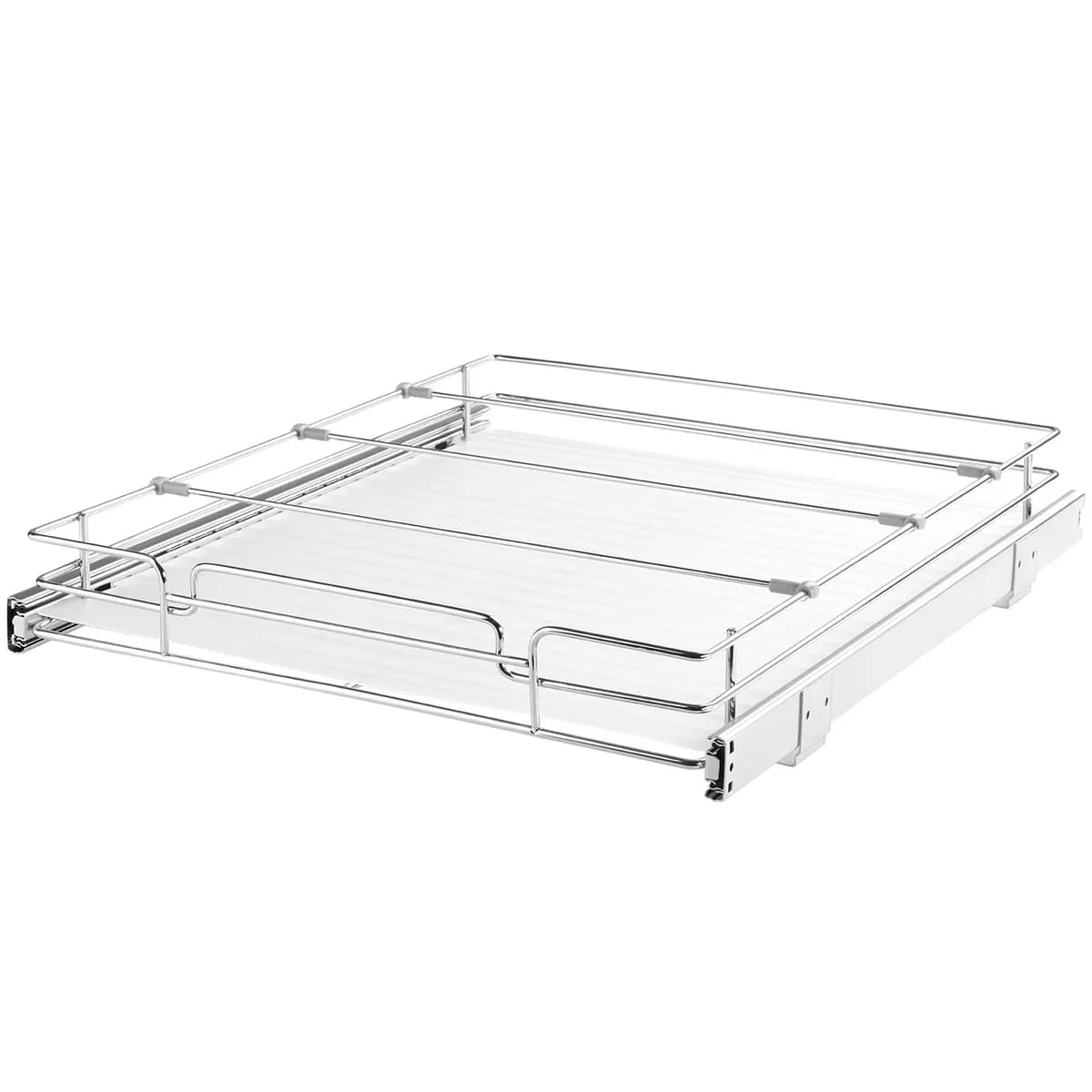
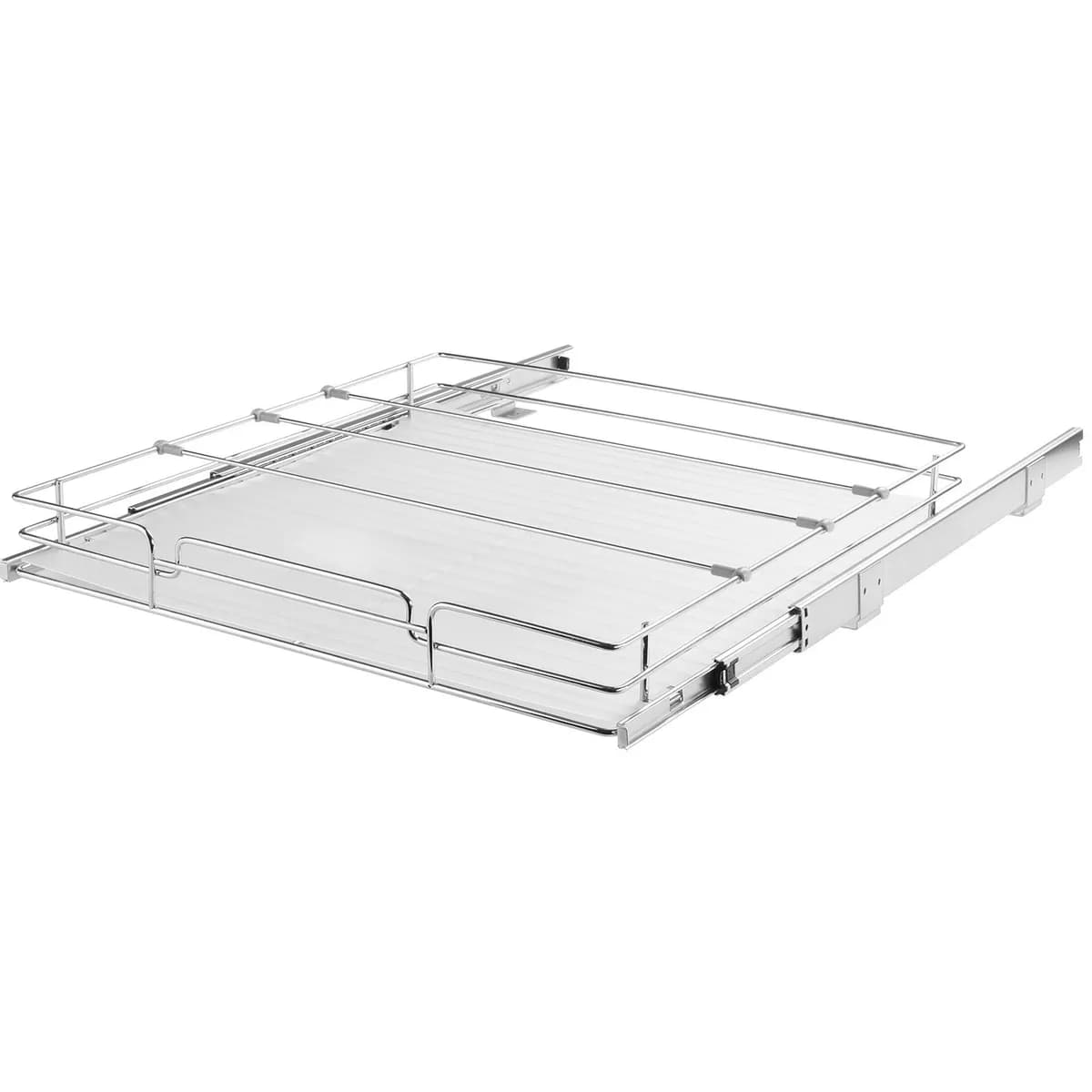
Use the Pull-Out Cabinet Organizer, 14 in. Wide only after checking cabinet clearance for your existing containers. The Double-Layer Bamboo Bread Box serves a different countertop task; compare both with the space available in the Kitchen & Dining collection, not with a chemical-safety label.
FAQ: Frequently Asked Questions About Storage Containers for Food BPA Free
Are all plastic food containers BPA free in 2026?
Not necessarily. While many major brands have transitioned to BPA-free formulations in response to consumer demand, not all plastic containers on the market are BPA-free. Always check the label or product description before purchasing, and look for the recycling codes mentioned above.
Can BPA-free plastic containers go in the microwave?
For this model, check the instructions again before use. BPA-free does not mean microwave-safe. Verify the lid's permitted position separately, including whether it must be removed or vented, and expect the food to heat the container.
How long do BPA-free plastic containers last?
With proper care, high-quality BPA-free plastic containers can last several years. Signs that it is time to replace them include deep scratching, persistent odors that do not wash out, warping, or cracking. Glass and stainless steel containers tend to outlast plastic significantly.
Is glass always better than BPA-free plastic?
No. Glass can be useful for visibility and for cooking when explicitly approved, but it is heavier and breakable. Plastic can be practical for travel and children's lunches when appropriate for the food and use. Neither material replaces temperature control, cleaning, or the manufacturer's instructions, and neither should be described as chemical-free.
Can I use BPA-free containers in the freezer?
Only use a container in the freezer when that specific model is rated for it. Follow the fill-line or headspace instructions for expanding contents and the approved thawing method. Our freezable food storage containers guide provides an organization checklist, not a substitute for product directions.
How do I remove stains and odors from BPA-free plastic containers?
Follow the product's cleaning instructions, using dish detergent and a non-abrasive tool when permitted. Rinse and dry every component thoroughly. Do not improvise bleach mixtures, prolonged sun exposure, or non-food-contact cleaning methods. If staining accompanies cracks, warping, persistent residue, or damage, stop using the container and consult the manufacturer.
Conclusion
Choose BPA-free food storage containers for a documented use rather than a broad promise of better health. Compare lid fit, capacity, carrying weight, cleaning instructions, and replacement parts, then buy only what fits your routine. Keep food-handling and refrigeration rules the same whichever material you select. Explore Sesoris kitchen organization essentials for organizers that make an existing container collection easier to use.
Liked this guide?
Get new organizing guides and the occasional new product by email. No spam, unsubscribe anytime.
Related articles

Explore more articles
- Minimalist Shoe Rack for Your Home's Foyer
- 25+ Best Entryway Organization Ideas to Transform Your Home's First Impression in 2026
- Container Storage Box: Best Space-Saving Solutions Guide 2026
- 30+ Creative Kitchen Drawer Organizer Ideas to Transform Your Cooking Space in 2026
- Aluminum Dish Cabinets: Strength Meets Style in Modern Kitchen Storage
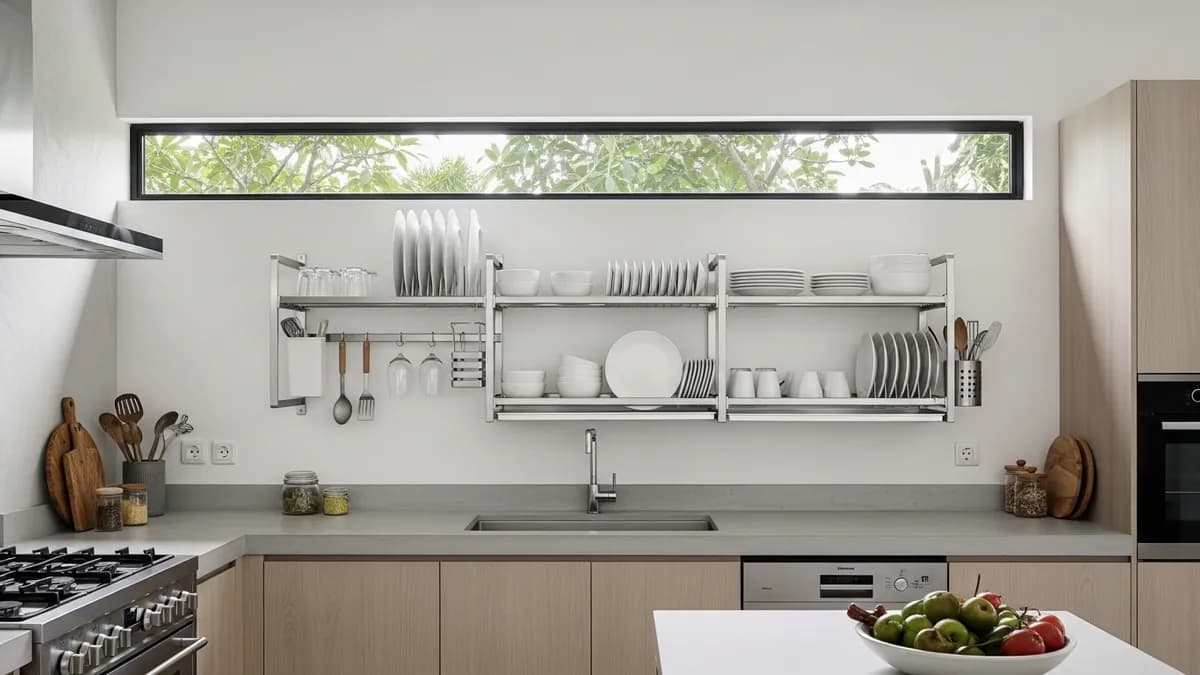
- Dish Rack Above Sink: Ultimate Guide to Kitchen Space Organization
- Best Desk Organizers for a Productive Work Desk
- Craft Storage Room Ideas: Transform Your Creative Space with Smart Organization in 2026