
Glass vs Plastic vs Stainless Steel Food Storage Containers
Glass, plastic, or stainless steel? Compare food storage containers on microwave and oven use, odors, weight, durability, and BPA to pick the right one.
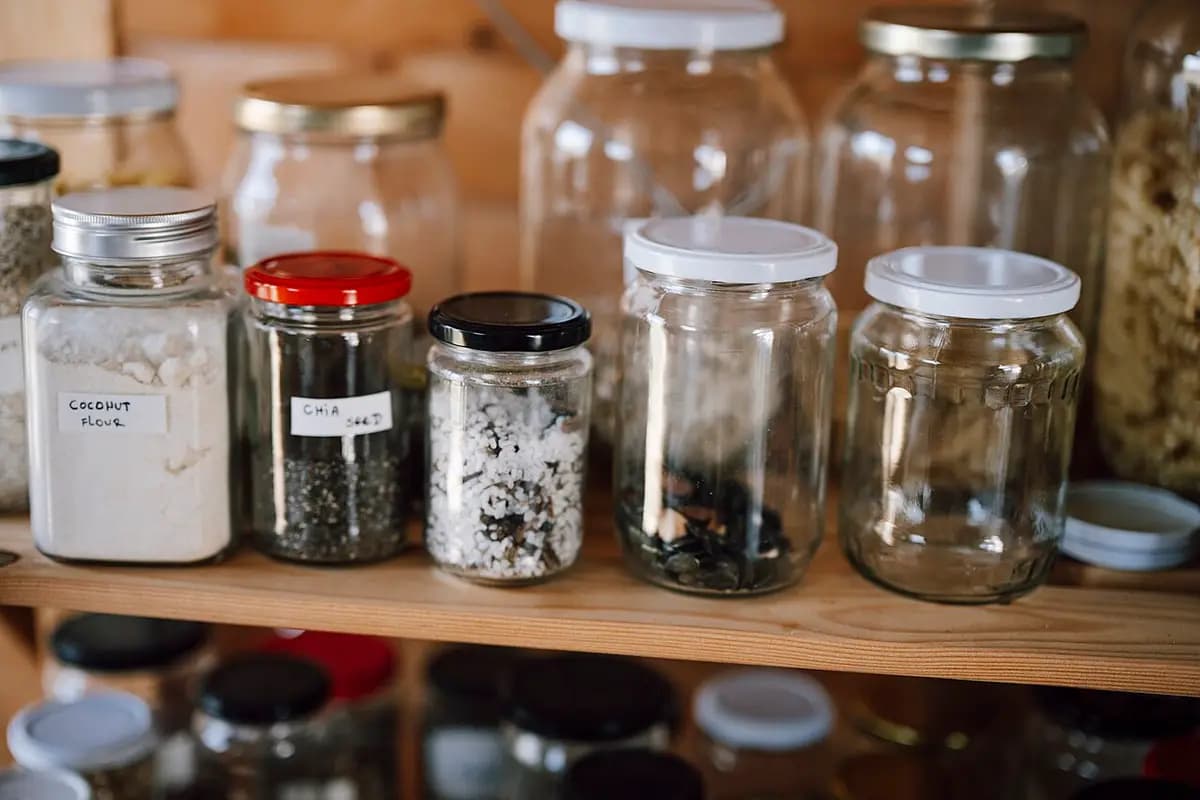
Glass is the best all-round choice for leftovers you reheat, because it does not absorb smells or stains and heatproof glass is microwave-safe. Plastic is the best choice for lightweight lunches, kids, and pantry staples, because it is cheap and shatterproof. Stainless steel is the best choice for durability and plastic-free packed lunches, but it cannot go in the microwave and you cannot see inside. Most kitchens end up with a mix: glass for saucy leftovers, plastic or stainless for on-the-go, and airtight containers of any material for dry goods.
Choosing between glass, plastic, and stainless steel food storage containers comes down to how you actually use them: reheating, freezing, packing lunches, or keeping flour fresh in the pantry. This guide compares the three materials side by side on safety, heat, odor, weight, durability, and cost, so you can buy the right container for each job instead of one set that is wrong half the time. If an airtight seal is your top priority, start with our airtight food storage containers guide, which covers seals and lids in detail.
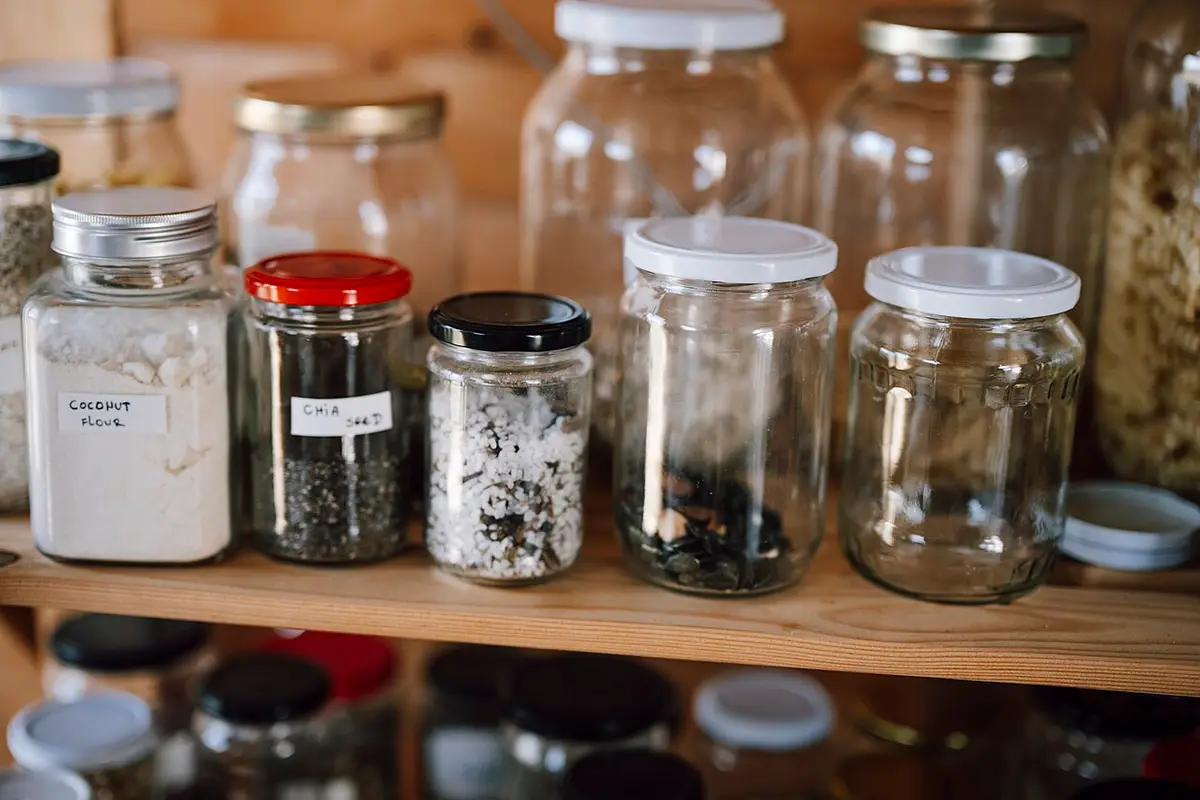
Photo: Shixart1985 / Wikimedia Commons, CC BY 2.0
Key Takeaways:
- Glass: best for reheating and strong-smelling food. Heavy and breakable.
- Plastic: lightest and cheapest, safest around kids. Absorbs stains and odors over time.
- Stainless steel: toughest and plastic-free. Not for the microwave, and the contents are hidden.
- The FDA's current position is that BPA is safe at the levels found in food, but "BPA-free" plastic or glass is an easy choice if you want to avoid it.
- For dry pantry goods, the quality of the seal matters more than the material.
Glass vs Plastic vs Stainless Steel at a Glance
Here is how the three materials compare on the things that matter day to day. The table describes typical containers; always check the label on the specific product, because lids and gaskets often have different limits than the base.
| Feature | Glass | Plastic (usually polypropylene) | Stainless steel |
|---|---|---|---|
| Microwave | Yes, if heatproof and labeled (lid often not) | Only if labeled microwave-safe | No |
| Oven | Often, if labeled oven-safe (base only) | No | Some bases, without lids; check the label |
| Freezer | Yes, leave headspace; avoid sudden temperature jumps | Yes; can become brittle when very cold | Yes |
| Dishwasher | Yes | Usually top rack | Yes |
| Absorbs odors and stains | No | Yes, over time | No |
| Weight | Heaviest | Lightest | Light to medium |
| Breakage risk | Can chip, crack, or shatter | Very low, but can warp or crack | Very low, can dent |
| See the contents | Yes | Yes (clear types) | No |
| Typical lifespan | Many years if not dropped | Shorter; replace when cloudy, warped, or smelly | Many years |
| Best for | Reheating leftovers, sauces, meal prep | Lunches, kids, snacks, dry goods | Lunches, picnics, plastic-free kitchens |
Sources for the heat and safety rows: USDA microwave guidance (heatproof glass and labeled containers are safe in the microwave, metal pans are not), polypropylene (dishwasher-safe, brittle below 0 °C), and borosilicate glass (thermal shock resistance).
Glass Food Storage Containers
Glass is the material most people upgrade to once they get tired of stained plastic. It is non-porous, so garlic, curry, and tomato sauce do not leave a smell or an orange tint behind. It also lets you see what is inside, which helps leftovers actually get eaten.
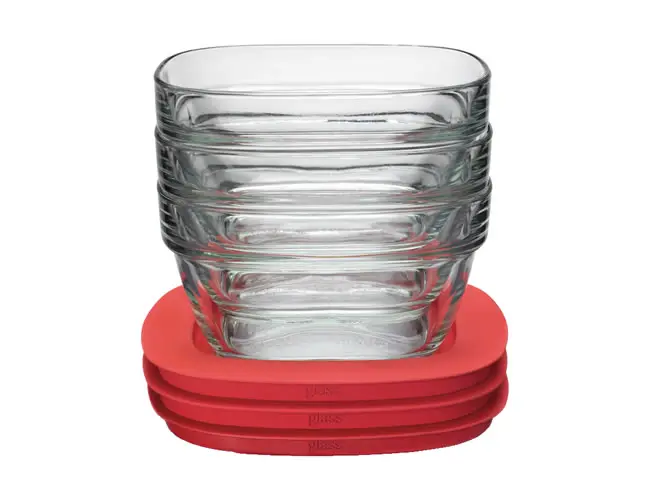
Rubbermaid glass containers with Easy Find Lids. Photo: Rubbermaid Products / Wikimedia Commons, CC BY 2.0
What glass does well:
- Reheating. The USDA lists heatproof glass, such as Pyrex and Anchor Hocking, among the containers that are safe to use in the microwave (USDA).
- No smells or stains. Food oils wash off the surface with plain soap. Our guide on how to get smell out of food storage containers explains why plastic, not glass, is usually the problem.
- Long life. As long as it is not dropped, a glass container can last for many years.
Where glass falls short:
- Weight and breakage. Glass is heavy for lunch bags and can chip or shatter if dropped.
- Thermal shock. Moving glass straight from the freezer into a hot oven, or pouring boiling liquid into a cold dish, can crack it. Borosilicate glass handles temperature changes much better than ordinary soda-lime glass, but Wikipedia notes that Pyrex kitchen products no longer use borosilicate in all regions, so do not assume every glass dish is borosilicate.
- Lids. Most glass containers have plastic lids, which can carry the same odor and heat limits as plastic containers. Many lids are not oven-safe, and some should not go in the microwave sealed.
For specific glass options, see our guides to glass containers for food storage, glass food storage containers with glass lids, and the Pyrex glass food storage containers review.
Plastic Food Storage Containers
Plastic is still the most common food storage material, and for good reason. It is light, inexpensive, comes in every size, and does not shatter when a lunch bag hits the floor. Most reusable plastic food containers are made from polypropylene, which is marked with resin identification code 5 and is valued for food use because it does not melt in the dishwasher (Wikipedia).
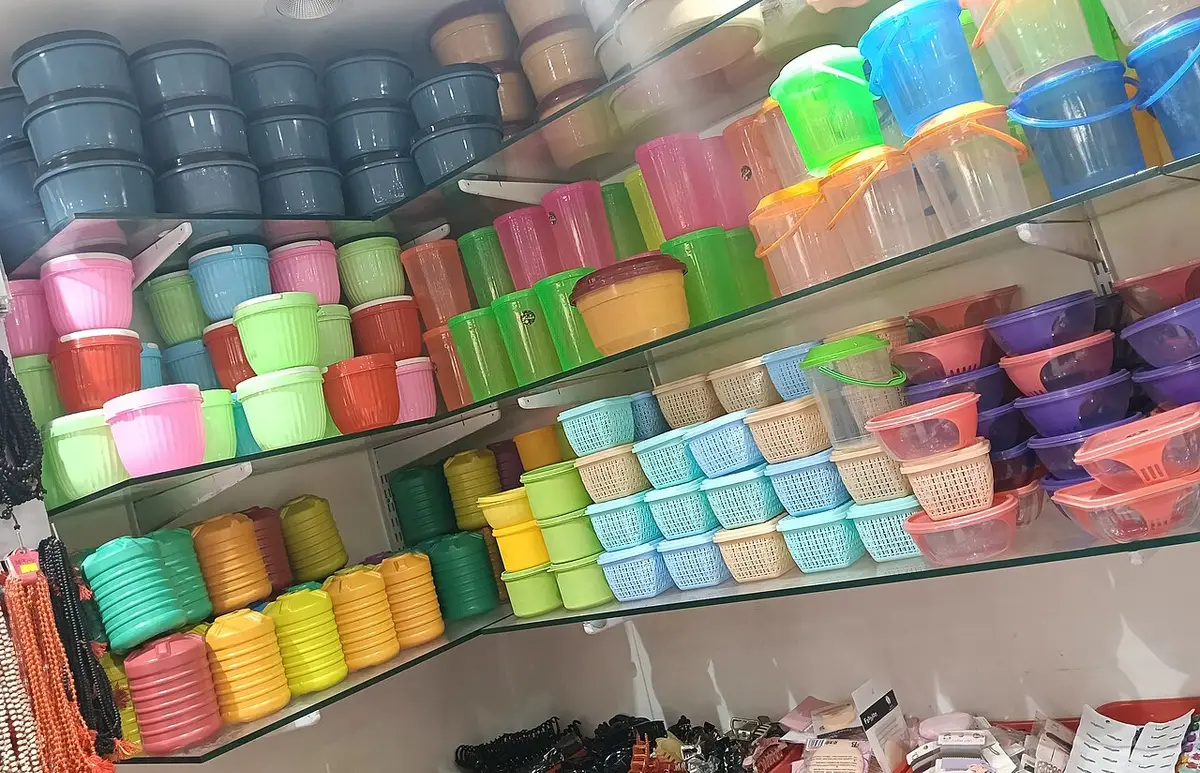
Photo: Kaviya Rajendran / Wikimedia Commons, CC BY-SA 4.0
What plastic does well:
- Weight and safety. The lightest option, and the safest around small children because it will not shatter.
- Price and variety. Easy to find in every shape and size, including stackable pantry sets.
- Freezing. Works well in the freezer, though very cold polypropylene becomes more brittle, so handle frozen containers gently.
Where plastic falls short:
- Smells and stains. Plastic absorbs oils and pigments over time, especially from tomato sauce, curry, and garlic.
- Heat. Only use plastic in the microwave if it is labeled microwave-safe. The USDA specifically warns against microwaving in cold storage tubs such as margarine, cottage cheese, and yogurt containers, because those materials are not approved for cooking and chemicals can migrate into food (USDA).
- Shorter life. Replace plastic that is cracked, warped, cloudy, or permanently smelly.
What about BPA? BPA is used mainly in polycarbonate plastics. The FDA's current perspective is that BPA is safe at the levels currently found in foods, and the agency no longer allows BPA-based materials in baby bottles, sippy cups, and infant formula packaging. Many shoppers still prefer BPA-free plastic, glass, or stainless steel for peace of mind. Our BPA-free food storage containers guide and plastic storage containers for food guide go deeper.
Stainless Steel Food Storage Containers
Stainless steel is the tough, plastic-free option. Stainless steel is an iron alloy containing chromium, which makes it resistant to rust and corrosion (Wikipedia). Food-grade containers are commonly made from 304 stainless steel, the grade sold as "18/8" or "18/10", which is widely used for food handling equipment and utensils (Wikipedia).
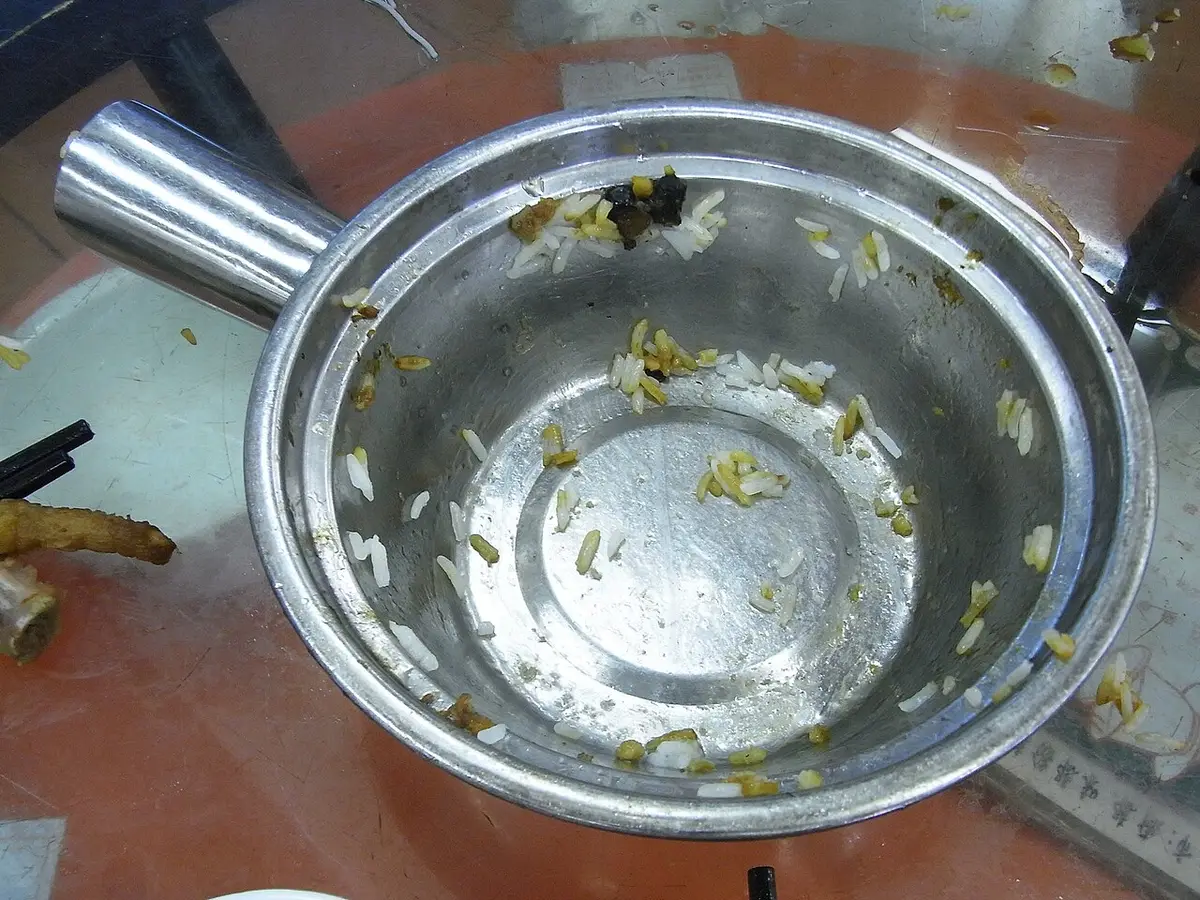
Photo: EahJoseph / Wikimedia Commons, CC BY-SA 3.0
What stainless steel does well:
- Durability. It will not shatter, and a dent rarely stops it from working.
- No smells or stains. Like glass, it is non-porous and cleans up easily.
- Plastic-free lunches. Lighter than glass, which makes it popular for bento-style lunch boxes and picnics.
Where stainless steel falls short:
- No microwave. The USDA lists metal pans among the things that are not safe to use in a microwave oven (USDA). You will need to move food to a plate or glass dish to reheat it.
- You cannot see inside. Labels or a clear lid help, or leftovers get forgotten at the back of the fridge.
- Seals vary. Many stainless containers use a silicone gasket or a plastic lid to seal. Check that the seal is truly leak-proof before trusting it with soup.
Read more in our stainless steel food storage containers guide.
Which Material Is Best for Each Job?
Instead of picking one material for everything, match the container to the task. This is the setup that works for most households:
A useful way to decide is to think about where the container spends most of its life. If it mostly travels between the fridge and the microwave, choose glass. If it mostly travels in a backpack or lunch bag, choose plastic or stainless steel. If it mostly sits on a pantry shelf, focus on the seal and the shape, because square and rectangular containers waste less shelf space than round ones.
| Job | Best material | Why |
|---|---|---|
| Reheating leftovers in the microwave | Glass | Heatproof glass is microwave-safe and does not stain |
| Tomato sauce, curry, garlic, fish | Glass or stainless steel | Neither absorbs odors or pigment |
| Kids' lunches and school snacks | Plastic or stainless steel | Light and will not shatter |
| Freezer meal prep | Glass or plastic | Both freeze well; leave headspace and thaw glass gradually |
| Flour, rice, cereal, snacks in the pantry | Any airtight container | The seal matters more than the material |
| Picnics, camping, travel | Stainless steel | Durable and light |
| Budget starter set | Plastic | Lowest cost per container |
For pantry staples, see our pantry food storage containers guide and rice storage containers guide. For pet food, the same logic applies, and our pet food storage containers guide compares options.
How to Make Any Container Last Longer
Whatever material you choose, a few habits keep containers working for years:
- Cool food before sealing, but refrigerate within 2 hours. The USDA recommends refrigerating leftovers within 2 hours and dividing large batches into shallow containers so they cool quickly.
- Respect temperature changes. Let glass come closer to room temperature before it goes from the fridge into a hot oven.
- Wash lids and gaskets separately. Remove silicone rings and clean the groove to stop smells and mold.
- Avoid abrasive scrubbers on plastic. Scratches trap oil and odor.
- Store containers open. Nest bases and keep lids loose so trapped moisture does not cause a musty smell.
- Use leftovers on time. The USDA puts refrigerated leftovers at 3 to 4 days.
Need help picking sizes? Our food container size and capacity data lists common volumes, and the storage box capacity calculator estimates how many containers you need.
FAQ: Glass vs Plastic vs Stainless Steel Containers
Q: Is glass or plastic better for food storage?
Glass is better for reheating and for foods that stain or smell, because it is non-porous and heatproof glass is microwave-safe. Plastic is better when weight, price, and breakage matter, such as lunches and kids' snacks.
Q: Is stainless steel safer than plastic for food?
Stainless steel does not contain BPA or other plastic additives and does not absorb odors, which is why many people prefer it. The FDA considers BPA safe at current exposure levels, so both are acceptable choices; the main practical difference is that stainless steel cannot go in the microwave.
Q: Can you microwave glass food storage containers?
Yes, if the glass is heatproof and labeled for microwave use. The USDA lists heatproof glass such as Pyrex and Anchor Hocking as safe. Check the lid separately, since many plastic lids should be vented or removed.
Q: Can stainless steel containers go in the freezer?
Yes. Stainless steel handles freezer temperatures well. Leave a little headspace for liquids, which expand as they freeze, and make sure the lid seals tightly to prevent freezer burn.
Q: Why does glass crack in the oven or freezer?
Usually because of thermal shock, a sudden temperature change across the glass. Borosilicate glass resists this better than soda-lime glass, but any glass dish should be moved between extreme temperatures gradually.
Q: Which containers last the longest?
Glass and stainless steel can last many years with normal care. Plastic usually needs replacing sooner, once it becomes cloudy, warped, cracked, or permanently smelly.
Q: What is the best material for meal prep?
Glass is the most popular for meal prep you reheat at home or at work with a microwave. If you carry meals all day or need them light, plastic or stainless steel is more practical.
Q: Are plastic food containers recyclable?
Many reusable food containers are polypropylene, resin code 5, but whether code 5 plastic is accepted depends on your local recycling program. Check with your city or county before putting old containers in the bin.
The Bottom Line
There is no single winner. Glass wins for reheating and smelly foods, plastic wins for light and budget-friendly storage, and stainless steel wins for toughness and plastic-free lunches. Pick the material for the job, choose a lid that truly seals, and replace containers once they stop sealing or start smelling. Explore more options in the Sesoris kitchen and dining collection, or browse the full shop.
Liked this guide?
Get new organizing guides and the occasional new product by email. No spam, unsubscribe anytime.
Related articles
Explore more articles
- Small Front Yard Design: 15 Minimalist Ideas for Compact Spaces
- How to Get Smell Out of Food Storage Containers
- Best Desk Organizer Accessories Review 2026: Top Picks for a Cleaner, More Productive Workspace
- Best Under-Bed Storage Containers: Complete 2026 Review & Buying Guide for a Clutter-Free Bedroom
- How to Plan a Craft Storage Room That Actually Works: A Practical 2026 Guide
- Bathroom Storage Solutions: The Complete 2026 Tutorial Guide to a Tidy, Organized Bathroom
- Stainless Food Storage Containers: The Ultimate 2026 Guide to Durable, Healthy Kitchen Organization
- BPA-Free Food Storage Containers: The Complete 2026 Guide to Safer, Healthier Food Storage