
Tool Storage & Organization: The Complete 2026 Guide to a Clutter-Free Garage & Workshop
Master tool storage & organization in 2026 with expert tips, product ideas, and smart systems. Transform your garage into a tidy, efficient workspace today!

If you have ever spent twenty minutes hunting for a wrench buried under a pile of extension cords, you already know how much a poor tool storage & organization system can slow you down. Whether you are a dedicated hobbyist, a weekend warrior, or someone who just wants to keep a functional garage, getting your tools sorted out is one of the most rewarding home improvement projects you can tackle in 2026. In this comprehensive guide, I am going to walk you through every major strategy, product type, and practical tip you need to build a storage system that actually holds up over time.
Table of Contents
- Assessing Your Tools
- Main Tool-Storage Systems
- Organize Small Hardware
- Organizing Power Tools
- Zone-Based Tool Storage
- FAQ: Frequently Asked Questions
Why Tool Storage & Organization Matters More Than Ever in 2026
It is not just about tidiness. A well-thought-out tool storage and organization system directly impacts your safety, your productivity, and even the lifespan of your tools. Leaving tools scattered on a garage floor or tossed into a random box exposes them to moisture, rust, and physical damage. Beyond that, a disorganized workspace is a genuine safety hazard since tripping over a loose wrench or knocking a shelf full of sharp tools can cause serious injury.
Family Handyman's power-tool storage guide compares open shelving, drawers, cabinets, and pegboard-backed systems for different storage needs. The good news is that you do not need a massive budget or a professional contractor to fix the problem. With the right approach, even a single-car garage can be transformed into an efficient, organized workshop.
In 2026, homeowners are also increasingly thinking about multi-purpose spaces. Garages now double as home gyms, workshop studios, and storage hubs, which means your tool organization system needs to be smart, flexible, and scalable. If you have already explored our guide on best garage storage solutions, you know how transformative the right system can be. Now let us go even deeper into the world of tools specifically.
Assessing Your Tools Before You Build a System
Before you buy a single hook or shelf, you need to know exactly what you are working with. I always recommend starting with a full inventory. Pull every tool out of wherever it currently lives and sort them into categories:
- Hand tools such as hammers, screwdrivers, pliers, wrenches, and utility knives
- Power tools such as drills, circular saws, jigsaws, sanders, and routers
- Measuring and layout tools such as tape measures, levels, squares, and marking tools
- Fasteners and hardware such as screws, nails, bolts, nuts, and anchors
- Cords and hoses such as extension cords, air hoses, and garden hoses
- Safety gear such as goggles, gloves, ear protection, and dust masks
Once everything is sorted, do a quick condition check. Toss or recycle tools that are broken beyond repair, donate duplicates you genuinely do not need, and set aside anything that needs maintenance. This decluttering step is essential because there is no point in building an elaborate storage system around items that should not be there in the first place. For a deep dive on the decluttering process, our how to declutter garage guide covers every step in detail.
Measure Your Available Space
Before purchasing any storage product, measure your garage walls, floor area, and ceiling height. Note the locations of doors, windows, and electrical outlets. This prevents the frustrating experience of buying a gorgeous 8-foot shelving unit only to find it blocks your door swing. Standard garage ceiling height in American homes is typically 8 feet, though many newer builds offer 9 or 10 feet, which opens up more overhead storage opportunities.
The Best Tool Storage & Organization Systems for Home Garages
There is no single perfect system for every homeowner, but there are several tried-and-true approaches that work well across a wide range of spaces and budgets. Here is a breakdown of the most effective options available in 2026:
1. Pegboard Wall Systems
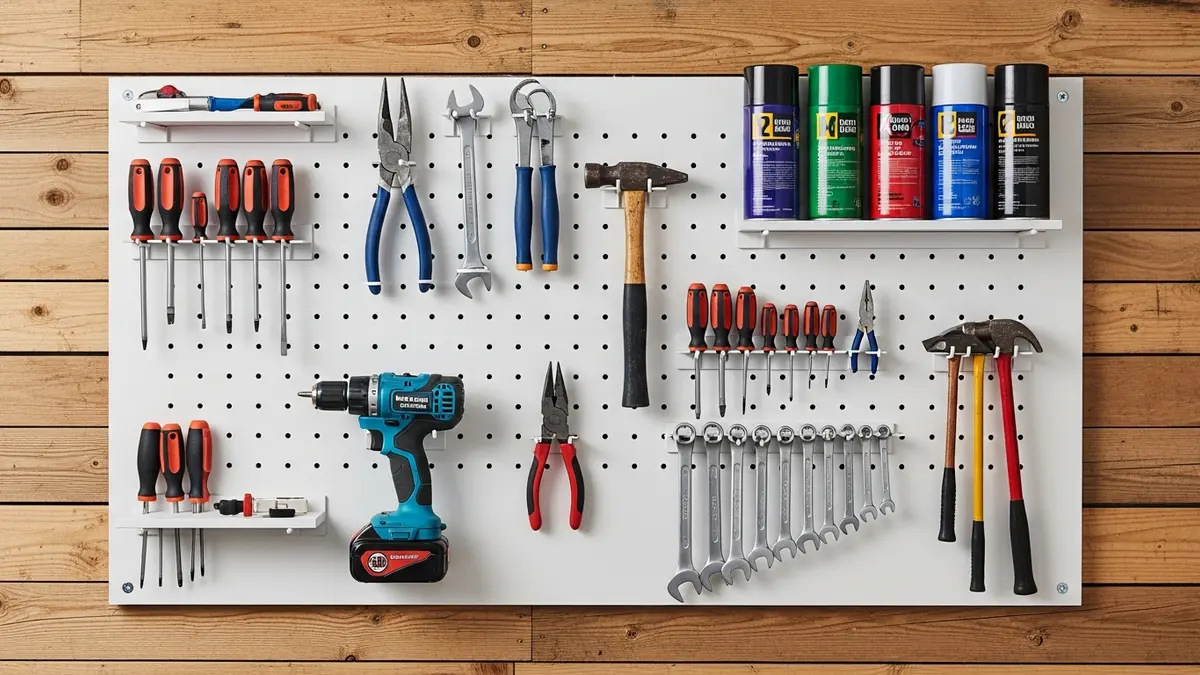
Pegboards are arguably the most versatile and affordable tool storage solution available. A standard 4-foot by 8-foot pegboard panel can hold dozens of hand tools when outfitted with the right hooks, bins, and holders. The beauty of pegboard is its total flexibility. You can rearrange hooks in minutes as your tool collection grows or changes.
Installation tips:
- Mount pegboard at least 1 inch away from the wall using furring strips so hooks can slide through the holes properly
- Use 3/16-inch or 1/4-inch hardboard pegboard for light tools, and 1/4-inch tempered hardboard or metal pegboard for heavier loads
- Paint the wall behind the pegboard a contrasting color and trace outlines of tools so you always know exactly where each item belongs
- Aim to install your pegboard at a comfortable working height, typically between 4 feet and 6 feet from the floor
2. Rolling Tool Chests and Cabinets
A rolling tool chest is the gold standard for serious DIYers and hobbyists. These units offer deep, lockable drawers that keep tools protected from dust and moisture. The rolling base means you can wheel the chest right to whatever project you are working on rather than carrying armloads of tools across the garage.
When shopping for a tool chest in 2026, look for:
- Ball-bearing drawer slides for smooth, reliable operation even when drawers are fully loaded
- Foam drawer inserts or shadow foam to keep individual tools from sliding around and damaging each other
- Locking drawers if you have children in the household or want to secure expensive tools
- Weight capacity ratings that match your actual tool load, since power tools and socket sets are significantly heavier than they look
3. Wall-Mounted Shelving Units
Heavy-duty wall-mounted metal shelves are excellent for storing power tools in their cases, larger equipment like shop vacs, and labeled bins full of hardware. Look for shelving rated for at least 200 pounds per shelf if you plan to store power tools. Adjustable shelf heights give you the flexibility to accommodate different sized items as your storage needs evolve.
Our garage organization systems guide goes into even more detail about combining different shelving types for maximum efficiency.
4. Overhead Garage Storage
If your floor and wall space are already maxed out, look up. Overhead ceiling storage platforms are perfect for seasonal items and tools you use less frequently, such as extension ladders, roof racks, and large power equipment. These platforms typically attach to ceiling joists and can safely hold several hundred pounds when properly installed.
For a complete breakdown of ceiling-mounted solutions, our overhead garage storage solutions guide covers everything you need to know.
5. Magnetic Tool Strips and Bars
Magnetic strips mounted under a workbench or on a wall are perfect for keeping metal hand tools instantly accessible without taking up drawer or pegboard space. A single 24-inch magnetic strip can hold a full set of screwdrivers, chisels, or utility knives securely. This is one of the most underrated tool storage hacks I have come across.
How to Organize Small Hardware: Screws, Bolts, and Fasteners
Small hardware might be the most underestimated organizational challenge in any garage. A single dropped bag of assorted screws can scatter hundreds of tiny pieces across your floor and consume a half hour of your time. Here is how to get small hardware under control:
- Sort by type and size first. Separate wood screws from sheet metal screws, machine bolts from lag bolts, and finish nails from framing nails.
- Use clear stackable jars or bins. Glass mason jars and clear plastic bins let you see contents at a glance without opening every container. Label each one with a label maker or printed label.
- Install a dedicated small-parts organizer. Multi-drawer organizer cabinets with small compartments are purpose-built for this exact problem. Look for units with at least 20 to 40 compartments for a well-stocked hardware collection.
- Mount bins on a pegboard or wall rail. This keeps small-parts storage off the workbench surface and at eye level where it is easiest to access.
- Group related items together. Keep drywall screws near drywall anchors, wood glue near dowels, and electrical staples near wire management supplies.
Pro tip: Write the screw size and type directly on the label of each container in addition to a general description. "1-1/2 inch #8 coarse wood screws" is far more useful than just "wood screws" when you are elbow-deep in a project.
Organizing Power Tools: Cases, Bags, and Charging Stations
Power tools represent a significant investment, and proper storage protects both the tools themselves and your wallet. Here are the best practices for organizing power tools in 2026:
Use Original Cases or Invest in Universal Cases
The foam-lined cases that come with power tools are engineered specifically to protect those tools during storage and transport. If you have lost the original case, universal hard cases with customizable foam inserts are widely available and work just as well. Storing power tools in their cases also keeps cords, blades, and accessories all in one place.
Create a Dedicated Charging Station
If you use cordless power tools from one or more battery platforms, a dedicated charging station prevents battery chaos. Mount a power strip at workbench height and line up chargers for all your tools. Use labeled hooks or a small shelf directly above the chargers to store corresponding tools while they charge. This is a simple setup that saves enormous amounts of frustration.
Label Every Case and Shelf
Even if you know today where everything lives, labeling ensures that anyone helping you in the garage can put things back correctly. It also makes it faster to locate the right tool when you are rushing through a project. A basic label maker costs under $30 and pays for itself almost immediately.
For more inspiration on labeling systems that work across your entire home, check out our label organizer guide.
Store Heavy Power Tools at Waist Height
Ergonomics matter in the garage just as much as in an office. Heavy tools like table saws, planers, and large drills should be stored at waist height where you can lift them safely without straining your back. Reserve upper shelves for lighter items like spare blades, drill bit sets, and safety equipment.
Zone-Based Tool Storage & Organization: The System That Actually Works
The most effective garage organization approach I have found is zone-based storage, which simply means grouping tools by the type of work they support rather than by size or material. Houzz's guide to organizing a garage on different budgets recommends combining utility shelving, storage bins, and wall-mounted rail systems so each zone can match the items it holds.
Here is how a zone-based system might look in a typical two-car American garage:
- Automotive zone: Near the garage door, store car maintenance tools, fluids (on a spill-proof shelf), jumper cables, tire inflators, and cleaning supplies
- Woodworking zone: Near the workbench, keep hand saws, chisels, mallets, sandpaper, and measuring tools within arm's reach
- Electrical and plumbing zone: A dedicated pegboard section or small cabinet with wire strippers, pipe wrenches, Teflon tape, conduit benders, and voltage testers
- Yard and garden zone: Along one wall or in a corner, store rakes, shovels, hedge trimmers, and gardening hand tools on wall hooks or in a tool corral
- Hardware and supplies zone: A multi-drawer cabinet or labeled bin wall near the workbench for fasteners, adhesives, lubricants, and finishes
- Safety gear zone: Immediately inside the garage entrance, hang safety glasses, gloves, hearing protection, and a first aid kit where they are impossible to miss
This zonal approach means you naturally walk to the right area of your garage based on what project you are doing, rather than scanning the entire space hunting for individual items.
Maintaining Your Tool Storage System Long-Term
Building a great tool storage and organization system is one thing. Keeping it running smoothly over months and years is another challenge entirely. Here are the habits that make the biggest difference:
The One-In, One-Out Rule
Every time you bring a new tool into the garage, designate a specific home for it immediately. Do not let it sit on the workbench for a week while you figure it out later. That week has a way of turning into a year, and before long the tool has vanished into a pile of other homeless items.
Monthly Quick Audits
Set a reminder once a month to do a 10-minute walk-through of your garage storage system. Return anything that has drifted out of its zone, tighten any loose pegboard hooks, and check that labels are still readable. This tiny investment of time prevents the slow slide back into chaos.
Seasonal Deep Cleans
Twice a year, do a more thorough reorganization. Wipe down shelves, inspect tools for rust or damage, and reassess whether your current zones still match how you actually work. As projects change and your tool collection grows, your system should evolve too. Our spring cleaning checklist includes a garage section that pairs perfectly with this kind of seasonal reset.
Involve the Whole Household
If other people in your home use the garage, make sure they understand the system. A quick five-minute orientation goes a long way. When everyone knows where the drill lives and where it returns after use, the system maintains itself almost automatically.
Budget-Friendly Tool Storage & Organization Ideas
You do not need to spend thousands of dollars to get your tools organized. Some of the most effective solutions are surprisingly affordable:
- Repurposed kitchen organizers such as utensil caddies and drawer dividers work surprisingly well for small hand tools
- PVC pipe sections mounted horizontally on a wall board make excellent holders for screwdrivers, chisels, and paint brushes
- 5-gallon buckets with tool bag inserts are a popular budget-friendly option for tradespeople and hobbyists alike, offering portable, organized tool storage for under $30
- Tension rods inside cabinet doors can hold rolls of tape, extension cords, and small tool bags
- Labeled coffee cans or glass jars mounted to a wooden board with hose clamps create a charming and functional small-parts storage wall
- Old kitchen cabinets salvaged from a renovation make excellent garage storage cabinets with doors that keep dust off your tools
For more creative approaches to storage on a budget, our DIY garage storage ideas article is packed with inspiration you can implement this weekend.
Related Products from Sesoris
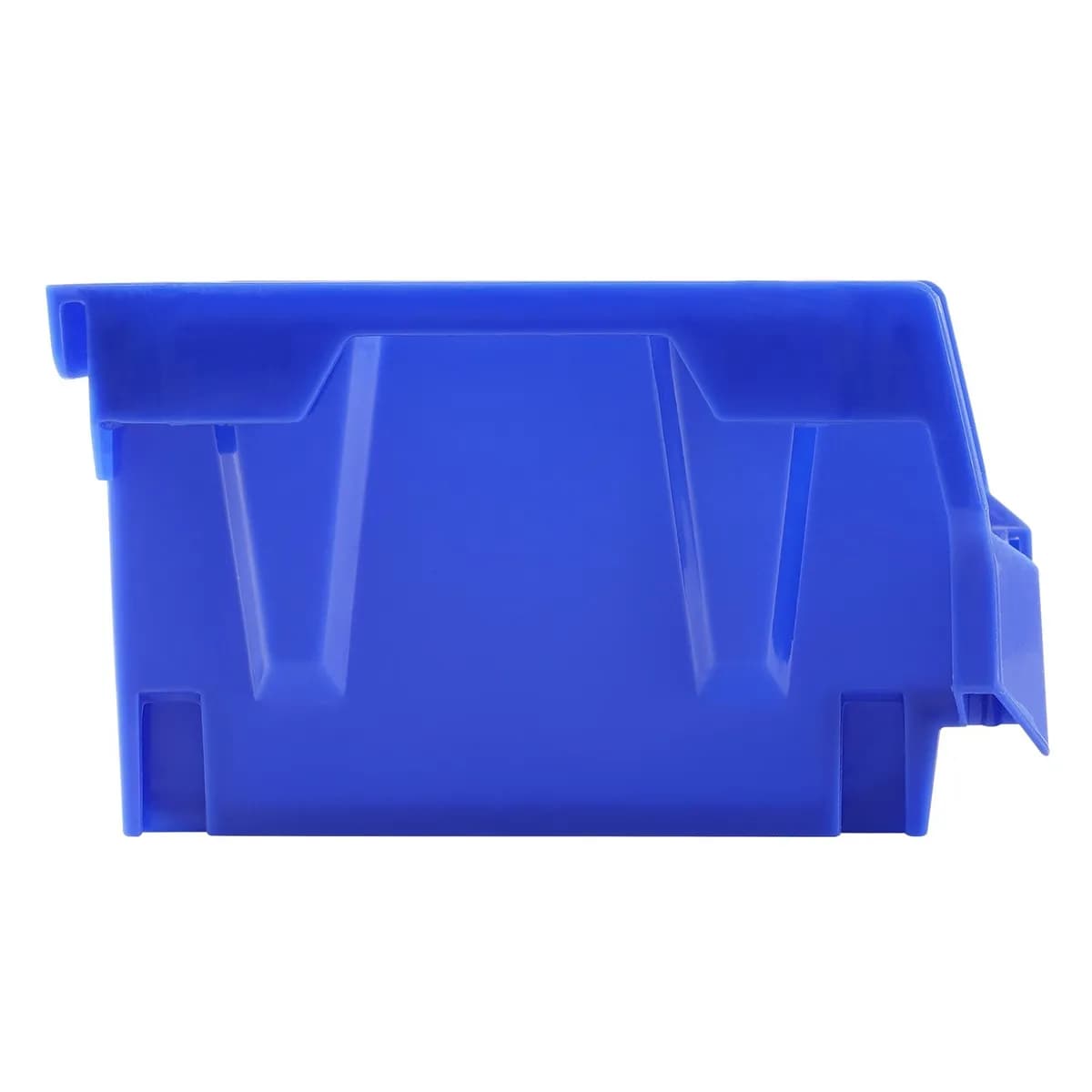
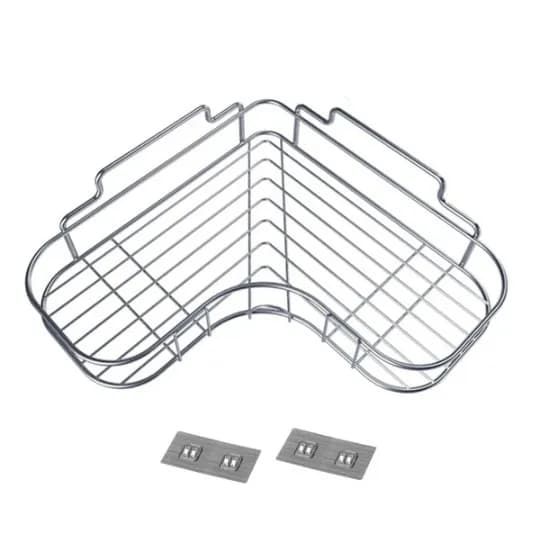
If you want to turn this guide into a real setup, start with Stackable Storage Bins, 24 Pack and Pull-Out Cabinet Organizer, 17 in. Wide. For broader options, browse the Home & Decor collection so the article journey does not stop at reading only.
Our practical rule: choose one product that solves the main clutter problem first, then add supporting organizers only when the daily workflow is already clear. This keeps the shopping path useful, not pushy.
FAQ: Frequently Asked Questions About Tool Storage & Organization
Q: What is the best way to store hand tools in a small garage?
A pegboard system mounted on the wall is the best solution for small garages because it uses vertical space instead of floor or shelf space. A 4-foot by 4-foot pegboard can hold a surprising number of hand tools and keeps everything visible and accessible without taking up any floor area at all.
Q: How do I prevent tools from rusting in storage?
Moisture is the enemy of metal tools. Store tools in a climate-controlled area whenever possible, use silica gel packets inside enclosed tool chests, apply a thin coat of machine oil or paste wax to bare metal surfaces before long-term storage, and never put tools away wet. A dehumidifier in your garage is a worthwhile investment if you live in a humid climate.
Q: Should I store power tools with batteries inserted?
Most manufacturers recommend removing batteries from cordless power tools for long-term storage. Lithium-ion batteries stored at a partial charge of around 40 to 60 percent last longer than those stored fully charged or fully depleted. Store batteries at room temperature away from direct sunlight and extreme heat.
Q: How do I organize tools I use only occasionally?
Seasonal or rarely used tools belong on upper shelves or in overhead storage where they are out of the way but still findable. Label their storage location clearly. You might also consider a clear plastic tote with a lid for tools tied to a specific project type, such as tile work or electrical work, so everything for that task is together when you need it.
Q: What is the most cost-effective first step in setting up tool storage?
Start with a pegboard. It is inexpensive, widely available, incredibly flexible, and instantly makes a visible, meaningful difference. Once your hand tools are on the pegboard and off your workbench, you will have a much clearer picture of what other storage solutions you need to add next.
Conclusion: Build the Tool Storage & Organization System You Deserve in 2026
A well-executed tool storage & organization system does not just make your garage look better. It saves you time, protects your investment in quality tools, and makes every project more enjoyable from start to finish. Whether you start with a simple pegboard, invest in a rolling tool chest, or build out a full zone-based garage system, the key is to get started rather than waiting for the perfect moment.
In 2026, the products and ideas available to American homeowners have never been more varied or more accessible. From magnetic strips to overhead ceiling platforms to color-coded drawer systems, there is a solution that fits every garage, every budget, and every skill level.
Ready to take the next step? Explore the full range of home organization products at Sesoris and check out our best sellers for the most popular storage solutions our customers love. You can also browse our complete shop for everything from bin organizers to labeling supplies. And if you want even more garage-specific inspiration, our blog has dozens of articles covering every corner of the home. Live More Organized starts right here.
Liked this guide?
Get new organizing guides and the occasional new product by email. No spam, unsubscribe anytime.
Related articles
Explore more articles
- Small Dish Racks: Perfect Solutions for Compact Kitchens 2026
- Best Garage Storage Solutions: Practical Guide
- Enclosed Dish Racks: Dust-Free & Pest-Free Kitchen Storage
- Hanging Dish Racks: Perfect Solution for Kitchens Without Cabinet Storage
- Mini Bar for Small Kitchens: 15 Creative Ideas to Maximize Space
- Food Storage Containers with Lids: Complete Guide to Fresh Food Organization in 2026
- Glasslock Food Storage Containers: Complete Guide to Premium Glass Storage Solutions in 2026
- Slow Living at Home: The 2026 Lifestyle Guide to a Calmer, More Intentional Life