
Slow Living at Home: The 2026 Lifestyle Guide to a Calmer, More Intentional Life
Discover how slow living at home can reduce stress and bring real joy in 2026. Practical tips to create a calmer, more intentional everyday life.
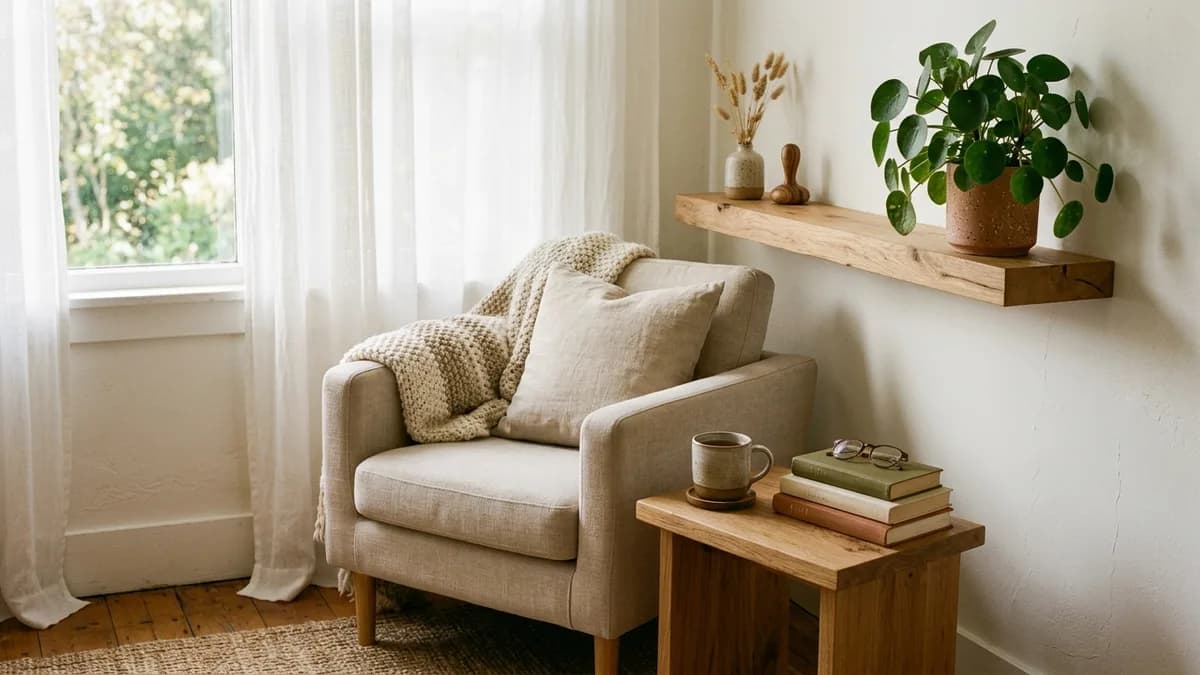
In a world that seems to reward busyness above all else, slow living at home has quietly become one of the most meaningful lifestyle shifts of 2026. It is not about doing less for the sake of laziness. It is about doing things with more intention, more presence, and more care, starting right inside the four walls where you spend the most time. Whether you live in a sprawling house or a studio apartment, the principles of slow living are entirely accessible, and they have a real, tangible effect on your daily sense of calm, clarity, and contentment. This guide walks you through what slow living actually means, why it matters, and how to bring it into every corner of your home life.
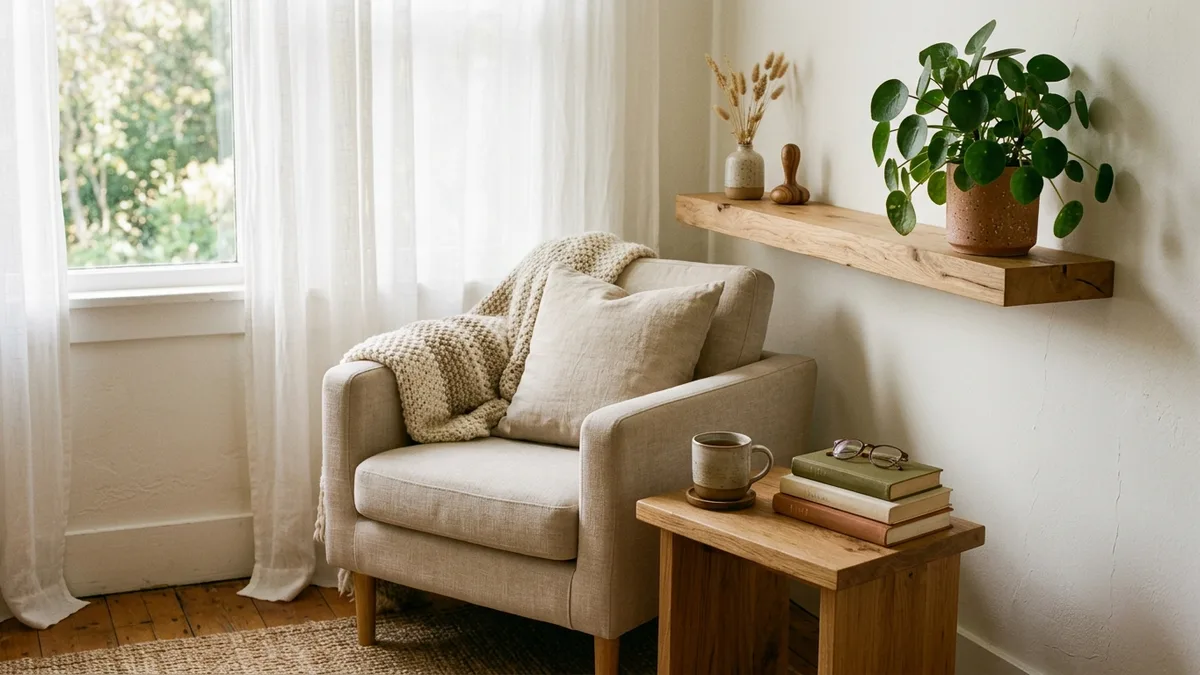
What Slow Living at Home Really Means
Slow living is often misunderstood as a romanticized aesthetic on social media, all candles and linen and artisan bread. While those things can certainly be part of it, the real heart of slow living at home is a deliberate shift in your relationship with time, space, and daily tasks. It draws from movements like minimalism, mindfulness, and the Danish concept of hygge to create a home life that feels genuinely restorative rather than exhausting.
According to the American Psychological Association, chronic stress related to feeling overwhelmed and overscheduled remains one of the top health concerns for American adults. Slow living directly counters that pattern by encouraging you to pare back, simplify your environment, and engage fully with what is in front of you.
At its core, slow living at home means:
- Choosing quality over quantity in the things you own and the activities you pursue
- Organizing your space so it supports ease rather than adding friction
- Building daily rituals that feel nourishing instead of obligatory
- Reducing the visual and mental noise that comes from clutter and constant stimulation
- Being more present during ordinary moments like cooking, cleaning, and resting
How Your Home Environment Shapes Your Pace of Life
Your physical environment has a far greater effect on your mental state than most people realize. Research published through the National Institutes of Health has linked cluttered environments to elevated cortisol levels and reduced ability to focus. In other words, when your home is chaotic, your nervous system reads that chaos as stress, even when you are sitting still.
Slow living at home begins, then, with designing your space to feel calm. This does not require a full renovation or a large budget. It often starts with subtraction rather than addition. When you remove the things that do not serve you, whether that is excess furniture, duplicates of items you never use, or decorations that feel like visual clutter, you create breathing room for both your eyes and your mind.
Some of the most impactful environmental shifts for a slower home life include:
Decluttering with Intention
Decluttering is not a one-afternoon event. Approached slowly and deliberately, it becomes an ongoing practice of asking what actually adds value to your daily life. Start with one drawer, one shelf, or one cabinet. Do not rush. The home decluttering tips guide on the Sesoris blog walks through a thoughtful, room-by-room approach that pairs beautifully with a slower lifestyle mindset.
Organizing for Everyday Ease
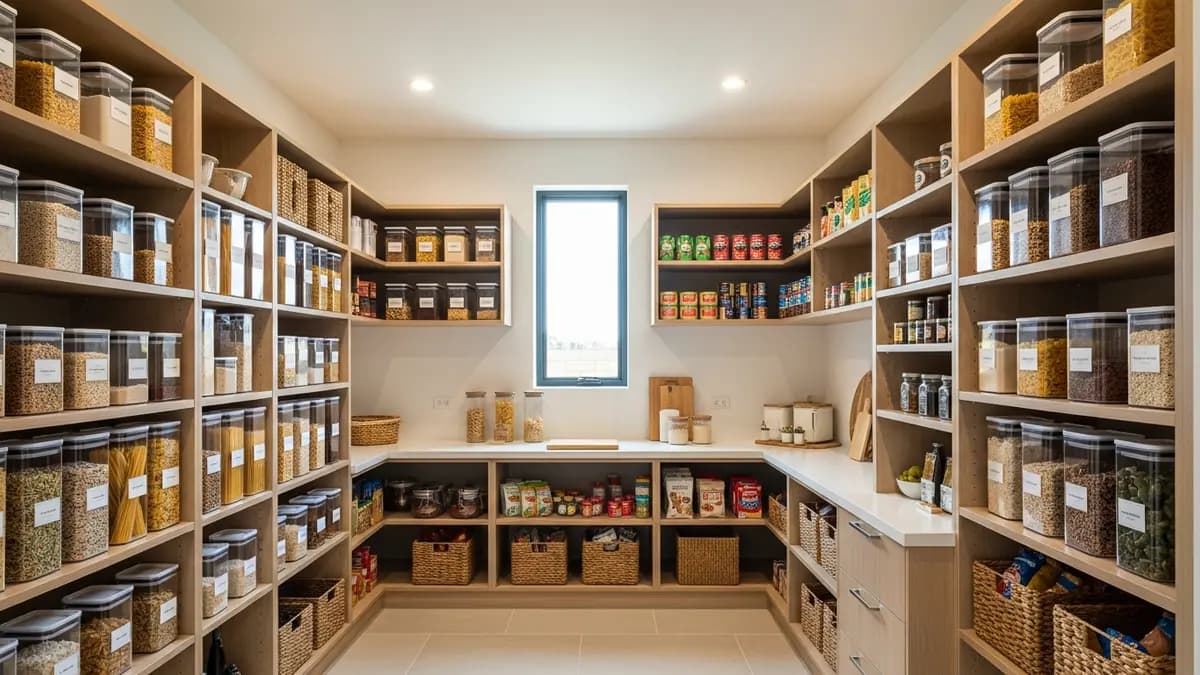
Organization and slow living go hand in hand. When everything in your home has a designated place and is easy to retrieve and put away, you eliminate the low-grade friction that quietly drains energy throughout the day. A well-organized pantry, a tidy entryway, and a clutter-free bedroom all reduce the number of small decisions and mini-frustrations you encounter before you have even had your morning coffee.
Choosing Calm Over Maximalism
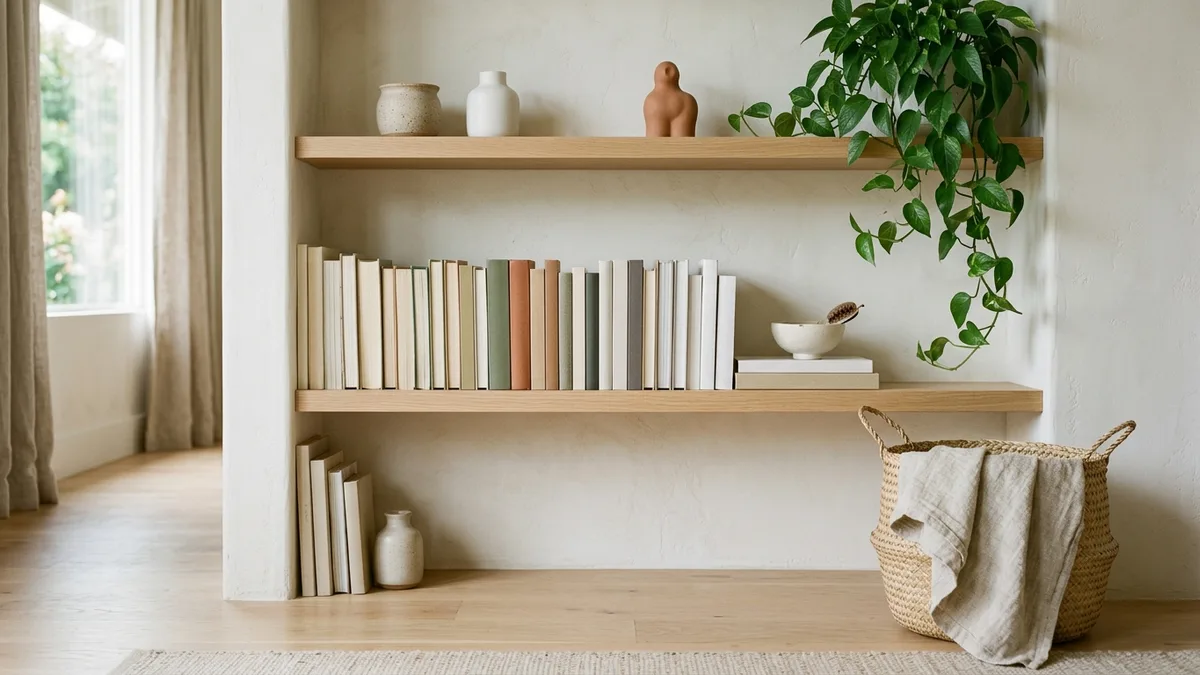
Slow living spaces tend to lean toward neutral palettes, natural materials, and a restrained number of objects on display. That does not mean sterile or cold. It means intentional. Every object earns its place.
Building a Slow Living Morning Routine
The morning sets the emotional tone for everything that follows. A rushed, reactive morning, where you are immediately checking your phone, scrambling for keys, and skipping breakfast, tends to create a day that feels scattered and stressful. A slow morning, even one that is only 20 minutes longer than your current routine, can feel dramatically different.
Slow living at home asks you to protect the morning as a gentle on-ramp to the day. Here is how to build one:
Wake Before You Reach for Your Phone
The habit of checking notifications within minutes of waking immediately pulls your attention outward. Try giving yourself at least 15 to 30 minutes of screen-free time in the morning. Use that window for something grounding: stretching, journaling, stepping outside, or simply sitting quietly with your coffee.
Create a Dedicated Morning Spot
Having a small, organized corner of your home dedicated to your morning ritual makes it much easier to actually do it. This could be a chair near a window, a kitchen nook, or a corner of your bedroom. Keep it clear of clutter and stocked with whatever you need, whether that is a book, a journal, or just a beautiful mug.
Make Breakfast a Ritual, Not a Chore
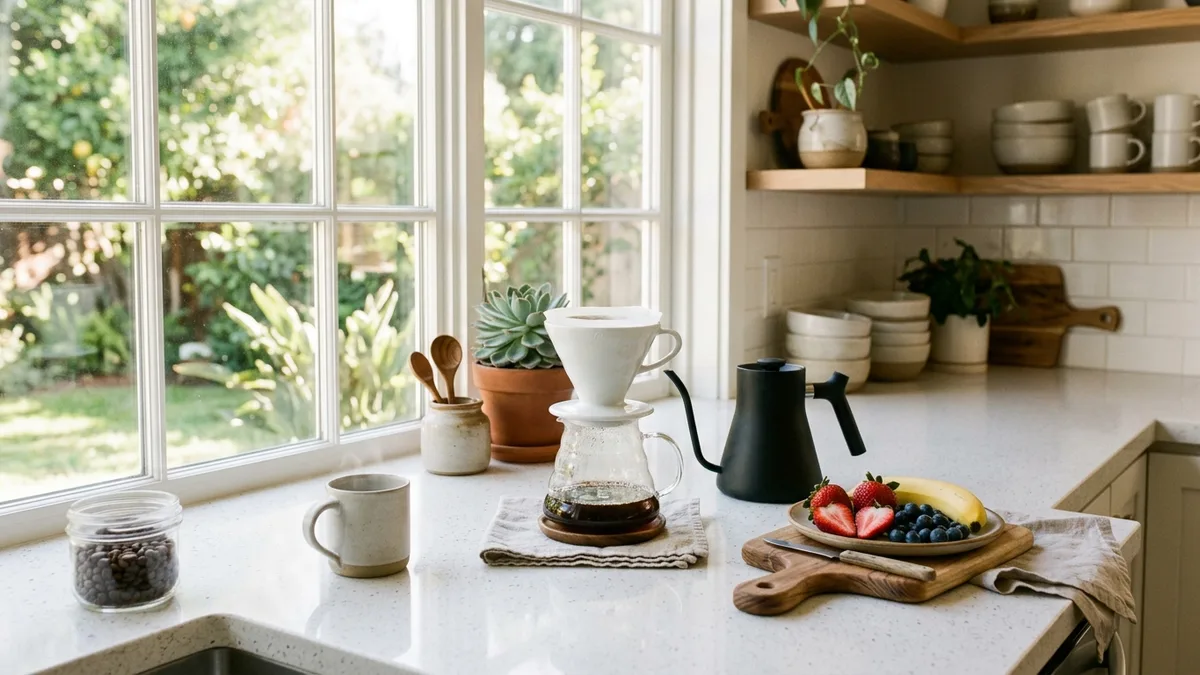
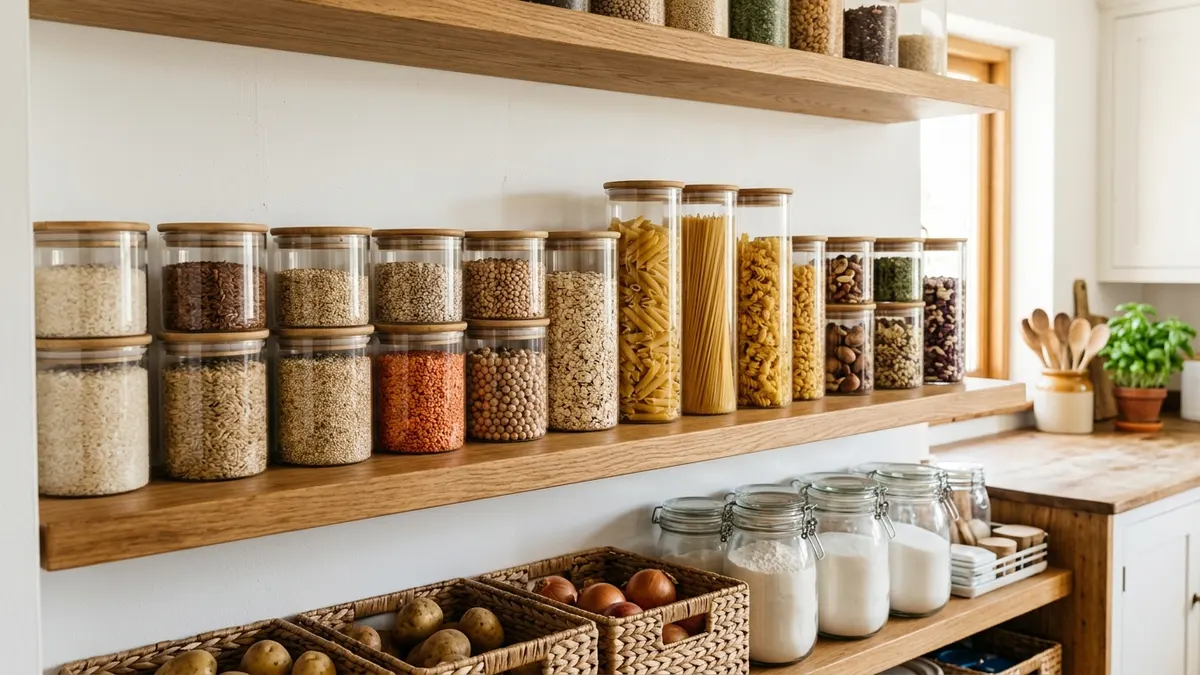
The slow living philosophy transforms ordinary tasks into meaningful ones. Preparing a simple breakfast with full attention, noticing the textures, smells, and flavors, is a form of mindfulness practice. A well-organized kitchen makes this easier. When your pantry food storage containers are clearly visible and your countertops are clear, making breakfast becomes a genuinely pleasant experience rather than a hunt through cluttered cabinets.
The Slow Living Kitchen: Cooking as a Mindful Practice
The kitchen is often the busiest room in the home, which also makes it one of the greatest opportunities for slow living. When you approach cooking with intention rather than urgency, it shifts from a stressful obligation into one of the most grounding activities of the day.
"Cooking is an act of care, for yourself, for your household, and for the people you share a table with. Slow it down and you will feel the difference."
Meal Planning with Simplicity in Mind
Slow living does not mean elaborate meals. It means planned, unhurried ones. Spending 20 minutes on a Sunday evening thinking through the week's meals removes the daily scramble of figuring out what to cook and prevents unnecessary grocery runs. It also dramatically reduces food waste, which aligns with the slow living value of using resources thoughtfully.
Organizing Your Kitchen for a Calmer Cook
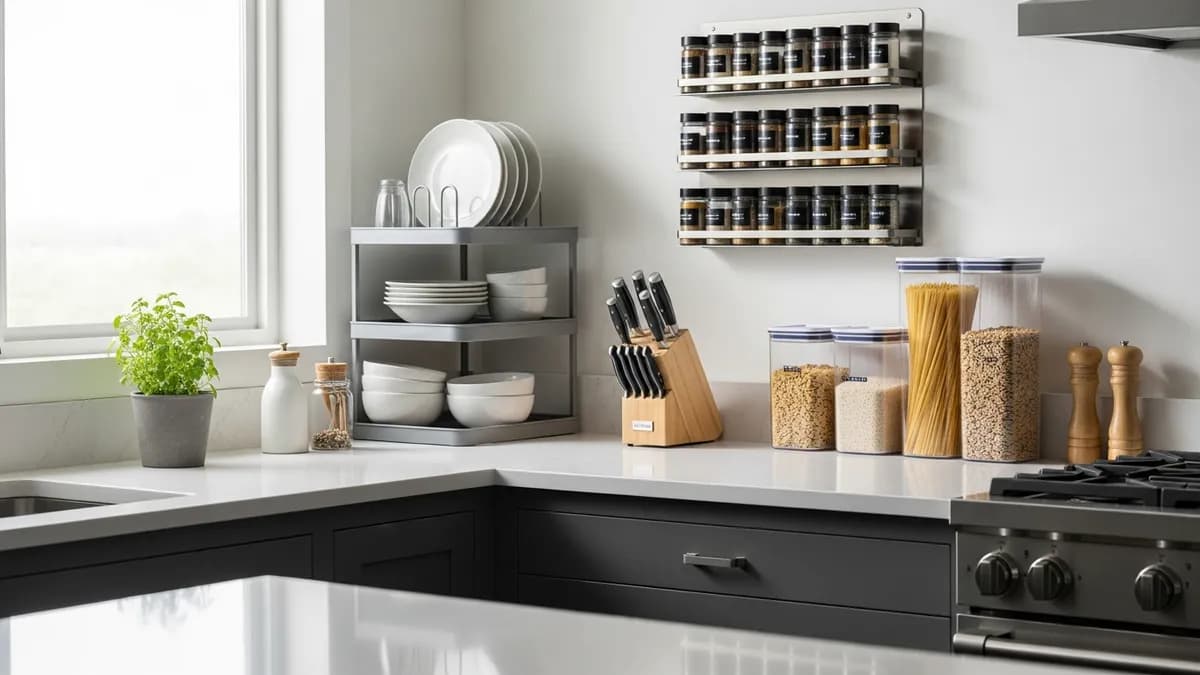
A kitchen that is easy to navigate removes the frustration from cooking. This means keeping your most-used tools within arm's reach, storing ingredients in clear, well-labeled containers so you can see what you have at a glance, and giving your countertops enough clear space to actually work. Explore kitchen organization ideas that genuinely work for practical steps to get there.
Eating Without Distraction
One of the most underrated slow living practices is simply sitting down to eat without a screen in front of you. Even one meal a day eaten with full attention, noticing flavors, eating slowly, and being present at the table, can shift your relationship with food and your home in a meaningful way. According to Harvard Health Publishing, eating more slowly and mindfully is associated with better digestion, greater meal satisfaction, and reduced overeating.
Creating a Restful Evening in a Slow Home
If the morning sets the tone, the evening closes it. How you wind down at the end of the day directly affects the quality of your sleep and how you feel when you wake up the next morning. Slow living at home places high value on the evening as a time for restoration, not stimulation.
The Sunday Reset as a Weekly Anchor
One of the most beloved slow living practices is a weekly reset, a gentle Sunday ritual of tidying, planning, and preparing your home and mind for the week ahead. It does not need to take hours. Even 45 minutes of light cleaning, restocking essentials, and thinking through the week can create a profound sense of calm and readiness. The Sunday reset routine guide on the Sesoris blog is a great starting point for building this habit.
Designing a Bedroom That Supports Rest
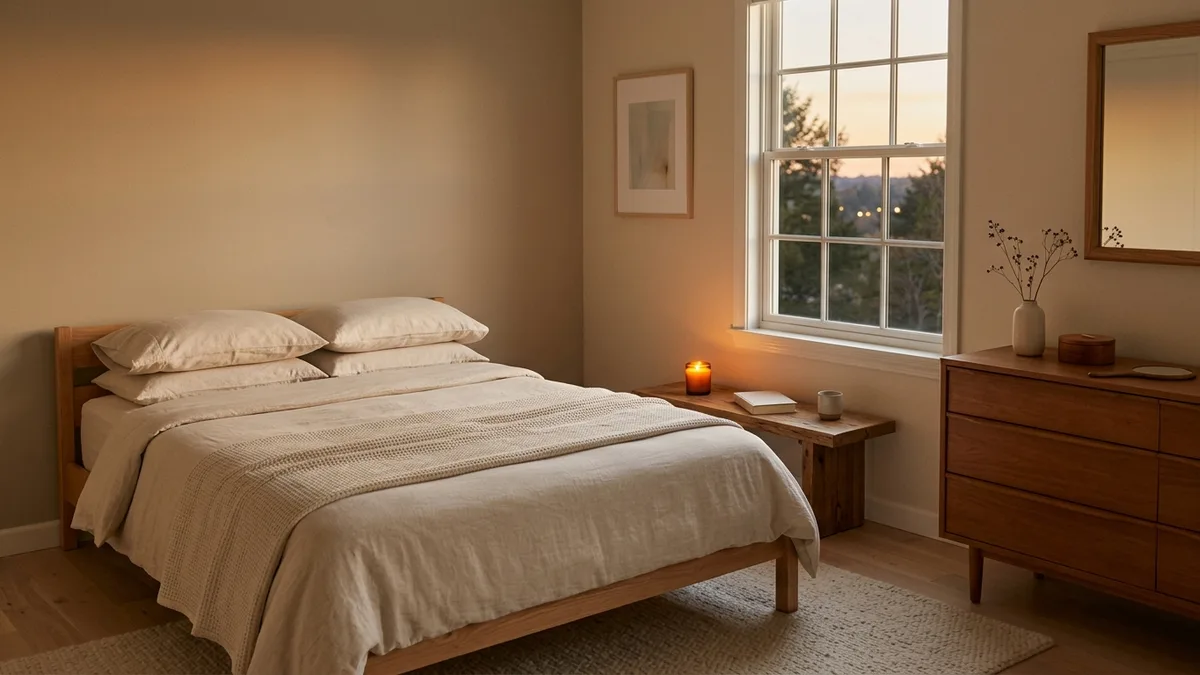
Your bedroom should be a genuine sanctuary. That means keeping it free of clutter, limiting electronics, and ensuring the space feels visually calm. A tidy nightstand, comfortable bedding, and a room that is organized rather than chaotic all contribute to better sleep quality. The CDC recommends keeping your bedroom environment cool, dark, and quiet to support healthy sleep, and a well-organized, clutter-free space supports all three of those conditions.
A Simple Evening Wind-Down Ritual
A predictable evening routine signals to your body and mind that it is time to slow down. This might look like:
- Dimming the lights an hour before bed
- Tidying the main living areas for 10 minutes so you wake up to a calm home
- Making a cup of herbal tea and reading for 20 to 30 minutes
- Setting your phone to do-not-disturb mode before you get into bed
- Doing a brief reflection or gratitude practice
These are not complicated habits. But practiced consistently, they build a daily rhythm that feels genuinely restorative.
Slow Living and Organized Spaces: The Natural Connection
You may have noticed a thread running through every section of this guide: organization makes slow living easier. A cluttered entryway makes every departure stressful. A disorganized kitchen makes cooking feel like a chore. A messy bedroom undermines rest. The inverse is equally true: when your home is organized thoughtfully, slow living almost happens naturally.
This table connects common slow living goals with a simple organizing step that supports each one at home.
| Slow living goal | Organizing step that supports it | Where to start |
|---|---|---|
| Calmer mornings | Set up a landing zone for keys, bags, and shoes | Entryway |
| Mindful cooking | Keep everyday tools and staples within easy reach | Kitchen counters and pantry |
| Restful evenings | Clear surfaces and give each item a home | Bedroom and nightstand |
| Less impulse buying | Keep a running list and check storage before shopping | Pantry and closets |
| More time for hobbies | Store hobby supplies in one ready-to-use kit | A shelf or bin near where you use them |
This is why slow living at home and home organization are so deeply connected. They are not separate projects. They support each other. When you invest in good storage solutions, from clear pantry containers to a well-organized linen closet to a streamlined entryway, you are not just tidying up. You are removing friction from your daily life and creating the conditions for a calmer, more intentional way of living.
Some of the most impactful organizational habits for slow living include:
- Doing a 10-minute tidy each evening so clutter never accumulates
- Keeping surfaces clear as a default, not a goal you occasionally reach
- Storing like items together so retrieval is effortless
- Labeling storage containers so everyone in the household can maintain the system
- Doing a seasonal declutter to prevent the slow creep of excess
For inspiration on where to start, the Sesoris collections page has a range of storage and organization solutions designed to support exactly this kind of intentional home life. And if you are looking for what is most popular with other households right now, the best sellers are always a great place to look.
Slow Living on Any Budget
One of the most liberating things about slow living is that it is not contingent on money. In fact, a core principle of the slow living philosophy is consuming less, not more. The goal is to own fewer, better things rather than accumulating constantly. That said, a few well-chosen organizational tools can make a meaningful difference without requiring a large investment.
Some practical, budget-friendly starting points:
- Replace mismatched containers in your pantry with a set of clear, matching ones. The visual calm alone is noticeable.
- Invest in a simple shelf or rack to get items off countertops and create breathing room.
- Use baskets or bins to corral loose items in living areas so surfaces stay clear.
- Donate or sell items you no longer use. The act of letting go is itself part of the slow living practice.
For those getting started, thespruce.com has a helpful overview of practical entry points into the slow living lifestyle that complement an organized home beautifully.
Related Products from Sesoris
If you want to turn this guide into a real setup, start with Stackable Storage Bins, 24 Pack and Pull-Out Cabinet Organizer, 17 in. Wide. For broader options, browse the Home & Decor collection so the article journey does not stop at reading only.
Our practical rule: choose one product that solves the main clutter problem first, then add supporting organizers only when the daily workflow is already clear. This keeps the shopping path useful, not pushy.
FAQ: Frequently Asked Questions About Slow Living at Home
Q: Is slow living the same as minimalism?
They overlap significantly but are not identical. Minimalism is primarily about owning fewer things. Slow living is about pacing, intentionality, and presence. You can live slowly in a home with lots of books, plants, and layered textiles, as long as those things are there by choice and not by accumulation. Many people who identify with slow living also practice some form of minimalism simply because it supports the lifestyle.
Q: How do I start with slow living if my home is already disorganized?
Start small and stay slow, which is fitting advice for the lifestyle itself. Pick one room or even one area of one room. Declutter it, organize it thoughtfully, and spend a week simply living in that space with more intention before moving on. Trying to overhaul everything at once tends to create more overwhelm, not less.
Q: Can slow living work with a busy family schedule?
Absolutely. Slow living does not mean your calendar has to be empty. It means you approach your commitments with more intentionality, saying yes to fewer things and giving fuller attention to what you do choose. For families, this often looks like protecting certain rhythms, a slow weekend morning, a phone-free dinner, a weekly home reset, as anchors of calm within a busy life.
Q: What home organization products actually support a slower lifestyle?
Anything that reduces daily friction helps. Airtight pantry containers that keep food fresh and visible, a well-designed entryway system that makes coming and going easy, drawer organizers that eliminate the rummaging, and clearly labeled bins that everyone in the household can use. Browse the Sesoris shop for options across all these categories.
Q: How is slow living connected to sustainability?
Very directly. Slow living encourages buying less, choosing quality over quantity, reducing waste, and being more conscious about consumption. These values align naturally with sustainable living. Using reusable food storage containers instead of single-use plastic, for example, is both a slow living choice and an environmentally responsible one. For more on this connection, check out the sustainable living guide on the Sesoris blog.
Q: How long does it take to feel the benefits of slow living at home?
It depends on the household, but many people notice small changes, such as calmer mornings or less time searching for things, after adjusting just one routine or one room. Treat it as a gradual practice rather than a project with a finish date.
Q: Do I need to declutter my whole home before I can start slow living?
No. Start with one small area you use every day, such as the entryway or a kitchen counter. A calmer space in one spot gives you a model to repeat elsewhere at your own pace.
Q: Can slow living work in a small apartment?
Yes. Small spaces often make slow living easier because there is less to maintain. Focus on multi-use furniture, vertical storage, and keeping only the things you use and enjoy.
Conclusion: Start Your Slow Living Journey at Home Today
Slow living at home is not a trend to chase. It is a way of relating to your daily life that brings genuine calm, connection, and satisfaction, and it is more accessible than you might think. It starts not with a dramatic lifestyle overhaul but with small, deliberate shifts: a tidier space, a more intentional morning, a calmer kitchen, a more restful evening. Each small change compounds over time into a home that truly supports the life you want to live.
The Sesoris team believes that a well-organized home is the foundation of a calmer, more intentional life. That is why our entire product range is built around the idea of making your everyday spaces work better for you, so you can spend less energy managing your stuff and more energy actually living. Browse our new arrivals for the latest additions designed to bring more ease and calm to your home in 2026, and explore more lifestyle guides on the Sesoris blog. Live more organized. Live more intentionally. Live slowly.

Liked this guide?
Get new organizing guides and the occasional new product by email. No spam, unsubscribe anytime.
Related articles

Explore more articles
- Small Laundry Room Organization: 20+ Smart Tips to Transform Your Compact Space in 2026
- 40+ Best Home Storage Ideas to Organize Every Room in 2026
- 30+ Best Kitchen Counter Organization Ideas to Transform Your Cooking Space in 2026
- 30+ Best Small Closet Organization Ideas to Transform Your Tiny Space in 2026
- Capsule Wardrobe Women: The Ultimate 2026 Guide to a Stylish, Organized Closet
- 25+ Best Hat Storage Ideas to Keep Your Collection Organized in 2026
- 30+ Best Bathroom Storage Ideas to Maximize Every Inch of Your Space in 2026
- 25+ Best Stationery Organizer Ideas to Transform Your Desk in 2026