
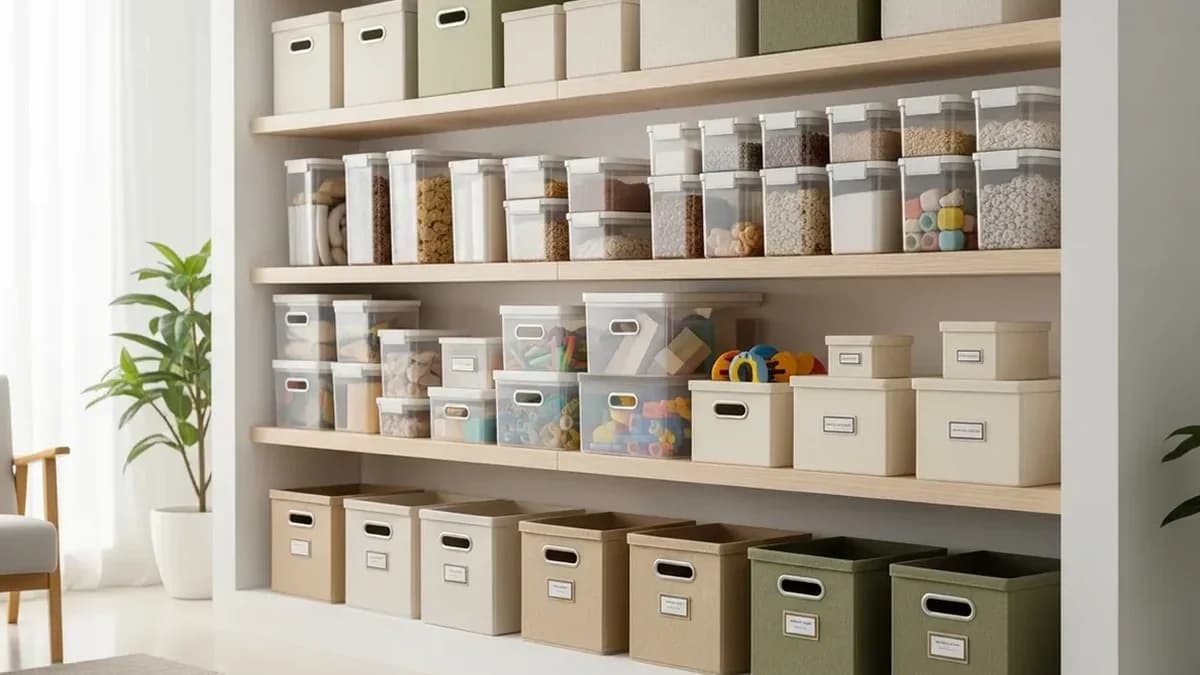
Vacuum Storage Bag: Compress Clothes and Blankets by Up to 75%
Vacuum storage bag is a storage solution that compresses clothes, blankets, pillows, and other textile items to 75% smaller than their original size. This simple technology works by removing air from inside the bag, making the contents flat and extremely space-saving.
One pattern we've seen at Sesoris over countless customer interactions: pet owners care more about hygiene-rated storage than pet owners realize.

If you live in a small apartment, boarding house, or home with limited storage space, vacuum storage bags could be a lifesaver. A cabinet that once fit only 5 blankets can now hold 15-20 blankets with vacuum bags. This article covers everything you need to know about vacuum storage bags.
Key Takeaways: > - Choose products with clear safety labels (food-grade, BPA-free) for daily use > - Investing slightly more in quality materials (glass, grade 304 stainless steel) saves long-term costs > - Match sizes to family needs, neither too large nor too small > - Local marketplaces like Tokopedia, Shopee, and Sesoris offer competitive prices with maintained quality
What Is a Vacuum Storage Bag?
A vacuum storage bag is a storage pouch made from special plastic with an air valve on one side. How it works is simple - you put items inside the bag, seal the zipper, then remove air through the valve using a vacuum cleaner or hand pump. For additional information, also see the guide from The Spruce.
Once the air is removed, the bag shrinks and presses its contents flat. Atmospheric pressure from outside keeps the bag flat and airtight, protecting the contents from dust, moisture, mites, and odors.
This technology has been used for decades in the textile and garment industry for shipping goods. Now, vacuum storage bags are available in home versions that anyone can use easily.
Advantages of Vacuum Storage Bags
Save Space Up to 75%
The most obvious advantage is dramatic space savings. Thick blankets that usually take up half a cabinet can be compressed to the thickness of a book. Bulky winter jackets can be stacked without taking up much space. For additional information, also see the guide from Real Simple.
Maximum Protection
Because the bag is vacuum-sealed and airtight, the contents are protected from:
- Dust and dirt
- Mites and bed bugs
- Moisture and mold
- Musty odors
- Insects like moths that often damage clothing
Easy to Use
No special skills needed to use vacuum storage bags. The process takes only 2-3 minutes per bag and results are immediate.
Cost-Effective
Compared to buying additional cabinets or renting storage units, vacuum storage bags are much more economical. A set of 5-10 bags typically sells for $3 to $9
Types of Vacuum Storage Bags Available
| Type | Vacuum Method | Common Size | Best For | Price Range |
|---|---|---|---|---|
| Valve Bag (with valve) | Vacuum cleaner | 60x80 cm - 110x100 cm | Blankets, jackets, pillows | $1 - $2.5/piece |
| Hand Pump Bag | Manual hand pump | 50x70 cm - 80x100 cm | Clothes, sheets | $0.63 - $2/piece |
| Roll-up Bag | Manual rolling | 35x50 cm - 50x70 cm | Travel, small clothes | $0.50 - $1/piece |
| Hanging Bag | Vacuum cleaner | 70x145 cm | Suits, dresses, coats | $1.5 - $3/piece |
| Cube Bag | Vacuum cleaner | 50x60x38 cm | Pillows, stuffed toys | $1 - $2.5/piece |
Valve Bag - The Most Popular Choice
This type has a one-way valve on the bag's surface. Simply attach your vacuum cleaner's hose to the valve and turn it on for 30-60 seconds. Air gets sucked out and the bag shrinks dramatically. The one-way valve ensures air can't get back in after you remove the hose.
Roll-up Bag - No Extra Tools Needed
Ideal for traveling or those without a vacuum cleaner. Simply put clothes in, seal the zipper, then roll the bag from bottom to top to push air out. While compression isn't as high as valve bags, roll-up bags still save 40-50% of space.
Hanging Bag - For Formal Wear
Designed specifically for storing hanging clothes like suits, party dresses, or coats. This bag has a hanger hole at the top so clothes stay neatly hung in the cabinet while compressed. Perfect solution for formal wear that's rarely worn.
How to Use Vacuum Storage Bags Correctly
Although it seems simple, there are important steps to follow for optimal vacuum bag performance and longevity:
- Make sure items are clean and dry - never put damp or dirty clothes into a vacuum bag. Trapped moisture can cause mold and odors
- Fold items neatly - don't just throw things in. Fold clothes or blankets neatly so contents distribute evenly in the bag for more effective compression
- Don't overfill - leave about 20% empty space. Overfilling makes the zipper hard to close and increases leak risk
- Close the zipper perfectly - run your finger along the entire zipper to ensure no gaps. Some products include slider clips to make this easier
- Vacuum air slowly - don't rush. Let the vacuum cleaner work for 30-60 seconds until the bag is completely flat
- Check for leaks - after 24 hours, check if the bag is still flat. If it starts to puff up, there's a leak in the zipper or valve
Items Suitable and Unsuitable for Vacuum Bags
Suitable for Vacuum Storage
- Blankets and bed covers
- Pillows and body pillows (except down pillows)
- Winter jackets and coats
- Cotton and polyester clothing
- Sheets and pillowcases
- Towels
- Plush toys
Not Recommended for Vacuum Bags
- Down jackets - excessive compression can damage down loft and reduce insulation ability
- Leather clothing - leather material can crack or change shape if compressed too long
- Thick wool clothing - wool fibers can be damaged and lose shape
- Clothing with beads or sequins - pressure can cause decorations to come loose or damage surrounding fabric
- Fragile clothing - vintage or old garments can tear from pressure
Tips for Maintaining Vacuum Storage Bags
With proper care, vacuum storage bags can be reused for many years. Here are maintenance tips:
- Clean before reusing - wipe the inside of the bag with a damp cloth and dry completely before refilling
- Don't fold filled bags - folds can cause plastic cracks and air leaks
- Store on a flat surface - avoid stacking heavy items on top of vacuum bags as it can damage the seal
- Avoid direct sunlight - UV rays can make plastic brittle and prone to tearing
- Revacuum every 3-6 months - over time, small amounts of air can slowly enter. Revacuum periodically to maintain optimal compression
- Replace if zipper won't seal - worn zippers are the main cause of leaks
Vacuum Bags for Traveling
Besides home storage, roll-up type vacuum storage bags are very useful when traveling. Benefits include:
- Save luggage space by up to 50%
- Separate clean and dirty clothes
- Protect clothes from spills inside luggage
- Make luggage organization easier by clothing category
For traveling, choose roll-up vacuum bags that don't require extra tools. Ideal sizes for luggage are 35x50 cm or 40x60 cm. Bring a few empty bags for dirty clothes or souvenirs on the way back.
How to Choose Quality Vacuum Storage Bags
Not all vacuum storage bags are created equal. Here are criteria to consider when choosing:
- Plastic thickness - choose at least 0.08 mm. Thinner plastic easily leaks and tears
- Zipper quality - double zipper seals are better than single because they provide two layers of protection
- Valve type - turbo valves with screw closures last longer than standard valves
- PA+PE material - combination of Polyamide and Polyethylene creates strong, flexible, durable plastic
- Package completeness - products that include hand pump, slider clips, and label stickers offer added value
- User reviews - read reviews from other buyers, especially about seal durability and longevity after several months of use
Conclusion
Vacuum storage bags are one of the most effective and economical storage solutions you can own. Its ability to compress items up to 75% smaller makes it essential for anyone struggling with limited storage space.
Start by identifying bulky items you rarely use - extra blankets, winter jackets, or children's toy collections. Put them in vacuum bags and feel how much lighter your cabinet becomes. With a very affordable investment, you can gain extra storage space equivalent to buying a new cabinet.
Practical Tips for Choosing Quality Products
Choosing the right home organization products requires considerations that aren't always obvious. From our experience crafting dozens of guides for Sesoris readers, here are three principles most commonly overlooked.
First, pay attention to material density, not just visible thickness. Quality food-grade plastic has higher density than recycled plastic, making it more impact-resistant and crack-proof. Check the product's weight relative to its size, items that feel too light for their dimensions usually use thinner material.
Second, stackability compatibility. Many shoppers buy containers or organizers as a set, only to discover they can't be stacked neatly due to 1-2 cm dimension differences. Before buying, ensure exterior dimensions match across series so they can be stacked maximally in cupboards or pantries.
Third, long-term maintenance cost. A $3 product that needs replacement every 6 months actually costs more than a $13 product that lasts 3 years. Calculate total cost of ownership, not just initial price.
Common Mistakes When Shopping Online
Online shopping on marketplaces like Tokopedia, Shopee, or Sesoris is practical, but there are pitfalls beginners often overlook.
Product photos shown by sellers are frequently international stock images, not actual items. Always check the "reviews with photos" tab to see real photos from previous buyers. If there isn't a single real buyer photo, it's a red flag.
Size descriptions can mislead: "large size" without specific numbers could mean anything. Ask exact dimensions in centimeters via chat before checkout, especially for items like shelves or organizers that must fit your space.
Also verify shipping weight for cost estimates. Glass containers or heavy items from outer islands can add significant shipping fees, making a seemingly cheap product more expensive than local alternatives.
Budget Tip (2026): For standard Indonesian family home organization needs, allocate $94-$188 for a starter pack (food containers, wardrobe organizers, labels, and additional shelving). Add gradually based on room needs. Avoid impulsive shopping without a plan, many people end up accumulating items they never use.
Frequently Asked Questions (FAQ)
Here are answers to the most frequently asked reader questions on this topic.
Q: How long do quality home organization products typically last?
With proper routine care, food-grade plastic products last 3-5 years, while borosilicate glass and grade 304 stainless steel can last 10+ years. Key factors are consistent maintenance and avoiding extreme temperature exposure.
Q: Is this product food-safe?
Ensure the product is labeled "food-grade" or "BPA-free" before using it for food storage. Safe materials include borosilicate glass, grade 304 stainless steel, and certified food-grade plastic. Avoid plastic without food safety certification, especially for hot or oily foods.
Q: How do I clean and maintain it?
Wash with mild dish soap and warm water. Avoid abrasive sponges that can scratch the surface. For stubborn stains, use a baking soda and water paste as a natural cleaner. Dry completely before storing to prevent mold and bacteria.
Q: What is the price difference between local and imported products?
Local Indonesian products are typically 30-50% more affordable than imports of similar quality. For daily home organization needs, local products meet the standard. Consider imports only if you need specific features not available in the local market.
Q: Where should I buy products like this?
You can buy at offline stores like ACE Hardware, IKEA, or major hypermarkets, or via online marketplaces like Tokopedia, Shopee, and Sesoris. Check seller ratings, real product photos, and return policies before buying online.
Related Articles
Explore other guides from Sesoris to complement your knowledge:
- Wooden Spice Racks Kitchen Ultimate Guide Natural Storage Solutions 2026
- Wall To Wall Shelf Ideas Transform Home Storage 2026
About Tim Sesoris
The Sesoris editorial team consists of experienced writers in home organization, minimalist lifestyle, and Indonesian e-commerce. We test products, review market trends, and craft guides based on in-depth research and field experience. All recommendations are curated to give you accurate, practical, and relevant information for Indonesian households.
For questions or suggestions, contact us through the Sesoris contact page.
Weekly Home Tips
Get home organization ideas, product picks, and exclusive deals delivered weekly.
No spam. Unsubscribe anytime.


Explore More Articles
- 30+ Best Organization Closet Ideas to Transform Your Storage Space in 2026
- 25+ Best Yarn Storage Ideas to Keep Your Craft Room Organized in 2026
- 30+ Best Corner Shelf Ideas to Transform Every Room in Your Home in 2026
- 30+ Best Laundry Room Shelving Ideas to Maximize Every Inch in 2026
- DIY Room Divider Ideas: 20+ Creative Ways to Split Your Space in 2026
- 30+ Best Bedroom Organization Ideas to Transform Your Sleep Space in 2026
- 25+ Best Laundry Room Cabinet Ideas to Transform Your Space in 2026
- 35+ Best Floating Shelf Ideas to Transform Every Room in Your Home in 2026