
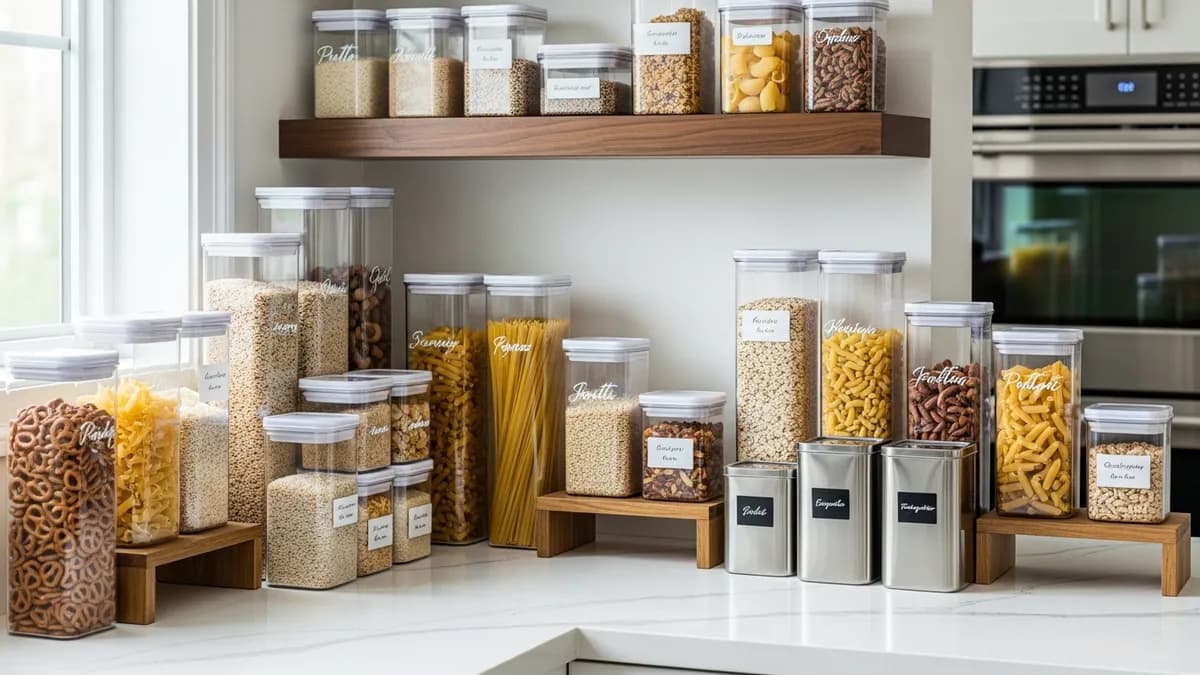
Best Storage Containers for Food: Complete Review & Buying Guide for 2026
If you've ever opened your fridge to find wilted leftovers, stale snacks, or mystery containers you can't identify, it's probably time to invest in the right storage containers for food. In 2026, the market is flooded with options - from premium borosilicate glass sets to BPA-free stackable plastic organizers - and choosing the best one can feel overwhelming. That's exactly why we put together this comprehensive review and buying guide. Whether you're meal-prepping for the week, organizing a pantry, or simply trying to reduce food waste at home, the right food storage containers can make a practical difference. Let's dive in.
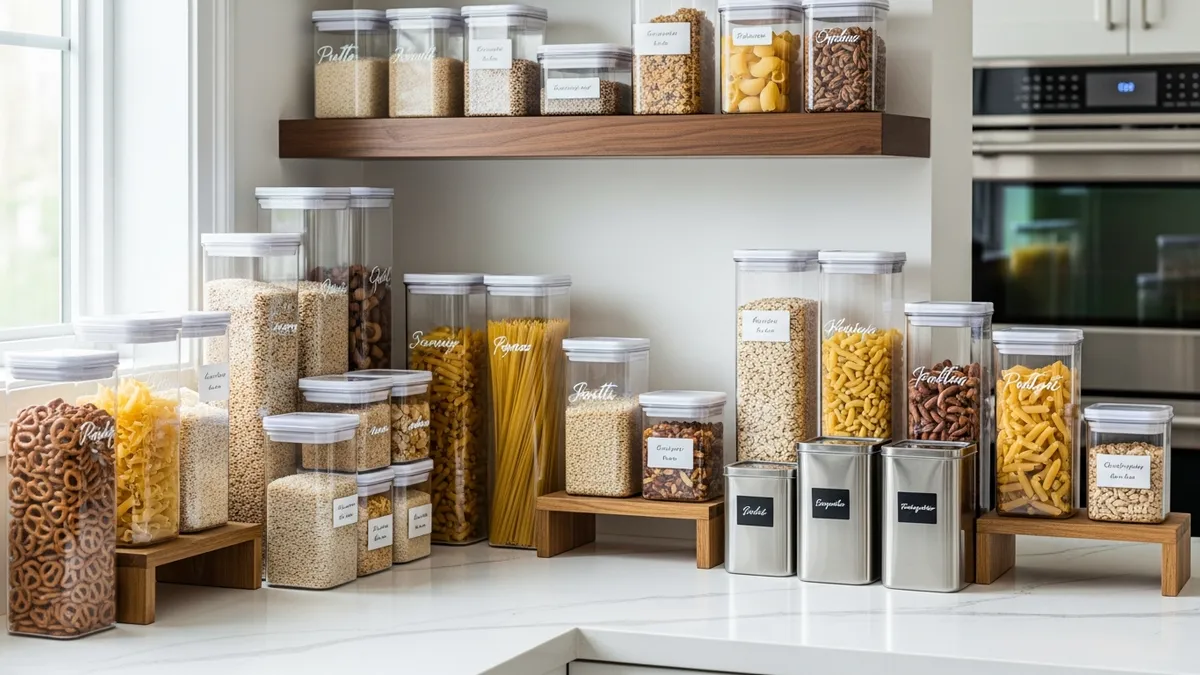
Why Storage Containers for Food Are a Kitchen Essential in 2026
The way you store food directly impacts its freshness, safety, and nutritional value. In 2026, more households are shifting toward intentional kitchen organization - and food storage containers for the kitchen are at the center of that movement. Beyond just keeping leftovers, the best storage containers help you:
- Reduce food waste - clear, labeled containers make food easier to identify and use in time
- Save money - less spoilage means fewer unnecessary replacement purchases
- Maintain food safety - airtight lids prevent cross-contamination and keep bacteria at bay
- Streamline meal prep - uniform, stackable containers make batch cooking and portioning significantly easier
- Declutter your kitchen - a matching container system can simplify stacking and lid storage
- Support sustainability - reusable containers dramatically reduce reliance on single-use plastic wrap and zip bags
The best storage containers balance a dependable seal, durable materials, practical sizing, and care instructions that match how you intend to use them. Let's look at what's available.
Types of Storage Containers for Food: Materials Reviewed
The material of your food storage container is arguably the most important factor in your decision. Each material has distinct advantages and trade-offs. Here's our honest breakdown:
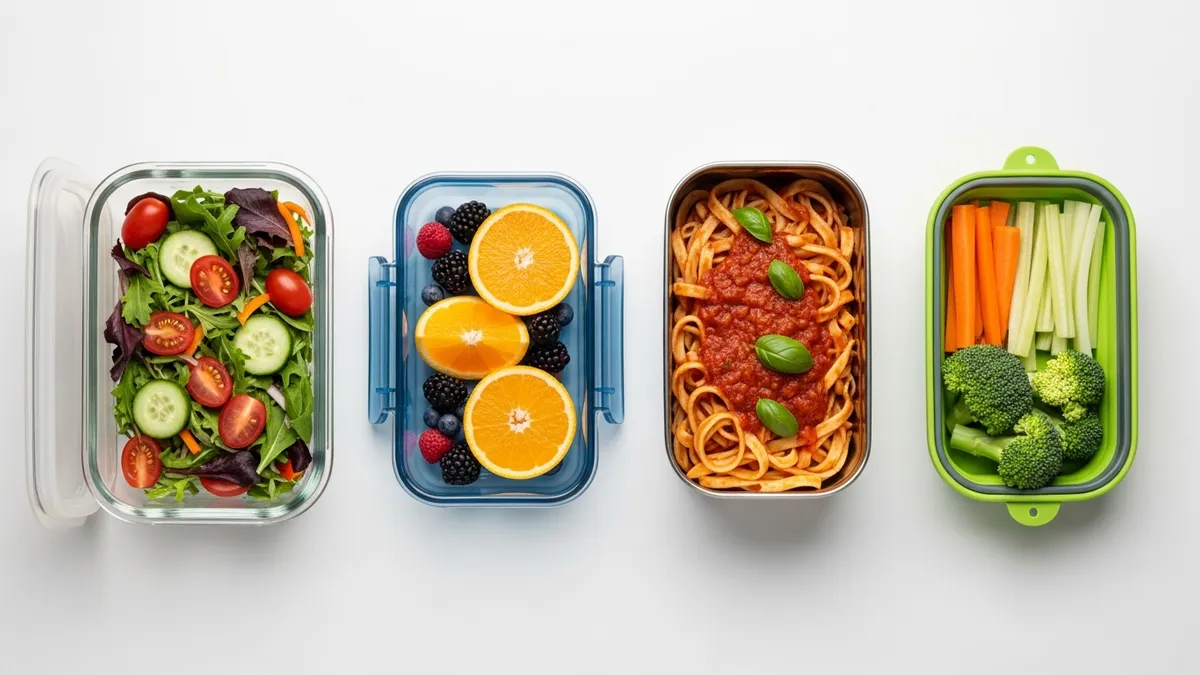
Glass Food Storage Containers
Glass is widely considered the gold standard for food storage. It's non-porous, meaning it won't absorb odors, stains, or bacteria - a common problem with plastic. Borosilicate glass containers are oven-, microwave-, dishwasher-, and freezer-safe, making them the most versatile option available.
Pros:
- 100% non-toxic and chemical-free
- Can go from freezer to oven without transferring containers
- Long lifespan - quality glass containers can last 10-15 years
- Aesthetically beautiful for serving directly at the table
Cons:
- Heavier than plastic alternatives
- Higher upfront cost, typically $25 - $60 for a quality set
- Can break if dropped
Best for: Meal preppers, families who reheat food frequently, and eco-conscious households. Check out our dedicated guide on best food storage containers glass for top picks.
BPA-Free Plastic Food Storage Containers
Modern BPA-free plastic containers have come a long way. They're lightweight, affordable, and often come in large sets with multiple size options. The key is ensuring they are genuinely BPA-free and made from food-grade materials like Tritan or HDPE.
Pros:
- Very affordable - quality sets start at $9.99
- Lightweight and shatterproof
- Available in enormous variety of sizes and shapes
- Easy to transport for work lunches or on-the-go meals
Cons:
- Can stain with tomato-based foods
- Not suitable for high-heat oven use
- Shorter lifespan compared to glass or steel
Best for: Budget-conscious shoppers, lunch containers, and households with kids. See our BPA-free food storage containers guide for more.
Stainless Steel Food Storage Containers
Stainless steel containers are beloved for their durability and safety. They're completely non-reactive, meaning they won't leach chemicals into your food - even with acidic foods like tomatoes or citrus.
Pros:
- Extremely durable - can last a lifetime with proper care
- Non-toxic and chemical-free
- Naturally resistant to bacteria
- Lightweight yet sturdy
Cons:
- Not microwave-safe
- Typically not transparent, so you can't see contents
- Mid-to-high price range: $15 - $45 per container
Best for: Pantry dry goods storage, lunchboxes, outdoor use, and zero-waste households. Our stainless steel food storage containers guide has excellent recommendations.
Silicone Food Storage Bags and Containers
Silicone is the rising star of food storage in 2026. Flexible, foldable, and completely food-safe, silicone bags and containers are replacing single-use plastic bags in millions of homes worldwide.
Pros:
- Foldable and space-saving when empty
- Dishwasher, microwave, freezer, and oven safe (up to 400°F / 200°C)
- Excellent for liquids, sauces, and soups
- Eco-friendly and reusable for 3-5 years
Cons:
- Can pick up strong food odors over time
- Less rigid - not ideal for stacking
- Premium silicone bags start at $12 - $20 each
Best for: Freezer storage, liquid-based foods, eco-conscious households, and minimalist kitchens.
Key Features to Look For in Storage Containers for Food
Now that you know the materials, let's talk features. Not all containers are created equal, and these are the specs that separate a good container from a great one:
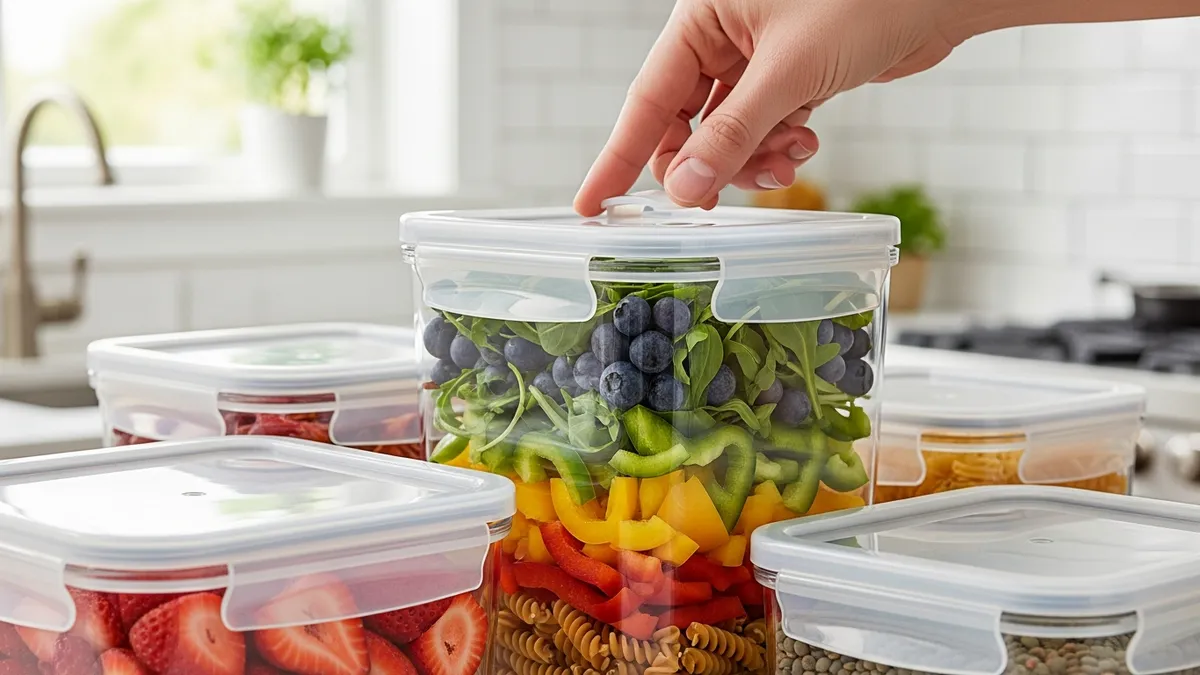
Airtight Sealing Mechanism
The most important feature in any food storage container is its seal. An airtight container keeps oxygen out, which dramatically slows down the oxidation process that causes food to spoil. Look for:
- Silicone gasket seals - the gold standard, found in premium containers
- 4-locking-clip lids - provides even pressure on all sides of the seal
- Snap-lock lids - convenient but less airtight than clip-lock systems
- Leak-proof certification - important for liquids, sauces, and marinated foods
Our food storage containers airtight guide covers this topic in even greater depth.
Stackability and Space Efficiency
A great set of storage containers should make your kitchen more organized, not add to the chaos. Look for:
- Flat, interlocking lids that allow stable stacking
- Modular sizing - containers that nest inside each other when empty
- Uniform shapes - square and rectangular containers use up to 30% more shelf space efficiently than round ones
- Transparent walls - so you can see contents at a glance without opening each container
Size Variety
A good food storage system includes multiple sizes for different purposes:
- Small (0.5-1 cup / 120-240ml) - dips, sauces, spices, small snacks
- Medium (2-4 cups / 480ml-1L) - leftovers, salads, fruits
- Large (6-10 cups / 1.4-2.4L) - soups, meal-prepped grains, pasta dishes
- Extra-large (12+ cups / 2.8L+) - bulk dry goods, pantry organization
Temperature Versatility
The best containers work across a full temperature range:
- Freezer-safe - down to -40°F / -40°C for long-term storage
- Microwave-safe - for reheating directly in the container (glass and plastic only)
- Oven-safe - for glass containers, typically up to 400°F / 200°C
- Dishwasher-safe - essential for busy households
Lid Design and Compatibility
One of the most frustrating aspects of food storage containers is mismatched lids. When reviewing containers, prioritize:
- Universal lid compatibility within the same brand's product line
- Lid organization solutions - some brands include a dedicated lid organizer
- Replacement lid availability - quality brands sell lids separately so a broken lid doesn't mean replacing the whole set
Check out our food storage containers lids guide for tips on lid organization and replacement.
Our Top Picks: Best Storage Containers for Food in 2026
Based on a comparison of common materials, sealing styles, and everyday use cases, here are six useful container categories to consider:
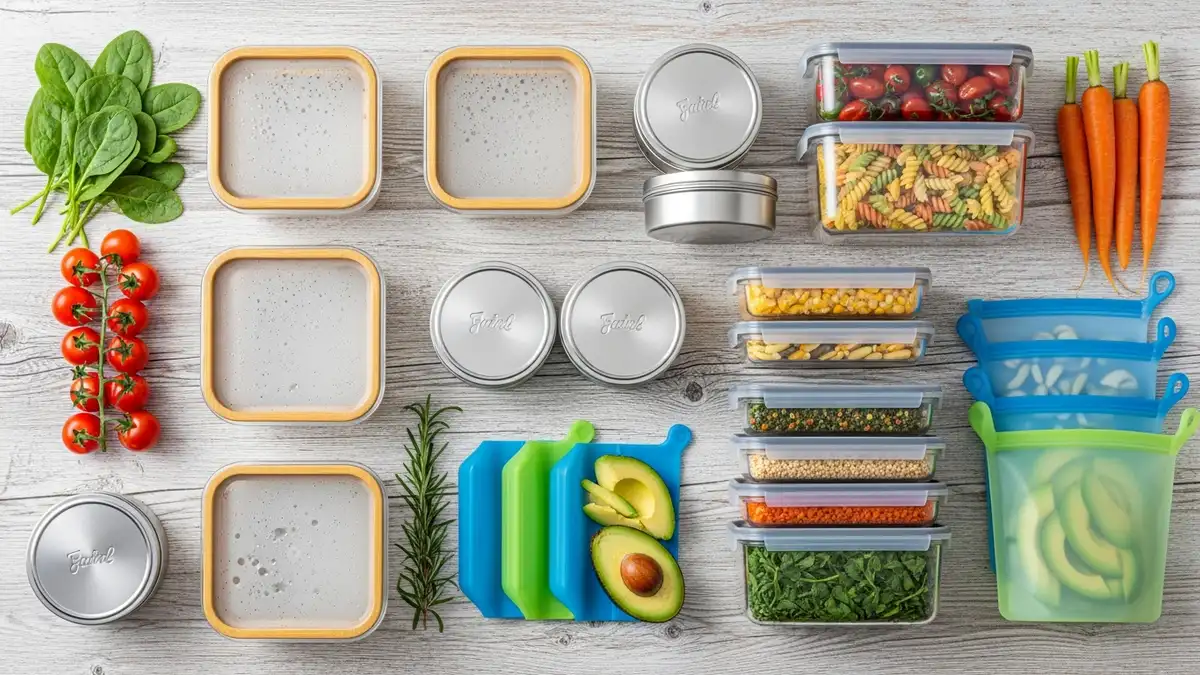
1. Best Overall: Borosilicate Glass Containers with Snap-Lock Lids
Price range: $35 - $55 for a 10-piece set
These clear glass containers with airtight, BPA-free snap-lock lids are the ultimate all-rounder. They're safe for the oven (up to 400°F), microwave, freezer, and dishwasher. The borosilicate glass resists thermal shock, so you can go straight from the freezer to the oven without cracking. Crystal-clear walls make it easy to see contents, and the slim rectangular shape stacks beautifully in both the fridge and pantry.
Best for: Everyday meal prep, fridge organization, reheating leftovers
2. Best Budget Pick: BPA-Free Plastic Containers (18-Piece Set)
Price range: $14.99 - $24.99 for an 18-piece set
For households on a budget, this value-packed set delivers impressive performance. Made from food-grade, BPA-free Tritan plastic, these lightweight containers are microwave- and dishwasher-safe. The snap-on lids create a reliable seal, and the variety of sizes (from 1 cup to 5 cups) covers virtually every storage need. They're not the most airtight option available, but for the price point, they're exceptional value.
Best for: Everyday storage, packed lunches, budget shoppers
3. Best Airtight: 4-Locking-Clip Glass Containers
Price range: $45 - $70 for an 8-piece set
If maximum freshness is your priority, these glass containers with four individual locking clips and a thick silicone gasket seal are hard to beat. They create a near-vacuum seal that keeps food fresh significantly longer than standard snap-lid containers. Tested for leak-proof performance, they're perfect for marinating meats, storing soups, and keeping salad greens crispy for days. Learn more in our airtight storage containers for food guide.
Best for: Meal preppers, soup storage, maximizing freshness
4. Best for Pantry: Clear Stackable Canisters with Bamboo Lids
Price range: $29.99 - $49.99 for a 6-piece set
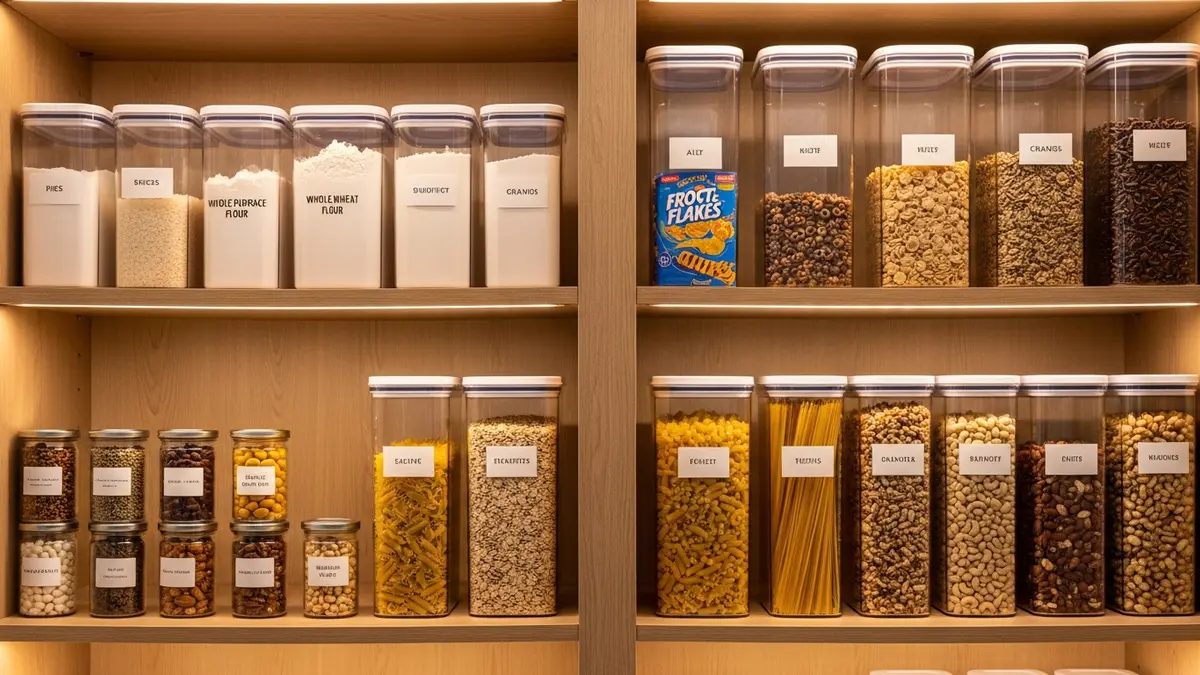
These cylindrical clear canisters with bamboo lids are as beautiful as they are functional. Designed specifically for pantry storage of dry goods - flour, sugar, coffee, tea, pasta, cereals, nuts - they create an aesthetically stunning and highly organized pantry display. The bamboo lids fit snugly to maintain freshness, and the uniform sizing makes them perfect for labeling and stacking. See more pantry organization ideas in our food storage containers for pantry guide.
Best for: Pantry dry goods, aesthetic kitchen organization
5. Best Eco-Friendly: Platinum Silicone Storage Bags
Price range: $12 - $18 per bag, sets from $39.99
For eco-conscious households ready to ditch single-use plastics completely, platinum-grade silicone bags are the answer. They fold flat when empty, saving enormous amounts of drawer space. They're suitable for marinating, sous vide cooking, freezing, and reheating. Made without plasticizers, BPA, BPS, or phthalates, they're among the safest food contact products available in 2026.
Best for: Eco-conscious households, freezer storage, liquid storage
6. Best for Meal Prep: Stackable Rectangular Glass Containers with Divided Sections
Price range: $39.99 - $59.99 for a 5-piece set
Meal preppers will love these divided glass containers, which allow you to store multiple food components without mixing. Each container features 2-3 sections separated by glass dividers, so your protein, carbs, and veggies stay perfectly portioned and separate. Oven-, microwave-, and dishwasher-safe, with secure locking lids for leak-proof transport.
Best for: Weekly meal prep, portion control, packed lunches
How to Organize Your Kitchen with Food Storage Containers
Buying great containers is only half the equation. Organizing them well is what transforms a cluttered kitchen into a functional, beautiful space. Here's how to get the most from your investment:
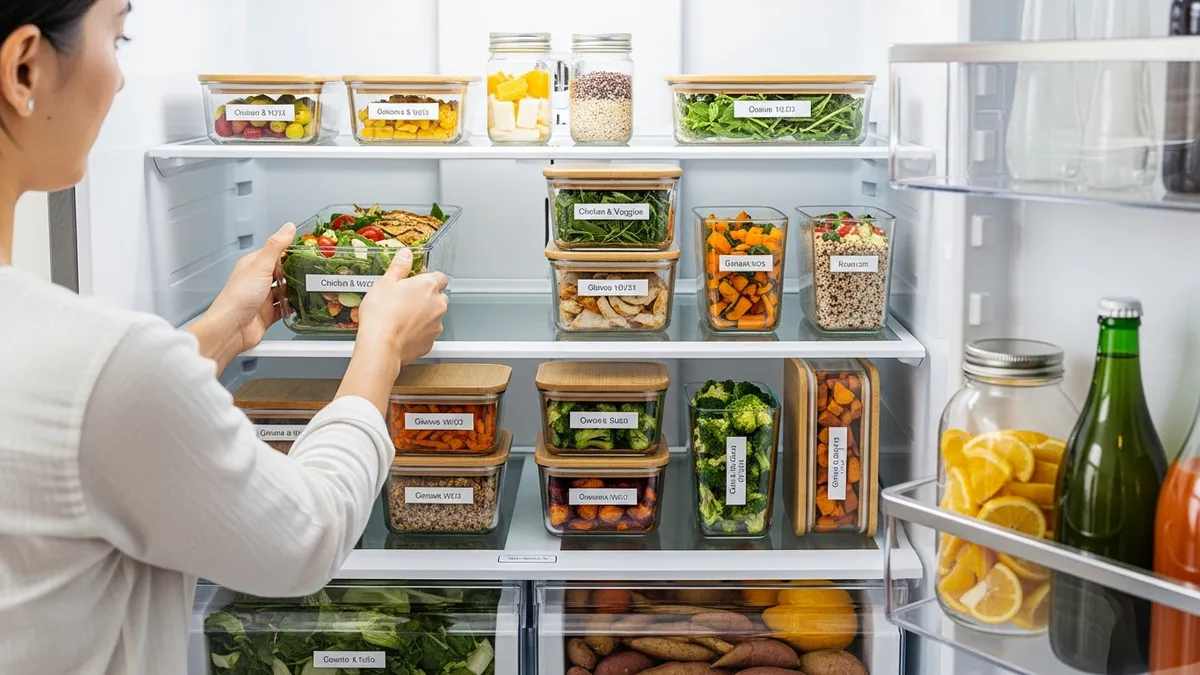
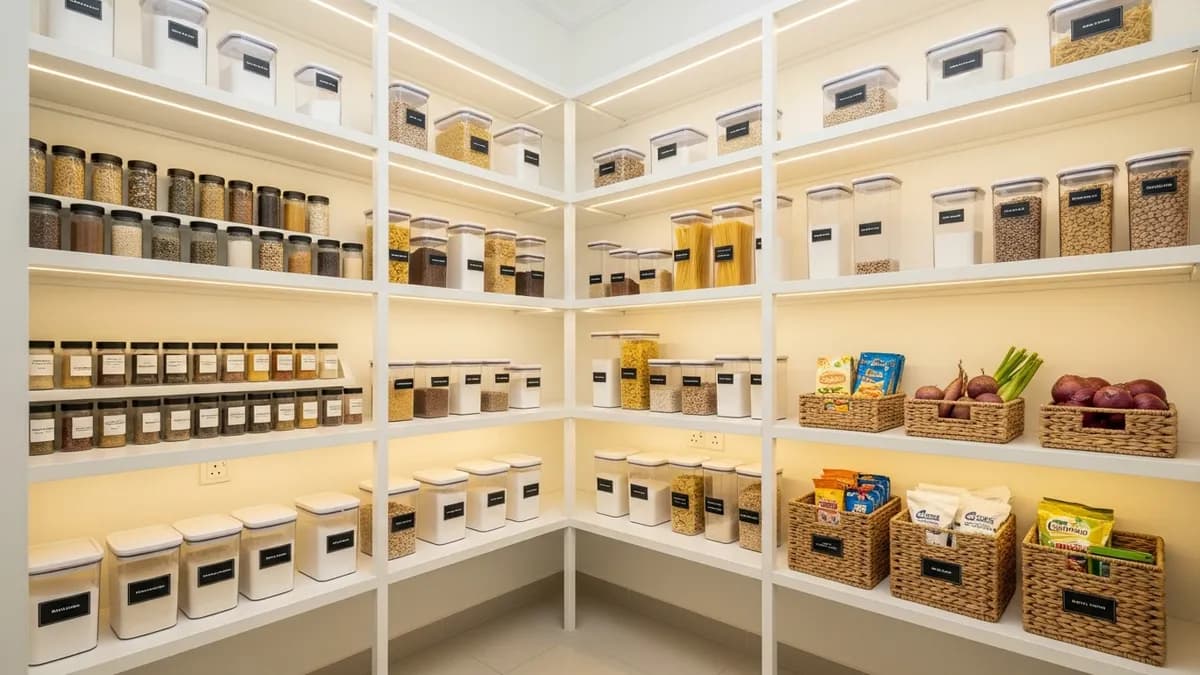
Setting Up Your Pantry
A well-organized pantry using matching food storage containers can reduce the time you spend looking for ingredients by up to 50%. Follow these steps:
- Audit your pantry - remove everything and discard expired items before you start
- Group by category - baking supplies, grains, snacks, canned goods, spices
- Choose the right container size - transfer bulk dry goods into appropriately sized canisters
- Label everything - use a label maker or chalkboard labels for clean, readable organization
- Place frequently used items at eye level - grains, coffee, tea, and everyday snacks
- Store less-used items higher or lower - seasonal baking supplies, specialty ingredients
- Leave a small buffer of space - overstuffed pantries are harder to maintain
Transferring suitable pantry staples into clear, labeled containers can make inventory checks easier. Keep package cooking instructions and expiry information when you decant food, and choose a container sized for the quantity you normally buy.
Organizing Your Refrigerator
The fridge is where most food waste happens. Here's how to use storage containers to fight back:
- Assign zones - dedicate specific shelves or drawers to leftovers, prepped ingredients, and fresh produce
- Use rectangular containers - they fit flush against each other with no wasted space
- Label with dates - use painter's tape and a marker, or reusable silicone labels, to mark the prep date
- Keep a 'use first' zone - the most visible shelf in your fridge should hold items closest to expiry
- Store liquids in leak-proof containers - soups, sauces, and marinated items need sealed containers with tested leak-proof performance
- Use transparent containers - visibility is key to reducing the 'out of sight, out of mind' problem that causes waste
Managing Your Container Collection
Even the best storage containers become a source of frustration if they're disorganized. Try these management strategies:
- Nest containers by size - stack smaller ones inside larger ones when not in use
- Store lids vertically - use a file organizer or dedicated lid rack to keep lids accessible
- Standardize your collection - mixing brands and sizes creates chaos; aim for 2-3 matching sets
- Audit annually - check for cracked lids, warped bottoms, or compromised seals each year
Pro tip: A matching set of 20-30 containers in 3-4 sizes from the same brand will serve nearly every food storage need in the average household - and look stunning while doing it.
Storage Containers for Food: Price Comparison and Value Guide
Here's a quick overview of what you should expect to pay for quality food storage containers in 2026, organized by budget level:
Budget tier ($10 - $25): BPA-free plastic sets, typically 10-20 pieces, snap-lid design, microwave and dishwasher safe. Excellent for everyday use and household staples.
Mid-range tier ($25 - $55): Borosilicate glass sets, 6-12 pieces, snap or clip-lock lids, full temperature range versatility. The sweet spot for most households.
Premium tier ($55 - $120+): High-end glass or stainless steel with silicone gasket clip-lock seals, maximum airtight performance, often sold as curated pantry organization sets. Worth every penny for serious home cooks and meal preppers.
Specialty options ($12 - $50+): Silicone bags, divided meal-prep containers, large-format pantry canisters, and specific-use containers (rice, pet food, etc.).
For households just starting to build a food storage system, we recommend starting with a mid-range glass set (around $39.99) and supplementing with pantry canisters as budget allows. Check out all products at Sesoris for a curated selection at every price point.
Common Mistakes to Avoid When Buying Storage Containers for Food
Even well-intentioned buyers often make these mistakes. Here's what to avoid:
- Buying mismatched containers - mixing brands and sizes creates lid chaos and wastes storage space
- Ignoring the seal quality - a beautiful container with a poor seal is worse than useless for freshness
- Choosing only round containers - square and rectangular shapes are far more space-efficient
- Not considering temperature needs - if you reheat in the microwave, you need microwave-safe containers
- Buying too few sizes - variety is essential; a set with only one size won't cover all your needs
- Forgetting about lids - always check if replacement lids are available before committing to a brand
- Skipping BPA-free verification - always confirm the material certification, especially for plastic containers
- Overlooking stackability - containers that can't stack efficiently will make your cabinets a mess within a week
Sustainability and Storage Containers for Food: Making Eco-Smart Choices in 2026
In 2026, sustainability isn't just a trend - it's a responsibility. The right food storage containers can meaningfully reduce your household's environmental footprint:
- Glass containers have virtually no environmental impact after production and last for decades
- Stainless steel containers are infinitely recyclable and never end up in landfill
- Silicone lasts 3-5 times longer than plastic bags and keeps tons of single-use plastic out of oceans
- BPA-free plastic, while not perfect, is significantly better than single-use alternatives when used long-term
The U.S. EPA's guidance on preventing wasted food at home recommends planning, labeling, and effective refrigerator, freezer, and pantry storage as practical ways to use food before it spoils.
If sustainability matters to you, we also recommend reading our sustainable living tips for an eco-friendly home for a broader perspective on eco-friendly kitchen choices.
Related Products from Sesoris
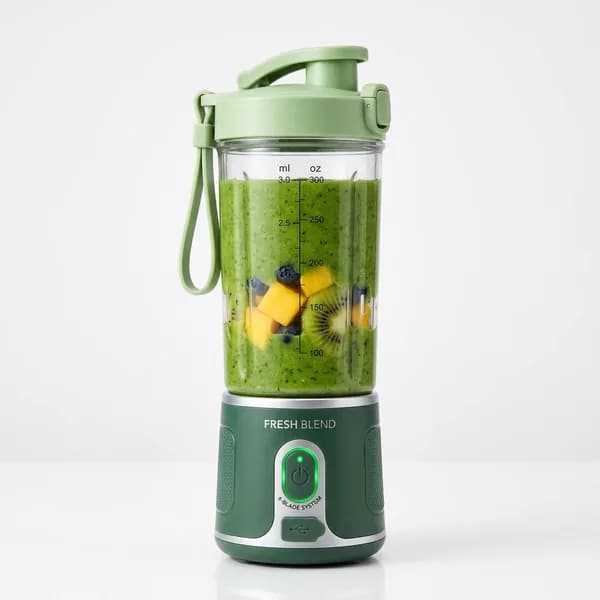
If you want to turn this guide into a real setup, start with Stainless Steel 2-Tier Dish Rack and Portable Blender. For broader options, browse the Kitchen & Dining collection so the article journey does not stop at reading only.
Our practical rule: choose one product that solves the main clutter problem first, then add supporting organizers only when the daily workflow is already clear. This keeps the shopping path useful, not pushy.
FAQ: Frequently Asked Questions About Storage Containers for Food
Q: What is the safest material for food storage containers?
Glass and stainless steel are widely considered the safest materials for food storage. Both are completely non-toxic, non-reactive, and do not leach chemicals into food - even with acidic ingredients. BPA-free plastic is also safe for regular use when made from certified food-grade materials like Tritan.
Q: How long can food last in airtight storage containers?
Airtight containers significantly extend food shelf life. Dry goods like flour, rice, and pasta can last 6-12 months in a properly sealed container versus 1-3 months in original packaging. Cooked leftovers last 4-5 days refrigerated in airtight glass containers versus 2-3 days loosely covered. Frozen meals last 3-6 months in freezer-safe airtight containers.
Q: Can I use plastic food storage containers in the microwave?
Only if they are specifically labeled as microwave-safe. Look for the microwave-safe symbol (wavy lines) or explicit labeling on the bottom of the container. Never microwave containers that are not labeled as such, as they may warp and leach chemicals into your food. Glass and silicone are generally safer alternatives for microwave reheating.
Q: How do I remove odors from plastic food storage containers?
Soak the container in a solution of 1 tablespoon baking soda per cup of water overnight, then rinse thoroughly. For stubborn odors, a paste of baking soda and water applied to the interior and left for several hours works well. Sunlight can also help - UV exposure naturally neutralizes odors.
Q: Are storage containers with bamboo lids food-safe?
Yes, bamboo lids are generally food-safe, but they are typically not airtight. They work best for pantry dry goods that don't require maximum freshness preservation (like coffee, tea, and baking supplies) rather than for refrigerating perishables. Always check for a food-safe certification on bamboo lids before purchase.
Q: How many food storage containers do I actually need?
For a household of 2-4 people, a practical starting collection includes: 4-6 small containers (1-2 cup capacity), 4-6 medium containers (3-5 cup capacity), 2-4 large containers (6-10 cup capacity), and 4-8 pantry canisters for dry goods. That's typically 14-24 containers in total for comfortable coverage of everyday needs.
Q: Can I freeze food directly in glass containers?
Yes, but there are important rules. Use only borosilicate glass (not regular tempered glass) for freezing. Leave at least 1 inch (2.5cm) of headspace at the top for liquids and soups to expand as they freeze. Never transfer a glass container directly from the freezer to a hot oven - allow it to come to room temperature first to avoid thermal shock.
Conclusion: Find Your Perfect Storage Containers for Food at Sesoris
Choosing the right storage containers for food is one of the most impactful investments you can make in your kitchen in 2026. Whether you prioritize eco-friendliness, budget, maximum freshness, or aesthetic appeal, there's a perfect container solution for every lifestyle and every kitchen. The key takeaways from our review:
- Glass containers are the best all-around choice for safety, versatility, and longevity
- BPA-free plastic offers the best value for large families and everyday use
- Stainless steel is the most durable and eco-friendly option for long-term investment
- Silicone is the most space-efficient and eco-conscious choice for flexible storage
- Always prioritize airtight seals, stackability, and temperature versatility when comparing options
- A well-organized food storage system can make food easier to find and use before it spoils
Ready to upgrade your food storage? Explore our best sellers and new arrivals at Sesoris - your one-stop destination for home organization, kitchen supplies, and household essentials. Browse our complete collections to find the perfect food storage container set for your home today. Organize your life with ease - that's the Sesoris promise.
Weekly Home Tips
Get home organization ideas, product picks, and exclusive deals delivered weekly.
No spam. Unsubscribe anytime.
Explore More Articles
- Best Garage Storage Solutions: Transform Your Space into an Organized Haven in 2026
- Rice Food Storage Containers: Ultimate Guide to Fresh Rice Storage in 2026
- Dry Bag: Complete Guide to Choosing Waterproof Bags for Outdoor Activities (2026)
- Very Small Closet Organization Ideas: Transform Your Tiny Storage Space in 2026
- 30+ Best Open Shelving Kitchen Ideas to Transform Your Cooking Space in 2026
- Newborn Closet Organization: The Complete 2026 Guide to a Perfect Baby Storage Space
- Pantry Organization Bins: The Complete 2026 Guide to a Clutter-Free Kitchen
- 30+ Best Laundry Room Storage Ideas to Maximize Every Inch in 2026