
Food Storage Containers with Lid: The Complete 2026 Buyer's Guide to Fresh, Organized Kitchens
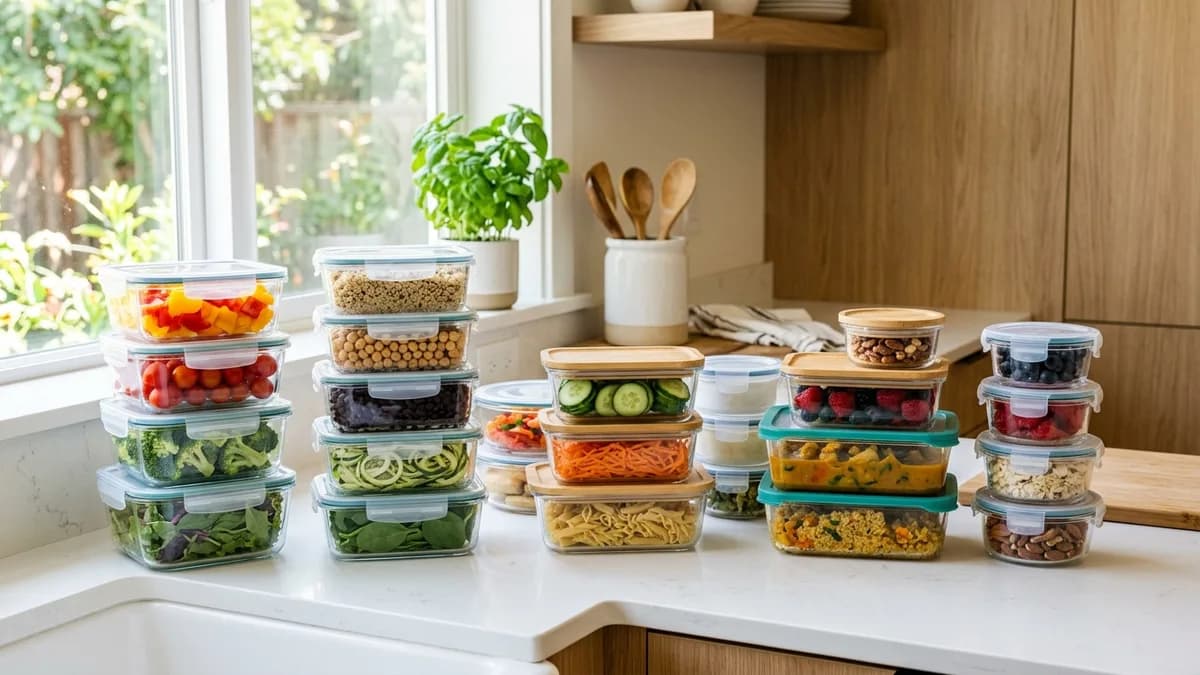
If you have ever opened your fridge to find a bowl sealed with plastic wrap that has lost its grip, or pulled out a container with a lid that no longer fits quite right, you already know exactly why food storage containers with lid matter so much. In 2026, the market for lidded food containers is bigger and better than ever, with options spanning tempered glass, BPA-free plastic, stainless steel, and silicone. But with so many choices, figuring out which type truly works for your kitchen, your lifestyle, and your budget can feel overwhelming. That is where this guide comes in. I have done a deep dive into everything you need to know, from materials and lid types to sizing, safety, and care, so you can make a confident, well-informed decision.
Why Food Storage Containers with Lid Are a Kitchen Essential in 2026
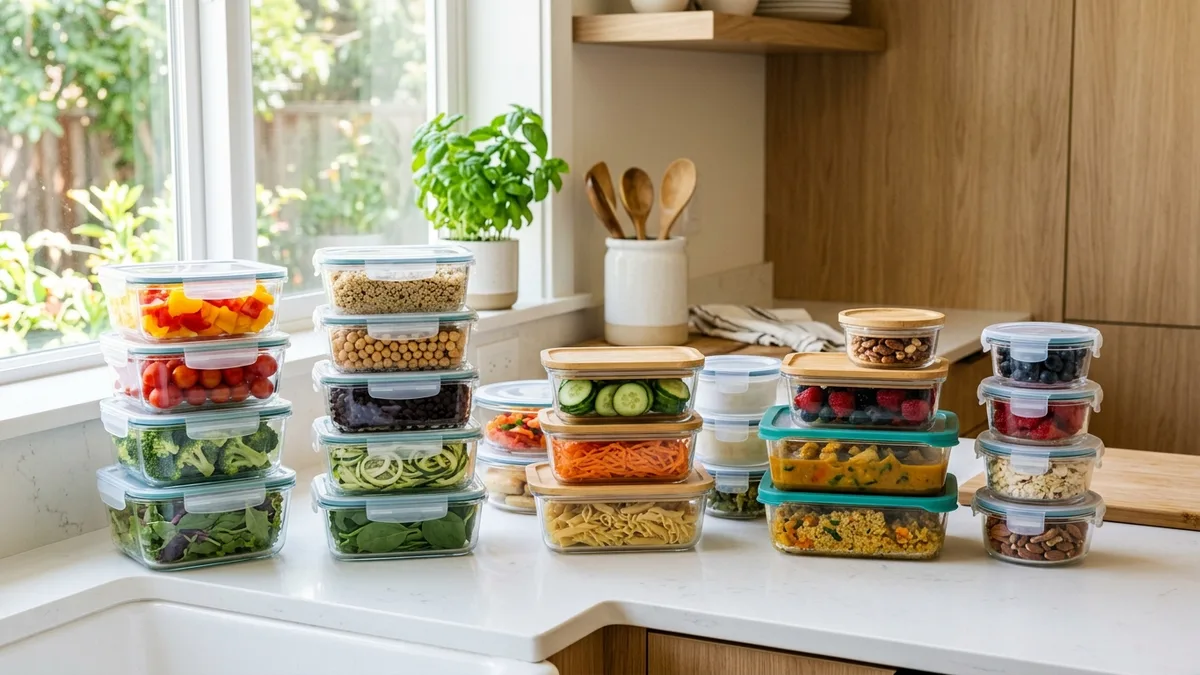
A good lidded food storage container does far more than just hold leftovers. It helps reduce food waste, keeps ingredients fresher for longer, simplifies meal prep, and brings a real sense of order to your fridge, freezer, and pantry. According to Good Housekeeping, using proper sealed food storage is one of the most effective habits for minimizing food waste at home, which is both a money-saving and environmentally responsible practice.
Here in the US, food waste is a major concern, and many households are turning to better storage solutions as a practical first step. When your containers actually seal properly, food lasts significantly longer, which means fewer trips to the grocery store and less money thrown away. Beyond economics, there is also the everyday convenience factor. A well-organized fridge stacked with matching, lidded containers just makes cooking and meal planning feel effortless.
For anyone building out a more organized kitchen, pairing your containers with complementary storage systems makes a real difference. Check out our guide on food storage containers for kitchen for a broader look at kitchen-specific options.
The Main Materials: Choosing the Right Food Storage Containers with Lid
One of the biggest decisions you will make when shopping for food storage containers with lid is the material. Each option has its own set of strengths, weaknesses, and ideal use cases. Here is a practical breakdown.
Tempered Glass with Locking Lids
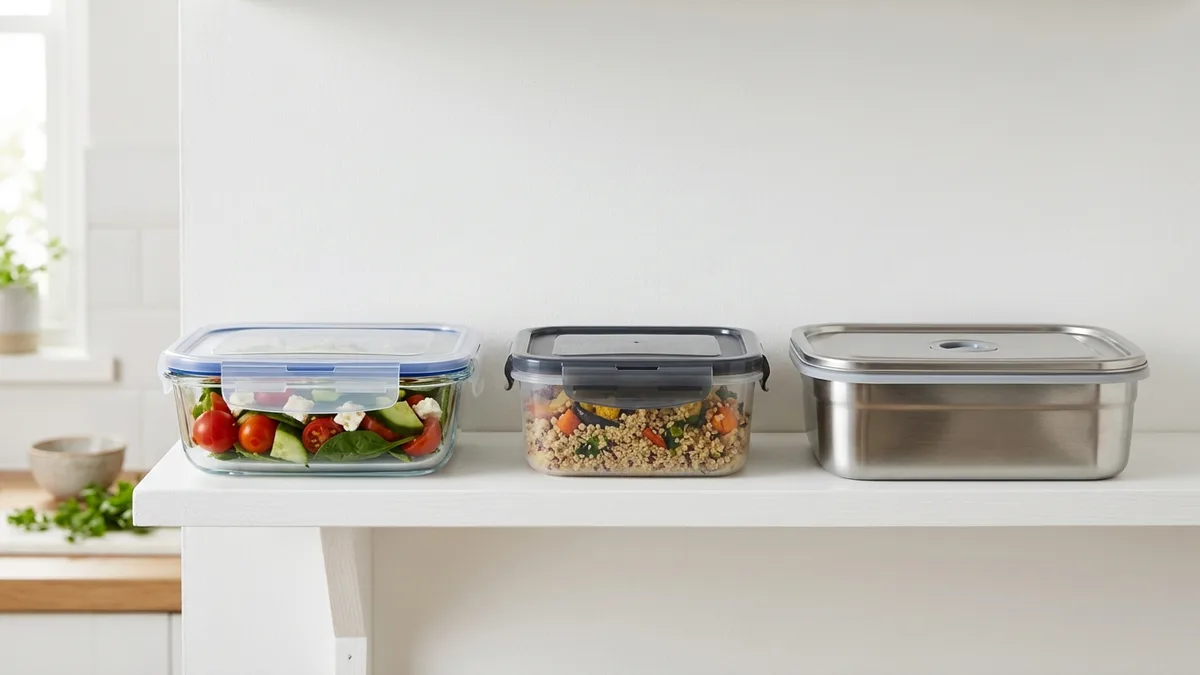
Tempered glass containers are widely considered the gold standard for food storage. They are non-porous, meaning they do not absorb odors or stains, and they go safely from the fridge to the oven or microwave (always check the lid first, as many plastic lids are not oven-safe). They are also completely free of BPA and other chemical concerns. The downside? They are heavier and more fragile than plastic alternatives, and they tend to cost more upfront. However, they last for years with proper care, making them a great long-term investment.
Best for: Leftovers, oven-to-fridge storage, meal prep, and anyone who wants a chemical-free option.
BPA-Free Plastic with Snap-On or Locking Lids
Plastic containers remain one of the most popular choices because they are lightweight, affordable, and available in an enormous variety of sizes and shapes. In 2026, look specifically for containers labeled BPA-free, as they are manufactured without bisphenol A, a chemical that has raised health concerns. Many modern plastic containers come with innovative lid mechanisms, including four-sided locking clips, steam-venting valves for microwave use, and flexible silicone seals for an airtight fit.
Best for: Packed lunches, on-the-go meals, freezer storage, and everyday use with kids.
Stainless Steel with Silicone-Sealed Lids
Stainless steel containers are durable, rust-resistant, and completely non-reactive with acidic foods like tomato sauces or citrus. They are a popular choice for eco-conscious households since they are built to last decades. The trade-off is that most stainless steel containers are not microwave-safe and can be harder to see through (though some come with clear lids).
Best for: School lunches, outdoor dining, zero-waste households, and dry ingredient storage.
Silicone Containers with Flexible Lids
Silicone storage bags and containers have grown in popularity as reusable alternatives to single-use plastic bags. They are flexible, freezer-safe, dishwasher-safe, and incredibly durable. Many collapse flat for easy storage, which is a huge perk for smaller kitchens.
Best for: Freezing soups and sauces, storing snacks, and tight storage spaces.
For a detailed look at safe, chemical-free options, read our in-depth post on BPA-free food storage containers.
Understanding Lid Types: Not All Lids Are Created Equal
The lid is arguably the most important part of any food storage container. A container is only as effective as its seal. Here are the main lid types you will encounter when shopping for food storage containers with lid in 2026.
Snap-Lock or Locking Clip Lids
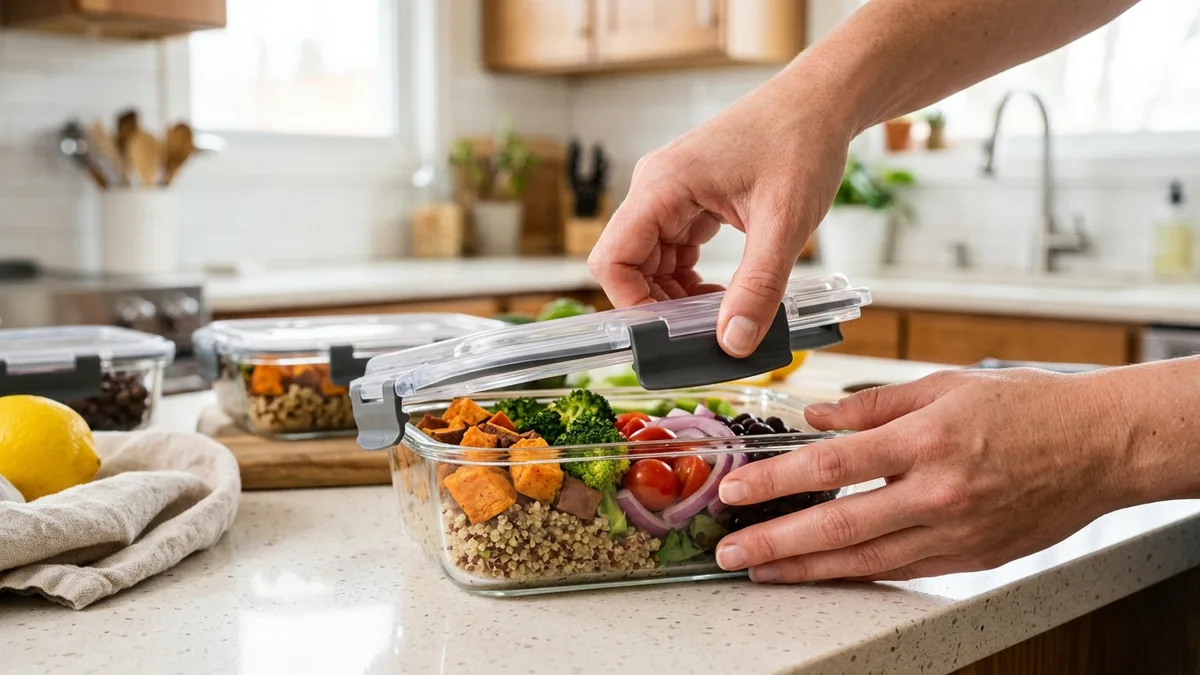
These lids feature two or four plastic clips on the sides that lock down to create an airtight or near-airtight seal. They are excellent for liquids and soups because they resist spills even when the container is tipped sideways. Look for four-sided locking clips for the best leak-resistance.
Press-and-Seal Lids
A simple press-down lid that creates a light seal. These are easy to use and open but are generally not as leak-proof as locking designs. They work great for dry foods or refrigerated leftovers where spillage is less of a concern.
Silicone-Sealed Lids
Many premium containers feature a silicone gasket or ring inside the lid that compresses against the container rim to form an airtight seal. This design is used on both glass and plastic containers and is one of the most reliable options for keeping food fresh.
Steam-Venting Lids
Microwave-safe containers often include a small vent in the lid that can be opened to release steam. This prevents pressure build-up while reheating, which is both a safety feature and a convenience. Always check that the vent is closed during storage to maintain the seal.
Glass Lids
Some premium glass containers come with matching tempered glass lids. These look beautiful, do not absorb odors, and are oven-safe, but they add weight and fragility to an already heavy container. They are a great choice for oven-to-table presentations.
The Spruce recommends looking for lids with a silicone gasket ring as a key feature when evaluating quality food storage containers, as the gasket is what ultimately determines how airtight the seal truly is.
Best Sizes and Shapes for Food Storage Containers with Lid
Getting the right size is just as important as choosing the right material. A container that is too large will cause food to oxidize faster because of excess air space, while a container that is too small is just impractical. Here is a practical sizing guide for a well-rounded collection.
Small containers (under 2 cups): Perfect for single servings of dips, sauces, dressings, cut fruit, or snacks.
Medium containers (2 to 4 cups): The workhorses of any collection. Great for side dishes, leftovers for one or two people, and chopped vegetables.
Large containers (4 to 8 cups): Ideal for full meal prep portions, batch-cooked grains, soups, and salads.
Extra-large containers (8 cups and up): Best for storing large quantities of leftovers, marinating meats, or holding whole dishes like casseroles.
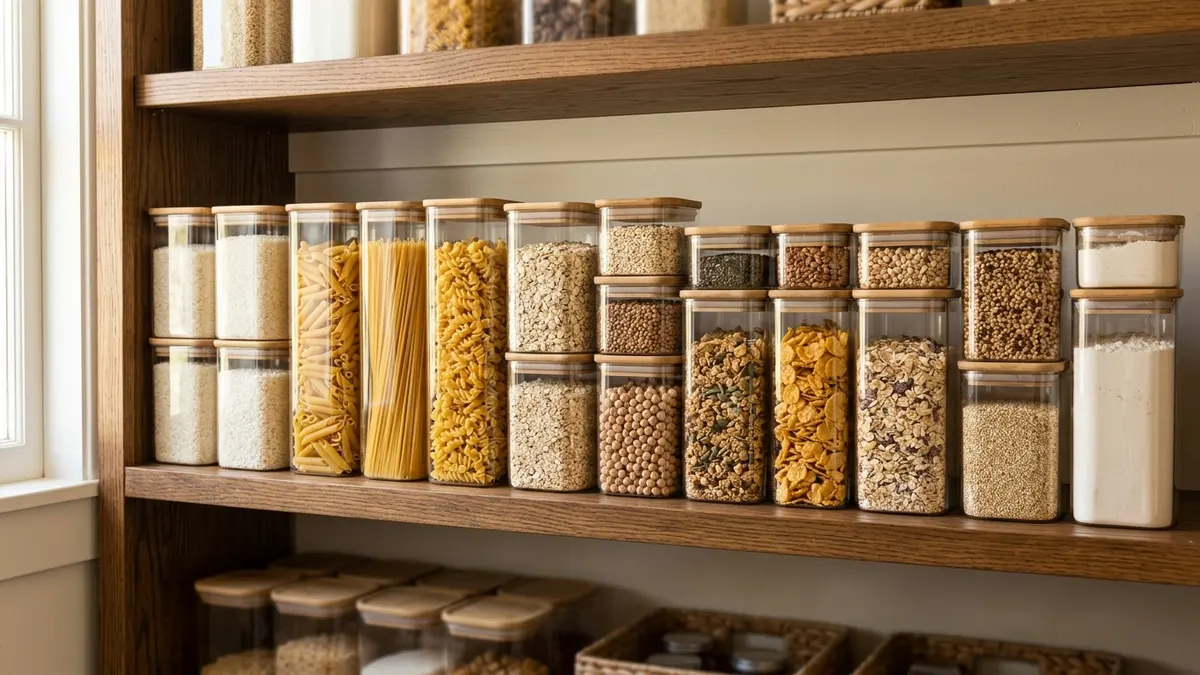
When it comes to shape, rectangular and square containers make the best use of shelf and fridge space because they stack neatly and fit side by side without wasted gaps. Round containers are fine for single-dish storage but do not pack as efficiently. If pantry organization is a priority, uniform rectangular containers with matching lids create a very clean, satisfying look. Our guide on food storage containers for pantry goes deep on pantry-specific sizing and layout.
Top Features to Look for in 2026
The market has evolved significantly, and today's best food storage containers with lid include features that go well beyond a simple snap-on cap. Here are the features I recommend prioritizing in 2026.
- Airtight seal with silicone gasket for maximum freshness and leak prevention
- Stackable design to save fridge, freezer, and cabinet space
- Clear or translucent body so you can see contents at a glance without opening
- Dishwasher-safe for easy cleanup (both container and lid)
- Microwave-safe lid or vented lid for convenient reheating
- Freezer-safe rating to handle temperature extremes without cracking
- Oven-safe (for glass containers) for oven-to-fridge versatility
- BPA-free and food-safe materials certified by the FDA
- Modular or nesting design so containers stack inside each other when empty
- Labeled or color-coded lids for easy meal prep organization
A great set of food storage containers with lid is one of the highest-return investments you can make in your kitchen. Get the seal right, and everything else falls into place.
For those focused on building a complete kitchen organization system, our best sellers collection includes top-rated lidded containers and complementary kitchen storage products.
How to Organize Your Kitchen Using Food Storage Containers with Lid
Owning a great set of containers is only half the equation. Knowing how to organize them effectively is what transforms your kitchen from cluttered to genuinely functional. Here are my favorite practical strategies.
In the Refrigerator
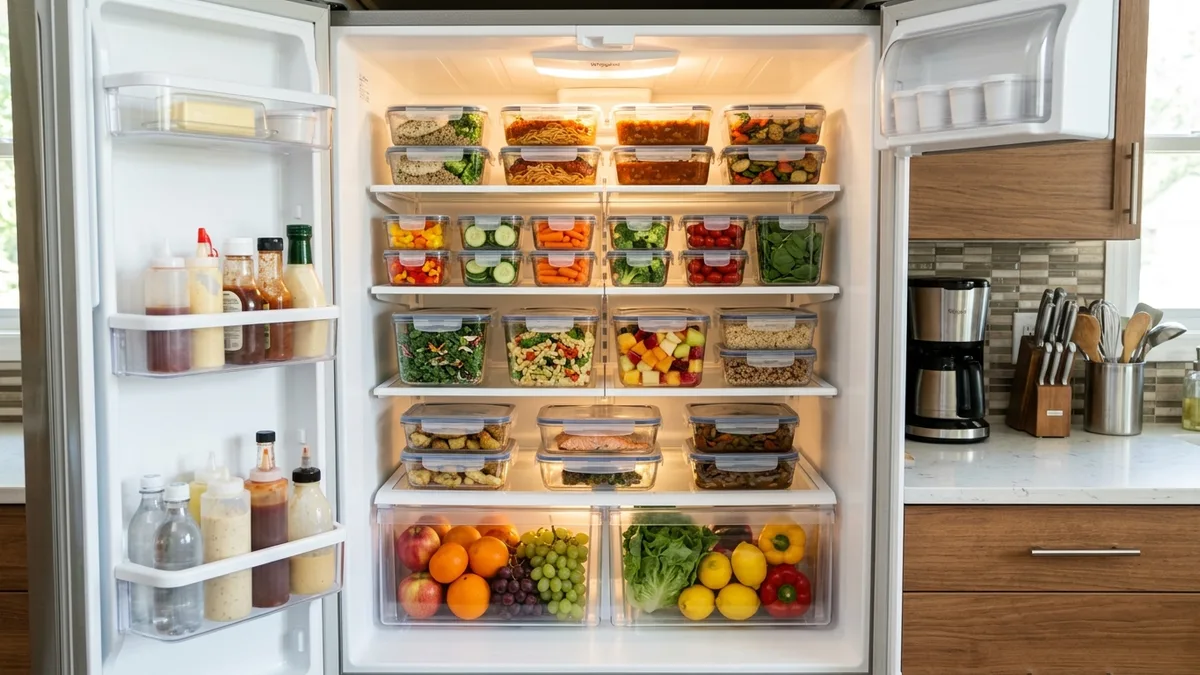
- Dedicate one shelf to meal prep containers with a consistent size and shape.
- Use small lidded containers for sauces, dressings, and condiments to replace open bowls.
- Label containers with masking tape and a marker, including the date stored.
- Store containers with the lids on to maintain freshness and prevent odor transfer.
- Stack containers by type and size, heaviest at the bottom.
In the Pantry
- Decant dry goods like rice, pasta, oats, and flour into matching rectangular containers with tight-fitting lids.
- Line containers up in rows with the labels facing forward for easy identification.
- Use uniform-height containers on the same shelf for a visually clean result.
- Reserve a lower shelf or drawer for container lids, organized vertically using a small rack or divider.
In the Freezer
- Use freezer-rated containers and always leave about one inch of headspace for liquids that expand when frozen.
- Freeze soups and sauces flat in silicone bags, then stand them upright like files once frozen to save space.
- Label everything with the contents and freeze date using a permanent marker.
For a broader look at kitchen food organization, check out our kitchen food storage ideas for 30 more creative approaches.
Care and Maintenance Tips to Make Your Containers Last
Even the best food storage containers with lid will underperform or wear out prematurely if they are not cared for properly. Here is how to keep your collection in top shape.
For glass containers: Avoid extreme temperature shocks, such as placing a hot glass container directly into cold water or a cold fridge. Even tempered glass can crack under sudden temperature changes. Always let hot containers cool slightly before refrigerating.
For plastic containers: Hand-washing is gentler than the dishwasher for most plastic, especially for lids with silicone gaskets. If you do use a dishwasher, place plastic containers and lids on the top rack only, away from the heating element. Avoid using abrasive scrubbers that can scratch the surface and create places for bacteria to hide.
For stainless steel: Do not use bleach-based cleaners, which can damage the surface. A mixture of warm water, dish soap, and a soft cloth is all you need for routine cleaning. For stubborn stains, a paste of baking soda and water works well.
For all lids: Check the silicone gasket regularly for cracks, discoloration, or loss of flexibility. A worn gasket compromises the seal. Many brands sell replacement gaskets separately, which is a more sustainable and cost-effective option than replacing the entire set.
General rule: Retire any container or lid that is cracked, deeply scratched, discolored, or warped. These are signs that the material has degraded and may no longer be safe or effective for food storage.
For a complete overview of lidded container maintenance, our post on food storage containers lids covers replacement, repair, and organizing strategies in detail.
Eco-Friendly and Sustainable Options Worth Considering
As more American households look to reduce single-use plastics, sustainable food storage containers with lid have become a major trend in 2026. Real Simple highlights glass and stainless steel as the two most eco-friendly choices, since both are durable enough to last for many years and are recyclable at end of life.
Silicone is another strong option. While it is not biodegradable, it is reusable for a very long time and replaces thousands of disposable plastic bags over its lifetime. When shopping for eco-friendly containers, look for these markers:
- No BPA, BPS, or phthalates in the material
- Certified food-safe by the FDA or a recognized third-party standard
- Recyclable packaging for the product itself
- Brands with take-back or recycling programs
- Durable construction that minimizes the likelihood of needing replacement
If sustainability is a core value for you in the kitchen, our article on the zero waste kitchen guide is a great companion read.
Related Products from Sesoris
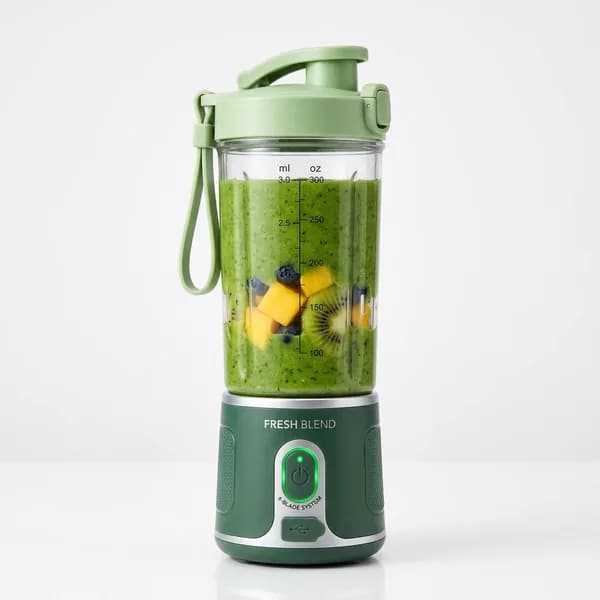
If you want to turn this guide into a real setup, start with Stainless Steel 2-Tier Dish Rack and Portable Blender. For broader options, browse the Kitchen & Dining collection so the article journey does not stop at reading only.
Our practical rule: choose one product that solves the main clutter problem first, then add supporting organizers only when the daily workflow is already clear. This keeps the shopping path useful, not pushy.
FAQ: Frequently Asked Questions About Food Storage Containers with Lid
Q: What is the safest material for food storage containers with lid?
Glass and stainless steel are generally considered the safest materials because they are non-reactive and do not contain plasticizers or chemical additives. For plastic, look for containers that are certified BPA-free and FDA food-safe. Silicone is also considered very safe for food contact.
Q: Can I use food storage containers with lid in the microwave?
It depends on the material and the specific product. Most tempered glass containers are microwave-safe when used without the lid or with a vented lid. Many BPA-free plastic containers are also microwave-safe but should be used with the vent open. Always check the manufacturer's labeling on the bottom of the container before microwaving.
Q: How do I stop my plastic containers from smelling like old food?
Soak the container in a solution of white vinegar and warm water for about 30 minutes, then wash normally. Alternatively, fill the container with crumpled newspaper overnight to absorb odors. For persistent smells, a paste of baking soda and water left inside the container for a few hours before washing often does the trick.
Q: Are locking lid containers truly leakproof?
High-quality four-sided locking lid containers with silicone gaskets are very close to leakproof for most everyday uses. However, no consumer container is completely infallible under all conditions. For transporting liquids like soups, placing the container inside a zip bag adds an extra layer of protection.
Q: How many containers should I own?
A practical starting set for a household of two to four people includes about four small containers (under 2 cups), six medium containers (2 to 4 cups), and four large containers (4 to 8 cups), plus two extra-large containers for batch cooking. Adjust based on how frequently you meal prep and how often you store leftovers.
Q: How should I store container lids when not in use?
The most space-efficient method is to store lids vertically in a small drawer divider or lid organizer, similar to how you would file folders. This keeps lids accessible and prevents the jumbled mess that happens when lids are piled on top of containers.
Conclusion
Choosing the right food storage containers with lid is one of the simplest, most impactful upgrades you can make to your kitchen in 2026. Whether you prefer the elegance of glass, the lightweight flexibility of BPA-free plastic, the durability of stainless steel, or the eco-friendly versatility of silicone, there is a perfect option out there for your needs and your lifestyle. The key is to focus on lid quality and seal type first, then match the material, size, and shape to how you actually cook and store food. Get those details right, and you will have a kitchen that is not only better organized but one that genuinely helps you eat fresher, waste less, and stress less every single day.
Ready to build your ideal set? Browse our curated selection of kitchen and food storage products at Sesoris, or explore our new arrivals for the latest in home organization essentials. At Sesoris, our goal is simple: help you live more organized.
Weekly Home Tips
Get home organization ideas, product picks, and exclusive deals delivered weekly.
No spam. Unsubscribe anytime.
Explore More Articles
- Wall Mounted Dish Rack: Complete Buying & Install Guide 2026
- Storage Bins with Lids: Complete 2026 Home Guide
- Hanging Kitchen Shelf: Complete Buying Guide for 2026
- How to Organize a Small House: Complete 2026 Guide
- Best Storage Containers for Food: Complete Review & Buying Guide for 2026
- 30+ Brilliant Small Space Kitchen Storage Ideas to Maximize Every Inch in 2026
- 30+ Best Closet Organization Ideas for Nursery: Create the Perfect Baby Storage Space in 2026
- Home Office Organizer: How to Set Up a Productive Workspace