
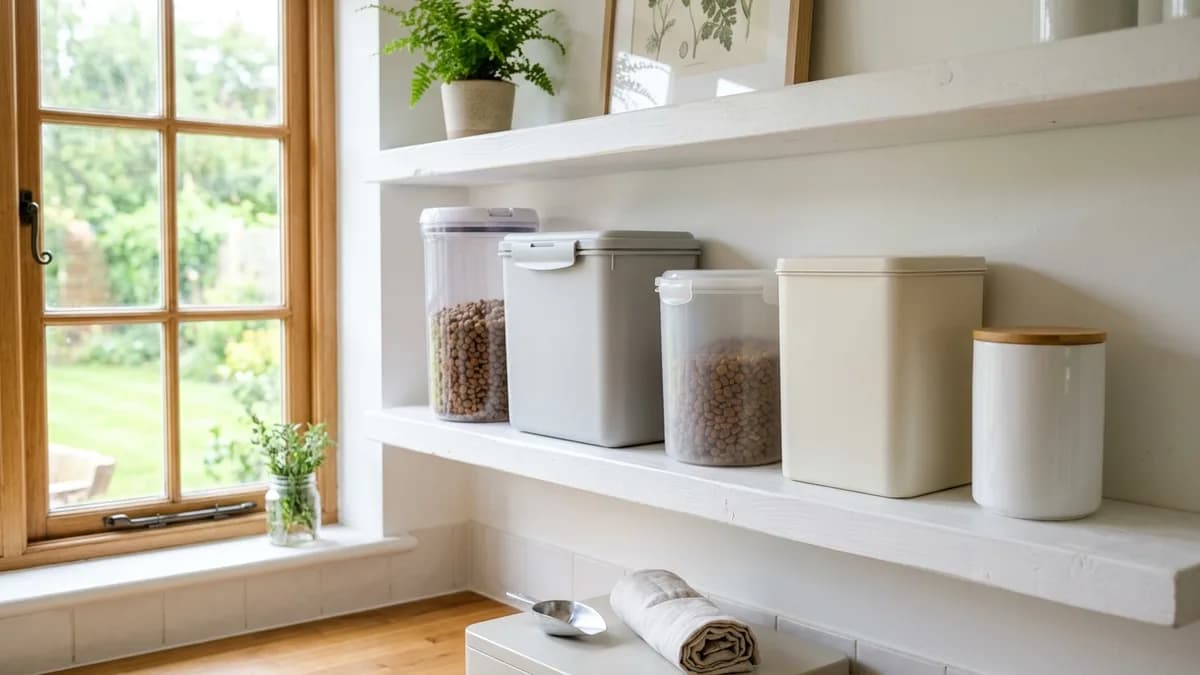
Best Pet Food Storage Containers in 2026: Complete Buyer's Guide to Keeping Kibble Fresh
If you share your home with a dog, cat, or any other beloved pet, you already know how fast a bag of kibble can go stale, attract pests, or create a cluttered mess in your pantry. That is exactly why pet food storage containers have become a must-have for organized pet owners across the US in 2026. A quality container does more than tidy up your space - it protects your pet's food from moisture, air, and bugs, preserving both freshness and nutritional value meal after meal. In this complete buyer's guide, I am breaking down everything you need to know to choose the right pet food storage containers for your home, your pet, and your lifestyle.
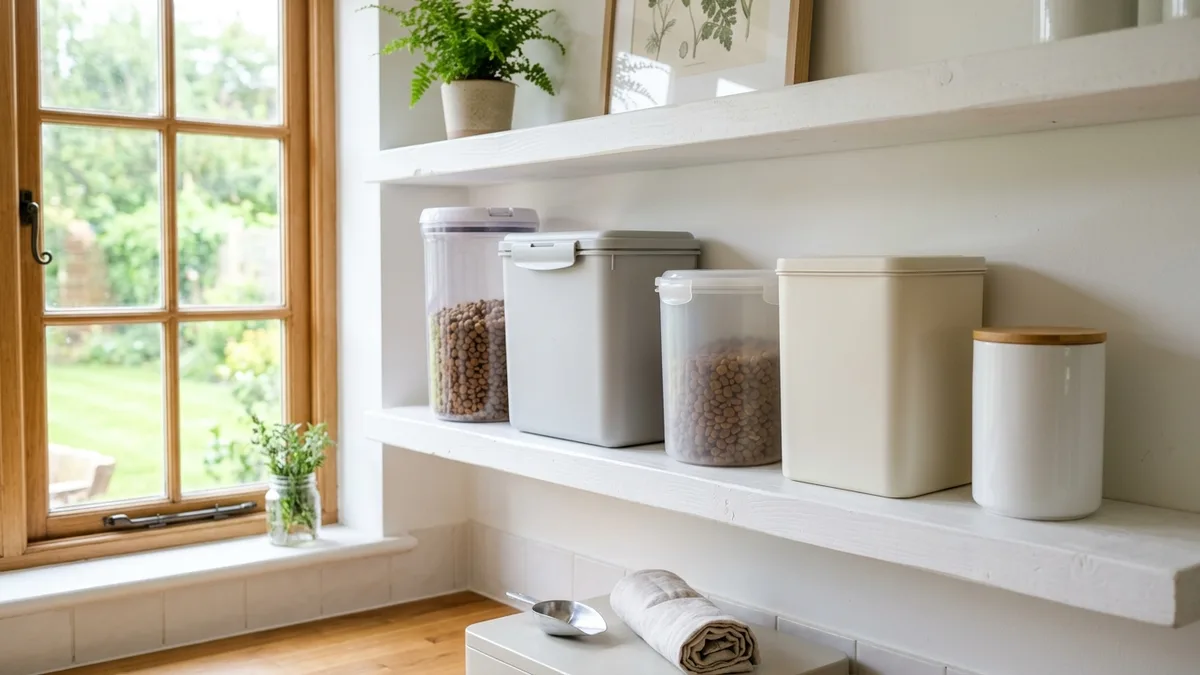
Why Pet Food Storage Containers Matter More Than You Think
Most people buy pet food in bulk to save money, and that is smart. But leaving an open bag on the floor or folding the top down and calling it good is a recipe for problems. Dry kibble is especially vulnerable to oxidation and humidity. Once the original bag is opened, the fats in pet food begin to go rancid, which reduces palatability and can even affect your pet's health over time.
According to The Spruce Pets, proper storage in a sealed container helps maintain the quality of dry pet food significantly longer than leaving it in the original packaging. Beyond freshness, good pet food storage containers also keep your home free of odors, deter rodents and insects, and make your daily feeding routine faster and cleaner.
Here are the key reasons pet owners are upgrading to proper storage in 2026:
- Freshness protection: Airtight seals lock out oxygen and moisture, the two biggest enemies of dry kibble
- Pest prevention: Hard-sided containers block mice, ants, and pantry moths that can infiltrate even sealed bags
- Odor control: Sealed containers keep strong pet food smells contained in your pantry or mudroom
- Portion accuracy: Many containers pair well with measuring scoops, making feeding portions more consistent
- Home organization: Uniform containers look far cleaner on a shelf than a torn bag with a chip clip
If you already love organizing your kitchen with airtight food storage containers, it only makes sense to apply the same philosophy to your pet's food.
Types of Pet Food Storage Containers: Which Material Is Right for You?
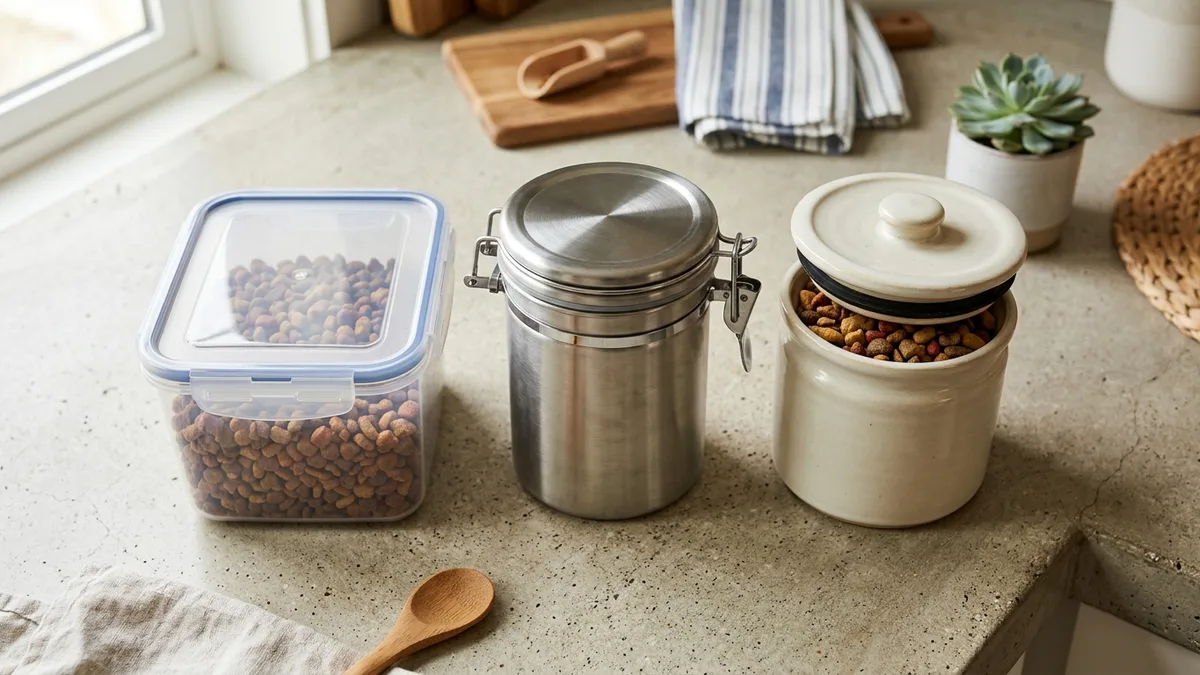
Not all pet food storage containers are built the same. The material you choose affects durability, food safety, ease of cleaning, and how the container looks in your home. Here is a breakdown of the most common options on the market in 2026:
BPA-Free Plastic Containers
Clear, lightweight, and usually the most affordable option, plastic containers are the most popular choice for pet owners. The key is to look for BPA-free labeling, which means the plastic does not contain bisphenol A, a chemical that can leach into food over time. Many modern pet food containers are made from food-grade HDPE or Tritan plastic, both of which are safe and durable.
Pros:
- Transparent, so you can see how much food is left
- Lightweight and easy to carry even when full
- Generally more affordable than metal or ceramic options
- Available in a huge range of sizes
Cons:
- Can absorb odors over time with repeated use
- Some plastics may scratch and harbor bacteria in deep grooves
- Not as aesthetically premium as stainless steel or ceramic
For more on BPA-free options for all your food storage needs, check out our guide to BPA-free food storage containers.
Stainless Steel Containers
Stainless steel pet food storage containers are growing in popularity among eco-conscious and design-forward pet owners. Steel is non-porous, meaning it will not absorb odors or harbor bacteria over time. It is also incredibly durable and typically rustproof.
Pros:
- Non-porous and odor-resistant
- Extremely durable and long-lasting
- Looks sleek and stylish in modern homes
- Does not leach chemicals
Cons:
- Opaque, so you cannot see the fill level without opening
- Generally heavier, especially when full
- Usually more expensive upfront
Ceramic and Pottery Containers
Ceramic containers are the most decorative option and are a favorite among pet owners who want something that doubles as home decor. They seal well when fitted with a rubber gasket lid, and they are completely non-reactive and odor-resistant.
Pros:
- Beautiful and decorative, blends with home aesthetics
- Non-porous and easy to clean
- Does not absorb odors or flavors
Cons:
- Heavy and breakable
- Usually best for smaller quantities of food
- More expensive than plastic options
How to Choose the Right Size Pet Food Storage Container
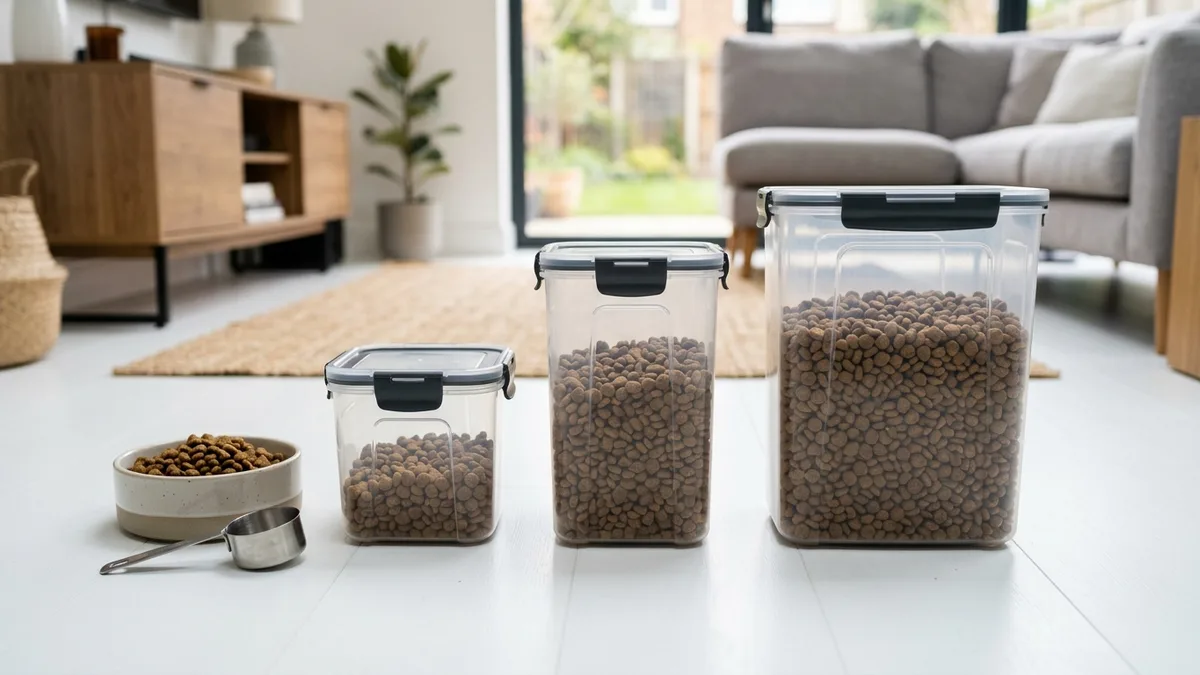
Size is one of the most important factors when selecting pet food storage containers, and it is easy to get wrong. The goal is to store only what your pet will eat within about six weeks. Storing food longer than that, even in a sealed container, risks gradual nutrient degradation and fat oxidation.
Here is a practical sizing guide based on typical bag sizes:
- Small containers (up to 5 quarts): Best for cats or very small dogs eating roughly 3 to 5 pounds of food per month. A 5-quart container typically holds around 4 to 6 pounds of dry kibble, depending on kibble size.
- Medium containers (6 to 15 quarts): A great middle ground for medium-sized dogs or multi-cat households. A 12-quart container usually holds about 10 pounds of dry food.
- Large containers (16 to 33 quarts): Ideal for large or giant breed dogs, multi-dog households, or owners who buy in bulk. A 33-quart container can hold up to 50 pounds of kibble.
Pro tip: Always measure the capacity of a container in quarts or pounds of kibble, not just physical dimensions. Kibble density varies by brand and formula, so check product listings carefully before buying.
One mistake I see a lot of pet owners make is buying a container that is too large. Oversized containers mean the food sits in too much air inside, even with the lid sealed, which defeats some of the freshness-preservation purpose. Match the container size to roughly what your pet eats in four to six weeks.
You can also find helpful sizing and organization strategies in our comprehensive pantry food storage containers guide.
Key Features to Look for in Pet Food Storage Containers
When comparing products, it helps to have a clear checklist. Here are the features that separate a truly great pet food storage container from a mediocre one:
Airtight Seal Quality
This is the single most important feature. Look for containers with a true gasket seal, either a silicone or rubber ring that compresses when the lid closes, creating an airtight barrier. Flip-lock or clamp-style lids typically create a better seal than simple snap lids. Avoid containers where the lid just presses down without any gasket mechanism.
Easy-Open Mechanism
You will be opening this container at least once or twice a day. A lid that requires two hands to wrestle off gets old fast. Look for ergonomic latch designs, wide-mouth openings, and lids that release smoothly even with one hand.
Wide Mouth Opening
A wide opening makes it easy to scoop food out without spilling, and makes cleaning much easier. Containers with narrow openings are frustrating to fill from a large bag and are harder to clean thoroughly.
Rolling Wheels or Handles
For large-capacity containers, especially those holding 20 or more pounds of food, wheels make a massive difference. Some containers come with built-in casters so you can roll them out from under a counter or out of a closet without straining your back.
Included Scoop or Scoop Storage
Many premium pet food storage containers include a measuring scoop that clips onto the inside of the lid or sits in a holder attached to the container. This keeps your scoop clean and your feeding station tidy.
Stackability
If you have multiple pets or store different types of food, stackable containers let you maximize vertical space on a shelf or in a closet. Look for flat-top lids and containers designed to nest or stack securely.
For more ideas on how to think about stackable storage solutions across your whole home, browse our best food storage solutions guide.
How to Organize a Pet Feeding Station Around Your Storage Containers
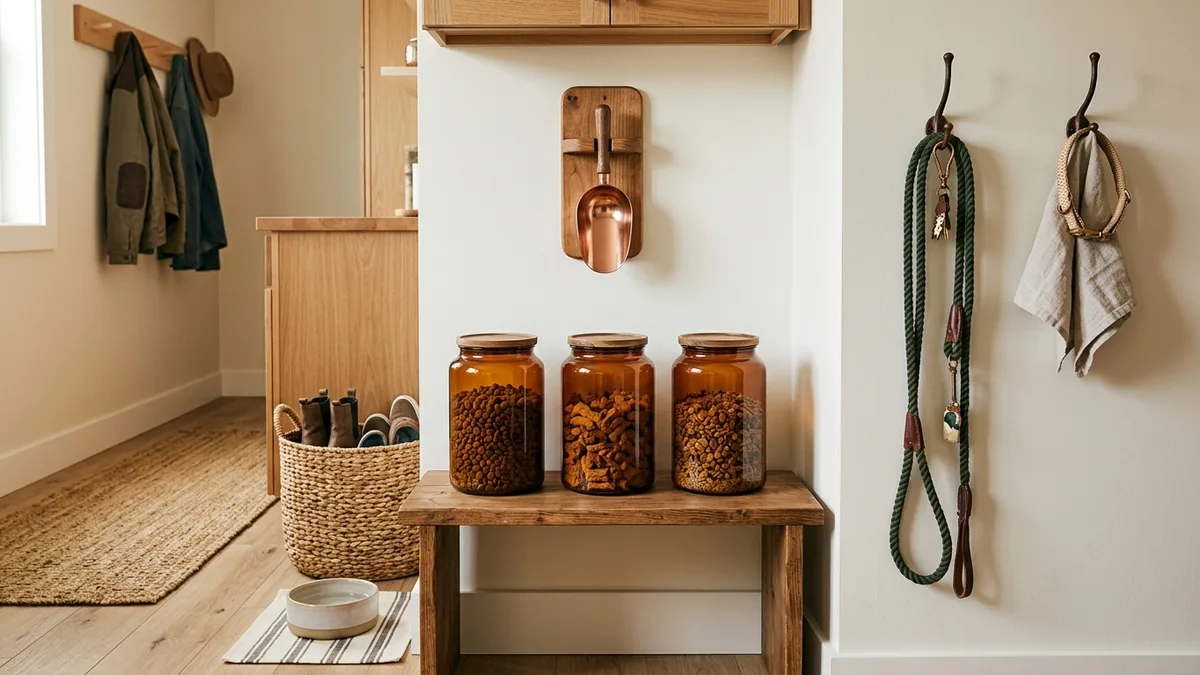
Choosing the right pet food storage containers is only half the battle. Where and how you set them up in your home matters just as much for your daily routine. A well-organized pet feeding station reduces clutter, speeds up morning feeding time, and keeps your home looking tidy.
Here are my favorite tips for building a clean, functional pet feeding station:
- Dedicate a zone: Choose one area, whether it is a pantry corner, mudroom shelf, or laundry room nook, specifically for your pet's food and supplies. Keeping everything in one place saves time and mental energy.
- Label your containers: If you have multiple pets on different foods or different feeding schedules, clear labels prevent mix-ups. You can use printable labels or a simple label maker.
- Store the original bag inside the container: Many pet nutrition experts, including those cited by Good Housekeeping, recommend placing the entire original bag inside the storage container rather than pouring the kibble directly in. This keeps the bag's lot number and expiration date accessible and adds an extra layer of protection.
- Keep a scoop in or on the container: Avoid digging around for a measuring cup every mealtime. Store the scoop clipped inside the lid or in a designated holder.
- Place containers at the right height: For small pets or elderly owners, low shelves or floor-level rolling containers are more ergonomic. For households with curious toddlers or counter-surfing dogs, consider a locked cabinet or higher shelf placement.
- Wipe containers down regularly: Even airtight containers can develop residue around the lip. A quick weekly wipe with a damp cloth and mild dish soap keeps things sanitary.
For broader home organization inspiration, our home storage ideas hub has dozens of room-by-room strategies worth exploring.
Comparing the Best Pet Food Storage Containers in 2026
Rather than naming specific products (which change constantly), I find it more useful to walk through the key categories and what to expect from each in terms of quality and price range. The US market in 2026 is well-stocked with options across all budgets.
Budget-Friendly Options (Under US$20)
At this price point, you are typically looking at basic BPA-free plastic containers with a snap or flip lid. These work perfectly well for cats and small dogs. The seal quality is usually adequate but may not be completely airtight over long periods. Look for containers that specify "food-grade plastic" and have at least one positive design feature like a wide mouth or integrated scoop.
Mid-Range Options (US$20 to US$50)
This is the sweet spot for most pet owners. Mid-range pet food storage containers typically feature true gasket seals, ergonomic lids, wider mouths, and better-quality plastic or stainless steel construction. Some include rolling casters or a fitted scoop. These are ideal for medium to large dogs.
Premium Options (US$50 and above)
Premium containers often feature stainless steel or heavy-duty BPA-free plastic, multiple-locking clamp lids, large capacities of 20 quarts or more, built-in wheels, and sometimes modular designs that let you stack or connect multiple units. These are the go-to choice for multi-pet households or large-breed dog owners buying 30 to 50-pound bags regularly.
Tips for Maintaining and Cleaning Your Pet Food Storage Containers
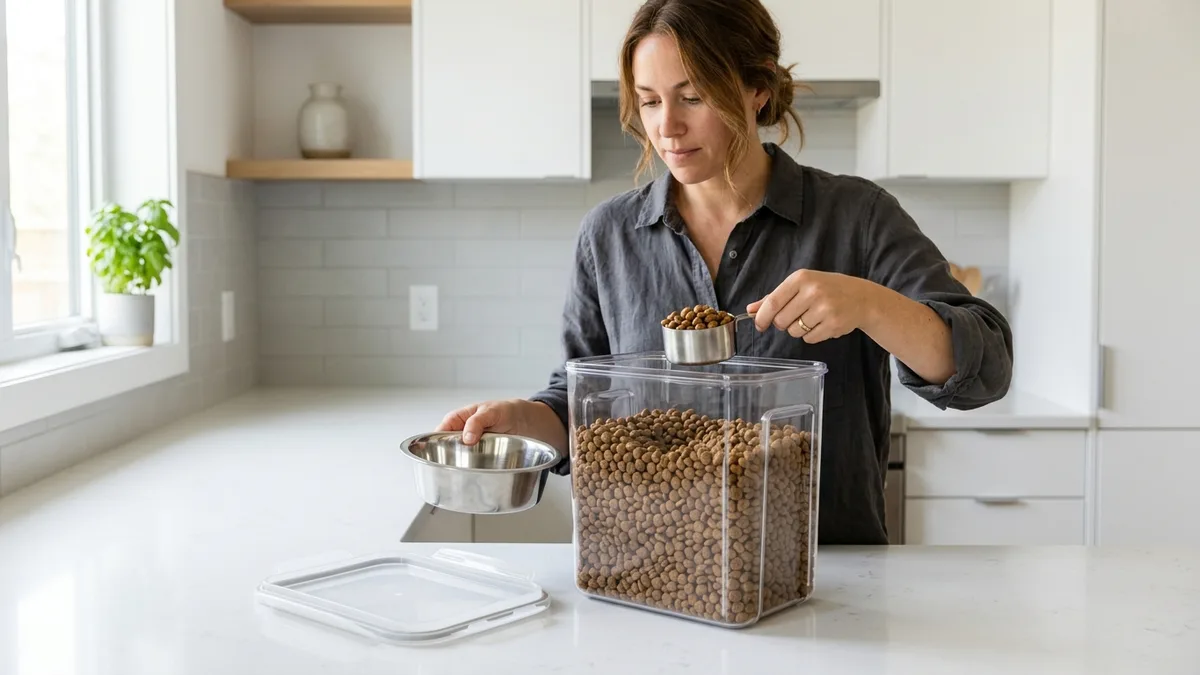
Even the best pet food storage containers will only perform well if you maintain them properly. Here are the habits that keep your containers working like new:
- Empty and wash before refilling: Never pour fresh kibble on top of old kibble. Each time you run out, wash the container thoroughly with hot water and mild dish soap, rinse completely, and let it dry fully before adding new food. Moisture inside a container is the enemy of freshness.
- Clean the gasket separately: Remove the rubber or silicone gasket from the lid and wash it separately. Gaskets can trap grease and food particles and develop mold if neglected.
- Check for cracks and scratches: Over time, especially with plastic containers, small scratches and cracks can harbor bacteria. Inspect your containers periodically and replace them when you notice significant wear.
- Do not mix food types: Avoid using the same container for different pet food types without a thorough wash in between. Different protein sources have different fat profiles and odors that can cross-contaminate.
- Keep lids closed completely: It sounds obvious, but it is easy to leave a lid slightly ajar after a quick morning feeding. Make sure the latch or seal is fully engaged every single time.
- Store in a cool, dry place: Even the best container cannot fully compensate for a hot, humid environment. Avoid storing pet food containers in direct sunlight, near a stove, or in a humid garage if possible.
For more smart strategies on keeping all your household food fresh, check out our guide on how to store food to last longer.
Pet Food Storage Containers vs. Just Keeping the Original Bag
I hear this debate a lot: "The bag is already sealed, so why bother with a container?" It is a fair question. Here is the honest answer.
The original pet food bag is typically designed to be resealable and does offer some protection. However, once you first open it, the seal quality degrades significantly with repeated use. The bag material also allows small amounts of oxygen to permeate over time. And practically speaking, a large open bag of pet food sitting on your kitchen floor or pantry shelf is a magnet for moisture, pests, and odors.
A dedicated pet food storage container with a true airtight gasket seal is a meaningful upgrade, especially for large bags that take several weeks to finish. According to information published on Wikipedia's entry on pet food, dry pet food is designed to have a long shelf life, but that shelf life depends heavily on proper storage conditions, including protection from air and moisture.
If you want to get the most out of every bag of kibble you buy, a proper storage container is a worthwhile investment.
Related Products from Sesoris
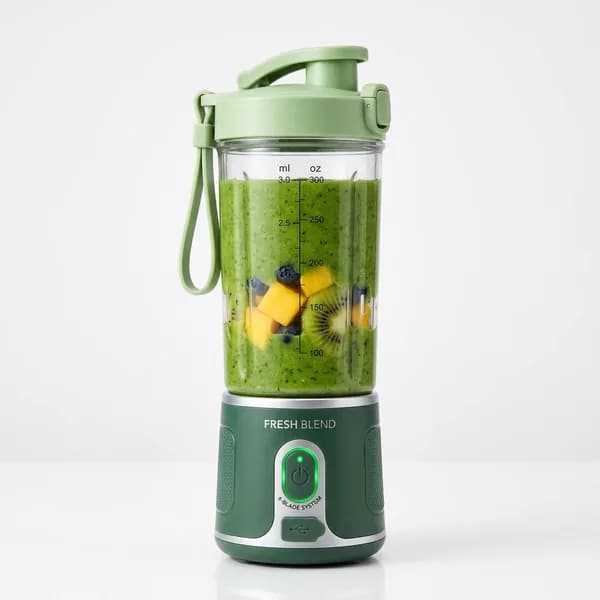
If you want to turn this guide into a real setup, start with Stainless Steel 2-Tier Dish Rack and Portable Blender. For broader options, browse the Kitchen & Dining collection so the article journey does not stop at reading only.
Our practical rule: choose one product that solves the main clutter problem first, then add supporting organizers only when the daily workflow is already clear. This keeps the shopping path useful, not pushy.
FAQ: Frequently Asked Questions About Pet Food Storage Containers
Q: Can I store wet or canned pet food in the same containers?
Most pet food storage containers are designed for dry kibble. Opened canned or wet food should be stored in smaller, refrigerator-safe airtight containers and consumed within two to three days. Some manufacturers make specific containers for this purpose with rubber lids sized to fit standard can openings.
Q: Is it safe to store kibble directly in a plastic container, or should I leave it in the original bag?
Either approach can work. Many veterinarians and pet food manufacturers recommend keeping the original bag inside the container so you retain access to the lot number and expiration date for potential recalls. If you prefer to pour kibble directly in, make sure the container is BPA-free and food-grade rated.
Q: How often should I clean my pet food storage container?
I recommend a thorough wash with hot soapy water every time you empty the container before refilling it. At minimum, clean it once a month even if it still has food in it by transferring remaining food temporarily to a clean bowl.
Q: What size container do I need for a 30-pound bag of dog food?
As a general rule, you need approximately 33 quarts of container capacity to hold a full 30-pound bag of standard-sized kibble. That said, this varies by kibble density and shape, so always check the product listing for specific pound-to-quart ratios.
Q: Are rolling pet food storage containers worth it?
Absolutely, if you are regularly buying 20 pounds or more of food. Rolling containers with casters make it much easier to slide the container in and out from under a shelf or counter, and they save a lot of back strain over time.
Q: Can I use regular food storage containers for pet food?
Yes, as long as they are appropriately sized and have a true airtight seal. Many of the same principles that apply to food storage containers for pantry items apply equally well to pet food. The key is finding a container with the right capacity and a reliable seal.
Conclusion: Invest in the Right Pet Food Storage Containers for a Fresher, Tidier Home
Choosing the right pet food storage containers is one of the simplest, most impactful upgrades you can make to your home and your pet's daily wellbeing in 2026. From protecting kibble freshness and keeping pests out to creating a cleaner, more organized feeding station, the benefits are real and immediate. Whether you go with a budget-friendly BPA-free plastic container or a premium stainless steel unit with casters, the most important features to prioritize are a true airtight seal, the right capacity for your pet's appetite, and an easy-open design that fits your daily routine.
Ready to take your home organization to the next level? Browse the full range of storage solutions at Sesoris and explore our best sellers to find the perfect containers for every corner of your home, from the pantry to the pet feeding station. At Sesoris, we believe that an organized home is a happier home, for you and for your pets. Live More Organized.
Weekly Home Tips
Get home organization ideas, product picks, and exclusive deals delivered weekly.
No spam. Unsubscribe anytime.
Explore More Articles
- 30+ Best Hallway Closet Organization Ideas to Transform Your Storage Space in 2026
- 3-Tier Spice Rack Review: Is It Worth It in 2026?
- 30+ Stunning Decorating Wall Shelf Ideas to Transform Your Home in 2026
- Small Apartment Kitchen Organization Guide
- Garage Wall Shelf Ideas for Better Storage
- 30+ Stunning Living Room Wall Shelf Decor Ideas to Transform Your Space in 2026
- Minimalist Shoe Rack for Your Home's Foyer
- How to Speed Clean Your House in 30 Minutes