
Best Storage Food Containers: Complete 2026 Review & Buying Guide for a Fresher, More Organized Kitchen
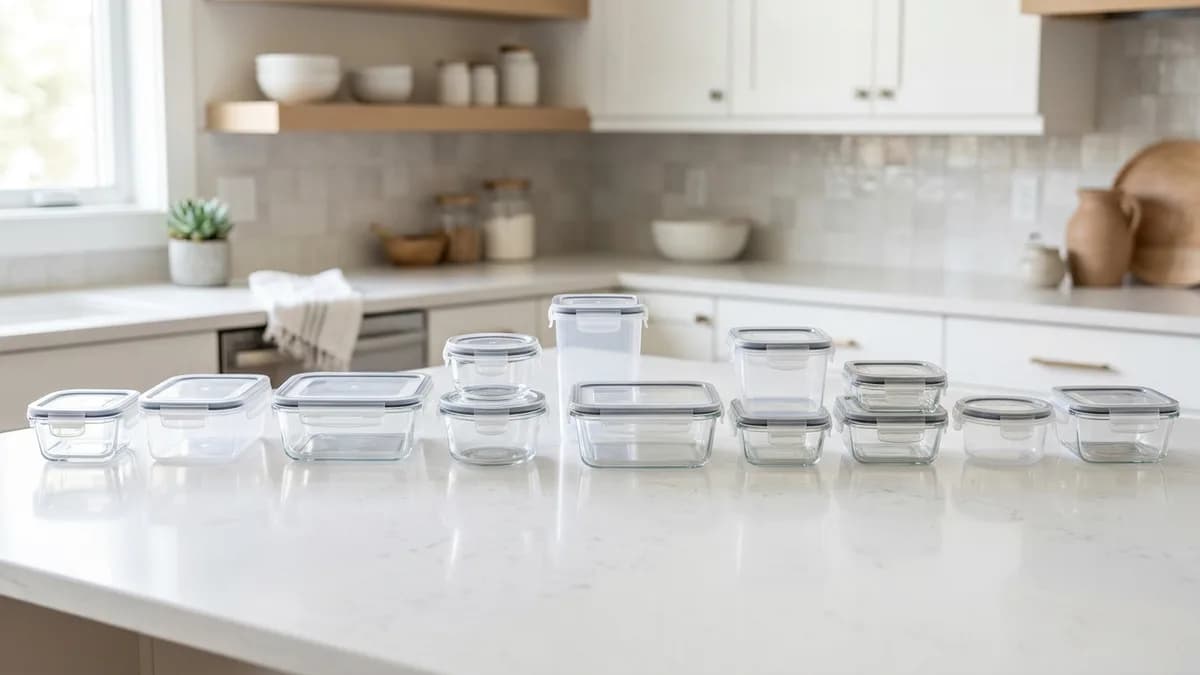
Finding the best storage food containers can genuinely transform your kitchen. Whether you are batch-cooking on Sundays, trying to cut down on food waste, or simply tired of mismatched lids rolling out every time you open a cabinet, the right containers make all the difference. In 2026, the market is packed with options across glass, plastic, stainless steel, and silicone, each with real advantages depending on how you cook and live. I have spent time researching and reviewing the most popular types and features so you can make a confident, informed choice for your home.
Why Choosing the Best Storage Food Containers Matters in 2026
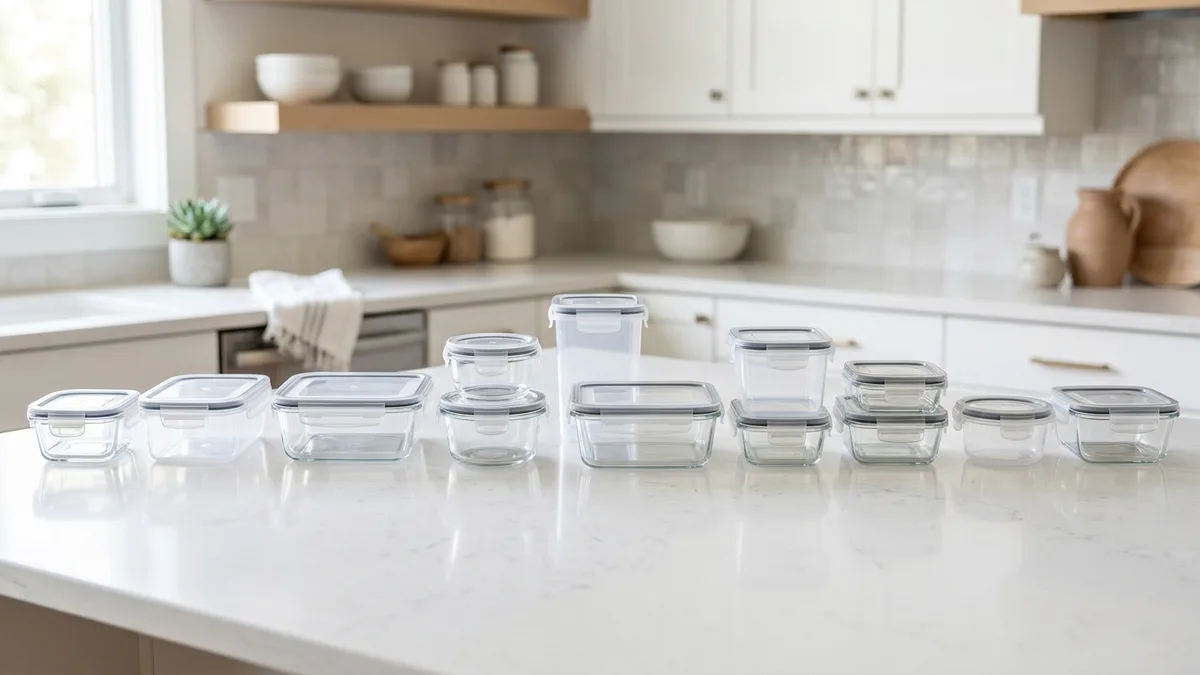
It is easy to underestimate how much your food storage setup impacts daily life. The wrong containers lead to spills in your bag, soggy leftovers, freezer burn, and a pantry that looks chaotic every single time you open it. The right set, on the other hand, keeps food fresh longer, makes meal prep genuinely enjoyable, and gives your kitchen a calm, organized feel.
According to Good Housekeeping, one of the most common kitchen frustrations Americans report is dealing with mismatched or leaky food containers. When you invest in a quality, cohesive set of the best storage food containers, you eliminate that daily friction almost entirely.
Beyond convenience, there is a real financial argument too. Keeping food fresher for longer means less food thrown away, which adds up to meaningful savings at the grocery store over the course of a year. If you are already thinking about how to keep your kitchen organized, upgrading your food storage system is one of the highest-impact changes you can make.
The 4 Main Materials for Food Storage Containers: A Honest Review
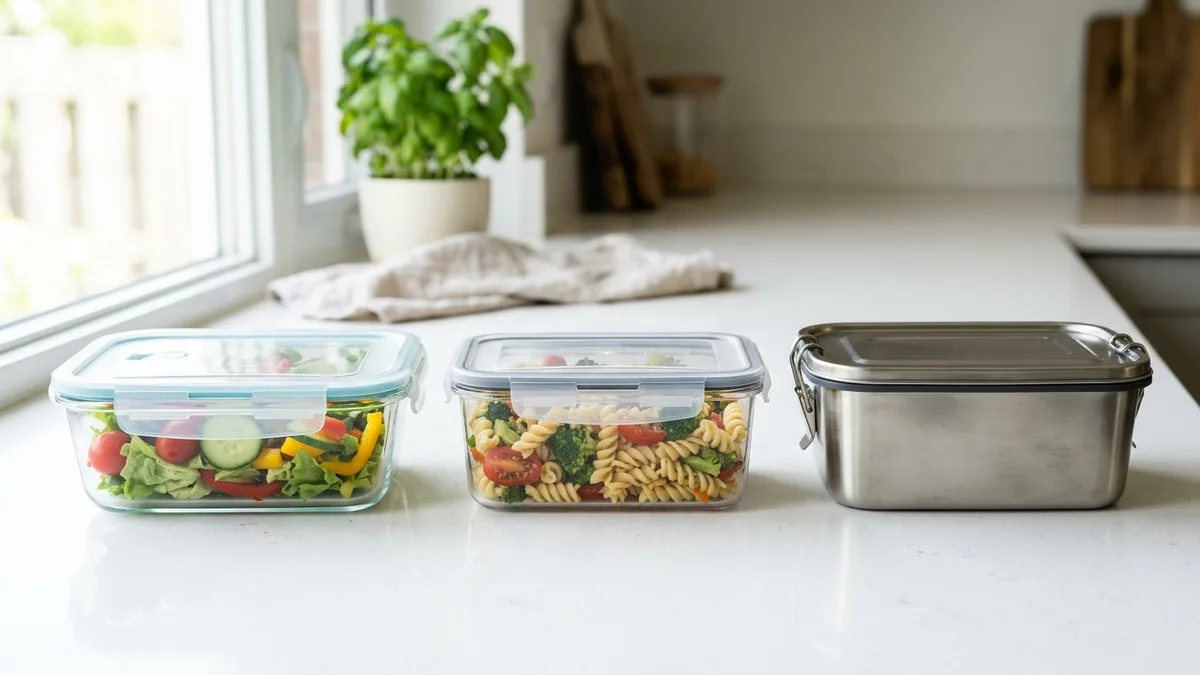
Before picking a specific set, you need to understand the four primary materials. Each has a distinct set of strengths and trade-offs, and the best choice depends entirely on how you use your kitchen.
1. Tempered Glass
Glass containers are the gold standard for a reason. They do not absorb odors or stains, they are safe for the oven, microwave, freezer, and dishwasher, and you can see exactly what is inside without opening them. Tempered glass is significantly stronger than regular glass and resists thermal shock, meaning you can go from freezer to oven without cracking.
Pros:
- Does not stain or hold odors from tomato sauce, curry, or other strong foods
- Oven-safe (typically up to 450 degrees Fahrenheit with the lid removed)
- Microwave-safe and dishwasher-safe
- Very long lifespan, often lasting a decade or more
- No concerns about chemical leaching into food
Cons:
- Heavier than plastic, which matters if you carry lunch to work
- Higher upfront cost compared to plastic sets
- Can chip or shatter if dropped on a hard floor
If you want the most thorough breakdown of glass options specifically, my full best food storage containers glass guide goes deep on every detail worth knowing.
2. BPA-Free Plastic
BPA-free plastic containers remain popular because they are lightweight, affordable, and available in an enormous range of sizes. The key word here is BPA-free. Bisphenol A (BPA) is a chemical historically used in some plastics that has raised health concerns, and reputable brands now produce containers entirely without it.
Pros:
- Lightweight, ideal for packing lunch or snacks on the go
- Shatter-resistant, great for households with kids
- Generally the most affordable option
- Available in every imaginable size and shape
Cons:
- Can absorb odors and stain over time, especially with tomato-based dishes
- Not oven-safe (microwave safety varies by product)
- Should be replaced if scratched, as scratches can harbor bacteria
- Shorter lifespan than glass or stainless steel
For a dedicated deep-dive, check out the BPA-free food storage containers complete guide for everything you need to know about safe plastic storage.
3. Stainless Steel
Stainless steel containers are having a well-deserved moment in 2026. They are incredibly durable, completely non-porous, and do not react with acidic foods the way some other materials can. You will often see them in lunch boxes and zero-waste kitchens.
Pros:
- Extremely durable, virtually indestructible with normal use
- Does not absorb odors or stains
- Eco-friendly and long-lasting
- Dishwasher-safe in most cases
Cons:
- Not microwave-safe
- You cannot see the contents without opening
- Tends to be pricier than plastic
- Lids are sometimes less airtight than glass or plastic counterparts
4. Silicone
Silicone bags and containers are flexible, collapsible, and safe for the freezer, microwave, and dishwasher. They are popular for meal prep and packing kids' lunches because they are soft, lightweight, and squeezable.
Pros:
- Flexible and collapsible for easy storage
- Safe for freezer, microwave, and dishwasher
- Lightweight and soft, safe for children
- Durable and reusable
Cons:
- Can retain odors from strong-smelling foods
- Not rigid, so not ideal for storing liquids without a hard lid
- Can be tricky to clean thoroughly in textured designs
Best Storage Food Containers by Use Case: What to Buy for Your Needs
Rather than picking one universal set, the smartest approach is to match containers to specific jobs in your kitchen. Here is how I break it down.
For Pantry and Dry Goods Storage
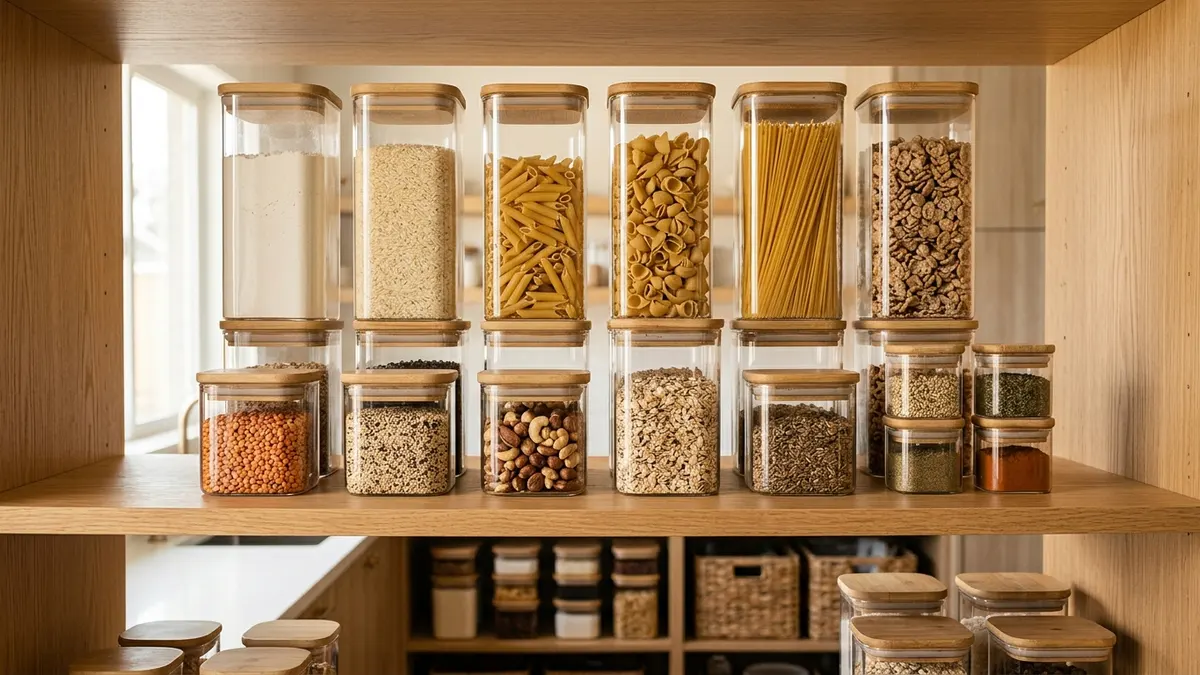
Square or rectangular airtight containers are the best choice for pantry storage. They stack efficiently, maximize shelf space, and keep dry goods like flour, sugar, oats, pasta, and cereal fresh far longer than the original packaging. Look for containers with a true airtight seal, meaning a rubber gasket or silicone seal around the lid edge.
Recommended features to look for:
- Wide mouth openings for easy scooping
- Flat lids that allow stacking
- Sizes ranging from roughly 1 quart to 1 gallon to cover different pantry staples
- Clear or translucent bodies so you can see quantities at a glance
For more inspiration on setting up a pantry system, the pantry food storage containers complete organization guide is a great companion resource.
For Refrigerator and Leftover Storage
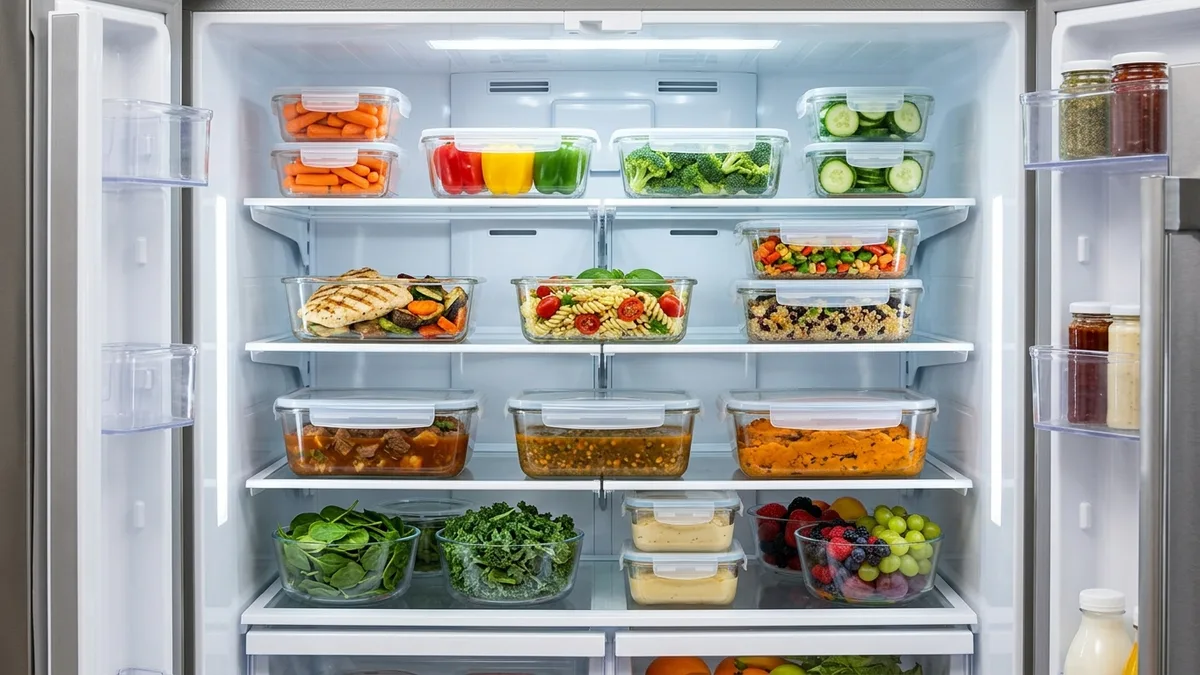
In the fridge, clear containers in rectangular shapes make the most sense. They stack neatly, show you what is inside, and fit efficiently on standard refrigerator shelves. Glass is particularly well-suited here because it does not absorb the smell of whatever was stored in it last.
Key features for fridge containers:
- Leak-proof lids for soups, sauces, and anything liquid
- Stackable design to maximize vertical refrigerator space
- Microwave-safe for easy reheating without transferring to another dish
- Airtight seal to prevent odor transfer between foods
The food storage containers with lids complete guide is worth reading if leakproof performance is your top priority.
For Meal Prep and Portion Control
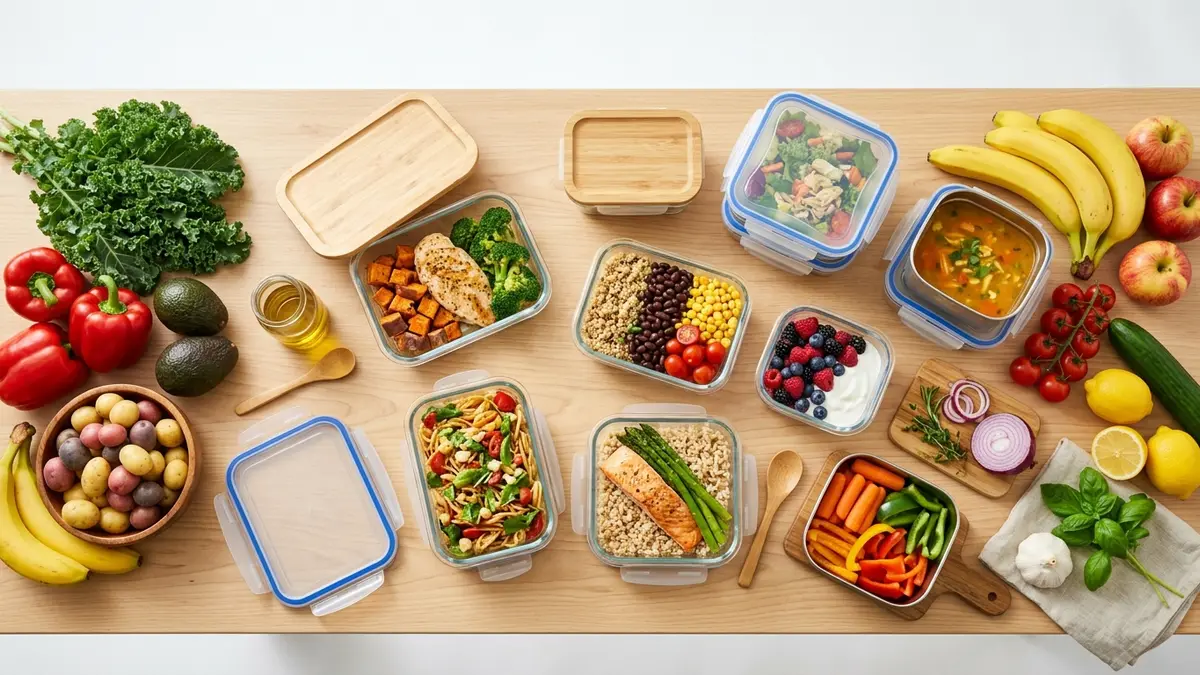
Divided containers and sets with multiple size options are ideal for meal prepping. If you cook in batches on weekends, look for containers that are both freezer-safe and microwave-safe so you can store and reheat without any extra steps.
Recommended features for meal prep:
- Sets with 2-cup, 4-cup, and 6-cup capacity options
- Lids that seal securely enough to travel in a bag
- Microwave and freezer compatibility
- Dishwasher-safe for easy cleanup after a full week of use
For the Freezer
Freezer storage has specific requirements. Containers must be able to withstand temperatures as low as minus 20 degrees Fahrenheit without becoming brittle or cracking, and lids must seal well enough to prevent freezer burn. Both glass and rigid BPA-free plastic work well here, but always check that your specific containers are labeled freezer-safe.
The freezable food storage containers ultimate guide covers freezer-specific needs in much more detail.
Key Features to Evaluate When Buying the Best Storage Food Containers
Once you know the material and use case, here are the specific features worth evaluating before you buy.
1. Lid seal quality. This is the single most important feature. A genuinely airtight seal keeps food fresher much longer, prevents leaks, and locks out refrigerator odors. Look for silicone gaskets, locking tabs, or snap-on lids that create a visible seal.
2. Lid compatibility within a set. Many people end up with lid chaos because they buy containers from different brands over time. Buying a matching set where lids interchange across multiple container sizes is a game-changer for cabinet organization.
3. Stackability. Flat lids and uniform shapes allow you to stack containers both in storage and inside your refrigerator, maximizing every inch of available space.
4. Oven, microwave, freezer, and dishwasher safety. Check all four labels before buying. Versatile containers that can go directly from freezer to microwave to dishwasher are genuinely worth a slight price premium because they eliminate extra steps.
5. Size variety. A good set should include at minimum a small size (around 1 cup), a medium size (around 3 to 4 cups), and a large size (around 6 to 8 cups or more). Having variety means you always have the right container for the job.
6. Transparency. Being able to see what is inside without opening the container saves time and prevents the "mystery leftover" problem that leads to forgotten food being thrown away.
Buying one cohesive, well-designed set of the best storage food containers is almost always a better investment than accumulating mismatched pieces over time. Uniformity saves cabinet space and eliminates the daily frustration of hunting for matching lids.
How to Organize Your Best Storage Food Containers in the Kitchen
Even the best containers become a nuisance if they are not stored well. Here are the most practical organization methods that work in real kitchens.
Store lids separately and vertically. A simple file organizer or a tension rod inside a drawer keeps lids standing upright and easy to grab. This single trick eliminates the avalanche of lids that falls out when you open a cabinet.
Nest containers inside each other by size. Stack containers of the same shape together from largest to smallest. This keeps them compact and easy to grab the right size quickly.
Designate zones. Keep pantry containers on pantry shelves, fridge containers in the refrigerator area of your cabinet, and freezer containers together in one spot. When everything has a home, restoring order after unloading the dishwasher takes about 60 seconds.
Use a deep drawer if you have one. Deep kitchen drawers are ideal for storing container sets because you can see the whole collection at a glance without digging through stacks.
For broader kitchen organization inspiration, the small kitchen organization ideas guide has practical strategies that work even in the most compact spaces.
Price Ranges: What to Expect in 2026
Food storage containers span a wide price range, and understanding what you get at each price point helps you shop smarter.
Budget range (under US$20 for a set): Typically BPA-free plastic sets with basic snap lids. Functional and practical, though lids may not be perfectly interchangeable and airtight performance varies. Good for kids' lunches and short-term storage.
Mid-range (US$20 to US$60 for a set): The sweet spot for most households. At this price, you find high-quality BPA-free plastic sets with strong locking lids, mid-grade glass sets with silicone-gasketed lids, and smaller stainless steel collections. Performance and durability are noticeably better.
Premium range (US$60 and above for a set): High-end tempered glass sets with four-sided locking lids, large stainless steel collections, and silicone sets from premium brands. These are built to last many years and often come with generous warranties. If you cook frequently and want containers that genuinely function flawlessly, this investment pays off over time.
According to Real Simple, the best approach for most households is to invest in a quality mid-range or premium glass set for refrigerator and oven use, and supplement with lightweight BPA-free plastic or silicone for lunches and on-the-go needs.
Best Storage Food Containers: Our Top Picks by Category
Here is a summary review of the strongest choices across each category in 2026.
Best Overall: Tempered Glass with Four-Sided Locking Lids
For everyday home use, a tempered glass set with four-sided locking lids consistently earns top marks. The glass body resists stains and odors, works across oven, microwave, freezer, and dishwasher, and the locking lids create a genuinely leak-resistant seal. Sets typically come in 3 to 18 pieces covering a range of sizes from 1 cup to 10 cups.
Who it is best for: Home cooks who meal prep, store leftovers regularly, and want one versatile set that does everything.
Best Budget Pick: BPA-Free Plastic with Snap Lids
A well-reviewed BPA-free plastic set with snap or push-button lids offers excellent value. Look for sets with at least five different sizes, clear bodies, and lids that are clearly labeled microwave-safe and dishwasher-safe. The price per container is hard to beat, making this a great choice for building out a large collection without overspending.
Who it is best for: Families, students, or anyone building a starter collection on a tight budget.
Best for Pantry: Square Airtight Canisters
Square airtight canisters with push-button or flip-top lids and silicone gaskets are the top pick for pantry organization. The square shape is far more space-efficient than round canisters on a shelf, and the airtight seal keeps flour, sugar, oats, and cereal fresh for months.
Who it is best for: Anyone who buys dry goods in bulk or wants a tidy, uniform pantry aesthetic.
Best for On the Go: Lightweight BPA-Free or Silicone
For packing lunch to work or snacks for kids, lightweight BPA-free plastic or collapsible silicone containers win on practicality. They are light enough to carry comfortably, shatter-resistant, and easy to clean.
Who it is best for: Commuters, parents packing school lunches, and anyone who needs portable food storage.
Best Eco-Friendly: Stainless Steel
If sustainability is a priority, stainless steel containers are the most durable and environmentally responsible choice. They last virtually forever with basic care, produce no plastic waste, and are fully recyclable at end of life.
Who it is best for: Zero-waste households and anyone committed to reducing plastic use in their kitchen.
For more ideas on building a sustainable kitchen, the zero waste kitchen guide has excellent actionable tips.
How to Care for Your Food Storage Containers
Even the best storage food containers will underperform if not cared for properly. Here are the key habits that extend the life of any container set.
- Always allow hot food to cool slightly before sealing in glass containers to avoid thermal stress.
- Wash lids and gaskets thoroughly after each use, as residue buildup around gaskets reduces the airtight seal over time.
- Store plastic containers away from direct sunlight, which can degrade the plastic and cause warping.
- Replace any container or lid that is cracked, warped, or has a compromised gasket, as these can no longer seal properly.
- For glass containers, avoid dropping onto tile or stone floors. Even tempered glass has limits.
- Run lids through the dishwasher on the top rack only, as high heat from the bottom rack can warp plastic lids even on otherwise heat-resistant sets.
- Dry containers and lids fully before nesting and storing, as trapped moisture can lead to mold growth.
According to The Spruce, one of the most overlooked maintenance habits is checking and replacing silicone lid gaskets annually in heavily used containers. Gaskets are inexpensive to replace and dramatically restore the airtight performance of an otherwise excellent container.
Related Products from Sesoris
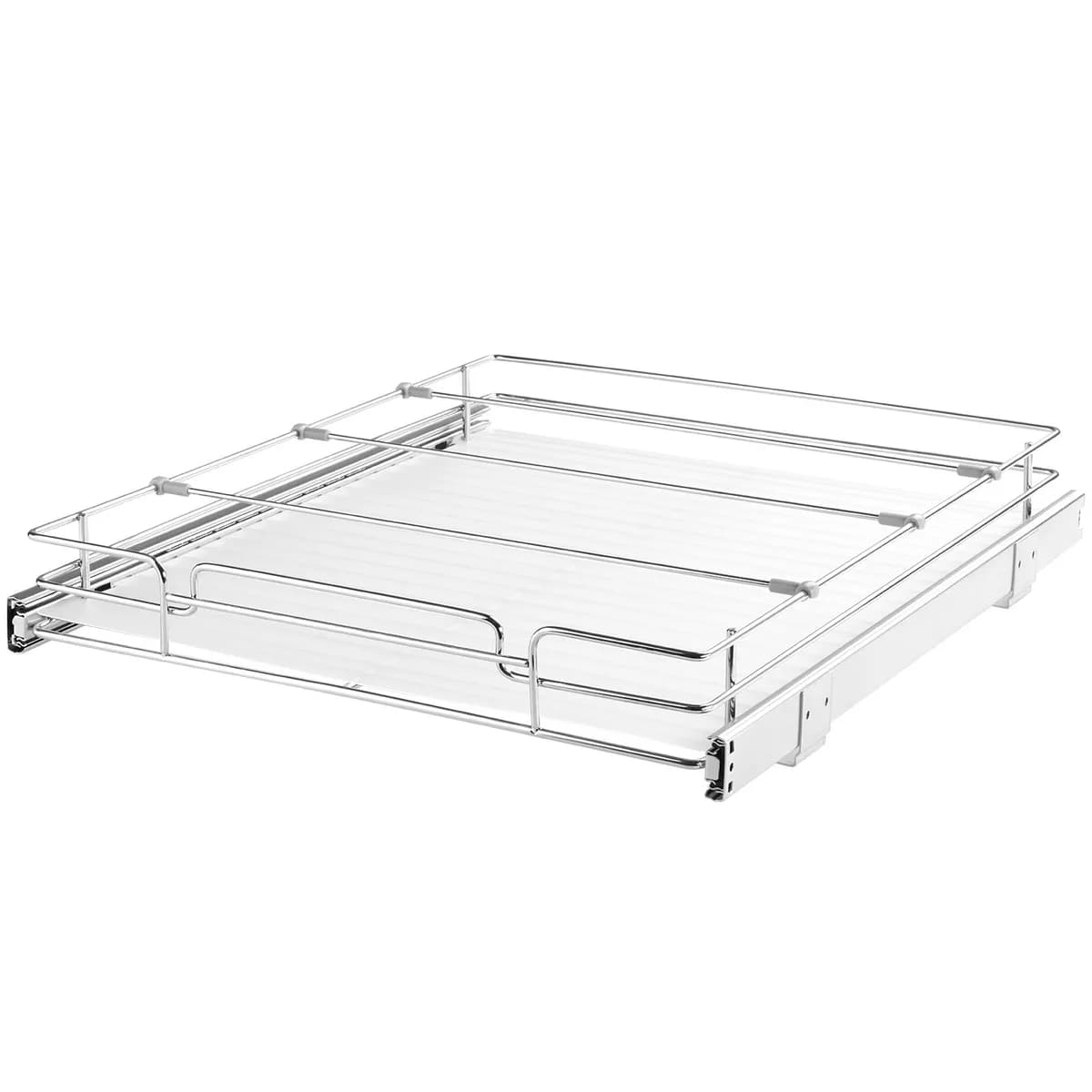
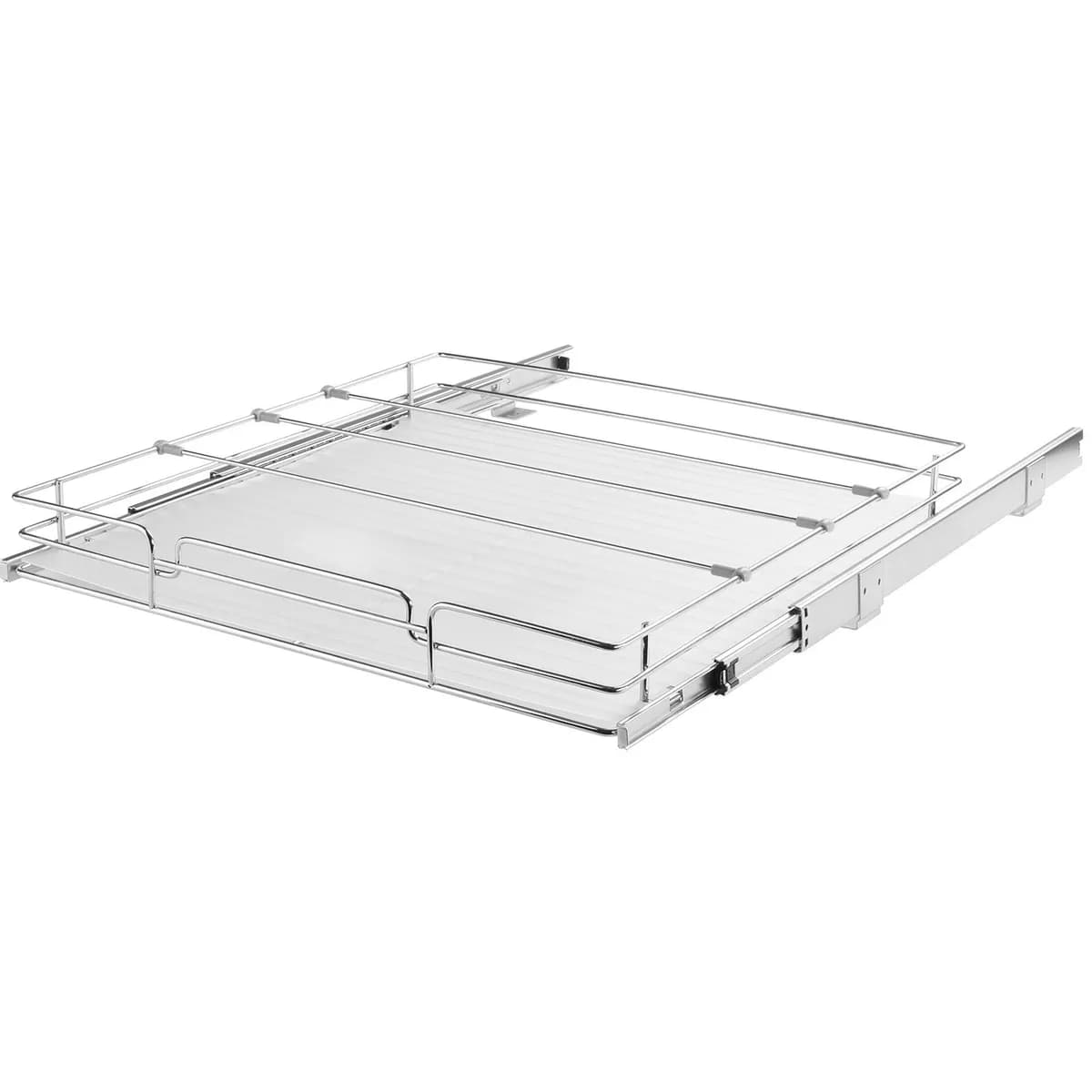
If you want to turn this guide into a real setup, start with Pull-Out Cabinet Organizer, 14 in. Wide and Double-Layer Bamboo Bread Box. For broader options, browse the Kitchen & Dining collection so the article journey does not stop at reading only.
Our practical rule: choose one product that solves the main clutter problem first, then add supporting organizers only when the daily workflow is already clear. This keeps the shopping path useful, not pushy.
FAQ: Frequently Asked Questions About the Best Storage Food Containers
Q: What is the safest material for food storage containers?
Tempered glass and stainless steel are widely considered the safest materials because they are completely non-porous, do not leach chemicals into food, and do not absorb odors or stains. BPA-free plastic is considered safe for food contact when used as directed, though it is best to avoid putting acidic foods in plastic for extended periods.
Q: Can I use food storage containers in the freezer?
Yes, but only if they are specifically labeled freezer-safe. Tempered glass, rigid BPA-free plastic, silicone, and stainless steel containers are all commonly freezer-safe, but always check the product labeling. Leave about an inch of headspace when freezing liquids or semi-liquids, as they expand during freezing.
Q: How long does food last in airtight storage food containers?
Airtight containers significantly extend food freshness compared to loosely covered or open storage. Dry goods like flour and cereal can last months to years in an airtight pantry canister. Refrigerated leftovers in a well-sealed container typically stay fresh three to five days. Freezer storage in airtight containers can safely preserve most foods for three to six months or longer.
Q: How many food storage containers does the average household need?
This varies by household size and cooking habits, but as a general guideline, a household of two to four people benefits from a set of eight to fourteen containers in a variety of sizes. Having at least two or three of each size is practical so you are not washing the same container multiple times per week.
Q: Are glass food storage containers really worth the higher price?
For most regular home cooks, yes. The longer lifespan, better odor and stain resistance, and versatility across oven, microwave, freezer, and dishwasher make glass containers a genuinely cost-effective choice over time. A quality glass set purchased today will likely still be in excellent condition five to ten years from now, which is not typical of most plastic sets.
Q: What size food storage container should I buy for meal prep?
For individual meal prep portions, 3-cup and 4-cup containers are ideal for a single serving of a main dish. A 6-cup to 8-cup container works well for family-size portions or storing a batch of soup or stew. Having a variety of sizes in your collection is the most practical approach.
Conclusion: Finding Your Best Storage Food Containers in 2026
The best storage food containers are not a one-size-fits-all product, and that is actually good news. It means you can build a collection perfectly tailored to your cooking habits, your kitchen size, and your priorities around safety, sustainability, and budget. Whether you go all-in on tempered glass, stick with lightweight BPA-free plastic, or mix materials for different jobs, the key is buying with intention and choosing products that genuinely fit your lifestyle.
Start by identifying your primary pain points. Are you losing food to freezer burn? Struggling with a disorganized pantry? Dealing with leaky containers in your work bag? Once you know the problem, selecting the right containers becomes straightforward.
Ready to upgrade your kitchen storage? Browse the Sesoris food storage collection for a curated selection of high-quality containers designed to help you live more organized. You can also explore all products at Sesoris or check out the best sellers to see what other organized households are choosing right now. A more organized, waste-free kitchen is much closer than you think.
Weekly Home Tips
Get home organization ideas, product picks, and exclusive deals delivered weekly.
No spam. Unsubscribe anytime.
Explore More Articles
- Lidded Food Storage Containers: The Complete 2026 Guide to Fresh, Organized Kitchens
- Storage Containers for Dog Food: Complete 2026 Guide to Keeping Your Pet's Kibble Fresh
- Glass Containers for Food Storage: The Complete 2026 Review & Buying Guide
- 30+ Best Open Shelving Kitchen Ideas to Transform Your Cooking Space in 2026
- 30+ Best Living Room Shelving Ideas to Transform Your Space in 2026
- How to Declutter Office: The Complete 2026 Step-by-Step Guide to a Clean, Productive Workspace
- 25+ Best Lego Organizer Ideas to Tame the Brick Chaos in 2026
- 30+ Best Bathroom Cabinet Ideas to Maximize Every Inch of Your Space in 2026