
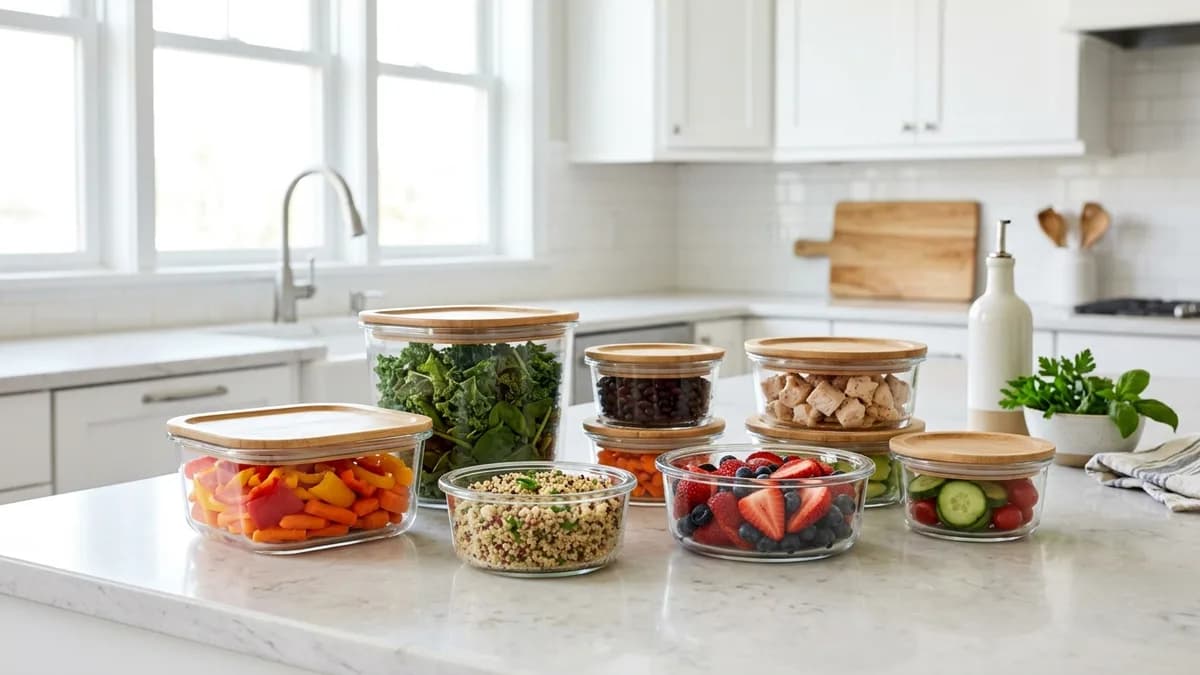
Glass Food Storage Containers with Lid: The Ultimate 2026 Review & Buying Guide
If you have spent any time trying to upgrade your kitchen organization in 2026, you have probably already noticed how popular glass food storage containers with lid have become. And honestly, it makes a lot of sense. Between growing concerns about plastic chemicals leaching into food, a renewed interest in meal prepping, and the simple satisfaction of a fridge that actually looks put-together, glass containers have earned their place as a kitchen staple. I have tested and reviewed a wide range of options available today, and in this guide I am breaking down everything you need to know, from lid types and material quality to sizing, oven safety, and long-term value, so you can shop with total confidence.
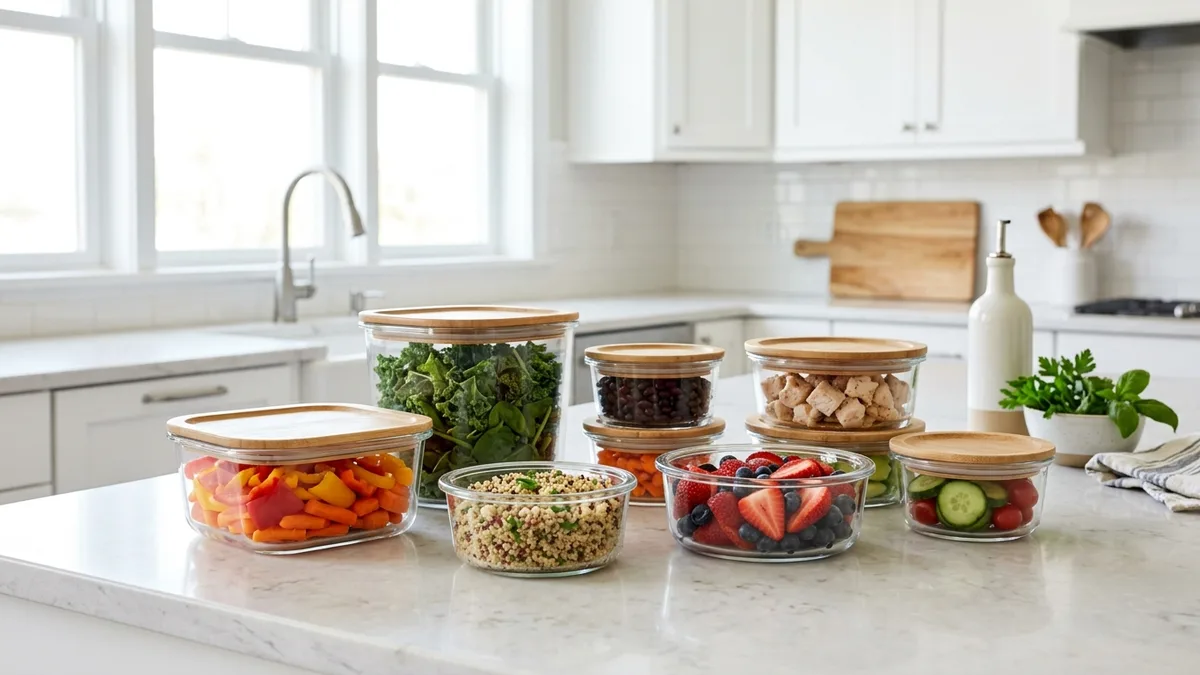
Why Glass Food Storage Containers with Lid Are Worth the Upgrade in 2026
The shift away from plastic toward glass storage is not just a trend. It is backed by real, practical reasons that make a meaningful difference in your daily kitchen routine. According to the FDA, concerns about bisphenol A (BPA) and other plastic additives have led millions of American households to seek safer, more inert storage alternatives. Glass is non-porous and chemically stable, meaning it does not absorb food odors, stains, or bacteria the way plastic can over time.
Beyond safety, glass containers offer a level of versatility that plastic simply cannot match. Most quality glass food storage containers with lid are oven-safe, microwave-safe, freezer-safe, and dishwasher-safe all in one. You can go from storing leftovers in the fridge directly to reheating in the oven without swapping containers. That kind of seamless workflow is a genuine time-saver.
There is also a sustainability angle worth mentioning. Glass containers last for years, sometimes decades, when cared for properly. Over time, you spend less money replacing warped or stained plastic containers. If you are working toward a zero waste kitchen, switching to glass is one of the most impactful changes you can make.
Key Benefits at a Glance
- Non-toxic and BPA-free by nature, with no chemical leaching concerns
- Odor and stain resistant so containers stay looking fresh even after storing tomato sauce or curry
- Oven, microwave, freezer, and dishwasher safe in most quality sets
- Longer lifespan than plastic, making them a smarter long-term investment
- Visually clean and organized appearance in the fridge and pantry
- Eco-friendly since glass is infinitely recyclable
Types of Glass Food Storage Containers with Lid: What the Market Offers in 2026
Not all glass containers are created equal. Once you start shopping, you will quickly notice that the lid is just as important as the container itself. The lid determines how airtight the seal is, how well food stays fresh, and whether the container is truly leak-proof for on-the-go use. Here is a breakdown of the main types you will encounter.
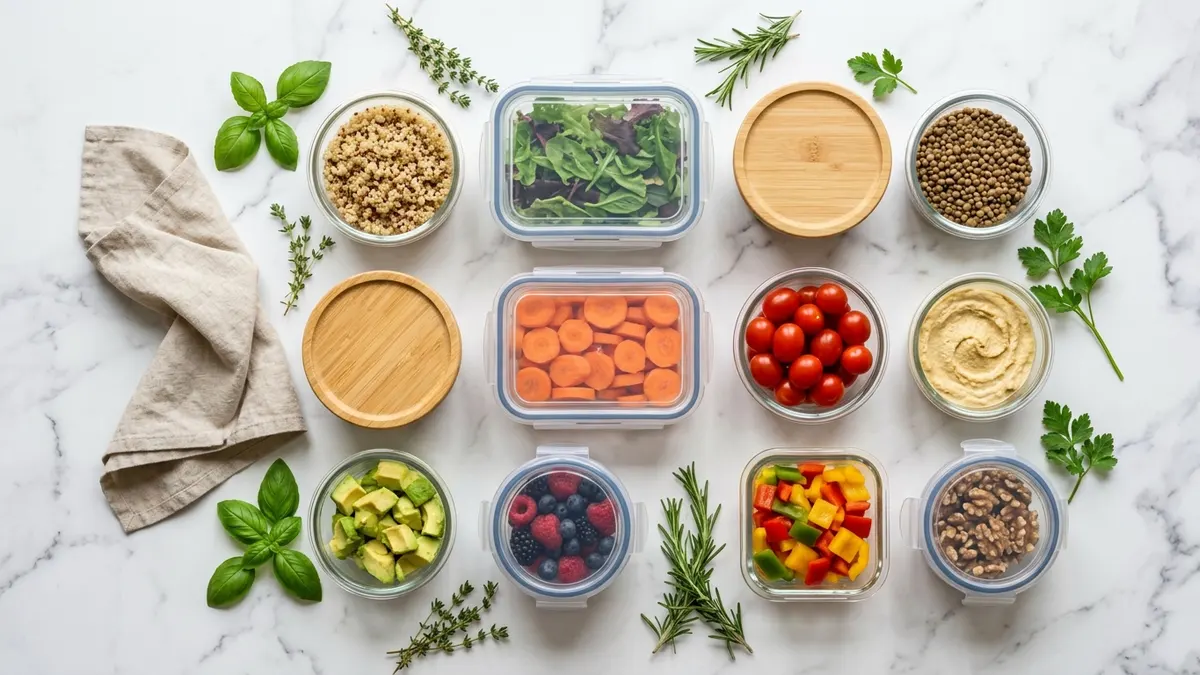
Snap-Lock Plastic Lids
This is the most common lid type you will find. A sturdy plastic lid, usually made from BPA-free polypropylene, snaps onto the glass container with four locking tabs on the sides. The silicone gasket inside the lid creates an airtight, leak-proof seal. These are excellent for meal prep, transporting food, and storing liquids. The lids are typically microwave-safe with the vent open and dishwasher-safe on the top rack. This style is featured in popular sets from brands like Pyrex, Rubbermaid Brilliance, and OXO.
Bamboo and Wood Lids
A style that has grown significantly in popularity in 2026, bamboo lids give glass containers a natural, aesthetic look that pairs beautifully with minimalist kitchen decor. These lids are not typically airtight or leak-proof, making them better suited for dry goods like nuts, granola, coffee, or baked goods rather than moist leftovers. If you love the minimalist kitchen aesthetic, bamboo-lid containers are a gorgeous choice for pantry display.
Glass Lids
Some premium glass food storage containers come with matching tempered glass lids, often with a silicone rim for a secure seal. These are oven-safe with the lid on, making them ideal for baking, roasting, and reheating. The all-glass construction is the most elegant and the easiest to keep stain-free. You can read more about this specific style in our dedicated guide to glass food storage containers with glass lids.
Stainless Steel Lids
A smaller niche but growing option, stainless steel lids pair with glass containers for a sleek, modern look. They are durable and rust-resistant but are generally not microwave-safe. Great for cold storage and pantry use.
How to Choose the Best Glass Food Storage Containers with Lid for Your Needs
With so many options on the market, the right choice comes down to how and where you plan to use your containers. Here are the most important factors I recommend evaluating before you buy.
Glass Type: Borosilicate vs. Soda-Lime
This is one of the most important distinctions in the category and one that many shoppers overlook. There are two main types of glass used in food storage containers.
Borosilicate glass is the premium option. It is engineered to withstand extreme temperature changes without cracking or shattering, a property known as thermal shock resistance. This means you can pull a borosilicate container out of the freezer and place it directly in a preheated oven. It is harder, more durable, and more resistant to scratches. Most European-made containers and many high-end brands use borosilicate glass. The Spruce frequently highlights borosilicate glass as the gold standard for kitchen containers.
Soda-lime glass is the more common and more affordable option. It is still safe and food-grade, but it is not designed for dramatic temperature swings. You should let soda-lime containers come to room temperature before placing them in a hot oven. Pyrex, one of the most recognized names in the US market, switched from borosilicate to soda-lime glass for its US products years ago, which is a detail worth knowing if thermal shock resistance is important to you.
Lid Seal Quality
A glass container is only as good as its lid. Look for lids with a full silicone gasket that runs around the entire interior edge of the lid, not just partial contact points. Four-sided locking tabs are more secure than two-sided versions. If you plan to transport soups, sauces, or smoothies, I strongly recommend testing the leak-proof claim before you rely on it.
Size and Shape Options
Think about your actual storage habits. Rectangular containers stack more efficiently in the fridge and pantry than round ones. Square containers make the most of corner shelf space. A good starter set typically includes sizes ranging from about 0.5 quarts up to 4 quarts to cover individual portions, meal prep batches, and large leftovers. If you are serious about food storage containers for pantry organization, matching sets that nest when empty will save you significant cabinet space.
Oven Safety Rating
Check the maximum oven temperature rating, which is typically stamped on the bottom of the container. Most glass food storage containers with lid are rated up to 425 degrees Fahrenheit, though some premium borosilicate models handle higher temperatures. Always remove plastic or bamboo lids before placing the container in the oven unless the product explicitly states the lid is oven-safe.
Weight and Portability
Glass is heavier than plastic by nature. If you are packing lunch for work or school every day, consider whether the weight is manageable. Some brands offer thinner, lighter glass walls while still maintaining durability. Compact sizes in the 1 to 2 quart range are the most practical for daily transport.
Top Features to Look for in Glass Food Storage Containers with Lid
After testing dozens of sets, here are the specific features that separate the best options from the merely adequate ones.
- Four-tab locking lids with full silicone gaskets for a truly airtight and leak-proof seal
- Tempered glass construction for impact resistance and safety if dropped
- Oven-safe rating of at least 400 degrees Fahrenheit for versatile cooking and reheating
- Freezer-safe design with enough headspace in the container to allow for food expansion
- Dishwasher-safe lids and containers for easy daily cleanup
- Stackable design with flat lids and a stable base so containers do not topple in the fridge
- Clear glass walls so you can always see what is stored inside without opening the lid
- Measurement markings etched or printed on the side for convenient portioning during meal prep
A quality set of glass food storage containers with lid is not just a kitchen tool. It is a commitment to eating better, wasting less, and keeping your space genuinely organized.
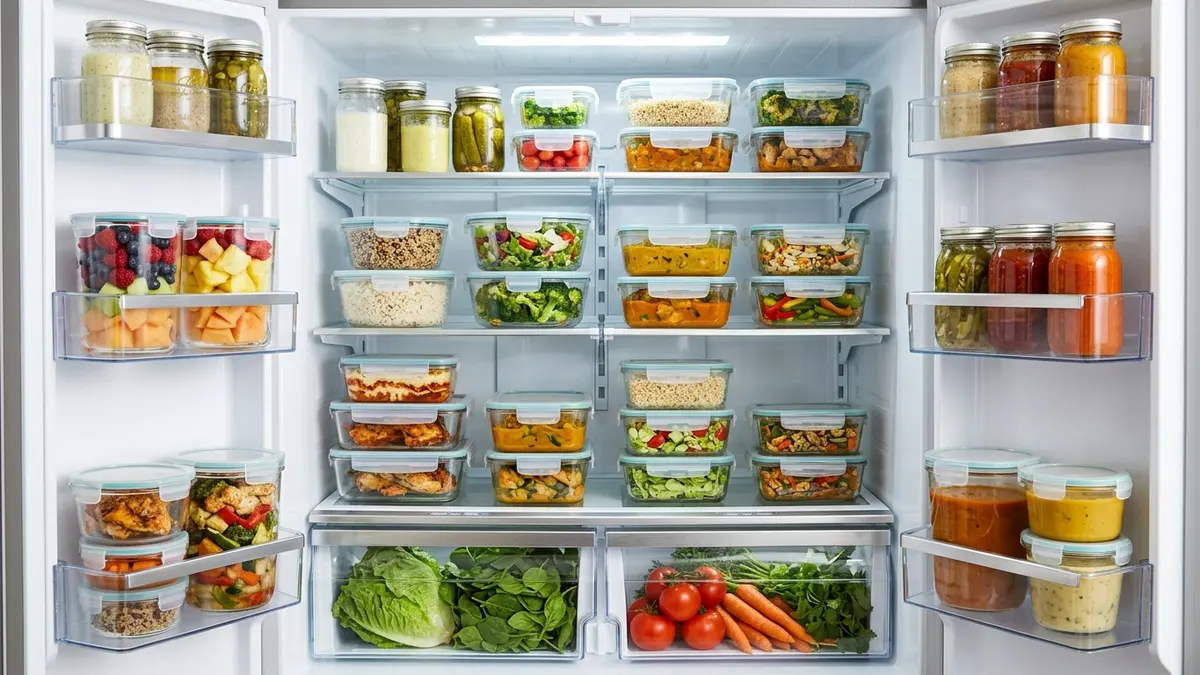
How Glass Food Storage Containers with Lid Perform in Real Kitchen Use
I want to be straightforward here: the performance difference between a budget glass set and a mid-range or premium set is real and noticeable. Here is how the category breaks down in practice.
Budget Sets (Under $30 for 10+ pieces)
You can find large sets at this price point from a variety of brands. The glass is typically soda-lime, the lids may have only two locking tabs, and the silicone gaskets can degrade faster with repeated dishwasher cycles. For basic refrigerator storage of dry ingredients and non-liquid leftovers, these sets work fine. However, I would not rely on them for transporting liquids or frequent oven use.
Mid-Range Sets ($30 to $70 for 5 to 10 pieces)
This is the sweet spot for most American households in 2026. Mid-range sets typically offer tempered glass, four-tab locking lids with quality gaskets, oven safety up to 425 degrees Fahrenheit, and dishwasher compatibility. Brands in this range balance durability with affordability. If you are building out your kitchen food storage containers collection for the first time, I recommend starting here.
Premium Sets ($70 and above)
Premium sets often feature borosilicate glass, superior lid engineering, and more refined aesthetics. These are the containers you keep out on the counter because they look beautiful. If you frequently cook and store in the same vessel or need true thermal shock resistance, the premium investment pays off. Brands like Weck and a number of European imports fall into this tier.
Mixing and Matching Brands
One thing I have learned the hard way: lids from one brand almost never fit containers from another, even if they appear to be the same size. If a lid breaks, you typically need to replace it from the same brand. Check whether the brand you choose offers individual lid replacements before committing to a large set.
Care and Maintenance Tips for Glass Food Storage Containers with Lid
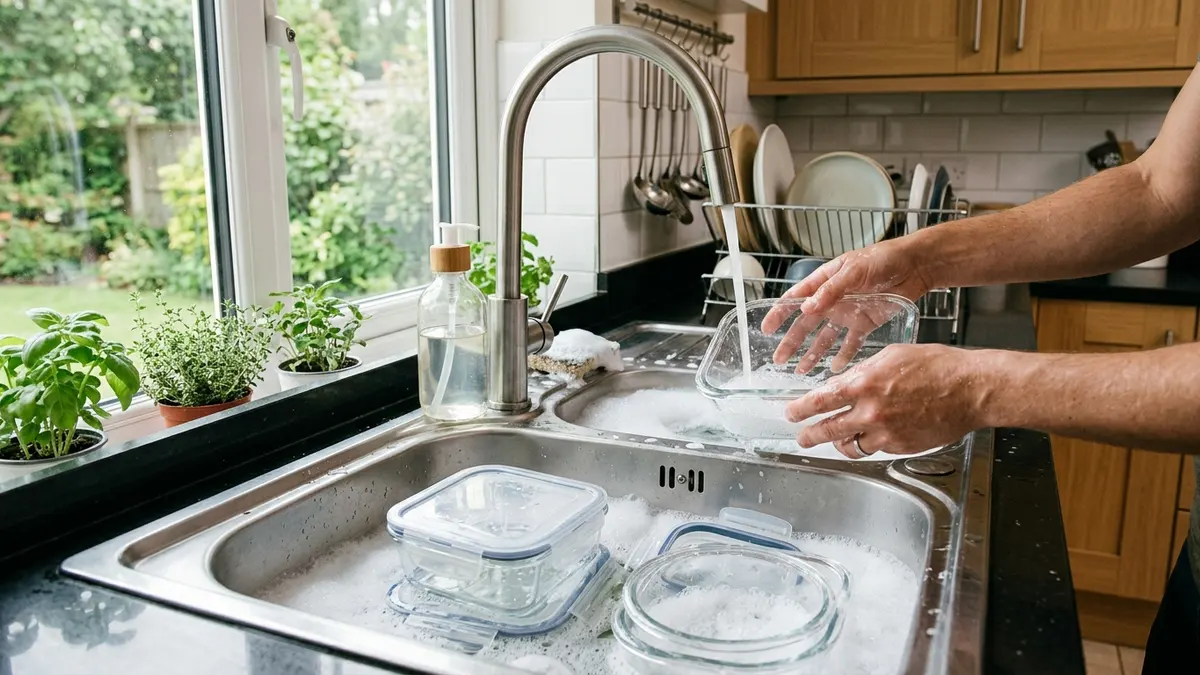
One of the biggest reasons glass containers last so long is that they are easy to care for when you follow a few simple guidelines.
Cleaning
- Wash containers in warm soapy water or on the dishwasher's regular cycle without any concerns about warping or staining
- Wash lids on the top rack of the dishwasher to extend the life of the silicone gasket
- For stubborn food residue, a baking soda paste scrubbed gently with a non-abrasive sponge works better than harsh chemical cleaners
- Remove and hand-wash the silicone gasket periodically if your lids have a removable gasket, since residue can build up underneath
Preventing Thermal Shock
- If you have soda-lime glass containers, always let them adjust to room temperature before moving between extreme hot and cold environments
- Never place a glass container directly on a stovetop burner, even if it is oven-safe
- Avoid adding cold liquid to a hot glass container straight from the oven
Storage
- Stack empty containers inside each other and store lids separately in a designated bin or drawer to save cabinet space
- Check out our guide on storage for food storage containers for smart cabinet organization strategies
- Inspect lids and gaskets periodically for cracks, warping, or deterioration that could compromise the seal
Good Housekeeping recommends replacing silicone gaskets every one to two years with heavy daily use to maintain a proper airtight seal.
Glass Food Storage Containers with Lid vs. Plastic: A Practical Comparison
The debate between glass and plastic storage is one I hear often, and the honest answer is that both have legitimate use cases. Here is a side-by-side look at the most relevant factors for US households.
Safety: Glass wins. It is chemically inert and does not leach any compounds into food, regardless of temperature. Even BPA-free plastics may contain other additives that are not fully studied.
Weight: Plastic wins. Glass is significantly heavier, which matters for kids' lunches and daily commutes.
Durability: It depends. Glass does not warp or scratch and resists staining permanently, but it can shatter if dropped on a hard floor. High-quality plastic flexes and survives drops better.
Versatility: Glass wins for oven use. Plastic containers are never oven-safe.
Eco-footprint: Glass wins long-term. Glass is infinitely recyclable and lasts far longer before needing replacement.
Cost: Plastic wins upfront. Glass sets cost more initially but deliver better long-term value.
For most households, I recommend a hybrid approach. Use glass containers for your regular home meal prep, fridge storage, and reheating. Keep a few lightweight plastic containers in the rotation specifically for kids, gym bags, and situations where dropping is likely. For a deep dive into your plastic options, check our guide to plastic storage containers for food.
Best Uses for Glass Food Storage Containers with Lid in Your Home
Glass containers with lids are genuinely multi-purpose tools. Here are the scenarios where they shine brightest in a typical American household.
- Meal prep: Batch cooking on Sunday and portioning meals for the week in glass containers is one of the most popular uses. The clear glass makes it easy to grab the right container without opening every single one.
- Refrigerator organization: Uniformly sized glass sets create a visually clean, organized fridge. Explore our fridge organization ideas for layout inspiration.
- Leftover storage: Moving leftovers from a baking dish directly into a glass storage container, or using an oven-safe glass container as both the cooking and storage vessel, saves on dishes.
- Pantry storage: Round or square glass containers with bamboo or glass lids look stunning for storing dry goods like pasta, rice, nuts, coffee, and baking ingredients on open shelves.
- Freezer meal prep: Glass containers handle freezing well. Leave about an inch of headspace for liquid-based foods since liquids expand as they freeze.
- Marinating: The non-porous glass surface does not absorb marinade flavors or colors, and the airtight lid keeps everything contained in the fridge.
Related Products from Sesoris
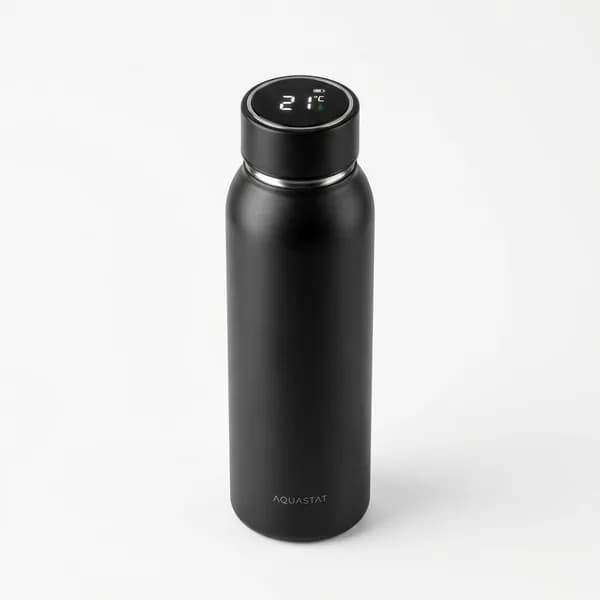
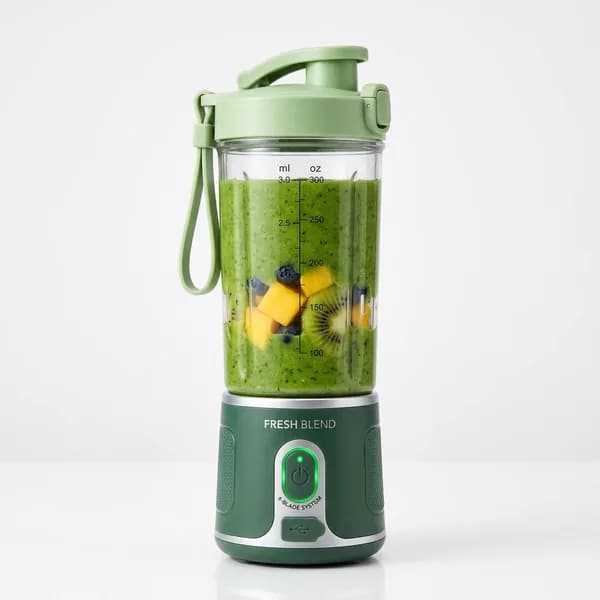
If you want to turn this guide into a real setup, start with Stainless Steel 2-Tier Dish Rack and Portable Blender. For broader options, browse the Kitchen & Dining collection so the article journey does not stop at reading only.
Our practical rule: choose one product that solves the main clutter problem first, then add supporting organizers only when the daily workflow is already clear. This keeps the shopping path useful, not pushy.
FAQ: Frequently Asked Questions About Glass Food Storage Containers with Lid
Q: Are all glass food storage containers with lid oven-safe?
Not all of them. Always check the product's specific oven-safe rating, which is usually printed on the bottom of the container or listed in the product description. Most quality glass containers are oven-safe up to 400 to 450 degrees Fahrenheit, but the lid material matters too. Plastic and bamboo lids should always be removed before placing the container in the oven. Only glass lids rated for oven use can go in with the container.
Q: Can I put glass food storage containers with lid in the microwave?
Yes, in most cases. However, always leave the lid slightly vented or cracked when microwaving to allow steam to escape and prevent pressure buildup. Some snap-lock lids have a built-in steam vent for this purpose. Never microwave a container with the lid fully sealed.
Q: How do I know if my glass containers are borosilicate or soda-lime glass?
The product listing or packaging will typically specify the glass type. If it does not, you can assume it is soda-lime glass. Borosilicate is a premium feature that brands always market prominently. You can also check Wikipedia's overview of borosilicate glass to understand the technical differences.
Q: How long do glass food storage containers with lid typically last?
The glass body itself can last for decades if it is not dropped or subjected to thermal shock. The lids, particularly the silicone gaskets, have a shorter lifespan. With regular dishwasher use, expect to replace gaskets or lids every one to three years to maintain an airtight seal.
Q: What sizes should I buy for a complete set?
A practical starter set for a household of two to four people would include at least two small containers around 0.5 to 1 quart for individual snacks and portions, two to three medium containers around 1.5 to 2 quarts for side dishes and leftovers, and one or two large containers around 3 to 4 quarts for soups, big batch meals, and salads.
Q: Are glass food storage containers with lid safe for children's lunches?
They can be, but the weight and breakability of glass are real considerations for school-aged children. For younger kids, lightweight BPA-free plastic or stainless steel containers may be more practical for daily lunch use. For teens and adults, glass containers work well in lunch bags with a protective sleeve.
Q: Do glass containers keep food fresh longer than plastic?
The airtightness of the lid is the primary factor in food freshness, not whether the container is glass or plastic. However, because glass does not absorb odors or harbor bacteria in microscopic scratches the way plastic can, glass containers stay cleaner over time and are less likely to impart off-flavors to stored food.
Conclusion
After thoroughly reviewing what is available in 2026, I can confidently say that glass food storage containers with lid represent one of the smartest investments you can make for your kitchen and your household's overall health and organization. The combination of safety, versatility, durability, and clean aesthetics is hard to beat. Whether you are setting up a meal prep routine, organizing your fridge and pantry, or simply replacing a drawer full of mismatched plastic containers, a quality glass set will genuinely improve your daily kitchen experience. Look for four-tab locking lids, tempered or borosilicate glass, and a range of sizes that covers your real cooking habits. If you are ready to upgrade your food storage setup, browse the Sesoris collections to find kitchen organization essentials that help you live more organized every single day. You can also check out our best sellers and new arrivals for the freshest picks of 2026.
Weekly Home Tips
Get home organization ideas, product picks, and exclusive deals delivered weekly.
No spam. Unsubscribe anytime.
Explore More Articles
- How to Organize a Tiny Kitchen: 20+ Smart Ideas for 2026
- 30+ Storage Organizer Ideas for a Tidy Home 2026
- 30+ Kitchen Wall Shelf Ideas for a Tidy, Stylish Kitchen
- Glass Containers Food Storage: The Ultimate Inspiration Guide to a Beautiful, Organized Kitchen in 2026
- 25+ Best DIY Garage Storage Solutions to Transform Your Space in 2026
- Home Office Organizer: How to Set Up a Productive Workspace
- 3-Tier Spice Rack Review: Is It Worth It in 2026?
- L-Shaped Kitchen Design: The Most Efficient Layout