
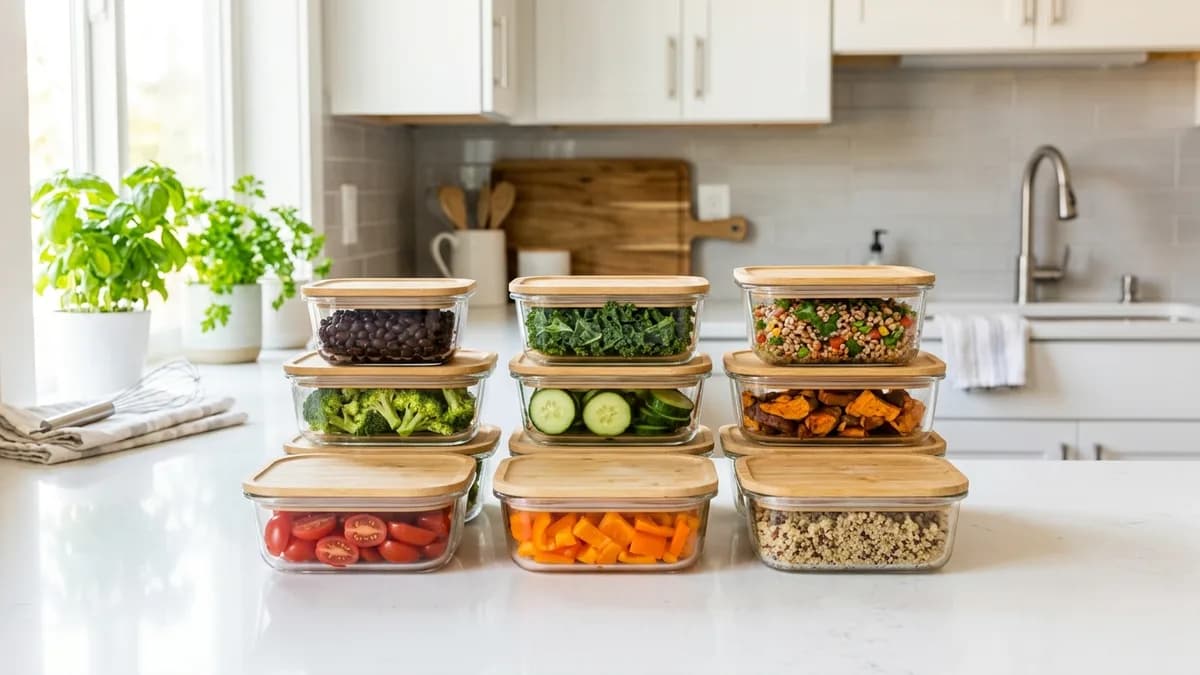
Glassware Food Storage Containers: The Complete 2026 Guide to Fresh, Safe Kitchen Organization
If you're serious about keeping your food fresher, your kitchen cleaner, and your lifestyle healthier, making the switch to glassware food storage containers is one of the smartest upgrades you can make in 2026. Whether you're a dedicated meal prepper, a parent trying to pack safer lunches, or simply someone who wants a more organized fridge and pantry, glass containers offer a level of performance and peace of mind that plastic just can't match. In this complete guide, I'll walk you through everything you need to know about glassware food storage containers, from the different types available to how to choose the right set, care for them properly, and use them to transform your kitchen organization from the inside out.
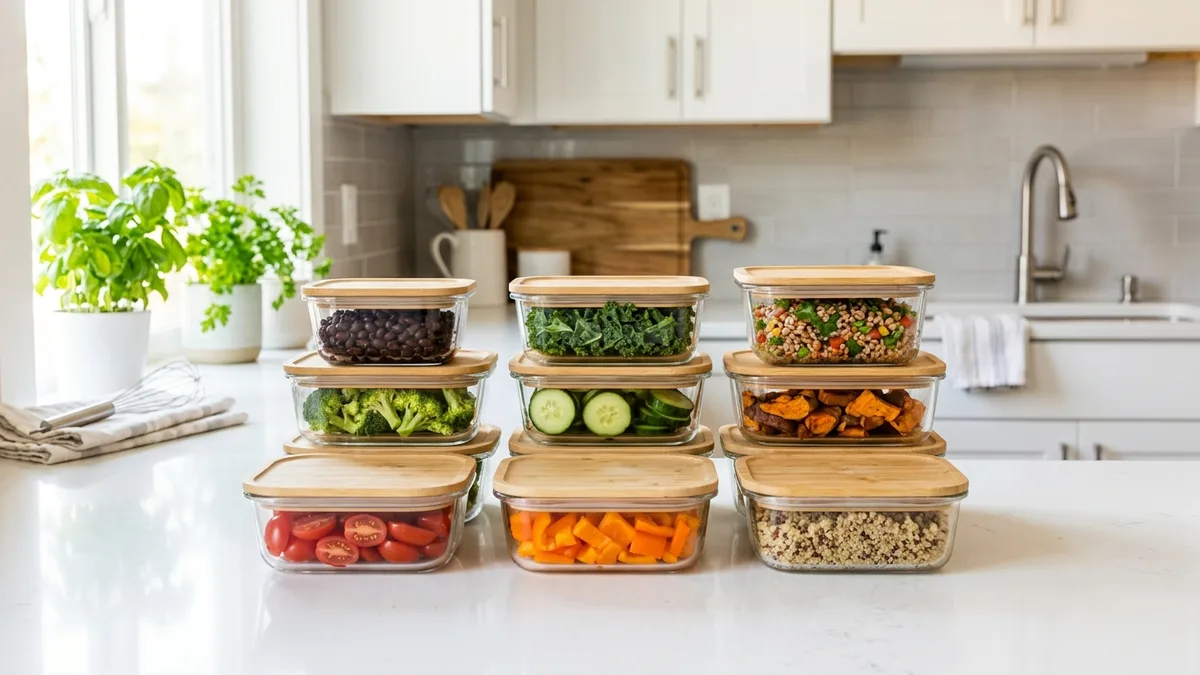
Why Glassware Food Storage Containers Are Worth the Investment in 2026
The conversation around food storage has shifted dramatically over the past few years, and in 2026, more American households are ditching plastic containers in favor of glass. The reasons are clear and compelling. Glass is non-porous, meaning it won't absorb food odors, stains, or bacteria the way plastic often does. It's also completely free from chemicals like BPA and phthalates, which have raised health concerns with plastic containers. According to the FDA's guidance on food-safe materials, glass is one of the most chemically stable materials approved for food contact, making it a gold standard for safe storage.
Beyond safety, glassware food storage containers are simply more versatile. You can move them directly from the freezer to the oven (with oven-safe glass), from the fridge to the microwave, and right onto the dinner table without needing to transfer food to another dish. This saves time, reduces dishes, and keeps your meals looking great. For anyone trying to live more sustainably, glass containers are also a genuinely eco-friendly choice because they're designed to last for years and are fully recyclable at the end of their life.
For more on building a healthy, organized kitchen from the ground up, check out our guide on best food storage solutions for your kitchen.
The Health Argument for Going Glass
One of the most compelling reasons American families are making the switch is the health benefit. Plastic containers, especially when exposed to heat, can leach chemical compounds into food. Glass eliminates this risk entirely. When you reheat last night's leftovers in a glass container, you can feel confident that nothing unwanted is migrating into your meal. This is especially important for families with young children, pregnant women, or anyone following a clean-eating lifestyle.
- No BPA or chemical leaching even when heated in a microwave or oven
- Non-porous surface prevents bacteria and mold from taking hold between uses
- Odor and stain resistant, so your containers stay fresh-smelling and crystal clear for years
- Preserves food flavor without absorbing or transferring any off-tastes
- Dishwasher safe on most models, making cleanup genuinely easy
Types of Glassware Food Storage Containers: Which One Is Right for You?
Not all glassware food storage containers are created equal. Understanding the differences between the main types will help you build a set that actually fits your kitchen habits and lifestyle.
Borosilicate Glass vs. Soda-Lime Glass
The first decision you'll face when shopping for glass containers is the type of glass itself. There are two main categories:
Borosilicate glass is the premium option. It's made with boron trioxide, which gives it exceptional resistance to thermal shock, meaning it can handle going from a hot oven to a cold countertop without cracking. It's also slightly lighter than soda-lime glass for the same wall thickness. Most high-quality kitchen glass containers, including well-known brands popular in the US market, use borosilicate glass for exactly this reason.
Soda-lime glass is the more common, budget-friendly option. It's the same type of glass used in everyday drinking glasses and mason jars. While it's perfectly safe and durable for most food storage purposes, it's more vulnerable to rapid temperature changes and shouldn't be moved directly from freezer to hot oven.
For everyday meal prep, fridge storage, and pantry organization, soda-lime glass containers work beautifully. If you want to use your containers for oven cooking and reheating as well, borosilicate is worth the extra investment.
Lid Types: Snap-Lock, Screw-Top, and Glass Lids
The lid is just as important as the container itself. Here's a breakdown of the most common options you'll find in 2026:
- Snap-lock plastic lids with silicone gaskets are the most popular type in the US. They create an airtight, leak-proof seal that's ideal for soups, sauces, and anything you're carrying in a bag. The lids are typically BPA-free plastic and are usually dishwasher safe on the top rack.
- Glass lids give a sleek, chemical-free look and feel, and they're great for oven use when oven-safe. They don't always create a fully airtight seal, but they work wonderfully for leftovers you'll access frequently.
- Screw-top lids are common on mason jar-style containers and work well for pantry storage of dry goods, overnight oats, or dressings. They're secure but may not be as leak-proof as snap-lock designs for liquid-heavy foods.
- Bamboo lids are an eco-friendly trend gaining popularity in 2026. They look beautiful on open shelving and work well for pantry storage, but they aren't dishwasher safe and shouldn't be used for very wet or acidic foods.
For a deeper dive into lid options and how to maintain them, our article on food storage containers with lids has everything you need.
Container Shapes and Sizes
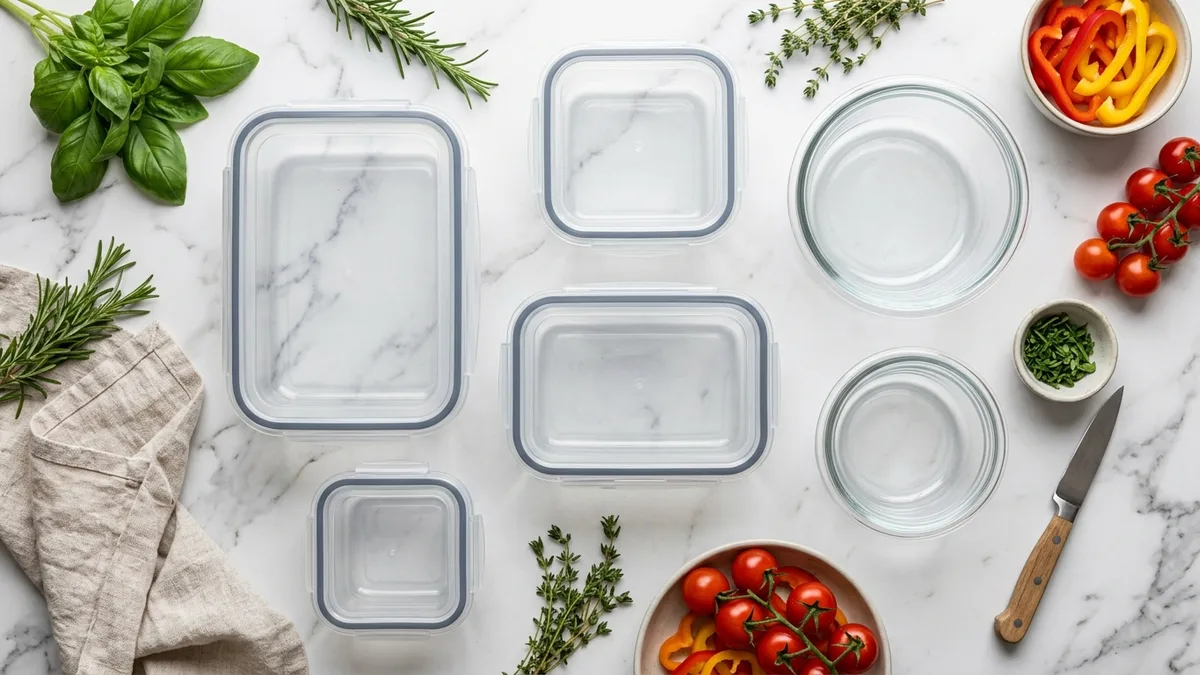
Glass containers come in a wide range of shapes, each with its own strengths:
- Rectangular containers are the most efficient for fridge and freezer stacking. They maximize space and are ideal for meal prepped portions, marinating meats, and storing sliced produce.
- Square containers are excellent for pantry organization and fit neatly side by side on shelves. They're great for snacks, nuts, and dry ingredients.
- Round containers mimic traditional bowls and are perfect for soups, stews, salads, and anything you'll eat directly from the container.
- Shallow baking dish style containers double as oven-safe bakeware and storage, letting you cook, store, and reheat in a single vessel.
Pro tip: Building your glass container set around rectangular shapes first gives you the most flexibility. You can always add specialty sizes and shapes as your needs grow.
How to Choose the Best Glassware Food Storage Containers for Your Home
With so many options on the market in 2026, it helps to have a clear checklist before you buy. Here's what I always consider when evaluating glass food containers:
Key Features to Evaluate
Oven safety rating: If you want to use your containers for cooking as well as storage, check that they're rated for oven use and at what temperature. Many borosilicate glass containers are safe up to 450 degrees Fahrenheit, which covers most home baking and roasting.
Freezer safety: Look for containers that are explicitly rated for freezer use. When freezing liquids, always leave at least an inch of headspace to allow for expansion and prevent cracking.
Microwave safety: Most glass containers are microwave safe, but always remove plastic lids before microwaving unless the lid is specifically labeled microwave safe.
Dishwasher safety: Almost all glass containers are dishwasher safe on any rack. Plastic lids are typically top-rack only to prevent warping from the heating element.
Stackability: Look for flat lids and consistent sizing across a product line so containers stack cleanly in your fridge and cabinets.
Set composition: Many brands sell containers in sets of 5, 10, or even 18 pieces in a range of sizes. Buying a set is almost always more cost-effective than purchasing individual pieces, and you'll end up with a cohesive, stackable system.
Weight: Glass containers are heavier than plastic by nature. If you carry lunch to work daily, consider compact quart-sized containers or look for borosilicate options, which tend to be slightly lighter.
Sizing Guide for Common Kitchen Needs
- 1 cup (8 fl oz): Perfect for individual dips, sauces, dressings, and snack portions
- 2 cups (1 pint): Great for single-serving soups, salads, and overnight oats
- 4 cups (1 quart): The workhorse size for meal prepped entrees, marinated proteins, and large salads
- 6 to 8 cups (1.5 to 2 quarts): Ideal for batch-cooked grains, pasta dishes, and family-sized leftovers
- 10 to 12 cups (2.5 to 3 quarts): Best for large casseroles, party dips, and bulk pantry storage
According to Good Housekeeping's kitchen organization experts, starting with a mixed set of three to four sizes covers the vast majority of everyday food storage needs for a household of two to four people.
Organizing Your Kitchen with Glassware Food Storage Containers
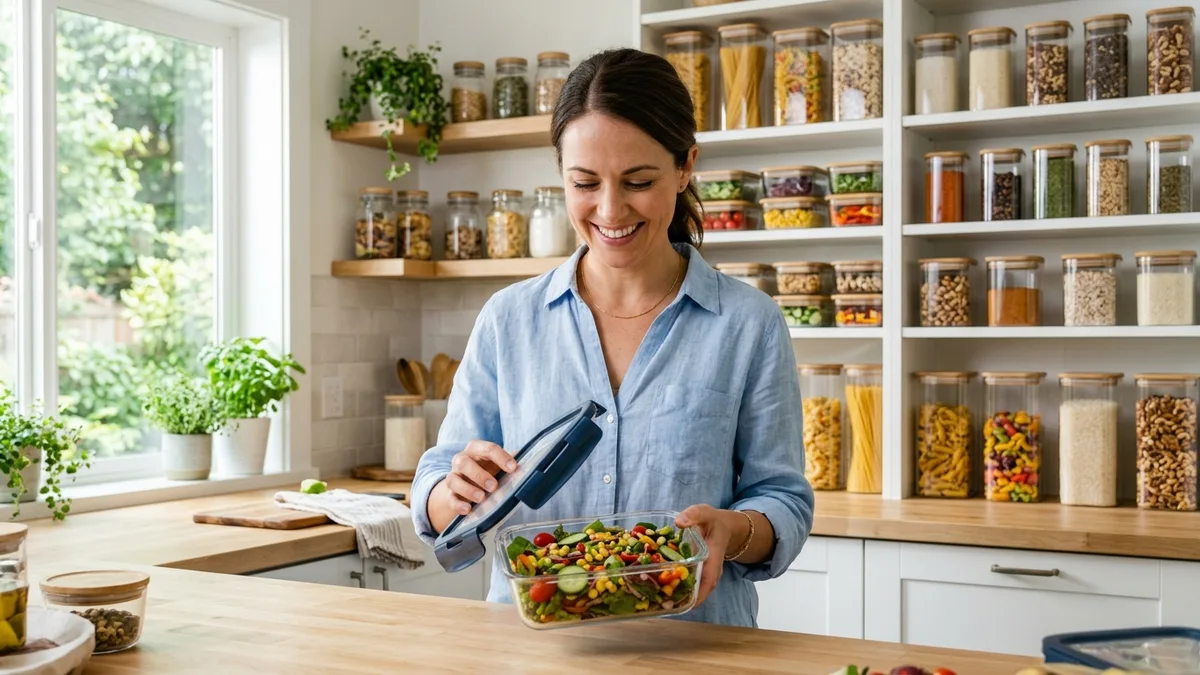
Switching to glass containers isn't just about food safety, it's a genuine lifestyle upgrade for your entire kitchen organization system. Glass containers are beautiful enough to leave out on open shelving, stack cleanly in cabinets, and create a visually calm, organized fridge that makes meal planning easier.
Fridge Organization with Glass Containers
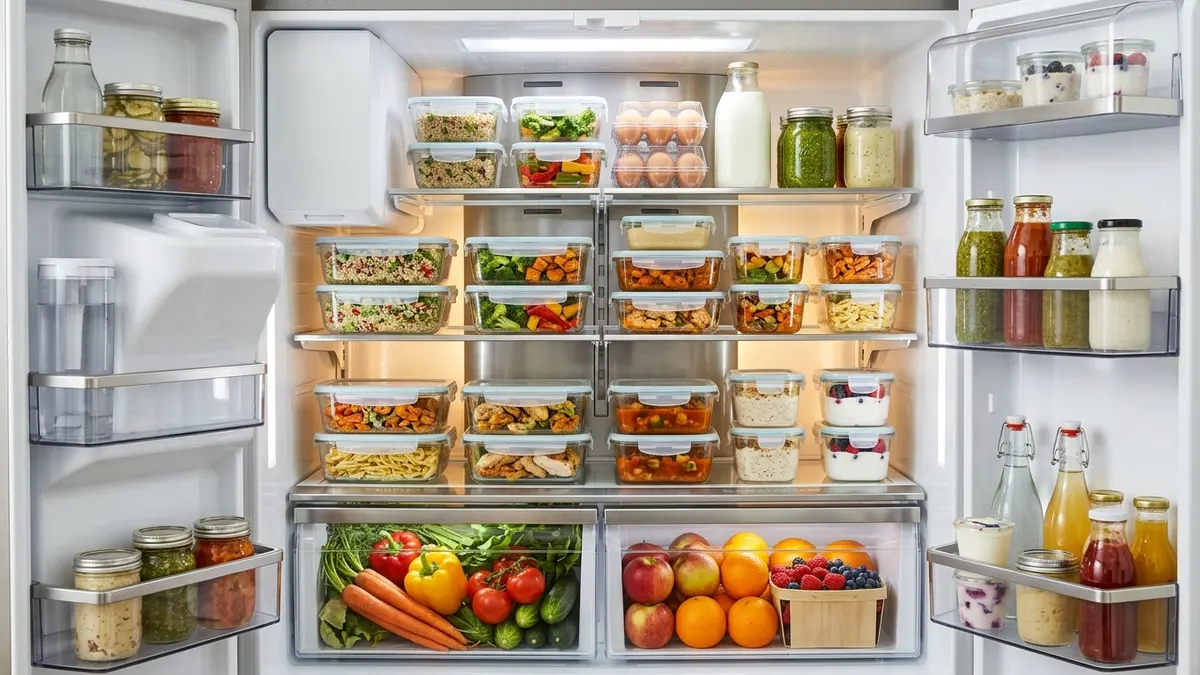
One of the biggest wins of switching to glassware food storage containers is how dramatically they improve fridge organization. Because glass is clear, you can see exactly what's inside every container without opening it, which means less food waste and more intentional meal planning.
Here's a simple system that works beautifully:
- Dedicate one fridge shelf to meal prepped proteins and grains in rectangular containers. Keep them at eye level so they're the first thing you reach for.
- Use the next shelf for produce and dairy in round or square containers. Pre-washed and prepped vegetables stored in glass stay fresher longer than in plastic.
- Reserve the bottom shelf or crisper drawers for larger containers holding soups, stews, or batch sauces.
- Use the door shelves for smaller containers of condiments, dressings, and individual portions.
- Label containers with reusable silicone labels or painter's tape and a marker to note contents and prep dates.
For even more fridge organization inspiration, our guide on fridge organization ideas is packed with practical tips.
Pantry and Countertop Organization
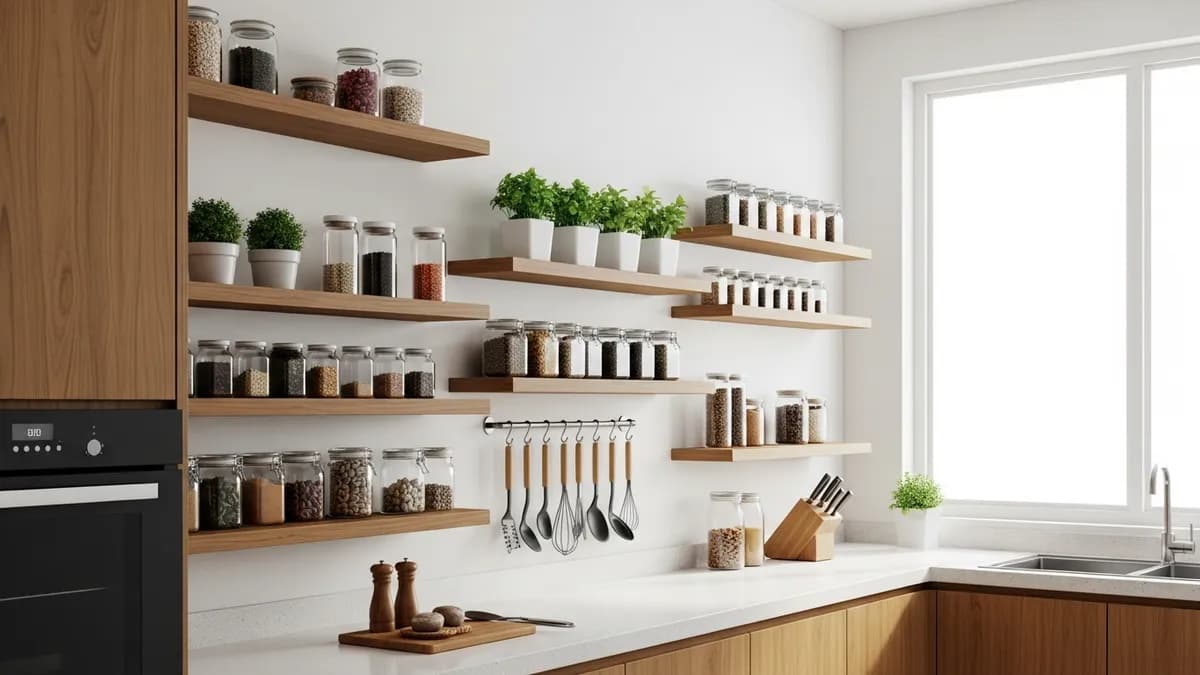
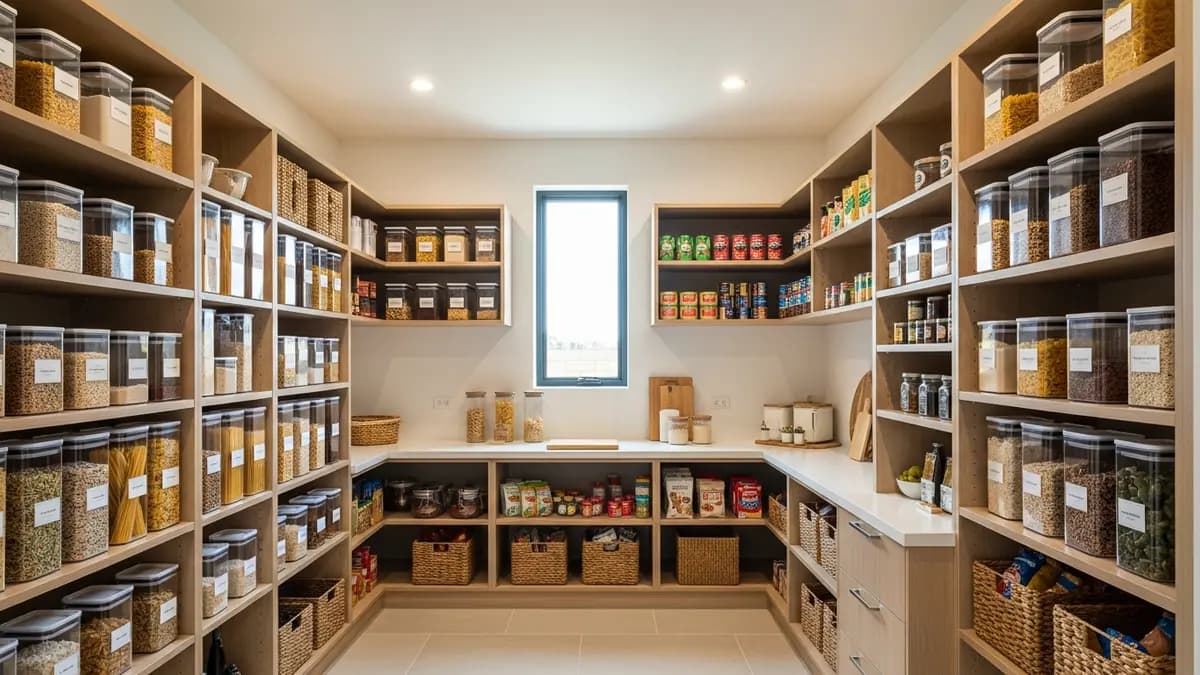
Glass containers aren't limited to the fridge. In the pantry, they work brilliantly for storing dry goods like flour, sugar, rice, pasta, nuts, seeds, and coffee. Clear glass lets you see at a glance when you're running low, and a row of matching glass jars on a pantry shelf or open countertop shelf creates an instantly polished, organized look.
- Transfer bulk dry goods from bags and boxes into labeled glass containers as soon as you bring them home
- Group similar items together, baking ingredients on one shelf, grains and legumes on another
- Use square or rectangular containers for pantry storage since they make the most efficient use of shelf space
- Keep frequently used items at eye level and lesser-used items on higher or lower shelves
If you're working on a full pantry overhaul, check out our pantry food storage containers guide for a complete system.
Meal Prep Made Easier
Glassware food storage containers are a meal prepper's best friend. You can roast vegetables in a glass baking dish, portion individual servings into smaller glass containers, and stack them in the fridge for the week ahead. Everything goes from oven to container to fridge to microwave without ever transferring to a different vessel. This isn't just convenient, it's a genuine time-saver that makes healthy eating significantly easier to sustain week after week.
The best meal prep system is one you'll actually stick with. Glass containers make the process feel less like a chore and more like an organized, satisfying ritual.
Caring for Your Glassware Food Storage Containers
One of the best things about glass containers is how little maintenance they actually require. With a few simple habits, a good set of glass containers can last a decade or more.
Cleaning and Dishwasher Use
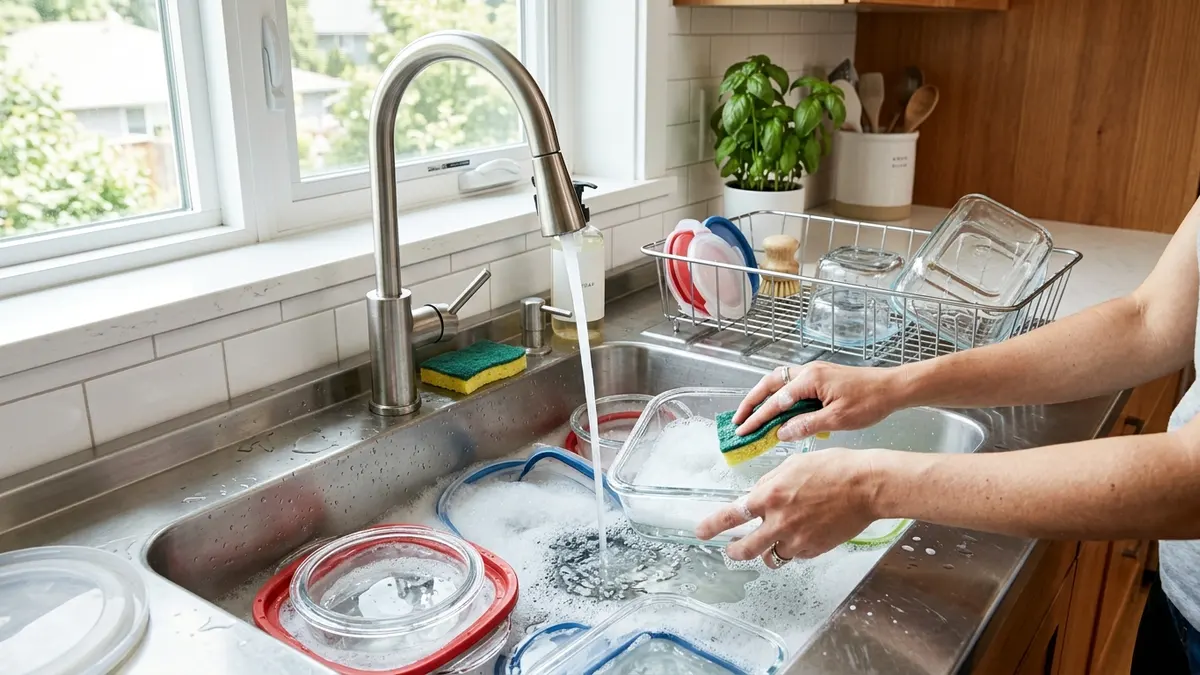
Glass containers are almost universally dishwasher safe and can go on any rack. The glass itself will never warp, fade, or become cloudy from repeated dishwasher cycles the way plastic does. For plastic or bamboo lids, always check the manufacturer's instructions, as most recommend top-rack placement only.
For stuck-on food, a short soak in warm soapy water followed by a non-abrasive sponge is all you need. Glass surfaces don't scratch easily, but avoid steel wool pads, which can leave tiny scratches that trap bacteria over time.
Preventing Thermal Shock
The main vulnerability of glass containers is thermal shock, which is what happens when glass is exposed to a sudden and dramatic change in temperature. To avoid cracking or shattering:
- Never place a frozen glass container directly into a preheated oven
- Allow glass containers that have been in the oven to cool on a trivet before placing them in the fridge
- When taking glass from the freezer, let it thaw at room temperature or in the fridge before microwaving
- Avoid placing hot glass containers on cold, wet countertops
If you've invested in borosilicate glass, you have much more flexibility with temperature transitions, but it's still good practice to avoid the most extreme changes.
Storing Your Glass Containers
Cabinet organization for glass containers is straightforward with a few good habits:
- Nest containers by size and store matching lids separately in a lid organizer or standing upright in a deep drawer
- Use a pull-out shelf or deep drawer dedicated to containers so you can access any size without unloading the entire cabinet
- Stack containers upside down with lids stored separately to prevent moisture buildup inside stored containers
- Keep a consistent set rather than mixing many different brands, because consistent sizing makes stacking and storage dramatically easier
For complete guidance on organizing your food storage container collection, our article on storage for food storage containers walks through the best cabinet and drawer organization systems.
Glassware Food Storage Containers vs. Other Materials: A Practical Comparison
Glass is the gold standard for food storage, but it's worth understanding how it stacks up against the alternatives so you can make the right choice for every situation in your kitchen.
Glass vs. Plastic: Plastic is lighter and cheaper upfront, but it stains, absorbs odors, and can harbor bacteria in scratches over time. Most glass containers outlast plastic by years, making them more cost-effective in the long run. For anyone concerned about chemical exposure from heat, glass is the clear winner.
Glass vs. Stainless Steel: Stainless steel containers are extremely durable, lightweight, and great for packing lunches or outdoor use. However, they're opaque, which means you can't see what's inside without opening them, and they're not microwave safe. Glass wins for fridge and oven versatility.
Glass vs. Silicone: Silicone containers are flexible, lightweight, and increasingly popular for on-the-go use. They're great for small children's lunches. However, silicone can absorb odors over time and doesn't offer the same rigid structure as glass for stacking and organizing.
For a balanced view of plastic options that are still BPA-free and food safe, our plastic storage containers food guide offers a great complementary perspective.
According to The Spruce's kitchen editors, glass containers are consistently rated as the top choice for households that prioritize food safety, long-term value, and kitchen aesthetics simultaneously.
Related Products from Sesoris
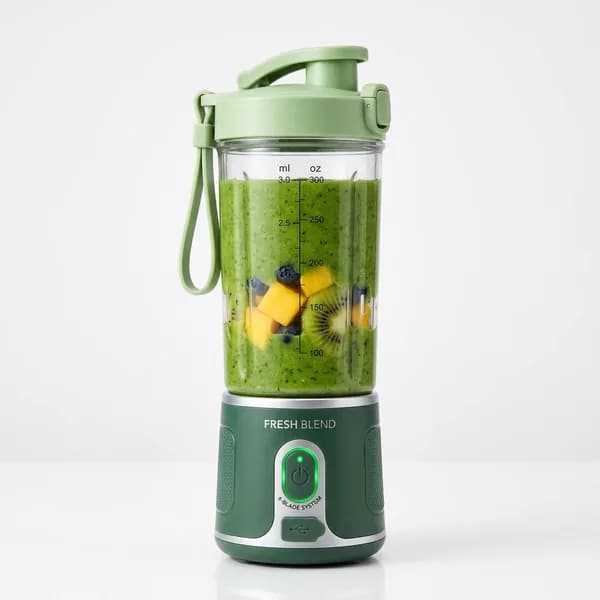
If you want to turn this guide into a real setup, start with Stainless Steel 2-Tier Dish Rack and Portable Blender. For broader options, browse the Kitchen & Dining collection so the article journey does not stop at reading only.
Our practical rule: choose one product that solves the main clutter problem first, then add supporting organizers only when the daily workflow is already clear. This keeps the shopping path useful, not pushy.
FAQ: Frequently Asked Questions About Glassware Food Storage Containers
Q: Can glassware food storage containers go in the oven?
Many glass containers are oven safe, but it depends on the type of glass and the specific product. Containers made from borosilicate glass are typically rated for oven use up to 450 degrees Fahrenheit. Soda-lime glass containers may crack under oven heat unless they are specifically labeled as oven safe. Always check the manufacturer's labeling and remove plastic lids before placing any glass container in the oven.
Q: Are glassware food storage containers freezer safe?
Most glass containers can safely go in the freezer. The key is to leave adequate headspace, at least 1 inch, when storing liquids or foods with high water content, since liquids expand as they freeze and can crack glass if there's no room. Allow the container to thaw slowly in the fridge rather than moving it directly to a hot oven.
Q: How long can food last in glass containers compared to plastic?
Because glass is non-porous and doesn't absorb odors or bacteria, food stored in glass containers often stays fresher tasting for longer than food stored in scratched or stained plastic. The actual food safety timeline depends on the food itself and refrigeration temperature, but glass won't contribute any off-flavors or chemical interactions that could degrade food quality.
Q: Are glass food containers worth the higher upfront cost?
In most cases, yes. A quality set of glass containers can last 10 years or more with basic care, whereas plastic containers typically need replacing every few years due to staining, warping, and wear. When you factor in the longevity and the health benefits, glass containers represent strong long-term value for most American households.
Q: What's the best way to remove food smells from glass containers?
Glass is naturally odor-resistant, but if a strong-smelling food like garlic or fish has left a trace, fill the container with a mixture of water and baking soda, let it sit for a few hours, then wash normally. Alternatively, a soak in diluted white vinegar works well too. Avoid sealing a container with the lid on immediately after washing, allow it to air dry completely first.
Q: Can I use glassware food storage containers for liquids?
Absolutely, as long as the lid creates a proper seal. Containers with snap-lock lids and silicone gaskets are the best choice for soups, sauces, smoothies, and other liquids since they create a leak-proof seal. Glass lid containers work well for liquids you'll access frequently but aren't ideal for transporting in a bag.
Conclusion
Upgrading to glassware food storage containers is one of the most practical, health-conscious, and lifestyle-enhancing kitchen decisions you can make in 2026. From safer food storage free of harmful chemicals to a beautifully organized fridge, freezer, and pantry, glass containers deliver benefits that go well beyond just holding your leftovers. They're durable, eco-friendly, endlessly versatile, and genuinely elevate the everyday experience of cooking and eating at home. Whether you're starting with a single set to test the waters or going all-in on a complete kitchen overhaul, the investment pays dividends in freshness, safety, and kitchen clarity every single day. Ready to start building your ideal glass container collection? Explore our full range of home organization and kitchen storage solutions at Sesoris and find everything you need to live more organized. You can also browse our best sellers for the most popular picks from the Sesoris community, or check out our new arrivals for the freshest kitchen organization finds of 2026.
Weekly Home Tips
Get home organization ideas, product picks, and exclusive deals delivered weekly.
No spam. Unsubscribe anytime.

Explore More Articles
- Home Decluttering Guide for Beginners
- Zero Waste Kitchen: A Practical Guide
- Laundry Room Organization IKEA: 25+ Smart Ideas to Transform Your Space in 2026
- Complete Guide to Closet Organization: Transform Your Wardrobe in 2026
- 30 Brilliant Blanket Storage Ideas for Living Room: Transform Your Cozy Space in 2026
- Stackable Plastic Spice Racks: Ultimate Guide to Organized Kitchen Storage in 2026
- 30+ Brilliant Bathroom Closet Organization Ideas to Transform Your Storage Space in 2026
- Shoe Storage Ideas for Garage Spaces: A Homeowner's Guide