
How to Declutter Your Home: Complete 2026 Guide
Learn how to declutter your home with practical steps, beginner tips, and smart storage solutions. Start building a tidier, calmer home today.
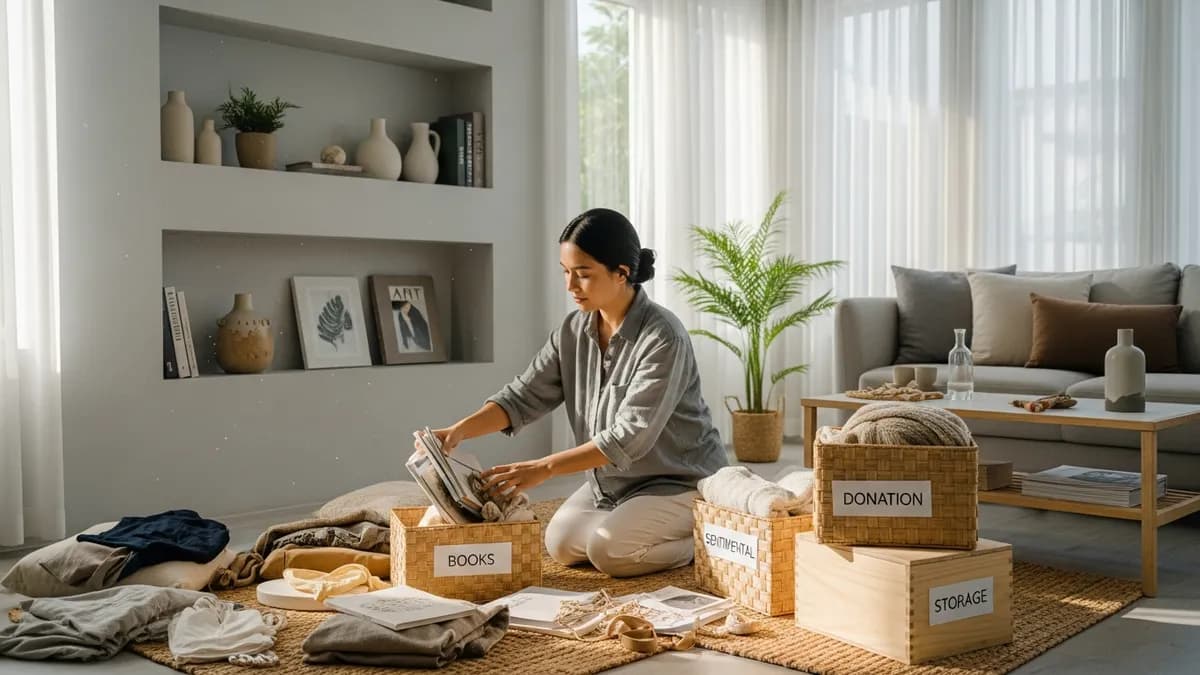
Have you ever felt suffocated the moment you walked into your own home? Piles of stuff in the corners, closets that will not close, and tables covered in unused items are all signs that it is time to get serious about learning how to declutter your home. In 2026, more and more families are realizing that a clean, organized home is not just about aesthetics; it has a direct impact on everyday comfort and wellbeing. This article is a complete, practical guide, from the first step that is often the hardest to start, all the way to the storage systems that will keep your home tidy for the long haul.
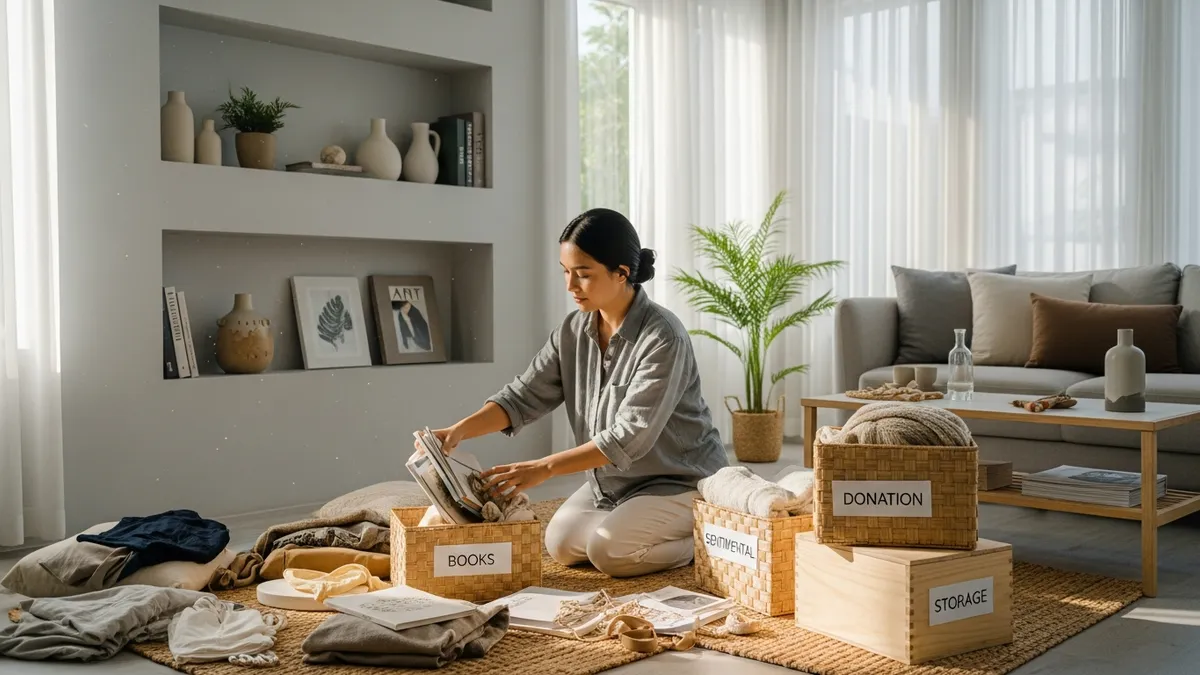
What Is Decluttering and Why It Matters for Your Home
Decluttering is the process of sorting through and letting go of things you no longer need, no longer use, or that no longer add value to your life. The term comes from the word *clutter*, meaning a mess or a pile of unused stuff. Simply put, decluttering means clearing your home of excess belongings so every corner of every room can function at its best.
A messy home is not just an eyesore. Research on visual clutter published on PubMed shows that multiple visual stimuli compete for our attention. Another study on home descriptions, mood, and cortisol patterns found a correlation between homes described as cluttered or unfinished and stress indicators in the sample studied. Those findings do not prove cause and effect, but they are reason enough to test whether a more orderly space makes your daily routine feel lighter.
Beyond the psychological benefits, decluttering also brings practical advantages such as:
- Rooms feel more spacious, even though the physical size of the home has not changed
- Cleanliness is easier to maintain, because there are fewer hard-to-clean surfaces
- You find things faster, making your daily routine more efficient
- Better indoor air quality, because dust cannot easily build up on unused items
- You save money, because you stop buying things you already own but could not see
Before You Start: The Mindset and Supplies for Decluttering Your Home
Many people fail at decluttering not because they lack motivation, but because they lack preparation. Before you begin, there are two things to get ready: the right mindset and the right supplies.
Building the Right Mindset
Decluttering can be emotionally taxing, especially when you have to decide the fate of items with sentimental value. Here are a few principles that can help:
- Start small. Do not plan to clean the entire house in one day. Pick one drawer or one shelf as your starting point.
- Focus on what you keep, not what you toss. Ask yourself: have I used this item in the last 12 months?
- Separate sentimental value from functional value. Keepsakes are fine to keep, but limit how many.
- Do not postpone decisions. The "maybe later" category is the biggest trap in decluttering.
- Celebrate small wins. Every finished drawer is an achievement worth acknowledging.
Supplies You Will Need
Before you start sorting, prepare the following supplies:
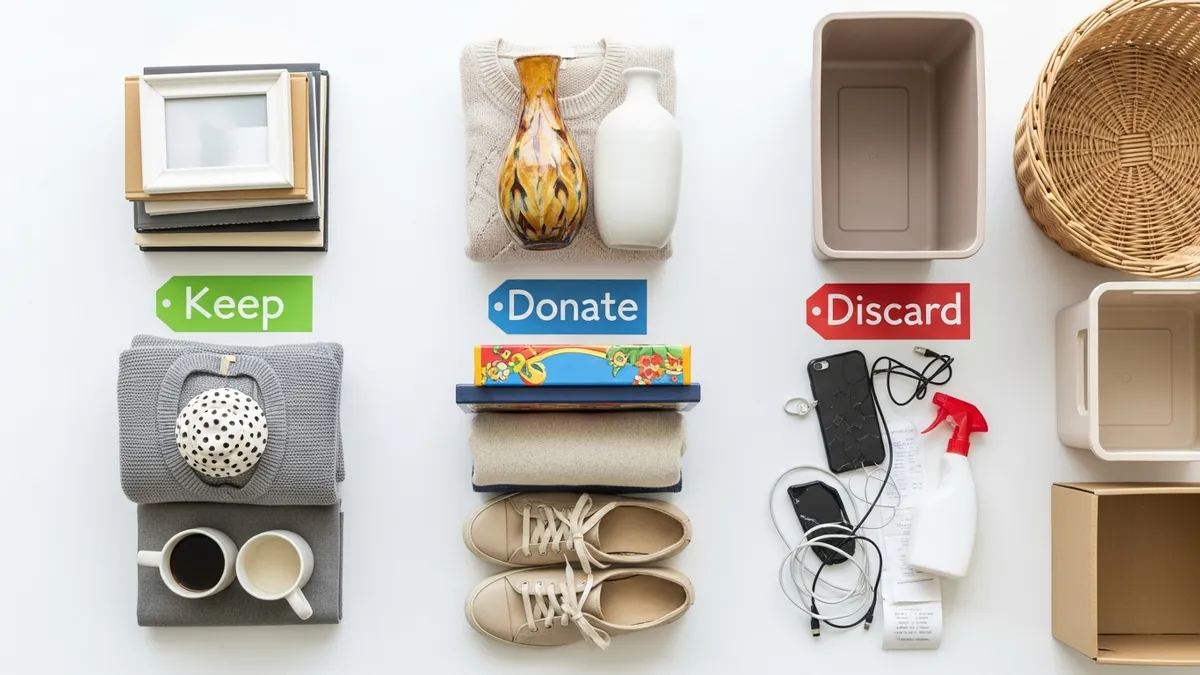
- Four labeled containers or boxes: Keep, Donate, Toss, and Relocate (to another room)
- Large trash bags
- Markers and labels to mark your storage boxes
- A storage box or storage containers to use once the sorting is done
- A timer for decluttering in short sessions
The Most Effective Methods to Declutter Your Home
There are several popular methods you can use. No single method is the "correct" one, because everyone's lifestyle and home situation is different. What matters most is finding a method that fits you and that you can apply consistently.
The Room-by-Room Method
This is the most common method and the best fit for beginners. The idea is simple: finish one room completely before moving to the next. The advantage is that you see real results in one area, which motivates you to keep going.
Suggested room order:
- Kitchen (usually where the most stuff piles up)
- Bathroom
- Main bedroom
- Living room
- Extra areas like the storage room, porch, or garage
The 15 Minutes a Day Method
If you are busy and cannot carve out big blocks of time, this method is perfect. Set aside 15 minutes every day just for decluttering. In a month, you will have accumulated 7.5 hours of focused tidying without ever feeling overwhelmed.
The Category Method
Popularized by Marie Kondo, this method sorts belongings by category (clothing, books, documents, kitchen tools, sentimental items) rather than by room. All the clothes from every corner of the house get gathered first, then sorted at once. This method is extremely effective for seeing plainly just how much you own within a single category.
The 90/90 Method
Ask yourself: have I used this item in the last 90 days? Will I use it in the next 90 days? If the answer to both is no, that item is a strong candidate for removal.
How to Declutter Your Home, Room by Room
Kitchen: The Most Challenging Starting Point
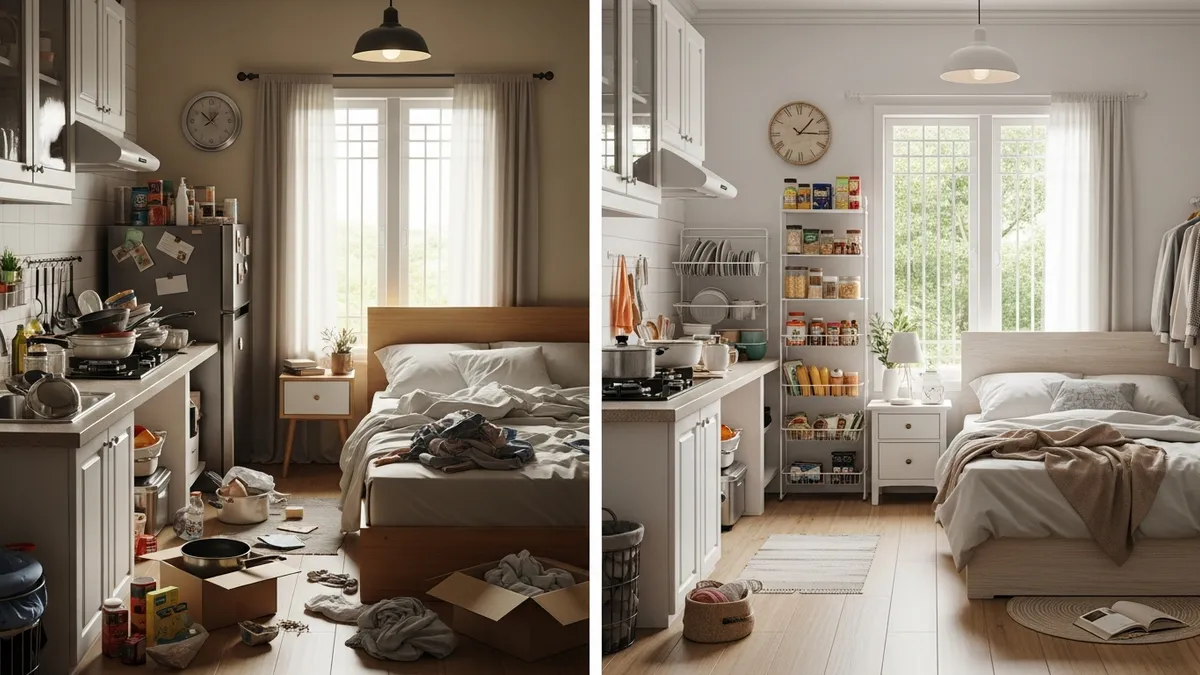
The kitchen is the room that gets messy fastest, since it is used every day and stores so many kinds of items. Start with the area that bothers you most, for example the utensil drawer or the spice cabinet.
Steps to declutter the kitchen:
- Empty everything from the cabinets and drawers onto the counter at once
- Check the expiration dates on all food items and toss anything past its prime
- Remove duplicate tools (for example, the 4 spatulas you own when 2 are plenty)
- Return only the items you truly use often to their place
- Use airtight food storage containers for staples like flour, sugar, and rice so they stay fresh and easy to identify
For inspiration on arranging a tidier kitchen after decluttering, you can read our guide on how to organize a small apartment kitchen.
Bedroom: A Resting Space That Should Feel Calm
The bedroom should be the calmest room in the house. Yet piles of clothes on a chair, forgotten items under the bed, and an overcrowded dresser create an atmosphere that is anything but restful.
Main focus areas in the bedroom:
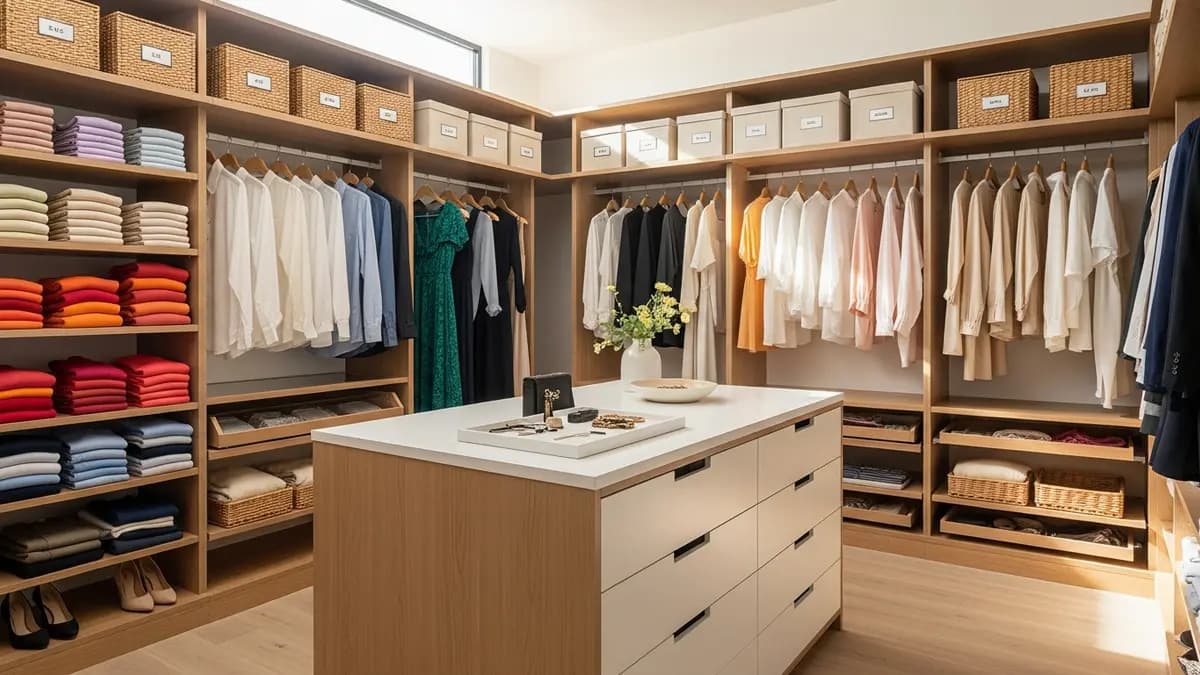
- Wardrobe: sort out clothes that no longer fit, have not been worn in over a year, or are damaged
- Under the bed: put it to work with tidy under-bed storage solutions
- Dresser or nightstand: remove anything that does not belong in the bedroom
- Bookshelf: donate books you have finished and will not read again
Bathroom: A Small Area with Big Pile-Up Potential
The bathroom often becomes a graveyard of personal care products that are empty, nearly empty, or never used. Go through every product and toss anything expired or unused.
- Toss the soaps, shampoos, and lotions that are nearly empty but left lying around
- Remove medications that are past their expiration date
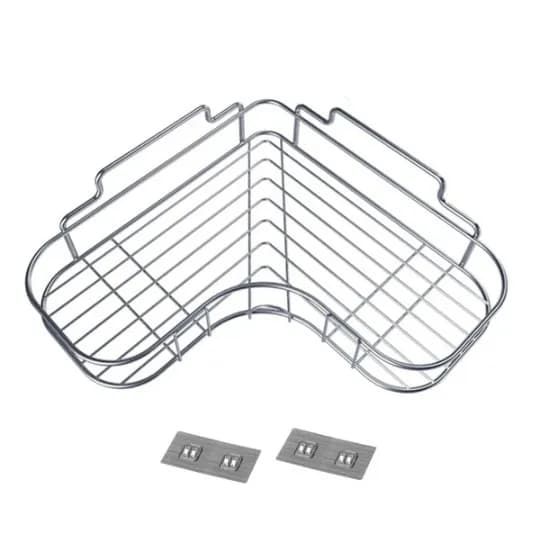
- Use a corner bathroom shelf to make the most of the space you have
Living Room: The First Impression of Your Home
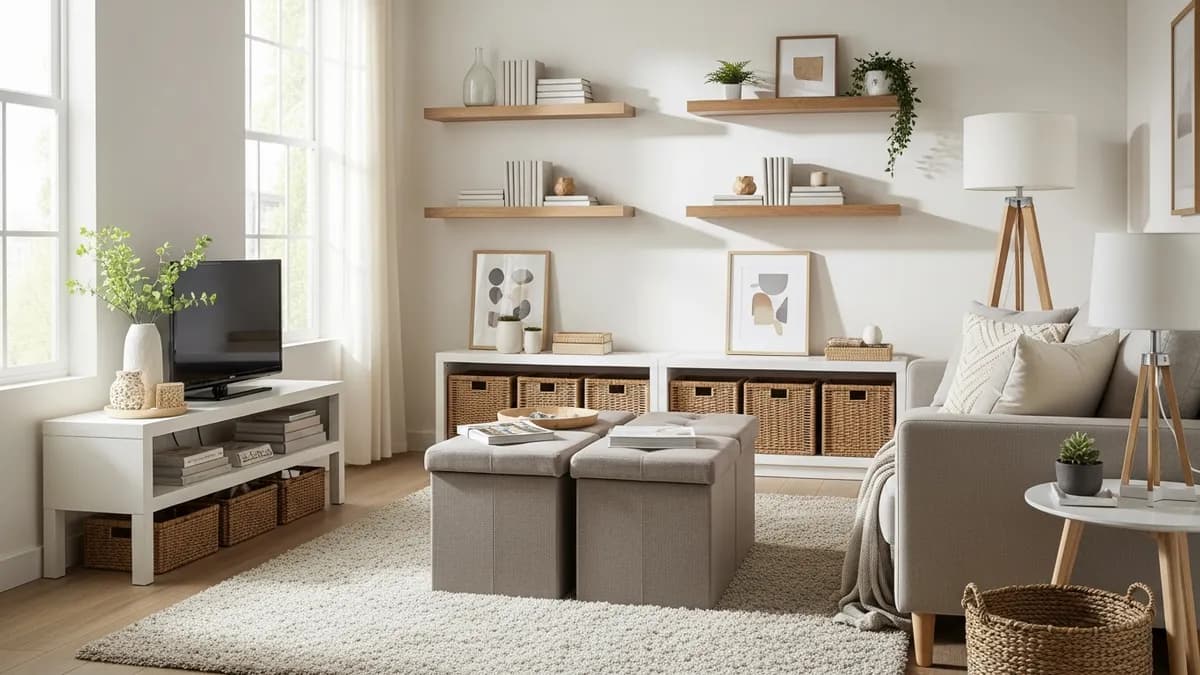
A clean living room makes the whole house feel tidy. Check the sofa (too many pillows, blankets left strewn about), the TV stand (tangled cables, old DVDs or tapes), and the coffee table.
Storage Systems After Decluttering: The Key to Keeping Your Home Tidy
Decluttering without a good storage system will only lead your home right back into chaos. That is why what you do after sorting is just as important as the sorting itself.
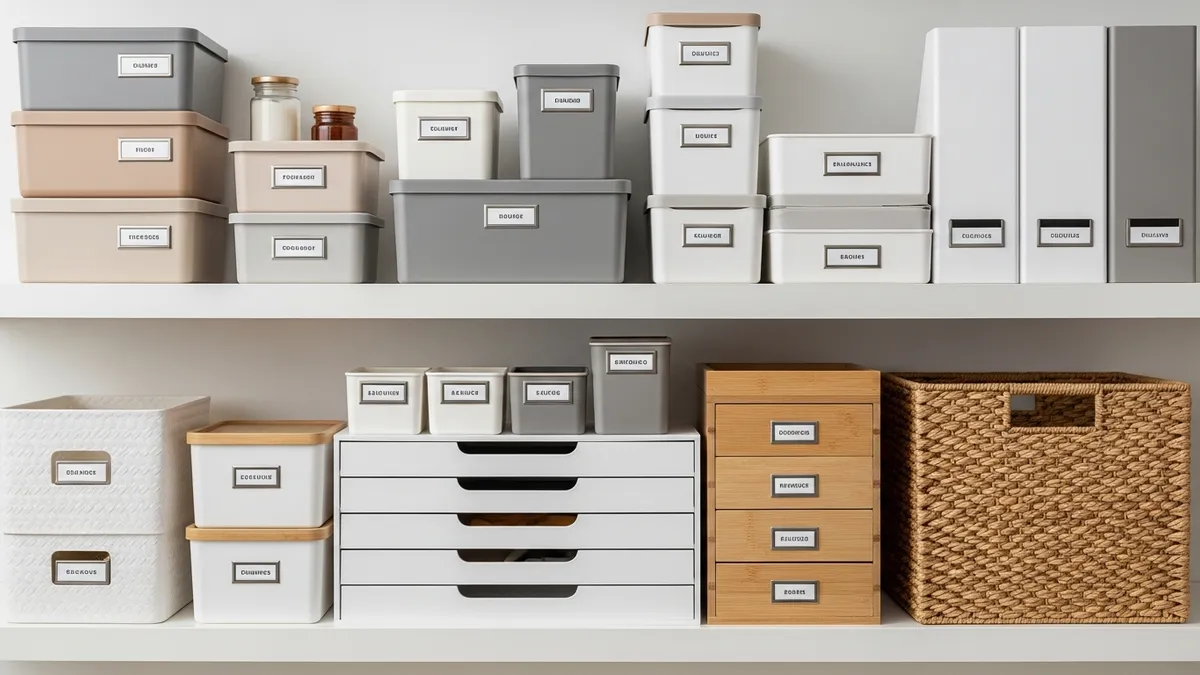
"Tidiness is not about owning fewer things. It is about having a clear place for everything you own."
Basic Principles of a Storage System
A good storage system follows one simple rule: every item has one fixed home. When the location is clear and easy to reach, putting things back becomes an effortless habit instead of an exhausting chore. This principle aligns with a review of habit formation on PubMed Central: small behaviors become automatic more easily when repeated in the same context.
Principles to apply:
- Store items near where they are used. Kitchen scissors belong in the kitchen, not in a bedroom drawer.
- Frequently used items must be easy to reach. Do not store your everyday mugs on the highest shelf.
- Use labels. Simple labels on storage boxes help every member of the household know where to look for things and where to put them back.
- Group similar items. All cleaning supplies in one area, all documents in one folder.
Recommended Storage Products
After decluttering, you may realize you need better storage products. Here are a few solutions to consider:
- Storage boxes with lids: Ideal for seasonal or rarely used items. Available in many sizes in the Sesoris product collections.
- Labeled storage boxes: Extremely helpful for wardrobes, pantries, and kitchen drawers
- Extra shelving: Puts often-wasted vertical space to work, especially in kitchens and bathrooms
- Drawer organizers: Divide the space inside drawers so items do not get jumbled together
- Airtight food containers: Keep ingredients fresh while making the pantry look neat
Browse the best sellers at Sesoris to find storage solutions that fit your home's needs.
Tips for Keeping Your Home Tidy After You Declutter
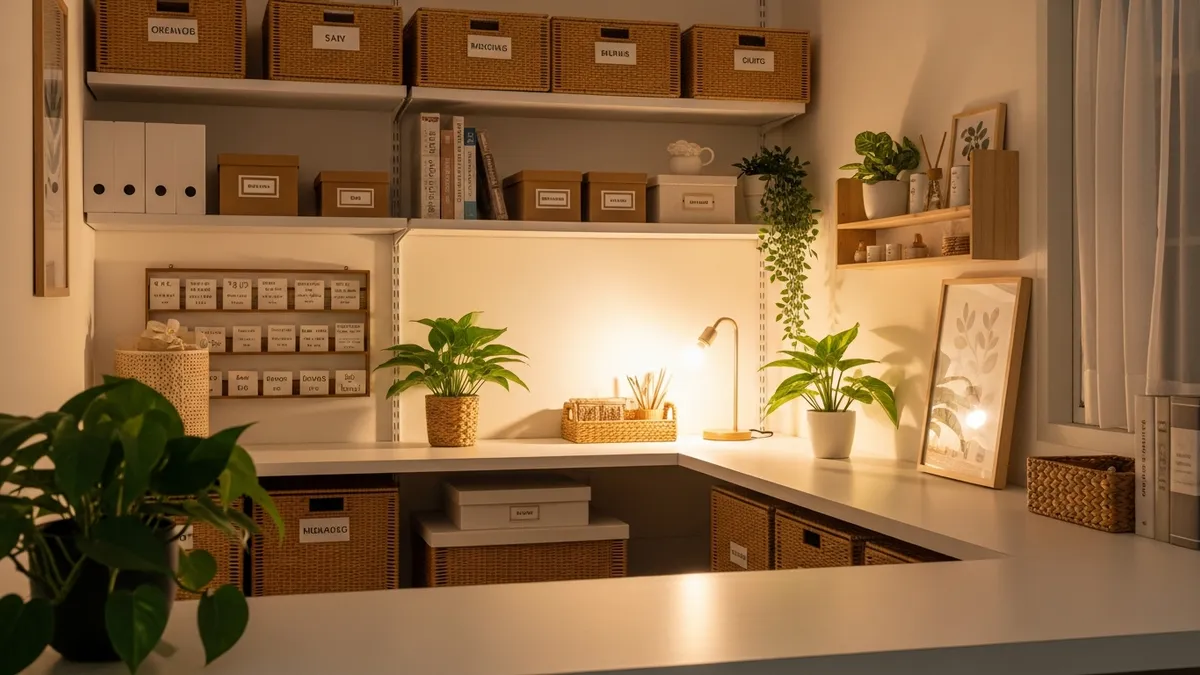
The biggest challenge is not starting the decluttering; it is maintaining the results. Plenty of people successfully clean out their homes, only to find everything back to square one within a few months. Here are concrete strategies to make sure that does not happen:
Apply the One-In-One-Out Rule
Every time you buy something new, one old item must leave the house. Buying new shoes? Donate an old pair. Received a kitchen gadget as a gift? Let go of the old one you rarely use. This rule prevents the slow but steady accumulation of stuff.
Schedule Regular Mini Decluttering Sessions
Do small decluttering sessions on a regular basis, for example 10 minutes every weekend for one specific area. Long-term consistency beats one massive session done once a year.
Build the "Put It Back Now" Habit
After using something, return it to its place immediately, not later. This small habit is the difference between a home that stays tidy and one that quickly slips back into chaos.
Do a Seasonal Review
Every three months, take time to review the items in your home. Tie it to natural milestones on your calendar, for example after the holiday season, after summer break, and so on.
Involve the Whole Family
Decluttering cannot rest on one person's shoulders. Invite your partner, kids, or other family members to participate. Set simple house rules everyone understands, like where specific items are stored.
For more tips on keeping the house tidy as a family, read our article on tips for keeping kids' rooms tidy.
What to Do with the Items You Sort Out
One of the biggest obstacles in decluttering is not knowing what to do with the things you have decided not to keep. Here are some options to consider:
Donate
Items that are still usable but no longer needed can be donated to many places. The US EPA also recommends selling or donating usable clothing, equipment, and household goods instead of throwing them away.
- Orphanages or senior care homes in your area
- Local buy-nothing or giveaway communities on social media
- Places of worship and community organizations that collect clothing and furniture donations
- Neighbors or relatives who might need them
Sell
In 2026, selling secondhand items is easier than ever through online marketplaces. Electronics, brand-name clothing, book collections, and furniture in good condition can bring in a meaningful amount of extra cash.
Recycle
For items that are no longer fit to sell or donate, consider recycling. Cardboard can become craft material, glass bottles can be turned into planters, and fabric scraps can be sewn into kitchen rags.
Dispose Responsibly
For items that truly cannot be repurposed, dispose of them through the proper channels. For electronics, the US EPA guidance recommends wiping personal data, removing batteries where possible, and using proper recycling facilities.
A low-waste lifestyle that begins with decluttering pairs naturally with the zero waste kitchen principles you can apply in parallel.
Related Products from Sesoris
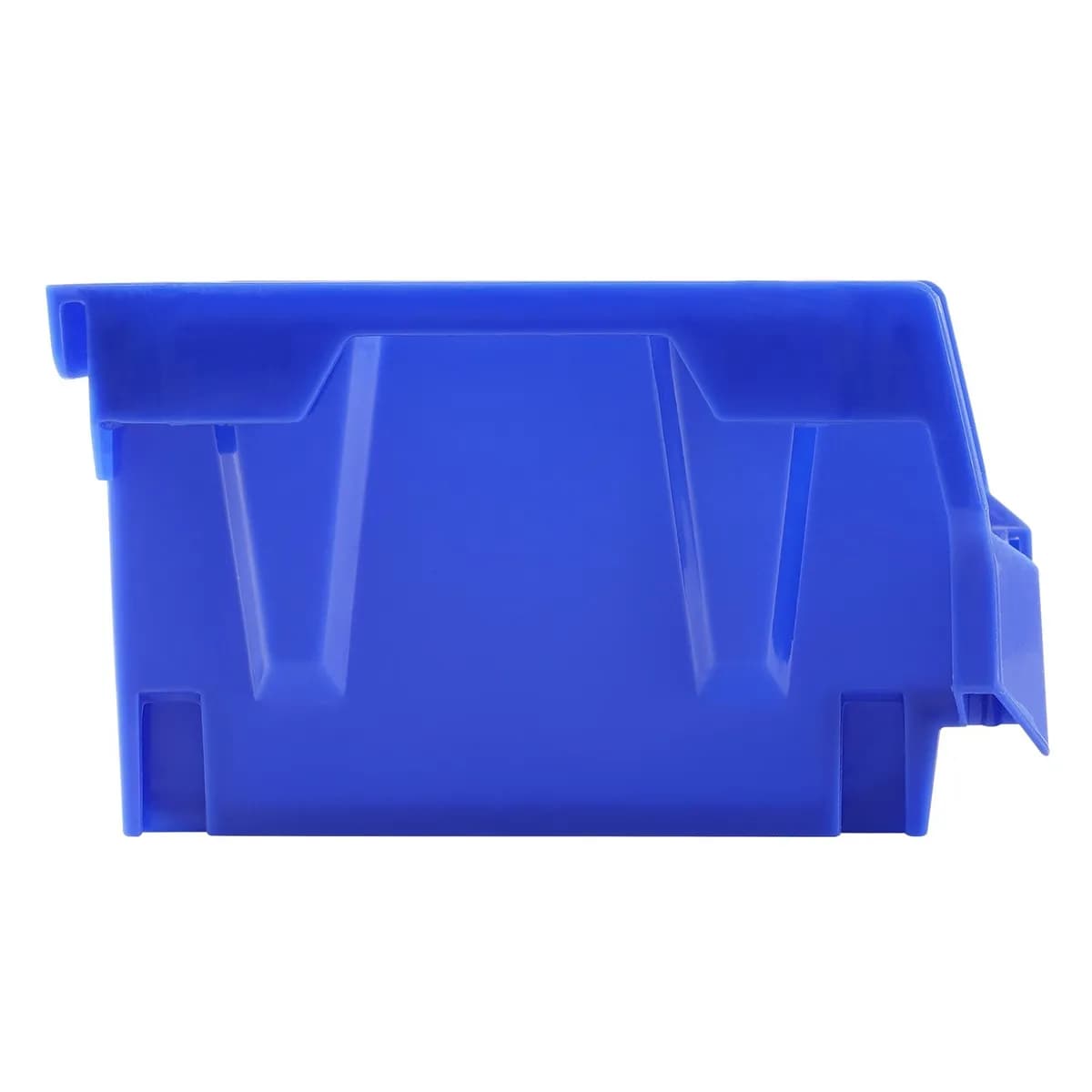
If you want to turn this guide into a real setup, start with Stackable Storage Bins, 24 Pack and Pull-Out Cabinet Organizer, 17 in. Wide. For broader options, browse the Home & Decor collection so the article journey does not stop at reading only.
Our practical rule: choose one product that solves the main clutter problem first, then add supporting organizers only when the daily workflow is already clear. This keeps the shopping path useful, not pushy.
FAQ: Common Questions About How to Declutter Your Home
Q: Where should I start the decluttering process?
Start with the room or area you use most often and that bothers you most every day. For many families, that is usually the kitchen or the wardrobe. The reason to start with the most annoying area is that the results are felt immediately, which motivates you to continue to other areas.
Q: How long does it take to declutter an entire home?
There is no fixed answer, because it depends on the size of your home, how much you own, and how much time you can set aside. For a small to mid-size home, a thorough decluttering can take anywhere from one full weekend to several weeks if done gradually in 15-30 minute sessions per day.
Q: How do I deal with the guilt of getting rid of gifts from other people?
This is a very common emotional hurdle. Remember that the value of a gift lies in the giver's good intentions, not in the physical object. If the item adds no benefit to your daily life, keeping it out of guilt does a disservice to your own living space. You can take a photo of the item before letting it go, as a keepsake.
Q: How do I keep the kids from undoing all my decluttering work?
Involve children in the decluttering process from the start. Have them choose which toys to keep and which to donate. Make sure the toy storage system is easy for kids to access and easy to put back, for example a large floor basket that is simple to pull out and refill.
Q: Do I need to buy lots of storage products before I start decluttering?
No! This is a common mistake. Do not buy storage products before the sorting is done. Buy storage after you know exactly what you are keeping and how much of it there is. Buying storage boxes before sorting only encourages you to keep more of the things you should have let go.
Q: Do methods like KonMari work for every home?
Popular methods like KonMari can be adapted to almost any home. The core principle is universal: keep only the things that truly serve a purpose or bring you joy. That said, you should adjust for your own situation, for example a humid climate that calls for better airflow, or a household that hosts guests often and needs the living room ready at all times.
If you are still unsure, start with a category where the emotional decisions are easiest, like empty packaging, expired documents, or broken tools. Small visible wins usually build momentum better than reading about many methods at once.
Q: What if a family member refuses to join the decluttering?
Never throw away someone else's belongings without permission. Start with your own things and let the benefits of a tidier space speak for themselves. Once they see the results, invite them to tackle one small category together and agree on clear storage limits.
Conclusion: Start Your Decluttering Journey Today
Understanding how to declutter your home is the first step toward a calmer, more productive, and more enjoyable life. The process takes time and commitment, but the results far outweigh the effort. A tidy home is not only nicer to look at; it is also easier to clean, more comfortable to live in, and delivers real peace of mind for the whole family.
Remember, the key to successful decluttering is not achieving a picture-perfect magazine home. It is creating a home that works optimally for your family's needs. Start today with one drawer, one shelf, or one corner of a room. Every small step brings you closer to a home that is genuinely comfortable.
Once the sorting is done, make sure you equip your home with the right storage products so the tidiness lasts. Visit Sesoris to find a range of quality household organizers, storage boxes, and home organization essentials that will help you maintain your decluttering results. Also check out our new arrivals, designed for everyday household needs. With Sesoris, A More Organized Life is not just a tagline; it is a lifestyle you can start building right now.
Liked this guide?
Get new organizing guides and the occasional new product by email. No spam, unsubscribe anytime.
Related articles

Explore more articles
- 30+ Best Small Walk In Closet Ideas to Maximize Every Inch of Your Space in 2026
- Mini Fridge Organization Ideas for Small Spaces
- 25+ Best Nightstand Organization Ideas to Transform Your Bedroom in 2026
- Sock Drawer Organization: The Complete 2026 Guide to a Tidy, Stress-Free Dresser
- 25+ Best Under Kitchen Sink Organization Ideas to Maximize Every Inch in 2026
- 30+ Best Kitchen Counter Organization Ideas to Transform Your Cooking Space in 2026
- 25+ Best Garage Bike Storage Ideas to Transform Your Space in 2026
- 25 Small Kitchen Organization Tips to Maximize Every Inch in 2026