
Spice Storage Containers: Best 2026 Buying Guide
Which spice storage containers actually keep your kitchen organized? Compare container types and get practical picks for 2026.
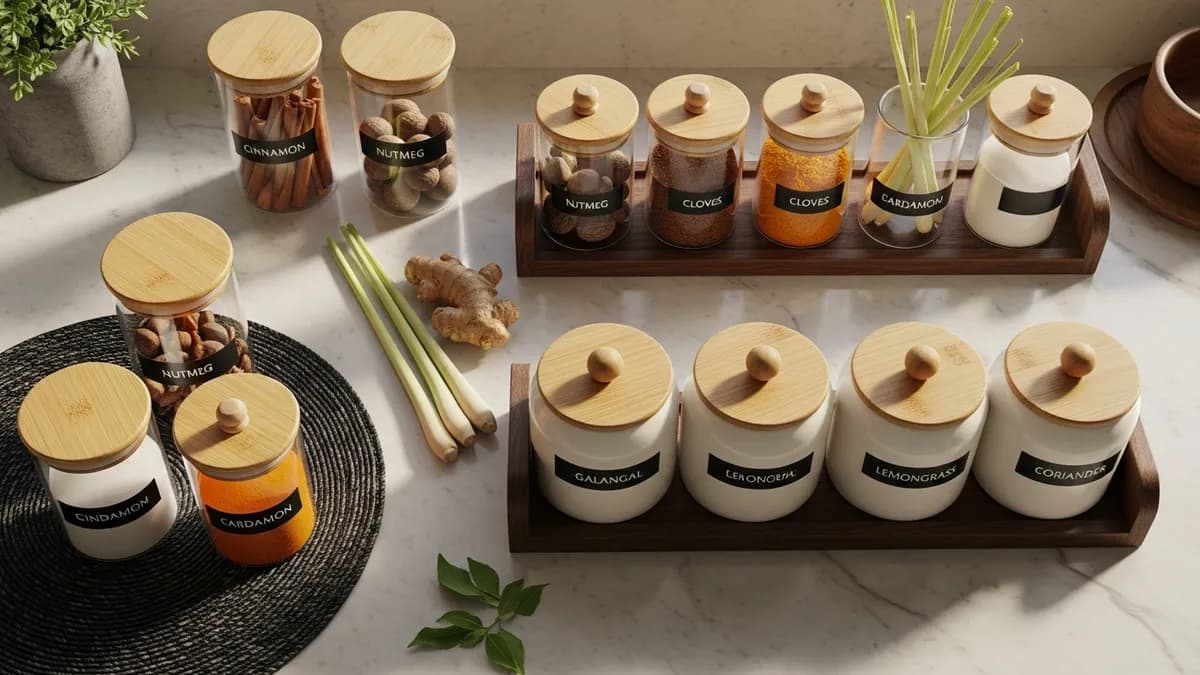
If you cook at home often, you know how important it is to store your spices properly and neatly. Spice storage containers are one of those kitchen essentials people tend to overlook, yet they play a huge role in preserving spice quality while making the kitchen look far more organized. In 2026, the options on the market are more varied than ever, from glass and food-grade plastic to beautiful ceramic. This article is your complete guide to choosing the best spice containers for your kitchen's needs.
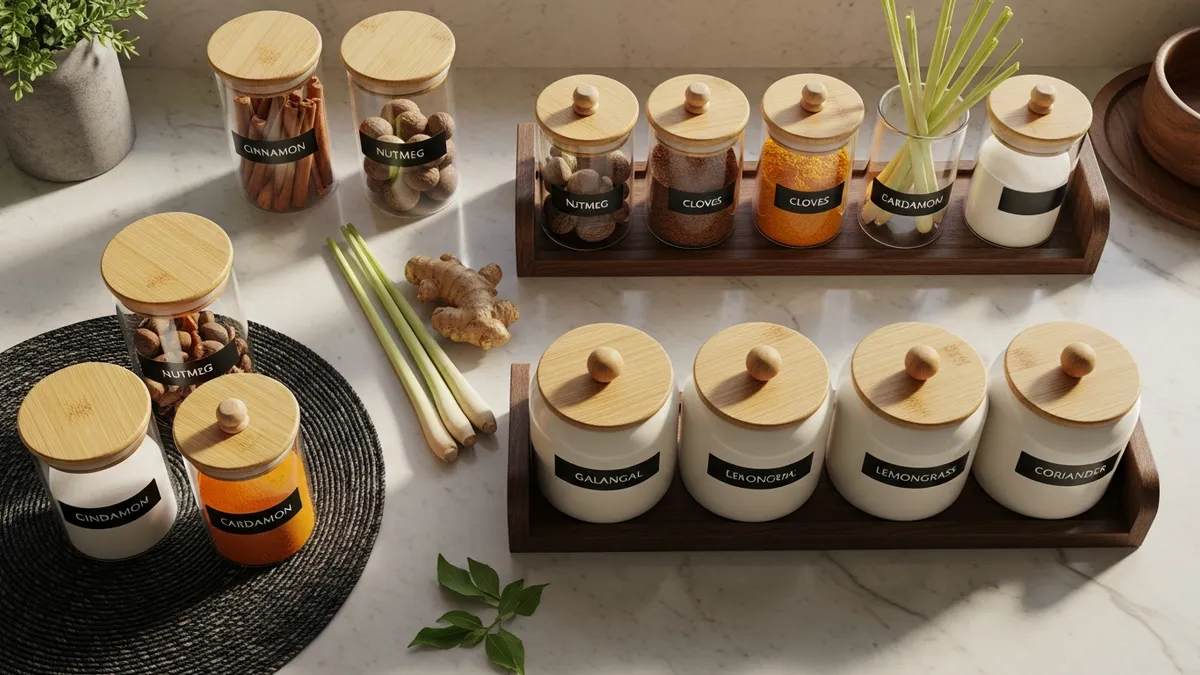
Why Spice Storage Containers Matter in Your Kitchen
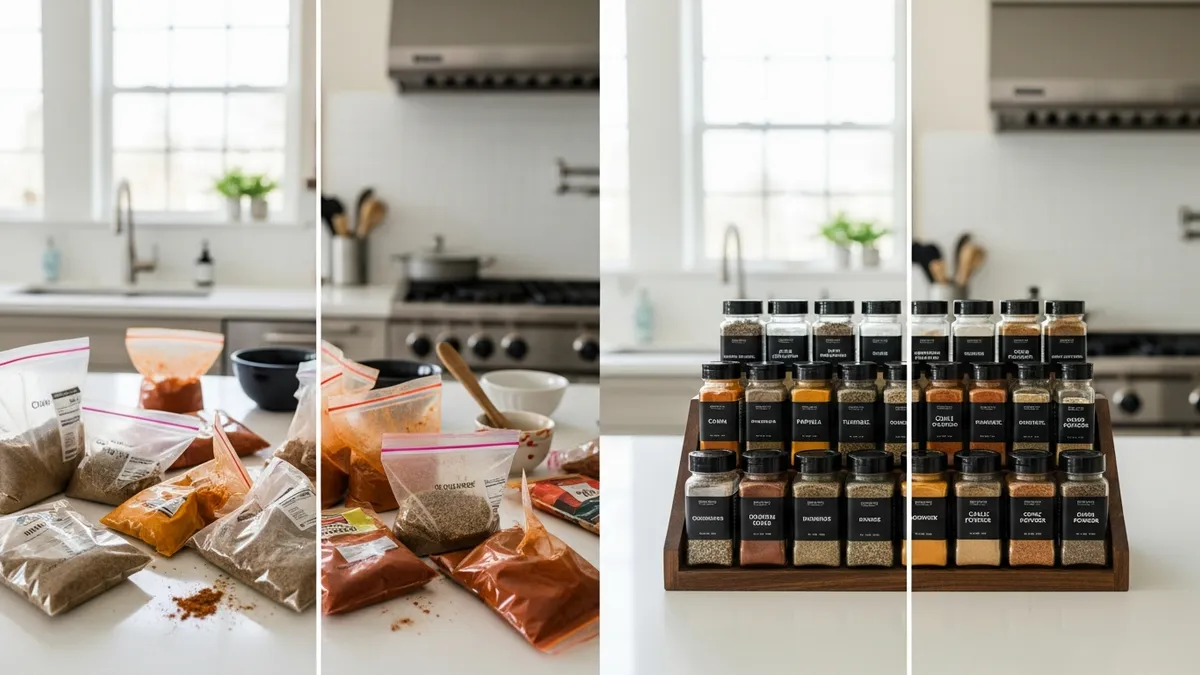
A well-stocked kitchen means a rich and varied spice collection. From turmeric, coriander, and cumin to dried chilies and pepper, the number of spices we keep can add up fast. Unfortunately, many households still store spices in used zip bags or the original store packaging, which is far from ideal for preserving freshness and aroma.
Using the right spice storage containers delivers real benefits you will feel in everyday life:
- Preserves the aroma and flavor of spices longer by shielding them from air and moisture
- Prevents cross-contamination between one spice and another
- Makes spices easy to identify while cooking, saving you time
- Keeps the kitchen cleaner, with no spice powder scattered around
- Saves money, because spices do not spoil or grow mold as quickly
Airtight containers help reduce exposure to moisture, air, and contaminants that accelerate the loss of a spice's aroma. The benefits are greatest when the container is sealed tightly after each use and stored away from heat and direct light. University of Maine Cooperative Extension specifically recommends airtight containers to protect spices from moisture and prevent mold growth.
Popular Types of Spice Storage Containers in 2026
Before buying, it is worth understanding the different container types available so you can choose what best fits your needs and kitchen style.
1. Airtight Glass Jars
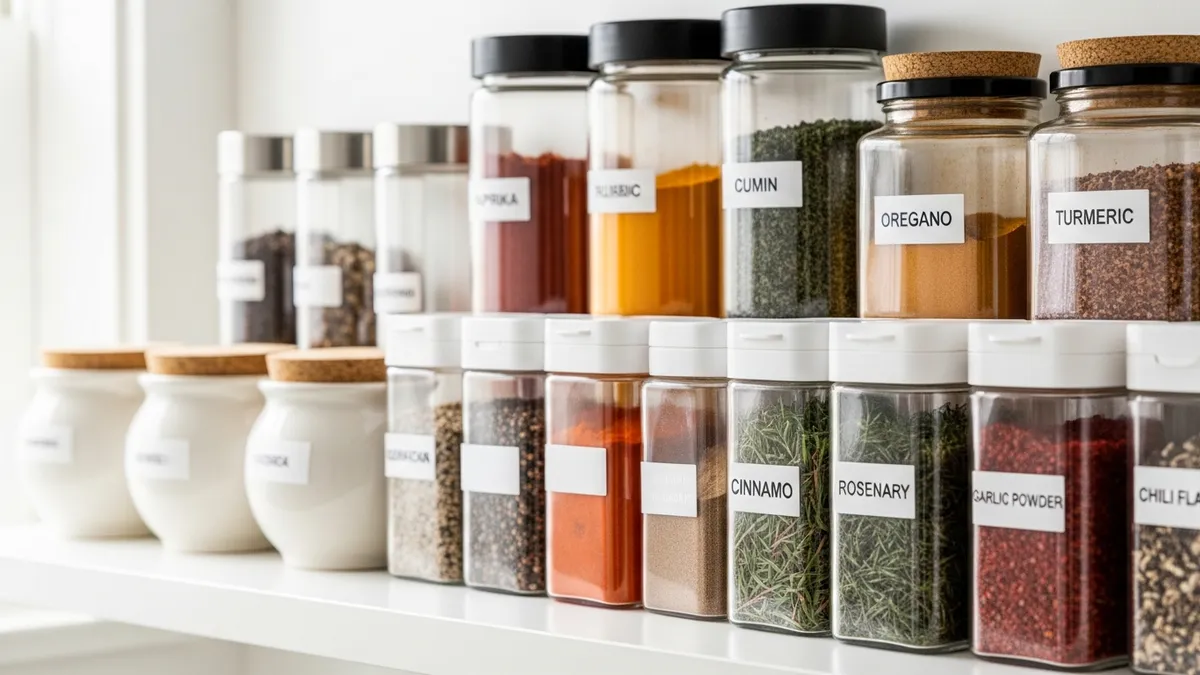
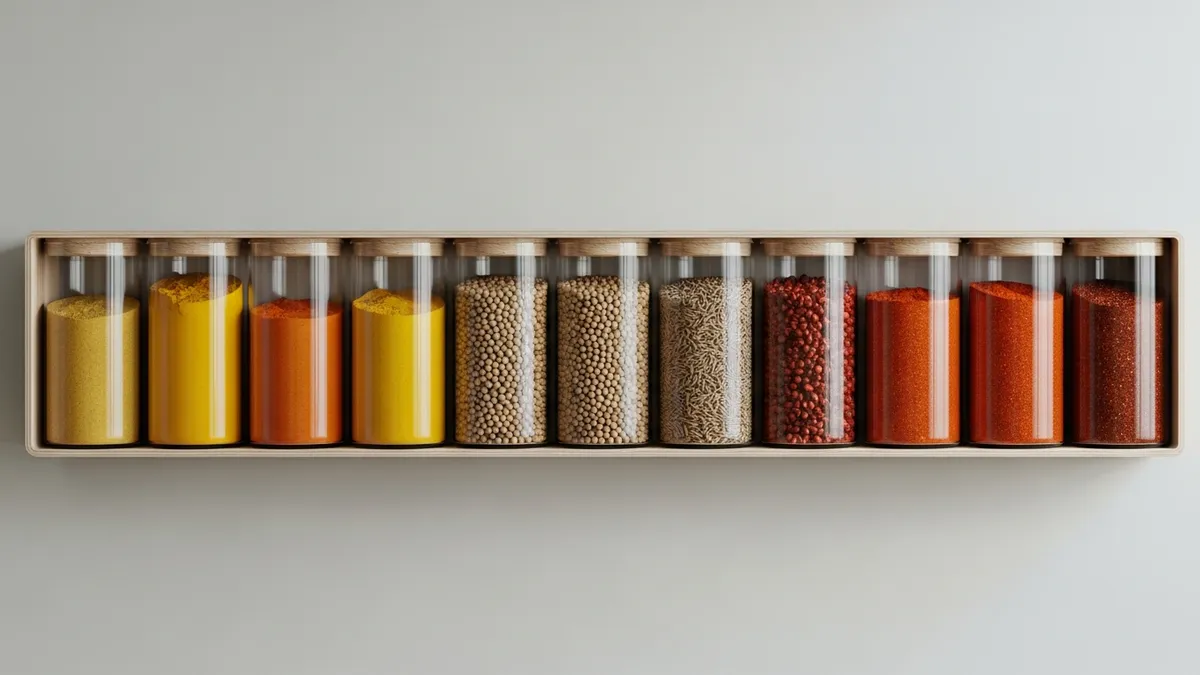
This is the favorite for anyone who loves a clean, transparent kitchen aesthetic. The main advantage is that you can see the contents at a glance without opening the jar, and glass does not absorb odors, so your spices' aroma stays pure.
- Ideal for ground spices like turmeric, pepper, and paprika
- The airtight lid keeps moisture out and aroma locked in
- Easy to clean and stain-resistant
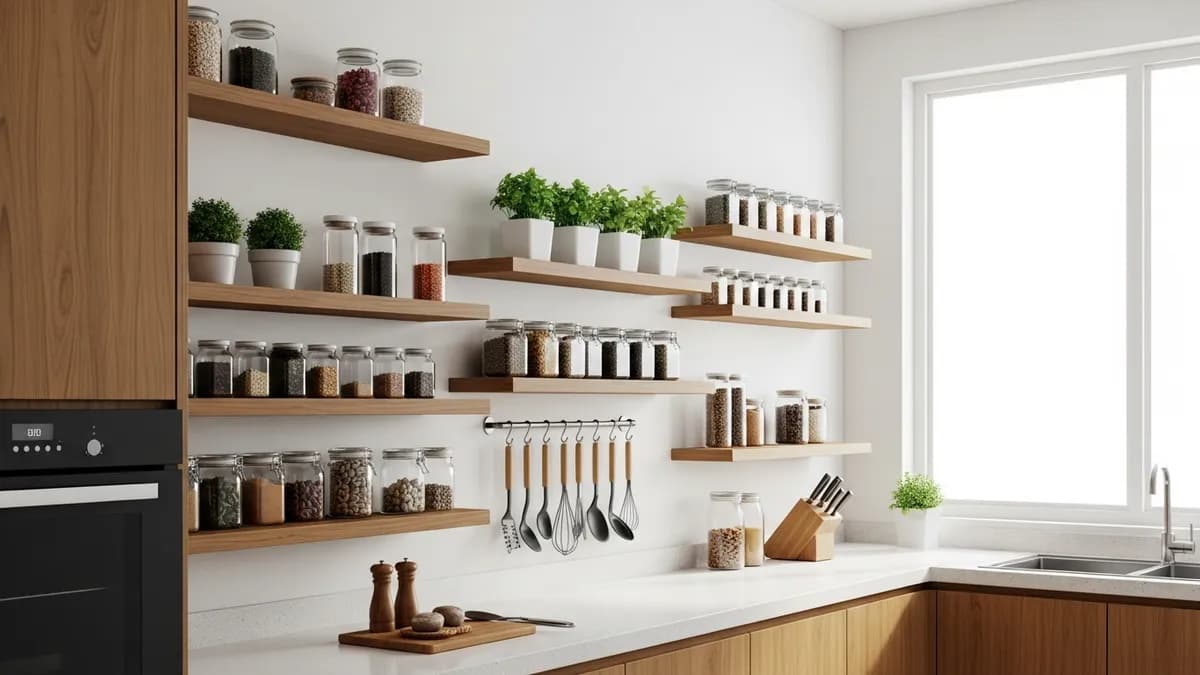
- Attractive enough to display on open shelves
If you are curious about glass containers in general, also read our guide to glass containers for food storage, which digs deeper into the advantages of glass.
2. Food-Grade (BPA-Free) Plastic Containers
Food-grade plastic containers are a practical option that is lightweight and shatter-resistant. Just make sure the container is genuinely designed for food contact. The FDA explains that food contact substances include materials used to package or hold food, and their use must meet the appropriate safety standards. A BPA-free label can be an extra consideration, but it is not a substitute for food-grade status.
- Lighter and less breakable than glass
- More affordable
- Available in many sizes and colors
- Great for busy kitchens with small kids at home
3. Ceramic and Porcelain Containers
Ceramic spice containers deliver a classic, elegant look that suits rustic or traditional kitchens. Ceramic is also a natural, non-reactive material that will not interact with your spices.
- A beautiful look that doubles as kitchen decor
- Does not absorb odors or stains
- Well suited to long-term spice storage
- Usually opaque, so labels are a must
4. Stainless Steel Containers
For kitchens with a modern, industrial look, stainless steel containers are an appealing choice. The material is rust-resistant, strong, and hygienic.
- Extremely durable and rust-free
- Does not affect the flavor or aroma of spices
- Easy to clean
- Built for long-term use
How to Choose the Right Spice Storage Containers
With so many options out there, how do you decide which is the best fit? Here is a practical checklist to use before you buy:
Consider the Container Size
Container size should match how much of each spice you typically keep. For frequently used spices like salt, pepper, and chili powder, choose a larger size, around 5 to 8 ounces (150-250 ml). For rarely used spices like nutmeg or cardamom, a small 2 to 3 ounce (50-100 ml) container is plenty.
Practical tip: Buy containers as a matching set in uniform sizes so your spice shelf looks tidier and more consistent.
Make Sure the Lid Is Truly Airtight
This is the single most crucial factor when choosing spice storage containers. A lid that does not seal tightly lets in air and moisture, so spices lose their aroma faster and can even grow mold. Pay attention to the lid type:
- Lids with a rubber or silicone gasket usually provide the best airtight seal
- Screw-top lids also work well when they fit precisely
- Bail-and-seal metal clamp lids are popular on vintage-style glass jars
- Avoid lids that simply rest loosely with no locking mechanism
Choose a Material That Fits Your Cooking Habits
If you often work with wet seasonings like chili paste or cooked spice blends, glass or stainless steel is the best choice, since neither will stain or absorb odors. For dry spices, almost any material will do.
Consider How Easy It Is to Label
Transparent containers make spices easy to identify, but labels are still recommended, especially for ground spices that look alike. Choose containers with a flat area on the front or lid where a label sticker can go.
For a neater labeling system, you can use a label organizer, available in a range of attractive styles.
Tips for Arranging Spice Storage Containers for a More Organized Kitchen
Owning great spice containers is not enough. How you arrange them has a major impact on your kitchen's day-to-day efficiency. Here are tips for arranging your spice storage containers so your kitchen is genuinely tidy and functional:
Group by Frequency of Use
Put the spices you use most often in the easiest spot to reach, for example the front shelf or the right side of your cooking area. Rarely used spices can go toward the back or on higher shelves.
- Zone 1 (easiest to reach): Salt, pepper, garlic powder, soy sauce, cooking oil
- Zone 2 (medium reach): Turmeric, coriander, cumin, chili powder, paprika
- Zone 3 (rarely used): Nutmeg, cinnamon, cardamom, cloves, dried bay leaves
Arrange with a Consistent System
There are two common systems to choose from. First, the alphabetical system, which is easy for everyone in the household to follow. Second, the by-cuisine system, for example keeping spices for Asian dishes in one area and everyday Western seasonings in another. Pick whichever fits your cooking habits best.
Use Different Types of Racks and Organizers
Spice storage containers can be arranged with a variety of racks and organizers, depending on the space available in your kitchen:
- Lazy Susan (turntable): Extremely practical on a counter or in a cabinet, since you can spin it to reach every container without shuffling things around
- Tiered rack: Lets you see every container at once without any blocking another
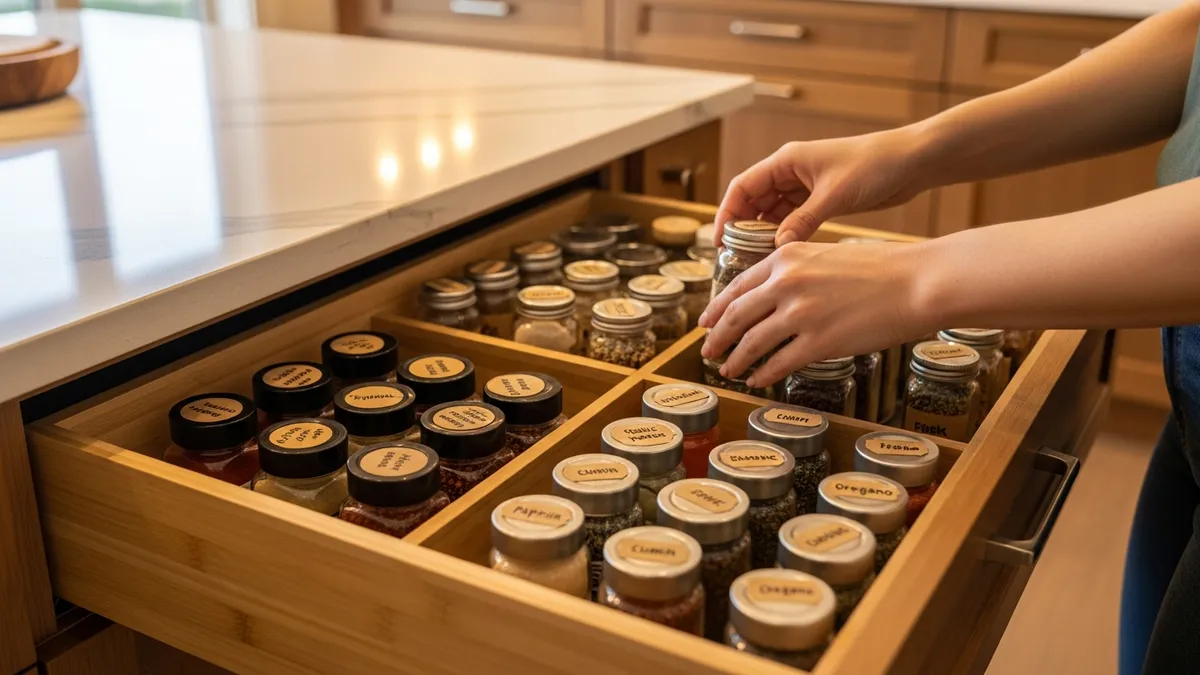
- Drawer insert or organizer: Containers lie horizontally in a drawer so labels can be read from above, a huge counter-space saver
- Wall-mounted rack: Puts empty wall space to work and makes your kitchen look more stylish
You can find more inspiration on making the most of kitchen racks in our article on kitchen spice rack ideas.
Label Clearly and Consistently
One common mistake is storing spices with no label or with unclear ones. Add a label with the spice name and, if needed, the purchase or expiration date. Use the same font and a uniform size for a tidier look.
How to Care for Spice Storage Containers So They Last
Once you have chosen and arranged your spice containers well, the next step is caring for them properly so they stay hygienic and durable.
Wash Thoroughly Before First Use
Before filling a new container with spices, wash it with soap and warm water, then dry it completely before use. A container that is not fully dry can cause spices to clump or grow mold.
Never Mix Different Spices in One Container
It may seem practical, but mixing different spices in one container can alter the flavor profile of both. Always use one container per spice.
Regularly Clean the Outside and the Lid Seal
Spice powder often clings to the outside of the container and around the lid. Wipe it down regularly with a damp cloth. Clean rubber or silicone lid seals carefully so they do not tear, since a damaged seal reduces the container's airtightness.
Store in the Right Spot
Dry spices should be stored somewhere cool, dry, and out of direct sunlight. Avoid placing containers right next to the stove, since heat and cooking steam speed up aroma loss even with an airtight lid. Guidance from Utah State University Extension lists humidity, temperature, and sunlight exposure as key factors in storage quality. For other foods that need refrigeration, also see the FDA's safe food storage guide.
- Ideal spice storage temperature: below 77 degrees Fahrenheit (25 Celsius)
- Avoid humid areas like next to the sink or under a frequently opened window
- If possible, store them inside a closed kitchen cabinet for extra protection from light
Kitchen Style Inspiration with Beautiful Spice Storage Containers
In today's social media era, many people want their kitchens to be not just functional but beautiful. The good news: styling your spice storage containers well can instantly elevate your kitchen's overall look without any major renovation.
Modern Minimalist Style
For a minimalist kitchen, choose spice containers with uniform shapes and neutral colors like white, black, or clear. Arrange them on the shelf with even spacing and avoid too many colors so the look stays clean. Most importantly, make sure the arrangement stays easy to reach while cooking.
Rustic and Natural Style
If you love warm, natural vibes, pair earth-tone ceramic containers with wooden shelving. Add handwritten labels in simple calligraphy for a sweet personal touch.
Modern Industrial Style
Stainless steel containers lined up on a black metal rack create a bold, striking industrial look. This style suits kitchens with plenty of metal cookware.
Combining Function and Decor
You do not have to choose between function and beauty. Clear glass containers filled with colorful spices, like bright yellow turmeric, red paprika, and green dried parsley, can become kitchen decor that is both gorgeous and functional.
For more kitchen styling inspiration, do not miss our article on minimalist kitchen decor ideas, packed with fresh ideas for your home.
Spice Storage Container Price Guide for 2026
One question that comes up often is how much to budget for good spice containers. Here is a general picture of how the materials compare in price:
Food-grade BPA-free plastic containers:
- Sets of 6-12 small to medium containers are the most budget-friendly option
- Both standard and premium quality are available in this affordable range
Glass containers with airtight lids:
- A set of 6 medium jars sits in the mid-range
- Glass quality and thickness have a big impact on price
Ceramic containers:
- Sets of 4-6 containers run mid-range to higher
- Prices vary widely by design and brand
Stainless steel containers:
- Sets of 6-10 containers are usually the priciest option
- They tend to cost more because the material is built to last
Remember: buying a matching set is usually cheaper than buying containers one by one, and the result looks far tidier too.
You can explore a range of kitchen storage products that fit your needs and budget in the Sesoris product collections.
Common Mistakes When Choosing Spice Storage Containers
To avoid buyer's remorse, get familiar with the most common mistakes people make when choosing spice containers:
- Buying containers that are too large, so spices take longer to use up and lose quality before they are finished
- Choosing a lid that is not truly airtight just because the container looks attractive
- Not checking dishwasher compatibility if you own a dishwasher
- Ignoring the container material and choosing purely on lowest price without checking food safety
- Buying too many different sizes, leaving the spice shelf looking messy and inconsistent
- Skipping labels, so spices get mixed up or are hard to identify while cooking
Avoiding these mistakes from the start will save you time, money, and frustration down the road. For more kitchen organization tips, read our article on the best food storage solutions.
Related Products from Sesoris
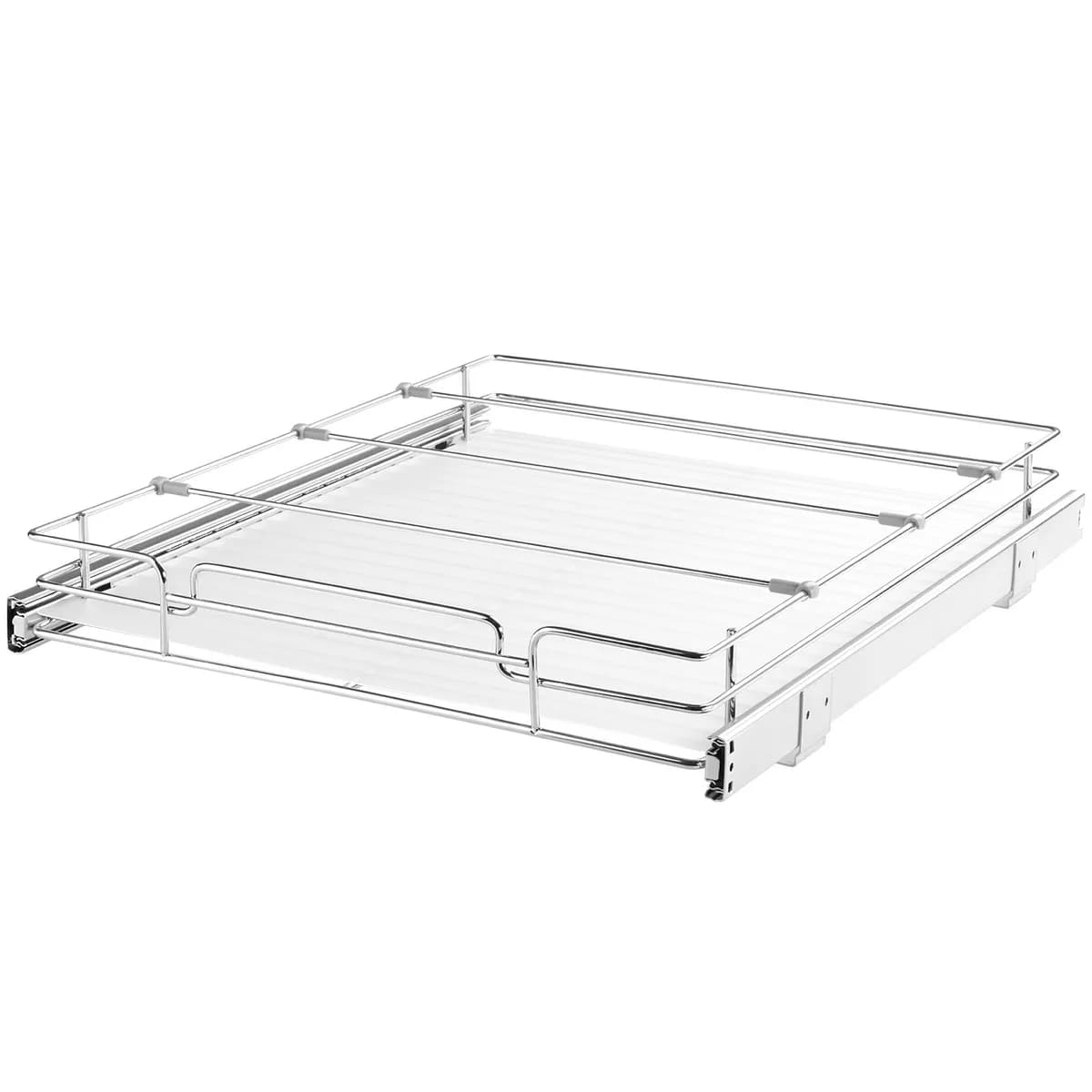
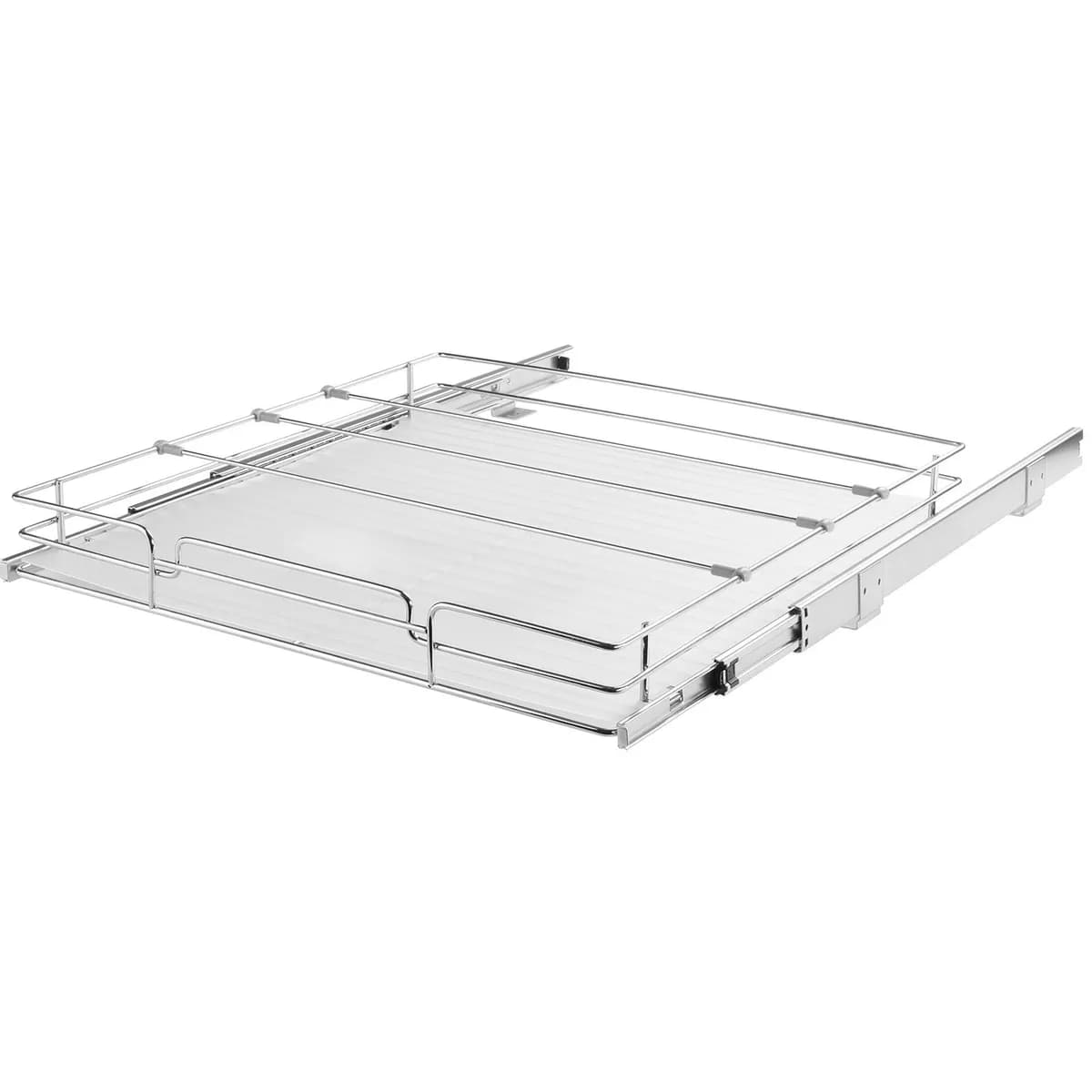
If you want to turn this guide into a real setup, start with Pull-Out Cabinet Organizer, 14 in. Wide and Double-Layer Bamboo Bread Box. For broader options, browse the Kitchen & Dining collection so the article journey does not stop at reading only.
Our practical rule: choose one product that solves the main clutter problem first, then add supporting organizers only when the daily workflow is already clear. This keeps the shopping path useful, not pushy.
FAQ: Common Questions About Spice Storage Containers
Q: How long do dried spices last in airtight spice storage containers?
Shelf life varies by spice type, initial condition, and how they are stored. For flavor quality, Oregon State University Extension recommends using dried herbs within 6-12 months and storing them in airtight containers in a cool, dark, dry place. Use aroma, color, date labels, and manufacturer guidance as your practical cues, rather than one number applied to every spice.
Q: Are glass spice storage containers safe to put in the refrigerator?
Yes, good-quality glass containers are generally refrigerator-safe. Just avoid filling them to the brim, since liquids expand when they freeze. For dried spices, refrigeration is actually unnecessary and even discouraged, because condensation can make the spices clump.
Q: How do I remove spice odors absorbed by plastic containers?
Soak the plastic container in a solution of warm water and baking soda for a few hours, then wash thoroughly and dry it in direct sunlight. The sun's UV rays are effective at breaking down stubborn odors. If the smell lingers, consider replacing that plastic container with a glass one, which does not absorb odors.
Q: Is there a recommended standard size for spice storage containers?
There is no absolute size that works for everyone. For most households, though, a 3 to 5 ounce (100-150 ml) container is plenty for frequently used spices, and 2 to 3 ounces (50-80 ml) for the ones you use less often. What matters most is consistent sizing so the spice shelf stays tidy.
Q: Can spice storage containers be used for wet seasonings or spice pastes?
Yes, as long as the container is truly airtight and made of a material that resists stains and odors. Glass containers are the best choice for wet seasonings or spice pastes, since they will not stain and are easy to clean. Also make sure the container goes in the refrigerator if it holds wet seasonings.
Q: When should spice storage containers be replaced?
Replace a container when the lid no longer seals, there are cracks, the surface is hard to get clean, or the plastic has warped or picked up an odor. Glass containers can serve much longer as long as they are crack-free and the rubber seal stays elastic. Check the lid's condition every time you wash it so small damage does not slip by.
Q: What information should go on a spice container label?
Write the spice name and the fill date. If the spice was transferred out of its packaging, also note the expiration or best-by date. A concise label helps you apply the FIFO method, using the older stock first.
Conclusion
Choosing the right spice storage containers is not just about aesthetics. It is a real investment in health, efficiency, and everyday cooking comfort. With quality containers and an organized storage system, your kitchen becomes more enjoyable to use, spices stay fresh longer, and cooking time gets more efficient.
Start with small steps: pick the material that fits your needs, invest in one matching set, add clear labels, and arrange everything by frequency of use. You will feel the difference from day one.
Explore the best kitchen storage products to support a more organized lifestyle at Sesoris, a home goods store bringing smart solutions to everyday homes. Also check out our best sellers and the latest 2026 collection for fresh inspiration. Because with Sesoris, a more organized life truly is possible.
Liked this guide?
Get new organizing guides and the occasional new product by email. No spam, unsubscribe anytime.
Related articles


Explore more articles
- DIY Shelf Brackets: Complete 2026 Guide to Building Strong, Stylish Shelves on Any Budget
- 30+ Best Kitchen Floating Shelf Ideas to Transform Your Cooking Space in 2026
- DIY Room Divider Ideas: 20+ Creative Ways to Split Your Space in 2026
- 25+ Best Corner Cabinet Kitchen Ideas to Maximize Every Inch in 2026
- 30+ Best Small Pantry Ideas to Maximize Every Inch of Your Kitchen Storage in 2026
- How to Declutter Garage: The Complete 2026 Step-by-Step Guide to a Clean, Organized Space
- 25+ Best Makeup Vanity Organization Ideas to Transform Your Beauty Space in 2026
- 25+ Best Nightstand Organization Ideas to Transform Your Bedroom in 2026