
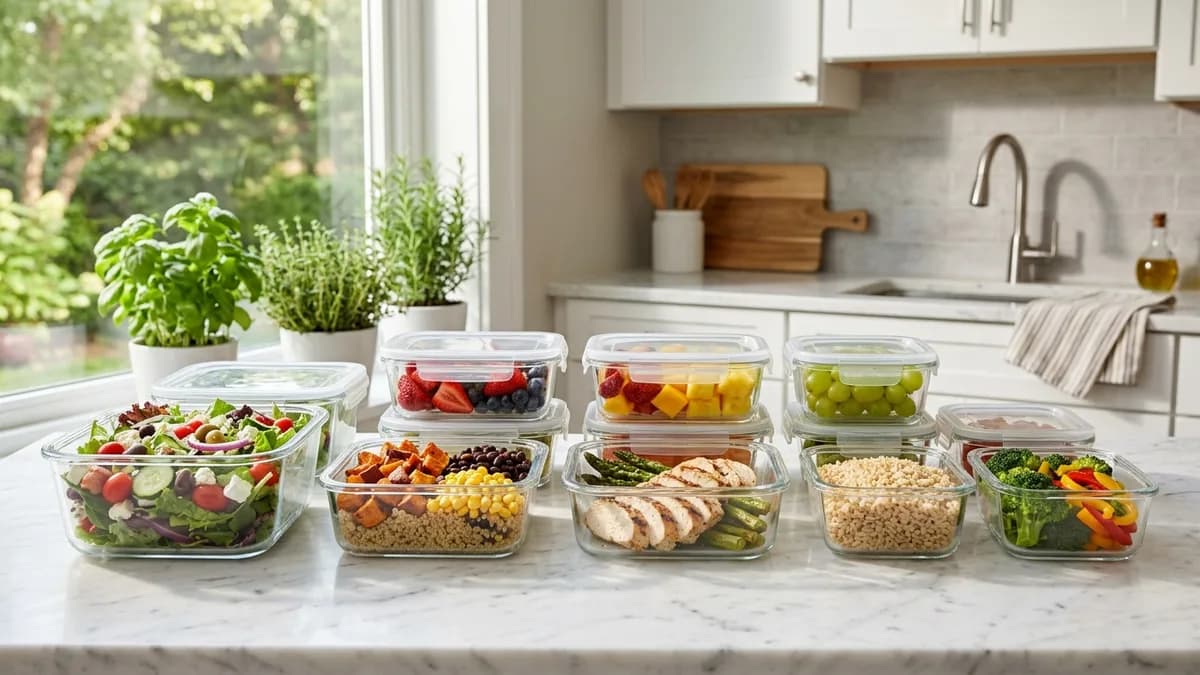
Glass Food Storage Containers with Glass Lids: The Complete 2026 Guide to Fresh, Safe Kitchen Organization
If you've been meaning to overhaul your kitchen storage game in 2026, switching to glass food storage containers with glass lids is one of the single best decisions you can make. I've been using them for years, and the difference they make in how long food stays fresh, how organized your fridge looks, and how clean your meals feel is remarkable. Unlike plastic alternatives, glass containers don't absorb odors, don't stain from tomato sauce or turmeric, and don't leach chemicals into your food. And when the lid is glass too? You get a seamless, elegant, airtight system that works beautifully from the pantry to the fridge to the oven. In this complete guide, I'm breaking down everything you need to know about choosing, using, and caring for glass food storage containers with glass lids so you can build a kitchen you actually love.
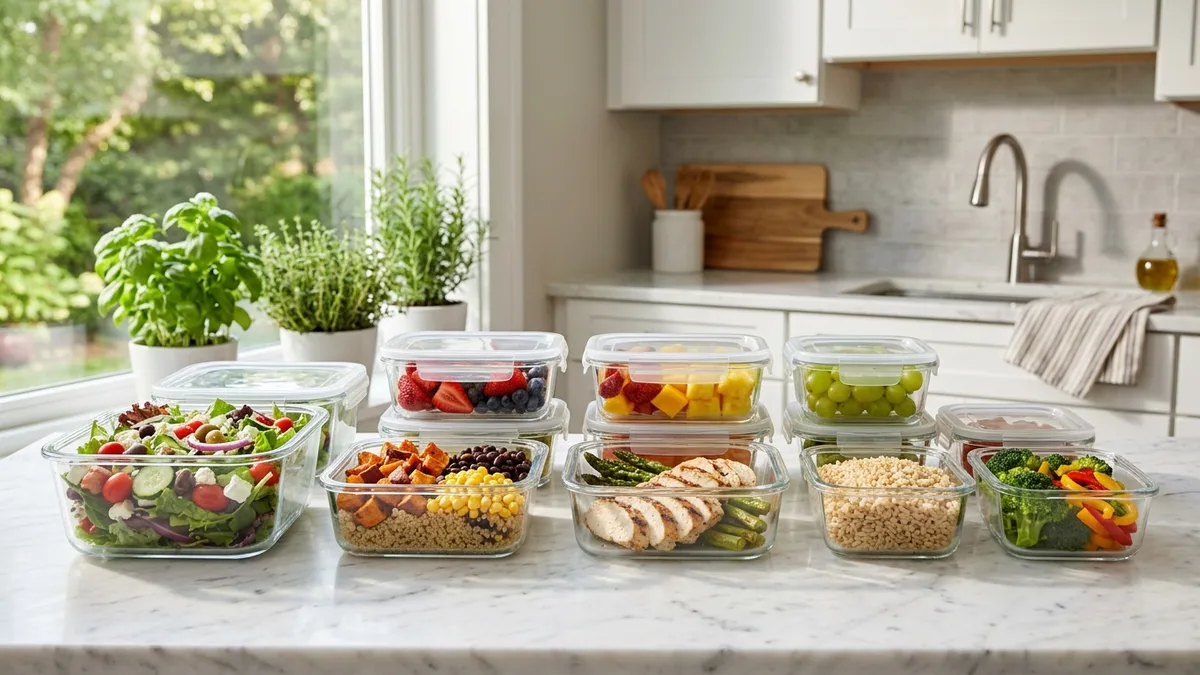
Why Glass Food Storage Containers with Glass Lids Are Worth the Upgrade
The conversation about safe food storage has shifted significantly in recent years, and glass has emerged as the clear winner for health-conscious American households. According to the U.S. Food and Drug Administration, glass is considered a GRAS (Generally Recognized as Safe) material for food contact, meaning it does not interact chemically with the foods stored inside it. That alone is a compelling reason to make the switch.
But beyond safety, the practical benefits are just as impressive. Here is why I personally prefer all-glass systems over containers with plastic lids:
- No chemical leaching - Glass is inert and non-porous, so it never absorbs food odors, flavors, or stains
- Temperature versatility - High-quality glass containers can go from freezer to oven without cracking, making them incredibly flexible
- Longer food freshness - A properly fitted glass lid creates a reliable seal that helps food stay fresh significantly longer than loosely covered plastic containers
- Sustainability - Glass is infinitely recyclable and far more eco-friendly than single-use plastic wrap or low-quality plastic containers that crack after a few months
- Cleaner aesthetics - There is something deeply satisfying about a fridge or pantry full of matching glass containers with glass lids. It looks intentional and organized
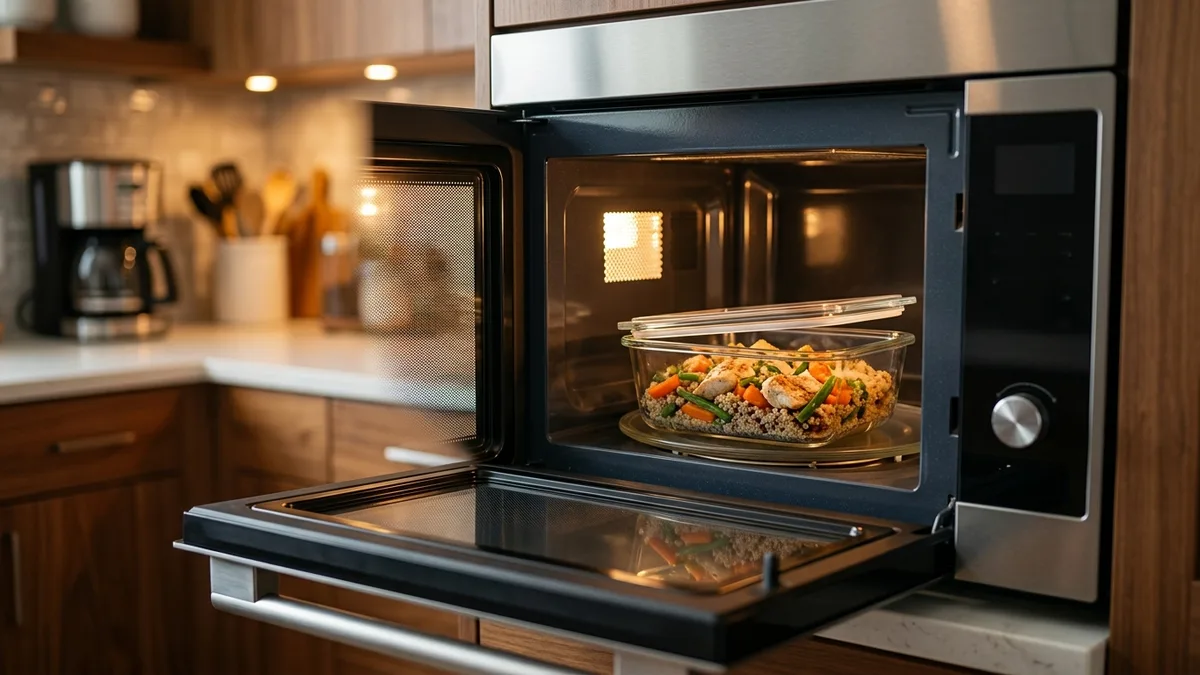
- Microwave and oven safe - Most tempered glass containers with glass lids are safe for microwave use with the lid vented, and many are oven safe up to 400 to 450 degrees Fahrenheit
If you are already exploring airtight food storage containers, you will find that glass options with glass lids offer a premium experience that plastic simply cannot replicate.
How to Choose the Best Glass Food Storage Containers with Glass Lids
Not all glass containers are created equal, and with so many options available in 2026, it helps to know exactly what to look for before you shop. I have put together the key criteria that I personally use when evaluating a new set.
1. Glass Type: Tempered vs. Borosilicate
This is the most important spec to check. Tempered glass is regular glass that has been heat-treated to increase its strength and resistance to thermal shock. It is widely available and the most common type used in food storage. Borosilicate glass is a step above. It is made with boron trioxide, which gives it exceptional resistance to thermal shock, meaning it can handle rapid temperature changes without cracking. If you plan to go from freezer to oven regularly, borosilicate is the smarter investment.
2. Lid Fit and Seal Quality
A glass lid is only as good as how well it sits on the container. Look for lids that have a slightly raised edge or a silicone gasket ring around the rim. That rubber seal is what creates an airtight closure and keeps your food fresher for longer. A lid that rattles or sits loosely is not doing its job. Always check product descriptions for mentions of airtight or leak-resistant seals.
3. Size and Shape Options
The best glass food storage containers come in sets with multiple sizes. For a well-organized kitchen, I recommend having at least:
- Small containers (around 1 to 2 cups) for snacks, dips, and single servings
- Medium containers (around 4 to 6 cups) for leftovers and meal prep portions
- Large containers (around 8 to 12 cups) for soups, stews, salads, and batch cooking
Rectangular and square shapes are generally more space-efficient in the fridge and pantry than round ones, because they stack and pack without wasted gaps.
4. Stackability
A great set of glass food storage containers with glass lids should stack stably, both when empty in a cabinet and when full in the fridge. Flat-topped glass lids are ideal for stacking because they provide a level surface.
5. Dishwasher Safety
Let's be honest. Nobody wants to hand-wash every container after dinner. Look for containers labeled dishwasher-safe on both the body and the lid. Most quality glass containers are top-rack dishwasher safe, but always confirm the lid's care instructions separately.
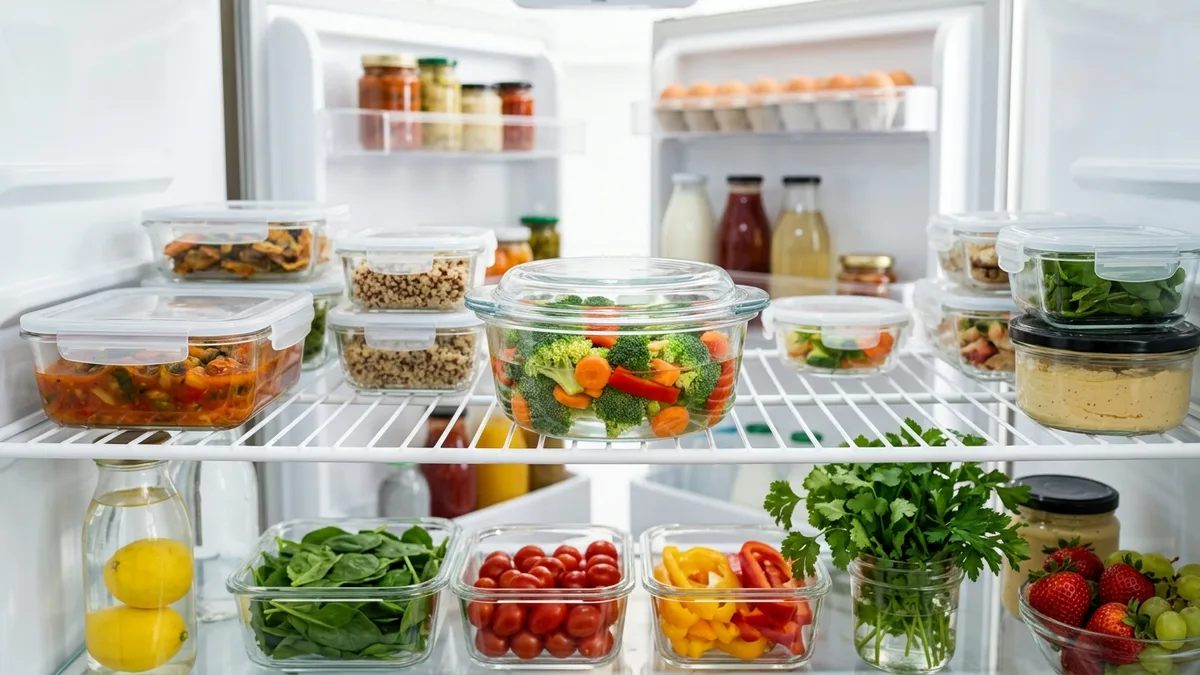
The Best Ways to Use Glass Food Storage Containers with Glass Lids in Your Daily Life
Once you have a solid set of glass containers with glass lids, the real fun begins. Here are the best practical applications I use every single week.
Meal Prep Made Simple
Meal prep is honestly where glass containers shine the brightest. Prepping five days worth of lunches on Sunday and lining them up in matching glass containers in the fridge gives me an enormous sense of control and calm. Because you can see exactly what is inside without opening anything, deciding what to grab on a busy Tuesday morning takes seconds. For deeper meal prep inspiration, check out this helpful resource from Real Simple on building a smarter prep routine.
Leftovers That Actually Get Eaten
One of the biggest reasons leftovers go to waste is that they end up buried in opaque containers at the back of the fridge. Glass containers fix that problem entirely. When everything is visible and clearly stored, leftovers actually get eaten instead of forgotten and thrown away.
Pantry Organization
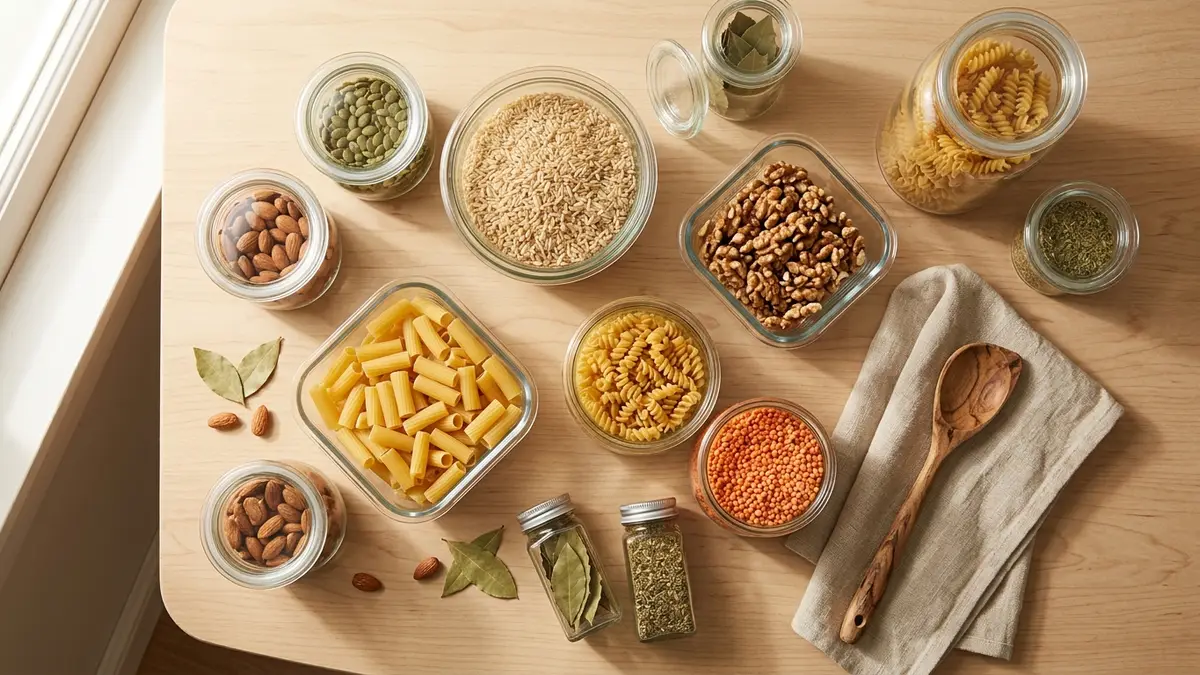
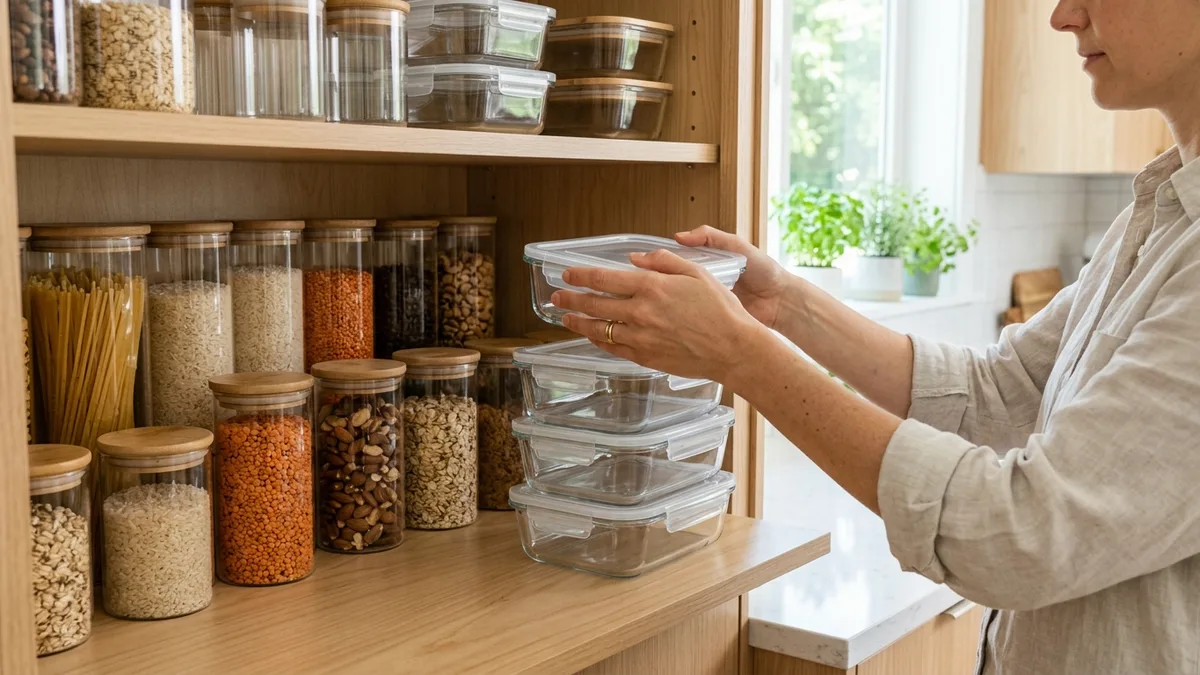
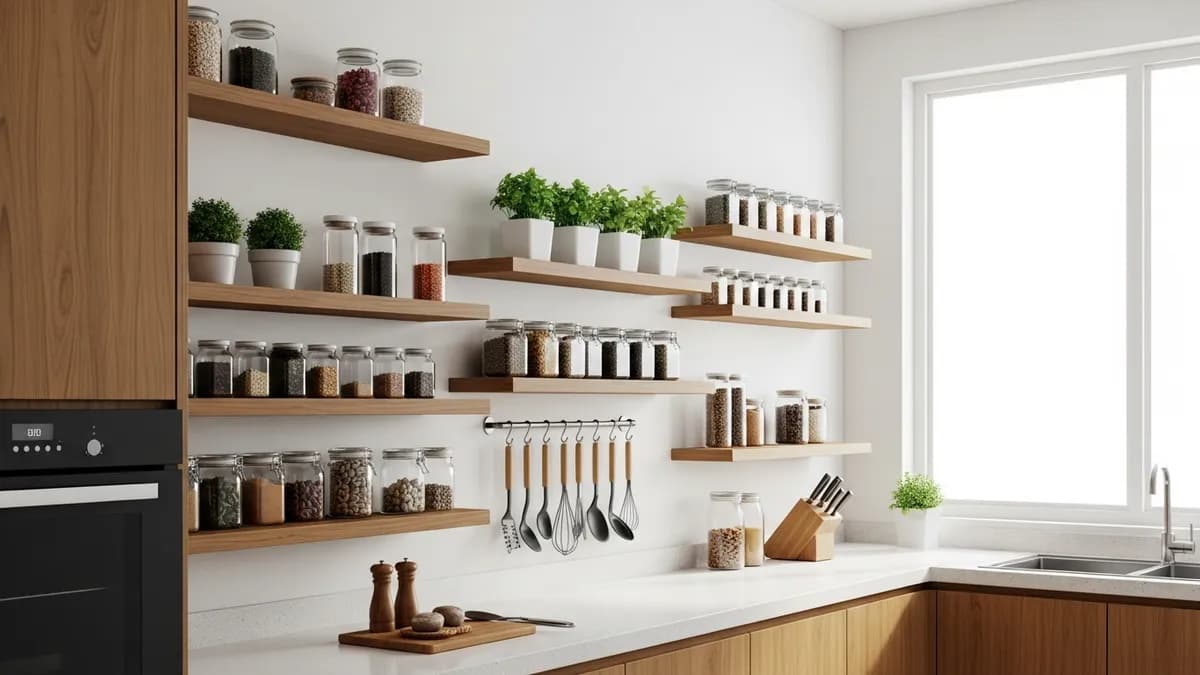
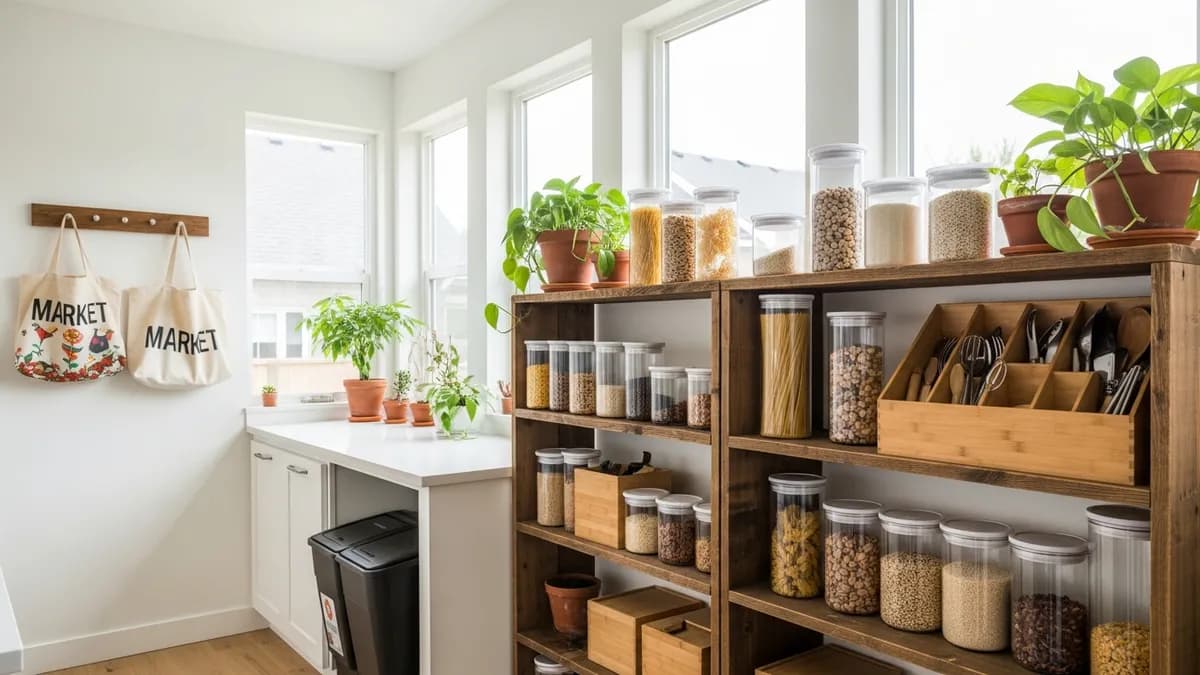
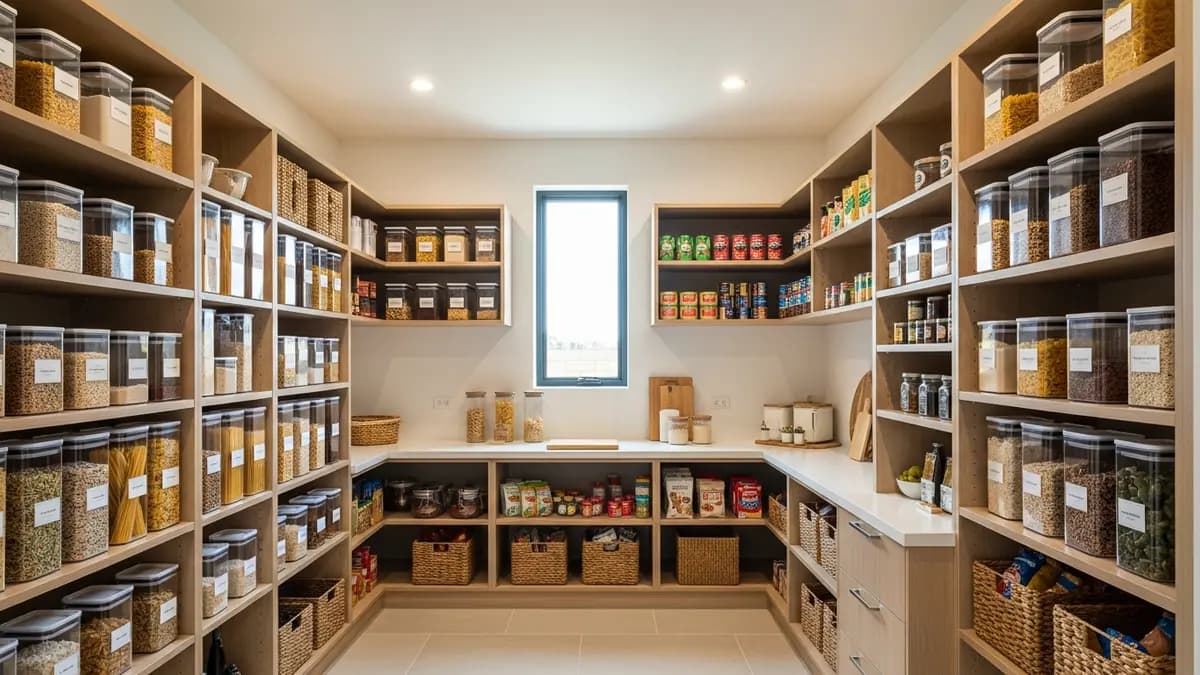
Glass containers with glass lids are not just for the fridge. They are excellent for dry pantry storage too. Grains, pasta, nuts, seeds, dried beans, flour, and baking supplies all look beautiful and stay fresh much longer when decanted from their original packaging into sealed glass containers. If you want to take your pantry to the next level, our guide to food storage containers for pantry organization has everything you need.
Freezer Storage
Borosilicate glass containers are freezer-safe and make an excellent alternative to plastic freezer bags. Fill them with soups, sauces, cooked grains, or portioned proteins and freeze flat for efficient use of freezer space. Always leave about an inch of headspace when freezing liquids to allow for expansion.
Oven-to-Table Serving
Many glass containers with glass lids are oven-safe up to 400 to 450 degrees Fahrenheit, which means you can cook directly in the container and then bring it straight to the table. This cuts down on dishes and makes dinner service feel effortless.
Glass Lids vs. Plastic Lids on Glass Containers: Which Is Better?
This is a question I get asked a lot, and my honest answer is that glass lids win in almost every situation. Here is a side-by-side comparison:
Glass lids are non-porous, odor-resistant, and visually cohesive. They elevate every container they top. Plastic lids are lighter and often cheaper, but they can absorb smells over time and are less durable.
Glass Lids Advantages:
- Do not absorb odors from strong foods like garlic, onion, or curry
- Easy to clean and do not discolor over time
- Aesthetically consistent with the glass container body
- Often oven-safe alongside the container
- More durable over the long term
Plastic Lids Advantages:
- Lighter weight
- Generally less expensive
- Often include locking mechanisms for a tighter seal
- Less risk of breakage if dropped
For home use where you want the best quality kitchen experience, glass lids on glass containers are the premium choice. If portability and budget are your top priorities, a glass container with a BPA-free plastic lid is a reasonable compromise. You can explore those options in our BPA-free food storage container guide.
The Good Housekeeping Institute has also tested and reviewed numerous glass food storage container sets and consistently highlights all-glass systems as top performers for long-term kitchen use.
How to Care for Glass Food Storage Containers with Glass Lids
Good glass containers are an investment, and with proper care they will last for many years. Here is exactly how I maintain mine:
Washing
- Most glass containers and glass lids are dishwasher-safe, but hand washing is gentler and extends the life of any silicone gasket seals
- Use warm soapy water and a soft sponge. Avoid abrasive scrubbers that can scratch the glass surface
- Remove silicone gasket rings from lids before washing to ensure no food residue gets trapped underneath
Preventing Thermal Shock
- Never move a glass container directly from a freezer into a hot oven. Allow it to come to room temperature for 10 to 15 minutes first
- Avoid placing a hot glass container directly onto a cold or wet surface
- Do not pour boiling liquids into a cold glass container
Storage
- Store glass containers with their lids on or nest them together with lids stored separately on a lid organizer
- Avoid stacking too many heavy glass containers on top of each other without support
- Keep glass containers away from the edge of countertops to prevent accidental falls
Inspection
- Regularly check your containers and lids for chips or cracks. A chipped container should be retired from food storage immediately
- Replace silicone gasket rings annually or whenever they show signs of wear, stretching, or discoloration
Organizing Your Kitchen with Glass Food Storage Containers with Glass Lids
The organizational benefits of glass food storage containers with glass lids extend well beyond just the containers themselves. Here is how to build a complete system around them.
The Decant and Label Method
Transfer all pantry staples out of their original packaging and into glass containers with glass lids. Label each container clearly using a label maker or chalkboard labels. This creates a pantry that is immediately scannable, visually cohesive, and deeply satisfying to use every day. Our label organizer guide walks you through the best labeling systems available in 2026.
The Fridge Zone System
Assign specific areas of your refrigerator to specific food categories and use glass containers consistently within each zone:
- Top shelf: Leftovers and ready-to-eat meals in medium glass containers
- Middle shelf: Meal prep portions in smaller glass containers
- Bottom shelf: Marinating proteins in large glass containers
- Crisper drawers: Prepped vegetables in rectangular glass containers
For more refrigerator organization inspiration, our fridge organization ideas guide is packed with practical strategies.
The Cabinet Stack Strategy
In your kitchen cabinets, store glass containers nested inside each other by size, with lids stored separately but nearby. A vertical lid organizer or a tension rod divider inside a cabinet keeps lids upright and easy to grab. This prevents the dreaded avalanche of mismatched lids every time you open the cabinet.
According to The Spruce, organizing your food storage system with matching containers dramatically reduces kitchen decision fatigue and makes cooking more enjoyable on a daily basis.
Common Mistakes to Avoid with Glass Food Storage Containers
Even experienced home cooks make these errors. Avoid them and your glass containers will serve you beautifully.
- Overfilling before freezing - Always leave headspace when storing liquids or foods that expand when frozen
- Using chipped or cracked containers - This is a safety hazard. Retire damaged containers immediately
- Putting glass directly from freezer to hot oven - Always allow temperature to equalize first to avoid thermal shock
- Ignoring the gasket seal - A worn-out silicone ring means your container is no longer truly airtight. Replace it
- Buying mismatched sets - A cohesive set of glass containers with glass lids that all share the same lid footprint is far more practical than a mix-and-match collection
- Not labeling contents - Even with transparent glass, labeling with contents and date dramatically reduces food waste
- Storing very hot food immediately - Allow hot food to cool for 20 to 30 minutes before sealing and refrigerating to avoid condensation buildup inside the container
Related Products from Sesoris
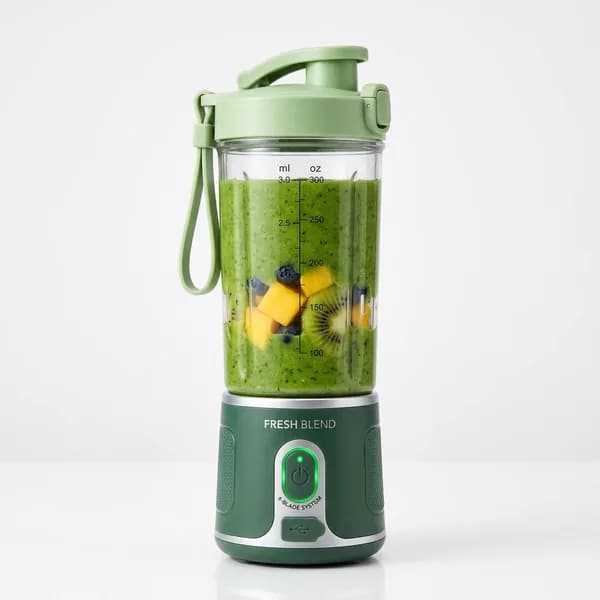
If you want to turn this guide into a real setup, start with Stainless Steel 2-Tier Dish Rack and Portable Blender. For broader options, browse the Kitchen & Dining collection so the article journey does not stop at reading only.
Our practical rule: choose one product that solves the main clutter problem first, then add supporting organizers only when the daily workflow is already clear. This keeps the shopping path useful, not pushy.
FAQ: Frequently Asked Questions About Glass Food Storage Containers with Glass Lids
Q: Are glass food storage containers with glass lids truly airtight?
It depends on the design. Containers with a silicone gasket ring built into the glass lid create an airtight or near-airtight seal. Containers with a plain glass lid resting on the rim without a gasket are not airtight but still provide a much better seal than no lid at all. For meal prep and fridge storage, a gasket-sealed glass lid is the gold standard.
Q: Can I put glass food storage containers with glass lids in the microwave?
Most tempered and borosilicate glass containers are microwave-safe. However, the glass lid should be placed ajar or removed entirely during microwaving to allow steam to escape and prevent pressure buildup. Always check the manufacturer's instructions for your specific container.
Q: How long does food last in glass containers compared to plastic?
Because glass is non-porous and does not absorb odors or harbor bacteria the same way plastic can, food tends to stay fresher longer in glass. The airtight seal provided by a quality glass lid with a silicone gasket further extends freshness. That said, glass containers do not replace proper food safety practices. Always follow recommended refrigerator storage times for specific foods.
Q: Are glass food storage containers with glass lids safe for the freezer?
Yes, provided you use borosilicate or freezer-safe tempered glass and follow two key rules: leave headspace for expansion and avoid sudden temperature changes. Not all glass containers are rated for freezer use, so always check the product label before freezing.
Q: What size glass food storage containers should I start with?
I recommend starting with a mixed set that includes small (1 to 2 cup), medium (4 to 6 cup), and large (8 to 12 cup) containers. This covers the widest range of everyday uses from individual snacks to batch-cooked meals.
Q: Are glass lids harder to clean than plastic lids?
Not at all. Glass lids are actually easier to clean because they do not absorb stains or odors. A quick wash with warm soapy water or a run through the dishwasher top rack is all they need. The silicone gasket ring should be removed and washed separately to prevent buildup.
Conclusion
Making the switch to glass food storage containers with glass lids is one of the most practical, health-conscious, and aesthetically rewarding upgrades you can make to your kitchen in 2026. They eliminate the guesswork of whether your containers are safe, they make your fridge and pantry look genuinely beautiful, and they actively help you reduce food waste by keeping ingredients visible and fresh. Whether you are a dedicated meal prepper, a busy parent trying to stay organized, or someone who simply wants a cleaner, calmer kitchen, an all-glass storage system delivers on every level. From choosing the right glass type to building a complete organizational system, I hope this guide gives you everything you need to shop with confidence. Ready to build your dream kitchen storage setup? Browse the full collection at Sesoris and discover our curated range of best sellers and new arrivals designed to help you live more organized, every single day.
Weekly Home Tips
Get home organization ideas, product picks, and exclusive deals delivered weekly.
No spam. Unsubscribe anytime.
Explore More Articles
- 20+ Best Mini Fridge Organization Ideas to Maximize Every Inch in 2026
- 25+ Creative DIY Cardboard Box Storage Ideas to Organize Your Home in 2026
- 25+ Best Book Storage Ideas for Small Spaces to Maximize Every Inch in 2026
- 25+ Best Work From Home Desk Setup Ideas to Build a Productive Workspace in 2026
- Best Office Organization Supplies in 2026: Complete Review & Buying Guide for a Productive Workspace
- 30+ Best Small Kitchen Organization Ideas to Maximize Every Inch in 2026
- 25+ Best Plant Stand Ideas to Elevate Your Home Decor in 2026
- Best Budget Kitchen Racks in 2026: Top Picks for Every Home