
How to Store Food to Last Longer: Complete 2026 Guide
Learn how to store food to last longer with simple methods and the right containers. Cut waste and save on groceries. Read the full guide.
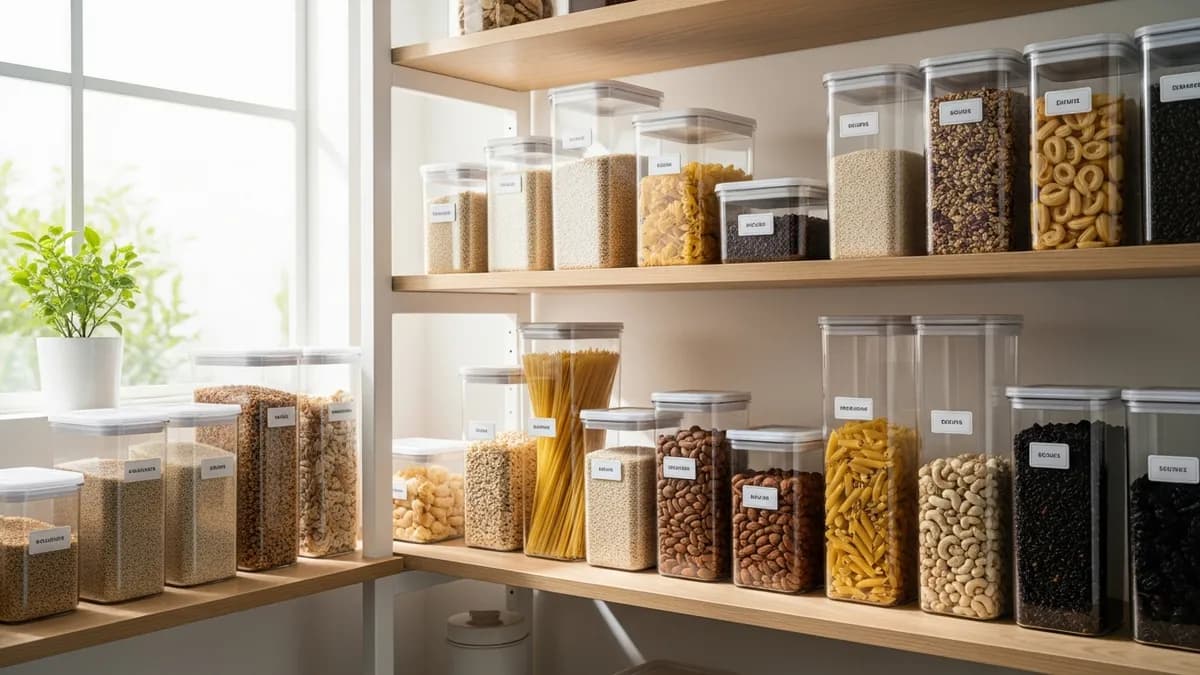
To store food to last longer, keep perishable food at 40°F or below, refrigerate promptly in shallow containers, and label leftovers so you can use them within their recommended storage time. Keep pantry staples dry and protected in food-suitable containers, and buy amounts your household can finish. Freshness varies with the food, its condition and handling; no container makes a product safe indefinitely. Start with a refrigerator thermometer, a weekly inventory check, and a separate place for raw meat so it cannot drip onto ready-to-eat food.
Why Food Spoils Faster Than It Should
Before getting into technique, it helps to know what you are actually fighting. Four things drive most spoilage in a home kitchen: air, moisture, light, and the wrong temperature.
Air carries oxygen, which oxidizes fats and oils and turns them rancid. It also carries mold spores and bacteria that settle on food surfaces and multiply. Moisture is the other half of the problem. Too much of it creates ideal conditions for mold and bacteria, while too little dries out fresh produce and leaves greens limp within a day or two.
Light, especially direct sunlight, speeds up nutrient breakdown and changes the color and flavor of sensitive items such as cooking oils and ground spices. The wrong temperature is the most common culprit of all, because bacteria including Salmonella and E. coli multiply fastest between roughly 40°F and 140°F, the range food safety experts call the danger zone.
The FDA safe-storage guidance treats safe handling and correct storage temperature as the foundation of preventing foodborne illness at home, and the same principles apply to every ingredient on your shelves.
How to Store Food to Last Longer: The Core Principles
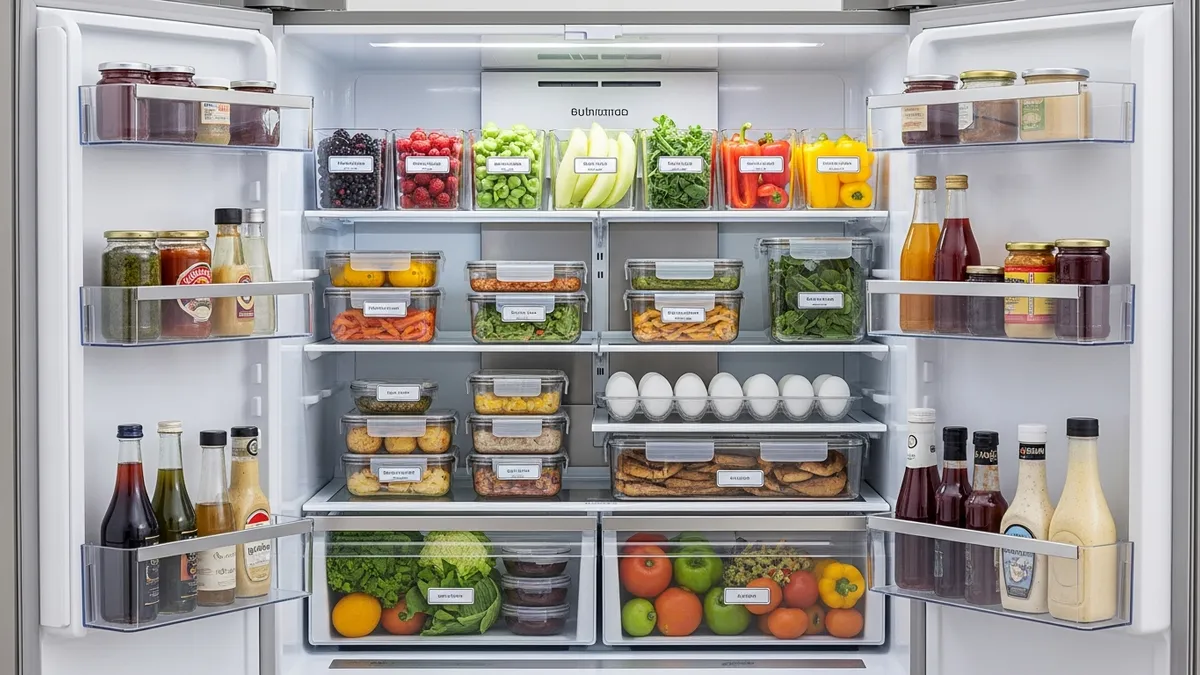
Once you know what causes spoilage, the ground rules follow naturally. These apply across the board, whether you are storing fresh produce, dry pantry staples, or last night's leftovers.
1. Use Genuinely Airtight Containers
The highest-return purchase in food storage is a set of quality airtight containers. An airtight container is designed to keep oxygen, humidity, and outside contaminants away from what is inside, which slows spoilage dramatically compared with a folded-over bag held shut by a clip.
For dry goods such as rice, flour, sugar, and dried beans, a suitable tightly closed container helps keep storage orderly and protected. Do not assume it doubles or triples shelf life; follow the package information and inspect the food before use. You can browse the airtight food storage containers at Sesoris to find sizes that match how your kitchen actually runs.
2. Label and Date Every Container
This habit gets skipped constantly, and it is the one that pays off fastest. Writing the contents and the date on every container lets you:
- Know exactly when something needs to be used up
- Run a FIFO system (*First In, First Out*), where older stock gets used before newer stock
- Stop guessing between three similar white powders in three identical jars
- Waste less, because you always know what is already in the pantry before you shop
Use a label organizer system with waterproof labels that peel off cleanly, especially on containers you refill often.
3. Make Sure Both the Container and the Food Are Dry
This is the rule most often broken without anyone noticing. A wet spoon dipped into the sugar jar, or greens put away before they are fully dried, is the fastest way to ruin a whole batch. Before anything goes into storage, check that:
- The container is completely dry after washing, including the lid gasket
- The food itself has been drained and patted dry
- Any scoop or spoon you keep inside is clean and bone dry
How to Store Dry Pantry Staples So They Last
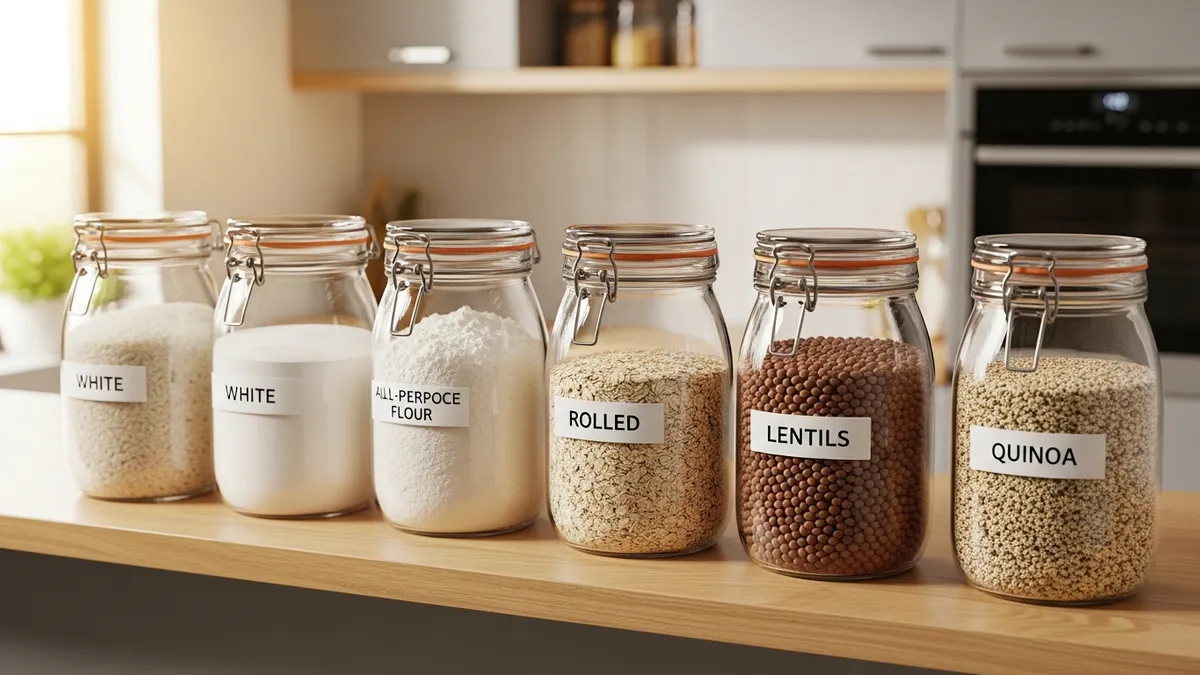
Rice, flour, sugar, pasta, and dried beans are the backbone of most pantries. Each one has its own quirks, and the guidance below is specific to keeping them fresh far longer than the bag they arrived in.
Rice and Grains
Rice looks indestructible, but stored badly it picks up musty odors, absorbs kitchen smells, and can end up hosting pantry weevils that spread to everything else on the shelf.
Tips for storing rice:
- Move it into a dedicated airtight rice container sized to about a month of normal use
- Keep it somewhere cool, dry, and out of direct sunlight
- Inspect packages and shelf corners for pest activity; do not rely on bay leaves as a pest-control treatment
- Keep it away from the range and any warm appliance, since heat speeds up pest activity
- Buy an amount you can use and follow package storage directions; freezing for an unspecified number of days is not a verified treatment for an infestation
Flour, Sugar, and Ground Spices
Flour is vulnerable to both humidity and pests. Sugar turns into a solid brick the moment damp air reaches it. Ground spices such as pepper, cumin, and turmeric lose their aroma and heat quickly when they are stored carelessly.
- Transfer flour out of its paper bag into a glass or food-grade plastic airtight container as soon as you open it
- Store granulated sugar airtight, and tuck in a folded paper towel to absorb stray moisture
- Keep ground spices and blends on an organized kitchen spice rack with every lid sealed tight after use
- Never store spices directly above or beside the range, because rising steam and heat strip their potency fast
Beans, Nuts, and Seeds
Dried beans, nuts, and seeds carry natural oils that turn rancid after sitting exposed to air for too long, and rancid nuts taste sharp and bitter long before they look wrong.
- Keep them in airtight containers somewhere cool and dark
- Store roasted nuts, nut flours, and shelled seeds in the refrigerator or freezer so those oils stay stable
- Check for mold or an off smell before use, and throw out anything questionable instead of picking around it
How to Store Vegetables and Fruit So They Stay Fresh
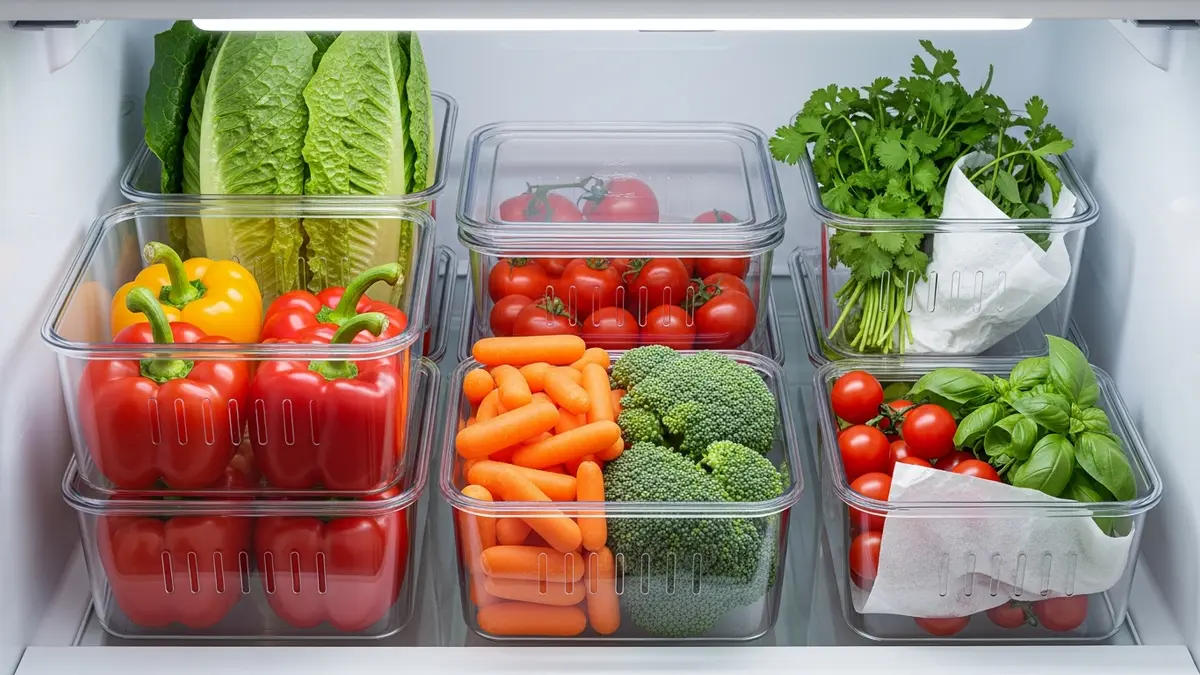
Produce spoils fastest because it is still biologically active after harvest, still breathing and ripening on your counter. Applying how to store food to last longer to fresh produce means learning what each type actually wants.
Leafy Greens and Fresh Herbs
Spinach, lettuce, kale, and scallions wilt faster than anything else in the refrigerator, and so do tender herbs such as basil, cilantro, and parsley.
How to store them:
- Wash greens, dry them thoroughly in a salad spinner or on a clean towel, then wrap them loosely in a slightly damp paper towel
- Store in a lidded container or a zip-top bag in the crisper drawer
- Treat cilantro and parsley like cut flowers: trim the stem ends, stand them in a glass with an inch of water, cover loosely with a bag, and refrigerate (basil does better left on the counter)
- Keep greens away from the coldest back wall of the refrigerator, where freezing damages the leaf cells and turns them to mush
Root Vegetables and Alliums
Carrots, potatoes, onions, and garlic all want different conditions, and mixing them up is a common source of waste.
- Carrots: Cut off the greens, then store them in a container of water in the refrigerator or in a perforated bag in the crisper. Carrots kept in fresh water stay crisp for weeks
- Potatoes: Do not refrigerate them. Cold converts their starch to sugar and changes both flavor and texture. Keep them somewhere cool, dark, and well ventilated, such as a basket in a lower cabinet
- Onions and garlic: Store cool, dry, and ventilated, never sealed in a bag. Keep them away from potatoes, since each releases gases and moisture that make the other spoil faster
- Tomatoes: The most commonly mishandled item in the kitchen. Fresh tomatoes lose texture and flavor in the refrigerator. Leave them on the counter and chill them only once they are fully ripe or already cut
Fruit and Ripening Gases
Bananas, mangoes, pineapple, avocados, and stone fruit generally prefer the counter, at least until they finish ripening.
- Keep bananas on the counter and away from other produce, since they give off a lot of ethylene gas that ripens everything nearby ahead of schedule
- Let mangoes, avocados, and peaches finish ripening at room temperature, then move them to the refrigerator to slow things down
- Cut fruit always goes into a sealed container in the refrigerator and should be eaten within a day or two
How to Store Cooked Food and Leftovers
Last night's dinner is where most home food safety problems start. Handled carelessly, cooked food becomes a growth medium for bacteria within a couple of hours on the counter.
Ground Rules for Leftovers
FDA safe-storage guidance sets a two-hour limit for perishables left at room temperature, reduced to one hour when the surrounding temperature is above 90°F. Divide large batches into shallow containers and refrigerate promptly; an airtight lid does not replace temperature control.
The right way to put leftovers away:
- Cool the food down quickly. For a big batch of soup, chili, or braised meat, transfer it into wider, shallower containers so heat escapes fast instead of holding in the center
- Divide a large batch into shallow, heat-safe containers and refrigerate promptly. The FDA cold-food safety guide says hot food can go directly into the refrigerator; do not wait for it to reach room temperature.
- Use shallow food containers with suitable lids and refrigerate promptly rather than waiting on the counter for the food to cool
- Label each container with the date it went in
- Check the FDA refrigerator and freezer storage chart for the specific food. Many cooked leftovers have a three-to-four-day refrigerator window; freeze within the safe storage period if you will not use them in time
Freezing Cooked Meals
The freezer is the best tool you have for long term storage. Stews, chili, braises, casseroles, soups, and cooked grains all keep one to three months frozen without a meaningful drop in quality when they are packed properly.
- Use freezer safe containers that will not crack or warp at very low temperatures
- Portion meals into single servings before freezing so you thaw only what you need
- Label with the dish name, the date it was made, and a rough use-by date
- Thaw in the refrigerator overnight rather than on the counter, which keeps the food out of the danger zone the whole time
Refreezing is not governed by a universal rule that raw food must always be cooked first. The FDA cold-food safety guide says properly handled food thawed in the refrigerator can be refrozen, although quality may suffer. Do not refreeze food that has been handled unsafely or left warm beyond the recommended limit.
How to Store Food to Last Longer With the Right Gear
Technique only carries you so far without the right equipment. Here is the storage gear worth having in a well run kitchen in 2026.
Airtight Glass Containers
Glass containers can be convenient for storing meals and seeing the contents, but heat and freezer suitability depend on the exact product. Use an oven, microwave or freezer only when the manufacturer approves that use; do not assume any glass jar can move directly between extreme temperatures. Our full guide to choosing the best glass food containers covers what to check before you buy.
BPA-Free Food-Grade Plastic
For everyday use on a tighter budget, BPA-free plastic containers are hard to beat on weight and price. Look for both a BPA-Free and a Food Safe marking on the product itself. A BPA-free label alone does not establish microwave, freezer or hot-food suitability. Check the intended use and care instructions for the exact container instead of treating a material label as a universal safety approval.
Zip-Top and Vacuum Bags
Zip-top bags are the practical choice for small quantities in the refrigerator or freezer, and they lie flat to save space. Only use vacuum packaging intended for food and follow the appliance and package instructions. Clothing vacuum bags are not food packaging, and vacuum sealing does not replace refrigeration or establish a new safe storage time.
An Organized Pantry Shelf
Even good containers underperform without a system around them. An organized pantry storage rack keeps everything visible, which is the only reliable way to stop items from expiring quietly in the back corner.
Browse the full range of food storage products in the Sesoris best sellers to find what fits your kitchen.
How to Store Food by Refrigerator Zone
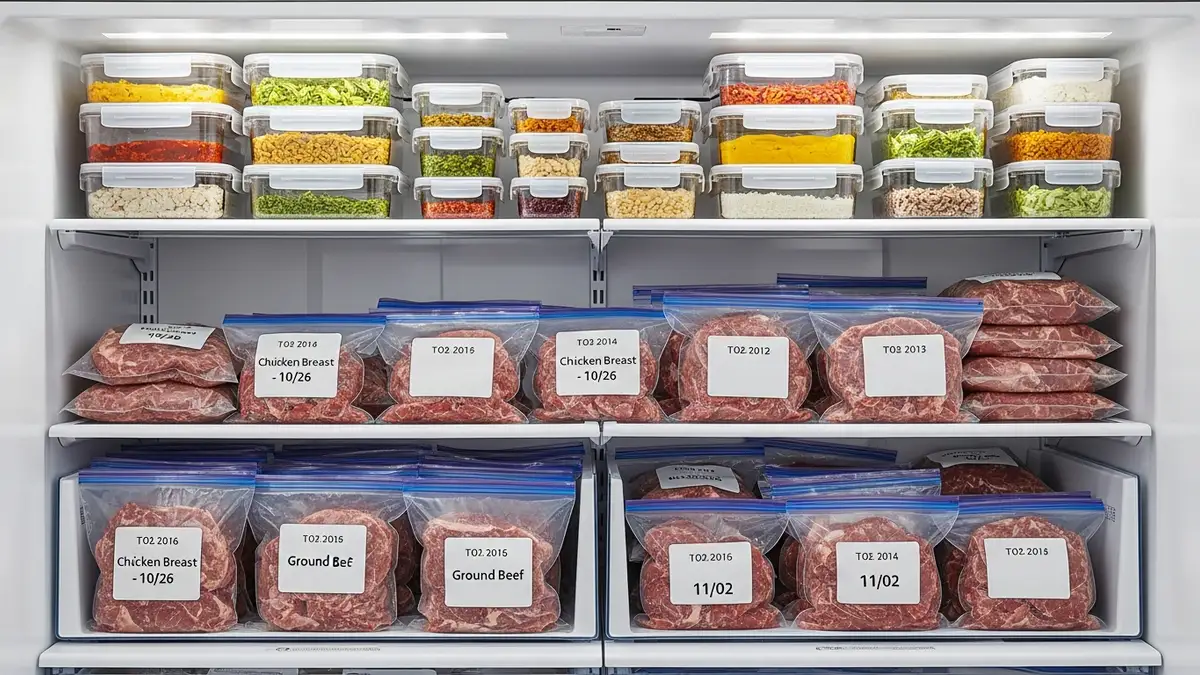
Most people load the refrigerator wherever there is space, without realizing that each zone runs at a different temperature and suits a different category of food. This is one of the most overlooked parts of how to store food to last longer.
The Right Food for Each Zone
The Door swings out to room temperature every time you open it, so it is the least stable spot in the whole appliance. It is right for condiments, sauces, drinks, and butter. It is the wrong place for milk.
Upper Shelves run slightly warmer but stay steady, which suits leftovers, cooked dishes, and ready-to-eat items such as yogurt and cheese.
Middle Shelves usually hold the most consistent temperature, making them a good home for dairy and eggs.
Lower Shelves are the coldest part of the refrigerator outside the freezer, which makes them ideal for raw meat and fresh fish you plan to cook within a day or two. Always keep raw meat in a sealed container on the bottom shelf so nothing can drip onto the food below it.
Crisper Drawers are built to hold higher humidity for produce. Use one for vegetables and the other for fruit, because several fruits release ethylene gas that will ripen and spoil nearby vegetables early.
Use an appliance thermometer rather than assuming that a particular shelf is always cold enough. FDA cold-food safety guidance recommends checking refrigerator temperature and avoiding overpacking so cold air can circulate. Place raw meat where leaks cannot reach ready-to-eat food; no electricity-saving figure is established here.
Extra Habits That Extend Shelf Life
Beyond the core techniques, a handful of small habits decide how well how to store food to last longer actually works in day-to-day life.
- Do not wash everything the moment you get home. Residual moisture accelerates spoilage. Wash produce right before you cook or eat it, with leafy greens as the one exception, since those need washing and thorough drying up front
- Do not improvise preservation recipes. A vinegar or salt mixture does not by itself establish safe acidity or storage life. Use a tested recipe from a recognized food-preservation authority, keep refrigerator pickles refrigerated, and do not treat them as shelf-stable canned food
- Freeze what you will not get to soon. Ginger, lemongrass, chiles, and citrus zest all freeze well and go straight into the pan without thawing
- Clean out the refrigerator and pantry on a schedule. Once a week, scan everything and pull anything spoiling before it contaminates what sits next to it. A clean refrigerator also runs more efficiently
- Adjust for the season. In summer heat or in a humid climate, items that normally sit fine on the counter may need to move into the refrigerator
- Do not use an oil layer as a storage-life guarantee. Follow a tested preparation and storage method for fresh herbs or aromatics in oil. When no verified method is available, freeze suitable plain ingredients in portions instead of storing an improvised oil mixture
For planning portions and using what you already have, the EPA food-waste prevention guide recommends checking the refrigerator, freezer and pantry before shopping. This supports buying and organizing around actual meals instead of assuming every food will last longer in a new container.
Related Products from Sesoris
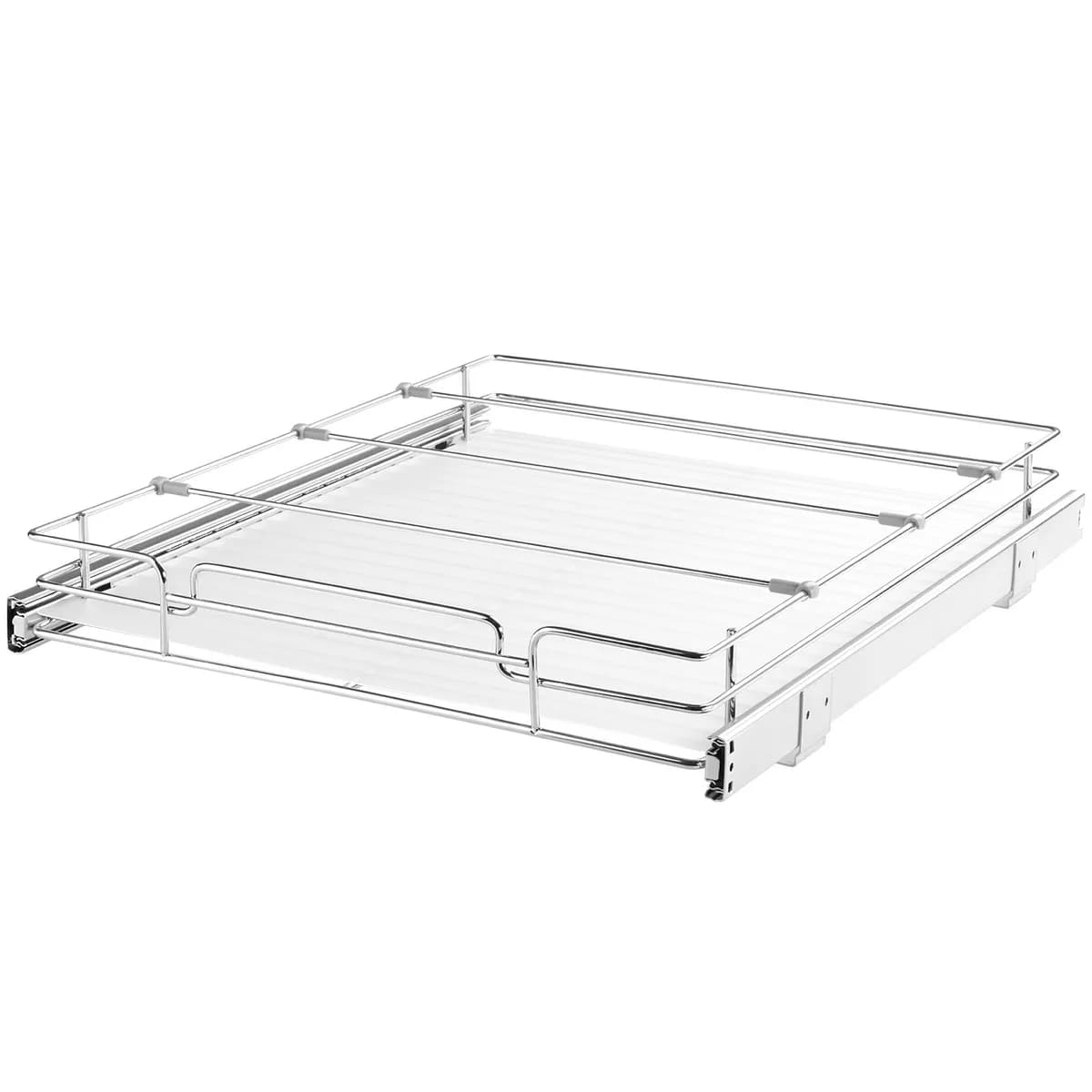
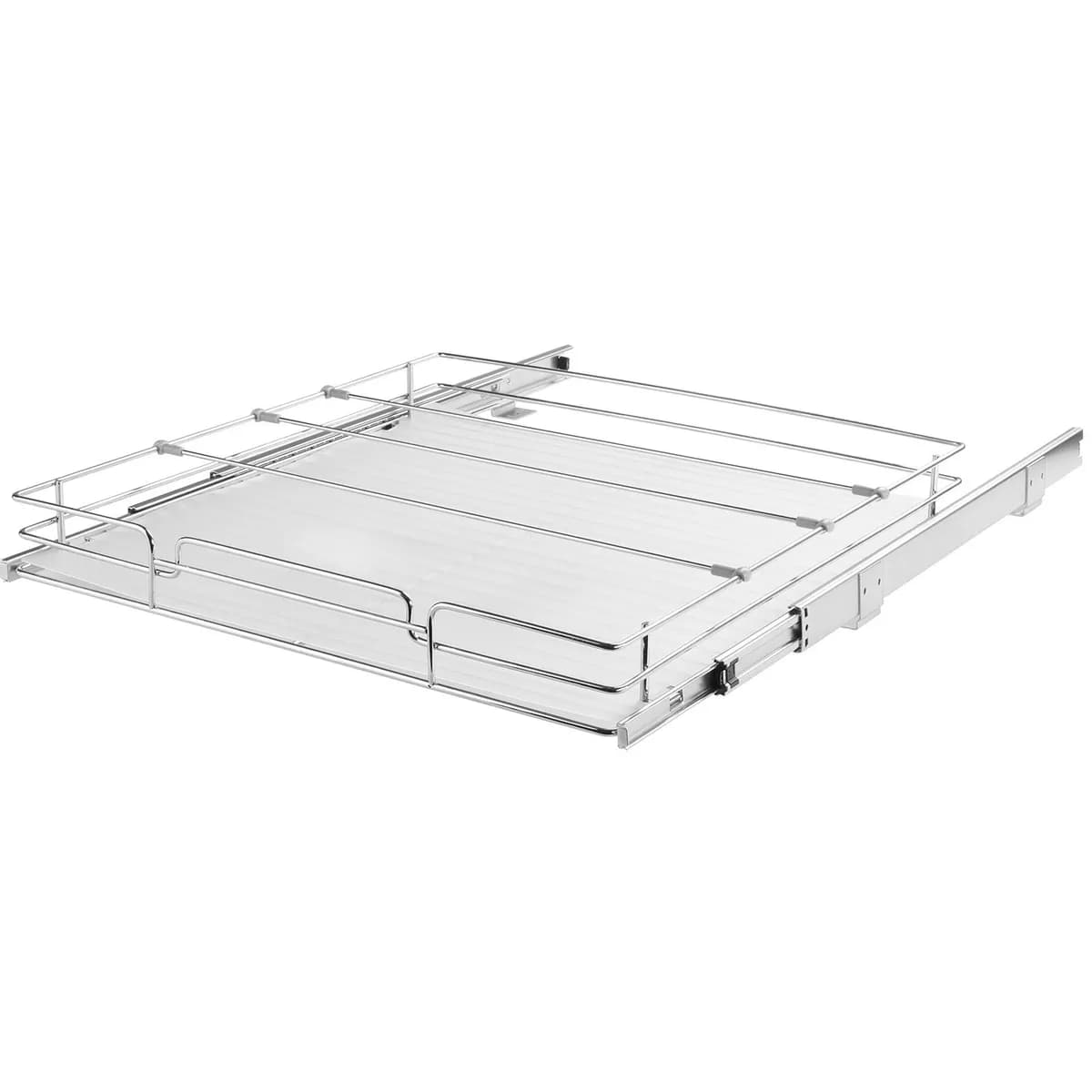
If you want to turn this guide into a real setup, start with Pull-Out Cabinet Organizer, 14 in. Wide and Double-Layer Bamboo Bread Box. For broader options, browse the Kitchen & Dining collection so the article journey does not stop at reading only.
Before buying food containers, measure the refrigerator shelf depth and the portions you normally chill. Pick lids you can clean thoroughly, check the container's temperature-use instructions, and label portions with dates. A matching set is useful only if it fits your refrigerator and helps you use food within its safe storage window.
FAQ: Common Questions About How to Store Food to Last Longer
How long do cooked leftovers keep in the refrigerator?
As a general rule, cooked food stored in an airtight container below 40°F is safe to eat for three to four days. Dishes built on coconut milk or a heavy cream sauce are better finished within two days, since they turn sooner than the rest.
Is all plastic safe for storing food?
No. Only plastics labeled food-grade and BPA-free are meant for food contact. Avoid reusing thin grocery bags or single-use takeout containers that were never designed for repeated storage, since they can leach compounds you do not want in your food.
Can I put hot food straight into the refrigerator?
Yes. The FDA cold-food safety guide says hot food can go directly into the refrigerator. Divide large quantities into shallow containers suitable for hot food so they cool quickly. Refrigerate perishables within two hours, or within one hour when the surrounding temperature is above 90°F, and keep the refrigerator at 40°F or below.
Why do I keep finding weevils in my rice even though it is still in the original bag?
Paper and thin plastic rice bags are not airtight, and pantry pests get through them easily. Sometimes the eggs are already in the grain when you buy it. Transfer rice into a dedicated airtight rice container as soon as you get home, and freeze new bags for a few days first if the problem keeps repeating.
Should all fruit and vegetables go in the refrigerator?
No. Several do better on the counter, including tomatoes, potatoes, onions, garlic, unripe avocados, and bananas. Refrigerator temperatures are cold enough to damage the texture and flavor of every one of them.
What is the best way to store raw meat?
Keep raw meat on the bottom shelf of the refrigerator in a sealed container so nothing drips onto other food. Use it within one to two days. If you will not get to it, portion it into meal-sized packs, wrap it tightly, and freeze. Well wrapped frozen meat holds its quality for one to three months.
Conclusion: Start Storing Food Better Today
Putting how to store food to last longer into practice is a small investment with an outsized return. Use the right containers, learn what belongs in each refrigerator zone, and build the habit of labeling and checking what you already have. Do that and you will noticeably cut food waste, trim the grocery bill, and put fresher, better tasting meals on the table.
The easiest first step is upgrading the containers you reach for every day. Visit Sesoris for the full range of food storage containers, pantry racks, and kitchen organization gear that make an efficient system easy to keep up with. At Sesoris, we believe a more organized life starts with a well run kitchen.
Keep exploring the Sesoris blog for more practical tips and inspiration on organizing your home and kitchen.
Liked this guide?
Get new organizing guides and the occasional new product by email. No spam, unsubscribe anytime.
Related articles

Explore more articles
- Minimalist Shelf Ideas: 25+ Stylish Picks for 2026
- Kitchen Storage Rack: How to Choose the Best One 2026
- Laundry Room Organization Containers: Complete Tutorial Guide to Transform Your Space in 2026
- 30+ Brilliant Craft Closet Organization Ideas to Transform Your Creative Space in 2026
- 30+ Best Hallway Closet Organization Ideas to Transform Your Storage Space in 2026
- 25+ Brilliant Bathroom Wall Shelf Ideas to Transform Your Space in 2026
- Home Decluttering Guide for Beginners
- Wardrobe Organizer Guide: How to Organize Your Closet