
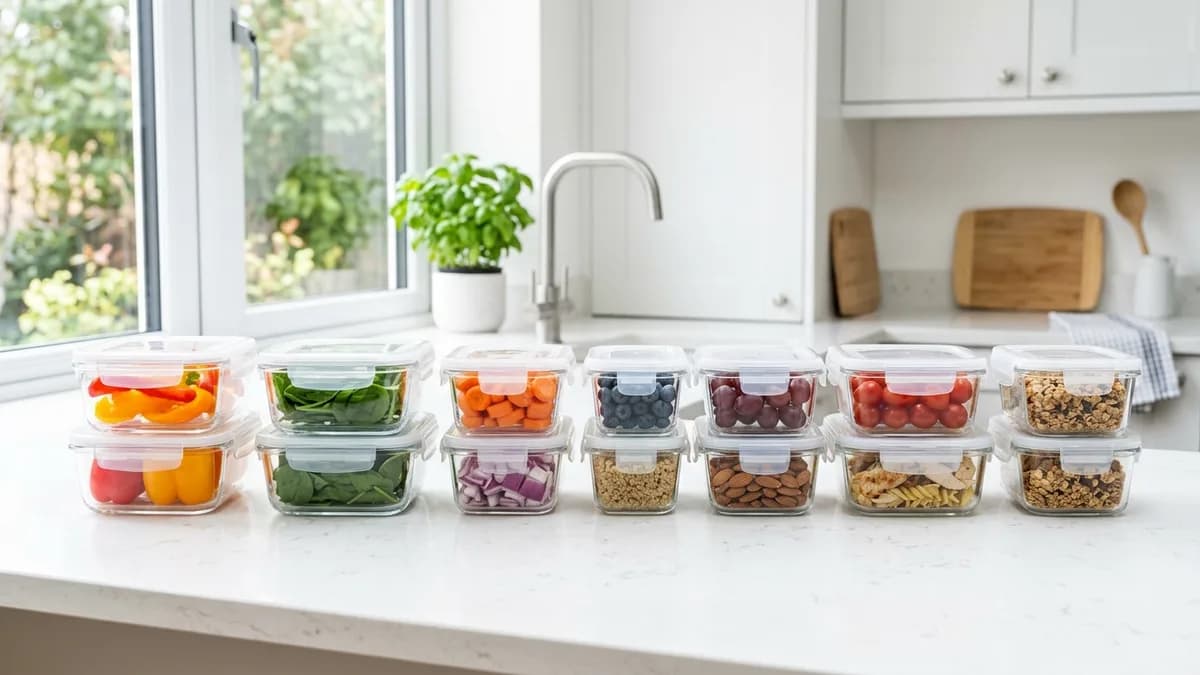
Top Rated Glass Food Storage Containers: Ultimate Buyer's Guide for 2026
If you've been searching for the top rated glass food storage containers in 2026, you're already making one of the smartest upgrades your kitchen can have. Glass containers have surged in popularity among American households for good reason: they're durable, non-toxic, visually clean, and incredibly versatile. Whether you're meal-prepping for the week, storing leftovers, or trying to cut down on single-use plastics, a great set of glass containers can genuinely transform the way you use your kitchen. In this comprehensive guide, I'll walk you through everything you need to know, from the types and key features to look for, to how to use and care for your containers so they last for years.
Why Top Rated Glass Food Storage Containers Are Worth the Investment
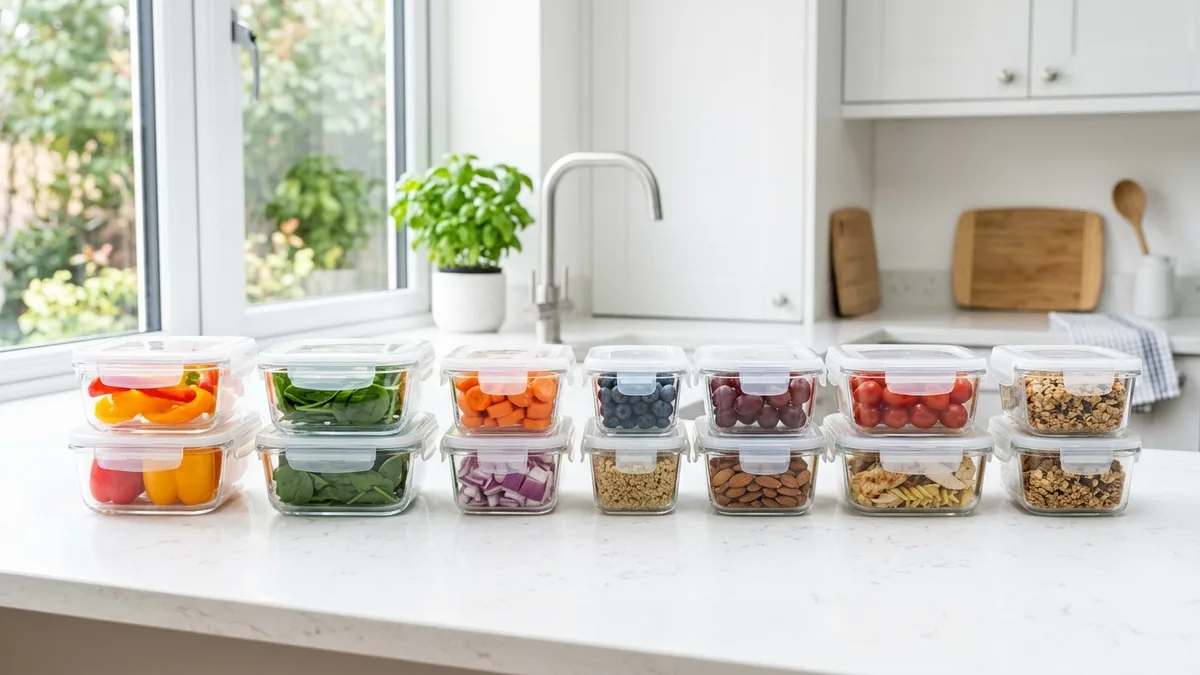
Switching from plastic to glass food storage is one of those decisions that pays off in the long run. Glass containers don't absorb odors or stains, they won't leach chemicals into your food, and they look great stacked inside a fridge or displayed on open shelving. According to Good Housekeeping, glass containers are among the most recommended options for food safety precisely because borosilicate and tempered glass are chemically inert, meaning they won't interact with acidic foods like tomato sauce or citrus.
Beyond safety, glass containers simply perform better over time. Plastic containers can warp in the dishwasher or microwave and eventually crack, while quality glass containers maintain their shape and clarity for years. For anyone serious about kitchen organization, investing in the top rated glass food storage containers is a decision you won't regret.
Types of Top Rated Glass Food Storage Containers
Before you shop, it helps to understand the different types of glass containers available. Not every option fits every need, and knowing the differences will save you money and frustration.
Borosilicate Glass Containers
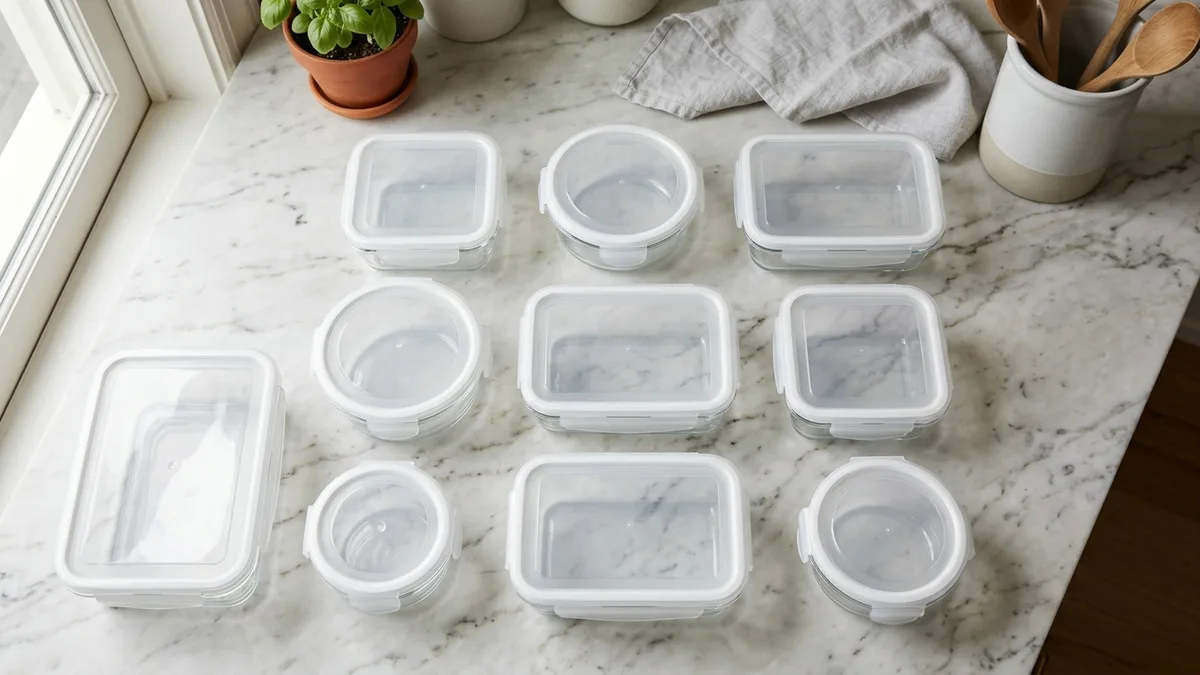
Borosilicate glass is the gold standard for kitchen storage. It is engineered to withstand extreme temperature changes, making it safe to go directly from the freezer to the oven without cracking. If you do a lot of oven reheating or batch cooking, borosilicate is your best bet.
- Thermal shock resistant: Moves safely from freezer to oven
- Lightweight for glass: Easier to handle than standard glass
- Crystal clear: Visibility makes it easy to identify contents at a glance
- Long lifespan: Resists chipping and cracking under normal use
Tempered Glass Containers
Tempered glass containers are the most widely sold variety in the US market. Tempered glass goes through a controlled heating and cooling process that makes it up to four times stronger than regular glass. These are excellent for everyday use, refrigerator storage, microwave reheating, and dishwasher cleaning.
- Highly impact resistant: Won't shatter from minor drops
- Microwave and dishwasher safe: Convenient for daily meal prep
- Affordable: Typically less expensive than borosilicate
- Available in large sets: Great value when bought as a multi-piece kit
Glass Containers with Glass Lids
Some premium glass containers come paired with glass lids rather than plastic ones. These look stunning on open shelving and eliminate any plastic contact with your food entirely. They are especially popular for pantry organization and storing dry goods. If you want to explore this option further, check out our guide on glass food storage containers with glass lids.
Snap-Lock Lid Glass Containers
These are the workhorses of the glass container world. Snap-lock or four-sided locking lids create an airtight, leak-resistant seal that keeps food fresh longer. They're ideal for transporting lunches, storing soups and sauces, or any food with moisture content. Many of the top rated sets on the market today use this lid style.
Key Features to Look for in Top Rated Glass Food Storage Containers
With so many options on the market in 2026, knowing what separates a mediocre set from a truly top rated one makes all the difference. Here are the features I always recommend checking before you buy.
Lid Quality and Seal
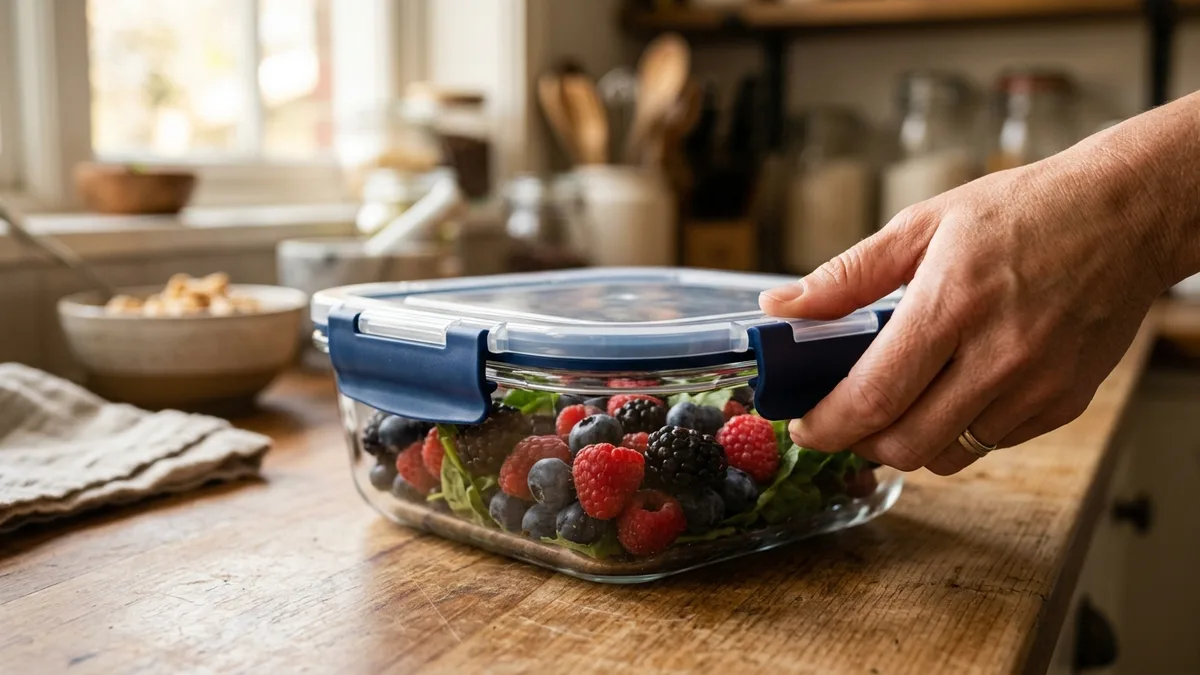
The lid is arguably the most important part of any food storage container. Look for lids that create an airtight seal to prevent leaks and keep food fresh longer. Silicone gaskets are a strong indicator of quality. Avoid lids that feel flimsy or don't click firmly into place.
Oven, Microwave, Freezer, and Dishwasher Safety
The best glass containers are true multi-taskers. Before purchasing, always confirm that the container body is oven-safe (most tempered glass is safe up to at least 450 degrees Fahrenheit) and that the lids are microwave-safe. Many lids are made from BPA-free plastic or silicone and should not go in the oven, so check the manufacturer specs carefully.
Size Variety
A well-rounded set should include a mix of sizes. For most American households, a versatile set includes:
- Small containers around 1 to 2 cups for sauces, dips, and snacks
- Medium containers around 3 to 4 cups for individual meal portions and sides
- Large containers around 6 to 8 cups for batch cooking, soups, and full meal preps
- Extra-large containers of 10 cups or more for large casseroles and family-sized portions
Stackability
Stackable designs are a must for any organized kitchen or fridge. Flat lid tops and uniform footprints make stacking easy. Look for sets specifically marketed as stackable. This single feature can dramatically reduce clutter in your refrigerator and pantry.
Weight and Thickness
Thicker glass generally means better durability, but it also adds weight. For most home cooks, a medium thickness offers the right balance between durability and ease of handling. If you're carrying containers to work or school, lighter options in the set are practical.
Pro tip: Always buy glass containers as a set rather than individual pieces. Sets are typically much more cost-effective and give you a uniform look that makes your fridge and pantry feel instantly organized.
Best Uses for Top Rated Glass Food Storage Containers
One of the biggest reasons glass containers rank so highly with American home cooks is their sheer versatility. Here's a breakdown of the most popular uses.
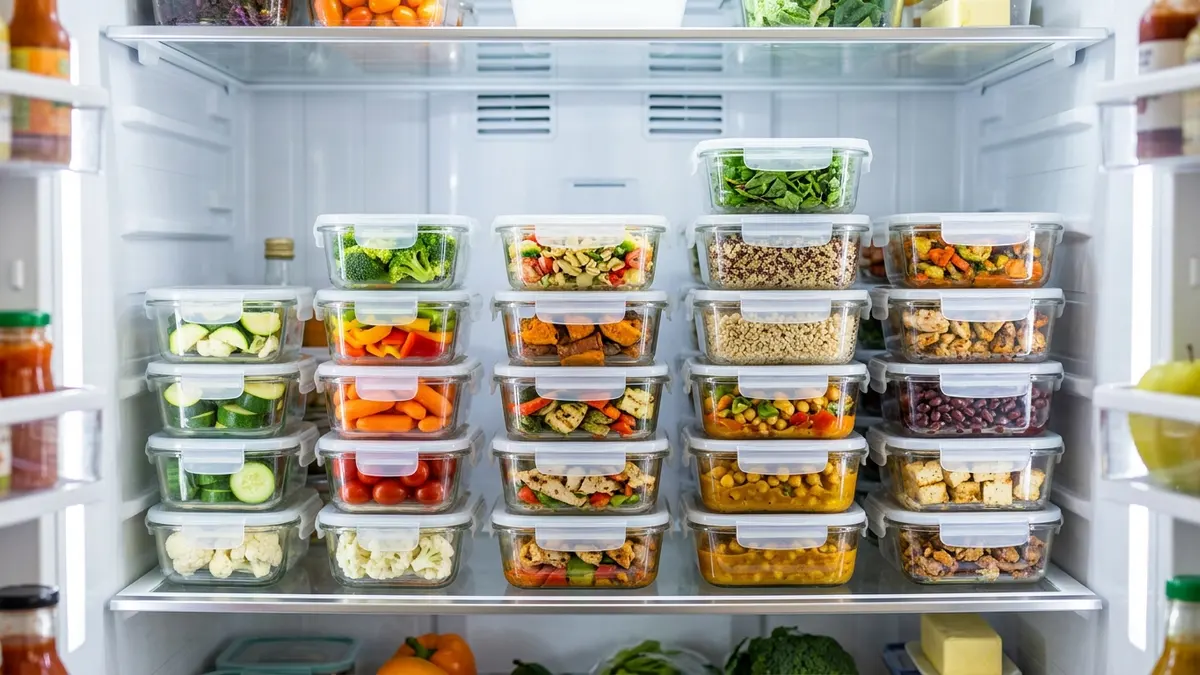
Meal Prep and Batch Cooking
Glass containers are the gold standard for meal prep. You can cook a full batch of grains, roasted vegetables, or protein on Sunday, divide them into individual glass containers, and have grab-and-go lunches or dinners ready all week. Because glass doesn't absorb odors, each meal tastes as fresh as the day you made it.
For more meal prep inspiration, The Spruce Eats has an excellent range of guides on how to organize your fridge for efficient weekly meal prep.
Leftovers Storage
One of the most common complaints about plastic containers is that they permanently stain from tomato-based sauces or curries. Glass eliminates this problem entirely. Store any leftover pasta, chili, or stir-fry without worrying about your containers turning orange.
Pantry Organization
Glass containers aren't just for the fridge. They work beautifully in the pantry for storing dry goods like pasta, rice, nuts, seeds, granola, and baking ingredients. They give your pantry a cohesive, magazine-worthy look. For more inspiration on pantry food storage containers, we have a dedicated guide that covers this topic in depth.
Oven-to-Table Serving
High-quality borosilicate containers can go straight from the oven to the dinner table, doubling as serving dishes. This minimizes dishes and keeps food warmer longer.
Freezer Storage
Glass containers are excellent for freezer storage when used correctly. Always leave at least one inch of headspace at the top to allow for liquid expansion. Tempered glass can handle freezer temperatures well, though borosilicate performs even better for rapid temperature transitions.
How to Compare Top Rated Glass Food Storage Containers: A Practical Checklist
When I'm evaluating glass food storage containers, I use a simple checklist to make sure I'm getting the best value. Here's what I recommend looking at before making your final decision.
- Material: Is it borosilicate or tempered glass? Borosilicate wins for oven use; tempered glass is great for everyday storage.
- Lid type: Does it have an airtight silicone seal? Are the lids BPA-free?
- Temperature range: What is the maximum oven-safe temperature? Is it freezer-safe?
- Dishwasher safety: Can both the container and the lid go in the dishwasher?
- Set composition: Does the set include the sizes you actually need?
- Stackability: Do the lids have a flat top that allows stacking?
- Brand warranty: Do top rated brands back their products with a satisfaction guarantee?
- Price per piece: Calculate cost per container to compare value across different sets.
Worth knowing: According to Real Simple, the average American household benefits most from owning at least 10 to 14 glass containers across different sizes to cover daily meal prep, leftovers, and pantry storage needs.
How to Care for Your Glass Food Storage Containers
Even the top rated glass food storage containers require proper care to maintain their performance and appearance over time. The good news is that glass is one of the easiest materials to clean and maintain.
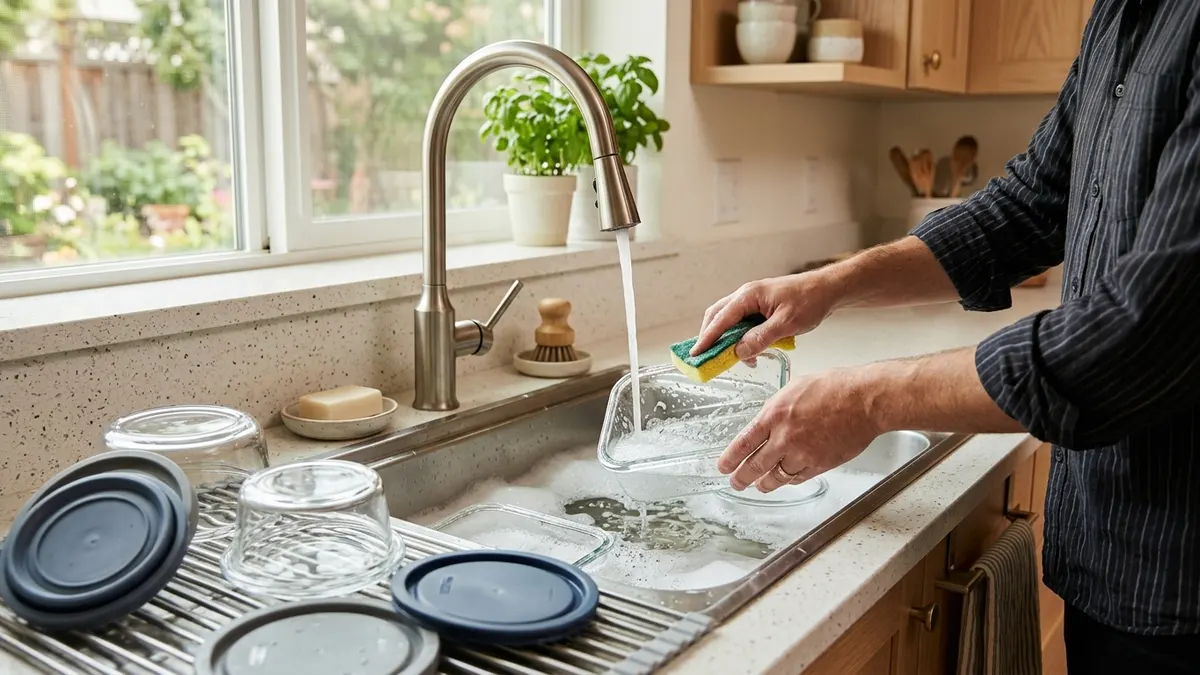
Cleaning Tips
- Dishwasher safe: Most tempered and borosilicate glass containers are top-rack dishwasher safe. Always check the manufacturer's instructions for the lids.
- Hand washing: For stubborn residue, soak in warm soapy water for 10 to 15 minutes before scrubbing with a non-abrasive sponge.
- Stain removal: A paste of baking soda and water removes most stains from glass. Apply, let sit for 15 minutes, then rinse clean.
- Odor elimination: If a container picks up a faint odor, fill it with a mixture of water and white vinegar, let it sit overnight, and rinse thoroughly.
Storage Tips
- Stack containers by size with lids stored separately in a designated drawer or container organizer
- Avoid nesting glass containers inside each other without padding, as this can cause scratching
- Store lids upright in a lid organizer to prevent warping and make them easier to locate
- Keep glass containers away from extreme edges of shelves to reduce the risk of accidental falls
What to Avoid
- Never place a glass container on a direct gas flame or electric burner
- Avoid sudden temperature changes that the glass is not rated for (e.g., putting a hot glass container directly into ice water)
- Don't use metal utensils to scrape glass containers, as this can cause surface scratches over time
- Never microwave food with the snap-lock lids closed; always vent by cracking or removing the lid
For a full deep-dive into keeping your food fresh with the right storage tools, our guide on how to store food to last longer is a great companion resource.
Top Rated Glass Food Storage Containers: What Sets the Best Apart in 2026
The glass container market has grown significantly, and the top rated options in 2026 share a few defining characteristics that set them apart from budget alternatives.
Consistency in quality: The best brands use uniform glass thickness across their product lines, which means every container in a set heats and cools evenly. This matters more than most people realize for food safety and cooking performance.
Thoughtful lid design: The top performing containers in 2026 feature lids with integrated silicone seals that don't dry out, crack, or require replacement after a few months. Look for lids with clearly labeled release tabs so the seal doesn't require excessive force to open.
Versatile sizing systems: The best sets are designed as modular systems where all lids fit multiple container sizes. This reduces the number of lids you need to keep track of and makes the system far more practical in a real kitchen.
Transparency and labeling: Some premium sets include frosted side panels or raised measurement markings on the glass itself, which makes portioning and labeling far easier.
Eco-conscious design: In 2026, many top rated brands highlight that their glass containers are made from recyclable materials and are designed to replace hundreds of single-use plastic bags over their lifespan. This resonates strongly with environmentally conscious American households.
If you want to explore how glass containers compare to other materials for sustainability, our article on sustainable living and eco-friendly home organization covers this topic beautifully.
How Many Glass Containers Do You Actually Need?
This is one of the most common questions I hear, and the honest answer is: it depends on your household size and cooking habits. Here's a general framework that works for most American households.
Single person or couple:
- 4 to 6 small containers (1 to 2 cups each)
- 4 medium containers (3 to 4 cups each)
- 2 large containers (6 cups or more)
Family of 3 to 4:
- 6 small containers
- 6 to 8 medium containers
- 4 large containers
- 2 extra-large containers for batch cooking
Avid meal preppers of any household size:
Add 4 to 6 additional medium and large containers to your baseline count to support full weekly meal prep without running out of containers mid-week.
Browse our best sellers collection at Sesoris to find glass container sets sized and priced for every household type.
Related Products from Sesoris
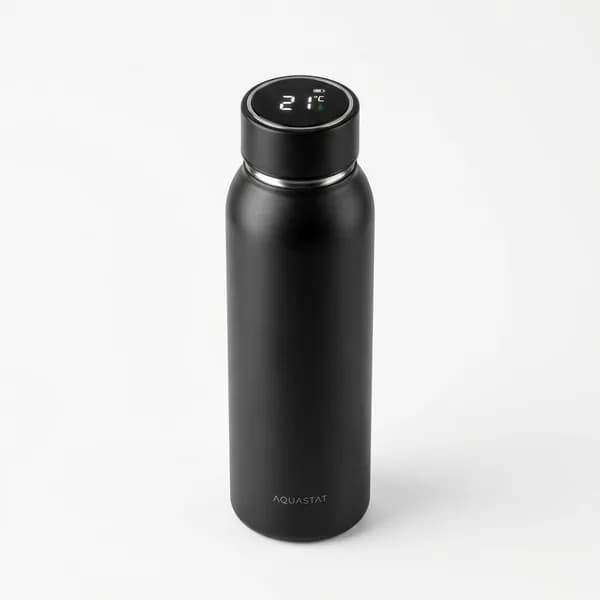
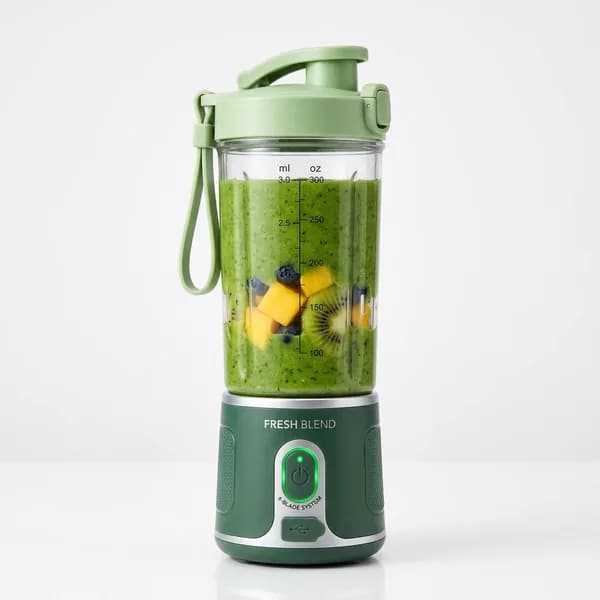
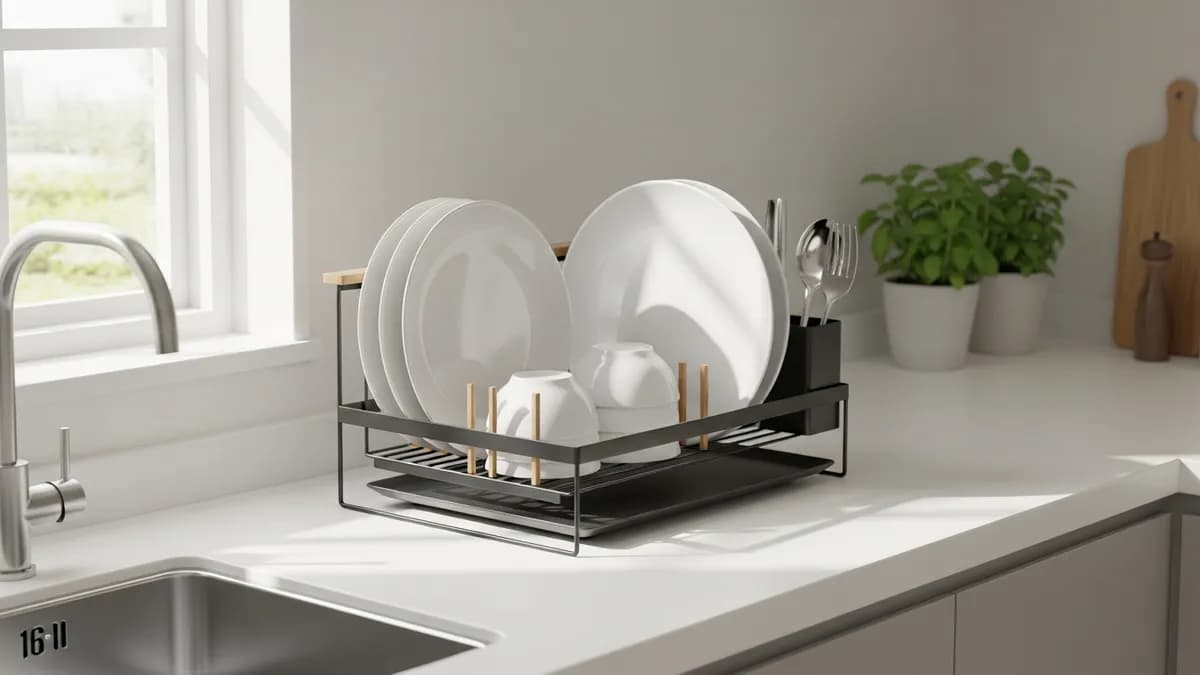
If you want to turn this guide into a real setup, start with Stainless Steel 2-Tier Dish Rack and Portable Blender. For broader options, browse the Kitchen & Dining collection so the article journey does not stop at reading only.
Our practical rule: choose one product that solves the main clutter problem first, then add supporting organizers only when the daily workflow is already clear. This keeps the shopping path useful, not pushy.
FAQ: Frequently Asked Questions About Top Rated Glass Food Storage Containers
Q: Are glass food storage containers really safer than plastic?
Yes, for most food storage purposes. Glass is chemically inert, meaning it doesn't absorb food flavors, odors, or leach chemicals into your food. High-quality BPA-free plastic is also considered safe, but glass is the preferred choice for hot foods, acidic foods, and long-term storage.
Q: Can I put glass containers directly in the oven?
It depends on the type of glass and whether the lids are included. Borosilicate glass containers without the lid are generally oven-safe up to 450 degrees Fahrenheit or higher. Tempered glass containers are usually oven-safe to around 400 degrees Fahrenheit. Always check the manufacturer's specifications and never put snap-lock plastic lids in the oven.
Q: Will glass containers break in the freezer?
Quality tempered and borosilicate glass containers are designed to be freezer-safe. The key is to always leave at least one inch of headspace for liquids to expand as they freeze, and to avoid placing a hot container directly into the freezer. Let hot food cool to room temperature first.
Q: How do I keep glass container lids organized?
This is one of the biggest practical challenges! I recommend a dedicated drawer insert or a standalone lid organizer where you store all lids upright. This makes them easy to find and prevents warping from improper stacking. Check out the Sesoris shop for kitchen organizers that work perfectly with glass container sets.
Q: What is the difference between borosilicate and tempered glass?
Borosilicate glass contains boron trioxide, which gives it a very low coefficient of thermal expansion. This means it can handle drastic temperature changes (like going from freezer to hot oven) without cracking. Tempered glass is standard glass that has been heat-treated for strength and impact resistance, but it is more susceptible to thermal shock. For oven-to-freezer use, borosilicate is the better choice.
Q: Are glass containers worth the higher price compared to plastic?
Absolutely, when you consider the long-term value. Quality glass containers can last 10 years or more with proper care, while plastic containers typically need replacing every 2 to 3 years due to staining, warping, and degradation. Over time, glass is often the more economical choice.
Conclusion: Make the Switch to Top Rated Glass Food Storage Containers in 2026
Choosing the top rated glass food storage containers for your kitchen is one of the smartest, most practical investments you can make in 2026. From meal prepping and leftover storage to pantry organization and oven-to-table serving, glass containers deliver unmatched versatility, safety, and longevity compared to plastic alternatives. The key is to choose the right type of glass for your cooking style, invest in a set with quality lids and an airtight seal, and care for your containers properly so they last for years.
Whether you're outfitting a new kitchen or finally upgrading from a mismatched collection of plastic containers, now is the perfect time to make the switch. Explore our curated selection of kitchen organization products and new arrivals at Sesoris, where we're always adding the best tools to help you live more organized. Your freshest, most organized kitchen starts with the right containers.
Weekly Home Tips
Get home organization ideas, product picks, and exclusive deals delivered weekly.
No spam. Unsubscribe anytime.
Explore More Articles
- DIY Plant Care Station Tutorial: Create an Organized Plant Care System at Home in 2026
- Best Storage Solutions in Garage: 30+ Smart Ideas to Transform Your Space in 2026
- 25+ Best Organization Ideas for a Small Closet to Maximize Every Inch in 2026
- Glass Storage Food Containers with Lids: The Complete 2026 Review & Buying Guide
- Best Storage for Clothes: 25+ Smart Solutions to Organize Your Wardrobe in 2026
- 30+ Best Garage Cabinet Ideas to Transform Your Storage Space in 2026
- How to Declutter Office: The Complete 2026 Step-by-Step Guide to a Clean, Productive Workspace
- Pegboard Garage Organization: The Complete 2026 Guide to a Clutter-Free, Functional Garage