
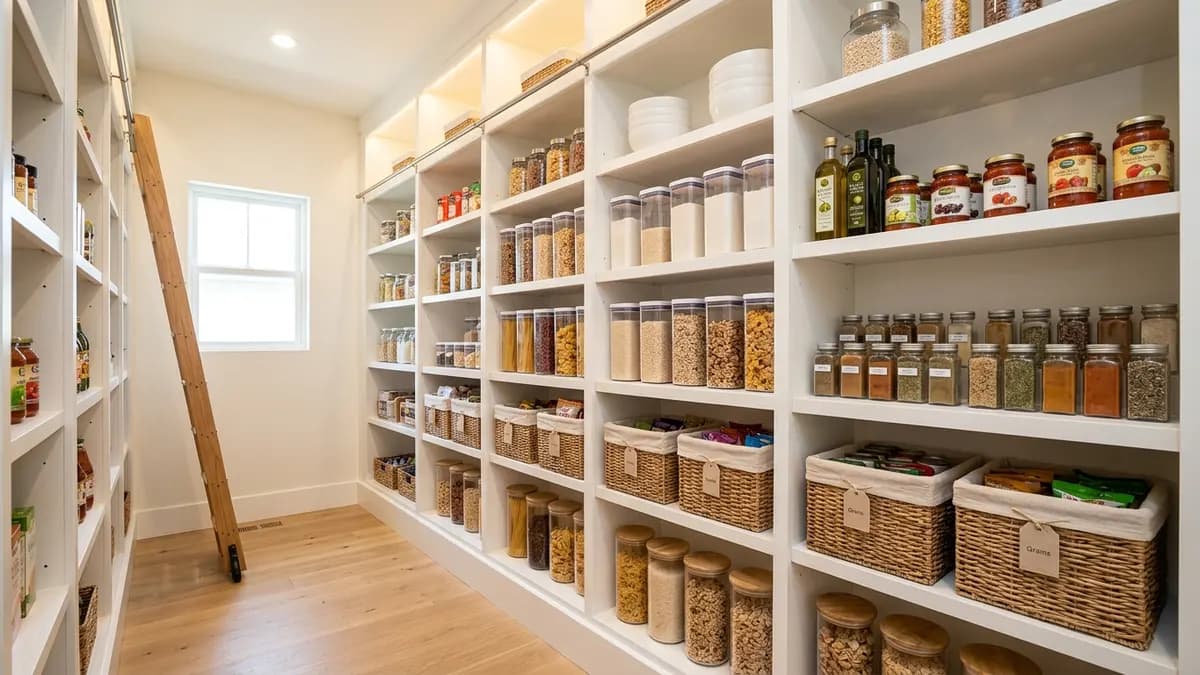
30+ Best Organization Pantry Ideas to Transform Your Kitchen Storage in 2026
If your pantry feels more like a jumbled cabinet than a functional food-storage space, you are definitely not alone. Finding practical organization pantry ideas is one of the most searched home topics in 2026, and for good reason. A well-organized pantry saves you money by reducing food waste, cuts down on meal-prep stress, and honestly just makes your kitchen feel a whole lot calmer. Whether you have a spacious walk-in pantry, a modest reach-in closet, or a few cabinets pretending to be a pantry, I have rounded up more than 30 actionable ideas to help you transform your kitchen storage from chaotic to completely dialed in. Let's get into it.
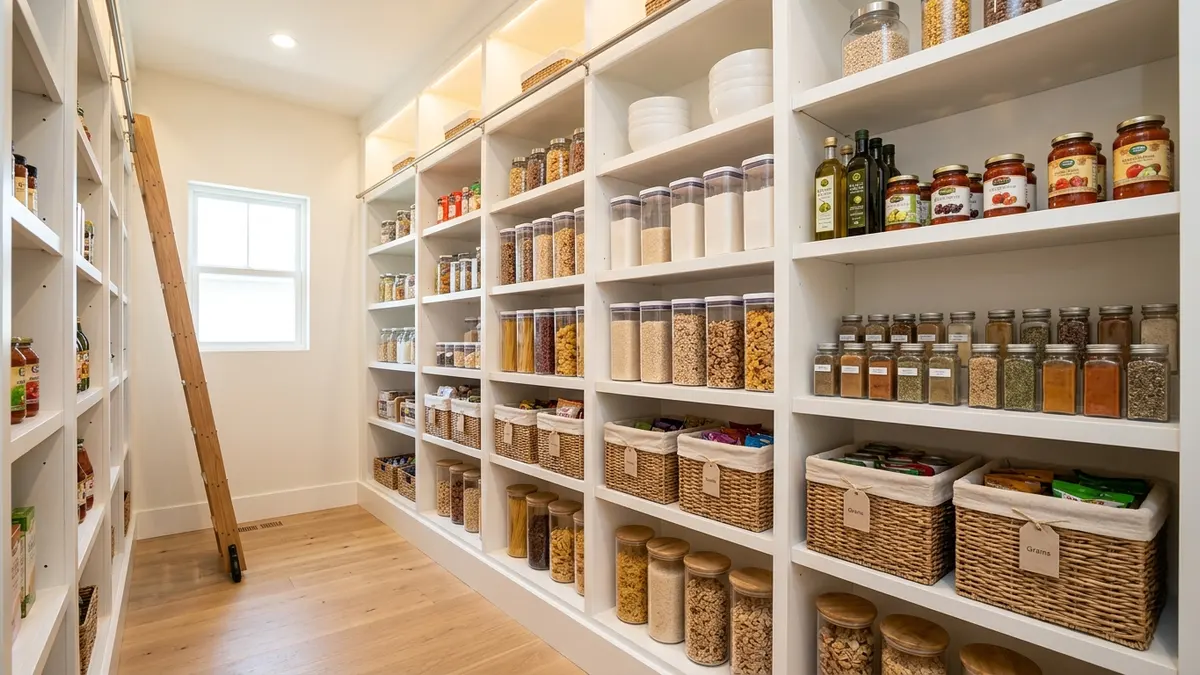
Why Good Organization Pantry Ideas Actually Matter
Before diving into the specific tips, it is worth understanding why pantry organization deserves real attention. According to The Spruce, a disorganized pantry is one of the top reasons households waste food and overspend on groceries. When you cannot see what you have, you buy duplicates, forget about items tucked in the back, and end up throwing away expired products.
A properly organized pantry, on the other hand, functions almost like a well-run small grocery store. Everything has a designated place, categories are visible at a glance, and restocking is simple. The payoff goes beyond aesthetics. You will spend less time meal planning, feel less overwhelmed on busy weeknights, and feel more in control of your home overall. Think of pantry organization as a lifestyle investment, not just a weekend chore.
Pantry organization also pairs beautifully with other kitchen organization habits. If you have already tackled your refrigerator, check out these 30+ Best Fridge Organization Ideas to keep the momentum going.
Step 1 - Empty, Sort, and Purge Before Organizing
The single most important rule for any successful pantry overhaul: start completely fresh. Pull absolutely everything out of your pantry and place it on your kitchen counter or table. This step feels tedious, but it is non-negotiable.
The Three-Pile Sorting Method
Once everything is out, sort items into three categories:
- Keep - items that are unexpired, used regularly, and genuinely belong in the pantry
- Donate - non-perishable food items that are still good but that your household won't realistically use
- Toss - anything expired, stale, or damaged beyond use
As you sort, group your "keep" items into broad categories: grains and pasta, canned goods, baking supplies, snacks, oils and condiments, breakfast items, and any specialty items. These groups will form the foundation of your zone-based system in the next step.
This purge phase is also the perfect moment to wipe down every shelf, check for crumbs or spills at the back corners, and assess whether your current shelving is actually meeting your needs. Don't skip the clean-out. You cannot properly organize a dirty pantry.
Step 2 - Create a Zone-Based Organization Pantry System
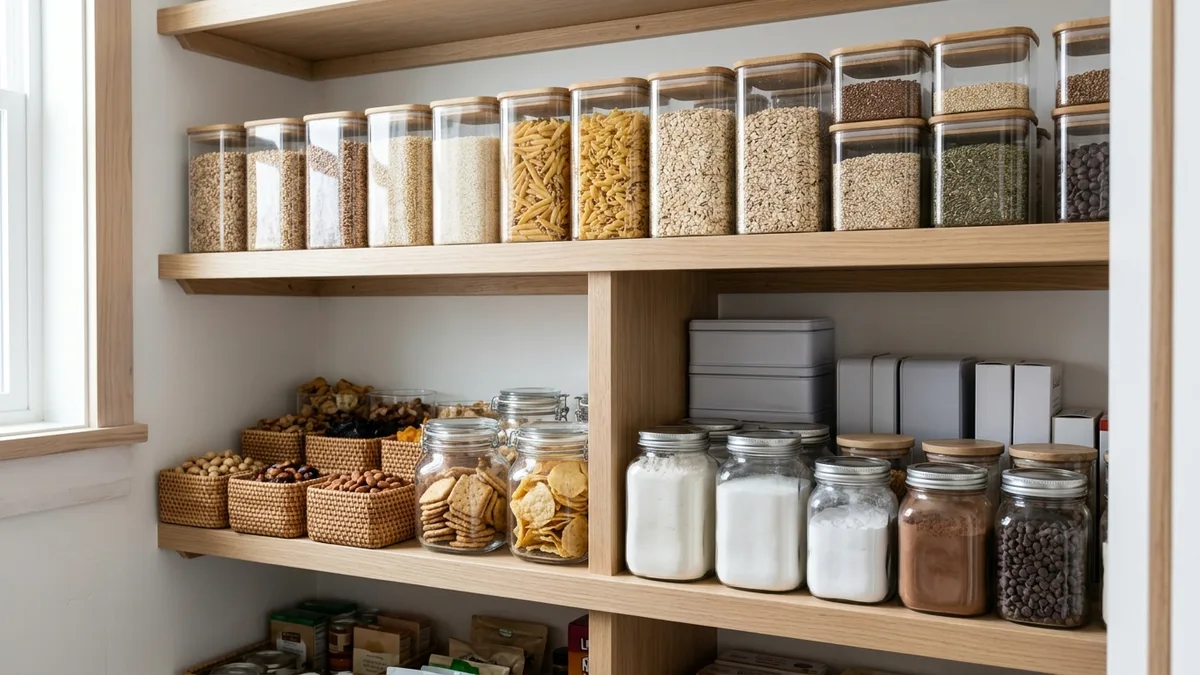
The most effective organization pantry ideas rely on a zone-based approach. Rather than placing items randomly on shelves, you designate specific areas for specific categories and keep those zones consistent every single time you restock.
How to Set Up Your Pantry Zones
Think about frequency of use first. Items you reach for daily should live at eye level and be the easiest to grab. Less frequently used items can go on higher shelves or lower shelves. Here is a layout that works incredibly well for most households:
- Eye-level shelves: Everyday staples like pasta, rice, canned tomatoes, and cooking oils
- Upper shelves: Bulk backup stock, rarely used specialty ingredients, and extra paper goods
- Lower shelves: Heavy items like large bags of flour, bulk beverages, or big bins of potatoes and onions
- Door or wall space: Spice jars, small condiment bottles, foil and wrap boxes
- Baskets and bins: Grab-and-go snacks, kids' snack items, on-the-go packets
Grouping items visually by zone means everyone in your household will know exactly where things belong. This is especially helpful for families with kids, since it removes the guesswork from putting groceries away.
For more in-depth pantry zone strategies, check out these 30 Brilliant Kitchen Pantry Organization Ideas that I put together with even more detail.
Step 3 - Use the Right Containers for a Cleaner, Clearer Pantry
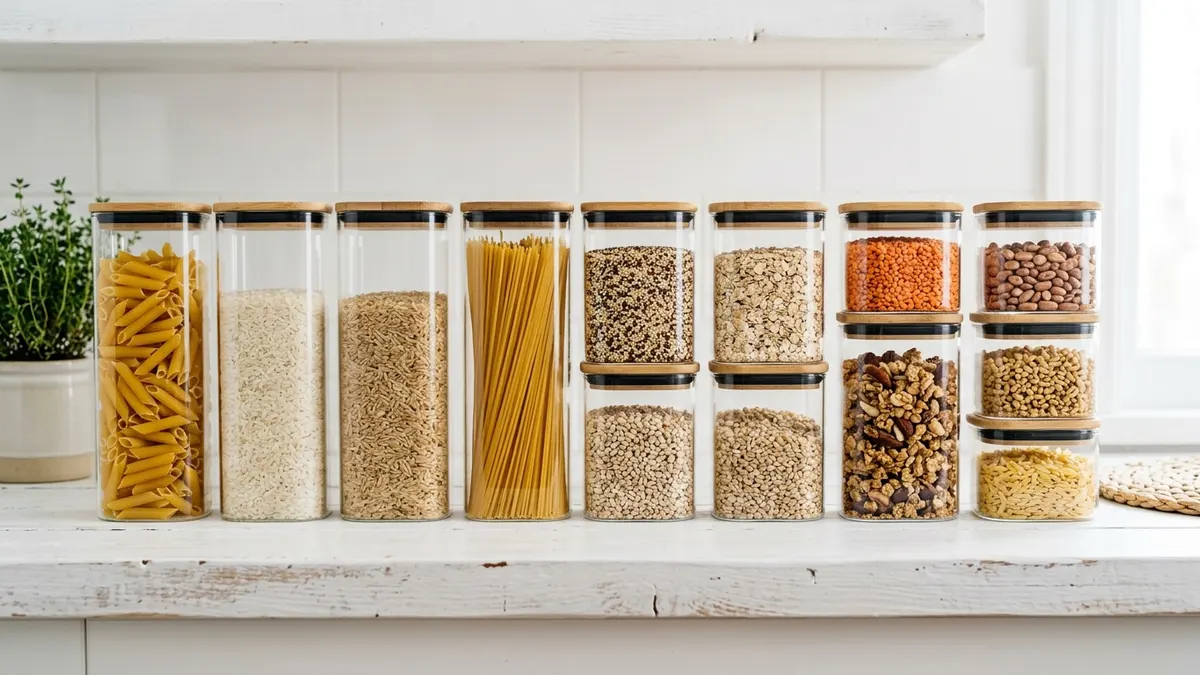
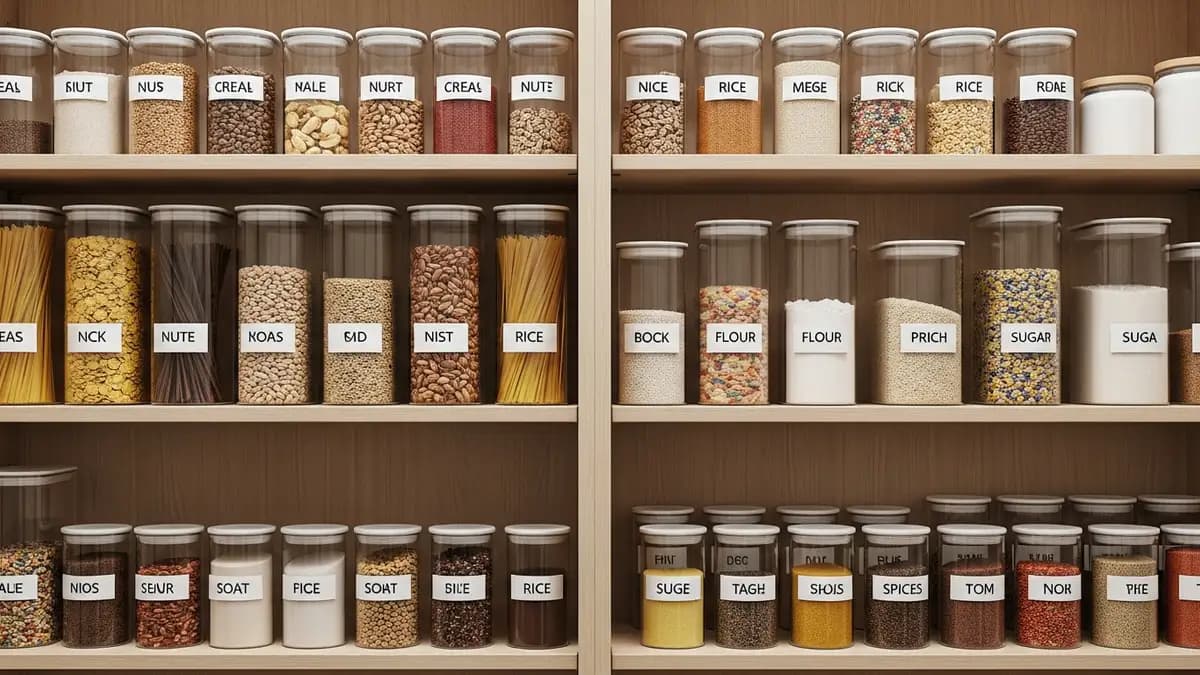
One of the most transformative organization pantry ideas you can implement is switching from mismatched original packaging to uniform food storage containers. Bags of flour, boxes of cereal, and crinkled chip bags take up awkward space and make shelves look messy. Decanting dry goods into clear, matching containers completely changes the visual and functional quality of your pantry.
What to Look for in Pantry Containers
Not all containers are created equal for pantry use. Here is what to prioritize:
- Airtight seals: Lock out moisture and pests, keeping dry goods fresh far longer. Explore our Air Tight Food Storage Containers Guide for details on how airtight seals actually work
- Clear or translucent material: You can see at a glance when something is running low without pulling every container off the shelf
- Stackable shapes: Square and rectangular containers stack far more efficiently than round ones, using every cubic inch of your shelf space
- Consistent sizing across a set: Mixing container sizes from the same product line creates a cohesive, organized look
- BPA-free materials: For health-conscious households, this is a must for any container holding food. Our BPA-Free Food Storage Containers Guide breaks down what to look for
Common items to decant into containers include flour, sugar, oats, rice, pasta, cereal, coffee, nuts, seeds, dried beans, and baking soda. Items with shorter shelf lives or unusual shapes, like a half-used bag of tortilla chips, can stay in their original packaging in a dedicated snack bin.
Pro tip: Before you buy a full set of containers, measure the depth and height of your shelves and the width of your pantry door (if using door storage). Dimensions in inches matter. A 4-inch-deep spice jar won't fit on a 3.5-inch-deep door rack.
Step 4 - Label Everything Clearly and Consistently
Labels are the glue that holds any pantry organization system together long-term. Without them, even the most beautiful pantry setup tends to drift back into chaos within a few weeks. Labels communicate where things belong, which means putting groceries away becomes fast and intuitive for every member of the household.
Labeling Methods That Actually Work
There is no single "right" labeling style. The best method is whatever you will actually maintain. Here are the most popular options for 2026:
- Printed label makers: Give a clean, professional look. Great for containers and bins
- Chalkboard labels: Reusable and easy to update, perfect for seasonal items or changing categories
- Clear adhesive labels with printed inserts: Allow you to slide a new card in when contents change
- Handwritten with a paint pen on glass: Works beautifully on glass jars and gives a charming, artisan feel
Whatever style you choose, label both the container lid and the front face. When containers are stacked, you need to read the label from the front, not just the top. Also label your bins and baskets, not just individual containers. A basket labeled "Snacks" tells everyone where to put the granola bars even if there isn't a dedicated container for them.
For a complete labeling system guide, visit our article on Storage Bin Labels: The Complete 2026 Guide.
Step 5 - Maximize Every Inch with Smart Pantry Storage Tools
Once your zones are defined and your containers are in place, it is time to look at how you can physically maximize the storage capacity of your pantry. Most pantries have significant unused potential hiding in plain sight.
Shelf Risers and Stackable Shelves
Standard pantry shelves often leave large gaps of empty vertical space between the shelf surface and the underside of the next shelf above. Shelf risers and tiered organizers fill that gap, allowing you to stack canned goods two rows deep and still see every can clearly. This single addition can effectively double your canned goods capacity.
Door-Mounted Organizers
The inside of a pantry door is one of the most chronically underused surfaces in the American kitchen. An over-the-door organizer with clear pockets or narrow shelves can hold spice jars, condiment bottles, foil boxes, plastic wrap, snack packets, and small cans. On a standard 80-inch pantry door, you can often add 20 to 30 additional storage slots just by using this surface properly.
Lazy Susans for Corner and Deep Shelves
If your pantry has corner shelving or very deep shelves where items get lost in the back, a rotating lazy Susan is a game changer. Place oils, vinegars, and condiments on a lazy Susan at eye level and you will never lose track of a half-used bottle of fish sauce again. They are available in sizes ranging from about 10 inches to 18 inches in diameter to fit various shelf depths.
Pull-Out Bins and Drawer Inserts
Lower pantry shelves are notoriously difficult to use efficiently. Deep, low shelves tend to collect bulky items that get pushed to the back and forgotten. Large pull-out wire or wicker bins solve this problem elegantly. Fill them with potatoes, onions, bulk snacks, or oversized items and simply pull the bin forward to access everything inside.
Pegboard Wall Panels
If you have a walk-in pantry with bare wall space, a pegboard panel is an incredibly flexible storage solution. Hang hooks for aprons, clips for bags, small bins for packets, and narrow shelves for spice jars. The modular nature of pegboard means you can reconfigure it as your needs change without any extra holes in the wall.
For even more ideas on pantry shelving configurations, browse our 25+ Best Pantry Shelving Ideas article.
Step 6 - Tackle Lower Shelf and Bulk Item Storage
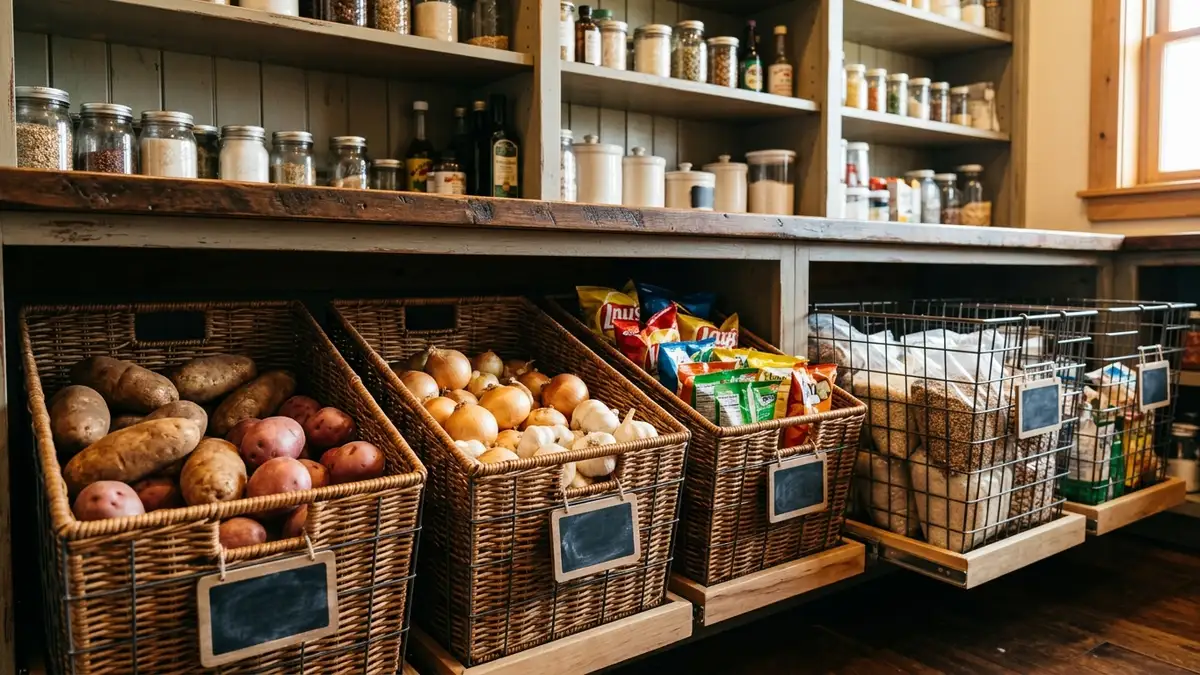
Lower pantry shelves present a unique challenge. They're harder to see into, harder to reach, and often end up as a dumping ground for oversized or irregular items. Here's how to make them genuinely functional:
- Assign categories intentionally: Beverages, bulk dry goods in large bags, extra paper towels, or large pots and appliances work well on lower shelves
- Use large open bins or baskets: Group similar items in a labeled bin so you pull the bin out rather than rooting around on the shelf
- Stack canned goods in rows: Use a tiered can organizer that lets cans roll forward as you remove them, keeping inventory visible
- Store heavy items closest to the floor: Safety first. Large bags of dog food, bulk rice, or heavy canned goods belong low so they are easy to lift in and out without straining
- Consider a rolling cart: A narrow rolling cart or utility cart can slide into a pantry corner and provide additional vertical storage that you can roll out when needed
According to Good Housekeeping, organizing lower pantry shelves with pull-out systems is one of the most impactful changes you can make in a kitchen because it transforms otherwise dead space into usable, accessible storage.
10 Quick-Win Organization Pantry Ideas for 2026
If you are short on time and want fast results, these quick wins deliver maximum impact with minimal effort:
- Group all canned goods together by type (beans, soups, tomatoes) so you see your full inventory at a glance
- Put snacks in one dedicated basket labeled clearly so kids and adults always know where to find them
- Move baking supplies to a single zone including flour, sugar, baking powder, vanilla extract, and chocolate chips
- Turn all labels forward on every single item in your pantry right now, before doing anything else
- Add a lazy Susan to your spice shelf immediately if your spices are currently in a flat single row
- Use a magazine file or tension rods to store baking sheets, cutting boards, and sheet pans vertically instead of in a chaotic stack
- Dedicate one basket to "use first" items approaching their expiration date so nothing gets wasted
- Consolidate partially used packages of the same item into one container instead of having three open bags of oats
- Keep a running grocery list on the pantry door using a small whiteboard or notepad so you add items the moment you run out
- Reassess your pantry organization every season to account for changing meal patterns and holiday baking supplies
Organization Pantry Ideas for Small Pantries and Tight Spaces
Not everyone has a roomy walk-in pantry. Many American homes rely on a single reach-in cabinet or a narrow closet for all their food storage. These organization pantry ideas are specifically designed for tight spaces:
Vertical Storage Is Your Best Friend
When floor space is limited, go up. Install additional shelves at heights that match your actual container sizes rather than using standard shelf heights that waste several inches of vertical space. Adjustable shelving brackets let you fine-tune shelf heights as your storage needs evolve.
Use Every Door and Wall Surface
In a small pantry, the door and the side walls are not optional bonus storage. They are essential. Mount narrow spice racks on the inside of the door. Add small wall-mounted baskets on any exposed wall space. Use magnetic strips to hold metal spice tins directly on a metal surface or mounted magnetic board.
Choose Slim, Tall Containers
Slim, tall rectangular containers use vertical space more efficiently than short, wide ones and fit neatly side by side in narrow cabinets. Look for containers that are roughly 4 to 5 inches wide and 8 to 10 inches tall for dry goods like pasta and rice.
For a full breakdown of small pantry strategies, check out our article on 25 Small Pantry Organization Ideas to Transform Your Kitchen Storage in 2026 and our 30+ Best Small Pantry Ideas guide.
How to Maintain Your Organized Pantry Long-Term
The best pantry organization system in the world fails if it is not maintained. Here is how to keep your pantry looking and functioning beautifully week after week:
- Follow the "first in, first out" rule: When restocking, place new items behind older ones so the oldest items get used first. This is the same system grocery stores use and it almost eliminates pantry food waste
- Put groceries away with intention: Resist the urge to just shove new purchases onto the nearest available shelf. Every item goes to its designated zone
- Do a five-minute pantry reset weekly: After grocery shopping, take five minutes to realign containers, face labels forward, and move any misplaced items back to their zones
- Schedule a deeper clean quarterly: Pull everything out, wipe shelves, check expiration dates, and reassess whether your zones still match how your household actually cooks and eats
- Involve your household: If you live with a partner, roommates, or kids, walk them through the system so they understand where things belong. Shared ownership is the key to maintaining any organization system
Remember: An organized pantry is not a one-time project. It is an ongoing habit. The good news is that once the system is in place, maintaining it takes only a few minutes per week.
Related Products from Sesoris
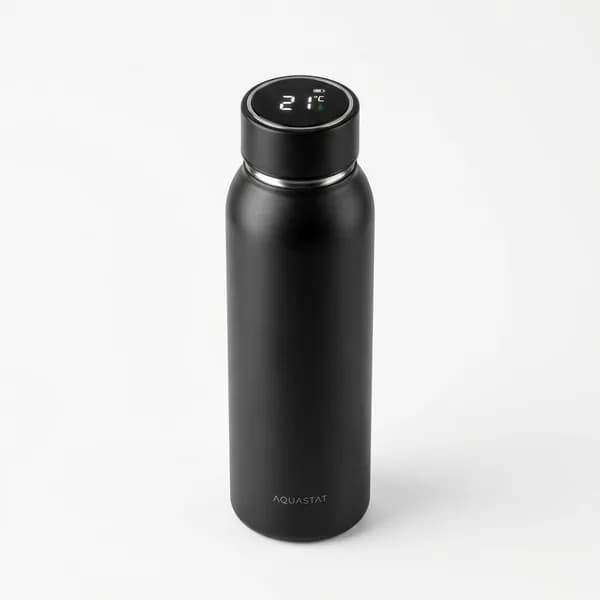
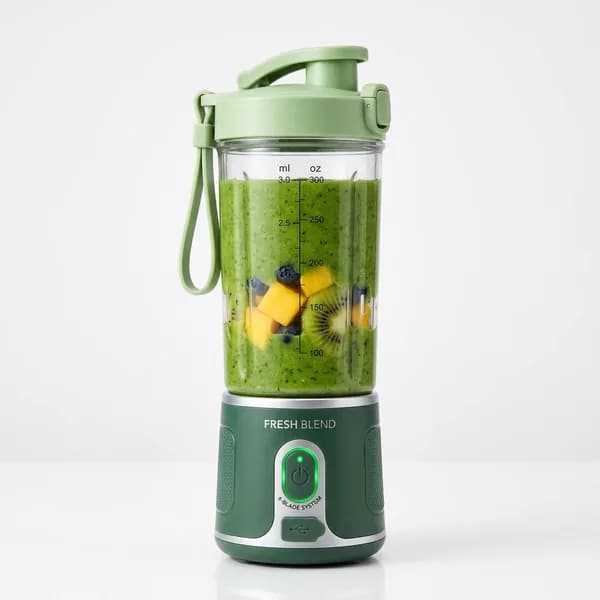
If you want to turn this guide into a real setup, start with Stainless Steel 2-Tier Dish Rack and Portable Blender. For broader options, browse the Kitchen & Dining collection so the article journey does not stop at reading only.
Our practical rule: choose one product that solves the main clutter problem first, then add supporting organizers only when the daily workflow is already clear. This keeps the shopping path useful, not pushy.
FAQ: Frequently Asked Questions About Organization Pantry Ideas
Q: How do I start organizing a pantry that is completely overwhelming?
Start with the purge. Remove everything, throw away expired items, and group what's left into categories. Don't worry about containers or labels on day one. Just getting the zones established and the clutter removed will immediately make your pantry feel significantly more manageable. You can add containers and labels in a second pass.
Q: What are the best containers for pantry organization?
Clear, airtight containers in square or rectangular shapes are generally the best choice for most pantry staples. They stack efficiently, let you see contents at a glance, and keep dry goods fresh longer than original packaging. Look for BPA-free options and choose a consistent container line so sizes stack and match across your shelves.
Q: How deep should pantry shelves be?
For most food storage items, a shelf depth of 12 to 16 inches works well. Deeper shelves of 18 to 20 inches can accommodate larger items but require pull-out bins or lazy Susans to prevent things from getting lost at the back. Spice shelves work best at just 4 to 6 inches deep so everything remains visible.
Q: How do I organize a pantry without spending a lot of money?
You don't need to buy a full matching container set all at once. Start by purging, grouping, and labeling what you already have. Add containers gradually, focusing first on the items that cause the most frustration, like loose pasta, open bags of flour, or scattered snacks. Thrift stores and dollar stores often carry inexpensive baskets and bins that work perfectly for grouping categories.
Q: How often should I reorganize my pantry?
A full reorganization is best done twice a year, roughly before the holiday baking season and in spring. Weekly five-minute resets after grocery shopping keep things from drifting back into chaos between major cleanouts.
Q: Should I decant everything into containers or just some things?
Focus on decanting dry goods with awkward packaging that doesn't stack neatly, such as flour, sugar, oats, rice, pasta, cereal, nuts, and snacks. Items in uniform cans or bottles don't need to be decanted since they already stack and store efficiently. Use your judgment based on what is causing the most visual clutter and storage inefficiency in your specific pantry.
Conclusion: Your Organized Pantry Starts Today
There is nothing quite like opening your pantry and instantly seeing exactly where everything is. With the right organization pantry ideas in place, your kitchen becomes a calmer, more functional space that genuinely supports the way your household cooks and lives. From creating clear zones and investing in the right containers to maximizing door space and establishing simple maintenance habits, every strategy in this guide is designed to deliver real, lasting results in 2026.
The best part is that you don't have to do it all at once. Start with the purge today. Add containers next week. Label everything the week after. Small, consistent steps build into a pantry transformation you will be proud of every time you open that door.
Ready to find the tools that make it all possible? Explore our curated selection of home organization products at Sesoris to find airtight containers, labeled bins, shelf risers, lazy Susans, and everything else you need to build the organized pantry of your dreams. Browse our Best Sellers for the most popular picks, or check out our New Arrivals for the latest additions to our kitchen and pantry organization collections. Live More Organized starts here.
Weekly Home Tips
Get home organization ideas, product picks, and exclusive deals delivered weekly.
No spam. Unsubscribe anytime.
Explore More Articles
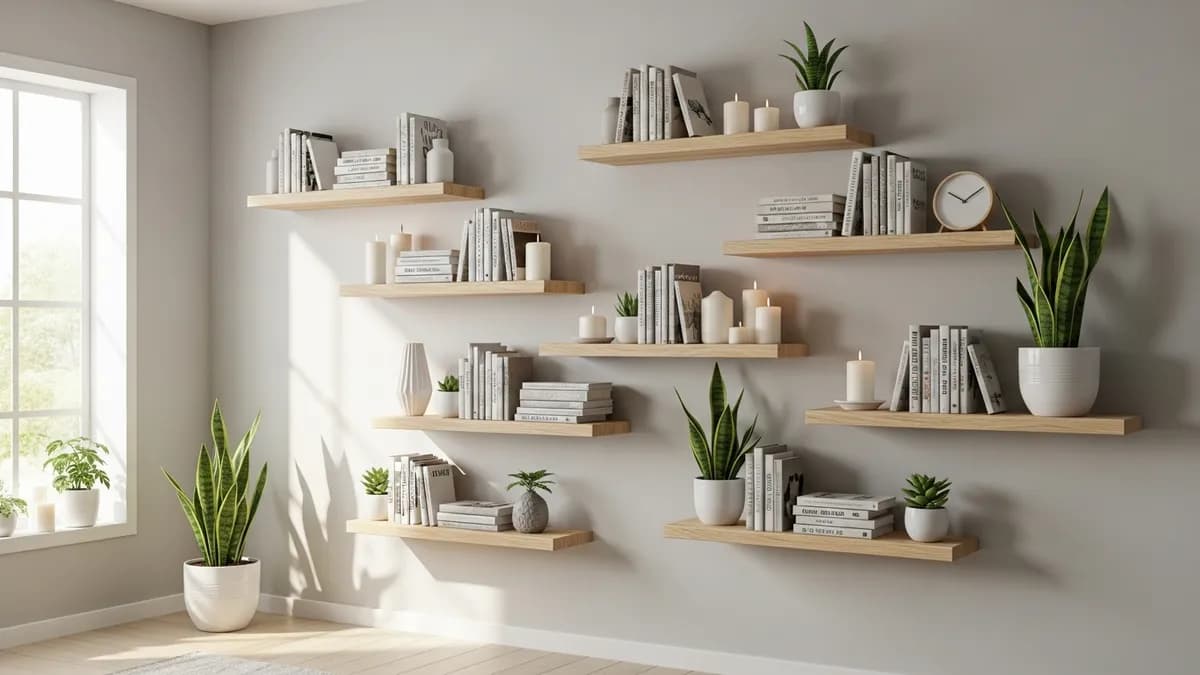
- 35+ Creative Wall Book Shelf Ideas to Transform Your Home Library in 2026
- Overhead Garage Storage Solutions: Ultimate Guide to Transform Your Garage Space in 2026
- Organization and Cleaning: Complete Tutorial Guide to Transform Your Home in 2026
- Stove Rack Storage: Organize Your Cooking Area for Maximum Efficiency
- Best Desk Organizers for a Productive Work Desk
- Linen Closet Organization Ideas: 25 Smart Ways to Transform Your Storage Space in 2026
- 25 Creative Wall to Wall Shelf Ideas That Transform Your Home Storage in 2026
- Stainless Steel Racks: Long-Term Investment for Home Organization